What Makes Brass Street Elbows Better Than Standard Ones

What Makes Brass Street Elbows Better Than Standard Ones?

You need to make a sharp 90-degree turn in a tight space. Using a standard elbow plus a separate nipple fitting takes up too much room and adds another potential leak point to the system.

This fitting, a “street elbow,” has one male and one female end to solve this exact problem. It allows you to make a tight turn and connect directly to another fitting without needing an extra pipe nipple, saving space, parts, and labor.

Street Elbow vs Standard Elbow

In the world of piping and plumbing, every component has a purpose. Even a part as simple-looking as an elbow fitting comes in different variations designed to solve specific challenges.

What Makes a Street Elbow Different from a Standard Elbow?

You’re planning a pipe run and a standard elbow requires another nipple fitting just to connect to a valve. This adds complexity, cost, and another point of failure you have to worry about.

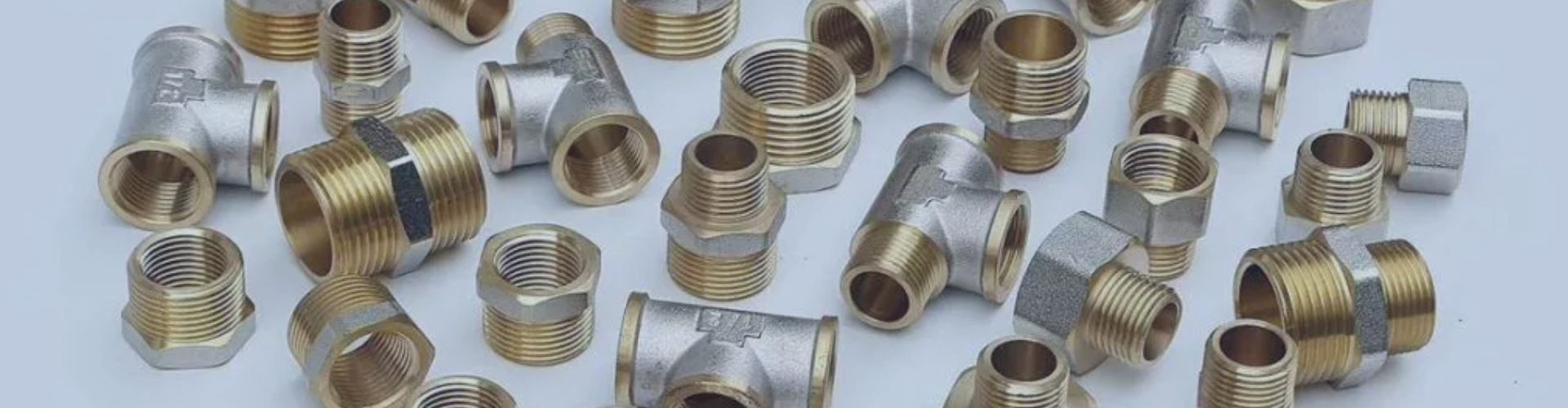
The difference is the threading. A standard elbow has female threads on both ends (F x F). A street elbow has one female and one male end (F x M), acting as an elbow and a nipple in a single piece.

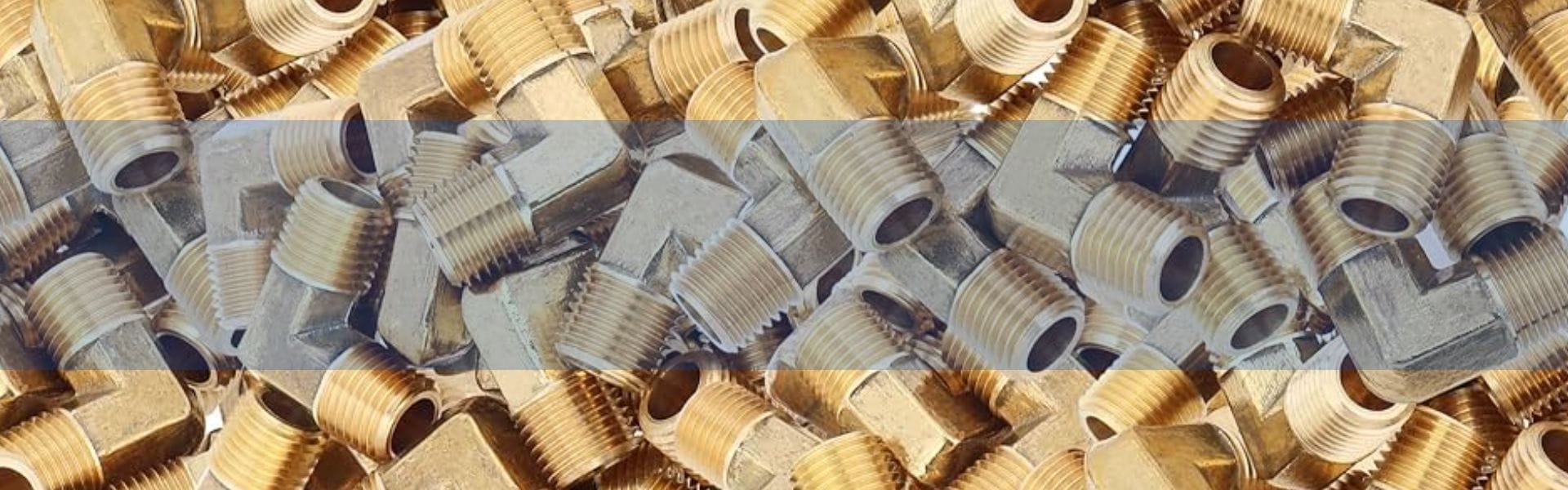
Forged Male 90° Elbow Brass Fittings

A Tale of Two Fittings

The fundamental purpose of any elbow is to change the direction of flow. The key difference between a standard elbow and a street elbow lies in how they connect to the rest of the system. This difference has significant implications for space, cost, and reliability.

A Standard Elbow: This fitting has two female (internal) threaded ports. To connect it to another fitting that also has a female port (like a valve or a pump outlet), you must use a short piece of pipe with male threads on both ends. This short connector is called a “close nipple” or a “pipe nipple.” So, the connection sequence is: Fitting -> Nipple -> Standard Elbow.

A Street Elbow: This fitting was intelligently designed to eliminate the need for that extra nipple. It has one female (internal) threaded port and one male (external) threaded port. This allows the male end to screw directly into another female-threaded fitting, creating a 90° or 45° turn in one compact step. The connection sequence is simply: Fitting -> Street Elbow.

This seemingly small change offers big advantages, which is why we see them used so frequently by experienced plumbers and technicians.

Where Does a Street Elbow Save You Time and Money?

Your project budget is tight and labor isn’t cheap. Every extra part that has to be ordered, inventoried, and installed eats into your profit margin and extends your timeline.

A street elbow directly saves money by eliminating the need to buy a separate pipe nipple. More importantly, it reduces installation time and cuts the number of potential leak points in half for that connection.

45° elbow street hydraulic brass pipe fitting

The Compounding Value of Simplicity

The cost savings from using a street elbow go far beyond the price of a single pipe nipple. For a business owner or project manager, the savings compound across several areas, making it a strategically smart choice.

1. Reduced Component Cost & Inventory: The most obvious saving. Instead of buying and stocking two separate parts (elbows and nipples), you only need one. For large projects or for distributors, this simplification of inventory can be a significant operational benefit, reducing carrying costs and freeing up capital.

2. Lower Labor Costs: Time is money. Sealing and tightening a threaded connection takes time. By eliminating one full connection, a street elbow makes assembly faster. This might seem small, but over hundreds or thousands of connections in a large plumbing or OEM project, these saved minutes add up to many hours of saved labor costs.

3. Increased System Reliability: This is perhaps the most critical financial benefit. Every threaded connection is a potential leak point. Leaks lead to system downtime, costly repairs, fluid loss, and potential damage to other equipment—not to mention damage to your reputation. By having only one connection to seal instead of two, a street elbow inherently creates a more robust and reliable joint.

Can a Street Elbow Restrict System Flow?

Your newly assembled pneumatic tool feels underpowered. You suspect a bottleneck somewhere in the air line, possibly from one of the new fittings you just installed.

Yes, like any elbow, a street elbow creates turbulence and a minor pressure drop. However, the effect is very similar to a standard elbow and is generally insignificant in most water, air, or low-pressure fluid systems.

A Look at the Inner Workings

Any time you force a fluid or gas to make a sharp 90-degree turn, you introduce turbulence. This turbulence creates resistance, which manifests as a small loss of pressure, known as a “pressure drop.” This is true for all elbow fittings, not just street elbows.

The design of a street elbow’s internal flow path is very similar to that of a standard elbow. While some designs might have a slightly smaller internal diameter, especially on the male-threaded side, the impact on overall system performance is typically negligible in the vast majority of applications.

Where this might become a consideration is in high-performance hydraulic systems or in systems where every bit of pressure is critical. In such cases, engineers might specify “sweep” or “long radius” elbows, which have a more gradual curve to minimize turbulence. However, for the most common uses of brass fittings—like residential and commercial plumbing, general industrial air lines, and low-pressure fluid transfer—the pressure drop from a street elbow is not a practical concern. The benefits of its compact design and reduced leak points far outweigh the minimal flow restriction.

Are All Brass Street Elbows Created Equal?

You ordered a batch of fittings for a project in Europe, but the threads won’t engage. You realize the supplier sent you North American standard threads, rendering the entire order useless.

Absolutely not. Quality is defined by the brass alloy used, the precision of the machined threads, and the thread standard itself. The most common are NPT for North America and BSP (BSPT/BSPP) for Europe, Asia, and many other regions.

90 degree street elbow fitting

The Buyer’s Technical Checklist

For a global buyer, understanding the technical specifications is non-negotiable. A low price is worthless if the product doesn’t fit. A reliable supplier like Topa must be an expert in these variations.

1. Brass Alloy:

2. Thread Standards: This is the most common point of confusion for international buyers.

A professional supplier must be able to clearly identify and manufacture to the specific standard you require.

When Is a Standard Elbow a Better Choice?

You have a street elbow, but the final connection is pointing in the wrong direction. You realize you don’t have enough adjustment to get the alignment right with just the one fitting.

A standard elbow and nipple combination is better when you need more rotational freedom for alignment, or when you need to bridge a specific distance that a street elbow’s fixed male end can’t accommodate.

A Case for a Two-Piece Solution

While the street elbow is a brilliant problem-solver, there are specific situations where the classic two-piece (elbow + nipple) approach offers more flexibility. A skilled technician knows when to use each.

The primary reason to choose a standard elbow is for **alignment**. When you tighten a tapered NPT or BSPT fitting, you have a limited window of rotation before it is fully sealed. With a street elbow, you only have one set of threads connecting to your component, giving you only one chance to get the orientation right. With a standard elbow and nipple, you have two sets of threads to play with (the nipple into the component, and the elbow onto the nipple). This extra joint provides more rotational leeway to ensure the final outlet is pointed in exactly the right direction without over-tightening or leaving the connection too loose.

Another reason is **custom spacing**. Pipe nipples come in various lengths. If you need to offset the elbow from the component by a specific distance—perhaps to clear an obstruction—you can select the exact nipple length required. A street elbow has a fixed, very short male end, offering no such flexibility. In these specific cases, the standard elbow provides a more customizable solution.

How Do You Identify a High-Quality Brass Street Elbow?

You get a quote that seems too good to be true. The fittings arrive and they feel light, the threads are rough, and the color looks off, confirming your suspicions about poor quality.

A quality fitting is easy to spot. Look for clean, sharp threads without burrs, a uniform, solid feel, a smooth surface finish, and clear markings from the manufacturer indicating size and material type.

Street Elbow vs rust Street Elbow

A Visual and Tactile Inspection

As a buyer, you can learn to spot the signs of a well-made fitting, which often correlates directly with a reliable manufacturer. Before placing a large order, requesting samples and performing this quick inspection can save you from major headaches.

1. Inspect the Threads: This is the most important part. The threads on a quality fitting will be sharp, clean, and precisely cut. Run your finger over them (carefully). They should feel smooth. Bad fittings will have rough or “gummy” threads with tiny metal burrs. These burrs can prevent a proper seal and even damage the threads of the component you’re connecting to.

2. Check the Finish and Color: A good brass fitting should have a uniform, consistent golden color. Dark spots, discoloration, or a porous-looking surface can indicate a cheap alloy with impurities or poor casting. The surface should be smooth, not pitted.

3. Feel the Weight: A well-made fitting will feel solid and substantial in your hand. If it feels unusually light, the manufacturer may have used a cheaper, weaker alloy or designed it with dangerously thin walls to save on material.

4. Look for Markings: Reputable manufacturers are proud of their work. Look for clear, legible markings, often forged into the body of the fitting, that indicate the size, thread type, and sometimes a manufacturer’s logo. A fitting with no markings at all is a red flag.

Conclusion

The brass street elbow is a simple but effective component. Understanding its unique design and proper application allows for the creation of more compact, reliable, and cost-effective piping and plumbing systems.

At Topa, we specialize in manufacturing high-quality brass fittings, including a full range of street elbows in NPT, BSP, and other standards. We provide the certified materials and precision machining your projects demand. Contact our team today to source the reliable components that will make your systems better.


FAQ

What is the main advantage of using a brass street elbow?

A brass street elbow combines an elbow and nipple in one fitting, saving space and reducing the number of joints, which minimizes potential leak points and simplifies installation.

Can brass street elbows be used in hydraulic or pneumatic systems?

Yes, brass street elbows are suitable for low- to medium-pressure hydraulic and pneumatic systems, offering good corrosion resistance and easy installation, especially in tight spaces.

Are brass street elbows compatible with all thread types?

No, they come in different thread standards like NPT, BSPT, and BSPP. Always confirm the correct thread type for your region or system to avoid compatibility issues.

Do street elbows affect system pressure or flow rate?

Like all elbows, they introduce a small amount of turbulence and pressure drop, but in most plumbing and air systems, this effect is minimal and does not impact performance.

How can I identify a high-quality brass street elbow?

Look for clean threads, smooth surface finish, consistent color, solid weight, and clear size markings—these are signs of precise machining and durable material.

When should I choose a standard elbow instead of a street elbow?

Use a standard elbow with a nipple when you need more adjustment flexibility for alignment or specific spacing that a fixed male-threaded street elbow cannot provide.

Is Your Brass Fitting Safe for Potable Water

Are Brass Fittings a Safe Choice for Gas Lines?

A tiny gas leak from a poor fitting can go unnoticed. This silent threat can lead to a catastrophic explosion, endangering lives and destroying valuable property.

Yes, brass fittings are safe and commonly used for natural gas and LP gas lines, but only if they are the correct type. Forged brass SAE 45° flare or NPT fittings are standard. Never use cast brass or any fitting not specifically rated for gas applications.

Brass Fittings for Natural Gas

Gas plumbing is an application with zero tolerance for error. Unlike a water leak, which creates a visible and often manageable problem, a gas leak is an invisible and potentially catastrophic hazard. The selection of every component, especially the fittings that join the system together, is a critical decision that directly impacts the safety and integrity of the entire installation. Understanding why specific types of brass fittings are approved while others are strictly forbidden is essential knowledge for any professional installer, engineer, or specifier.

Why is Forged Brass Required for Gas Applications?

Using a standard plumbing fitting seems convenient and cost-effective. But hidden porosity in a cast fitting can create a ticking time bomb, slowly weeping explosive gas into an enclosed space.

Forged brass is required because the forging process creates a dense, non-porous metal structure. This eliminates the risk of microscopic cracks or voids often found in cast brass, which could allow flammable gas to escape over time.

A Matter of Density and Strength

The distinction between forged and cast brass is fundamental to gas safety. While both start as the same raw material, the manufacturing process they undergo results in vastly different microstructures, which directly affects their suitability for containing high-pressure or flammable media.

The Forging Process vs. Casting

Casting involves melting brass and pouring the liquid metal into a mold. As it cools, air bubbles and impurities can become trapped, creating microscopic voids and a coarse grain structure. This porosity can form an interconnected network of tiny leak paths through the body of the fitting. Forging, in contrast, starts with a solid billet of brass that is heated until malleable and then mechanically pressed or hammered into a die. This immense pressure refines the grain structure, physically closing any voids and aligning the grains to follow the contour of the fitting. The result is a much denser, stronger, and more uniform material.

The Dangers of Porosity

In a water line, a minor weep from a porous fitting is an annoyance. In a gas line, it is a critical failure. Even a leak so small that it is undetectable by smell can allow gas to accumulate in an unventilated area, creating an explosive atmosphere. Forged brass provides the metallurgical integrity necessary to ensure a permanent, leak-proof seal, which is why it is the only type of brass body construction mandated by plumbing and gas codes for this application. At Topa, we ensure our gas-rated fittings are produced exclusively from high-quality forged brass to guarantee this level of safety.

Which Type of Brass Fitting is Best for Gas Lines?

Choosing between flare and compression fittings can be confusing. The wrong choice could loosen under vibration or fail to seal properly, creating a dangerous and hard-to-detect leak.

The best and most common type is the SAE 45° flare fitting. Its mechanical, metal-to-metal conical seal provides an exceptionally reliable connection that resists vibration. NPT threaded fittings are also used, but they require a proper thread sealant.

flare brass fitting Topa

A Focus on the Sealing Mechanism

The reliability of a gas connection depends entirely on the integrity of its seal. Several types of fittings exist, but their sealing mechanisms are not created equal, making some far more suitable for gas than others.

The Superior Seal of a Flare Fitting

The SAE 45° flare fitting is the gold standard for connecting tubing in gas applications. The design is simple and robust. A special flaring tool is used to form a 45-degree cone on the end of the copper or aluminum tubing. This flared end is then compressed between the male fitting and the flare nut. This creates a large, circular, metal-to-metal seal that is both extensive and highly resistant to vibration and thermal cycling. A key advantage is that it requires no thread sealant on the flare itself, making for a clean and reliable connection.

The Role of NPT Fittings

National Pipe Taper (NPT) fittings are used where a connection is made to a fixed component, like a valve or regulator. The seal is created by the tapered threads wedging together. However, this thread-on-thread seal is imperfect and always requires the use of a gas-rated thread sealant (like yellow PTFE tape) to fill the microscopic gaps and ensure a leak-proof connection.

Why Compression Fittings Are Discouraged

Standard brass compression fittings, common in water lines, are generally not recommended or are prohibited by code for gas. They create a seal by compressing a small metal ring, or ferrule, onto the outside of the tube. This creates a much smaller sealing point than a flare fitting and one that is more susceptible to loosening from vibration, making it a less reliable choice for a critical gas line.

Do Natural Gas and LP Gas Require Different Fittings?

You might assume the same fitting works for both natural gas and propane. However, subtle differences in chemical properties and system pressures could impact material compatibility and long-term safety.

Generally, the same forged brass fittings, such as SAE 45° flare and NPT, are approved for both natural gas (methane) and LP gas (propane/butane). The key is ensuring the fitting is rated for flammable gases, not the specific type.

Compatibility and Pressure

While natural gas and LP gas have different sources and properties, their requirements for brass fittings are largely identical. The decision to use a fitting is based on its material compatibility and pressure rating, both of which are well within the capabilities of standard forged brass flare fittings.

Chemical Compatibility of Brass

Brass, which is an alloy of copper and zinc, is highly stable and non-reactive with the hydrocarbon compounds that make up both natural gas (primarily methane) and LP gas (propane and butane). It does not corrode or degrade when exposed to these gases. In the past, concerns existed about impurities in gas supplies, such as high levels of hydrogen sulfide, which could corrode copper alloys. However, modern gas supplies, both piped and bottled, are refined to very high purity standards, making this a non-issue for modern installations.

Pressure Considerations

This is another area where the robust design of flare fittings provides a significant margin of safety. A typical residential natural gas system operates at a very low pressure, often less than 0.5 PSI. An LP gas system operates at a higher pressure, with the pressure inside a propane tank fluctuating with temperature but typically ranging from 100 to 200 PSI before the regulator. A standard forged brass SAE 45° flare fitting is rated to handle pressures of several hundred, or even thousands, of PSI, depending on its size. This makes it more than capable of safely handling the pressures of both gas types, with a massive safety factor built in.

Can You Reuse Brass Gas Fittings?

Reusing an old fitting seems like a smart way to save a few cents. But a deformed flare or damaged thread from a previous installation can prevent a perfect seal, creating a deadly risk.

It is strongly discouraged and often prohibited by code to reuse brass gas fittings. The critical sealing surfaces, such as the flare face or the NPT threads, are deformed during the initial installation and cannot be relied upon to create a safe seal a second time.

rust vs normal Hydraulic Fitting

A False Economy

The few pennies saved by reusing a gas fitting are insignificant when weighed against the immense risk of a leak. The mechanical principles that make these fittings work also make them, for all practical purposes, single-use components.

The Problem of Work Hardening

When a flare nut is tightened, it exerts immense pressure, compressing the soft brass of the tube’s flare against the cone of the male fitting. This forms a perfect, gas-tight seal precisely because the metal deforms. In this process, the brass work-hardens, becoming harder and less malleable. If you try to reinstall it, the hardened flare will not conform to the fitting in the same way, and it is very likely to have small imperfections that will become leak paths.

Damaged Threads and Sealing Surfaces

For NPT fittings, the case is even clearer. The seal relies on the threads deforming and the thread sealant filling the gaps. Once undone, the threads are distorted, and the old sealant is compromised. Re-applying new sealant over the old, hardened material and damaged threads will not create a reliable seal. The risk of cross-threading or failing to achieve proper torque is high. Given the low cost of a new fitting, the only safe and professional practice is to replace them any time a gas line is disassembled.

What Are The Best Practices for Installing Brass Gas Fittings?

The fitting is new and correctly certified, but the installation is sloppy. A cross-threaded connection or improper sealant application can easily turn a high-quality part into a dangerous point of failure.

Best practices include using two wrenches to prevent twisting the pipe, applying gas-rated thread sealant correctly to NPT fittings, and never over-tightening. Crucially, every joint must be meticulously leak-tested with an approved leak detection solution after installation.

install Brass Fittings on Gas Lines

Precision and Verification

A successful installation depends as much on technique as it does on the quality of the components. Following a disciplined, step-by-step process is crucial for ensuring a safe and durable gas system.

The Two-Wrench Technique

This is a non-negotiable rule. When tightening a flare nut or an NPT fitting, one wrench (the “backup wrench”) must be used to hold the main body of the fitting or the connecting pipe stationary. The second wrench is then used to turn the nut. This isolates the rotational force to the fitting itself and prevents transmitting that torque down the line, which could weaken or damage other connections.

Correct Use of Thread Sealant

For NPT fittings, use only a yellow PTFE tape or a liquid sealant that is explicitly rated for natural gas and LP gas. Apply the tape clockwise onto the male threads only. Start from the second thread, leaving the first thread bare to prevent any sealant from being pushed into the gas line, where it could clog an orifice.

The Critical Leak Test

Never assume a joint is sealed. After the system is pressurized, every single connection must be tested. Use a commercial leak detection solution or a simple mixture of soap and water. Liberally apply the solution to the fitting and watch closely for several seconds. The formation of any bubbles, no matter how small, indicates a leak that must be fixed immediately. Never, under any circumstances, use an open flame to check for gas leaks.

Conclusion

Using the correct, certified forged brass fittings for gas lines is non-negotiable for safety. Proper selection and a meticulous installation of flare or NPT fittings prevent catastrophic leaks and ensure system integrity. If you need quality brass fittings to keep your gas system safe, contact Topa and we can provide the best products!

Is Your Brass Fitting Safe for Potable Water

Is Your Brass Fitting Safe for Potable Water?

That small brass fitting in a drinking water system appears harmless. Yet, it could be a hidden source of lead contamination, creating serious health risks and significant legal liabilities over time.

A brass fitting is only safe for potable water if it is certified “lead-free,” meaning it has a weighted average lead content of 0.25% or less. Look for markings like “LF,” “NL,” or an NSF/ANSI 61 certification to ensure compliance and safety.

What Makes Traditional Brass a Health Concern?

That old, heavy brass fitting has worked for years without apparent issues. But its composition hides a dangerous element that silently jeopardizes water quality with every turn of the tap.

The primary health concern with traditional brass is its lead content. Historically, lead (up to 8%) was added to brass alloys to improve machinability. This lead can leach from the fitting into the drinking water.

Brass Fittings for Water

The Hidden Danger in the Alloy

The use of lead in brass was a widespread industrial practice for generations. From a manufacturing perspective, lead provided significant benefits. It is a soft, malleable metal that, when added to a copper-zinc alloy, acts as a mechanical lubricant. This made the brass easier to cut, thread, and shape, reducing tool wear and speeding up production. The lead particles would smear over the machined surface, helping create tighter seals in threaded connections.

The problem, however, is that lead does not chemically bind into the brass alloy’s crystalline structure. Instead, it exists as small, discrete particles distributed throughout the metal matrix. When exposed to water, especially water that is soft (low in mineral content), acidic (low pH), or hot, a process called leaching occurs. The water can dissolve these lead particles, releasing toxic lead ions into the water supply. There is no safe level of lead exposure. It is a potent neurotoxin that can cause severe developmental issues in children and serious health problems in adults, including cardiovascular and kidney disease. This is why the focus of modern plumbing regulations is on the complete removal of lead as a functional component in any part of a potable water system.

How Do Regulations Ensure Modern Brass is Safe?

A manufacturer’s claim of “safety” can feel hollow without proof. In a global market, how can you be certain that a fitting truly meets the stringent health standards required for drinking water?

Modern brass is safe due to strict government laws, primarily the U.S. Safe Drinking Water Act (SDWA). This law legally defines “lead-free” and relies on third-party certifications like NSF/ANSI 61 and 372 to verify compliance.

NSF on Brass Fitting

A Framework of Laws and Standards

The safety of modern plumbing is not left to chance; it is governed by a robust framework of legislation and consensus-based standards. The cornerstone of this framework in North America is the Safe Drinking Water Act (SDWA), which was amended by the Reduction of Lead in Drinking Water Act (RLDWA) in 2011. This amendment created a national, legally enforceable definition for “lead-free.”

Key Regulations and Standards:

For our clients, we stress that looking for these certifications is non-negotiable. They are the only reliable assurance that a product is both legally compliant and safe for public health.

Can You Visually Identify a Lead-Free Brass Fitting?

You are holding two brass fittings that look almost identical. Making the wrong choice could compromise a plumbing project, but there are no obvious visual cues to tell them apart.

No, you cannot reliably identify a lead-free fitting by sight alone. While some lead-free alloys have a slightly different color, the only definitive proof is the specific markings stamped onto the fitting’s body by the manufacturer.

FL on brass Fitting

A Language of Markings

Relying on subtle visual differences like color or sheen to identify lead-free brass is a dangerous gamble. While some lead-free alloys containing bismuth may have a slightly more yellow or reddish hue compared to the duller gray-yellow of traditional leaded brass, this is not a reliable indicator. Different manufacturing processes and surface treatments can alter the appearance, making visual identification guesswork.

The only trustworthy method is to inspect the fitting for specific, industry-standard markings. Reputable manufacturers are required to stamp their products to indicate compliance.

What Are The Best Brass Alloys for Drinking Water?

Knowing a fitting is “lead-free” is a good start, but are all lead-free alloys the same? The long-term durability of a plumbing system depends on choosing an alloy that resists corrosion.

The best alloys are not only lead-free but also resistant to dezincification (DZR). Excellent choices include Silicon Brass (e.g., C87850), Bismuth Brass (e.g., C89833), and specific DZR brasses like CW511L in Europe.

standard vs rust brass fitting

Beyond Lead-Free to Long-Term Reliability

Removing lead from brass alloys forced metallurgists to find alternative elements that could provide good machinability without the toxicity. This has led to the development of several new families of high-performance brass. However, another critical factor for longevity in potable water systems is dezincification. This is a corrosive process where zinc is selectively leached from the brass alloy, leaving behind a porous, brittle, and copper-rich structure that is prone to sudden failure.

The best modern alloys address both issues. They are lead-free and formulated to be dezincification-resistant (DZR or DR).

As a supplier to a global market, we work with a portfolio of these advanced alloys to provide fittings that not only meet legal requirements but also offer superior long-term performance and peace of mind.

Are Other Materials Better Than Brass for Potable Water?

Brass is a traditional choice, but are newer materials a better option? Choosing the right material involves balancing cost, installation complexity, and long-term durability for a specific job.

While lead-free brass offers an excellent balance of properties, other materials like stainless steel, copper, and PEX (cross-linked polyethylene) are also safe and widely used. Each has its own distinct advantages and disadvantages.

A Comparison of Common Materials

The best material for a plumbing job depends on the specific application, budget, and local building codes. Lead-free brass is often the go-to choice, but it’s important to understand the alternatives.

Stainless Steel (Grades 304 & 316)

Copper

PEX (Cross-linked Polyethylene)

For most standard commercial and residential applications, certified lead-free brass provides the optimal blend of strength, proven reliability, and cost-effectiveness.

What Are the Risks of Using the Wrong Fitting?

Using a cheap, non-compliant fitting seems like a minor shortcut. But this decision carries unseen consequences that can lead to catastrophic health, legal, and mechanical failures down the line.

Using a non-compliant fitting exposes you to immense risk: endangering public health through lead poisoning, facing severe legal and financial liability for violating plumbing codes, and experiencing premature plumbing failures from corrosion.

Pinhole Leak in Brass Fitting

A Cascade of Negative Consequences

The decision to use a non-compliant brass fitting in a potable water system is not a minor infraction; it’s a critical error with a cascade of potential consequences that can affect health, finances, and reputations.

1. Severe Health Risks

This is the most important consideration. The primary purpose of lead-free regulations is to protect public health. Knowingly or unknowingly installing a leaded brass fitting in a drinking water line contributes to the risk of lead exposure for every person who uses that water source. The long-term health impacts, especially for vulnerable populations like children and pregnant women, are severe and irreversible.

2. Legal and Financial Liability

Violating the Safe Drinking Water Act and local plumbing codes is a serious offense. For a business or contractor, this can result in substantial fines, loss of licenses, and being forced to bear the full cost of replacing the entire non-compliant system. In the event of documented lead contamination, the risk of civil lawsuits from affected individuals is enormous and can be financially devastating.

3. Mechanical Failure and Property Damage

Beyond the lead issue, non-DZR brass used in aggressive water conditions is a ticking time bomb. Dezincification weakens the fitting from the inside out, making it brittle and prone to cracking under normal system pressure. A sudden failure can lead to catastrophic water damage, resulting in costly repairs, mold remediation, and significant operational downtime. The small initial savings from a cheap fitting are dwarfed by the potential cost of a single failure.

Conclusion

Selecting certified lead-free brass for potable water is not merely about compliance. It is a fundamental commitment to ensuring public health, system integrity, and professional accountability in every project.

At Topa, we understand the critical importance of using the right components. We specialize in providing a comprehensive range of high-quality, fully certified lead-free brass fittings that meet the strictest international standards, including NSF/ANSI 61 and 372. Our commitment to quality ensures that you receive products that are not only legally compliant but also engineered for long-term durability and safety. Whether you need standard NPT fittings, compression valves, or custom components, our team is ready to help you select the precise, certified solution for your potable water application. Partner with Topa for fittings that deliver performance, compliance, and peace of mind.

Brass Fitting Surface Treatment Types banner

Brass Fitting Surface Treatment Types: A Complete Guide

While brass itself is a resilient material, it is not immune to the wear and tear of constant use and exposure to harsh environments. Surface treatments, such as plating, coating, or polishing, are essential in protecting brass fittings from corrosion, oxidation, and damage over time.

What Are Brass Fitting Surface Treatments?

Definition and Overview of Surface Treatments for Brass Fittings

Surface treatments refer to various processes applied to the outer layer of brass fittings to improve their physical, chemical, and aesthetic properties. These treatments involve altering the surface of the brass in ways that enhance its durability, resistance to corrosion, and visual appeal. Surface treatments can include coating, plating, polishing, and other techniques designed to protect the material and extend the lifespan of the fittings. They are typically performed after the brass fitting has been manufactured to provide additional protection and ensure optimal performance.

The Importance of Surface Treatments in Extending the Life of Brass Fittings

Brass fittings, while durable, can suffer from wear and tear over time due to environmental exposure, friction, and chemical reactions. Without proper surface treatments, brass fittings are susceptible to:

Corrosion: Brass can corrode, especially when exposed to moisture, acids, or salts in industrial environments, leading to reduced functionality and eventual failure.

Tarnishing and Discoloration: Brass can tarnish over time, affecting its appearance and requiring frequent cleaning to restore its luster.

Wear and Tear: Brass fittings exposed to heavy use may experience frictional wear, which can weaken the material and affect the fitting’s ability to perform effectively.

Surface treatments help to address these issues by providing a protective layer or enhancing the material properties of the brass. These treatments make the fittings more resistant to corrosion, reduce wear, and preserve their appearance, ultimately extending the life of the fittings. This leads to reduced maintenance costs, fewer replacements, and greater reliability over time.

Common Reasons Brass Fittings Need Surface Treatments

Brass fittings are often exposed to harsh conditions, which can degrade their performance if not properly treated. The primary reasons brass fittings require surface treatments include:

Corrosion Resistance: Brass, especially when exposed to moisture, salts, and chemicals, is prone to corrosion. Surface treatments like plating or coating prevent brass from reacting with its environment, preserving its strength and functionality.

Aesthetic Appeal: Over time, untreated brass can tarnish or develop an unattractive patina. Surface treatments, such as polishing or lacquering, preserve the brass’s golden shine, maintaining its aesthetic value. This is particularly important in decorative applications like hardware or fixtures.

Enhanced Functionality: Many industrial and mechanical applications require brass fittings to perform under high pressure or friction. Surface treatments improve the brass’s hardness and reduce friction, making the fittings more durable and efficient in these conditions. For example, anti-wear treatments ensure smooth operation, while corrosion-resistant coatings protect the fittings from environmental damage.

Top Surface Treatment Techniques for Brass Fittings

Nickel Plating for Brass Fittings

What is Nickel Plating and How it Benefits Brass Fittings

Nickel plating involves coating brass fittings with a thin layer of nickel using an electroplating process. The brass fitting is submerged in a bath containing nickel salts and a current is passed through, causing the nickel to adhere to the surface of the brass. This treatment enhances the surface properties of brass, making it more durable and resistant to corrosion.

Key Advantages:

Corrosion Resistance: Nickel plating significantly improves the corrosion resistance of brass fittings, making them ideal for applications in harsh environments like plumbing, automotive, and marine industries.

Improved Durability: The nickel coating strengthens the brass, improving its wear resistance and ensuring that the fitting can handle repeated stress or use without degrading.

Aesthetic Appeal: Nickel plating gives brass fittings a smooth, shiny, and uniform finish, making them more visually appealing and durable against tarnishing.

Nickel Plating for Brass Fittings

Electroplating Brass Fittings

How Electroplating Works and Its Benefits for Brass Fittings

Electroplating is a process that involves depositing a thin layer of metal onto the surface of a brass fitting through electrochemical action. In this process, the brass fitting is submerged in a solution containing metal salts, and a current is passed through, causing the metal ions to bond with the surface of the brass. The choice of metal can vary, including gold, silver, and chrome.

Types of Electroplating Finishes:

Gold Electroplating: Often used for decorative applications, gold plating provides a luxurious finish, excellent corrosion resistance, and a high-quality look. It’s commonly used for jewelry and premium hardware.

Silver Electroplating: Silver plating enhances the aesthetics of brass fittings, providing a polished and shiny surface. It’s widely used for electrical components and decorative items, offering good conductivity and corrosion resistance.

Chrome Electroplating: Chrome-plated brass fittings are highly durable, with exceptional resistance to wear and corrosion. Chrome is often used for automotive parts, faucets, and high-performance equipment due to its glossy finish and ability to resist scratches and tarnishing.

Powder Coating for Brass Fittings

Understanding the Powder Coating Process

Powder coating is a dry finishing process in which a fine powder is applied to the brass fitting and then heated to create a durable, hard finish. Unlike traditional liquid coatings, powder coating does not use solvents, which makes it more environmentally friendly. The process is highly efficient and can provide a thicker, more even coating compared to conventional paint.

Benefits:

Long-Lasting Finish: Powder coating creates a thick, uniform finish that is highly resistant to chipping, scratching, and fading. This makes it an ideal treatment for brass fittings used in outdoor and industrial applications.

Enhanced Corrosion Protection: Powder coating forms a strong barrier that protects the brass from moisture, chemicals, and other corrosive elements, preventing rust and corrosion.

UV Resistance: Unlike traditional coatings, powder-coated finishes are more resistant to UV rays, which means they are less likely to fade or degrade when exposed to sunlight, making them perfect for outdoor fittings.

Chrome Plating on Brass Fittings

What Makes Chrome Plating Popular for Brass Fittings

Chrome plating is a popular surface treatment for brass due to its unique combination of durability and aesthetic appeal. In this process, a thin layer of chromium is electroplated onto the brass fitting, creating a smooth, shiny, and highly resistant surface. The chrome layer adds both functional and decorative value to the brass fitting.

Applications Where Chrome-Plated Brass is Most Effective:

Automotive and Motorcycle Parts: Chrome-plated brass fittings are commonly used in the automotive industry for parts that require high resistance to corrosion and wear, such as trim, bumpers, and engine components.

Plumbing Fixtures: Chrome plating is often used in faucets, showerheads, and other plumbing fixtures, as it provides a sleek appearance while offering excellent resistance to water, chemicals, and abrasion.

Decorative Hardware: Chrome-plated brass is frequently used for decorative items, including door handles, knobs, and hardware, where both appearance and durability are essential.

Factors to Consider When Choosing a Brass Fitting Surface Treatment

Environmental Factors

When selecting a surface treatment for brass fittings, it’s essential to account for the environmental conditions to which the fittings will be exposed. These environmental factors directly influence the performance and longevity of surface treatment, making it crucial to choose the right treatment based on the surroundings.

Moisture: Brass fittings used in humid or wet environments, such as plumbing systems or marine applications, are prone to corrosion and oxidation. Coatings like nickel plating, zinc, or powder coating offer superior protection against moisture, ensuring the brass remains intact even when exposed to water or high humidity.

Chemicals: In industrial settings or environments where brass fittings may come into contact with harsh chemicals (e.g., cleaning agents, acids, or alkalis), surface treatments like cadmium plating or specialized corrosion-resistant coatings are necessary. These coatings help protect the brass from chemical degradation and prevent failure due to chemical exposure.

Temperature Extremes: Brass fittings used in high-temperature environments, such as automotive parts or industrial machinery, must be coated with heat-resistant finishes. High-performance coatings like chrome or ceramic coatings can withstand temperature fluctuations and prevent thermal expansion or degradation that can cause fitting failure.

Brass Fittings for Water

Intended Application: Aesthetics vs. Functionality

The application of the brass fitting plays a significant role in the choice of surface treatment. Depending on whether the primary concern is aesthetics, functionality, or a balance of both, different surface treatments will be more suitable.

Aesthetic Considerations: If the brass fittings are intended for decorative use or visible components, such as door handles, lighting fixtures, or furniture hardware, aesthetics will play a major role in the decision. A glossy finish or high-quality electroplating (e.g., gold or chrome) provides a sleek, shiny appearance that enhances the visual appeal of the product. In contrast, a matte finish may be chosen for a more subtle, modern, or industrial look.

Functional Considerations: For fittings that will be subjected to heavy wear and stress, such as plumbing connections, automotive parts, or heavy machinery, the functionality and durability of the surface treatment become more important than aesthetics. Surface treatments like powder coating, nickel plating, or anodizing offer superior corrosion resistance and wear resistance, ensuring long-term performance under stress.

Balancing Both: In many cases, both aesthetics and functionality must be considered. For example, brass fittings used in kitchen or bathroom fixtures need to look attractive while also being resistant to moisture and chemicals. In such cases, a combination of protective coatings like chrome plating or a clear lacquer finish over a polished surface can provide the best of both worlds.

Durability Expectations and Maintenance Needs

Durability and maintenance requirements are key considerations when selecting a surface treatment for brass fittings. The treatment you choose will directly impact how long the brass fitting lasts and how often it will need maintenance.

High Durability Expectations: For brass fittings that are exposed to high wear, frequent handling, or harsh conditions, selecting a surface treatment with excellent durability is crucial. Powder coating, chrome plating, and electroplating provide strong, long-lasting protection against corrosion, wear, and oxidation, making them ideal for high-performance applications.

Low Maintenance Needs: If minimizing maintenance is a priority, opt for surface treatments that reduce the need for frequent cleaning, polishing, or repairs. Coatings like powder coating and lacquer offer long-lasting protection without requiring much upkeep. These finishes are easy to maintain, resist tarnishing, and do not need to be polished regularly.

Consideration of Longevity: Brass fittings in industrial or exterior applications need a treatment that not only protects but also ensures the fitting remains in service for many years. Durable finishes such as nickel plating, powder coating, or anodizing offer long-term protection and maintain their appearance over extended periods of exposure to environmental stressors.

Maintenance Tips for Brass Fittings: Extending the Life of Your Surface Treatments

How to Maintain Surface-Treated Brass Fittings Over Time

Proper maintenance is key to ensuring that surface-treated brass fittings continue to perform well and maintain their aesthetic appeal over the long term. Regular care not only helps preserve the integrity of the surface treatments but also extends the lifespan of the fittings, reducing the need for costly repairs or replacements. Here are some essential tips for maintaining surface-treated brass fittings:

Avoid Abrasive Scrubbing: When cleaning surface-treated brass fittings, avoid using harsh abrasives or abrasive scrubbing pads, as they can damage or scratch the coating, leading to premature wear and failure. Instead, opt for soft cloths or non-abrasive sponges to gently clean the surface.

Regular Cleaning: Brass fittings should be cleaned regularly to remove dirt, grease, and environmental contaminants. For fittings exposed to moisture or chemicals, such as those in plumbing or outdoor settings, more frequent cleaning may be required to prevent buildup that could compromise the coating.

Use Gentle Cleaning Solutions: Use mild soap and water solutions for routine cleaning. Harsh chemicals or cleaners can strip the protective coating or tarnish the brass. Avoid using products that contain chlorine or bleach, as they can corrode both the surface and the finish over time.

Dry After Cleaning: Always dry brass fittings after cleaning to prevent water spots, rust, or moisture buildup. Leaving brass fittings wet, especially those in outdoor or marine environments, can lead to corrosion or oxidation over time, even if a protective coating is applied.

Best Practices for Cleaning and Preserving Surface Finishes

Maintaining the appearance and functionality of surface-treated brass fittings requires some additional care to preserve their finish and prevent wear. Here are the best practices for cleaning and preserving surface finishes:

Polishing: Brass fittings with a glossy or polished finish will require periodic polishing to maintain their shiny appearance. Use a brass polish or a non-abrasive cleaner designed specifically for metal surfaces. Avoid excessive polishing, as it can wear down the finish over time. Polishing every 3-6 months should suffice for most brass fittings, but more frequent polishing may be needed for high-visibility areas.

Protective Coating Maintenance: For fittings that have been treated with protective coatings like lacquer or clear coatings, it’s important to ensure that the coating remains intact. If the coating begins to degrade or peel, the surface underneath may be exposed to environmental elements, causing oxidation or corrosion. In such cases, re-coating may be necessary to restore the protective barrier.

Avoiding Harsh Chemicals: For brass fittings with surface treatments like chrome or nickel plating, avoid exposure to harsh cleaning agents or chemicals that could strip or damage the finish. Stick to cleaning agents designed specifically for metal surfaces, as they will be less likely to affect the coating.

Use a Protective Covering for Outdoor Fittings: For outdoor brass fittings exposed to the elements, consider using a protective cover or shield during extreme weather conditions, especially in areas where there’s a lot of moisture, salt, or heavy pollution. This simple step can help minimize the wear and tear on the surface coating and prevent premature damage.

What to Look for When Inspecting Treated Brass Fittings for Wear

Even with regular maintenance, it’s important to inspect brass fittings periodically for signs of wear or damage to their surface treatment. Identifying issues early on can help prevent more serious problems and ensure the continued performance of the fitting. Here’s what to look for during an inspection:

Discoloration or Tarnishing: If the brass fitting begins to show signs of discoloration or tarnishing, it may indicate that the surface coating is wearing off or that moisture or chemicals have penetrated the protective layer. Light tarnishing can often be cleaned with a gentle polish, but significant tarnishing may require re-coating or re-plating.

Peeling or Flaking: Peeling or flaking of the surface treatment (such as nickel or chrome plating) is a sign that the coating has failed or lost adhesion. If you notice this, the fitting should be replaced or re-coated to restore its protective properties.

Scratches or Chips: Inspect the surface for any visible scratches or chips, particularly around high-wear areas where the fitting comes into contact with other materials. While minor scratches may not immediately affect performance, deep cuts or chips can allow moisture or dirt to seep underneath the coating, leading to further degradation of the surface.

Corrosion or Rusting: If you notice any signs of corrosion, especially around seams or edges, it may indicate that the protective surface treatment has worn away or was never applied properly in the first place. Corrosion can be difficult to reverse, so it’s important to address this issue promptly by cleaning the fitting and reapplying a protective coating if necessary.

Uneven Surface: During your inspection, check the brass fitting for any signs of an uneven surface, which may indicate that the surface treatment was improperly applied. Uneven finishes can lead to premature wear and loss of protective properties, so it’s worth having the fitting re-treated if the surface shows signs of inconsistency.

Conclusion

The right surface treatment can significantly improve the functionality and lifespan of your brass fittings, saving you time, money, and the hassle of frequent replacements or repairs. We encourage you to explore the benefits of each treatment option and carefully assess which one aligns best with your needs.


FAQ

What is surface treatment for brass fittings?

Surface treatment for brass fittings involves applying a protective coating or finish to enhance their durability, corrosion resistance, and appearance. Common treatments include nickel plating, chrome plating, and powder coating.

Why is surface treatment important for brass fittings?

Surface treatment improves the brass fitting’s resistance to corrosion, tarnishing, wear, and environmental damage. It also helps maintain the fitting’s aesthetic appeal and extends its lifespan, reducing the need for frequent maintenance or replacements.

How long do surface-treated brass fittings last?

The lifespan of surface-treated brass fittings depends on the type of treatment and environmental conditions. High-quality coatings like nickel or chrome plating can last for several years, while treatments like powder coating can provide long-term protection in harsh conditions.

Can I apply a new surface treatment if my brass fitting starts to wear?

Yes, if your brass fitting’s surface treatment starts to wear or peel, it can typically be re-coated or re-plated to restore its protective layer and appearance. It’s important to ensure proper surface preparation before re-treatment for optimal adhesion.

What is the best surface treatment for brass fittings exposed to moisture?

For brass fittings exposed to moisture, nickel plating, zinc coating, or powder coating are ideal choices. These treatments provide excellent corrosion resistance, protecting the brass from rust and tarnishing due to water exposure.

How should I maintain surface-treated brass fittings?

To maintain surface-treated brass fittings, clean them regularly with mild soap and water, avoid harsh chemicals, and dry them thoroughly after cleaning. Periodic polishing or re-coating may also be necessary to preserve their appearance and protective properties.

How to Fix a Pinhole Leak in Brass Fitting banner

How to Fix a Pinhole Leak in Brass Fitting: A Simple Guide

Pinhole leaks in brass fittings are a common but often overlooked issue in plumbing systems. These tiny, yet potentially damaging leaks can cause significant water waste and lead to long-term damage if not addressed promptly.

Signs of a Pinhole Leak in Brass Fitting

Detecting a pinhole leak in a brass fitting can be tricky, as the hole is often very small. However, there are certain signs and symptoms that can help you identify whether your brass fittings are leaking. Catching the issue early can prevent further damage to your plumbing system and save you money in the long run.

How to Detect a Pinhole Leak in Your Brass Fittings

The first step in detecting a pinhole leak is regular inspection of your plumbing system. If you notice any sudden drop in water pressure, unusual wet spots on the floor, or a rise in your water bills, it could indicate a hidden leak. To find a pinhole leak, carefully check the fittings and pipes for any signs of moisture or corrosion, especially around joints or connections. Sometimes, the leak may not be visible, but you can detect it by feeling for dampness or listening for a faint hissing sound near the fitting.

Pinhole Leak in Brass Fitting

Symptoms of Brass Fitting Leaks You Shouldn’t Ignore

Pinhole leaks in brass fittings may not always be immediately obvious, but there are some common symptoms you shouldn’t ignore:

Mold or mildew growth in the vicinity of the leak due to prolonged moisture exposure If you notice any of these signs, it’s crucial to inspect the fitting as soon as possible to prevent further damage.

Visual Indicators of a Pinhole Leak vs. Other Leaks

While other types of leaks can be more obvious, such as those caused by cracked pipes or loose fittings, pinhole leaks can be more elusive. Here are a few visual indicators to help you distinguish a pinhole leak in brass fittings:

Common Causes of Pinhole Leaks in Brass Fittings

Pinhole leaks in brass fittings can be caused by a variety of factors, with corrosion and pressure being the most prominent culprits. Understanding these causes can help you prevent future leaks and ensure your plumbing system remains in top condition.

Brass Fitting Corrosion: How It Leads to Pinhole Leaks

Corrosion is one of the leading causes of pinhole leaks in brass fittings. Over time, exposure to moisture, oxygen, and other chemicals in the water causes brass to degrade. This process weakens the integrity of the metal, eventually leading to the formation of small holes. Factors such as acidic water, high humidity, and exposure to harsh chemicals can accelerate corrosion. Once corrosion begins, it’s only a matter of time before a small pinhole leak forms. This is why regular inspection and maintenance of brass fittings are crucial for avoiding these issues.

Pinhole Leak in Brass Fittings

Pressure Leaks in Brass Fittings: What You Need to Know

Another major factor contributing to pinhole leaks in brass fittings is pressure buildup. Brass fittings, when exposed to excessive water pressure, can develop tiny cracks or holes that result in leaks. This is especially common in older plumbing systems or when pressure regulators aren’t properly set. When pressure exceeds the rated limits for the brass fittings, even a small crack can evolve into a pinhole leak over time. It’s important to monitor your system’s water pressure and ensure that it’s within the recommended range for your fittings and pipes to avoid unnecessary wear and tear.

The Role of Water Quality in Brass Pipe Leak Repair

Water quality plays a significant role in the lifespan of your brass fittings and the likelihood of pinhole leaks. Hard water, which contains high levels of minerals such as calcium and magnesium, can contribute to the buildup of scale inside the pipes, increasing the risk of corrosion. On the other hand, water that is too acidic or contains high levels of chlorine can cause brass fittings to corrode more quickly, leading to pinhole leaks. Proper water treatment, such as installing water softeners or using pH-balancing systems, can help protect your brass fittings from corrosion and extend the life of your plumbing system. If you’re unsure about the water quality in your area, it’s a good idea to get it tested to identify any potential issues that could be affecting your plumbing.

Tools and Materials You Need to Fix a Pinhole Leak in Brass Fitting

Fixing a pinhole leak in a brass fitting requires the right tools and materials to ensure a successful repair. Whether you’re tackling the issue yourself or preparing to hire a professional, knowing what you need for the job can make all the difference.

Essential Tools for Brass Fitting Leak Repair

To begin your repair, you’ll need a few basic tools to safely and efficiently fix a pinhole leak in brass fittings. These include:

These tools will ensure you have everything you need to safely tackle the pinhole leak and prepare the brass fitting for sealing or replacement.

Fix a Pinhole Leak Tools sit

Materials for Sealing Pinhole Leaks in Brass Pipes

When it comes to materials, there are several options available to effectively seal a pinhole leak in a brass fitting. Depending on the severity of the leak and the type of repair you plan to perform, consider the following:

Having these materials on hand ensures that you can choose the right option based on the type of repair you need.

Choosing the Right Brass Fitting Tools for the Job

Choosing the right tools and materials depends largely on the nature of the pinhole leak and your comfort level with DIY repairs. Here’s what to consider:

Step-by-Step Guide to Fixing a Pinhole Leak in Brass Fitting

Fixing a pinhole leak in a brass fitting doesn’t have to be complicated if you follow the right steps. With proper preparation and tools, you can restore your plumbing system to working order in no time.

Preparing the Area and Shutting Off Water Supply

Before you begin any repairs, the first thing you should do is turn off the water supply to the affected area. This will prevent any more water from flowing through the pipes while you’re working on the repair. Here’s what you need to do:

Cleaning the Brass Fitting Before Repair

Properly cleaning the brass fitting is essential to ensure that the sealant or adhesive adheres well to the surface. Follow these steps to clean the area effectively:

How to Apply a Leak Sealant to Fix Brass Leaks

Applying a leak sealant is often the quickest and easiest way to seal a pinhole leak in a brass fitting. Follow these steps for a successful application:

Sealants are a great temporary fix and work well for small, non-pressurized leaks. However, if the leak is significant, you may need to use more advanced materials.

Using Epoxy and Other Adhesives for Sealing Pinhole Leaks

For a more durable, long-lasting fix, epoxy or other adhesive-based materials are ideal. Epoxy creates a strong, waterproof bond that can withstand pressure and is perfect for fixing brass pipe leaks. Here’s how to use it:

How to Stop a Leak in Brass Fitting with Plumber Tape

Plumber’s tape, also known as Teflon tape, is a simple yet effective solution for sealing leaks in brass fittings. When applied properly, it can temporarily stop leaks and help prevent future issues.

When to Use Plumber Tape for Brass Pipe Leak Repair

Plumber’s tape is best used for minor leaks or to improve the seal between threaded connections in your brass fittings. It is ideal for:

Temporary fixes until you can replace the fitting or apply a more permanent solution, such as epoxy or soldering. However, plumber’s tape is not suitable for large cracks or holes in the brass fitting itself. If the brass fitting is severely corroded or damaged, it’s better to replace the fitting entirely or use stronger repair methods.

The Right Way to Wrap Plumbers Tape Around Brass Fittings

Proper application of plumber’s tape is key to stopping leaks effectively. Follow these steps to ensure a secure and tight seal:

Tips for Ensuring a Tight Seal with Plumber Tape

To ensure your plumber’s tape forms a proper seal, here are a few tips:

Sealing Pinhole Leaks in Brass Fittings: Advanced Techniques

When a pinhole leak in a brass fitting requires more than a temporary fix, advanced repair techniques such as soldering, using brass inserts, or addressing pressure leaks can provide a more permanent solution. These methods are particularly useful when plumber’s tape or epoxy isn’t sufficient for the job.

How to Use Soldering to Repair Brass Pipe Leaks

Soldering is one of the most effective ways to permanently repair pinhole leaks in brass fittings. It’s especially beneficial for leaks caused by corrosion or pressure issues. Here’s how to do it:

Soldering provides a long-lasting fix for leaks in brass fittings and ensures the fitting maintains its integrity under pressure.

Fix a Pinhole Leak in Brass Fitting

The Benefits of Using Brass Fitting Inserts for Leak Prevention

In some cases, pinhole leaks in brass fittings may require replacement of the damaged section rather than a patch. Brass fitting inserts offer an excellent solution for this. Here’s how they help:

Using brass fitting inserts can not only repair pinhole leaks but also prevent future leaks by reinforcing weakened or corroded areas.

Sealing Pressure Leaks in Brass Fittings: Best Practices

Pressure leaks in brass fittings are often more challenging to seal than typical pinhole leaks, but there are effective methods for addressing them:

Conclusion

Fixing pinhole leaks in brass fittings requires attention to detail, the right tools, and an understanding of the underlying causes. Whether you’re using simple techniques like plumber’s tape or more advanced methods like soldering, taking action early can prevent further damage and costly repairs.


FAQ

What causes a pinhole leak in a brass fitting?

A pinhole leak in a brass fitting is typically caused by corrosion, which can occur due to high water pressure, poor water quality, or prolonged exposure to moisture. Over time, these factors weaken the brass, creating small holes where water can escape.

Can a plumber’s tape fix a pinhole leak in brass fittings?

Plumber’s tape can temporarily seal small leaks in threaded brass fittings, but it’s not a long-term solution for pinhole leaks. It’s best used for minor leaks or as a temporary fix until a more permanent repair can be made.

How do I know if my brass fitting has a pinhole leak?

Signs of a pinhole leak include visible water drips, wet spots around the fitting, or corrosion buildup on the brass. In some cases, you may also hear a hissing sound or notice a decrease in water pressure.

Is soldering a good option for repairing a pinhole leak in brass fittings?

Yes, soldering is an effective and permanent method for repairing pinhole leaks in brass fittings. It involves heating the brass and applying solder to fill the hole, creating a watertight seal.

Can I use epoxy to fix a pinhole leak in a brass fitting?

Epoxy is a good option for temporary or small leaks in brass fittings. It creates a strong bond that can withstand pressure and water flow, but for larger or more critical leaks, it’s better to consider more permanent solutions like soldering or replacing the fitting.

How can I prevent pinhole leaks in my brass fittings?

To prevent pinhole leaks, regularly check for signs of corrosion, ensure your water pressure is within normal levels, and clean fittings to remove mineral buildup. Using high-quality brass fittings and applying protective coatings can also help extend their lifespan.

How to Stop Leaks on Threaded Brass Fittings banner

How to Stop Leaks on Threaded Brass Fittings: Simple Fixes That Work

Threaded brass fittings are essential components in plumbing and hydraulic systems, commonly used to connect pipes, hoses, and other plumbing fixtures. These fittings offer a durable, corrosion-resistant solution, but when they leak, it can lead to a series of problems.

Common Causes of Leaks in Threaded Brass Fittings

Threaded brass fittings are generally reliable, but like any mechanical component, they can develop leaks over time due to various factors. Understanding the common causes of these leaks can help you identify and address issues before they become major problems.

Thread Damage: How Wear and Tear Contribute to Leaks

One of the most frequent causes of leaks in threaded brass fittings is thread damage. Over time, the threads on both the fitting and the connected pipe can become worn down from repeated installation and removal, vibration, or excessive pressure. This wear can prevent the fitting from sealing properly, allowing fluid or gas to escape. Even minor damage to the threads can result in a weak connection that leads to leaks. Regular inspections and maintenance of the threads can help prevent this issue.

Poor Installation: Why Tightening Isn’t Always Enough

Proper installation is critical for ensuring a tight, leak-free seal. Many leaks in threaded brass fittings occur due to improper tightening. While it might seem like simply tightening the fitting will do the trick, over-tightening or under-tightening can both lead to leaks. Over-tightening can strip the threads or deform the fitting, while under-tightening fails to create a proper seal. It’s essential to follow manufacturer guidelines for torque specifications and to use the right tools to ensure the fitting is properly installed without damaging it.

Brass Fittings Sealant fail

Corrosion and Its Role in Brass Fitting Leaks

Brass fittings are generally resistant to corrosion, but they are not immune to it. Over time, exposure to water, chemicals, or high humidity can cause the brass to corrode, particularly if the fitting is exposed to harsh environments. Corrosion can degrade the threads or sealing surfaces, leading to leaks. Additionally, when brass fittings are exposed to certain chemicals or minerals in the water supply, galvanic corrosion can occur, particularly when paired with dissimilar metals. Regular cleaning and the use of protective coatings can help mitigate corrosion and prevent leaks.

Environmental Factors That Cause Leaks in Brass Plumbing

Environmental factors play a significant role in the longevity and performance of threaded brass fittings. Temperature fluctuations, extreme heat, or cold can cause expansion and contraction of the metal, leading to loosening or cracking of the fittings. Additionally, high moisture levels, exposure to UV rays, or chemicals in the surrounding environment can accelerate the breakdown of the material. Plumbing systems in coastal or industrial areas are particularly susceptible to these environmental pressures. Installing fittings with the appropriate protective measures and monitoring their condition regularly can help minimize the risk of leaks caused by environmental factors.

How to Identify Leaks in Threaded Brass Fittings

Detecting leaks in threaded brass fittings early is crucial to avoid more significant issues down the road. Whether you’re dealing with a small drip or a large flow of water, identifying leaks promptly can help you save time, money, and prevent further damage to your system. Here’s how you can spot leaks in your brass fittings.

Visual Signs of a Leak in Brass Fittings

The most straightforward method of detecting leaks is by visually inspecting the fittings. Leaks may not always be immediately obvious, but there are some telltale signs to look for:

Water Stains: One of the first indicators of a leak is the presence of water stains or damp spots around the fitting. If you notice wet areas near the threads or joints, it’s a strong sign that fluid is escaping.

Rust or Corrosion: While brass is resistant to corrosion, prolonged exposure to water or harsh chemicals can still lead to corrosion on the surface. If you see discoloration or rust around the fitting, it’s likely that water is seeping through.

Puddles or Damp Areas: If you’re seeing puddles form around your threaded brass fittings, this is a clear sign of a leak. Even small amounts of water over time can accumulate and cause damage, so it’s essential to act fast.

Visible Drips: Sometimes leaks are big enough to see the water dripping directly from the fitting. In these cases, the problem is urgent and requires immediate attention to avoid water damage.

Using Pressure Tests to Detect Leaks

Visual inspection is only one way to spot leaks in threaded brass fittings. Pressure testing is a more effective method, particularly for hidden leaks in pressurized systems. This test involves pressurizing the system and checking for any loss of pressure, which indicates a leak.

How to Perform a Pressure Test: To perform a pressure test, close off the system and attach a pressure gauge to a convenient port. Then, gradually pressurize the system to the recommended operating pressure. Once pressurized, monitor the gauge for any drop in pressure over time. A significant drop means there’s a leak somewhere in the system, and it can help pinpoint where the leak is coming from.

Using Soap Solution: A simple yet effective way to check for small leaks is by spraying or brushing a soapy water solution onto the threaded connections. If there’s a leak, bubbles will form, indicating where the escape point is.

Safety Tip: Pressure testing should be done carefully. Always ensure the system is properly isolated, and wear protective gear in case the pressure causes a fitting to fail.

Common Mistakes in Leak Detection

When identifying leaks in threaded brass fittings, it’s easy to make mistakes that can delay repairs or result in further damage. Here are some common errors to avoid:

Overlooking Small Leaks: Small leaks may seem insignificant, but over time, even minor leaks can lead to bigger issues like corrosion, water damage, and pressure loss. Don’t dismiss the smallest signs of leaks.

Failure to Inspect Properly: Simply checking the area around the fitting is often not enough. You should also inspect the surrounding pipes and hoses, as leaks can sometimes originate elsewhere in the system, especially when there’s pressure at play.

Not Using the Right Tools: Relying solely on a visual inspection without using tools like a pressure gauge or soap solution can cause you to miss hidden leaks. Always combine multiple methods to ensure accurate detection.

Ignoring Environmental Factors: Leaks can sometimes be the result of external environmental conditions such as freezing temperatures or vibrations. Make sure to inspect the entire environment around the fitting, not just the fitting itself.

Step-by-Step Guide: How to Stop Leaks on Threaded Brass Fittings

Fixing a leak in threaded brass fittings is a straightforward process if you follow the right steps. By using the correct techniques and materials, you can ensure that your brass fittings are sealed properly, preventing further leaks. Here’s a detailed guide to help you get the job done.

Step 1: Turn Off the Water Supply

Before you start working on any plumbing system, always ensure the water supply is turned off. This prevents any water from flowing through the pipes while you are repairing the fitting, avoiding any mess or potential water damage. If your system is under pressure, make sure to relieve it by opening a faucet or valve downstream.

Pro Tip: Always double-check that the water supply is fully turned off before proceeding with any repairs. This is especially crucial if you are working in a high-pressure system.

Step 2: Inspect the Fitting and Threads for Damage

Once the water is off, take the time to inspect the threaded brass fitting and the threads of the pipe. Look for any visible signs of wear, cracks, or corrosion that may be causing the leak. Damaged threads can lead to an improper seal, so it’s important to catch these issues early.

What to look for:

Cracks or splits: These are signs of damage that could be the source of the leak.

Worn or stripped threads: If the threads are rounded or flattened, they won’t provide a tight seal.

Corrosion: Brass fittings can corrode over time, especially if exposed to harsh chemicals or moisture.

If the fitting or threads are damaged, you may need to replace the part entirely. Minor wear can sometimes be fixed by cleaning and resealing the threads.

Step 3: Clean the Threads Before Sealing

Before applying any sealant, it’s crucial to clean the threads thoroughly. Old sealant, dirt, and debris can interfere with the new seal, causing future leaks. Use a clean cloth or a wire brush to remove any buildup from the threads. For tougher debris, you can use a mild solvent, but make sure the threads are completely dry before proceeding.

Tools to use: A thread cleaning brush, a wire brush, or a clean rag are ideal for this step. If you need to use a solvent, choose one that won’t damage the brass, such as rubbing alcohol or a mild degreaser.

Pro Tip: For best results, make sure the threads are smooth and free of any nicks or debris before applying sealant.

pipe dope on brass fitting

Step 4: Apply the Correct Sealant: Teflon Tape or Thread Sealant?

Choosing the right sealant is crucial to achieving a leak-free connection. The two most common options for threaded brass fittings are Teflon tape and thread sealant paste. Each has its advantages, so consider your specific needs.

Teflon Tape: Wrap the tape around the male threads of the fitting, ensuring it overlaps slightly as you go. Teflon tape is best for light- to medium-pressure systems and provides a quick, clean solution.

How to Apply: Wrap the tape around the threads in the direction of tightening (clockwise). Be sure to leave the first thread exposed to prevent tape from interfering with the fitting’s sealing surface.

Thread Sealant Paste: Apply a small amount of thread sealant paste directly onto the threads of the fitting. This paste provides a more permanent and durable seal, especially in high-pressure systems. It is thicker than Teflon tape, so you only need a small amount.

Pro Tip: If you’re unsure which one to use, Teflon tape is usually the go-to for residential plumbing, while thread sealant paste is better for industrial or high-pressure systems.

Step 5: Tighten the Brass Fitting the Right Way

Now that your fitting is cleaned and sealed, it’s time to tighten it. Tightening the fitting correctly is critical for ensuring a secure seal and preventing leaks.

How to Tighten: Use a pipe wrench or adjustable wrench to tighten the fitting, but be careful not to over-tighten. Over-tightening can cause damage to the threads or even crack the fitting. Tighten until it is snug, and then give it another quarter turn for good measure.

Pro Tip: Always tighten fittings by hand first to ensure they are properly aligned before using tools. This minimizes the risk of cross-threading, which could cause further leaks.

Step 6: Test for Leaks After Sealing

Once the fitting is tightened and the sealant has set, it’s time to test the connection for leaks. Turn the water supply back on and check the fitting carefully for any signs of escaping fluid. If you see any drips or dampness, it may be necessary to tighten the fitting slightly more or reapply the sealant.

How to Test: Visually inspect the fitting and surrounding area for water stains or drips. Alternatively, you can use a pressure test to check for any loss of pressure. If you used Teflon tape or paste, allow the sealant to cure for a few hours before testing.

Pro Tip: If you find a leak, try tightening the fitting slightly more. If that doesn’t solve the problem, you may need to disassemble, clean the threads, and reapply the sealant.

Tightening Brass Fittings: How Much Is Too Much?

Tightening threaded brass fittings correctly is critical to ensuring a leak-free connection. While it might be tempting to tighten a fitting as much as possible to prevent leaks, both over-tightening and under-tightening can lead to problems. Understanding the right amount of torque to apply is essential for the long-term performance of your brass fittings.

The Risks of Over-Tightening Brass Fittings

Over-tightening threaded brass fittings can cause significant issues that may lead to more leaks, damage, or premature failure. Here’s why it’s important to avoid cranking the fitting too tightly:

Stripping the Threads: Applying too much torque can strip the threads on both the fitting and the pipe, preventing a secure seal. Stripped threads mean the fitting will no longer hold, leading to leaks that can’t be repaired without replacing the damaged parts.

Cracking the Brass: Brass is a relatively soft metal, and over-tightening can cause the material to crack or deform. This compromises the integrity of the fitting, leading to leaks and potential failure of the entire connection.

Weakening the Sealant: Over-tightening can also cause the thread sealant or Teflon tape to squeeze out of the connection. When this happens, there’s less material available to form a proper seal, which can ultimately lead to leaks.

Stress on the Pipe or Fitting: Over-tightening puts excessive stress on the connected pipe or fitting, which can result in warping, bending, or cracking. This makes the entire system more prone to failure under pressure.

How to Avoid Under-Tightening for a Secure Seal

On the flip side, under-tightening brass fittings can lead to leaks because the connection will not be secure enough to hold. Here are some tips to ensure you don’t under-tighten the fitting:

Proper Sealant Application: If you’re using thread sealant or Teflon tape, make sure the sealant is evenly applied to the threads. An inadequate or uneven layer of sealant may cause leaks, even if the fitting seems snug.

Hand-Tighten First: Start by tightening the fitting by hand to ensure the threads engage correctly. This step helps avoid cross-threading, which could prevent a proper seal.

Use a Torque Wrench: To avoid under-tightening, use a torque wrench. This tool allows you to apply the correct amount of torque, ensuring the fitting is tight enough to prevent leaks but not so tight that it damages the fitting or the threads.

Listen for a Click or Feel for Resistance: When you tighten a fitting, you should feel resistance as it tightens, and some torque wrenches will even give a “click” when the correct torque is reached. This resistance is a good indicator that the fitting is securely tightened.

Best Practices for Tightening Threaded Brass Fittings

To ensure your threaded brass fittings are properly tightened, follow these best practices:

Use the Correct Tools: Always use the proper tools, such as a pipe wrench or adjustable spanner, to tighten the fitting. A torque wrench is ideal for more precise tightening, especially for high-pressure systems.

Follow Manufacturer Guidelines: Always check the manufacturer’s recommendations for torque specifications. Different fittings may require different amounts of tightening, so it’s important to follow the guidelines for your specific application.

Tighten Gradually: Don’t try to tighten the fitting in one quick motion. Tighten it gradually, applying even pressure around the fitting. This helps ensure the connection is uniform and prevents damaging the fitting.

Avoid Over-tightening: As a general rule, tighten until you feel firm resistance, then stop. Over-tightening can cause all the issues discussed earlier, including thread damage, cracking, and seal failure.

Use Lubrication if Needed: For very tight connections, a little lubrication on the threads can help reduce friction and allow for smoother tightening. However, be sure to use a lubricant that is compatible with both brass and the sealant you are using.

Troubleshooting: What to Do When the Leak Won’t Stop

When a threaded brass fitting continues to leak despite your best efforts, it can be frustrating. Sometimes, a persistent leak signals an underlying problem that requires a more advanced solution. Knowing when to keep troubleshooting and when to replace the fitting is crucial for maintaining the integrity of your system. Here’s how to handle a stubborn leak in threaded brass fittings.

Why You Might Need to Replace the Threaded Brass Fitting

Even after troubleshooting, there are cases where replacing the brass fitting is the most effective and long-term solution. Here are the main reasons why a replacement might be necessary:

Excessive Wear and Tear: Over time, threaded brass fittings experience wear, especially in high-pressure or high-vibration systems. Continuous use, installation, and removal can weaken the threads and cause them to no longer provide a secure connection, making replacement the only viable option.

Material Degradation: Brass, while resistant to corrosion, is still susceptible to damage under certain conditions. If the fitting is exposed to extreme chemicals, temperatures, or galvanic corrosion (especially when paired with other metals), the material may degrade to the point that repair is impractical.

Incompatible Fitting or Thread Size: If the threaded brass fitting is incompatible with the pipe size or the specific application, leaks will persist no matter how much you tighten or seal the fitting. In such cases, replacing the fitting with one of the correct size and material is necessary to solve the issue.

Old or Outdated Fittings: Over time, plumbing fittings may become outdated or obsolete. In such cases, newer, more advanced fitting designs may offer better leak protection, making replacement a practical choice.

Advanced Brass Fitting Repair Techniques for Persistent Leaks

If you’re still dealing with a leak after replacing or re-sealing the fitting, consider these advanced repair techniques to tackle the problem:

Use a Thread Insert or Repair Sleeve: If the threads on the pipe or fitting are damaged but the fitting itself is still in good condition, a thread insert or repair sleeve may help. These inserts fit inside the damaged threads, creating a new surface for the fitting to screw into and allowing for a secure connection.

Re-tapping the Threads: If the threads on the brass fitting are worn down but the fitting is otherwise intact, you may be able to repair them by re-tapping the threads. This involves using a special tool to cut new, clean threads into the fitting or pipe, allowing it to form a better seal with the new fitting or thread sealant.

Flare the End of the Pipe: In cases where the threaded connection cannot form a reliable seal, flaring the end of the pipe can provide a more secure connection. This technique is often used in hydraulic and gas systems, where a flared connection creates a tight, leak-proof seal.

Sealant Alternatives: In particularly difficult cases, switching to an alternative sealant like anaerobic adhesives can be effective. These sealants cure in the absence of air, forming a strong, permanent bond that can help eliminate persistent leaks, especially in high-pressure or critical applications.

Double Sealing: If the usual sealing methods aren’t working, you can try using both Teflon tape and thread sealant together for added protection. The combination of a mechanical and chemical seal can provide extra assurance, especially when dealing with tricky leaks.

Conclusion

With the right tools, materials, and techniques, you can stop leaks and ensure your fittings remain secure and functional for the long term. By mastering the art of sealing and tightening brass fittings, you can keep your plumbing systems running smoothly and prevent costly repairs down the road.


FAQ

How do I know if my brass fitting is leaking?

Look for visible water stains or wet spots around the fitting. You can also perform a pressure test or apply soapy water to the fitting. If bubbles appear, that indicates a leak.

Can I use Teflon tape on brass fittings?

Yes, Teflon tape is a commonly used sealant for brass fittings. It creates a leak-proof seal by filling gaps between the threads. Just make sure to wrap it tightly in the direction of the thread.

Why does my brass fitting keep leaking after tightening?

Persistent leaks may be caused by damaged threads, poor sealant application, or incorrect tightening. If the fitting or threads are worn, it may need to be replaced.

How tight should a brass fitting be?

A brass fitting should be tight enough to form a secure seal but not over-tightened. Use a torque wrench to apply the correct amount of torque to avoid damaging the fitting or threads.

What’s the best sealant for brass fittings?

Teflon tape and thread sealant paste are both effective for sealing brass fittings. Teflon tape is easy to apply, while thread sealant paste is more durable, especially for high-pressure systems.

When should I replace a brass fitting?

Replace a brass fitting if the threads are stripped, the fitting is cracked, or if corrosion has compromised its integrity. Continuing to use a damaged fitting will result in persistent leaks.

Are Brass Fittings OK for Natural Gas banner

Are Brass Fittings OK for Natural Gas? Risks and Benefits Explained

Natural gas is one of the most widely used energy sources in homes and businesses, powering everything from stoves to heating systems. However, ensuring the safety of gas lines is crucial to prevent dangerous leaks or accidents. One of the key components of gas lines is the fitting, which connects pipes and helps maintain the flow of gas. Brass fittings are commonly used in plumbing and gas systems, but the question arises: are brass fittings ok for natural gas?

Are Brass Fittings Safe for Natural Gas?

Yes—brass fittings can be safely used for natural gas applications, provided they meet the correct standards and are used in appropriate environments. Certified brass fittings, especially those made from dezincification-resistant brass (DZR), are widely accepted in residential and commercial gas systems. When installed properly and compliant with standards like CSA B125, ASTM B16, or ISO 228, brass fittings offer excellent corrosion resistance, easy machinability, and long service life under moderate pressure.

Examining the Safety Concerns with Brass Fittings

The primary concern when using brass fittings for natural gas is the potential for corrosion. Over time, brass can corrode when exposed to certain chemicals or moisture, and while it resists corrosion in water, the presence of natural gas and environmental factors such as air quality, humidity, and pressure can impact its performance. Pinhole leaks or small cracks in brass fittings can develop, leading to gas leaks, which can be dangerous. Additionally, high-pressure systems may put more stress on brass fittings, potentially causing them to fail if not properly maintained. It’s critical to ensure that the brass fittings are designed and rated specifically for gas lines to mitigate these risks.

Common Misconceptions About Brass Fittings for Gas

A common misconception is that brass fittings are universally suitable for all types of gas lines, including both propane and natural gas. While brass fittings are indeed reliable in many applications, they are not always the best choice for every gas system. Some people mistakenly believe that brass will never corrode or fail, but the truth is that under certain conditions, brass is susceptible to stress corrosion cracking when exposed to high-pressure gas systems or when poor quality brass is used. Another misconception is that using plumbing-grade brass fittings for gas systems is safe, when in fact gas fittings must meet specific standards to ensure leak-free performance.

Brass Fittings for Natural Gas

Regulatory Standards for Gas Line Materials

When it comes to gas line installations, there are strict regulatory standards in place to ensure safety. The National Fuel Gas Code (NFPA 54) and Local Building Codes outline the acceptable materials for gas lines, including brass fittings. Brass fittings used in gas systems must meet specific criteria, such as being rated for gas pressure and complying with safety standards set by organizations like the American National Standards Institute (ANSI). In some jurisdictions, only certain materials, such as steel or stainless steel, are approved for gas lines due to their enhanced resistance to corrosion and higher performance under pressure. Therefore, it’s essential to ensure that brass fittings are compliant with these regulations, as using non-compliant materials can pose a significant safety hazard.

The Pros of Using Brass Fittings for Natural Gas

Despite some concerns, brass fittings continue to be a popular choice in natural gas systems due to several distinct advantages. When used properly and in the right conditions, brass fittings can offer significant benefits that make them an appealing option for gas line installations.

Durability and Longevity of Brass Fittings

Brass fittings are known for their durability and long-lasting performance. When properly maintained, brass can withstand years of use without cracking or breaking. This makes it a reliable material for gas lines, where longevity is crucial to prevent frequent replacements or repairs. Brass’s ability to endure constant pressure and temperature changes ensures that it holds up well over time, offering a stable connection between gas pipes. The longevity of brass fittings can reduce maintenance costs and provide peace of mind that your system will function smoothly for years.

Resistance to Corrosion in Certain Environments

One of the primary reasons brass is used in gas systems is its natural corrosion resistance. Unlike other materials like iron or steel, brass does not rust easily, making it a good choice for environments where moisture or mild chemicals may be present. In low to moderate humidity environments, brass is particularly effective at resisting corrosion and scaling. For natural gas systems that don’t experience extreme moisture or chemical exposure, brass fittings can maintain their structural integrity over time. Brass also resists corrosion from many acids and salts, which contributes to its performance in some plumbing and gas applications.

Cost-Effectiveness of Brass Fittings for Gas Lines

Brass fittings are typically more affordable than high-end materials such as stainless steel or specialized alloys. This makes them a cost-effective option for gas line installations, particularly in residential settings. Since brass fittings are widely available and easier to manufacture than some alternatives, they offer an economical solution without sacrificing performance in standard gas line setups. For both new installations and repairs, the cost-effectiveness of brass can significantly reduce the overall expense of the project, making it an attractive choice for many homeowners and contractors.

The Risks of Using Brass Fittings for Natural Gas

While brass fittings offer many advantages, there are several risks that need to be carefully considered when using them in natural gas systems. From corrosion to pressure-related issues, understanding these risks is essential to ensuring a safe and reliable gas line installation.

Corrosion and Degradation of Brass in Gas Lines

One of the primary risks of using brass fittings for natural gas is their potential for corrosion over time. While brass is resistant to corrosion in some environments, exposure to certain chemicals or harsh gases can cause it to degrade. Natural gas systems, especially those with high moisture content or in corrosive environments, can accelerate the corrosion process. Over time, this corrosion can lead to pinhole leaks, cracks, or weakening of the brass fitting, compromising the integrity of the gas line. Corroded brass fittings are more susceptible to failure, which can lead to dangerous gas leaks.

Brass Fittings Natural Gas

Leaks and Potential Hazards in Gas Systems

Leaks are a significant concern when using brass fittings in natural gas systems. As brass degrades or wears down, it may develop small cracks or pinhole leaks, allowing natural gas to escape. Even the slightest gas leak can pose serious hazards, including the risk of fire or explosion. The presence of a gas leak often goes unnoticed until it’s too late, as natural gas is both odorless and colorless (though odorants are added for detection). Gas leaks can also lead to a decrease in system pressure, causing appliances to malfunction or shut off. Thus, undetected leaks are not only a safety concern but can also lead to costly repairs and wasted energy.

The Impact of High Pressure on Brass Fittings

Brass fittings are generally not recommended for high-pressure gas systems. While they are durable, they are more likely to fail under intense pressure, especially if the gas system is subject to sudden pressure spikes. High-pressure systems place additional stress on brass fittings, making them more prone to cracking, leaking, or deformation. In extreme cases, pressure-related failures in brass fittings could lead to catastrophic accidents. For gas lines operating under high pressure, other materials like steel or stainless steel are often preferred because they can better withstand the strain and provide a more secure, long-term solution.

Brass Fittings for Propane vs. Natural Gas: What’s the Difference?

When working with gas systems, whether for propane or natural gas, choosing the right fittings is crucial to ensure safety and efficiency. Brass fittings are commonly used in both types of systems, but understanding the differences between propane and natural gas is essential for selecting the appropriate material and ensuring a reliable installation.

Are Brass Fittings Suitable for Both Propane and Natural Gas?

Brass fittings are often used in both propane and natural gas systems, but there are important considerations when using them for each type of gas. Brass is generally safe and effective for use with both gases, provided the fittings are properly rated for gas use and installed correctly. However, each gas has its unique characteristics that may affect how the brass fittings perform over time.

Propane is stored under high pressure in tanks, which means it’s typically in a liquid state until it’s released into the gas line. This higher pressure and the liquid state of propane can sometimes put more stress on the fittings compared to natural gas.

Natural gas, on the other hand, is delivered in a gaseous state at a much lower pressure. The lower pressure means that the gas lines and fittings are subject to less stress, but the fittings still need to be durable and able to handle the flow of gas over time.

While brass fittings can generally be used for both gases, it’s important to ensure that the fittings are rated for the specific type of gas, the pressure involved, and the intended application. Always check the manufacturer’s specifications to confirm the suitability of the fittings for your gas system.

Understanding the Differences Between Propane and Natural Gas

Though both propane and natural gas are used as fuels for heating, cooking, and other household functions, they have distinct differences that can impact how the fittings behave.

Chemical Composition:

Propane (C3H8) is a liquid petroleum gas that is heavier than air and can accumulate in low-lying areas if not properly ventilated.

Natural gas (primarily methane, CH4) is a lighter-than-air gas, which disperses more quickly in case of a leak.

Energy Content:

Propane has a higher energy content per cubic foot than natural gas, which means that appliances using propane will generally consume less gas to produce the same amount of energy.

Natural gas has a lower energy density, meaning more volume of natural gas is needed to produce the same energy output.

Pressure and Storage:

Propane is stored in pressurized tanks and is delivered to homes as a liquid under pressure. The high pressure can strain fittings and require fittings made to handle this added pressure.

Natural gas is distributed in pipelines at much lower pressure, and it is generally delivered in a gaseous state, which places less stress on fittings.

Brass Fitting for Natural Gas

Considerations When Choosing Fittings for Propane or Natural Gas

When selecting brass fittings for propane or natural gas, several factors need to be considered to ensure safety, efficiency, and reliability.

Pressure Rating:

For propane systems, brass fittings must be rated to handle high-pressure environments, as propane is stored in liquid form under pressure.

For natural gas systems, low-pressure fittings are generally sufficient, but they still need to be durable and resistant to leaks.

Corrosion Resistance:

Both propane and natural gas can cause corrosion in fittings over time, especially if moisture is present. Propane, in particular, may cause corrosion at a faster rate due to its higher pressure and potential impurities. Ensure that brass fittings are properly treated or coated to resist corrosion in both systems.

Safety and Compliance:

Always ensure that the fittings you use comply with local building codes and regulations for gas line installations. Both propane and natural gas have specific safety standards that the materials must meet to prevent accidents.

Brass fittings for propane systems may require additional certifications due to the higher pressures involved.

Sealing and Leak Prevention:

Proper sealing is essential for both propane and natural gas systems. Use high-quality thread sealants or tape to ensure a tight, leak-free connection, and regularly inspect the fittings for signs of wear or leaks.

How Corrosion Affects Brass Fittings in Natural Gas Systems

Corrosion is one of the primary concerns when using brass fittings in natural gas systems. Over time, exposure to gas pressure, moisture, and other environmental factors can cause brass to degrade, leading to leaks, reduced functionality, and even system failure. Understanding how corrosion affects brass fittings and how to prevent it is essential for maintaining a safe and reliable gas line.

Why Brass Corrodes Over Time in Gas Lines

While brass is generally resistant to corrosion compared to many other metals, it is not immune to the damaging effects of certain environmental factors. In natural gas systems, corrosion can occur due to the following:

In general, brass is more likely to corrode when exposed to high humidity, moisture, or chemical exposure over an extended period.

Identifying Early Signs of Brass Fitting Corrosion

Spotting corrosion early is essential to prevent more severe damage or potential gas leaks. Here are some early signs that your brass fittings may be corroding:

How to Prevent Brass Fitting Corrosion in Gas Systems

Preventing corrosion in brass fittings requires a combination of proper maintenance, selection of appropriate materials, and environmental control. Here are some effective ways to minimize the risk of corrosion in brass fittings:

Conclusion

Yes, brass fittings can be used in natural gas systems, but only under the right conditions. They are generally safe and suitable for low-pressure gas lines when properly selected and installed. However, they must be rated for natural gas use and should be regularly inspected for signs of corrosion or wear.


FAQ

Can brass fittings be used for natural gas?

Yes, brass fittings can be used for natural gas systems, but they must be rated for gas use and installed correctly to ensure safety.

What causes brass fittings to corrode in gas lines?

Brass fittings can corrode due to moisture, chemical exposure, and electrochemical reactions when in contact with other metals. This can lead to leaks and reduced performance.

Are brass fittings safe for high-pressure gas systems?

Brass fittings are generally suitable for low-pressure natural gas systems. For high-pressure gas systems, materials like stainless steel are often preferred for their durability and resistance to corrosion.

How do I prevent brass fittings from corroding in my gas lines?

To prevent corrosion, use high-quality corrosion-resistant brass, ensure fittings are sealed properly, and inspect them regularly for signs of wear or damage.

What are the alternatives to brass fittings for natural gas?

Alternatives to brass fittings for natural gas include stainless steel, copper, and plastic fittings, depending on the pressure, environment, and specific requirements of the system.

How do I know if my brass fittings are safe to use for natural gas?

Check that your brass fittings are specifically rated for natural gas and comply with safety standards. Always follow the manufacturer’s guidelines and consult with a professional plumber if unsure.

Can You Use Brass Fittings for Drinking Water banner

Can You Use Brass Fittings for Drinking Water? Avoid These Pitfalls

The question of whether brass fittings are safe for drinking water has been a topic of increasing debate in the plumbing industry. While brass is a popular choice for plumbing due to its durability and corrosion resistance, concerns over its potential impact on water quality have prompted both homeowners and professionals to question its safety for potable water systems. Is brass safe for drinking water, or are hidden risks lurking in your plumbing system?

Can You Use Brass Fittings for Drinking Water? The Big Question

When it comes to choosing materials for plumbing systems, especially those that transport drinking water, brass fittings are often considered a go-to option due to their durability, versatility, and resistance to corrosion. However, the question remains: Can you safely use brass fittings for drinking water? This section explores the role of brass fittings in potable water systems, the regulatory framework that governs their use, and the risks that may come with their use in drinking water.

Overview of Brass Fittings in Drinking Water Systems

Brass fittings are commonly used in plumbing systems because of their strength and resistance to corrosion. Made primarily from copper and zinc, brass fittings are durable and can withstand high-pressure environments. These fittings are often used in various parts of the plumbing system, including pipe connections, valves, and faucets. Despite their popularity, the use of brass fittings in potable water systems has raised concerns due to the potential for lead contamination, which can affect water quality.

Brass Fittings for Drinking Water

Regulatory Guidelines Around Brass Fittings for Potable Water

Some strict regulations and standards govern the materials used in potable water systems, particularly regarding lead content. The Safe Drinking Water Act (SDWA) in the United States sets limits on the amount of lead that can be present in plumbing materials that come into contact with drinking water. Additionally, brass fittings must meet NSF/ANSI 61 certification to be considered safe for drinking water. This certification ensures that materials used in plumbing systems will not leach harmful substances, including lead, into the water. However, not all brass fittings are certified lead-free, and some may still contain trace amounts of lead, posing a potential risk to health.

Understanding the Risks Associated with Using Brass for Drinking Water

The primary concern when using brass fittings in drinking water systems is the presence of lead. Although lead-free brass is now available, many older brass fittings or those not specifically marked as “lead-free” can still contain lead. Over time, lead can leach into the water, especially if the fittings corrode or degrade. This leaching can have serious health implications, particularly for children, pregnant women, and those with weakened immune systems. Additionally, corrosion of brass fittings can result in the breakdown of the material, further exacerbating the risk of contaminants entering the water supply. Understanding these risks is crucial when deciding whether to use brass fittings in drinking water systems.

Lead Content in Brass: A Hidden Danger for Drinking Water

Brass fittings are a popular choice for plumbing systems, but the presence of lead in many brass alloys has raised significant concerns regarding their use in drinking water.

How Brass Fittings Can Contain Lead

Brass is an alloy composed of copper and zinc, but lead is often added to improve the machinability and durability of the material. This is especially true for older or low-cost brass fittings. While lead is not inherently a part of the brass alloy, its inclusion in many brass fittings is what makes it a concern for drinking water systems. Depending on the ratio of copper, zinc, and lead, the lead content can vary significantly. The lead in brass fittings can leach into the water if it comes into contact with moisture over time, especially in systems that experience corrosion or wear and tear.

The Impact of Lead on Water Quality and Health

Lead is a toxic metal, and even small amounts can have severe health consequences, particularly when it leaches into drinking water. Exposure to lead can result in a range of health issues, including neurological damage, kidney dysfunction, and high blood pressure. For vulnerable populations like young children and pregnant women, the effects are even more pronounced, leading to developmental delays, learning difficulties, and increased risk of miscarriage. Long-term exposure to lead-contaminated drinking water can cause irreversible damage, making it critical to limit exposure at all costs.

Lead can also compromise the overall water quality by introducing toxic elements into the water supply. In addition to health risks, lead contamination can result in unpleasant tastes or odors, making the water undrinkable and unpleasant for daily use. This underscores the importance of ensuring that the materials used in plumbing systems meet safety standards to avoid contamination.

Legal Limits and Regulations on Lead Content in Plumbing Materials

To protect public health, governments around the world have introduced stringent regulations regarding lead content in plumbing materials. In the United States, the Safe Drinking Water Act (SDWA) enforces a maximum allowable lead content in plumbing components, including brass fittings. According to the law, any fitting or fixture that comes into contact with drinking water must contain no more than 0.25% lead by weight to be considered compliant. Additionally, the NSF/ANSI 61 certification ensures that products used in potable water systems meet the necessary standards for safety, including limitations on lead leaching.

Lead-Free Brass: Is It the Safe Alternative?

As concerns over lead contamination in drinking water systems grow, many homeowners and professionals are turning to lead-free brass as a safer alternative for plumbing fittings. But what does “lead-free” really mean, and how does it compare to traditional brass fittings? This section explores what makes brass fittings “lead-free,” how they differ from conventional brass, and the role of NSF certification in ensuring safety.

What Makes Brass “Lead-Free”

“Lead-free” brass refers to brass alloys that contain little to no lead. According to the Safe Drinking Water Act (SDWA), a fitting or fixture is considered lead-free if it contains less than 0.25% lead by weight. This is a significant reduction compared to traditional brass, which often contains a higher percentage of lead to improve the machinability and durability of the material. Lead-free brass typically substitutes other metals, such as tin, phosphorus, or silicon, in place of lead to maintain the strength and corrosion resistance of the fitting while eliminating the toxic effects of lead. These alternative alloys offer similar benefits to traditional brass, but without the health risks associated with lead leaching into drinking water.

Brass Fittings for Water line

How Lead-Free Brass Compares to Traditional Brass Fittings

Lead-free brass offers several advantages over traditional brass fittings. The most important benefit is the elimination of lead contamination. In systems where lead-free brass is used, the risk of toxic lead leaching into drinking water is drastically reduced, making it a safer choice for potable water systems. In addition to being safer, lead-free brass is also highly resistant to corrosion and wear, maintaining the durability and longevity of the plumbing system.

However, while lead-free brass is a safer alternative, it can sometimes come at a higher cost compared to traditional brass due to the use of alternative metals. Additionally, machinability—the ease with which the metal can be shaped and installed—may vary between lead-free and traditional brass. Some plumbers report that lead-free brass is slightly more difficult to work with, but this is generally considered a minor issue compared to the health benefits.

NSF Certification and Its Role in Ensuring Safety

One of the most reliable ways to ensure that brass fittings are indeed safe for drinking water is to look for NSF/ANSI 61 certification. This certification indicates that the product has been tested and meets safety standards for drinking water quality, including limits on lead content and other harmful substances. Products with NSF certification are rigorously tested to ensure that they will not leach dangerous levels of lead or other contaminants into the water supply. When choosing lead-free brass fittings, make sure they carry the NSF logo or the NSF/ANSI 61 label to guarantee they meet the necessary safety standards for potable water use.

How to Identify Lead-Free Brass Fittings in the Market

With the increasing demand for safer plumbing materials, it’s important to know how to identify lead-free brass fittings when purchasing plumbing supplies. Here are a few tips for recognizing lead-free brass in the market:

Look for Certification Labels: Always check the packaging or product labeling for NSF/ANSI 61 certification, which indicates the product is safe for potable water systems.

Check the Alloy Composition: Many manufacturers now indicate the specific alloy composition of their brass fittings. Lead-free brass will typically list lead content as less than 0.25%.

Verify Manufacturer Claims: Ensure that the manufacturer explicitly states that the fittings are lead-free and suitable for drinking water. Do not rely solely on the word “brass”—confirm the product’s compliance with lead-free standards.

Is Brass Fittings Safe for Drinking Water? What the Experts Say

The safety of brass fittings for drinking water systems is a topic that has garnered attention from both plumbing experts and health organizations. With concerns about lead contamination and corrosion, many professionals offer insight into the risks and benefits of using brass in potable water systems.

Insights from Plumbing Experts and Health Organizations

Plumbing professionals and health experts agree that brass fittings, particularly older or improperly labeled ones, can pose significant risks to drinking water quality. Experts from organizations like the American Water Works Association (AWWA) and the Plumbing-Heating-Cooling Contractors Association (PHCC) have emphasized the importance of using lead-free materials in potable water systems. According to many plumbing experts, while brass has been a reliable material for years, its safety for drinking water has become increasingly questionable due to lead content and its susceptibility to corrosion over time.

Health organizations, including the Centers for Disease Control and Prevention (CDC) and the World Health Organization (WHO), have raised alarms about the dangers of lead exposure from plumbing systems, particularly in children and pregnant women. These organizations recommend that all plumbing materials used in drinking water systems should be thoroughly tested for safety and compliance with national standards to prevent contamination. They support the transition to lead-free brass and other safer materials as a means of reducing health risks associated with metal contaminants.

Government and Health Agency Guidelines on Brass Fittings in Potable Water Systems

Government regulations play a crucial role in determining the safety of materials used in drinking water systems. In the United States, the Safe Drinking Water Act (SDWA) mandates that plumbing materials used in potable water systems must contain no more than 0.25% lead by weight to be considered lead-free. The NSF/ANSI 61 certification ensures that products used in water systems will not leach harmful substances, including lead, into drinking water. This certification is particularly important for brass fittings, as many traditional brass alloys exceed the allowable lead limits and are therefore unsuitable for potable water systems.

Furthermore, the EPA sets standards for the maximum allowable concentrations of various metals in drinking water, including lead, copper, and zinc. These standards are designed to protect consumers from the health risks posed by contaminants that can leach from plumbing materials. Brass fittings that do not meet these standards can contribute to water contamination, which may have serious health consequences.

How to Avoid Common Pitfalls When Using Brass Fittings for Drinking Water

Choosing the right materials for drinking water systems is essential for ensuring the safety and quality of the water supply. While brass fittings can be durable and reliable, it’s crucial to avoid common pitfalls that can compromise the integrity of your plumbing and potentially expose you to harmful contaminants.

Key Mistakes to Avoid in Choosing Fittings for Potable Water Systems

Selecting the wrong brass fittings or failing to verify their safety can lead to significant risks, including lead contamination and plumbing failures. Here are some common mistakes to avoid when choosing brass fittings for drinking water systems:

Not Checking for Lead-Free Certification: One of the biggest mistakes is failing to confirm that the brass fittings are lead-free or compliant with NSF/ANSI 61 standards. Always look for the NSF certification label, which guarantees that the fittings meet the safety criteria for potable water use. Brass fittings without this certification may still contain lead, which can leach into the water supply.

Choosing Old or Non-Compliant Brass Fittings: Using outdated or non-compliant brass fittings can lead to higher lead content and increased corrosion risks. It’s important to replace old brass fittings with newer, certified lead-free options to minimize health risks. Even if the fitting looks functional, it may still pose hidden dangers due to the wear and tear from years of exposure to water.

Ignoring Manufacturer Specifications: Not all brass fittings are created equal, even if they appear similar. Always read the manufacturer’s specifications to ensure the material composition meets local plumbing codes and safety standards. Some brass fittings may be suitable for gas or other non-potable uses but are not safe for drinking water.

Brass Fittings for Water

How to Test for Lead Content in Your Plumbing Materials

If you are unsure about the lead content in your existing brass fittings, testing is a critical step to ensure the safety of your drinking water. Here are a few ways to check for lead in your plumbing materials:

Lead Test Kits: You can purchase lead test kits from hardware stores or online, which are designed to detect the presence of lead in water or on plumbing surfaces. These kits are easy to use and provide quick results, helping you identify if lead is leaching into your drinking water.

Professional Water Testing: For a more thorough analysis, you can hire a professional plumber or water quality testing service to conduct a comprehensive water test. This will not only identify lead contamination but also measure other harmful elements, such as copper or zinc, which could be leaching from the brass fittings.

Inspecting the Fittings: If you’re dealing with older brass fittings, it’s a good idea to have them inspected by a licensed plumber. Over time, the internal surfaces of brass fittings can become corroded, which may increase the likelihood of lead leaching. A plumber can recommend whether the fittings need to be replaced based on their condition.

Conclusion

While brass fittings have historically been the preferred choice, the risks associated with lead contamination and corrosion make it imperative to carefully evaluate their suitability for potable water systems. By choosing lead-free brass fittings or alternative materials that meet the latest NSF standards, you can protect your home’s water quality and the health of its occupants. If you need quality lead-free brass, contact Topa and we can provide it!


FAQ

Are brass fittings safe for drinking water?

Brass fittings can be safe for drinking water if they are lead-free and meet NSF/ANSI 61 standards.

What is lead-free brass?

Lead-free brass refers to brass alloys that contain less than 0.25% lead by weight. These fittings are specifically designed to meet safety standards for potable water and reduce the risk of lead contamination.

How can I tell if my brass fittings are safe for drinking water?

To ensure that your brass fittings are safe, look for NSF certification or the label “lead-free”.

What are the risks of using brass fittings with lead content?

Brass fittings with lead content can leach harmful amounts of lead into drinking water, which is a neurotoxin.

How do I prevent lead contamination from brass fittings?

To prevent lead contamination, use lead-free brass fittings and regularly maintain your plumbing system.

Are there alternatives to brass fittings for drinking water?

Yes, copper and plastic pipes (like PEX) are common alternatives to brass fittings.

Top Thread Sealants for Brass Fitting banner

Top Thread Sealants for Brass Fitting: A Comprehensive Guide

In hydraulic and plumbing applications, the integrity of connections is paramount, and this is where thread sealants play a critical role. Proper sealing ensures that brass fittings maintain their effectiveness under varying pressure and environmental conditions. Without appropriate sealants, even the slightest imperfection can lead to leaks, compromising system efficiency and safety.

Are you looking for brass fitting sealants that can handle high pressures or extreme temperatures? The right choice of sealant can make all the difference in maintaining system performance and preventing costly leaks.

Understanding Brass Fittings and Their Applications

Brass fittings are a fundamental component in many hydraulic, plumbing, and industrial systems. Their versatility, durability, and compatibility with various fluids and gases make them a preferred choice across numerous applications.

What Are Brass Fittings?

Brass fittings are components used to connect, redirect, or terminate sections of piping or tubing within systems that transport liquids or gases. Made primarily from a copper-zinc alloy, brass fittings are designed to provide secure and leak-free connections. Commonly found in hydraulic systems, plumbing infrastructure, and other industrial setups, these fittings ensure efficient fluid transfer and system integrity under different operating conditions.

Why Brass?

Brass is favored for several key reasons:

Corrosion Resistance: Brass is naturally resistant to rust and corrosion, especially when exposed to water and non-corrosive fluids, making it ideal for plumbing and hydraulic systems.

Malleability: Brass is easier to shape and mold compared to harder metals like stainless steel. This malleability allows for precision manufacturing and tighter connections.

Temperature and Pressure Tolerance: Brass fittings can withstand a range of temperatures and pressures, though they are generally used in moderate conditions rather than extreme environments. This makes them suitable for a variety of residential, commercial, and light-industrial applications.

Suitability for Different Environments: Brass fittings are compatible with diverse environmental conditions, making them effective indoors and outdoors. Their resistance to temperature fluctuations and moisture contributes to their versatility.

industrial brass fitting Topa

Types of Brass Fittings

There are several types of brass fittings, each suited for specific applications and sealing methods:

Compression Fittings: These are commonly used in plumbing systems where pipes need to be joined without the use of heat. They create a secure seal when the nut is tightened, compressing a ferrule against the pipe. Sealants are generally applied to the threads to ensure a leak-free connection.

Flare Fittings: Typically used in high-pressure systems, flare fittings create a strong seal by flaring the tubing and compressing it against the fitting. Thread sealants may not be required in the flare itself but are often used on the threads for extra security.

Push-to-Connect Fittings: These fittings are designed for quick installation, requiring minimal tools. They are commonly used in low-pressure applications, like plumbing for potable water systems. A thread sealant or O-ring is used to create a watertight seal when connecting the fittings.

Barbed and Hose Fittings: These are used in applications involving flexible hoses. Barbed fittings grip the hose, and a sealant may be applied at the connection to prevent leaks. Hose clamps are often used in conjunction for extra security.

Threaded Fittings (NPT): In many hydraulic and plumbing setups, National Pipe Taper (NPT) threaded brass fittings are utilized. They require the use of thread sealants or Teflon tape to fill the gaps between the tapered threads, ensuring a leak-free seal under pressure.

Industrial Applications of Brass Fittings

Hydraulic & Pneumatic Systems

Brass fittings are widely used in high-pressure hydraulic systems and pneumatic applications, such as:

Heavy machinery: Excavators, cranes, and industrial presses require robust fittings that can handle hydraulic oil under high pressure without leaking.

Air compressors: Brass fittings provide airtight connections in pneumatic systems, ensuring efficient air flow without pressure loss.

Manufacturing automation: Robotics and automated conveyor systems rely on brass fittings for precise and leak-free connections in pneumatic actuators.

Why Brass?

Withstands high-pressure hydraulic fluids without deformation.

Does not spark, making it ideal for industries with flammable gases.

Compatible with various thread sealants, ensuring a secure, leak-free connection.

Chemical & Processing Industries

Brass fittings are used in chemical processing plants, pharmaceutical manufacturing, and food production, where they must withstand exposure to acids, solvents, and other aggressive chemicals.

Example Applications:

Chemical transfer lines: Brass fittings ensure safe and corrosion-resistant connections for handling mild acids and industrial solvents.

Beverage and food processing: Used in breweries, dairy plants, and soft drink production lines due to their non-toxic properties.

Overview of Thread Sealants for Brass Fitting

Choosing the right thread sealant is essential for ensuring leak-free connections in brass fittings. Various types of sealants are available, each with distinct characteristics and applications. Below is an overview of the three primary types of thread sealants commonly used with brass fittings.

Types of Thread Sealants

Teflon Tape

Teflon tape, also known as PTFE (Polytetrafluoroethylene) tape, is a white, thin, and flexible tape used to wrap around the threads of fittings. It is chemically inert and resistant to moisture, making it suitable for a wide range of fluids.

Benefits:

Easy to apply and remove.

Provides a good seal against leaks.

Chemically resistant to most fluids.

Suitable for both high and low-pressure applications.

Limitations:

Can be prone to over-wrapping, which may lead to difficulties in tightening fittings.

Not recommended for large gaps or uneven surfaces as it cannot fill voids.

May degrade over time when exposed to certain chemicals or extreme temperatures.

Liquid Pipe Sealants

Composition: Liquid pipe sealants are typically made from a blend of synthetic resins and fillers that cure to form a solid seal. They can be used on various materials, including metals and plastics.

Effectiveness: These sealants effectively fill gaps and imperfections in the threads, creating a robust seal that prevents leaks under pressure. They cure quickly, providing immediate sealing capabilities.

Ideal Applications: Liquid sealants are ideal for hydraulic systems, high-pressure gas lines, and situations where Teflon tape may not provide a sufficient seal due to irregular thread surfaces or large gaps.

Anaerobic Sealants

Usage: Anaerobic sealants are designed to cure in the absence of air, making them particularly effective for sealing threaded metal connections, including brass fittings. They form a strong bond and are often used in high-pressure applications.

Benefits:

Excellent resistance to vibration and thermal cycling.

Provides a robust seal that can handle extreme pressures.

Ideal for permanent applications as they harden into a solid mass.

Limitations:

Requires clean surfaces for optimal adhesion; any contamination can reduce effectiveness.

Generally not suitable for disassembly without breaking the bond.

Factors to Consider When Choosing a Thread Sealant

When selecting a thread sealant for brass fittings, several critical factors must be considered to ensure optimal performance and longevity. Understanding these factors can help prevent leaks, reduce maintenance costs, and enhance the overall efficiency of the hydraulic or plumbing system.

Compatibility with Hydraulic Fluids and Other Media

Importance of Matching Sealant with Fluid Type: Different fluids—such as water, oil, and various chemicals—interact differently with sealants. It’s essential to choose a sealant that is chemically compatible with the medium it will be exposed to.

Water: Most sealants perform well with water; however, some sealants may degrade over time when constantly exposed to moisture.

Oil: Ensure that the selected sealant can withstand oil-based fluids, as certain sealants may not hold up under these conditions.

Chemicals: For systems involving aggressive chemicals, it’s vital to consult compatibility charts or manufacturer specifications to avoid sealant degradation.

pipe dope on brass fitting

Operating Temperature and Pressure

Selection Based on Temperature: Each sealant has a specified temperature range. It’s crucial to select a sealant that can operate effectively within the temperature limits of the application.

Low Temperatures: Some sealants may become brittle or lose their sealing properties at low temperatures.

High Temperatures: Sealants must be able to withstand heat without breaking down or losing adhesion, especially in high-temperature applications like automotive or industrial systems.

Pressure Considerations: The sealant must also be rated for the specific pressure conditions it will face. High-pressure systems, such as those found in hydraulic machinery, require robust sealants that can maintain integrity under stress.

Environmental Conditions

Indoor vs. Outdoor Use: Sealants used indoors may not need to withstand the same environmental stresses as those used outdoors. Outdoor sealants should be resistant to UV light, temperature fluctuations, and moisture.

Resistance to Moisture and Corrosion: In environments where exposure to water or chemicals is common, choosing a sealant that offers excellent moisture resistance and corrosion protection is vital. This ensures long-lasting seals that do not degrade over time.

Vibration Resistance: For applications prone to vibration—such as machinery or vehicles—selecting a sealant that can maintain its sealing properties under these conditions is critical. Anaerobic sealants often excel in these scenarios.

Ease of Application and Maintenance

Application Process: The ease of applying the sealant can influence the choice, especially for those who may not have extensive experience. Teflon tape is generally easier for DIY projects, while liquid and anaerobic sealants may require more skill.

Curing Time: Some sealants cure quickly, allowing for faster system reassembly, while others may require extended curing times. This can impact project timelines and operational downtime.

Maintenance Considerations: Understanding the maintenance needs of the chosen sealant is crucial for longevity. Some sealants may require periodic checks or reapplication, while others may be more permanent. Selecting a sealant with lower maintenance needs can reduce long-term costs and improve system reliability.

Choosing the Right Sealant for Different Scenarios

Case 1: High-Pressure Hydraulic System

Application Scenario: You are repairing a high-pressure hydraulic oil pipe used in industrial machinery, operating at 3,000 psi (approximately 207 bar).

Challenges: The sealant must withstand extreme pressure and resist chemical degradation from hydraulic oil to prevent leaks that could lead to serious mechanical failures.

Recommended Sealant: Anaerobic Sealant

Reason: This type of sealant fills thread gaps and cures in the absence of air, forming a strong, high-pressure-resistant bond that prevents leaks.

Application Steps:

Clean the threads thoroughly.

Apply the anaerobic sealant evenly.

Assemble the fitting securely.

Allow the sealant to cure according to the manufacturer’s instructions.

Case 2: Residential Plumbing Repair

Application Scenario: A household hot water pipe has developed a minor leak and needs to be repaired. The system operates at temperatures between 0 and 80°C and a pressure of 50 to 100 psi.

Challenges: The sealant must be easy to apply, removable, and provide effective waterproof sealing.

Recommended Sealant: PTFE Thread Seal Tape (Teflon Tape)

Reason: Teflon Tape is ideal for low-pressure water pipes, easy to use, and does not require curing time.

Application Steps:

Wrap 2-3 layers of Teflon Tape around the male threads, moving in the same direction as the threading.

Smooth the tape onto the threads to ensure a secure fit.

Assemble the fitting and tighten it securely.

Impact of Environmental Factors & Selection Recommendations

Impact 1: Extreme Temperature Changes

Situation: Equipment is exposed to extreme cold (below -40°C) or extreme heat (above 150°C), causing some sealants to become brittle, melt, or lose adhesion.

Recommended Sealant: High-temperature/low-temperature-resistant sealants (such as liquid sealants or silicone-based sealants).

Examples:

Low-temperature applications (Cold storage, refrigeration systems) → Use PTFE liquid sealant (e.g., Permatex High-Temperature Thread Sealant).

High-temperature applications (Steam pipelines, automotive exhaust systems) → Choose high-temperature silicone-based sealant (e.g., Loctite 592).

Recommendation: Avoid using regular Teflon Tape in extreme temperatures. Instead, opt for temperature-certified professional-grade sealants.

Impact 2: Vibration & Mechanical Stress

Situation: Some equipment (such as automobile engines, industrial pumps, and air compressors) experiences continuous vibration, which can cause sealants to loosen or degrade over time.

Recommended Sealant: Vibration-resistant anaerobic sealants (such as Loctite 567).

Application Examples:

Automotive engine fittings → Loctite 567 anaerobic sealant, which provides a secure, vibration-resistant, permanent seal.

Industrial vibrating machinery → Rubber-based sealant.

Recommendation: Avoid using Teflon Tape in high-vibration environments, as it can loosen over time. Instead, use anaerobic or rubber-based sealants designed for vibration resistance.

Impact 3: Moisture & Corrosive Exposure

Situation: Equipment is continuously exposed to high humidity or corrosive chemicals, such as marine environments and chemical plants.

Recommended Sealant: Corrosion-resistant sealants, such as PTFE liquid sealants or specialized corrosion-resistant compounds.

Application Examples:

Marine vessel pipelines → Use marine-grade sealant.

Chemical processing plants → Choose chemical-resistant sealant.

Recommendation: In high-humidity or corrosive environments, avoid standard PTFE tape. Instead, use a chemically compatible professional-grade sealant for enhanced durability and resistance.

Step-by-Step Guide: Applying Thread Sealant to Brass Fittings

Proper application of thread sealants is essential for ensuring reliable and leak-free connections in brass fittings. This step-by-step guide covers the preparation, application techniques, and best practices for using different types of sealants, ensuring optimal performance and longevity.

Preparing the Surface

Cleaning the Threads:

Before applying any sealant, thoroughly clean the threads of the brass fittings to remove any dirt, oil, or debris. This can be done using a brush and a solvent such as isopropyl alcohol or a dedicated thread-cleaning solution.

Inspecting the Threads:

Check for any damage or irregularities in the threads. Damaged threads may not seal properly even with the application of a sealant, so ensure the fittings are in good condition before proceeding. Replace any fittings with visible wear or deformation.

Applying Teflon Tape

Choosing the Right Tape:

For brass fittings, use PTFE (Teflon) tape suitable for plumbing or hydraulic applications. Make sure the tape is of appropriate thickness (typically 0.0035 inches) for effective sealing.

Wrapping Technique:

Start wrapping the tape around the male threads of the fitting, beginning one or two threads back from the end to avoid obstructing the opening.

Wrap the tape in the direction of the threads (clockwise if viewed from the front of the fitting). This ensures that the tape does not unravel when the fitting is screwed in.

Apply 2-3 layers of tape, making sure it is snug and evenly distributed. Avoid over-wrapping, as this can make it difficult to tighten the fitting properly.

Smoothing the Tape:

Once wrapped, press the tape into the threads to ensure it conforms and adheres properly. This provides a better seal when the fitting is tightened.

Using Liquid Sealants

Selecting the Appropriate Sealant:

Choose a liquid sealant compatible with brass and the type of fluid the system will carry. For hydraulic or high-pressure applications, anaerobic sealants are often recommended as they provide a stronger bond.

Application Technique:

Apply a small amount of the liquid sealant directly to the male threads. Avoid applying too much, as excess sealant can squeeze out and potentially clog the system.

Distribute the sealant evenly by spreading it around the threads using a brush or the nozzle provided with the product. Ensure that all threads are covered for a uniform seal.

Allowing for Curing:

Depending on the type of liquid sealant, some may require a short curing period before assembly. Follow the manufacturer’s instructions to determine the appropriate curing time.

Best Practices for Ensuring a Leak-Free Connection

Tightening the Fittings:

When connecting the fittings, tighten them according to the manufacturer’s torque specifications. Over-tightening can damage the threads, while under-tightening may result in leaks.

Use appropriate tools, such as an adjustable wrench, and apply even pressure. For fittings sealed with Teflon tape, ensure the tape does not bunch up or tear during tightening.

Testing for Leaks:

After assembly, conduct a pressure test or run the system with the appropriate fluid to check for leaks. Inspect all connections visually and use a leak detection spray or soapy water to identify any escaping air bubbles.

Adjusting as Needed:

If any leaks are detected, disassemble the connection, reapply the sealant, and reassemble. Ensure that the surfaces are clean and the sealant is applied correctly to avoid repeated issues.

Common Mistakes and How to Avoid Them

Ensuring leak-free connections in brass fittings requires attention to detail and adherence to best practices. Here are common mistakes to avoid, along with strategies to prevent them.

Over-tightening the Fittings

Explanation: Over-tightening can cause significant damage to the threads of brass fittings, leading to deformities and increasing the risk of leaks. Brass is a relatively soft metal, and excessive torque can strip threads or crack the fitting.

How to Avoid:

Always use a torque wrench or follow the manufacturer’s specifications for tightening. Aim for a snug fit without excessive force, and check for leaks after initial tightening, making minor adjustments as needed.

Using the Wrong Sealant

Examples of Incompatible Sealants:

Some sealants, such as those designed for plastic pipes, may not adhere properly to brass, leading to premature failure. For instance, rubber-based sealants can degrade when in contact with certain hydraulic fluids or high temperatures.

Effects:

Incompatible sealants can cause leaks, require frequent reapplication, and lead to system failures. Always verify the compatibility of the sealant with the fluids and materials involved.

How to Avoid:

Consult the product specifications and compatibility charts before selecting a sealant. Choose a sealant specifically designed for use with brass fittings and the type of fluid being conveyed.

Topa Teflon Tape on Brass Fittings

Inadequate Preparation of Fittings

Importance of Cleaning and Preparing Threads:

Failing to clean the threads can result in poor adhesion of the sealant, leading to weak seals and leaks. Contaminants like oil, dirt, or old sealant residues can compromise the effectiveness of any sealant applied.

How to Avoid:

Thoroughly clean the threads of both the male and female fittings using a brush and solvent. Inspect for damage and ensure the surfaces are dry and free of contaminants before applying any sealant. Proper preparation sets the foundation for a strong, reliable seal.

Conclusion

In conclusion, selecting the appropriate thread sealant for brass fittings is crucial for ensuring reliable, leak-free connections in hydraulic and plumbing systems. Proper application techniques, such as preparing the threads and using the correct sealant for the specific fluid and temperature conditions, play a key role in maintaining system integrity and efficiency. Choose sealants based on system requirements, environmental conditions, and ease of application. Always consult product specifications, seek professional advice when uncertain, and implement regular maintenance to ensure long-term system efficiency and reliability.

Ready to find the perfect sealant? Explore our recommended sealants today and follow our step-by-step guide for a hassle-free installation. If you need expert advice, don’t hesitate to reach out to a professional for tailored recommendations. Ensure your connections stay secure—choose the right sealant now!


FAQ

Can I use any thread sealant on brass fittings?

No, it’s important to choose a sealant compatible with brass and the type of fluid the system uses. For example, some sealants work well with water but may degrade in oil-based systems.

Is Teflon tape enough for sealing brass fittings?

Teflon tape is suitable for many low- to medium-pressure applications but may not be sufficient for high-pressure systems or irregular threads where liquid or anaerobic sealants provide a stronger seal.

How many layers of Teflon tape should I use on brass fittings?

Typically, 2-3 layers of Teflon tape are sufficient. Over-wrapping can cause the fitting to be difficult to tighten and may lead to improper sealing.

What happens if I over-tighten brass fittings?

Over-tightening can deform or damage the threads, leading to leaks. Always tighten to the manufacturer’s recommended torque specifications.

Can I use anaerobic sealants for all types of fittings?

Anaerobic sealants are ideal for high-pressure brass fittings but are not recommended for applications where the connection may need to be disassembled frequently, as they create a permanent bond.

How often should I check brass fittings for leaks?

It’s recommended to inspect fittings regularly, especially in high-pressure systems, and after installation or maintenance. Depending on the application, monthly checks might be necessary.

Brass Fittings Sealant Selection and Technology banner

Brass Fittings Sealant Selection and Technology

Brass fittings play a crucial role in a variety of applications, ranging from plumbing and gas distribution to hydraulic systems and HVAC. Their durability and corrosion resistance make them a popular choice in both residential and industrial settings. However, the effectiveness of brass fittings largely depends on the integrity of their seals. Proper sealing is essential for preventing leaks and ensuring reliable performance in various environments. This article will explore the different sealant technologies available for brass fittings and guide on selecting the appropriate sealant for specific applications.

Understanding Brass Fittings

What Are Brass Fittings?

Brass fittings are essential components used to connect various plumbing, hydraulic, and gas systems. They are primarily made from an alloy of copper and zinc, with some variations incorporating small amounts of other metals like lead or tin for improved machinability and corrosion resistance. This unique composition grants brass fittings several advantages, including exceptional durability and resistance to corrosion, which makes them suitable for both indoor and outdoor applications. Additionally, their ease of installation is a significant benefit, as they can often be joined without the need for specialized tools or techniques, making them user-friendly for both professionals and DIY enthusiasts.

Common Applications of Brass Fittings

Brass fittings find widespread use across multiple industries due to their reliability and performance. In plumbing, they are integral to water supply systems, connecting pipes, fixtures, and appliances, ensuring a leak-free flow of water. In gas lines, their robust design helps facilitate the safe distribution of natural gas and propane, crucial for residential heating and cooking. In hydraulic systems, brass fittings are used to connect hoses and tubes, playing a vital role in machinery and industrial equipment that require high-pressure fluid transfer. Moreover, in HVAC systems, brass fittings are essential for linking various components, contributing to efficient heating and cooling processes.

Challenges with Brass Fittings

Despite their advantages, brass fittings are not without challenges. One of the most common issues is leaks, which can occur due to improper installation, wear over time, or thermal expansion. Such leaks can lead to significant water loss and potential damage to surrounding areas. Corrosion is another concern, especially when brass is exposed to harsh chemicals or moisture. Factors such as pH levels and the presence of dissimilar metals can accelerate corrosion, making proper material selection and maintenance crucial. Lastly, compatibility issues can arise when connecting brass fittings with different types of materials, such as plastic or steel. Ensuring that fittings are compatible with the specific application and environment is essential to prevent failure and maintain system integrity.

Importance of Brass Fittings Sealant

Why Sealants Are Necessary

Sealants are indispensable in ensuring the optimal performance and longevity of brass fittings. Their primary function is to prevent leaks by filling the microscopic gaps and imperfections that naturally occur when fittings are connected. Even precision-manufactured threads have tiny spaces that can allow fluids or gases to escape under pressure. In applications involving water, gas, or hydraulic fluids, such leaks can lead to decreased system efficiency, environmental hazards, or even catastrophic failures.

By creating a tight, impermeable barrier, sealants effectively block the passage of liquids and gases, maintaining the desired pressure within the system. This is crucial not only for the efficient operation of the system but also for safety reasons. For instance, in gas lines, a minor leak can pose significant fire or explosion risks. In hydraulic systems, fluid loss can lead to decreased performance and potential damage to machinery.

Furthermore, sealants enhance the reliability of connections by accommodating thermal expansion and contraction. Brass fittings, like all materials, expand and contract with temperature changes. Sealants remain flexible enough to maintain a consistent seal despite these movements. This adaptability reduces the risk of leaks over time, ensuring that the system remains secure under varying environmental conditions.

Sealants also offer protection against corrosion. By sealing off the metal surfaces from moisture and other corrosive elements, they help extend the lifespan of the fittings. Some sealants contain additives that inhibit corrosion, providing an additional layer of defense. In systems subject to vibration or mechanical stress, such as industrial machinery, sealants can prevent fittings from loosening, maintaining a secure and leak-free connection.

Brass Fittings Sealant fail

Types of Connections Requiring Sealants

Understanding the types of connections that require sealants is vital for achieving leak-free and reliable systems.

Threaded Connections:

Threaded connections are prevalent in plumbing, gas, and hydraulic systems. In these fittings, male and female threads interlock to form a connection. However, the inherent design of threads leaves small gaps that can become pathways for leaks. Sealants like PTFE tape or liquid pipe sealants are essential in these applications. They fill the voids between threads, creating a seal that prevents leaks. Additionally, these sealants lubricate the threads, allowing for tighter assembly without damaging the components. The lubrication also aids in disassembly, making maintenance tasks easier.

Compression Fittings:

Compression fittings consist of a nut, a compression ring (ferrule), and the fitting body. They create a seal by compressing the ferrule onto the tubing as the nut is tightened. While compression fittings are designed to seal without additional materials, using a specific type of sealant can enhance their performance, especially under high-pressure conditions. Sealants compatible with compression fittings, such as certain anaerobic sealants, can fill surface imperfections and provide additional leak protection without interfering with the mechanical grip of the ferrule.

Flare and Swage Fittings:

In specialized applications like refrigeration or high-pressure gas systems, flare fittings are used. These fittings rely on the deformation of the tubing end to create a seal. While typically not requiring sealants, in some cases, a small amount of sealant can be applied to the mating surfaces to ensure a complete seal, especially if the surfaces are not perfectly smooth.

Factors Influencing Sealant Choice:

When selecting a sealant for any connection type, it’s important to consider factors such as the type of media being transported (water, gas, oil), operating pressures and temperatures, and compatibility with brass and other materials in the system. Using the wrong type of sealant can lead to chemical reactions that may corrode the fittings or contaminate the media.

Best Practices:

Clean Surfaces: Ensure all threads and mating surfaces are clean and free of debris or old sealant before applying new sealant.

Correct Application: Follow manufacturer guidelines for applying the sealant, whether it’s wrapping PTFE tape in the correct direction or applying the proper amount of liquid or paste sealant.

Compatibility Checks: Verify that the sealant is suitable for the specific application, especially in systems carrying potable water or food-grade materials.

Types of Sealants for Brass Fittings

Thread Seal Tapes (PTFE Tape)

Overview:

Thread Seal Tape, commonly known as PTFE tape or Teflon tape, is a polytetrafluoroethylene film used to seal pipe threads. This thin, white tape is wrapped around the threads of pipes and fittings before they are assembled. PTFE tape fills the minute gaps between threads, creating a tight seal that prevents leaks of liquids and gases. It is widely used in plumbing, gas fitting, and other applications where threaded fittings are common.

Benefits:

Ease of Use: PTFE tape is user-friendly and requires no special tools for application. Its pliability allows it to conform easily to threads.

Chemical Resistance: It is inert to most chemicals, making it suitable for a variety of applications involving different media.

Temperature Tolerance: PTFE tape can withstand a wide temperature range, maintaining its sealing properties in both hot and cold environments.

Lubrication: The tape acts as a lubricant for threads, facilitating easier tightening and reducing the risk of damage during assembly.

Application Methods and Best Practices:

Proper Wrapping Direction: Wrap the tape in the direction of the threads (usually clockwise) to prevent it from unraveling during assembly.

Number of Wraps: Generally, 2-3 wraps are sufficient for most applications. Overwrapping can cause the tape to bunch up, leading to poor sealing.

Avoid Overlapping the End: Start wrapping a thread or two back from the end to prevent tape fragments from entering the system.

Smooth Application: Ensure the tape lays flat against the threads without wrinkles or folds to achieve an optimal seal.

Compatibility Check: While PTFE tape is suitable for brass fittings, it’s essential to verify compatibility with the system’s media, especially in gas applications.

pipe dope on brass fitting

Liquid Pipe Sealants

Description:

Liquid pipe sealants are viscous compounds applied to threads before assembly. They cure to form a solid, leak-proof seal that fills gaps and imperfections in threaded connections. These sealants often contain anaerobic adhesives that harden in the absence of air when confined between metal surfaces.

Advantages and Limitations:

Advantages:

Strong Seal: Provides a durable seal that resists vibration and pressure.

Versatile: Suitable for a range of materials, including brass, steel, and copper.

Temperature and Pressure Resistant: Performs well under extreme conditions.

Limitations:

Curing Time: Requires time to cure, which can delay system pressurization.

Disassembly Difficulty: This can make future disassembly challenging without proper tools or heat.

Surface Preparation: Requires clean, oil-free threads for optimal performance.

Anaerobic Sealants (Threadlockers)

Mechanism:

Anaerobic sealants cure in the absence of air and the presence of metal ions. When confined between metal threads and isolated from oxygen, these sealants polymerize to form a hard, thermoset plastic that locks threads and seals gaps.

Advantages:

High Resistance: Excellent resistance to vibration, chemicals, and extreme temperatures.

Prevent Loosening: Secure threads to prevent loosening due to mechanical stresses.

Leak Prevention: Fill all voids, eliminating pathways for leaks.

Use Cases:

Hydraulic Systems: Ideal for high-pressure hydraulic fittings where leak prevention is critical.

Industrial Machinery: Used in equipment subject to constant vibration and temperature fluctuations.

Gas Lines: Suitable for sealing gas fittings, provided the sealant is rated for gas applications.

Pipe Dope (Paste Sealants)

Overview:

Pipe dope, or paste sealant, is a thick compound applied to threads to create a reliable seal. Composed of a base (such as mineral oil) and fillers (like PTFE or calcium carbonate), it remains pliable after application, allowing for adjustments during assembly.

Compatibility:

Brass Fittings: Generally safe for use with brass, but it’s crucial to select a pipe dope compatible with both the fitting material and the system’s media.

Media Considerations: Ensure the sealant is suitable for the specific gas or liquid being transported to prevent degradation or contamination.

Tips for Correct Usage:

Clean Threads: Remove any dirt, oil, or old sealant from threads before application.

Even Application: Apply a uniform layer covering all male threads without excess that could enter the system.

Avoid over-tightening: Assemble the fittings according to manufacturer specifications to prevent damaging threads or compromising the seal.

Storage: Keep the container sealed when not in use to prevent the paste from drying out.

Factors to Consider When Selecting a Sealant

Application Type

When selecting a sealant, the specific application plays a crucial role in determining the most suitable option. For plumbing applications, where water is the primary medium, sealants must be waterproof and capable of handling varying pressures without degrading. Common choices include PTFE tape and liquid pipe sealants designed for water exposure. In gas applications, where the risks associated with leaks are particularly high, it’s essential to use sealants specifically rated for gas, ensuring they provide a reliable barrier against flammable substances. Hydraulic systems, on the other hand, often operate under high pressure and require sealants that can withstand significant force without failure. Here, anaerobic sealants or specific liquid pipe sealants that are formulated for high-pressure applications are ideal.

Environmental Conditions

The environmental conditions in which a sealant will be used are critical to its performance. Temperature is a key factor; extreme heat or cold can impact the effectiveness of a sealant. Some sealants may lose their adhesive properties at high temperatures, while others may become brittle in cold conditions. Additionally, pressure is equally important. Sealants must be capable of withstanding the pressure exerted in plumbing or hydraulic systems. Choosing a sealant that matches the expected temperature and pressure range of the application ensures long-term reliability and minimizes the risk of leaks or failures.

Compatibility with Brass

Material compatibility is another vital consideration. Not all sealants are suitable for use with brass fittings. Certain sealants can react with brass or its alloys, leading to corrosion or degradation of the fitting over time. It is essential to select sealants specifically formulated for metal compatibility, particularly with brass, to avoid potential issues. For example, while PTFE tape is generally safe for brass, some liquid sealants may contain solvents that could corrode the brass surface. Always check the manufacturer’s specifications to ensure the chosen sealant is compatible with brass to maintain the integrity of the fitting and prevent future problems.

Ease of Application

Ease of application can significantly influence the choice of sealant, especially for professionals and DIYers alike. Some sealants, like PTFE tape, are straightforward and require minimal skill to apply effectively. Others, such as liquid pipe sealants or anaerobic sealants, may require a more careful application process to ensure they bond correctly and create an effective seal. User-friendly products can save time and reduce the likelihood of errors during application, making them attractive options for those with varying levels of experience. Additionally, if a sealant requires special tools or techniques, this may deter less experienced users from selecting it. Ultimately, choosing a sealant that balances effectiveness with ease of use can lead to better outcomes in both professional and home projects.

Conclusion

Selecting the right sealant for brass fittings is paramount to the integrity and performance of any plumbing, gas, or hydraulic system. A proper seal ensures that connections remain leak-free, secure, and capable of withstanding the operational pressures and environmental conditions they will encounter. Understanding the specific requirements of your application is essential. Factors such as the type of medium being transported, operating temperatures and pressures, and material compatibility all play significant roles in determining the most suitable sealant. By thoughtfully assessing these factors, you can make informed decisions that enhance system reliability and performance.


FAQ

Why do brass fittings need a sealant?

When brass fittings are connected, even though the threads are very precise, there may still be small gaps that can lead to leakage of liquids or gases. The use of sealants fills these gaps and prevents leakage, ensuring the reliability and safety of the system.

What type of sealant is best for brass fittings?

This depends on the specific application and environmental conditions. For general plumbing applications, PTFE raw tape (Teflon tape) is usually preferred. For high-pressure or high-temperature environments, a liquid pipe sealant or an anaerobic sealant may be required.

How do I properly apply PTFE Raw Material Tape?

Wrap the tape in the direction of the threads (usually clockwise), usually 2 or 3 turns. Make sure the tape is flat and tight against the threads, avoiding wrinkles or overlaps for the best seal.

Do sealants affect the corrosion of brass fittings?

Some sealants may react chemically with brass and cause corrosion. It is important to choose a sealant that is compatible with brass, typically PTFE raw tape and most liquid pipe sealants are safe for brass.

Which sealant should I choose for high temperature or high-pressure environments?

In high-temperature or high-pressure conditions, select a sealant designed for these environments, such as a high-temperature liquid sealant or a high-pressure resistant anaerobic sealant. Make sure the temperature and pressure ratings of the sealant meet the system requirements.

Which sealant is more appropriate if frequent removal of fittings is required?

If frequent disassembly is required, PTFE raw tape is an ideal choice because it is easy to apply and remove and will not bind threads. In contrast, anaerobic sealants may cure and make disassembly more difficult.

Contact Topa

Save 30% on maintenance costs with our easy-install hydraulic fittings. Contact Now!