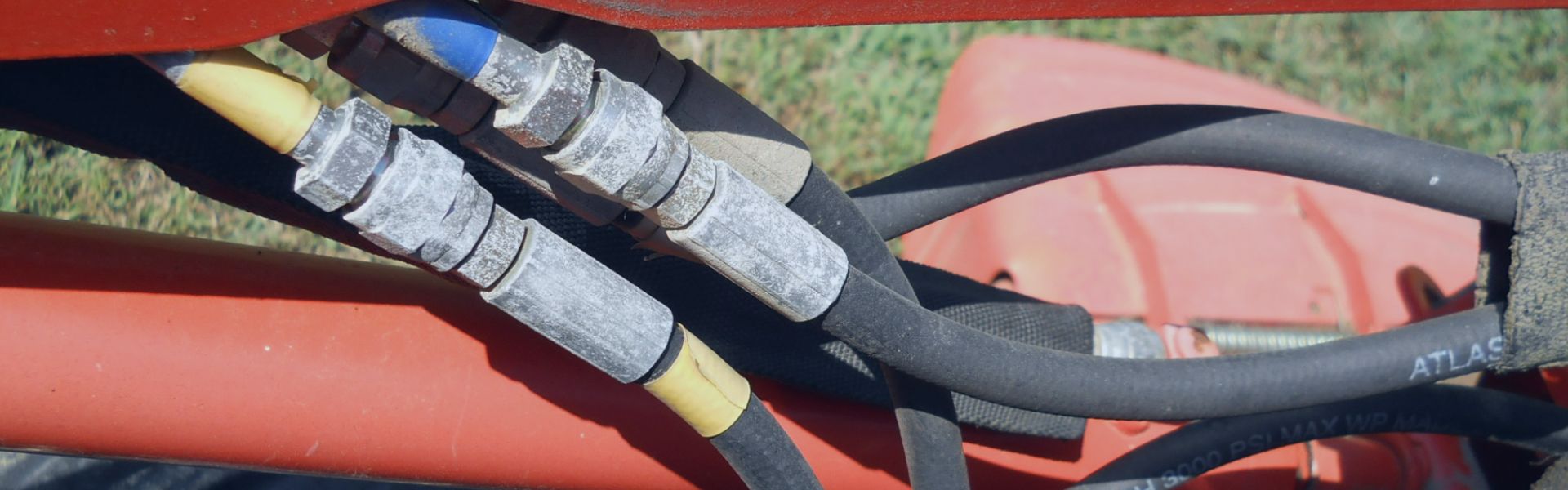
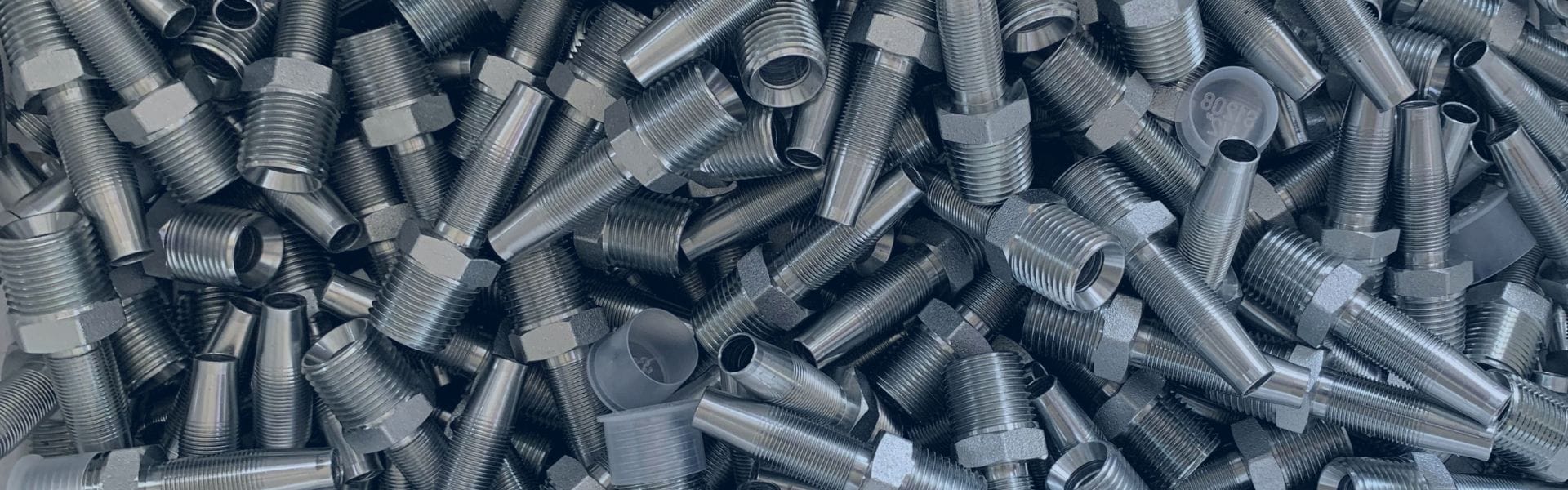
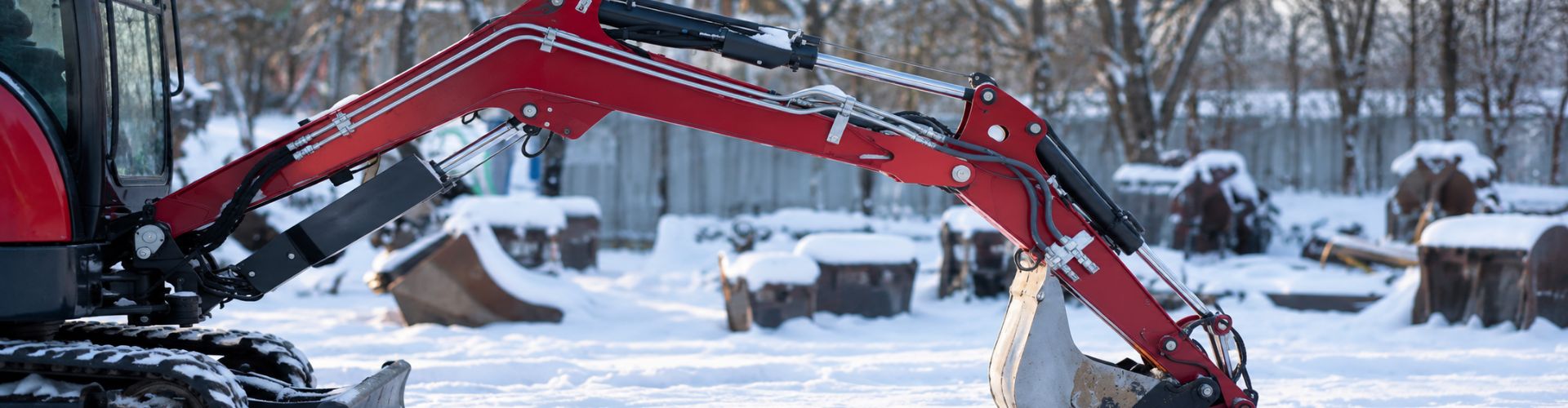
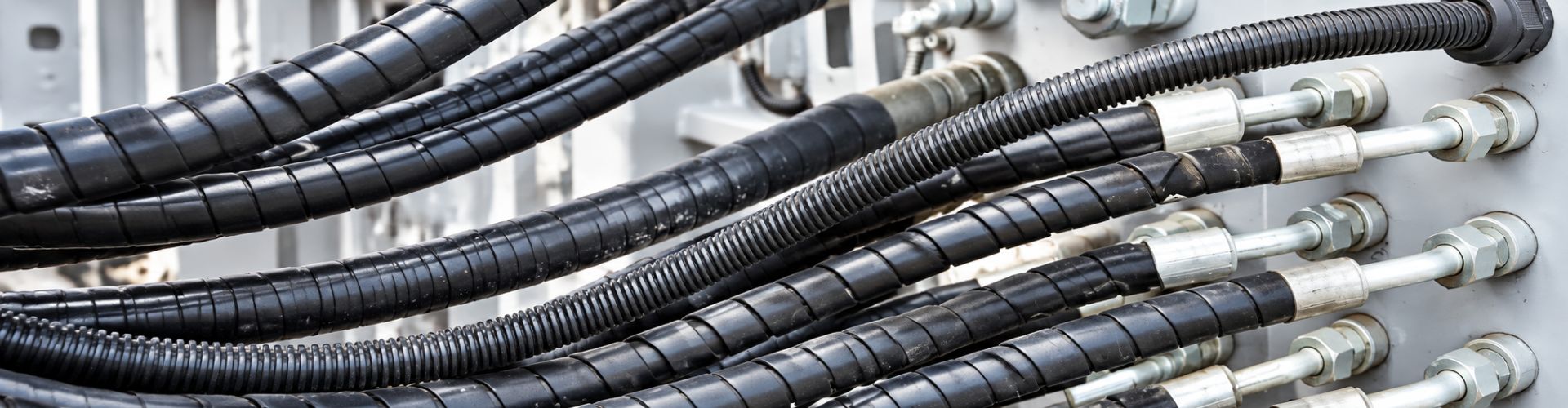
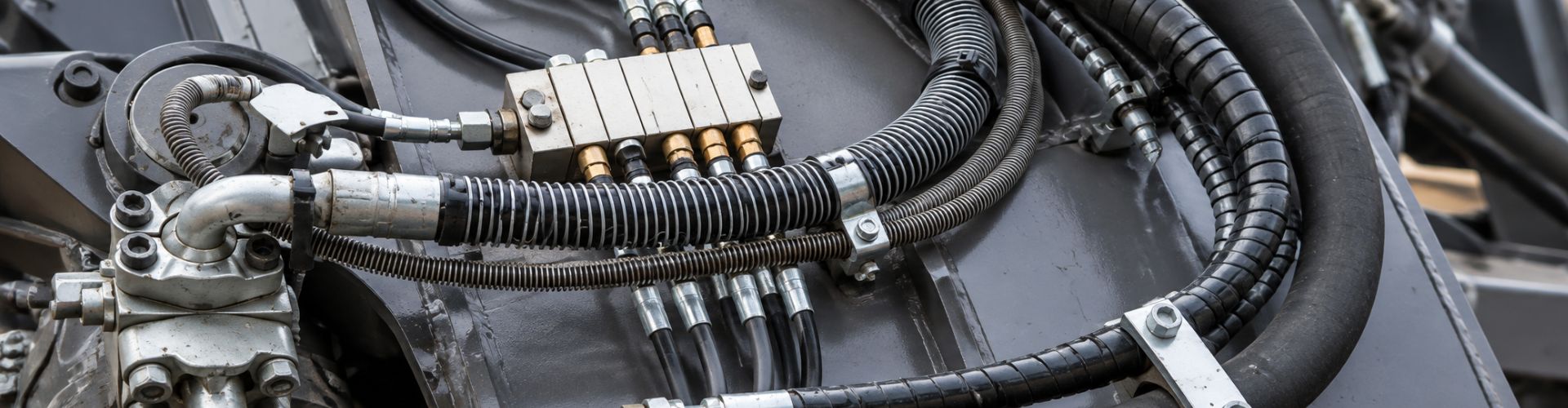
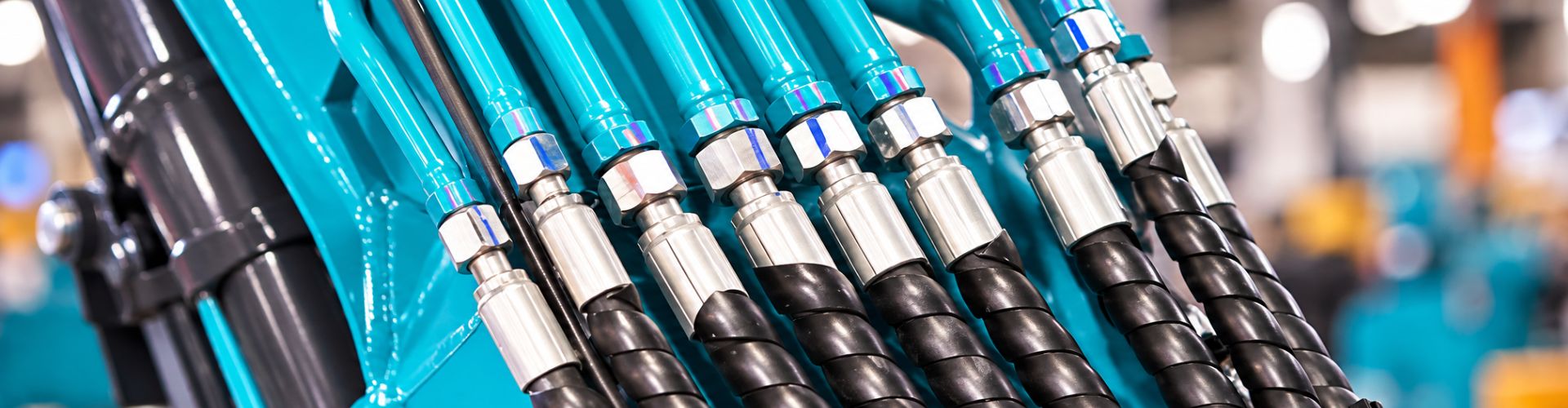
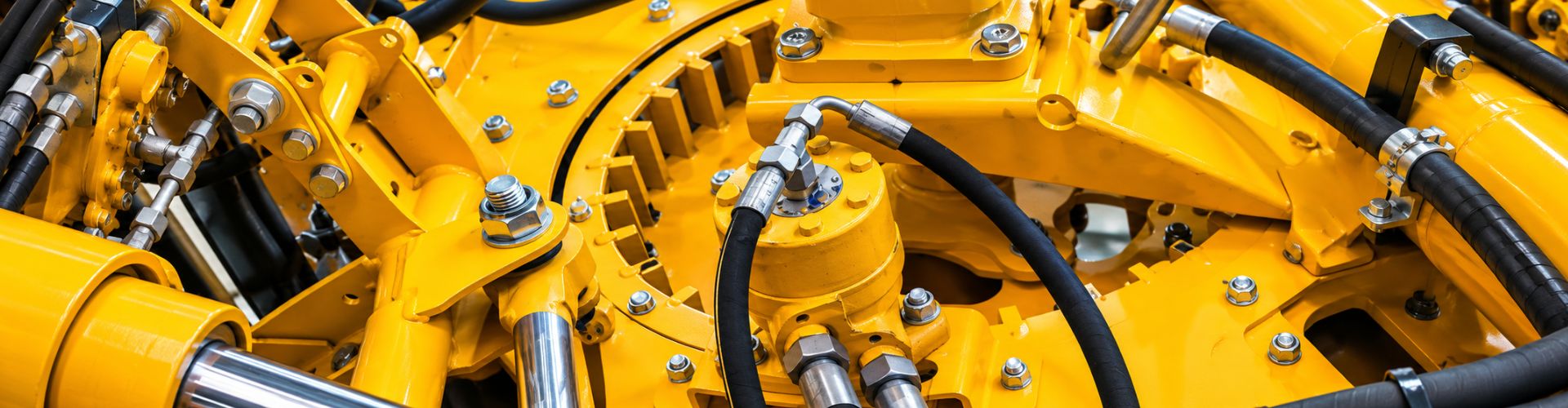
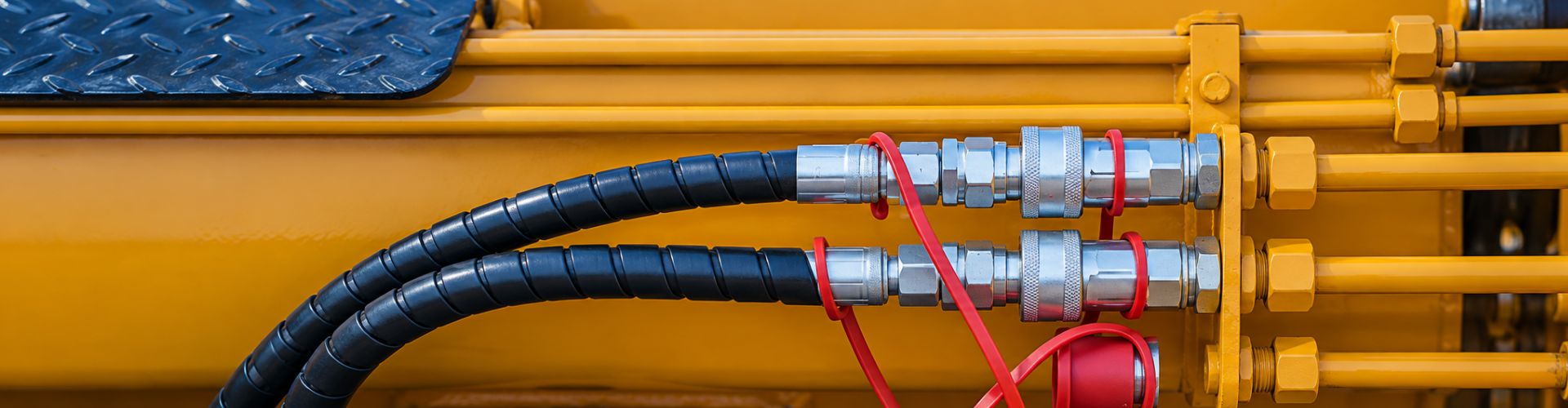
Hydraulic Oil Basics banner

Hydraulic Oil Basics: Everything You Need to Know

Hydraulic oil is a specially formulated fluid used in hydraulic systems to transmit power. These systems rely on pressurized fluid to move parts or machinery, and hydraulic oil serves as the medium for transferring that power.

The Hydraulic Oil Basics: How It Works

Hydraulic systems are powerful and efficient tools used in a wide range of industries, from construction to manufacturing. At the heart of these systems lies hydraulic oil, a special fluid that transmits force and energy to perform various tasks. In this section, we’ll delve deeper into the science behind how hydraulic fluid works, the role of fluid dynamics, and why oil pressure and lubrication are critical to system efficiency.

Fluid Dynamics: How Hydraulic Oil Powers Machinery

Fluid dynamics is the study of how fluids—like hydraulic oil—move and interact with their environment. In a hydraulic system, fluid dynamics governs how the oil moves through pipes, pumps, valves, and actuators to transmit power.

Hydraulic systems operate by creating pressure in a confined space. When hydraulic oil is pumped into the system, it is forced through tubes and valves, moving at a high speed and creating pressure. The pressure generated in the oil allows the hydraulic system to perform various functions such as lifting, rotating, or pushing machinery components.

The key to understanding how hydraulic oil powers machinery lies in the Pascal’s Law, which states that when pressure is applied to a confined fluid, the pressure is transmitted equally in all directions. This principle allows hydraulic systems to generate significant force from a small amount of fluid. As the hydraulic oil moves through the system, it transmits this pressure to hydraulic cylinders, pistons, and other actuators, making heavy machinery capable of performing tasks that would otherwise require much more effort or power.

For example, when you press a button to raise a crane’s arm or push a lever to lift a load, the hydraulic oil’s ability to transmit pressure effectively powers the machinery. Hydraulic fluid is ideal for this because it can carry force over long distances without losing energy, even under high pressure.

Understanding Oil Pressure and its Role in System Efficiency

Oil pressure is at the core of how hydraulic systems function. It is the force exerted by the hydraulic oil on the system’s components, such as pistons, valves, and cylinders. The pressure created in the hydraulic system allows oil to flow through the system, generating the power necessary to perform a variety of tasks.

The pressure within a hydraulic system must be carefully regulated for the system to function efficiently. Too much pressure can lead to system failure or damage to components, while too little pressure can cause sluggish performance, insufficient power output, or even the inability to complete tasks.

Several factors determine the pressure within a hydraulic system:

Pump Output: The hydraulic pump generates the pressure needed to move the oil through the system. The pump’s capacity, combined with the system’s resistance, determines the maximum pressure that can be achieved.

System Design: The layout of the hydraulic system, including the size of pipes, valves, and actuators, plays a role in the pressure buildup. Narrow pipes or restrictive valves can create resistance that affects pressure, while larger components or more efficient designs can help maintain steady pressure levels.

Oil Viscosity: The viscosity of the hydraulic oil (how thick or thin it is) plays a key role in maintaining oil pressure. Oils with a higher viscosity create more resistance to flow, which can affect pressure. However, oils that are too thin may not create enough resistance, leading to insufficient pressure.

Temperature: Temperature fluctuations affect hydraulic oil viscosity. At higher temperatures, oil tends to become less viscous (thinner), which may reduce the pressure in the system. In colder temperatures, oil thickens and creates more resistance to flow, potentially increasing pressure. Maintaining the correct oil temperature is crucial for optimal performance.

Hydraulic Fluid Change

Pressure Lubrication: Keeping Your Equipment Running Smoothly

Pressure lubrication refers to the use of hydraulic oil to lubricate moving components within a hydraulic system under pressure. The primary function of lubrication in any machine is to reduce friction between moving parts, preventing wear and tear, and ensuring smooth operation. Hydraulic oil’s role in pressure lubrication is particularly critical because it not only lubricates but also carries the pressure needed to perform heavy-duty tasks.

When hydraulic oil flows through the system, it not only powers the machinery but also coats the moving parts, such as pistons, cylinders, and gears. This creates a thin film of oil between the surfaces of these parts, reducing friction and minimizing metal-on-metal contact.

Here’s why pressure lubrication is essential for system longevity and efficiency:

Reduces Wear and Tear: Constant movement and pressure can wear down metal parts in hydraulic systems. The oil film created by hydraulic fluid prevents direct contact between these parts, which significantly reduces friction and wear. This means components last longer and require fewer repairs.

Prevents Overheating: Lubrication helps dissipate heat generated by friction. As hydraulic oil flows through the system, it absorbs heat from moving components and carries it away, helping to prevent overheating. Overheating is a major cause of hydraulic oil degradation and system failure.

Maintains System Efficiency: By reducing friction and preventing damage, pressure lubrication ensures that the system runs at peak efficiency. Less friction means less energy is lost in the form of heat, and the system can perform tasks more quickly and with less power. This not only saves energy but also ensures that machinery operates smoothly without unnecessary stress on its components.

Contaminant Control: Hydraulic oil also helps to carry away contaminants like dirt, metal particles, and debris that may enter the system. By trapping these particles in the oil and filtering them out, the oil prevents contaminants from damaging sensitive components and maintains system integrity.

Different Types of Hydraulic Oil: Which One Do You Need?

Hydraulic oil is not a one-size-fits-all product. Depending on the nature of your hydraulic system, the operating environment, and your specific requirements, different types of hydraulic oils will be more suitable for your machinery.

Mineral Oil vs. Synthetic Hydraulic Oil: What’s the Difference?

When it comes to choosing hydraulic oil, one of the most fundamental decisions is whether to go with mineral oil or synthetic hydraulic oil. Each has its own set of advantages and applications, and understanding the differences between them is key to selecting the right oil for your system.

Mineral Oil Hydraulic Oil

Mineral oil is derived from crude oil through a refining process. It has been the standard choice for hydraulic systems for many years, and it is often favored due to its availability and cost-effectiveness. Mineral oils are typically used in less demanding hydraulic applications, such as standard construction equipment, low-pressure systems, and machinery that doesn’t operate in extreme temperatures.

Advantages of Mineral Oil:

Cost-effective and widely available.

Provides good lubrication for most common systems.

Available in a wide range of viscosities for different operational needs.

Suitable for systems operating in moderate temperature ranges.

Disadvantages of Mineral Oil:

Lower thermal and oxidative stability compared to synthetic oils.

More prone to contamination and degradation over time.

Not as effective in extreme temperatures or high-pressure systems.

Synthetic Hydraulic Oil

Synthetic hydraulic oils, on the other hand, are engineered fluids made from specially synthesized chemical compounds. They are designed to offer superior performance, especially in high-performance systems or extreme conditions. These oils are more resistant to temperature variations, oxidation, and contamination, making them ideal for high-pressure, high-temperature environments such as aerospace, military, and heavy industrial applications.

Advantages of Synthetic Oil:

Better thermal stability and resistance to oxidation.

Performs well in extreme temperatures (both high and low).

Longer service life due to reduced degradation.

Superior anti-wear properties and less evaporation loss.

Improved fluid efficiency and reduced friction.

Disadvantages of Synthetic Oil:

Higher initial cost compared to mineral oils.

May not be necessary for lower-pressure, less-demanding systems.

Hydraulic Oil Basics

Understanding Biodegradable Hydraulic Oil and Its Environmental Benefits

As environmental concerns continue to grow, there has been an increasing demand for biodegradable hydraulic oils. These oils are designed to break down naturally when exposed to the environment, minimizing their impact on ecosystems if spillage occurs. Biodegradable oils are made from renewable resources like vegetable oils or esters, and they are often used in environmentally sensitive areas, such as forestry, agriculture, and offshore operations.

Key Benefits of Biodegradable Hydraulic Oils:

Environmentally Friendly: They break down much faster than traditional mineral oils, reducing the risk of long-term contamination of soil, water, and wildlife.

Renewable and Sustainable: Many biodegradable oils are made from renewable sources like plant-based oils, making them more sustainable compared to mineral oils.

Reduced Toxicity: In case of leakage or spill, biodegradable oils are less toxic to aquatic life and wildlife, minimizing the environmental damage.

Common Applications for Biodegradable Hydraulic Oils:

Forestry equipment, where oils are often exposed to the environment.

Marine vessels and offshore platforms where oil spills can be devastating to marine ecosystems.

Agricultural machinery operating in sensitive areas, like near water bodies.

Drawbacks of Biodegradable Hydraulic Oils:

Higher Cost: Biodegradable oils tend to be more expensive due to the sourcing of raw materials and the manufacturing process.

Shorter Shelf Life: They may have a shorter shelf life compared to mineral oils and require more frequent changes.

Overview of Common Hydraulic Oil Types: AW, HM, HLP

Hydraulic oils come in a variety of formulations, each designed to meet specific needs depending on the operating environment and the machinery involved. Below are some of the most common types of hydraulic oil you’ll encounter.

AW (Anti-Wear) Hydraulic Oil AW oils are specifically formulated with additives that protect hydraulic components from wear. These oils are used in systems where wear prevention is crucial, especially in pumps, motors, and other moving parts. AW oils help extend the lifespan of hydraulic components by providing extra protection against friction and wear.

Key Features of AW Oils:

Excellent anti-wear properties to protect against mechanical wear.

Commonly used in general industrial applications, such as manufacturing machinery and construction equipment.

Protects against corrosion and rust, extending component life.

Best For: Mid-range hydraulic applications with moderate pressure and standard operating conditions.

HM (Hydraulic Mineral) Oil HM oils are mineral-based oils that offer good anti-wear properties and are commonly used in general-purpose hydraulic systems. These oils are suitable for medium to high-pressure systems where wear prevention and high lubrication are important. HM oils are also formulated to resist oxidation and contamination, extending their service life.

Key Features of HM Oils:

Good anti-wear additives to protect system components.

Suitable for moderate to high-pressure systems.

Resists oxidation and degradation for longer operational life.

Available in a variety of viscosities to suit different system needs.

Best For: Hydraulic systems with moderate to high pressure, like manufacturing equipment, cranes, and hydraulic presses.

HLP (High-Pressure Lubricant) Oil HLP oils are formulated for high-pressure systems where extreme conditions demand superior protection. These oils are designed to withstand the high shear forces generated in high-pressure hydraulic systems. HLP oils provide excellent lubrication, reduce wear, and enhance the overall performance of pumps and motors under stress.

Key Features of HLP Oils:

Specifically formulated for high-pressure applications.

Excellent oxidative stability to withstand high temperatures.

Ideal for systems with high load and pressure conditions, such as injection molding machines or heavy-duty industrial presses.

Includes additives to improve rust protection, anti-foam properties, and wear resistance.

Best For: High-pressure, high-load systems that need robust performance, like construction machinery, mining equipment, and oil rigs.

Choosing the Right Hydraulic Oil for Your System

Selecting the correct hydraulic oil is essential to ensuring the optimal performance and longevity of your hydraulic system. Choosing the wrong oil can lead to poor system performance, excessive wear, overheating, and increased maintenance costs. In this section, we will cover the key factors you need to consider when choosing hydraulic oil, the role of viscosity, and how to match hydraulic oil to your hydraulic pump and machinery for peak efficiency.

Hydraulic Oil Selection

When selecting hydraulic oil, it’s important to take into account the specific requirements of your hydraulic system. Different systems have different needs based on factors like pressure, temperature, load, and speed. Here are the most important factors to consider when choosing hydraulic oil:

Operating Pressure and Load The operating pressure of your hydraulic system determines the level of stress the oil will be under. Systems operating at high pressure require oils with higher viscosity and anti-wear additives to protect the system components. If your system operates at lower pressure, you can often use oils with lower viscosity for improved flow and efficiency.

Operating Temperature The temperature at which your hydraulic system operates plays a significant role in determining which oil is best suited for your needs. Hydraulic oils must maintain their viscosity under varying temperature conditions. High temperatures can cause the oil to thin out, which may reduce lubrication effectiveness, while low temperatures can make oil too thick, increasing system resistance. Be sure to choose an oil with a viscosity that suits the operating temperature range.

System Speed If your system involves high-speed components such as motors or pumps, you’ll need oil that is designed to handle the increased shear forces. High-speed systems benefit from oils that maintain a stable viscosity and perform well under heat stress. Lower-speed systems, on the other hand, may do well with oils that are thinner or have better flow characteristics.

Environmental Conditions Consider whether your hydraulic system is operating in harsh or environmentally sensitive conditions. If you’re using hydraulic equipment in an area where oil leaks can have significant environmental impacts, biodegradable hydraulic oils may be the right choice. Additionally, environmental factors like humidity, dust, or exposure to chemicals can affect oil performance and may require oils with specific additives or enhanced protection.

Viscosity and Its Impact on Hydraulic System Performance

Viscosity is one of the most important factors in hydraulic oil selection because it directly impacts the performance, efficiency, and reliability of your hydraulic system. Viscosity is a measure of the oil’s thickness or resistance to flow. It determines how easily the oil can flow through the system and how well it can maintain pressure.

High Viscosity Oils with higher viscosity are thicker and flow more slowly, making them ideal for systems that operate under high pressure or high load. These oils provide better lubrication under intense conditions and can help protect components from wear and tear. However, high-viscosity oils are not ideal for systems that require high flow rates or are exposed to low temperatures.

Best for: High-pressure systems, slow-moving hydraulic machinery, and environments with high temperatures.

Low Viscosity Low-viscosity oils are thinner and flow more easily, which makes them suitable for systems with high-speed components or lower operating pressures. These oils help to reduce energy loss and improve system efficiency. However, they may not offer the same level of protection in high-pressure or heavy-load applications.

Best for: Low-pressure systems, high-speed machinery, and environments with cold temperatures.

Viscosity Index (VI) The viscosity index is a measure of how the viscosity of an oil changes with temperature. Hydraulic oils with a high VI remain relatively stable in viscosity over a wide range of temperatures, ensuring consistent performance under varying operating conditions. Oils with a low VI, on the other hand, may become too thick in cold conditions or too thin at high temperatures.

Choosing the Right Viscosity: Always refer to the manufacturer’s recommendations for the specific viscosity grade required for your hydraulic system. The most common viscosity grades are ISO VG 32, ISO VG 46, and ISO VG 68, but the best choice depends on factors like temperature range, system load, and operating speed.

Shear Stability Some hydraulic oils, particularly those with synthetic components, are designed for better shear stability. Shear stability refers to the oil’s ability to retain its viscosity under high mechanical stress and high-speed operation. Choosing a shear-stable oil ensures that the oil’s viscosity doesn’t break down, maintaining effective lubrication over time.

How to Match Hydraulic Oil to Your Hydraulic Pump and Machinery

The choice of hydraulic oil should also be aligned with the specific components of your hydraulic system, including your hydraulic pump, motors, valves, and cylinders. Here’s how to match hydraulic oil to your equipment:

Hydraulic Pumps

The hydraulic pump is responsible for pressurizing the oil and driving the system, so it requires oil that has both sufficient viscosity and lubricating properties to protect its internal components. Pumps generally work better with oils that have anti-wear additives, especially in high-pressure applications where friction and heat can cause significant wear. Be sure to use oil with the correct viscosity to avoid cavitation (air bubbles in the oil) and to maintain optimal pump performance.

Hydraulic Motors

Hydraulic motors rely on the oil to transmit torque and rotational energy. They require an oil that can handle high speeds, pressure, and mechanical forces. Oils with high shear stability and good lubricating properties are crucial here to prevent premature wear.

Hydraulic Cylinders

Hydraulic cylinders rely on the oil to exert force and produce movement. Cylinders typically experience both high pressure and significant wear due to the constant movement of their internal seals and rods. Oils with high anti-wear protection and appropriate viscosity are essential to ensure smooth, long-lasting operation.

Valves and Filters

Hydraulic valves control the flow of oil within the system, while filters help keep contaminants out. Both require oils that are clean and free from excessive contaminants. It’s essential to use oil that doesn’t degrade quickly or generate harmful particles that could clog valves or filters.

Hydraulic Oil Contamination: Prevention and Management

Hydraulic oil contamination is one of the leading causes of hydraulic system failure. Contaminants like dirt, water, and metal particles can cause increased wear, system inefficiency, and even catastrophic breakdowns if not properly managed. Understanding how contamination affects performance and adopting strategies to prevent and manage contamination is essential for the longevity and reliability of hydraulic systems.

What is Fluid Contamination and How Does It Affect Performance?

Fluid contamination refers to the presence of unwanted particles, liquids, or gases in hydraulic oil that can degrade its quality and performance. These contaminants typically enter the hydraulic system through leaks, maintenance procedures, or environmental factors, and they can significantly impact the efficiency and longevity of the system.

The most common types of contaminants found in hydraulic oil include:

Solid Particles: Dirt, dust, metal shavings, rust, and wear debris from system components.

Water: Water can enter the system through condensation or leaks, often causing emulsification of the oil.

Air: Entrained air can lead to cavitation (formation of bubbles) in pumps, causing damage and reduced performance.

Gases: Nitrogen or other gases can dissolve in the oil and affect its lubricating ability.

Contamination can cause several issues, including:

Increased Wear: Solid particles and metal shavings can scratch and wear down critical components like pumps, valves, and cylinders, leading to premature failure.

Reduced Lubrication: Water and air contamination can degrade the oil’s lubricating properties, leading to friction, overheating, and more wear on system parts.

Blockages and Clogging: Solid particles can clog filters, valves, and small passages in the system, impairing fluid flow and reducing system efficiency.

Corrosion: Water contamination can cause rusting and corrosion of metal parts, leading to the degradation of seals, pumps, and valves.

Overheating: Contaminated oil may not effectively dissipate heat, leading to overheating, which can further degrade the oil and damage components.

System Downtime: Ultimately, contamination can lead to increased downtime for repairs and maintenance, affecting production schedules and operational costs.

Signs of Hydraulic Oil Contamination and How to Spot Them

Detecting contamination early is crucial for preventing severe damage and reducing downtime. Here are some common signs that your hydraulic oil may be contaminated and how to spot them:

Sudden Drop in System Pressure

What It Means: If your system suddenly starts showing a drop in pressure or is underperforming, it could be due to clogging caused by solid contaminants, or degraded oil caused by water or air contamination.

How to Spot It: Monitor your pressure gauges for inconsistencies, especially during load changes. If the pressure drops unexpectedly, contamination might be causing flow restriction or damage to system components.

Excessive Heat or Overheating

What It Means: Contaminated oil, particularly with water or air, has reduced heat transfer capabilities. As a result, your hydraulic system may overheat, potentially leading to further oil degradation and system failure.

How to Spot It: Monitor the temperature of your hydraulic oil using temperature sensors or gauges. If the oil temperature rises above the recommended operating range without a clear reason, contamination could be the culprit.

Increased Wear on Components

What It Means: Contaminants such as dirt, metal particles, and debris can cause excessive wear on key components like hydraulic pumps, valves, and cylinders. This leads to lower system efficiency and premature failure.

How to Spot It: Listen for unusual sounds such as grinding or excessive noise in the pump or motor. Also, check for signs of wear or damage on moving parts, such as scoring or rough surfaces.

Oil Discoloration or Change in Appearance

What It Means: Contaminants such as water or particles can cause noticeable changes in the appearance of hydraulic oil. Oil discoloration, cloudiness, or emulsification can signal contamination.

How to Spot It: Visually inspect the hydraulic oil. Healthy oil typically has a clear, clean appearance, but if the oil looks cloudy, milky, or darkened, it may contain water or particulate contamination.

Poor Hydraulic Response or Sluggish Operation

What It Means: If your system components are moving slower or less smoothly than usual, it could indicate that contaminants have reduced the oil’s flow properties or lubricating ability.

How to Spot It: Notice any delay or sluggishness in the response time of cylinders, valves, or motors. This can indicate internal friction, clogging, or changes in the oil’s viscosity due to contamination.

Increased Filter or Strainer Blockages

What It Means: Contaminants like dirt, wear particles, and sludge can quickly clog filters or strainers, making the system less efficient and leading to higher maintenance requirements.

How to Spot It: Keep track of your oil filter’s performance and change intervals. If you notice that filters are getting clogged much quicker than usual, it may indicate contamination in the hydraulic oil.

Best Practices for Preventing Hydraulic Oil Contamination

Preventing hydraulic oil contamination is critical to maintaining system performance and avoiding costly repairs. Here are some best practices for keeping your hydraulic oil clean and your system running smoothly:

Implement a Regular Maintenance Schedule

Conduct regular maintenance checks to monitor the condition of your hydraulic oil and system components. Schedule oil changes, filter replacements, and system inspections at regular intervals.

Use High-Quality Filters and Change Them Regularly

Filters are your first line of defense against contaminants. Use high-quality filters that are designed to trap both large and small particles.

Ensure Proper Sealing and Tight Fitting

Leaks allow contaminants such as dirt and moisture to enter the system. Check seals, fittings, and gaskets for wear or damage and replace them when necessary.

Control Moisture and Humidity

Moisture is one of the most damaging contaminants to hydraulic oil, leading to rust, corrosion, and oil emulsification. Store hydraulic oil in a dry environment, and ensure your system is sealed against water ingress.

Cleanliness During Oil Changes

During oil changes or when topping up oil, make sure the oil is kept clean and free from contaminants. Always use clean, properly stored oil to avoid introducing debris or dirt into the system.

Conclusion

By understanding the importance of proper oil selection, contamination prevention, and maintenance, you can avoid costly repairs, reduce downtime, and improve system efficiency. Keep an eye on emerging trends in hydraulic oil technology, and implement a maintenance strategy that ensures your equipment continues to run at peak performance for years to come.


FAQ

How do I know my hydraulic fluid needs to be changed?

Hydraulic fluid replacement intervals depend on a variety of factors, such as the system’s operating load, the cleanliness of the fluid, and environmental conditions. In general, if the hydraulic fluid becomes discolored, foul smelling, or shows visible contamination, it may mean that the oil has degraded and replacement should be considered.

Can I mix different types of hydraulic fluids?

Mixing different types of hydraulic fluids is not recommended, especially mineral vs. synthetic or different brands of hydraulic fluids. Mixing fluids may result in degradation of the fluid’s performance, affect lubrication, and may even cause damage to the system. When changing fluids, it is best to use the same type of oil as the original fluid and clean the system to avoid mixing.

What are some common contaminants in hydraulic fluids?

Common contaminants in hydraulic fluids include solid particles (e.g., dirt, metal shavings), moisture, air, and gas. Solid particles can increase friction and lead to component wear; moisture can cause fluid emulsification or corrosion of metal parts; and air can affect fluid flow and lead to cavitation problems.

How does hydraulic fluid viscosity affect system performance?

The viscosity of the hydraulic fluid determines its flow and lubrication. A fluid with too high a viscosity will increase system resistance and result in power loss, while a fluid with too low a viscosity may not provide adequate lubrication and increase component wear.

How can hydraulic systems prevent fluid contamination?

The key to preventing fluid contamination is to keep the system clean. First, fluid filters should be inspected and replaced regularly, and a highly efficient filtration system should be used to remove particulate contaminants. Second, ensure that the seals of the hydraulic system are intact to avoid moisture, dust, etc. from entering the system. Finally, check the quality of the fluid regularly to detect contamination problems in time and take appropriate cleaning or replacement measures.

What are the environmental options for hydraulic fluids?

As environmental regulations continue to get stricter, more and more environmentally friendly hydraulic fluids are being developed. One of the more common environmentally friendly options is biodegradable hydraulic fluids, which use renewable materials.

Four Types of Steel Heat Treatment banner

Four Types of Steel Heat Treatment: Understanding the Basics

Steel heat treatment refers to a set of processes used to alter the physical and sometimes chemical properties of steel to achieve the desired characteristics. Heat treatment aims to change the microstructure of steel through controlled heating and cooling processes, allowing manufacturers to fine-tune the material’s properties to meet specific requirements.

Overview Types of Steel Heat Treatment Technology

Steel heat treatment is a critical process in metallurgy that allows manufacturers to modify the properties of steel to meet specific requirements. By heating the steel to a precise temperature, holding it for an appropriate duration, and then cooling it in a controlled manner, it’s possible to alter the steel’s internal microstructure. This process is highly effective in enhancing the material’s mechanical properties, including hardness, strength, toughness, and resistance to wear.

What Does Heat Treatment of Steel Involve?

The heat treatment of steel primarily involves three key stages: heating, holding, and cooling. During the heating phase, steel is brought to a specific temperature, often above its critical point, where its microstructure begins to change. This could mean transforming the crystal structure from ferrite to austenite, a phase in which steel becomes more malleable.

Once the desired temperature is reached, the steel is held at that temperature for a set period. This allows the material to undergo uniform transformation throughout its mass, ensuring consistent properties. For example, during the heating stage, steel may undergo processes like hardening, austenitizing, or stress-relieving, depending on the heat treatment method chosen.

Finally, the steel is cooled at a controlled rate, which can be fast or slow depending on the method used. The cooling phase plays a significant role in determining the final properties of the steel. Rapid cooling may produce a hardened microstructure, whereas slower cooling rates might result in a more ductile or stable structure.

The Role of Temperature and Cooling Rate

Temperature and cooling rate are two of the most influential factors in determining the final properties of steel fitting after heat treatment.

Temperature: The temperature at which the steel is heated plays a vital role in the phase transformations that occur within the material. When steel is heated to its critical temperature, it undergoes a transformation from ferrite (a relatively soft phase) to austenite (a more malleable, high-temperature phase). Higher temperatures tend to soften the material, making it more ductile, while lower temperatures might produce a more refined, durable structure suitable for specific applications.

Cooling Rate: The rate at which steel cools after heating determines the final grain structure and, consequently, the steel’s mechanical properties. Fast cooling, as seen in quenching, leads to the formation of martensite, a very hard but brittle phase. On the other hand, slower cooling rates, such as those used in annealing and normalizing, allow the formation of pearlite or bainite, which offer improved ductility and toughness. The cooling rate is particularly critical when working with specific grades of steel, as it can significantly impact the material’s final strength, hardness, and resistance to fatigue.

Annealing

What is Annealing?

Annealing is a heat treatment process in which steel is heated to a high temperature and then slowly cooled, typically in a furnace. The primary objective of annealing is to soften the steel, making it more ductile and easier to work with. During this process, the steel undergoes a series of transformations in its microstructure that relieve internal stresses and refine its grain structure. The result is a material that is more uniform, with improved workability, reduced hardness, and enhanced toughness.

In addition to softening the steel, annealing can also reduce the risk of cracking or warping in steel that has undergone cold working, such as forging, casting, or welding. The slow cooling process ensures that the steel doesn’t become too brittle, making it better suited for further processing, like machining, shaping, or forming.

Annealing

Types of Annealing

Annealing can be performed in several different ways, depending on the desired outcome and the type of steel being treated. The main types of annealing include:

Recrystallization Annealing

This type of annealing is primarily used to eliminate the effects of cold working. When steel is cold-rolled or drawn, it experiences strain hardening, which increases its hardness and reduces ductility. Recrystallization annealing involves heating the steel to a temperature high enough to allow new grain structures to form, effectively “resetting” the steel’s microstructure and restoring its original ductility. This type of annealing is most commonly used for cold-worked steel products, such as sheet metal or wire, to improve machinability and prepare them for further processing.

Stress-Relief Annealing

Stress-relief annealing is a low-temperature annealing process that helps relieve internal stresses that may have developed in the material during previous manufacturing processes like welding, casting, or machining. The steel is heated to a temperature that is typically below the critical temperature range for phase transformation, and then slowly cooled. This process reduces the risk of deformation, cracking, or warping during further processing, ensuring the steel maintains dimensional stability and performance.

Spheroidizing Annealing

Spheroidizing annealing is a process designed to optimize the machining and forming capabilities of tool steels and high-carbon steels. During this process, steel is heated to a temperature slightly below its eutectoid temperature, where the carbon content in the steel forms spheroidized cementite particles (Fe₃C) within the microstructure. These spherical particles reduce the hardness of the steel and make it easier to cut or machine. Spheroidizing is often used for steel that will undergo further processing, such as turning, grinding, or other cutting operations.

Full Annealing

Full annealing is the most common form of annealing and is typically used to improve the workability of medium- and low-carbon steels. In this process, steel is heated to a temperature just above its critical range (usually around 800°C to 900°C, depending on the type of steel) and then cooled slowly in the furnace. This results in the formation of a fine-grained pearlitic microstructure that improves the steel’s ductility reduces hardness, and increases its toughness. Full annealing is commonly used in applications where the steel needs to be readily shaped or processed, such as in the automotive or machinery industries.

Isothermal Annealing

Isothermal annealing involves heating the steel to a specific temperature and then holding it there for a period before cooling it in a controlled manner. Unlike full annealing, which typically involves slow cooling, isothermal annealing cools the steel at a constant temperature, ensuring that a specific microstructure is achieved. This type of annealing is used to produce a consistent grain structure and is beneficial for achieving uniform mechanical properties across large steel sections. It is commonly used for materials that require precision and uniformity, such as gears, shafts, or machine components.

Graphitization Annealing

Graphitization annealing is a process used primarily for cast iron or certain steels with high carbon content. During this process, steel is heated to a temperature high enough to allow carbon to form graphite flakes within the structure. This process reduces the brittleness of the material and helps to transform it into a more ductile form. Graphitization is used when converting high-carbon steels or cast irons into materials that can be easily machined or have improved wear resistance. This process is also used in the production of certain types of castings and in the automotive industry, where cast iron is often used for engine components.

Quenching

What is Quenching and How Does It Work?

Quenching is a heat treatment process used to rapidly cool steel after it has been heated to a specific temperature, typically above its critical temperature range. The cooling is performed by immersing the hot steel in a cooling medium such as water, oil, or brine. This sudden drop in temperature causes the steel’s microstructure to change dramatically, particularly by transforming austenite (a high-temperature phase of steel) into martensite, a much harder and more brittle phase.

The rapid cooling process alters the steel’s crystal structure, making the material much harder but also more brittle. This hardness is crucial for applications where wear resistance, strength, and durability are essential. However, this increased hardness often comes at the cost of reduced toughness and potential internal stresses, which can make the steel prone to cracking or distortion. To counterbalance these drawbacks, a subsequent tempering process is typically used.

Types of Quenching

There are several different methods for quenching steel, each with its specific cooling medium and applications. The method chosen depends on the desired characteristics of the steel and the complexity of the parts being treated. The most common types of quenching are:

Single Liquid Quenching

In single liquid quenching, the steel is heated to the quenching temperature, held there for a specific time, and then rapidly cooled in a single quenching medium, such as water, oil, or brine. This method is generally used for parts with simple shapes and lower technical requirements, typically carbon steels or alloy steels.

Applications: Single liquid quenching is often used for simple carbon steel and alloy steel parts, especially those that do not require extremely high performance or complex geometries.

Cooling medium: For carbon steel parts with a diameter or thickness greater than 5-8 mm, water or brine may be used as the cooling medium. For alloy steels, oil is typically preferred to reduce the risk of cracking due to the slower cooling rate of oil.

Double Liquid Quenching

Double liquid quenching involves an initial rapid cooling in water or brine until the steel reaches 300–400°C, followed by further cooling in oil. This method ensures that the steel cools quickly at the outset to promote the formation of martensite, but the slower cooling rate in the oil helps reduce the risk of cracking and warping.

Applications: This method is suitable for parts that require a combination of hardening and reduced risk of distortion, and is commonly used for medium to large parts made of carbon or alloy steel that have more complex shapes.

Flame Hardening

Flame hardening uses a mixture of acetylene and oxygen to create a flame that is directed at the surface of the steel. The steel is rapidly heated to a quenching temperature, and then immediately cooled by spraying water or another cooling medium onto the heated surface.

Applications: Flame hardening is ideal for parts that require surface hardness and wear resistance while maintaining toughness in the core. It is commonly used for large, medium-carbon steels, and medium-alloy steels, especially for parts like crankshafts, gears, and guide rails that are subject to high-impact loads.

Induction Hardening

Induction hardening uses an alternating magnetic field generated by an induction coil to induce an electric current (eddy current) in the steel. This current causes the surface of the steel to heat up rapidly to quenching temperatures. Once the steel reaches the required temperature, water is sprayed on the surface to rapidly cool it.

Applications: Induction hardening is primarily used to treat the surface of steel parts while maintaining the core’s toughness and strength. This method is suitable for parts with complex shapes that require surface hardness, such as shafts, gears, and roller bearings. The rapid heating allows for precise control over the hardening depth, making it ideal for parts that need selective hardening.

The Effect of Quenching on the Hardness and Strength of Steel

The primary effect of quenching on steel is a significant increase in hardness and wear resistance. The rapid cooling during quenching converts the austenitic microstructure into martensite, which is harder but also more brittle. Martensite has a much finer crystal structure, which contributes to its increased strength, but this also makes the steel more susceptible to cracking and fracture under stress.

The resulting hardness and strength make quenched steel ideal for applications that require durability, such as cutting tools, gears, and shafts. However, the brittleness introduced by quenching is often undesirable for parts that will experience heavy or cyclic loading.

To counteract the brittleness and enhance the toughness of quenched steel, tempering is usually performed as a follow-up process. Tempering involves reheating the quenched steel to a lower temperature and then slowly cooling it to remove some of the internal stresses and reduce brittleness, while still maintaining much of the hardness and strength gained from quenching.

Tempering

Purpose of Tempering

Tempering is a heat treatment process that occurs after quenching. While quenching increases the hardness of steel, it also makes the material brittle and prone to cracking due to the rapid cooling. Tempering aims to relieve the internal stresses introduced by quenching and reduce brittleness, making the steel more usable for a wide range of applications. The primary goal of tempering is to strike a balance between hardness and toughness, ensuring that the steel retains its strength while becoming more resistant to impacts and deformation.

During tempering, the hardened steel is reheated to a specific temperature below its critical point (typically between 150°C to 650°C) and then cooled slowly. This process causes the martensitic structure formed during quenching to undergo a transformation, which softens the material while maintaining sufficient hardness for various applications.

Tempering

Tempering Process

The tempering process involves several key factors that must be carefully controlled to achieve the desired properties of steel:

Temperature: The steel is reheated to a specific temperature, which determines the final hardness, toughness, and ductility. The temperature chosen during tempering depends on the type of steel and its intended use. Higher tempering temperatures will produce softer and tougher steel, while lower temperatures retain more hardness but reduce toughness.

Time: The amount of time the steel is held at the tempering temperature is crucial. Too little time can lead to insufficient tempering, while too much time can result in excessive softening. Typically, tempering times range from 30 minutes to several hours, depending on the material and the desired properties.

Cooling Rate: After reaching the tempering temperature, the steel is allowed to cool slowly, either in air or in a controlled atmosphere. The cooling rate influences the final microstructure and the distribution of residual stresses in the material.

Types of Tempering

Low-Temperature Tempering

Low-temperature tempering is typically performed at temperatures around 200-300°C. This results in steel that is harder than higher-temperature tempered steel, but still retains some degree of toughness. The hardness of the material is reduced slightly, but it remains suitable for parts that require high wear resistance.

Applications: This is commonly used for high-carbon steel, tool steels, and parts that need high hardness but must still be resistant to cracking under impact, such as cutting tools, knives, and springs.

Medium-Temperature Tempering

Medium-temperature tempering typically occurs in the range of 350-500°C. This treatment produces steel with a balanced combination of hardness and toughness, making it ideal for general-purpose applications. It enhances the material’s ductility and toughness while still maintaining a moderate level of hardness.

Applications: This tempering range is often used for structural components, automotive parts, and other medium-strength steels that need a good balance of toughness and wear resistance.

High-Temperature Tempering

High-temperature tempering is performed at temperatures above 500°C and can extend up to 650°C or higher. At these temperatures, the steel becomes much tougher and less brittle, but its hardness decreases. The result is a material that is highly resistant to impact and fatigue but may not be as wear-resistant as lower-temperature tempered steels.

Applications: High-temperature tempering is ideal for parts that are subjected to high shock loading or those that require improved impact resistance. It is used for structural components like large shafts, pressure vessels, and heavy-duty machinery parts.

Double Tempering

Double tempering involves performing the tempering process twice to ensure even distribution of residual stresses and uniform hardness throughout the steel. The steel is quenched and then tempered once, followed by a second tempering cycle at the same or a different temperature to refine the properties.

Applications: Double tempering is used for high-performance steels, especially those that require a uniform microstructure and consistent mechanical properties throughout the material. This is common for parts like springs, gears, and heavy-duty machinery components where both toughness and fatigue resistance are crucial.

Normalizing

What is Involved in Steel Normalizing?

Normalizing is a heat treatment process used to improve the mechanical properties of steel, particularly its strength, toughness, and grain structure. During normalizing, steel is heated to a temperature slightly above its critical point (usually between 800°C and 900°C, depending on the type of steel), which is the temperature at which the steel’s microstructure transforms. The steel is then held at this elevated temperature for a specific period to ensure uniform heating throughout the material.

Once the steel has been heated sufficiently, it is allowed to cool in ambient air, a process that is faster than annealing but slower than quenching. The cooling rate during normalizing is crucial, as it helps refine the grain structure of the steel, making it more uniform. This uniform grain structure leads to better mechanical properties, including improved strength and toughness.

Normalizing is typically used for carbon steels and low-alloy steels to restore a more uniform microstructure after processes like casting, welding, or forging, which can create inconsistent grain sizes. By normalizing the steel, manufacturers ensure that the material exhibits consistent properties throughout its structure, enhancing its overall performance.

Difference Between Normalizing and Annealing

While both normalizing and annealing are heat treatment processes that involve heating the steel to a specific temperature, there are key differences between them that affect the final properties of the steel.

Cooling Rate: The most significant difference between normalizing and annealing is the cooling rate. In annealing, steel is heated and then cooled very slowly, often in a furnace or in an insulating medium to reduce internal stresses and soften the material. This slow cooling allows for the formation of a coarse, uniform microstructure, which results in softer and more ductile steel.

In contrast, normalizing involves cooling the steel in air, which is faster than the cooling rate used in annealing but slower than quenching. This faster cooling rate promotes the formation of a finer, more uniform grain structure, which leads to higher strength and hardness compared to annealed steel.

Microstructure and Properties: The slower cooling of annealing promotes the formation of a more ductile and softer steel, which is ideal for applications requiring good formability and machinability. On the other hand, normalizing produces a steel that is stronger and harder due to the finer grain structure, making it more suitable for structural components that require increased mechanical properties.

Purpose and Application: Annealing is often used when the goal is to soften the steel for further processing, such as machining or shaping, or to relieve internal stresses. Normalizing is typically employed when steel needs to be strengthened, refined, or homogenized after processes like casting, welding, or forging. It’s especially beneficial for larger sections of steel where a more uniform mechanical property distribution is required.

Final Properties: After normalizing, the steel typically has a higher strength and hardness than annealed steel. However, it is not as soft or ductile as annealed steel. The choice between normalizing and annealing depends on the specific requirements of the application and the desired balance between strength, ductility, and toughness.

Conclusion

Steel heat treatment is a vital process for enhancing the mechanical properties of steel, whether it’s for improving hardness, strength, ductility, or toughness. Proper heat treatment technology is crucial in ensuring the steel used in various industries meets the required performance standards, increasing the lifespan and reliability of products.


FAQ

What is steel heat treatment?

Steel heat treatment involves heating steel to a specific temperature, holding it for a set time, and then cooling it in a controlled manner to change its mechanical properties, such as hardness, strength, and ductility.

What is the difference between annealing and normalizing?

Annealing involves slow cooling to soften steel, improve ductility, and relieve internal stresses. Normalizing cools steel in air to refine the grain structure, improving strength and hardness, but without making the steel as soft as annealing.

How does quenching affect steel?

Quenching rapidly cools steel after it is heated to a high temperature, transforming its microstructure to increase hardness and strength. However, it also makes the steel more brittle.

Why is tempering done after quenching?

Tempering is done after quenching to reduce the brittleness caused by rapid cooling. It balances the hardness gained from quenching with improved toughness, making the steel less likely to crack or break under stress.

What is the purpose of normalizing steel?

Normalizing refines the steel’s grain structure by heating it to a specific temperature and cooling it in air. It enhances the steel’s strength, toughness, and uniformity, making it ideal for structural components.

How do temperature and cooling rate affect steel properties?

Higher temperatures soften steel, while rapid cooling (such as quenching) increases hardness. The cooling rate influences the size and distribution of the steel’s grains, affecting its strength, toughness, and overall durability.

Slow or Unstable Hydraulic System Response banner

Slow or Unstable Hydraulic System Response: How to Fix It

With the prolonged use of equipment, the hydraulic system may experience sluggish response, which not only reduces work efficiency but also may affect operational accuracy. The reasons for the slow response of the hydraulic system are multiple, usually involving hydraulic pumps, hydraulic oil, valves, cylinders, and other components of the performance problems. For these possible failures, taking appropriate measures to solve the problem, can effectively improve the response speed of the system to ensure the normal operation of the equipment.

Common Causes of Slow Hydraulic System Response

Hydraulic Pump Performance Decline

Overview of Hydraulic Pump Functions The hydraulic pump is the heart of any hydraulic system. Its primary function is to convert mechanical energy from a power source (such as an electric motor or engine) into hydraulic energy by pressurizing the fluid. This high-pressure fluid is then directed through the system to power actuators, valves, and other hydraulic components. The pump ensures a continuous flow of hydraulic fluid, enabling precise control over various mechanical movements. A well-functioning pump is essential for maintaining the overall efficiency and performance of the system.

Impact of Performance Decrease Over time, the performance of hydraulic pumps may deteriorate due to factors such as wear, internal leaks, or component degradation. When the pump starts to wear down, its ability to generate sufficient pressure and flow diminishes. This reduction in performance can lead to several problems, including:

Insufficient Flow: The pump may no longer provide the required flow of hydraulic fluid, causing delays in system response.

Pressure Fluctuations: Increased wear can cause internal gaps and leaks, leading to inconsistent pressure, which results in erratic or slow operation of actuators and valves.

System Inefficiency: A declining pump performance means the system may require more time to reach the desired pressure levels, slowing the overall responsiveness of the machinery.

Signs of Pump Issues several indicators may suggest the hydraulic pump is malfunctioning:

Noise: A common symptom of pump wear or damage is unusual noise, such as grinding, whining, or cavitation sounds, which indicate internal damage or low fluid levels.

Overheating: If the pump is struggling to maintain pressure, it may work harder than usual, leading to overheating.

Irregular Pressure Fluctuations: If the pump can’t maintain consistent pressure, the system may experience erratic movements or reduced responsiveness, making it harder to control machinery precisely.

Reduced Fluid Transfer Efficiency

Contamination of Hydraulic Fluid Hydraulic fluid is vital to the performance of the system, carrying both lubricating and cooling properties. Contaminants such as dirt, dust, water, or air can enter the system and degrade the fluid’s quality. Contaminated fluid can cause several issues:

Blockages: Dirt and debris can clog filters, valves, and other components, reducing fluid flow and system efficiency.

Corrosion and Wear: Water or air in the fluid can lead to internal corrosion, further deteriorating pump, valve, and cylinder components.

Loss of Lubrication: Contaminants can reduce the fluid’s ability to lubricate key components, resulting in increased wear and reduced system performance.

Viscosity Changes The viscosity of hydraulic fluid plays a critical role in the system’s ability to operate efficiently. Temperature variations and aging can alter the fluid’s viscosity, causing it to become either too thick or too thin. This can lead to:

Poor Lubrication: If the fluid is too thick, it may not flow easily enough to lubricate parts, increasing friction and wear on components.

Inefficient Fluid Transfer: If the fluid becomes too thin, it may not maintain adequate pressure or volume, causing sluggish system responses.

Fluid Leaks Leaks in the hydraulic system, whether in the pipes, seals, or fittings, can severely impact performance. Leaking fluid results in a loss of pressure and fluid volume, which can lead to:

Pressure Loss: A drop in fluid levels or pressure will slow down response times and may lead to complete system failure if left unaddressed.

Air Ingress: Leaks may allow air to enter the system, causing aeration of the fluid, which reduces the efficiency of the hydraulic system and leads to erratic or slow performance.

fail o ring seal

Mechanical Component Wear and Tear

Valve and Cylinder Issues Hydraulic valves and cylinders are crucial components for controlling fluid direction, pressure, and flow. Over time, these parts may wear out or malfunction, leading to issues such as:

Worn Valves: Valves that are worn or dirty may not operate as intended, resulting in inconsistent flow or pressure. This causes delays in system responses and leads to poor control of machinery movements.

Cylinder Malfunctions: Worn cylinders can suffer from internal leakage or damage to seals, which diminishes their ability to generate the required force or movement, ultimately slowing down the system.

Seal Degradation Hydraulic seals prevent fluid from leaking out of the system and maintain pressure within components. As seals age, they can degrade, become brittle, or lose their flexibility, leading to:

Internal Leaks: A degraded seal can allow fluid to escape from critical components, reducing pressure and flow, which in turn increases response time.

Pressure Loss: The compromised seals can also lead to a gradual loss of hydraulic pressure, slowing down the system’s ability to respond quickly to control inputs.

Control Element Failures

Valve Control Problems Hydraulic valves are used to regulate the flow of fluid within the system. Issues with valve controls, whether due to improper calibration, electrical faults, or mechanical failure, can lead to significant performance problems:

Improper Calibration: Valves that are not properly calibrated may either restrict or over-permit fluid flow, causing irregular pressure and delayed responses.

Electrical Faults: If valves are electronically controlled, any electrical malfunction—such as wiring issues or faulty solenoids—can disrupt the smooth operation of the system and lead to slow responses or erratic behavior.

Sensor Failures Modern hydraulic systems rely on sensors to monitor parameters such as pressure, flow, and temperature. Faulty sensors may provide incorrect data to the control system, leading to:

Incorrect Pressure Control: If a pressure sensor malfunctions, the system may not be able to accurately regulate pressure, causing delays or erratic movements.

Delayed Feedback: Slow or inaccurate sensor readings can result in delayed feedback to the control system, leading to lag or instability in the hydraulic response.

Solutions to Improve Hydraulic System Response

Maintain and Inspect Hydraulic Pumps

Regular Maintenance Schedule One of the most effective ways to ensure your hydraulic pump continues to perform optimally is by setting a regular maintenance schedule. Inspections should focus on identifying early signs of wear, leaks, or any irregularities in performance. This includes monitoring for unusual vibrations, sounds, or temperature fluctuations that may indicate an issue. Regular checks help identify problems before they escalate, preventing unexpected downtime and costly repairs.

Replace Worn Parts Hydraulic pumps are composed of several components that are subject to wear over time, such as seals, gears, and bearings. If these parts begin to degrade, the pump’s efficiency declines, leading to slow system responses. It’s essential to replace these components as soon as signs of wear are detected. Replacing worn parts promptly ensures that the pump can maintain its pressure and flow capacity, keeping the system responsive.

Pump Testing and Calibration Routine testing of hydraulic pumps is crucial to assess their performance and efficiency. A pump test can identify issues like reduced flow capacity or internal leaks that aren’t visible during physical inspections. Calibration should also be part of this process to ensure that the pump is delivering the correct pressure and flow rate to meet system requirements. If any discrepancies are found, recalibrating the pump or replacing faulty components may be necessary to restore optimal function.

Improve Fluid Quality and Condition

Regular Fluid Changes Hydraulic fluid can become contaminated over time due to external dirt, water, or internal wear from metal particles. Contaminated fluid reduces the efficiency of the hydraulic system, leading to slow or erratic responses. Regular fluid replacement is essential to maintain fluid integrity and avoid issues like clogged filters or wear on components. It’s also important to ensure that the right type of fluid is used, based on the system’s specific needs and environmental conditions.

Filtration Systems Investing in high-quality filtration systems can significantly improve fluid quality and extend the life of the hydraulic components. Filters trap contaminants like dirt, metal shavings, and water from entering the system, preventing damage to critical components such as pumps and valves. Regularly changing filters and monitoring their performance helps keep the fluid clean and ensures smooth operation.

Monitor Viscosity The viscosity of hydraulic fluid plays a crucial role in ensuring proper flow and lubrication within the system. If the fluid’s viscosity is too high or too low for the operating temperature, it can lead to sluggish or uneven system performance. Regularly checking and adjusting the fluid viscosity to suit the operating conditions—such as changes in ambient temperature—helps maintain smooth and efficient operation.

Replace or Repair Worn Mechanical Components

Valve Overhaul Hydraulic valves regulate the flow and pressure of the fluid within the system, and if they become worn or malfunction, they can cause uneven or slow response times. Overhauling valves by disassembling, cleaning, and replacing worn components ensures they operate correctly. Regular valve servicing is critical to maintaining precise flow control and preventing issues like leakage or misalignment, which can lead to system inefficiency.

Cylinder Maintenance Cylinders are key components in hydraulic systems, responsible for converting hydraulic energy into mechanical motion. Over time, cylinders can develop leaks, suffer from seal degradation, or experience misalignment. Regular inspection and maintenance of cylinders, including checking for damage, wear, and ensuring proper alignment, can prevent delays in movement and ensure that the system responds smoothly.

Seal Replacement Seals are essential for maintaining pressure within a hydraulic system. When seals wear out, they can cause internal leakage, which directly impacts system pressure and flow, leading to slow or inconsistent responses. Replacing worn seals before they fail can prevent performance degradation and help maintain the hydraulic system’s efficiency.

pressure drop

Address Control System Failures

Valve Control Calibration If the valves in a hydraulic system are not properly calibrated, the system may experience problems with regulating flow and pressure, leading to slow or erratic responses. Ensuring that all control valves are correctly calibrated to the system’s specifications is crucial. Regular recalibration can help adjust for any changes in the system’s performance due to wear or environmental factors, ensuring accurate flow control.

Sensor Maintenance Hydraulic systems rely on sensors to provide real-time data on parameters like pressure, temperature, and flow. If sensors become faulty or lose calibration, they may provide inaccurate readings that can affect system performance. Regular maintenance, including testing and recalibration of sensors, is essential to ensure that the system operates within the correct parameters. Accurate sensor data enables better control and faster response times.

Control System Upgrades Over time, older hydraulic control systems may become outdated or insufficient for modern operational needs. Upgrading to more advanced control systems can provide benefits like improved accuracy, better responsiveness, and increased reliability. Implementing digital or electronic control systems, such as proportional or servo valves, can enhance performance and ensure the hydraulic system responds quickly and accurately to commands. Upgrading may also reduce the frequency of manual interventions, improving overall system efficiency.

Prevention Strategies for Long-term System Stability

Implement a Preventative Maintenance Plan

Scheduled Inspections A comprehensive preventative maintenance plan is essential for maintaining the long-term health and performance of hydraulic systems. The first step in this plan should be to create a detailed schedule for inspecting all system components, including pumps, valves, cylinders, and seals. Inspections should be done at regular intervals—whether monthly, quarterly, or annually—depending on the frequency of system use. During these inspections, key aspects such as fluid quality, pressure levels, component wear, and system leaks should be assessed. The goal is to identify early signs of wear or degradation before they lead to costly repairs or system downtime.

Condition Monitoring Advanced condition monitoring is a valuable tool for maintaining hydraulic system stability. By using sensors and real-time data logging systems, operators can continuously monitor key parameters such as pressure, temperature, flow rate, and fluid contamination levels. This allows for early detection of potential issues that might not be visible through manual inspections. For example, subtle changes in pressure or temperature may indicate wear or impending failure of a component. With condition monitoring, maintenance teams can predict and address issues proactively, minimizing the risk of unexpected failures and ensuring smooth system operation over the long term.

Training and Skill Development for Operators

Proper Operation Techniques Proper training for hydraulic system operators is critical to preventing premature system wear and ensuring long-term stability. Operators should be taught the correct handling and operational procedures, such as avoiding overloading the system, using the correct fluid type, and adhering to the recommended operational parameters (e.g., pressure, temperature, and flow). Educating operators about the impact of improper usage, such as overpressurization or incorrect valve manipulation, can prevent unnecessary strain on the system. By following best practices, operators can help maintain system efficiency and prevent costly damage to hydraulic components.

Troubleshooting Skills Equipping operators with basic troubleshooting skills is a proactive strategy for minimizing downtime and preventing the escalation of minor issues into major problems. Operators should be trained to identify common signs of system malfunction, such as unusual noises, fluctuating pressure readings, or slow response times. With these skills, operators can quickly diagnose issues and take immediate corrective actions, such as adjusting flow rates or shutting down the system before further damage occurs. This not only ensures quick resolution of minor issues but also helps operators develop a deeper understanding of the hydraulic system, which is essential for optimizing long-term performance.

Conclusion

By implementing regular maintenance schedules, improving fluid quality, replacing worn mechanical components, and addressing control system failures, operators can significantly enhance hydraulic system performance. Additionally, the adoption of preventative maintenance plans and the use of real-time condition monitoring can help detect issues early, preventing costly breakdowns and extending the lifespan of the equipment.


FAQ

What causes slow response in a hydraulic system?

Slow response in hydraulic systems can be caused by issues such as pump performance decline, contaminated or aging hydraulic fluid, worn-out mechanical components (e.g., valves or cylinders), or control system failures (e.g., faulty sensors or miscalibrated valves).

How often should I inspect my hydraulic system?

Regular inspections are crucial for maintaining system performance. A typical schedule might involve monthly or quarterly checks, depending on usage. Inspections should focus on key components like the pump, fluid quality, seals, and valves.

What maintenance can prevent hydraulic system issues?

Preventative maintenance includes routine checks, replacing worn parts (e.g., seals, bearings), changing hydraulic fluid regularly, and ensuring proper calibration of valves and sensors. Condition monitoring with sensors can also help detect early signs of failure.

How can I improve fluid quality in my hydraulic system?

To maintain fluid quality, replace hydraulic fluid at regular intervals, install high-quality filtration systems to prevent contamination, and monitor fluid viscosity to ensure it remains suitable for the system’s operating temperature.

What should I do if my hydraulic system is making unusual noises or overheating?

Unusual noises or overheating often indicate issues like pump wear, internal leaks, or insufficient fluid flow. It’s essential to inspect the pump, check for fluid leaks, and test the system’s pressure and flow rate to identify the root cause.

Why is operator training important for hydraulic system performance?

Proper operator training ensures that users handle the system correctly, avoiding overloading, improper usage, or mistakes that could damage components. It also equips operators with basic troubleshooting skills to quickly address minor issues, reducing downtime.

Hydraulic Fittings Pickling process Topa

Hydraulic Fittings Pickling Process: What You Need to Know

One of the most effective methods for ensuring hydraulic fittings remain free from corrosion is through the process of pickling. Pickling helps to eliminate surface contaminants, remove rust, and improve the overall durability of the fittings. This process not only extends the lifespan of your hydraulic system but also enhances its performance, making it more reliable and efficient in the long run.

What Is the Hydraulic Fittings Pickling Process?

Hydraulic fittings pickling is a chemical process used to clean and prepare metal surfaces by removing rust, contaminants, and scale buildup. This process is vital for ensuring that the fittings in hydraulic systems remain corrosion-free and perform optimally. During pickling, hydraulic fittings are submerged in a specially formulated acid bath, which helps to strip away the unwanted material from the metal surface, leaving it clean and ready for further use.

Defining the pickling process in the context of hydraulic fittings

Pickling, in the context of hydraulic fittings, refers to the treatment of metal surfaces to remove oxides, scale, and corrosion, typically from stainless steel components. This is done using a combination of strong acids, designed to dissolve contaminants without damaging the underlying metal. The result is a clean, smooth surface that is more resistant to further corrosion, which is essential in maintaining the integrity and functionality of hydraulic systems.

Key chemical treatments involved in pickling

The pickling process involves a variety of chemical treatments depending on the type of metal and the level of contamination. Common chemicals include hydrochloric acid, sulfuric acid, or a mix of both, sometimes enhanced with inhibitors to protect the metal during the treatment. These acids break down rust, scale, and oxides, leaving behind a clean, prepared surface. After the pickling solution is applied, fittings are thoroughly rinsed to remove any leftover chemicals.

Hydraulic Fittings Pickling

The role of acid pickling in removing rust and contaminants

Acid pickling plays a crucial role in removing rust, dirt, and other contaminants that accumulate on the surface of hydraulic fittings over time. Rust can weaken the material, lead to leaks, or cause fitting failure. By using acid-based solutions, the pickling process effectively dissolves these contaminants, restoring the metal to its original state. This not only improves the aesthetic appearance of the fittings but also significantly enhances their durability and resistance to further corrosion.

The Science Behind Hydraulic Fittings Pickling

Hydraulic fittings pickling is not just a cleaning process; it’s a scientifically engineered method designed to improve the durability and performance of metal surfaces. By understanding the chemical reactions and treatments involved, you can better appreciate how pickling keeps hydraulic systems functioning at their best. Below is a breakdown of the scientific principles behind hydraulic fittings pickling:

How pickling removes contaminants and rust from metal surfaces

Pickling works by utilizing acidic solutions to dissolve and remove rust, oxides, and other surface contaminants from metal fittings. The acid bath creates a chemical reaction in which the acid reacts with the iron oxides (rust) and other impurities on the surface of the fitting. The acid breaks down the bonds that hold these contaminants to the metal, causing them to dissolve and be washed away. This process not only cleans the metal surface but also helps to restore the material’s original integrity, eliminating potential weak spots that could lead to further corrosion or wear. Essentially, pickling is a targeted way to “rejuvenate” the metal, stripping away the unwanted substances that degrade its performance.

The role of electrochemical passivation in improving durability

Once the contaminants have been removed through the acid bath, the next crucial step is passivation. Passivation involves a mild acid treatment (typically nitric acid) that enhances the metal’s natural ability to resist corrosion. This treatment forms a thin, protective oxide layer on the metal surface, which acts as a barrier to prevent future corrosion. This electrochemical process doesn’t just clean the surface—it creates an additional defense mechanism that strengthens the material’s resistance to rust, chemical attacks, and other environmental factors. In hydraulic systems, where fittings are exposed to high pressures and various fluids, this added layer of protection is crucial for extending the lifespan of the components and ensuring reliable performance.

Why stainless steel fittings are ideal for the pickling process

Stainless steel fittings are particularly well-suited for the pickling process due to their composition and corrosion-resistant properties. Stainless steel contains a high amount of chromium, which naturally forms a protective oxide layer on the metal’s surface. The pickling process helps to enhance this natural layer by removing any surface imperfections or contaminants, ensuring the metal is as clean and smooth as possible. Because of its resistance to oxidation and rust, stainless steel benefits significantly from pickling, which further enhances its durability and extends its life in hydraulic systems. Additionally, stainless steel is less likely to be damaged during the pickling process compared to other metals, making it an ideal candidate for this treatment. This makes stainless steel the go-to material for hydraulic fittings that require long-term performance in demanding environments.

The Pickling Process: Step-by-Step Breakdown

The pickling process involves several key stages to ensure hydraulic fittings are thoroughly cleaned and prepared for use. Each step is essential in removing contaminants, rust, and scale while ensuring the fittings maintain their structural integrity. Below is a detailed breakdown of the process:

Initial cleaning: Preparing the fittings for pickling

Before the pickling process begins, it’s important to prepare the hydraulic fittings by removing any loose dirt, grease, or other surface debris. This initial cleaning typically involves using a degreaser or solvent to ensure the fittings are free from contaminants that could interfere with the acid treatment. This step ensures that the fittings are properly prepared for the chemical bath and that no external contaminants hinder the pickling process.

Chemical bath: How the acid treatment works

Once the fittings are clean, they are immersed in a chemical bath, usually consisting of a mixture of hydrochloric acid, sulfuric acid, or other suitable chemicals. The acid works by breaking down and dissolving rust, scale, oxides, and any other contaminants on the surface of the fittings. The solution reacts with the metal surface to remove these unwanted materials, leaving behind a clean, exposed surface that is ready for the next stage of treatment. The duration of the bath and the exact concentration of chemicals depend on the type of metal and the extent of contamination.

Rinsing and drying: Ensuring thorough surface preparation

After the fittings have undergone the acid bath, it’s crucial to rinse them thoroughly to remove any residual acid solution. Failure to rinse properly can lead to continued corrosion or chemical reactions that could compromise the quality of the fittings. After rinsing, the fittings are dried using compressed air or a drying oven to ensure that no moisture remains, which could cause rust to form on the freshly cleaned surface. This step ensures that the fittings are completely free from any lingering chemicals or water that could cause future issues.

Final inspection and passivation process

The final step in the pickling process involves a careful inspection of the hydraulic fittings to ensure that the cleaning and pickling have been successfully completed. Any imperfections, leftover contaminants, or missed spots are addressed before moving forward. Once the fittings are confirmed to be thoroughly cleaned, the next step is passivation. This is a process in which the fittings are treated to enhance their corrosion resistance, typically by using a mild acid solution that forms a protective oxide layer on the surface. This final passivation layer ensures that the hydraulic fittings will perform reliably over time and resist damage from environmental factors such as moisture and chemicals.

Pickling vs. Other Rust Removal Techniques

When it comes to rust removal and surface preparation for hydraulic fittings, there are several methods available. While traditional techniques like mechanical cleaning and sandblasting are commonly used, pickling offers distinct advantages. Understanding the differences between these methods will help you make the best choice for your hydraulic system. Below is a comparison of pickling with other rust removal techniques:

Comparing pickling to mechanical cleaning and sandblasting

Mechanical cleaning involves using abrasive tools, such as wire brushes, grinding wheels, or power tools, to scrub off rust and scale from the surface of hydraulic fittings. This method can be effective for general rust removal, but it can also leave scratches or damage the surface of the metal. These abrasions may lead to weak points, which could cause further corrosion or even affect the fitting’s performance.

Sandblasting, on the other hand, uses a high-pressure stream of abrasive material, like sand or aluminum oxide, to blast away rust and contaminants. While sandblasting is efficient and effective in many cases, it can be overly harsh for delicate components, particularly precision hydraulic fittings. It can also introduce unwanted abrasives into the surface, making it more difficult to clean the fittings afterward.

In contrast, pickling is a much gentler yet highly effective method. It doesn’t rely on physical abrasion, which means the surface of the fittings remains smooth and undamaged. The acid treatment dissolves rust and contaminants at the molecular level, leaving behind a pristine, smooth surface that’s more resistant to future corrosion. This makes pickling ideal for components that require precise, fine finishes without risking damage from abrasives.

Advantages of chemical treatment over traditional methods

Pickling has several key advantages over mechanical cleaning and sandblasting:

More thorough cleaning: Pickling removes rust, scale, and oxides that may be difficult to reach with mechanical methods. The acid can penetrate crevices and small grooves that abrasive methods might miss.

Preserves the integrity of the surface: Unlike abrasive cleaning techniques, pickling doesn’t risk scratching or distorting the metal. This is particularly important for maintaining the structural integrity and performance of the hydraulic fittings.

Less labor-intensive: While mechanical cleaning and sandblasting require significant manual effort and attention, pickling is a more automated process that can be performed in a controlled, consistent manner. Once the fittings are submerged in the acid solution, the chemical reaction does the work.

Environmentally friendlier: Modern pickling solutions are designed to be less toxic and more environmentally friendly compared to the dust and debris generated by sandblasting.

Why pickling is preferred for precision hydraulic components

Precision hydraulic components, such as fittings used in high-performance systems, need to maintain smooth, flawless surfaces to ensure proper sealing and functionality. Pickling is preferred for these parts because:

Precision: Pickling is a controlled chemical process that can clean even the tiniest surface imperfections without altering the shape or dimensions of the fitting. This is especially important for components that must meet tight tolerances and exact specifications.

No risk of contamination: Unlike abrasive methods, which can leave behind particles of sand or grit, pickling ensures that the fittings are free from foreign contaminants, which could cause blockages or system failure when the fittings are reinstalled.

Enhanced longevity and performance: The acid pickling process not only removes existing contaminants but also passivates the surface, creating a protective barrier against future corrosion. This is critical for precision hydraulic components, where maintaining the material’s integrity over time is essential for reliable system performance.

Troubleshooting: What to Do If Pickling Goes Wrong

While pickling is a highly effective method for cleaning and preparing hydraulic fittings, like any process, it can sometimes go wrong. Understanding common issues that may arise during the pickling process and how to address them is essential for ensuring your fittings are properly treated and ready for service. Below, we explore some of the challenges you may encounter and offer practical solutions to keep your hydraulic system in top shape.

Common issues during the pickling process and how to fix them

Inadequate rust removal

Problem: If the acid solution doesn’t completely remove rust or scale, you may see patches of corrosion or residue left on the fittings after the pickling process.

Solution: Ensure the fittings are fully immersed in the pickling solution for the required amount of time. If necessary, adjust the concentration of the acid or switch to a more powerful solution. For stubborn rust, you may need to repeat the pickling process, paying close attention to ensure the fittings are properly cleaned.

Excessive acid exposure

Problem: Overexposure to the acid bath can cause the metal to become pitted, discolored, or even weakened, affecting the structural integrity of the fittings.

Solution: Monitor the time the fittings are submerged in the acid bath. Follow the manufacturer’s guidelines for the correct exposure time based on the type of metal. If overexposure occurs, remove the fittings immediately, rinse them thoroughly, and inspect for damage. In extreme cases, you may need to replace the fittings if they’ve been significantly weakened.

Uneven pickling results

Problem: Inconsistent results can occur if the fittings are not evenly exposed to the acid solution, leading to uneven rust removal or surface discoloration.

Solution: Ensure that the fittings are properly suspended in the bath and rotated (if possible) to ensure even coverage. If manually dipping, make sure each fitting is fully immersed in the solution for a consistent duration.

Residual chemical on the fittings

Problem: If the fittings are not properly rinsed after the acid bath, leftover chemicals can lead to further corrosion, discoloration, or damage.

Solution: After the pickling process, thoroughly rinse the fittings with clean water to remove any remaining acid. You can also use a neutralizing solution, like sodium bicarbonate, to ensure all acids are neutralized before rinsing. Follow this up with a final rinse to ensure complete removal of chemicals.

Hydraulic fitting rust Topa

What happens if fittings are not properly passivated

Passivation is a crucial step that follows the pickling process, as it helps protect the surface of the fittings from future corrosion. If fittings are not properly passivated, they are more susceptible to rust, degradation, and other forms of surface damage. Here’s what can happen if this step is skipped or done incorrectly:

Increased corrosion risk: Without the protective passivation layer, the exposed metal is vulnerable to corrosion from environmental elements, such as moisture, air, and chemicals. This can lead to rapid degradation and potential failure of hydraulic fittings.

Shortened lifespan: The lack of a protective layer means the fittings are not as durable over time. Corrosion and pitting may accelerate, causing premature wear and necessitating frequent replacements.

Performance issues: Unprotected fittings may develop surface imperfections that hinder their ability to form tight, reliable seals, which could lead to leaks, loss of pressure, and inefficiency in the hydraulic system.

Solution: Always ensure that fittings undergo the passivation process after pickling. Use the recommended passivating solution (typically nitric acid or citric acid) and follow the guidelines for immersion time and temperature. After passivation, inspect the fittings for uniformity of the passivation layer to ensure proper protection.

Ensuring your fittings are ready for service post-pickling

Once the pickling and passivation processes are complete, it’s essential to confirm that your fittings are truly ready for service. Here are a few steps to ensure everything is in order:

Visual inspection: Examine the fittings closely for any signs of pitting, discoloration, or damage from the pickling process. The surface should be smooth, clean, and free from contaminants.

Tensile testing (optional): If available, conduct tensile or pressure testing to verify that the fittings maintain their structural integrity and can withstand the required hydraulic pressures.

Final rinse and drying: Ensure the fittings are completely free of residual chemicals, moisture, or foreign particles that could interfere with their operation. Dry them thoroughly before installation.

Passivation verification: If passivation is performed manually or in a batch, check that the fittings have a uniform, protective oxide layer that will help prevent future corrosion. This can often be verified by a simple water break test, where water droplets form evenly on the surface if passivation was successful.

Storage: If the fittings are not going into immediate service, store them in a dry, controlled environment to prevent exposure to elements that could lead to corrosion before installation.

Conclusion

Hydraulic fittings pickling is a valuable tool in maintaining the performance and reliability of hydraulic systems. By regularly pickling your fittings and ensuring proper passivation, you can prevent corrosion, improve component longevity, and maintain system efficiency. By choosing pickling as part of your maintenance routine, you are investing in the long-term health of your hydraulic system, ensuring it remains efficient, safe, and reliable for years to come.


FAQ

What is hydraulic fittings pickling?

Hydraulic fittings pickling is a chemical process used to remove rust, scale, and contaminants from the surface of hydraulic components, typically using an acid bath, followed by a passivation treatment to improve corrosion resistance.

Why is pickling important for hydraulic fittings?

Pickling is important because it cleans the metal surfaces of hydraulic fittings, removing corrosion and contaminants. This ensures better performance, longer lifespan, and enhanced corrosion resistance for hydraulic systems.

Can I use pickling for all types of hydraulic fittings?

Pickling is particularly effective for stainless steel hydraulic fittings, as it enhances their corrosion resistance. It can also be used for other metals, but the process may need to be adjusted depending on the material type.

How long does the pickling process take?

The duration of the pickling process depends on the size and level of contamination on the hydraulic fittings. Typically, fittings are immersed in the acid solution for anywhere between 10 minutes to an hour, depending on the specific treatment required.

What happens if hydraulic fittings are not properly passivated after pickling?

If fittings are not properly passivated after pickling, they may be more susceptible to rust and corrosion. Passivation creates a protective oxide layer that helps the fittings resist further environmental damage.

Is pickling the best method for cleaning hydraulic fittings?

Pickling is an ideal method for cleaning hydraulic fittings, especially when precision and corrosion resistance are important. It is more effective than mechanical cleaning methods, as it removes contaminants without damaging the surface.

Hydraulic Fittings Surface Treatment Types banner

Hydraulic Fittings Surface Treatment Types: What Works Best?

Surface treatment is a crucial step in the manufacturing and maintenance of hydraulic fittings. Proper surface treatment not only enhances the aesthetics of hydraulic components but, more importantly, ensures their longevity, durability, and resistance to harsh operating conditions. Choosing the right treatment method can significantly affect performance, reducing the likelihood of failures caused by corrosion, abrasion, or contamination.

Why Do They Need Surface Treatment?

Hydraulic fittings are crucial elements in hydraulic systems, responsible for connecting hoses, pipes, and other components to ensure the efficient transfer of hydraulic fluid under pressure. These fittings play a vital role in maintaining system integrity, facilitating smooth operation, and ensuring machinery and equipment work effectively in demanding environments. However, to perform optimally and endure harsh conditions, hydraulic fittings require specialized surface treatments. Without them, these components can deteriorate, leading to serious performance issues or failure.

Common Issues Without Proper Surface Treatment

Hydraulic fittings without adequate surface treatment are vulnerable to several issues, including rust, corrosion, and physical wear. These conditions can lead to leaks, pressure losses, and the gradual degradation of the system. Additionally, untreated fittings are more susceptible to contamination from external substances, including dirt, moisture, and chemicals, which can compromise the system’s integrity and operational efficiency.

Key Benefits of Surface Treatment for Hydraulic Fittings

Surface treatment methods significantly enhance the durability of hydraulic fittings, providing them with increased resistance to corrosion, wear, and environmental contaminants. These treatments strengthen the structural integrity of the fittings, ensuring they maintain optimal performance under high-pressure conditions and throughout prolonged usage, ultimately extending the lifespan of hydraulic systems.

Galvanizing: A Popular Surface Treatment for Corrosion Resistance

What is Galvanizing and How Does It Work?

Galvanizing is a widely used surface treatment process where steel or iron is coated with a layer of zinc to protect the underlying metal from corrosion. The process typically involves immersing the metal into molten zinc, which bonds with the steel, creating a durable and protective coating. This coating acts as a barrier that prevents corrosive agents, such as water, salt, and air, from reaching the metal surface.

One of the key features of galvanizing is the concept of sacrificial protection. Zinc, being more reactive than steel or iron, acts as a sacrificial anode. This means that if the galvanized coating is scratched or damaged, the exposed zinc will corrode first, protecting the base metal from corrosion. This self-healing property gives galvanized fittings a significant advantage in harsh environments.

Advantages of Galvanizing for Hydraulic Fittings

Excellent Corrosion Resistance Galvanizing provides superior protection against corrosion, especially in environments that are exposed to moisture, water, or chemicals. For hydraulic fittings used in outdoor applications, marine environments, or places with high humidity, galvanizing offers a robust defense against rust and corrosion. This makes galvanized fittings ideal for industries like construction, agriculture, and marine, where hydraulic systems often face exposure to water or damp conditions.

Durable and Long-Lasting One of the standout advantages of galvanizing is its longevity. Galvanized hydraulic fittings can last for many years without showing significant signs of corrosion, even in challenging environments. The zinc coating is highly resistant to wear and physical damage, ensuring that the fittings maintain their integrity over time. This durability reduces the need for frequent replacements and minimizes the risk of system failures, contributing to lower maintenance costs.

Improved Mechanical Properties In addition to corrosion resistance, galvanized coatings also enhance the mechanical properties of the steel or iron. The zinc coating can improve the hardness and surface strength of the fittings, helping them better withstand the physical stress and wear that often occurs in hydraulic systems. This added strength is particularly beneficial for high-pressure applications where durability and strength are essential.

Electroplating: Enhancing Durability and Aesthetics

What Is Electroplating and How Does It Improve Fittings?

Electroplating is a surface treatment process that involves depositing a thin layer of metal, such as chrome or nickel, onto the surface of a hydraulic fitting through an electrochemical process. An electric current is passed through a solution containing metal ions, causing these ions to bond to the surface of the fitting. The process creates a thin, durable coating that enhances the fitting’s properties, including its corrosion resistance, wear resistance, and aesthetic appeal.

The key benefit of electroplating is the ability to apply a precise, uniform layer of metal without altering the size or shape of the fitting. This makes it an ideal choice for components that need to retain their dimensional integrity while improving their performance.

Electroplating

Benefits of Electroplating for Surface Protection

Increased Surface Hardness

One of the primary benefits of electroplating, especially with materials like chrome, is the significant increase in surface hardness. The electroplated layer provides resistance to wear, scratching, and abrasion. For hydraulic fittings, this means they are less likely to suffer from surface degradation, especially when exposed to high-pressure environments, friction, or constant movement. The increased hardness ensures the fittings maintain their functionality and appearance over time, even in harsh conditions.

Enhanced Corrosion Resistance

Electroplating with metals like nickel or chrome greatly enhances the corrosion resistance of hydraulic fittings. These coatings create a protective barrier against water, salts, and other corrosive elements that might otherwise degrade the underlying material. Nickel, in particular, is known for its excellent resistance to oxidation and corrosion, making it an ideal choice for fittings exposed to harsh environmental conditions, chemicals, or humid climates. Chrome plating also provides superior protection against rust, making electroplating an effective solution for preventing corrosion and extending the life of hydraulic fittings.

Aesthetic Appeal

Electroplated fittings are often prized for their shiny, polished appearance, which adds an aesthetic quality to the hydraulic system. This is particularly important in applications where the visual aspect of the fittings is important, such as in high-end machinery or equipment that will be visible to customers or end-users. The smooth, lustrous finish achieved through electroplating can also help reduce the accumulation of dirt and grime on the fittings, making them easier to clean and maintain. Additionally, the shiny surface can contribute to a more professional and aesthetically pleasing look, enhancing the overall appearance of the hydraulic system.

Improved Wear and Tear Resistance

The electroplated metal layer significantly improves the resistance of the hydraulic fitting to wear and tear. Whether the fitting is used in high-vibration environments or under continuous fluid flow, the electroplated surface helps reduce the rate at which the fitting degrades due to mechanical stress. This durability makes electroplated fittings particularly useful in industries like automotive, aerospace, and manufacturing, where the components are subject to frequent use and must endure considerable mechanical forces.

Better Electrical Conductivity

In some hydraulic applications where fittings also need to conduct electricity (e.g., in electro-hydraulic systems), the electroplated metal layer can improve electrical conductivity. For instance, nickel plating can be used for parts requiring superior electrical performance in addition to corrosion resistance, offering a versatile solution for diverse hydraulic and mechanical systems.

Passivation: Boosting Corrosion Resistance for Stainless Steel

The Passivation Process Explained

Passivation is a surface treatment process specifically designed for stainless steel that enhances its resistance to corrosion. In this process, the stainless steel is treated with a chemical solution—usually nitric acid or citric acid—which removes free iron and other contaminants from the surface of the metal. These impurities are often the primary cause of rust and corrosion when exposed to moisture and environmental elements.

Once the surface impurities are removed, a protective oxide layer forms naturally on the stainless steel. This oxide layer is crucial because it acts as a shield, preventing further exposure to corrosion-inducing elements. The process results in a much more resistant surface that can withstand various environmental and chemical stresses.

How Passivation Improves the Chemical Resistance of Hydraulic Fittings

Passivated stainless steel fittings exhibit enhanced chemical resistance, especially when compared to untreated fittings. The process significantly improves the material’s ability to resist aggressive corrosive agents, including chlorides, acids, and other harsh chemicals commonly found in industrial environments.

For hydraulic fittings used in applications where exposure to chemicals, salts, or water is frequent, passivation makes the material less prone to pitting, rusting, or deterioration. The passivated oxide layer not only prevents external corrosion but also provides added protection against internal corrosion that can occur when aggressive fluids pass through the fittings.

This is particularly important in industries like pharmaceuticals, food processing, and chemical manufacturing, where hydraulic components are often exposed to cleaning agents, sterilization chemicals, or highly corrosive substances. Passivated fittings are therefore ideal for use in systems that require high hygiene standards or must withstand prolonged exposure to aggressive chemical environments.

When to Choose Passivation for Hydraulic Components

Passivation is the ideal choice for hydraulic components made from stainless steel when corrosion resistance is of the utmost importance, especially in chemically aggressive environments. Here are some specific scenarios where passivation is highly recommended:

Chemical Exposure: In industries such as pharmaceuticals, food and beverage processing, chemical manufacturing, and water treatment, where hydraulic fittings are exposed to various harsh chemicals, acids, or saline solutions.

Hygiene Standards: For applications requiring stringent cleanliness and resistance to contaminants, such as in food processing, biopharmaceuticals, and medical equipment manufacturing.

Harsh Environmental Conditions: When components are exposed to outdoor environments, seawater, or areas with high moisture content (such as marine or coastal environments), passivation helps protect against the formation of rust or corrosion.

Frequent Cleaning: If the hydraulic fittings undergo frequent cleaning, sterilization, or exposure to harsh cleaning agents, passivation helps ensure the components maintain their integrity without degradation.

Anodizing: A High-Performance Surface Treatment for Aluminum Fittings

What is Anodizing and How Does It Benefit Aluminum Fittings?

Anodizing is an electrochemical process that enhances the natural oxide layer on the surface of aluminum. During the anodizing process, aluminum is submerged in an acid electrolyte bath, and an electric current is passed through the solution. This causes the aluminum surface to oxidize, thickening the oxide layer and transforming it into a dense, protective coating that adheres strongly to the base material.

The resulting anodized layer increases aluminum’s corrosion resistance, wear resistance, and aesthetic appeal. This makes anodized aluminum particularly beneficial for hydraulic fittings, which are often exposed to harsh environmental conditions, chemical exposure, and mechanical wear.

Anodized aluminum fittings are highly durable and long-lasting, offering enhanced performance and resistance to the elements. In addition to functional benefits, the anodizing process can also be used to achieve various colors, allowing manufacturers to create visually appealing and customizable components.

The Role of Anodizing in Surface Hardness and Wear Resistance

One of the most significant advantages of anodizing is the increased surface hardness of aluminum. The anodized oxide layer is much harder than the base aluminum metal, significantly improving its resistance to abrasion, scratching, and wear. This is particularly useful in hydraulic applications where fittings are subject to high pressures, vibrations, and constant use. Anodized aluminum fittings are less likely to suffer from surface degradation, ensuring long-term performance in demanding environments.

The anodized layer also helps to reduce the friction between parts, further improving the longevity and functionality of the fittings. Whether in high-speed machinery, heavy equipment, or applications where components are frequently connected and disconnected, anodized aluminum fittings will hold up better over time, reducing the need for replacements and maintenance.

Anodizing

Aesthetic Benefits and Customization

In addition to its functional benefits, anodizing provides aesthetic advantages. The anodized coating can be dyed in a variety of colors, providing the opportunity for color coding, brand differentiation, or simply a polished appearance. This makes anodized fittings not only durable but also visually appealing, which is valuable in industries where appearance matters, such as consumer-facing equipment or high-end industrial machinery.

Anodizing allows manufacturers to offer customized aluminum fittings that match specific branding requirements or color schemes, adding a layer of personalization to the product.

Powder Coating: A Versatile and Durable Surface Solution

The Powder Coating Process and How It Protects Fittings

Powder coating is a highly effective surface treatment technique that involves applying a dry powder to the surface of hydraulic fittings. The powder is typically a mixture of finely ground pigments and resins. Once applied to the fitting, the powder is subjected to a curing process in which it is heated in an oven. During this process, the powder melts, bonds to the metal, and forms a durable, continuous, and protective coating. The result is a smooth, uniform finish that is resistant to environmental elements.

Powder coating is widely used for a variety of metals, including steel, aluminum, and iron. The process not only provides a protective layer that shields the fitting from wear, corrosion, and environmental damage but also enhances the aesthetic appeal of the component.

Advantages of Powder Coating for Hydraulic Fittings

Durable and Abrasion-Resistant Powder-coated hydraulic fittings are known for their exceptional durability and resistance to abrasion. This makes them ideal for components exposed to constant friction, heavy use, or high-stress environments. The hardened surface formed during the curing process gives powder-coated fittings a robust defense against scratches, impacts, and general wear and tear, which is crucial for hydraulic systems operating under intense conditions.

Corrosion-Resistant One of the key benefits of powder coating is its ability to form a strong, impermeable barrier that resists corrosion. The coating effectively protects hydraulic fittings from moisture, chemicals, salts, and other corrosive elements that can lead to rust or degradation. This makes powder-coated fittings ideal for use in industries like marine, construction, and agriculture, where components are often exposed to harsh weather conditions or corrosive substances.

Customizable Powder coating offers a high degree of customization, making it suitable for a wide range of applications. The process allows for a variety of colors, textures, and finishes to be applied, making it easier to meet both aesthetic and functional requirements. Whether you need a matte, glossy, or textured finish, powder coating offers flexibility to suit the specific needs of your hydraulic system. Additionally, this versatility makes it possible to color-code fittings or create a consistent look across equipment.

Environmentally Friendly Unlike traditional liquid paint coatings, powder coating is an environmentally friendly option. It contains no solvents, which means there are fewer volatile organic compounds (VOCs) released into the atmosphere during the application process. Additionally, excess powder can be recycled, making powder coating a more sustainable choice for manufacturers looking to reduce waste and minimize their environmental impact.

Conclusion

Investing in the right finish not only protects hydraulic components but also improves the overall reliability and performance of your machinery, resulting in increased operational efficiency and lower long-term costs. If you have your requirements for the surface treatment of hydraulic fittings, contact Topa and we can help.


FAQ

What is the purpose of surface treatment for hydraulic fittings?

Surface treatments protect hydraulic fittings from corrosion, wear, and damage, improving their durability and performance in harsh environments.

What are the most common hydraulic fittings surface treatment types?

Common surface treatments include galvanizing, electroplating, passivation, anodizing, and powder coating, each offering different benefits depending on the application.

How does galvanizing protect hydraulic fittings?

Galvanizing involves coating steel with zinc, which acts as a sacrificial anode to protect the fitting from corrosion, especially in moist or outdoor environments.

What is the difference between electroplating and anodizing?

Electroplating involves applying a thin metal coating to improve wear and corrosion resistance, while anodizing thickens the natural oxide layer on aluminum for better corrosion resistance and surface hardness.

When should I use passivation for hydraulic fittings?

Passivation is ideal for stainless steel fittings exposed to chemicals or harsh environments, as it boosts corrosion resistance by promoting the formation of a protective oxide layer.

Why is powder coating a popular choice for hydraulic fittings?

Powder coating provides a durable, abrasion-resistant, and corrosion-resistant finish that can be customized in different colors and finishes, making it ideal for high-wear applications.

Salt Spray Test banner

Salt Spray Testing: The Ultimate Guide to Corrosion Testing

Salt spray testing is a standardized, accelerated laboratory method used to evaluate the corrosion resistance of materials and surface coatings by exposing them to a simulated saline environment. In high-pressure hydraulic systems, metal components are constantly under threat from environmental oxidation and moisture. Without verification, a single salt spray testing verified hydraulic fitting can fail prematurely, leading to catastrophic system leaks and expensive equipment damage.

Imagine an offshore oil rig or a construction site where a critical component corrodes in weeks rather than years, leading to immense safety risks. Rigorous testing offers a controlled way to predict the lifespan of these components before they reach the field.

What Is The Primary Purpose Of Salt Spray Testing?

The primary purpose of  salt spray testing  is to provide an accelerated simulation of corrosive environments to evaluate how well a protective coating or material can withstand oxidation over time. This process allows you to determine the durability of surface treatments like zinc plating or powder coating in a matter of days rather than years.

salt spray hydraulic fitting

Why Is Corrosion Resistance Critical For Modern Systems?

Think about it: a small amount of rust on a high-pressure fitting can compromise the structural integrity of an entire hydraulic system. Salt spray testing helps prevent fluid contamination and ensures that your hardware remains functional in harsh outdoor conditions.

How Does It Validate Quality Assurance?

Here is the best part: this testing allows manufacturers to benchmark different coating thicknesses and validate their performance claims against international safety standards. By exposing samples to a concentrated saline mist, you gain data-driven insights into the material’s failure points.

Continuous exposure in a controlled environment provides a reliable baseline for comparing the protective capabilities of various metallic finishes.

This systematic approach ensures that every component is prepared for the specific oxidative challenges of its intended working environment.

How Does The Mechanism Of Salt Spray Testing Work?

The mechanism of salt spray testing relies on the atomization of a saline solution into a fine mist that creates a highly conductive electrolyte on the specimen’s surface. This mist triggers an electrochemical reaction between the metal and oxygen, significantly accelerating the natural corrosion process.

What Is The Role Of The Saline Mist?

Look: the 5% sodium chloride solution simulates the harsh conditions found in coastal regions or on salt-treated winter roads. The salt spray testing environment maintains a specific temperature and pH level to ensure the electrochemical reaction remains consistent across all samples.

The Electrochemical Process Of Oxidation

You might wonder how a few days in a chamber can replicate years of use. The continuous supply of moisture and salt ions facilitates the rapid transfer of electrons, leading to the formation of red or white rust.

Testing reveals the effectiveness of a coating’s barrier properties and its ability to protect the underlying substrate from aggressive ions.

Controlled electrochemical acceleration provides the necessary data to predict long-term material behavior in real-world coastal or industrial settings.

What Are The Standard Procedures For Salt Spray Testing?

Standard procedures for  salt spray testing  involve meticulous sample preparation, solution calibration, and specific chamber settings to ensure reproducible and accurate results. Following these steps strictly is essential to maintain the validity of the data collected during the exposure cycle.

How Do You Prepare Samples Correctly?

The first step involves cleaning the specimens to remove any oils, fingerprints, or debris that could interfere with the corrosive reaction. You must also protect edges or non-tested areas with specialized wax or tape to focus the salt spray testing on the primary surfaces.

Setting Up The Chamber Parameters

Here is the key: the pH of the salt solution must be maintained within a tight range of 6.5 to 7.2 to ensure a neutral environment. Constant monitoring of the air pressure and collection rates is required to keep the mist density uniform throughout the duration of the test.

Accurate calibration of the temperature and solution concentration is the only way to guarantee that results are comparable across different laboratories.

Meticulous adherence to standardized setup procedures ensures that the resulting data is a true reflection of the material’s corrosion resistance.

Which Global Standards Govern Salt Spray Testing?

Global standards like ASTM B117 and ISO 9227 govern salt spray testing by defining the exact environmental conditions and durations required for various industrial applications. These frameworks provide a common language for manufacturers and clients to verify that parts like a  hydraulic hose fitting  meet safety requirements.

Field attachable hose fittings types Topa

Understanding ASTM B117 And ISO 9227

The ASTM B117 protocol is the most widely adopted standard, focusing on continuous fogging with a neutral salt solution. Many European projects prefer ISO 9227, which offers similar parameters but includes specific instructions for acidic or copper-accelerated tests.

Why Do Military Standards Differ?

The best part? Military standards often require cyclic testing that includes drying periods to better mimic the fluctuating conditions found in the field. This specialized salt spray testing approach provides a more rigorous challenge for components used in defense and aerospace sectors.

International standards ensure that components are tested under identical conditions, regardless of where in the world they are manufactured.

Adopting these recognized standards allows you to compare material performance across different suppliers and ensures compliance with global engineering benchmarks.

What Equipment Is Required For Salt Spray Testing?

Essential equipment for  salt spray testing  includes a corrosion-resistant chamber, precise atomizing nozzles, and advanced temperature control systems to maintain a stable testing environment. High-quality machinery is necessary to ensure the salt spray remains uniform and does not settle as large droplets on the specimens.

What Makes A Quality Testing Chamber?

A professional chamber is usually constructed from reinforced plastic or glass-lined materials to prevent the equipment itself from corroding. It must feature a dedicated reservoir to store enough 5% NaCl solution for a continuous run that may last over 1,000 hours.

The Role Of Precision Controls

Believe it or not: even a small fluctuation in air pressure can change the mist density and invalidate the entire salt spray testing session. Modern systems utilize digital controllers to monitor pH, humidity, and temperature in real-time, providing a log of the entire test history.

Investing in high-precision hardware is the only way to achieve the repeatable results required for high-stakes industrial validation.

Robust and precisely calibrated equipment forms the foundation of a reliable testing program that you can trust for critical component certification.

How Should You Interpret Salt Spray Testing Results?

To interpret results, you must perform a visual inspection to identify the presence of red or white rust and calculate any weight loss that occurred during the test. Understanding these indicators allows you to determine if a protective layer has successfully shielded the base metal from failure.

What Is The Difference Between Red And White Rust?

White rust typically indicates the oxidation of a sacrificial zinc coating, which is common on galvanized  hydraulic adapter  components. Red rust is far more serious, as it signals that the corrosive agent has reached the iron or steel substrate, indicating a total coating failure.

How Do You Calculate Corrosion Rates?

The secret is in the numbers: weighing a component before and after exposure allows you to determine a precise corrosion rate in grams per square meter. This quantitative data, combined with a visual assessment for pitting or peeling, provides a complete picture of the material’s health.

A successful test is defined by the component’s ability to remain free of red rust for a specified number of hours.

Accurate interpretation of these visual and quantitative signs is vital for deciding whether a part is safe for high-pressure or marine use.

What Are The Main Types Of Salt Spray Testing Solutions?

The main types of  salt spray testing  solutions include Neutral Salt Spray (NSS), Acetic Acid Salt Spray (AASS), and Copper-Accelerated Acetic Acid Salt Spray (CASS). While NSS is the industry standard for most metals, the other variations provide a more aggressive environment for specific decorative or specialized coatings.

When Is NSS The Best Choice?

Neutral Salt Spray is used for testing general metal coatings and anodic oxide layers. It provides a baseline assessment of how a  metric hydraulic fittings  product will perform in standard outdoor or industrial environments.

Why Use Acidic Or Accelerated Solutions?

Think about it: some environments, like industrial areas with high pollution or acid rain, require a more aggressive test than standard salt fog. The CASS solution is specifically designed to challenge decorative chrome and high-performance coatings in a fraction of the time needed for NSS.

Each solution serves a distinct purpose, ensuring that the test matches the specific environmental challenges your components will face.

Choosing the correct solution is critical to obtaining relevant data that accurately reflects the real-world conditions of your specific industry.

Why Are Hydraulic Fittings Subjected To Salt Spray Testing?

Hydraulic fittings are subjected to this testing because they operate in high-pressure environments where even minor surface corrosion can lead to structural failure or leaks. Ensuring that a  SAE hydraulic fitting  can resist oxidation is essential for the safety of machinery in construction, agriculture, and mining.

SAE ORB adapters supplier in China

Protecting Critical Threaded Connections

You might wonder why threads are so important. Salt spray testing ensures that different thread standards can maintain a perfect seal even after prolonged exposure to moisture and corrosive agents.

Reliability In Heavy Machinery

The best part? By testing these components, you ensure that machines like excavators and tractors can operate during peak seasons without unexpected downtime. High-quality fittings must survive hundreds of hours of exposure to prove they can handle the rigors of field use.

Testing is the only way to guarantee that a fitting will not become a weak point in an otherwise robust hydraulic system.

Subjecting fittings to rigorous salt fog exposure is a non-negotiable step for any manufacturer committed to long-term reliability and operator safety.

What Are The Pros And Cons Of Salt Spray Testing?

The pros and cons of  salt spray testing  involve its ability to provide rapid, cost-effective feedback versus its inability to simulate every real-world environmental factor. While it is an excellent tool for quality control and benchmarking, you must understand its limitations to interpret the data correctly.

The Benefits Of Accelerated Feedback

Here is the interesting part: salt spray testing provides results in days that would normally take years to observe in natural settings. This speed allows for faster product development cycles and immediate verification of new coating batches.

Recognizing The Limitations Of The Method

Look: the main drawback is that salt fog alone does not account for UV radiation, temperature cycles, or mechanical wear. Some materials may perform well in a static salt spray testing chamber but fail in the field due to chemicals or physical abrasion.

Understanding these trade-offs helps you use the test as a component of a broader, more comprehensive material validation strategy.

While not a perfect simulation of every possible condition, this method remains the industry’s most trusted baseline for comparing the durability of metal coatings.

How Do You Choose A Reliable Supplier For Salt Spray Tested Hydraulic Fittings?

Choosing the right supplier is not only about price.

For hydraulic fittings, corrosion resistance, material stability, and test documentation all matter.

A reliable supplier should be able to support salt spray testing, verify product performance, and provide material reports before shipment.

At Topa, we can arrange salt spray testing for hydraulic fittings based on your product requirements and market standards. This helps buyers confirm coating performance earlier and reduce the risk of rust, leakage, and early failure in real working environments.

salt spary Topa

Salt Spray Testing Helps Verify Real Product Performance

For many buyers, appearance alone is not enough.

A fitting may look good when packed, but if the surface treatment is unstable, corrosion can appear quickly during storage, transport, or field use.

That is why salt spray testing matters.

We can support salt spray testing for different types of hydraulic fittings to check the anti-corrosion performance of the surface coating. This is especially useful for products used in outdoor equipment, marine environments, agricultural machinery, and humid working conditions.

With salt spray testing, buyers can better judge:

Material Reports Give Buyers More Confidence

In addition to corrosion testing, material confirmation is also very important.

If the base material is unstable, even a better coating cannot fully protect long-term performance.

Topa can provide material reports for hydraulic fittings to help buyers confirm the raw material condition before mass shipment. This gives clearer support when checking product quality, project requirements, and customer approval needs.

Material reports can help you verify:

Better Testing Support, Better Order Confidence

When you source hydraulic fittings, you need more than a supplier. You need a partner who can help you reduce quality risk.

Topa supports product verification before delivery, including salt spray testing and material report support, so you can check product performance with more confidence before the goods arrive at your warehouse or customer site.

This helps you:

Work With Topa For Tested Hydraulic Fittings

If you need hydraulic fittings with verified anti-corrosion performance, Topa can support your project with salt spray testing service and material reports. Whether you need standard products or custom fittings, we can help you confirm product quality before shipment and make your sourcing process more reliable.

Selecting a qualified partner for your testing needs ensures that your product certifications are accurate and that your hydraulic systems remain safe for years to come.

FAQ

How long does a typical salt spray test last?

Durations vary from 24 hours for basic finishes to over 1,000 hours for high-performance coatings and stainless steel.

Can I use salt spray testing for non-metallic parts?

Yes, it is frequently used to test the adhesion and degradation of protective coatings applied to plastics or ceramics.

How do I know if my fitting passed the test?

A pass is typically defined as the absence of red rust on the substrate after a specified number of exposure hours.

Is ASTM B117 better than cyclic testing?

ASTM B117 is the gold standard for general benchmarking, but cyclic testing is better for simulating real-world automotive or outdoor conditions.

Can I replicate salt spray testing results at home?

No, accurate results require professional chambers with precise control over atomization, temperature, and pH levels.

          Annealed and Unannealed Hydraulic Fittings

          Annealed and Unannealed Hydraulic Fittings: What is the Difference?

          Annealed fittings are treated through a heat process that softens the material, improving flexibility and making it more resistant to cracking and stress. On the other hand, unannealed fittings maintain their natural hardness, making them more rigid and potentially less prone to deformation but also more prone to cracking under high stress or pressure.

          What Does “Annealed” Mean in the Context of Hydraulic Fittings?

          When we talk about “annealed” hydraulic fittings, we’re referring to the process used to treat the metal before it’s shaped into a fitting. Annealing involves heating the metal to a specific temperature and then allowing it to cool slowly, a process that alters the metal’s structure to improve its properties. In the context of hydraulic fittings, annealing helps ensure the material is more flexible, ductile, and resistant to stress, making it ideal for use in high-pressure fluid systems.

          The Annealing Process: A Simple Explanation

          Annealing is a heat treatment process that involves heating a metal—usually steel or copper alloys—up to a certain temperature and then allowing it to cool gradually. This slow cooling helps relieve internal stresses, soften the material, and improve its ability to be shaped or bent. During this process, the material’s grain structure is also altered, which leads to improved mechanical properties like increased toughness and reduced brittleness. For hydraulic fittings, this means that the metal becomes more malleable and less likely to crack or fail under pressure.

          How Annealing Affects the Metal Structure

          The primary effect of annealing is the transformation of the metal’s crystal structure. The heating and slow cooling process allows the metal’s molecules to reorganize into a more stable, uniform arrangement. This leads to a decrease in hardness but an increase in ductility and flexibility. For hydraulic fittings, these changes mean that the fittings are less prone to failure, especially in environments that involve fluctuating pressures and temperatures. The softer material can also better absorb stress, reducing the chances of cracks or leaks developing over time.

          Benefits of Annealing for Hydraulic Fittings

          The benefits of annealing for hydraulic fittings are significant, especially in high-pressure systems. Here are some of the key advantages:

          Increased Flexibility: Annealed fittings are more malleable, making them easier to install and less likely to break under pressure or stress.

          Improved Durability: The enhanced toughness from annealing helps hydraulic fittings withstand repeated cycles of pressure changes without failing.

          Resistance to Cracking: The process reduces the brittleness of the material, preventing cracks that could lead to leaks or system failure.

          Better Sealing Performance: The softer material creates better seals, reducing the risk of leaks in hydraulic systems and enhancing the overall efficiency of the system.

          In summary, annealing not only improves the material properties of hydraulic fittings but also plays a crucial role in ensuring the longevity and reliability of hydraulic systems.

          Annealed vs. Unannealed Hydraulic Fittings: A Side-by-Side Comparison

          When choosing between annealed and unannealed hydraulic fittings, it’s essential to understand how each type of fitting performs in terms of material properties, durability, and cost.

          Material Properties Comparison

          Annealed Fittings: Annealing enhances the material’s flexibility, making it less prone to cracking under pressure or stress. The softening effect allows the metal to better absorb shocks and handle fluctuating pressures, improving its durability over time. However, while annealed fittings are more flexible, they are generally less strong than unannealed fittings when subjected to extreme conditions.

          Unannealed Fittings: Unannealed fittings, by contrast, retain a higher level of hardness and strength due to the lack of heat treatment. While this makes them more rigid and resistant to deformation, it also makes them more brittle and susceptible to cracking under sudden pressure changes or heavy impacts. They’re often preferred in applications where strength is a critical factor, but their lack of flexibility can be a disadvantage in some hydraulic systems.

          Annealed vs Unannealed Hydraulic Fittings

          Performance in High-Pressure Environments

          Annealed Fittings: Annealed fittings excel in environments where pressure and temperature fluctuate frequently. The flexibility and enhanced durability reduce the likelihood of failure, making them ideal for dynamic systems where the fittings need to absorb pressure changes. In high-pressure systems, the ability to bend slightly without cracking ensures a longer lifespan and fewer maintenance issues.

          Unannealed Fittings: These fittings perform well in consistently high-pressure applications, where the demand for strength and resistance to deformation is paramount. However, due to their brittleness, they may not fare as well in systems where there are frequent pressure spikes or fluctuating temperatures. If not correctly handled, unannealed fittings can crack under sudden pressure changes, leading to leaks and system failure.

          Resistance to Wear and Corrosion

          Annealed Fittings: The softness of annealed fittings means they can wear out more quickly in abrasive environments, especially if exposed to rough handling or contaminants. However, their improved ductility allows them to handle small amounts of wear without failing. In terms of corrosion resistance, the treatment process does not directly affect corrosion but can improve the overall performance of seals, which helps reduce the risk of leaks and corrosion over time.

          Unannealed Fittings: Due to their hardness, unannealed fittings are more resistant to wear and abrasion. The tough material can withstand physical stress better and maintain its structural integrity in harsh environments. When it comes to corrosion, however, both annealed and unannealed fittings made from similar materials will perform similarly unless they have additional coatings or corrosion-resistant treatments.

          Cost Difference: Is It Worth the Investment?

          Annealed Fittings: While annealed fittings tend to be slightly more expensive than their unannealed counterparts due to the additional heat treatment process, they often provide a better long-term value. Their flexibility, durability, and better sealing performance mean fewer replacements, less downtime, and lower maintenance costs over time. For systems where flexibility and stress resistance are critical, the investment in annealed fittings can be worthwhile.

          Unannealed Fittings: Unannealed fittings are usually more affordable upfront because they don’t undergo the additional heating process. However, their rigidity and susceptibility to cracking under stress may result in higher maintenance costs in the long run, especially in systems that experience fluctuating pressures or temperatures. If your system is prone to high stresses or rough handling, investing in annealed fittings may ultimately save you more money by reducing the risk of failure.

          How the Annealing Process Impacts Hydraulic Fittings

          The annealing process plays a significant role in enhancing the performance and longevity of hydraulic fittings. Through controlled heat treatment, the metal is altered in ways that directly influence its properties, including flexibility, durability, and strength. Understanding how this process works will help you appreciate why annealed hydraulic fittings are often the preferred choice in demanding applications.

          Heat Treatment Methods and How They Alter the Material

          The annealing process begins with heating the metal—typically steel or copper alloys—up to a specific temperature, just below its melting point. Once heated, the metal is held at that temperature for a set period of time, allowing the molecules within the material to rearrange themselves. Afterward, the metal is cooled slowly, which helps prevent the formation of internal stresses that could lead to brittleness.

          This heat treatment alters the material’s grain structure, transforming it from a hardened, brittle form to a more malleable, flexible one. This process not only softens the material but also enhances its overall stability, reducing the risk of cracking or failure under pressure. The result is a fitting that is better suited to handle dynamic, high-stress conditions common in hydraulic systems.

          The Effect of Annealing on Ductility, Toughness, and Fatigue Resistance

          Ductility: One of the most significant impacts of annealing is the increase in ductility. Annealed hydraulic fittings become more flexible and capable of withstanding deformation without breaking. This added ductility allows the fittings to better absorb forces and adjust to pressure changes, making them ideal for applications where there are fluctuating stresses or vibration.

          Toughness: Annealing also improves the toughness of the material, meaning the hydraulic fitting can endure greater impacts or loads without cracking. This is particularly important in high-pressure systems where fittings are exposed to constant stress. Tougher fittings are less likely to fail, providing a longer service life and reducing the need for frequent replacements.

          Fatigue Resistance: Fatigue resistance refers to the material’s ability to withstand repeated loading and unloading cycles without failing. Hydraulic systems often experience cyclical pressures, which can cause unannealed fittings to crack or fatigue more quickly. Annealed fittings, however, are much better equipped to handle these cycles thanks to the heat treatment process that helps the material resist fatigue and prolong its operational lifespan.

          annealed Hydraulic Fittings process

          How the Annealing Process Enhances Sealing and Fitting Integrity

          The annealing process not only impacts the structural integrity of hydraulic fittings but also enhances their sealing capabilities. The softer, more ductile nature of annealed fittings allows them to form more secure, tighter seals with hoses, pipes, and other components. This improved seal integrity is crucial in preventing leaks and ensuring that the hydraulic system operates at peak efficiency.

          The improved material flexibility allows the fitting to better conform to irregularities in the sealing surfaces, creating a more uniform and effective seal. This reduces the chances of leaks, which can be costly and hazardous in fluid systems. Additionally, the annealed fitting’s enhanced toughness helps maintain its sealing integrity over time, even under extreme pressure or temperature fluctuations.

          The Role of Material Selection in Hydraulic Systems

          Material selection is one of the most critical decisions when designing or maintaining a hydraulic system. The materials used in hydraulic fittings directly influence the system’s performance, durability, and safety. Choosing the wrong material can lead to premature wear, system failures, or even catastrophic leaks. Let’s dive into why material choice matters and what factors to consider when selecting materials for hydraulic fittings.

          Why the Choice of Material Affects Performance

          The material selected for hydraulic fittings dictates how well they will perform under different conditions. Factors such as pressure, temperature, environmental exposure, and the type of fluids being transported all affect how the fitting material behaves. For example, softer materials may be better suited to environments with fluctuating pressures, while harder materials might be more appropriate for systems requiring resistance to abrasion and high mechanical stress.

          The right material ensures that fittings maintain their structural integrity, prevent leaks, and offer reliable performance over the life of the system. Additionally, materials affect the ease of installation, maintenance requirements, and the fitting’s ability to withstand corrosive elements, extreme temperatures, or wear from constant motion.

          The Most Common Materials Used in Hydraulic Fittings

          Hydraulic fittings come in a variety of materials, each offering specific advantages depending on the application. The most common materials include:

          Stainless Steel: Known for its excellent corrosion resistance, stainless steel is often used in hydraulic systems that deal with aggressive fluids or harsh environmental conditions. It also provides good strength, durability, and fatigue resistance, making it a reliable choice for high-pressure systems.

          Carbon Steel: Carbon steel is widely used in hydraulic systems due to its strength and affordability. It performs well in environments that are not excessively corrosive and can withstand high-pressure conditions. However, it’s prone to rust and corrosion, which limits its use in harsher environments unless coated or treated.

          Brass: Brass fittings are common in lower-pressure hydraulic systems. They offer excellent corrosion resistance and are relatively easy to machine, making them a good choice for precision applications. However, brass may not be suitable for high-pressure or high-temperature environments due to its lower strength compared to steel.

          Aluminum: Aluminum fittings are lighter and resistant to corrosion, making them suitable for specific hydraulic systems where weight is a critical factor. However, aluminum has lower strength than steel, so it’s typically used in systems with moderate pressure levels and less demanding conditions.

          Copper Alloys: Copper is often used in hydraulic systems that require resistance to both corrosion and high temperatures. It’s commonly found in applications like refrigeration or systems handling oils and chemicals. Copper alloys offer good thermal conductivity but may not be as durable as steel in high-pressure systems.

          Material Properties to Consider for Different Hydraulic Applications

          When selecting a material for hydraulic fittings, several properties must be taken into account to ensure the material is fit for the specific application:

          Strength and Hardness: Fittings need to be strong enough to withstand the pressures of the hydraulic system without cracking, deforming, or breaking. For high-pressure systems, stronger materials like stainless steel or carbon steel are often necessary.

          Corrosion Resistance: In many hydraulic applications, fittings are exposed to harsh chemicals, moisture, or extreme temperatures. Materials like stainless steel and brass are chosen for their excellent resistance to corrosion, reducing the risk of leaks and system failure.

          Flexibility and Ductility: Some hydraulic systems require fittings that can handle minor shifts in pressure or position. Materials with high ductility, such as annealed steel, are better able to absorb stress and adjust to pressure fluctuations without cracking.

          Fatigue Resistance: Hydraulic fittings are subject to repeated cycles of pressure changes, which can cause materials to fatigue over time. Materials that are tougher and more resilient to cyclic loading, such as annealed stainless steel, perform better in environments with high fatigue stress.

          Temperature Tolerance: Hydraulic systems can operate in extreme temperatures, from freezing conditions to high heat. Selecting materials that can withstand these temperature fluctuations without losing strength or becoming brittle is crucial. Stainless steel and copper alloys are often preferred for their temperature resistance.

          Annealed vs. Unannealed Materials in Real-World Scenarios

          The choice between annealed and unannealed materials plays a significant role in how hydraulic fittings perform in specific scenarios:

          Annealed Materials: Annealed fittings are ideal for systems where flexibility, toughness, and resistance to cracking are essential. They are often used in applications with fluctuating pressures, such as in construction machinery or agricultural equipment, where vibrations and pressure spikes are common. The enhanced ductility of annealed fittings also makes them suitable for environments where there may be a need to bend or adjust the fittings during installation.

          Unannealed Materials: Unannealed fittings, with their higher strength and rigidity, are often chosen for applications where the fittings need to resist deformation under constant, high pressure. For instance, in heavy industrial machinery or high-pressure fluid transfer systems, unannealed fittings are used for their strength and ability to maintain integrity under high stress. However, the lack of flexibility means these fittings are more vulnerable to cracking in environments where pressure fluctuations occur regularly.

          Can Unannealed Fittings Be Used in High-Pressure Hydraulic Systems?

          Unannealed fittings, while often more affordable and rigid, present unique challenges when used in high-pressure hydraulic systems. Understanding these challenges and assessing the risks associated with their use is essential for ensuring system safety, reliability, and performance.

          Examining the Risks and Challenges

          While unannealed fittings are known for their strength and resistance to deformation, their use in high-pressure hydraulic systems is not without potential drawbacks:

          Brittleness Under Stress: One of the main risks of using unannealed fittings is their brittleness. Unannealed materials, due to their hardened structure, are more prone to cracking under stress, particularly in high-pressure environments. Sudden pressure spikes, temperature fluctuations, or mechanical shocks could cause these fittings to fail prematurely, leading to leaks or system failure.

          Risk of Fatigue Cracking: In high-pressure systems that experience repeated pressure cycles, unannealed fittings may be susceptible to fatigue cracking. Their lack of flexibility makes it harder for them to absorb the repetitive stresses, which can lead to microfractures over time. These fractures can expand, leading to leaks or complete fitting failure.

          Sealing Issues: The rigidity of unannealed fittings also means that they may not conform as effectively to the sealing surfaces, potentially causing poor sealing and leaks. In high-pressure systems, even a small leak can compromise system performance, causing fluid loss and lowering system efficiency.

          Difficulty in Handling Stress Variations: Hydraulic systems with fluctuating pressures—such as those that experience spikes, drops, or surges—place extra demands on fittings. Unannealed fittings are less able to absorb these variations, making them more likely to fail in systems where pressure is constantly changing.

          Ideal Conditions for Using Unannealed Fittings

          Despite the risks, there are scenarios where unannealed fittings may still be appropriate, especially if certain conditions are met. Here are the ideal situations where unannealed fittings could perform adequately:

          Steady High-Pressure Environments: Unannealed fittings are best suited for hydraulic systems that operate under consistent, stable pressure. In these systems, the pressure doesn’t fluctuate frequently, reducing the likelihood of the material’s brittleness causing issues. If your system operates under relatively constant, predictable pressure, unannealed fittings could perform well.

          Low-Vibration Systems: Unannealed fittings are less suited to systems that experience high levels of vibration, as this can exacerbate their brittleness. However, in systems where vibration is minimal and stress is constant, unannealed fittings may offer the necessary strength without compromising performance.

          Systems Without Frequent Thermal Cycles: Unannealed fittings are more likely to fail under temperature fluctuations due to their lack of flexibility. Systems that operate within a narrow, controlled temperature range without significant temperature changes are more likely to see good performance from unannealed fittings.

          Conclusion

          Ultimately, choosing the right hydraulic fittings isn’t just about price, it’s about performance, longevity, and ensuring that your hydraulic system operates at peak efficiency. If you would like to find out if Topa offers annealed hydraulic fittings, contact us with your requirements.


          FAQ

          What is the difference between annealed and unannealed hydraulic fittings?

          Annealed hydraulic fittings undergo a heat treatment process that makes them more flexible, durable, and resistant to cracking. Unannealed fittings, on the other hand, are harder and stronger but more brittle, making them less suited to systems with fluctuating pressures or temperature variations.

          Are annealed fittings better for high-pressure systems?

          Yes, annealed fittings are generally better for high-pressure systems that experience fluctuating pressure, temperature changes, or vibrations. Their flexibility and improved toughness help them withstand these conditions without cracking or failing.

          Can unannealed fittings be used in hydraulic systems?

          Yes, unannealed fittings can be used in hydraulic systems, especially those that operate under steady, high-pressure conditions. However, they are more prone to cracking and fatigue under fluctuating pressures or temperature changes.

          What are the advantages of annealing hydraulic fittings?

          Annealing improves the ductility, toughness, and fatigue resistance of hydraulic fittings. It reduces the risk of cracking under stress and enhances the fitting’s ability to absorb pressure changes, making it ideal for dynamic systems.

          Are annealed fittings more expensive than unannealed ones?

          Yes, annealed fittings are generally more expensive because of the heat treatment process. However, their increased durability and resistance to failure may result in lower long-term maintenance and replacement costs.

          How do I know if I need annealed or unannealed fittings?

          If your hydraulic system experiences frequent pressure changes, temperature fluctuations, or requires high flexibility, annealed fittings are usually the better choice. For systems with stable pressure and minimal temperature variation, unannealed fittings may be sufficient.

          Hydraulic Fittings Galvanized banner

          Hydraulic Fittings Galvanized: What You Need to Know

          A galvanized hydraulic fitting is one that has been coated with a layer of zinc through a process called galvanization. This coating acts as a protective shield, preventing the underlying metal from coming into direct contact with moisture, air, and chemicals that can cause rust and corrosion. Galvanized fittings can be made from various metals, such as steel or iron, which are then treated to ensure enhanced durability and performance.

          Types of Galvanized Fittings: What’s Best for Your System?

          When selecting galvanized fittings for your hydraulic system, it’s important to understand the different types available, as well as the advantages and drawbacks of each. The right choice of galvanized fitting depends on factors such as the environment, system pressure, and chemical exposure.

          Galvanized Steel Fittings vs. Stainless Steel Fittings

          Galvanized Steel Fittings Galvanized steel fittings are coated with a layer of zinc to provide added corrosion resistance. These fittings are cost-effective and widely used in industries where corrosion prevention is important, but the environment is not as extreme. The galvanization process helps steel resist rust and corrosion, making these fittings ideal for environments with moderate exposure to moisture and chemicals. However, galvanized steel may not be as durable as stainless steel in very harsh environments.

          Stainless Steel Fittings Stainless steel fittings, on the other hand, offer excellent corrosion resistance and strength without the need for additional coatings. Stainless steel contains chromium, which naturally forms a protective oxide layer that prevents rust. While stainless steel fittings are more expensive than galvanized ones, they are ideal for high-pressure systems and harsh environments where corrosion resistance and durability are essential. They perform exceptionally well in both extreme temperatures and chemical environments.

          Which One Should You Choose?

          Choose galvanized steel fittings if you need a cost-effective solution for environments with moderate corrosion risks, such as standard industrial or outdoor applications.

          Choose stainless steel fittings if you’re working with systems exposed to harsh chemicals, extreme temperatures, or higher pressures, and where long-term durability is critical.

          white zinc vs yellow zinc

          White Zinc Plating vs. Yellow Zinc Plating: Which Is Right for You?

          White Zinc Plating White zinc plating (also known as clear zinc) provides a thin layer of zinc that offers basic corrosion protection. This type of plating is often used in applications where aesthetic appearance is important, as it gives the fitting a bright, shiny finish. White zinc plating is suitable for environments that don’t face aggressive exposure to chemicals or extreme weather conditions, but it still offers decent protection against rust and corrosion.

          Yellow Zinc Plating Yellow zinc plating provides a thicker and more durable zinc coating compared to white zinc. The yellow color is achieved by adding chromates, which improve the corrosion resistance of the zinc. This type of plating is more suitable for environments where fittings are exposed to moisture, outdoor conditions, or mild chemicals. Yellow zinc plating offers a better long-term solution than white zinc in situations where enhanced durability is needed.

          Which One Should You Choose?

          Choose white zinc plating for aesthetic applications or in environments with low corrosion risks. It’s a good choice when appearance and basic protection are sufficient.

          Choose yellow zinc plating for more demanding environments, where corrosion resistance is a higher priority and you need a more durable coating.

          Zinc-Nickel Alloy Fittings: The High-Performance Option

          What Is Zinc-Nickel Alloy? Zinc-nickel alloy fittings are coated with a mixture of zinc and nickel, providing enhanced corrosion resistance compared to standard galvanized fittings. This type of coating is especially beneficial in high-performance environments, where the fittings are exposed to extreme temperatures, harsh chemicals, or aggressive weather conditions. Zinc-nickel alloy coatings typically contain around 10-15% nickel, significantly boosting the overall corrosion resistance and allowing the fittings to withstand more aggressive conditions.

          Key Benefits of Zinc-Nickel Alloy Fittings

          Superior Corrosion Resistance: Zinc-nickel alloy fittings perform exceptionally well in environments where salt spray, moisture, and harsh chemicals are present. They can resist corrosion for up to 720-1000 hours in salt spray testing—far outperforming traditional galvanized fittings.

          Higher Heat Resistance: Zinc-nickel alloy coatings can withstand temperatures of up to 150°C, making them ideal for high-temperature applications.

          Versatile Appearance: The zinc-nickel alloy can be finished in a variety of colors, including black, gray, or even customized hues to meet aesthetic preferences.

          Which One Should You Choose?

          Choose zinc-nickel alloy fittings if your system operates in high-corrosion, high-temperature, or chemically aggressive environments. They are perfect for applications in automotive systems, aerospace, or high-end hydraulic systems that require top-notch durability and performance.

          The Process of Galvanizing Hydraulic Fittings

          Galvanizing is an essential process used to protect hydraulic fittings from corrosion and extend their lifespan, especially in harsh environments. The process involves coating the fittings with a layer of zinc, which acts as a protective barrier against rust and wear.

          What Is the Galvanizing Process? A Step-by-Step Overview

          The galvanizing process involves applying a layer of zinc to the surface of metal fittings to protect them from corrosion. The most common methods of galvanizing are hot-dip galvanizing and electroplating, which differ in how the zinc is applied to the surface of the metal. Here’s a step-by-step overview of the general galvanizing process:

          Cleaning and Preparation: The first step in the galvanizing process is thoroughly cleaning the hydraulic fittings to remove any dirt, oils, grease, and rust. This is typically done using an acid wash or abrasive methods to ensure that the surface is free of contaminants that could interfere with the bonding of the zinc coating.

          Fluxing: After cleaning, the fittings are dipped into a flux solution to prevent oxidation during the galvanizing process. Flux helps to prepare the surface and promotes the bonding of zinc to the metal.

          Galvanizing: The actual galvanizing step involves immersing the prepared fittings into a bath of molten zinc at high temperatures (around 450°C). The metal fittings are dipped into the zinc bath for a certain period, allowing the zinc to bond with the base metal and form a strong protective coating.

          Cooling and Inspection: After the fittings are removed from the zinc bath, they are allowed to cool. The galvanized fittings are then inspected for uniformity and coating thickness. The final product is checked for any defects, such as uneven coating or areas with insufficient coverage.

          Finishing: In some cases, the galvanized fittings undergo additional treatments, such as passivation or a protective clear coating, to further enhance corrosion resistance or improve the appearance of the fitting.

          Hydraulic Fittings Galvanized process

          Hot-Dip Galvanizing vs. Electroplating: Key Differences

          While both hot-dip galvanizing and electroplating involve applying a zinc coating to metal fittings, the methods used and the resulting properties differ significantly.

          Hot-Dip Galvanizing

          Process: In hot-dip galvanizing, fittings are immersed in a bath of molten zinc at high temperatures, where the zinc bonds to the base metal through a metallurgical reaction. This creates a thick, durable coating that is highly resistant to corrosion.

          Advantages: Hot-dip galvanizing provides a thicker, more durable coating, making it ideal for fittings exposed to harsh environmental conditions such as moisture, chemicals, and high temperatures.

          Applications: Hot-dip galvanizing is commonly used for larger fittings or those required to withstand extreme outdoor environments, including marine, industrial, or agricultural applications.

          Electroplating

          Process: Electroplating involves passing an electric current through a solution containing zinc and the fittings. This process causes the zinc to bond to the surface of the metal, creating a thinner coating compared to hot-dip galvanizing.

          Advantages: Electroplating allows for a more uniform coating, and the process can be controlled more precisely. It’s typically used for smaller, delicate fittings where an even, thin coating is required.

          Applications: Electroplating is more commonly used in applications where aesthetics and precise control over coating thickness are important, such as automotive and electronics.

          Key Differences:

          Thickness of Coating: Hot-dip galvanizing results in a thicker coating, offering more durable and long-lasting corrosion protection. Electroplating produces a thinner, more even coating.

          Corrosion Resistance: Hot-dip galvanized fittings offer superior corrosion resistance and are better suited for harsh environmental conditions.

          Cost and Application: Hot-dip galvanizing is ideal for larger fittings and high-durability applications, while electroplating is better for smaller, precision parts.

          The Role of Zinc Coating in Corrosion Protection

          The zinc coating applied during the galvanizing process plays a crucial role in protecting hydraulic fittings from corrosion. Here’s how the zinc coating works:

          Barrier Protection: The primary function of the zinc coating is to act as a physical barrier between the metal fitting and the corrosive elements in the environment. This prevents moisture, chemicals, and air from directly contacting the underlying metal, which would otherwise lead to rust and degradation.

          Sacrificial Protection: Zinc is more reactive than the base metal (usually steel), so it corrodes first when exposed to the elements. This sacrificial action protects the underlying metal from rusting. Even if the zinc coating gets scratched or damaged, the exposed areas of zinc will corrode first, leaving the steel or iron fitting intact and protected for a longer period.

          Enhanced Durability in Harsh Environments: Zinc is particularly effective in protecting hydraulic fittings in environments where they are exposed to moisture, salts, and chemicals—common challenges in marine, industrial, and outdoor settings. The thick zinc coating from hot-dip galvanizing provides excellent protection against rust, even in areas with high humidity or saltwater exposure.

          Increased Lifespan: By preventing corrosion, the zinc coating significantly extends the lifespan of hydraulic fittings. This reduces the frequency of maintenance, replacements, and repairs, making galvanized fittings a cost-effective solution for long-term use in challenging environments.

          Corrosion Resistance: Why Galvanized Fittings Outperform Others

          When it comes to hydraulic systems, corrosion resistance is a critical factor in ensuring the longevity and reliability of the components. Galvanized fittings are specifically designed to provide superior protection against corrosion, outlasting many other types of fittings in harsh environments.

          How Galvanized Fittings Resist Rust and Corrosion

          Galvanized fittings offer enhanced corrosion resistance thanks to their protective zinc coating. Here’s how the galvanization process works to keep fittings rust-free:

          Zinc as a Barrier: The zinc coating on galvanized fittings serves as a physical barrier between the base metal (usually steel or iron) and the surrounding environment. This barrier prevents moisture, oxygen, and chemicals from coming into direct contact with the underlying metal, which would otherwise promote oxidation and rusting.

          Sacrificial Anode Effect: One of the key advantages of galvanized fittings is that zinc has a higher electrochemical activity than steel or iron. This means that when the coating is scratched or damaged, the zinc will corrode first, protecting the base metal beneath it. This sacrificial protection ensures that the steel or iron components of the fitting are shielded from corrosion for a longer time.

          Zinc’s Durability in Various Conditions: Zinc is highly resistant to corrosion, especially in environments where the fittings are exposed to water, air, or chemicals. The galvanization process significantly enhances the natural corrosion resistance of the fitting, making it ideal for use in outdoor and industrial applications where fittings are constantly exposed to the elements.

          Hydraulic Fittings Galvanized machine

          The Impact of Corrosion on Hydraulic Systems

          Corrosion can have a detrimental impact on hydraulic systems, leading to a range of operational issues that affect both the performance and safety of the system. Here’s how corrosion impacts hydraulic systems:

          Reduced Strength and Integrity: Corrosion weakens the structural integrity of hydraulic fittings, making them more prone to failure under pressure. Over time, corroded fittings can crack, bend, or even break, leading to system breakdowns and costly repairs.

          Leaks and Fluid Contamination: Corrosion often leads to the formation of rust and debris that can accumulate inside the hydraulic system. These particles can cause blockages, clog filters, and even damage internal components like valves and seals. Leaks can also occur when corrosion causes fittings to fail, potentially leading to hazardous fluid spills and loss of system pressure.

          Increased Maintenance and Downtime: A corroded hydraulic system requires frequent maintenance, repairs, or even complete replacement of components. This leads to increased downtime, which can be costly for industrial operations that rely on smooth, continuous system performance. The corrosion-related repairs can also be more expensive, making it essential to prevent corrosion in the first place.

          Shortened Equipment Life: In the long term, corrosion reduces the overall lifespan of hydraulic components, requiring more frequent replacements and potentially resulting in higher operational costs.

          Salt Spray Resistance and Its Importance in Harsh Environments

          One of the most challenging factors for hydraulic fittings in certain environments is salt exposure, particularly in marine and coastal regions, or other environments where salt spray or saltwater is prevalent. Galvanized fittings are especially well-suited to handle such conditions due to their salt spray resistance.

          Salt Spray Resistance Explained: Salt spray testing is a standard method used to measure the corrosion resistance of materials and coatings. During the test, the material is exposed to a fine mist of saltwater, simulating the effects of salt-laden air that is common in marine or coastal environments. The longer a fitting can withstand exposure to this salt spray without showing signs of corrosion, the more resistant it is to the harmful effects of salt in real-world conditions.

          How Galvanized Fittings Perform in Salt Spray Tests: Galvanized fittings, especially those with a thicker zinc coating, excel in salt spray tests. In fact, the zinc coating provides a robust defense against the aggressive effects of saltwater and moisture. Zinc itself is highly resistant to rusting in saline conditions, and the sacrificial anode effect ensures that the base metal remains protected, even when the outer layer is scratched or damaged. Galvanized fittings can resist corrosion for hundreds of hours in salt spray conditions, outperforming many other materials in the same environment.

          Importance in Marine and Coastal Applications: For hydraulic systems used in marine environments (offshore platforms, boats, ships) or areas where saltwater exposure is common, using galvanized fittings is essential to maintaining the system’s integrity and preventing failure. The salt spray resistance ensures that the fittings can withstand constant exposure to harsh salt conditions without prematurely corroding, reducing maintenance costs and downtime.

          Choosing the Right Zinc Coating for Hydraulic Fittings

          When selecting hydraulic fittings, the choice of zinc coating plays a pivotal role in determining the durability and performance of the fittings in challenging environments. Not all zinc coatings are created equal, and choosing the right one can significantly impact the resistance to corrosion, the longevity of the fittings, and the overall reliability of the hydraulic system.

          Types of Zinc Coatings: Which One Offers the Best Protection?

          There are several types of zinc coatings commonly used in hydraulic fittings, each providing varying levels of corrosion resistance, durability, and performance. Here’s a breakdown of the most popular types:

          White Zinc Plating White zinc plating, also known as clear zinc, provides a basic layer of zinc that offers standard corrosion resistance. It’s often used in applications where aesthetics and a bright, shiny finish are important. While white zinc plating provides a reasonable degree of protection, it’s not as durable as other types and may be more suitable for environments with minimal exposure to moisture or harsh chemicals.

          Yellow Zinc Plating Yellow zinc plating is a more robust coating compared to white zinc. The plating is achieved by adding chromates to the zinc bath, which increases the corrosion resistance. Yellow zinc offers better protection in environments with moderate exposure to moisture, chemicals, or outdoor conditions. It’s typically used when increased durability and performance are required but not in extreme conditions.

          Zinc-Nickel Alloy Plating Zinc-nickel alloy plating combines zinc with a small amount of nickel, creating a more durable, corrosion-resistant coating. This option provides the highest level of protection against corrosion and is ideal for extreme environments, including marine applications, industrial sites, and places with high levels of moisture and chemicals. Zinc-nickel alloy is particularly effective in protecting against saltwater and chemicals, making it perfect for high-performance applications.

          Hot-Dip Galvanizing In hot-dip galvanizing, fittings are dipped in a bath of molten zinc, which results in a thicker, more durable coating compared to electroplated zinc. The coating created through this process offers excellent protection against rust and corrosion, especially in more extreme environments. This coating is ideal for heavy-duty applications, such as construction, agriculture, or outdoor industrial equipment where durability is key.

          Which One Offers the Best Protection?

          Zinc-Nickel Alloy Plating is the best choice for high-performance environments that require superior corrosion resistance and durability.

          Hot-Dip Galvanizing is perfect for large, heavy-duty fittings exposed to harsh outdoor conditions.

          Yellow Zinc Plating provides enhanced protection for moderate environments, while White Zinc Plating is suitable for basic, less demanding applications.

          Trivalent Chromium Plating: An Eco-Friendly Alternative to Hexavalent Chromium

          What is Trivalent Chromium Plating? Trivalent chromium plating is an eco-friendly alternative to traditional hexavalent chromium (CrVI) plating, which has been heavily regulated due to its environmental and health risks. Trivalent chromium (CrIII) is a less toxic option that still provides excellent corrosion resistance and surface durability. This process involves applying a thin layer of chromium to the fitting after it has been zinc-coated.

          Key Advantages of Trivalent Chromium Plating:

          Environmental Benefits: Trivalent chromium is safer for both the environment and human health compared to hexavalent chromium. It’s non-toxic and doesn’t create harmful by-products during the plating process.

          Improved Corrosion Resistance: Trivalent chromium plating can enhance the corrosion resistance of fittings, especially in environments where saltwater, moisture, and chemicals are present. This plating method provides a smooth, uniform coating that helps protect the fitting’s surface.

          Better Aesthetic Finish: Trivalent chromium produces a bright, lustrous finish that is aesthetically pleasing and often used in applications where appearance matters, such as automotive or decorative uses.

          Cost and Durability: While not as durable as hexavalent chromium plating, trivalent chromium still provides adequate protection for many industrial applications, especially when used in combination with other coatings like zinc-nickel.

          Why It’s an Eco-Friendly Choice Trivalent chromium plating does not release hazardous waste or dangerous chemicals, making it a much safer and more sustainable option for industries looking to comply with environmental regulations and improve the sustainability of their operations. It’s an ideal choice for companies aiming to reduce their environmental footprint without sacrificing performance.

          Zinc Coating Performance: How It Affects Fitting Longevity

          The performance of zinc coatings directly influences the longevity and effectiveness of hydraulic fittings in resisting corrosion and maintaining system integrity over time. Several factors determine how long the zinc coating will last:

          Coating Thickness: Thicker zinc coatings, such as those achieved through hot-dip galvanizing, offer superior protection and last longer, especially in harsh conditions. Thinner coatings, such as those used in electroplating, may not offer the same level of long-term durability but are suitable for less aggressive environments.

          Environmental Exposure: The environment in which the fittings are used plays a crucial role in how well the zinc coating performs. Marine environments, chemical exposure, and high humidity conditions will accelerate the wear of the zinc layer, requiring more durable coatings like zinc-nickel alloy or hot-dip galvanizing.

          Maintenance and Handling: Proper maintenance and careful handling of hydraulic fittings can significantly extend the life of the zinc coating. Fittings that are exposed to physical wear, abrasion, or harsh cleaning chemicals will degrade faster than those kept in controlled environments.

          Coating Bonding Quality: The bonding between the zinc coating and the base metal is critical for longevity. Hot-dip galvanizing creates a strong bond between zinc and steel, ensuring that the protective coating remains intact longer than other types, such as electroplating, where the bond might be weaker.

          How It Affects Fitting Longevity

          Thicker coatings provide the longest-lasting protection, particularly in challenging environments. For fittings exposed to high levels of wear, hot-dip galvanizing or zinc-nickel alloy coatings are recommended for maximum longevity.

          Thinner coatings are sufficient for environments where corrosion is less of a concern but may require more frequent replacements or touch-ups. White zinc and yellow zinc coatings are suitable for these less demanding applications.

          Conclusion

          With various coating options available, it’s important to understand which type of galvanized fitting best meets the needs of your system and environment. By choosing the appropriate galvanized fittings, you can protect your system from failure, minimize maintenance costs, and extend the lifespan of your equipment.


          FAQ

          What are galvanized hydraulic fittings?

          Galvanized hydraulic fittings are metal fittings that have been coated with a layer of zinc to provide protection against corrosion. This zinc coating enhances the fitting’s durability and resistance to rust, especially in harsh environments.

          What is the difference between hot-dip galvanizing and electroplating?

          Hot-dip galvanizing involves dipping the fittings into molten zinc, resulting in a thicker, more durable coating. Electroplating, on the other hand, uses an electric current to deposit a thinner zinc layer onto the fittings, which is more suitable for smaller or more precise components.

          Why is corrosion resistance important for hydraulic fittings?

          Corrosion resistance is crucial because hydraulic fittings are often exposed to moisture, chemicals, and high pressures. Without adequate corrosion protection, fittings can weaken, leak, or fail, leading to system inefficiencies, downtime, and expensive repairs.

          Can galvanized hydraulic fittings be used in marine environments?

          Yes, galvanized hydraulic fittings are particularly well-suited for marine environments due to their excellent resistance to saltwater corrosion, especially those coated with zinc-nickel alloys or hot-dip galvanized coatings.

          How long do galvanized hydraulic fittings last?

          Galvanized fittings can last many years, depending on the environment. In moderate conditions, galvanized fittings may last 10–20 years, while those in harsher environments (like saltwater) may need replacement sooner, although they still offer extended durability compared to non-coated fittings.

          Are galvanized hydraulic fittings more expensive than regular steel fittings?

          While galvanized fittings tend to cost more upfront than regular steel fittings due to the additional coating process, their longer lifespan and reduced need for maintenance often make them more cost-effective in the long term.

          Cold Heading or Hot Forging banner

          Cold Heading or Hot Forging? Machining Methods for Hydraulic Fittings

          Cold heading and hot forging are two of the most widely used methods in hydraulic fitting production, each offering distinct advantages depending on the application. While cold heading is ideal for precision and high-speed production, hot forging excels in producing high-strength fittings that can handle more demanding applications. Selecting the right machining method ensures that your fittings meet the required specifications for pressure, size, and durability, ultimately improving the efficiency and reliability of your hydraulic system.

          What Is Cold Heading?

          Cold heading is a precision metal forming process that involves shaping metal at room temperature. Unlike hot forging, which requires heating the material, cold heading shapes metal using mechanical force, allowing for high-speed production of complex shapes and near-net parts. This process is widely used in the manufacturing of small hydraulic fittings and fasteners, where dimensional accuracy and consistent performance are critical.

          The Basics of Cold Heading

          Cold heading involves using a machine, often referred to as a heading machine, to reshape metal without applying heat. The material, typically a metal wire or rod, is placed into the machine, where it’s impacted by a die that forms it into the desired shape. The process is highly efficient, producing high volumes of fittings with minimal material waste. The absence of heat makes it a cost-effective choice for many industries that require precision parts in large quantities. Cold heading is most commonly used for parts that require small to medium-sized components with simple shapes, such as bolts, nuts, and hydraulic fittings.

          Step-by-Step Process of Cold Heading

          Material Preparation: The process begins with feeding a metal rod or wire (often made of steel, brass, or aluminum) into the cold heading machine. The material is chosen based on its suitability for the final product’s strength, corrosion resistance, and application.

          Punching: The machine applies a high force to the metal, causing it to flow into a die that shapes the metal. The first step often involves punching the material to create a head or start the basic shape.

          Forming: The metal is then subjected to additional pressure as the machine uses multiple dies to progressively form the shape of the fitting. This forming process can involve multiple stages, depending on the complexity of the part.

          Trimming: After the material has been shaped, excess material is trimmed away using mechanical cutters, ensuring that the final part has the correct dimensions and surface finish.

          Finishing: The last step involves removing any burrs or rough edges from the part, improving the appearance and functionality of the hydraulic fitting. The finished part is then ready for further processes like heat treatment or surface coating, depending on the application.

          Cold Heading Machining

          Key Advantages of Cold Heading for Hydraulic Fittings

          Precision and Accuracy: Cold heading provides high dimensional accuracy, which is crucial for hydraulic fittings that need to fit precisely into complex systems without leaks.

          Cost-Effective for High Volumes: This process is highly efficient and cost-effective for mass production of small to medium-sized hydraulic fittings, making it ideal for industries requiring large quantities of components at a lower cost.

          Minimal Material Waste: Cold heading generates minimal waste because the metal is formed rather than cut away, making it an environmentally friendly choice for manufacturers.

          Excellent Surface Finish: The cold working process often results in a smoother finish on the part, reducing the need for secondary finishing operations.

          Increased Strength: Cold heading enhances the material’s strength by work-hardening the metal during the forming process. This is particularly useful for fittings that need to withstand high pressure.

          What Is Hot Forging?

          Hot forging is a key metalworking process used to shape materials at high temperatures, typically above the metal’s recrystallization point. This process allows manufacturers to produce high-strength, durable hydraulic fittings and components that can withstand extreme conditions. Hot forging is especially useful for creating complex shapes and large hydraulic parts that need to perform reliably under high pressures and harsh environments.

          The Basics of Hot Forging

          Hot forging is the process of shaping metal by applying compressive forces while the material is heated to a temperature where it becomes malleable but not molten. The material used in hot forging is typically steel, alloys, or superalloys that can withstand high heat without losing their strength. The key advantage of hot forging is that it improves the material’s grain structure, enhancing its mechanical properties such as strength, toughness, and fatigue resistance. This is particularly important for hydraulic fittings, which need to endure high-pressure environments without cracking or deforming.

          The forging process can produce parts with better structural integrity compared to other methods, like casting, as the material is not just poured into a mold, but physically shaped and compacted to its final form.

          The Hot Forging Process

          The hot forging process involves several key steps to transform raw metal into a finished hydraulic fitting. Below is an overview of the steps involved:

          Material Selection and Heating:

          The process starts with selecting the appropriate metal alloy based on the desired properties (e.g., strength, corrosion resistance). The metal is then heated in a furnace or induction heater to a temperature typically between 900°C to 1300°C (depending on the material). The heat makes the metal malleable and easier to shape.

          Forming in a Die:

          Once the material reaches the desired temperature, it is placed into a forging die or tooling. The die is typically made of a strong material like tool steel and is designed to shape the metal into the desired configuration, such as a connector, flange, or coupling for hydraulic systems.

          The heated metal is then subjected to compressive forces, either by a hammer, press, or rolling machine, to form it into the required shape.

          Cooling and Trimming:

          After the metal has been shaped, it is cooled either in the open air or by using a controlled quenching process to achieve the desired hardness.

          Excess material (called flash) is removed through trimming to ensure the fitting matches the precise dimensions required for the hydraulic system.

          Post-Processing:

          Depending on the application, hot forged parts may undergo additional machining, such as drilling, tapping, or polishing, to add finishing touches and meet the precise specifications.

          Post-processing steps may also include heat treatment (e.g., tempering) to further enhance the hardness and strength of the material.

          Inspection and Quality Control:

          The forged hydraulic fitting is then subjected to rigorous inspection to check for any defects, dimensional accuracy, and material properties. Tests like tensile testing, impact testing, and non-destructive testing (NDT) are commonly performed to ensure the part will perform reliably under operating conditions.

          Hot Forging Machining

            Benefits of Hot Forging in Hydraulic Fittings Manufacturing

            Hot forging offers several benefits that make it an ideal choice for manufacturing high-performance hydraulic fittings:

            Superior Strength and Durability: Hot forging improves the material’s grain structure, making the final product stronger and more resistant to fatigue, which is critical for components used in high-pressure hydraulic systems.

            Improved Material Flow: The high temperatures allow the metal to flow more easily within the die, enabling the production of complex shapes and detailed features without compromising the material’s integrity.

            Enhanced Toughness: Hot forging increases the toughness of the material, allowing the hydraulic fitting to absorb shock and withstand mechanical stresses without cracking or breaking.

            Reduced Material Waste: Unlike casting or machining, where material is often cut away, hot forging shapes the material, reducing waste and making it more cost-effective for large production runs.

            Better Control of Mechanical Properties: Through careful control of temperature and forging pressure, manufacturers can achieve consistent mechanical properties, ensuring that each hydraulic fitting performs optimally in its intended application.

            Customizability: Hot forging can be used to create both simple and highly complex parts, offering flexibility in design and customized solutions for various hydraulic fitting needs.

            Material Properties: How Cold Heading and Hot Forging Affect Hydraulic Fitting Materials

            When manufacturing hydraulic fittings, the material properties such as strength, hardness, and durability are crucial factors that influence the performance and longevity of the final product. The choice between cold heading and hot forging can have a significant impact on how the material behaves during and after the machining process.

            Material Selection for Hydraulic Fittings: Cold vs. Hot Forging

            The material selected for hydraulic fittings plays a critical role in determining their performance and corrosion resistance. Different materials such as steel, stainless steel, brass, and aluminum are commonly used in hydraulic systems. The choice of material often depends on the specific application, the pressure requirements, and environmental factors such as exposure to chemicals, moisture, or high temperatures.

            Cold Heading Materials: Cold heading is typically used with ductile materials like carbon steel, stainless steel, and aluminum. These materials are well-suited for cold working processes because they can retain their strength and integrity under the high pressure and mechanical stress involved in cold heading. Materials like brass and copper alloys are also commonly used for cold heading due to their ability to flow easily during the forming process.

            Hot Forging Materials: Hot forging is typically performed with stronger, higher-strength materials such as high-carbon steel, alloy steel, or superalloys. The high temperatures involved in hot forging make these materials more malleable and easier to form into complex shapes. Hot forging is often preferred for larger, more intricate hydraulic fittings that require high-strength properties to withstand extreme pressure and temperature conditions.

            How Each Process Impacts Metal Properties

            The physical properties of materials, such as strength, hardness, and toughness, can be altered significantly during the cold heading and hot forging processes. Here’s how each method impacts these properties:

            Cold Heading:

            Strength: Cold heading induces work-hardening, a process in which the metal becomes stronger and harder as it is deformed under pressure. This makes cold-headed hydraulic fittings highly resistant to pressure and wear.

            Hardness: The material hardness increases as the metal is forced into its final shape, making it more durable and resistant to abrasion.

            Ductility: Although cold heading improves strength, it may slightly reduce the ductility of the material. Therefore, cold-heading is typically used for parts that don’t require high flexibility but need a high degree of dimensional accuracy and strength.

            Hot Forging:

            Strength: Hot forging improves the strength of the material by allowing the metal to undergo grain flow in the direction of the forging process. This helps align the material grains, enhancing the overall strength and toughness of the fitting, making it ideal for high-pressure systems.

            Hardness: Hot forging doesn’t increase hardness as significantly as cold heading. However, the heat involved in the process allows the material to be shaped more easily, reducing the risk of cracking or breaking during the forming process.

            Toughness: Hot forging enhances toughness, or the ability of the material to absorb energy and deform without breaking. This makes hot-forged fittings more suitable for extreme operating conditions and applications where shock resistance is important.

            The Role of Material Flow in Cold Heading and Hot Forging

            Material flow plays an important role in determining the final properties of hydraulic fittings produced by cold heading and hot forging.

            Cold Heading Material Flow:

            In cold heading, the material is shaped at room temperature under high mechanical force. During this process, the metal is compressed, and its flow is constrained by the cold working conditions, which helps produce the tight tolerances and high precision required for hydraulic fittings. Cold heading tends to produce localized material flow, leading to parts that are strong in the areas where they are formed, but with reduced flexibility in other areas.

            Hot Forging Material Flow:

            Hot forging, on the other hand, occurs at high temperatures, allowing the material to flow more freely. The increased malleability of the material during hot forging allows it to be formed into more complex shapes with a more uniform material distribution. This helps align the material’s grain structure, improving the strength and toughness of the finished fitting. Hot forging also helps to reduce internal stresses, making it ideal for high-strength fittings used in extreme environments.

            Choosing the Right Material for Your Hydraulic Fittings

            The choice of material and machining process—cold heading or hot forging—depends on a variety of factors including the operating conditions, strength requirements, size and shape of the fitting, and production volume.

            Cold Heading is ideal for small to medium-sized fittings with precise tolerances, particularly when dimensional accuracy and cost-effectiveness are key. It is well-suited for components like small connectors, valves, and fasteners that require strength and durability but not extreme toughness.

            Hot Forging is best for larger hydraulic fittings or components that will be subjected to high pressure, extreme temperatures, or abrasive environments. It is commonly used for complex, high-strength fittings, such as manifolds, couplings, and large flanges that need superior toughness and resistance to fatigue.

            Precision Machining in Hydraulic Fittings: The Role of CNC Machining

            CNC machining has revolutionized the production of hydraulic fittings by enabling high levels of precision, repeatability, and flexibility. It is often used in conjunction with other manufacturing methods, such as cold heading and hot forging, to achieve the exact specifications required for hydraulic systems. CNC (Computer Numerical Control) machining provides the advanced capabilities needed to refine and finish fittings with superior accuracy, ensuring that they meet strict performance and durability standards.

            CNC Machining in Hydraulic Fitting Production

            CNC machining is a computer-controlled manufacturing process that uses precise, automated equipment to cut, shape, and finish parts with high accuracy. In hydraulic fitting production, CNC machines are used to perform a variety of tasks that require tight tolerances and exact specifications. The most common types of CNC machines used in hydraulic fitting manufacturing include CNC lathes, milling machines, and grinders. These machines are programmed to carry out tasks such as:

            Drilling holes for connections, ports, or valves

            Threading for securing fittings in hydraulic systems

            Turning to shape and size the fitting, ensuring that it fits precisely into its designated position

            Milling to add complex geometries or precise contours

            CNC machining is crucial when producing parts that require precise fit and finish, especially in systems where hydraulic pressure and leakage prevention are top priorities.

            Combining Cold Heading or Hot Forging with CNC Machining for Precision

            While cold heading and hot forging are excellent for creating the initial shape of hydraulic fittings, CNC machining is often used in combination with these processes to achieve the final precision and finish. Here’s how combining CNC machining with these methods benefits hydraulic fitting production:

            Cold Heading + CNC Machining: Cold heading is ideal for creating high-volume, high-precision parts, but it’s limited when it comes to intricate features, tight tolerances, or fine surface finishes. CNC machining can refine cold-headed parts by adding detailed features, such as internal threads, grooves, or holes. Additionally, CNC machining can ensure that parts meet specific tolerances after the cold heading process.

            Hot Forging + CNC Machining: Hot forging is used to create larger and more complex parts with increased strength. However, the forging process doesn’t always achieve the exact dimensions or finish required for hydraulic applications. After hot forging, CNC machining is employed to perform post-processing tasks, such as removing excess material, refining surface finishes, and adding precise holes or threads that allow the fittings to function correctly within the hydraulic system.

            How CNC Machining Enhances Fit, Tolerances, and Surface Finish

            One of the key reasons CNC machining is so essential in hydraulic fitting production is its ability to ensure tight tolerances, precise fits, and smooth surface finishes. Here’s how CNC machining enhances these critical aspects of hydraulic fittings:

            Fit: Hydraulic fittings must fit precisely into connectors, pipes, and other components to prevent leaks and ensure the efficient transfer of fluids. CNC machining enables the production of parts with extremely tight fits, ensuring that the fitting aligns perfectly with its counterpart in the hydraulic system.

            Tolerances: Tight tolerances are essential in hydraulic fittings to ensure that components don’t deform or fail under pressure. CNC machines can be programmed to achieve micron-level precision, ensuring that every fitting conforms to strict dimensional tolerances, even in high-production environments.

            Surface Finish: The surface finish of hydraulic fittings is critical for performance, particularly when dealing with seals, threads, and contact surfaces. CNC machining provides superior surface finishes that minimize friction, improve sealing capability, and ensure smooth interactions with other system components. This is particularly important for preventing wear and tear in high-pressure hydraulic systems, where even small imperfections in the surface can cause leaks or premature failure.

            Forging vs. Casting: What’s the Best Option for Hydraulic Fittings?

            When it comes to manufacturing hydraulic fittings, two primary methods—forging and casting—are often considered. Both methods have their advantages and drawbacks, but choosing the right method depends on factors such as material properties, part complexity, and cost.

            A Quick Comparison Between Forging and Casting Methods

            Forging and casting are both processes used to shape metal into parts, but the methods differ significantly in terms of how the material is manipulated, the types of parts they are best suited for, and the resulting material properties.

            Forging: Forging involves shaping the metal through the application of compressive force while the material is in a solid state. The metal is usually heated to a high temperature to make it more malleable, but it never reaches a molten state. The key benefit of forging is that it improves material strength by aligning the grains of the metal in the direction of the forming process, creating a stronger part.

            Casting: Casting, on the other hand, involves pouring molten metal into a mold, where it solidifies into the desired shape. The metal used in casting is typically heated to a point where it becomes liquid, allowing it to flow and fill the mold. Casting allows for more complex geometries and is often used for larger, more intricate parts. However, it doesn’t provide the same strength enhancements as forging because the metal’s grain structure is not aligned as it is in forging.

            Why Forging Is Often Preferred for Hydraulic Fittings

            Forging is generally the preferred method for manufacturing hydraulic fittings for several reasons:

            Superior Strength: One of the most significant advantages of forging is that it improves the strength and durability of the hydraulic fitting. The high pressures involved in the forging process help align the grains of the metal, resulting in a part with better tensile strength, fatigue resistance, and overall performance under high stress. This makes forged hydraulic fittings ideal for high-pressure applications where reliability and toughness are paramount.

            Improved Material Integrity: Forging typically results in a more homogeneous material structure, which means fewer internal defects, such as porosity or air pockets, compared to cast parts. These defects can weaken the fitting and lead to failures in hydraulic systems.

            Better Performance in Harsh Environments: Forged hydraulic fittings have superior resistance to corrosion and wear compared to cast fittings. Because of their better grain structure and physical properties, forged fittings can withstand extreme temperatures, pressure variations, and abrasive environments, which are common in hydraulic systems.

            Consistency and Reliability: Since forging involves controlled deformation and precise material flow, the process produces fittings that are consistently strong and reliable. This is crucial in hydraulic systems, where the integrity of each fitting is essential for preventing leaks, failures, and system inefficiencies.

            Conclusion

            Both cold heading and hot forging offer unique advantages, but the choice between them depends on the specific requirements of the hydraulic system, such as part size, strength, tolerances, and operating conditions. By understanding the key differences between these two methods, you can make an informed decision that ensures your hydraulic fittings are optimized for their intended applications.


            FAQ

            What is the difference between cold heading and hot forging?

            Cold heading shapes metal at room temperature, offering high precision and cost-efficiency for small to medium-sized parts. Hot forging, on the other hand, uses heat to shape metal, producing stronger and more durable parts suitable for high-pressure or complex applications.

            Which method is better for high-pressure hydraulic fittings?

            Hot forging is typically the better choice for high-pressure hydraulic fittings due to its ability to enhance material strength, durability, and resistance to fatigue and extreme conditions.

            Can cold heading and hot forging be used together?

            Yes, cold heading and hot forging are often used in tandem. Cold heading is used for creating smaller, precise parts, while hot forging is employed for larger, stronger parts. Combining both methods can optimize production and material properties.

            Is cold heading more cost-effective than hot forging?

            Yes, cold heading is generally more cost-effective for high-volume production of small to medium-sized parts. It involves less material waste and requires less energy than hot forging, making it a more affordable option for certain applications.

            What types of hydraulic fittings are best suited for cold heading?

            Cold heading is ideal for producing small to medium-sized hydraulic fittings like connectors, adapters, and valves that require high precision and tighter tolerances but do not need extreme strength or large dimensions.

            What are the main advantages of hot forging for hydraulic fittings?

            Hot forging offers superior strength, toughness, and material flow, making it the preferred method for high-pressure, complex, and larger hydraulic fittings that must endure extreme environments and mechanical stress.

            Hydraulic Fitting Leak Repair banner Topa

            Hydraulic Fitting Leak Repair: Troubleshooting Made Easy

            Hydraulic fitting leak repair is crucial for maintaining system efficiency because even small leaks can lead to significant operational problems. A leak in your hydraulic system reduces the overall performance and wastes valuable hydraulic fluid, increases energy consumption, and causes unnecessary wear on components. Ignoring hydraulic leaks can result in severe consequences such as decreased productivity, system failures, environmental damage due to fluid spillage, and increased maintenance costs.

            Common Hydraulic Fitting Issues That Lead to Leaks

            Hydraulic fittings play a vital role in ensuring the proper functioning of hydraulic systems. However, over time, several common issues can cause these fittings to leak, leading to system inefficiencies and costly repairs. Understanding these issues is crucial to maintaining the integrity of your hydraulic system and preventing further damage. Let’s take a look at some of the most common causes of hydraulic fitting leaks.

            Worn Out Seals and O-Rings

            One of the primary culprits of hydraulic fitting leaks is the deterioration of seals and O-rings. These components are responsible for creating a tight seal between fittings, preventing fluid from escaping. Over time, seals can wear out due to constant pressure, heat, and friction, resulting in leaks that can compromise the system’s performance.

            Incorrect Fitting Installation or Tightening

            Improper installation or insufficient tightening of hydraulic fittings can lead to leaks at the connection points. If the fittings are not aligned correctly or tightened to the appropriate torque specifications, the seal can fail, allowing fluid to escape. It’s important to follow manufacturer guidelines to avoid these installation errors.

            Corrosion and Damage to Hydraulic Fittings

            Corrosion is a significant issue for hydraulic fittings, especially in environments exposed to moisture, chemicals, or extreme temperatures. Over time, corrosion can weaken the material of the fittings, creating cracks or holes where fluid can leak out. Regular inspection and maintenance are key to identifying and replacing corroded fittings before they cause major system problems.

            Hydraulic Fitting Leaks Reasons

            Misalignment and Vibration-Induced Leaks

            Misalignment of hydraulic fittings, whether due to improper installation or system movement, can cause undue stress on the connections, leading to leaks. Additionally, vibration from the machinery can loosen fittings or cause micro-cracks to form over time. Ensuring that fittings are properly aligned and secured can prevent these types of leaks.

            How to Detect a Hydraulic Fitting Leak Early

            Early detection of hydraulic fitting leaks is essential for maintaining the performance and longevity of your hydraulic system. By identifying leaks early, you can prevent costly repairs and avoid system failures. There are several signs and methods to detect hydraulic leaks before they become a major issue. Let’s explore how to spot hydraulic fitting leaks early.

            Symptoms of Hydraulic Fitting Leaks

            The most obvious symptom of a hydraulic fitting leak is visible fluid loss. However, other subtle signs can indicate a leak before it becomes visible:

            Drop in System Pressure: A decrease in hydraulic pressure often signals a leak, as the system struggles to maintain the required pressure due to fluid loss.

            Unusual Noises: A hissing or whistling sound from the fitting area could indicate escaping hydraulic fluid.

            Fluid Stains: Look for oil stains or puddles near fittings or joints. Over time, even small leaks can accumulate and create noticeable marks on the surface.

            Excessive Heat: Leaks can cause the hydraulic system to overheat, as the system works harder to compensate for lost fluid.

            Increased System Wear: A loss of fluid can lead to less lubrication, causing components to wear down faster than usual.

            Tools and Techniques for Leak Detection

            Detecting hydraulic fitting leaks requires the right tools and techniques. Here are some common methods for identifying leaks in your system:

            Visual Inspection: Regularly inspect hydraulic fittings for visible signs of leakage or wear. This is the simplest method but can miss smaller leaks that are harder to detect.

            Ultrasonic Leak Detectors: These devices can pick up high-frequency sounds emitted by small leaks, even if the fluid isn’t visible to the naked eye.

            Dye Injection: Introducing a colored dye into the system allows you to trace the leak’s source by observing where the dye escapes.

            Soap Solution Method: Applying a soap solution to fittings and connections can create bubbles when there is a leak. This method is effective for pinpointing small leaks.

            Using Hydraulic Pressure Testing to Spot Leaks

            Hydraulic pressure testing is one of the most reliable ways to detect leaks, especially for those hidden in hard-to-see areas. Here’s how it works:

            Applying Pressure: The system is pressurized beyond its normal operating range (within safe limits) to reveal any leaks that wouldn’t normally show up at standard pressures.

            Monitoring Pressure Drops: A drop in system pressure during testing is a clear indication of a leak. This method helps locate leaks that may not be visible or audible during regular operations.

            Leak Isolation: Pressure testing allows you to isolate specific sections of the hydraulic system, making it easier to identify the exact location of the leak and take targeted action.

            Step-by-Step Guide to Hydraulic Fitting Leak Repair

            Repairing hydraulic fitting leaks efficiently requires a systematic approach to ensure that the root cause is addressed and the system is restored to its optimal performance.

            Assessing the Problem: Visual Inspection and Pressure Testing

            The first step in repairing a hydraulic fitting leak is identifying the source of the issue. Here’s how to assess the problem effectively:

            Visual Inspection: Start by visually inspecting all hydraulic fittings, hoses, and connections. Look for obvious signs of fluid leakage, corrosion, damage, or wear around the fittings. Check for any pooling fluid or stains, which are common indicators of a leak.

            Pressure Testing: After a visual inspection, perform a pressure test on the hydraulic system to check for leaks that may not be visible during normal operation. Apply pressure to the system (within safe limits) and monitor the pressure gauge. A significant drop in pressure indicates a leak, allowing you to isolate the problematic area.

            Listen for Sound: Use a stethoscope or ultrasonic leak detector to listen for any hissing or high-frequency sounds emitted by small leaks. This technique can be especially helpful in finding hard-to-spot leaks.

            By combining these methods, you can effectively locate the general area where the leak is occurring.

            Identifying the Type of Leak: Pinpointing the Exact Location

            Once you’ve identified that a leak exists, it’s crucial to pinpoint its exact location to proceed with the repair. Here’s how to go about it:

            Check the Fittings and Connections: Focus on the connections where hoses meet fittings, as these are common areas for leaks. Look for damaged seals, O-rings, or threads that might not be properly sealed.

            Use a Leak Detection Dye: Injecting a leak detection dye into the hydraulic system can help you pinpoint the exact location of the leak. The dye will escape with the fluid, allowing you to visually track the leak with a UV light.

            Soap Solution: For minor leaks, applying a soap solution to fittings can help identify the precise location. If bubbles form, it indicates a leak at that specific point.

            Pressure Hold Test: Perform a pressure hold test, where you apply pressure to the system and hold it for a set amount of time. If the pressure drops, the area where the leak occurs can be found by isolating sections of the system.

            Once you’ve accurately identified the exact location of the leak, you can decide on the appropriate repair method.

            seal on Brass Fittings

            Choosing the Right Sealing Method for Your Fitting

            After pinpointing the leak, the next step is choosing the right sealing method. The best approach depends on the type of fitting and the severity of the leak. Here are a few options:

            O-Ring Replacement: If the leak is caused by a damaged or worn-out O-ring, replacing the O-ring with a new, compatible one is often the best solution. Ensure that the new O-ring is the right size and made of the appropriate material for the system’s operating conditions.

            Sealant Application: For minor leaks, a hydraulic system sealant may be sufficient. Choose a high-quality sealant that’s designed for the specific material and pressure of your hydraulic fittings. Apply the sealant carefully to prevent excess from contaminating the system.

            Thread Sealing Tape or Paste: For threaded hydraulic fittings, using a thread sealant or PTFE tape can help prevent leaks. Make sure to apply the right amount of sealant to the threads, and avoid over-tightening, which can damage the fitting.

            Fitting Replacement: If the fitting is severely corroded or damaged, the best option may be to replace it entirely. Over time, some fittings lose their integrity and can’t be repaired effectively. In these cases, replacing the fitting ensures a longer-lasting solution.

            Fixing Hydraulic Hose Leaks: Quick and Effective Solutions

            Hydraulic hose leaks can cause serious disruptions to your system’s performance, leading to fluid loss, pressure drops, and potential damage to other components. Addressing hose leaks promptly is essential for maintaining system efficiency and minimizing downtime.

            Identifying Hose Failures That Lead to Leaks

            The first step in fixing hydraulic hose leaks is identifying the specific cause of failure. Some common reasons for hose leaks include:

            Abrasion and Wear: Hoses can wear out due to constant movement, friction, or contact with sharp edges, leading to punctures or cuts.

            Hydraulic Fluid Contamination: Contaminants, such as dirt or moisture, can damage the hose material and cause leaks.

            Excessive Pressure or Temperature: Over-pressurization or exposure to extreme temperatures can weaken the hose, causing it to rupture or crack.

            Improper Installation: Incorrect fitting or hose routing can result in kinks, bends, or stress points that lead to leaks.

            By carefully inspecting hoses for these issues, you can quickly identify which hoses need to be repaired or replaced.

            Tools for Hydraulic Hose Repair

            Having the right tools for hydraulic hose repair makes the job faster, safer, and more effective. Some essential tools include:

            Hose Cutter: A clean, straight cut is essential for proper fitting and sealing, so a quality hose cutter is a must-have tool.

            Crimping Tool: Used to attach hydraulic hose fittings securely, ensuring there are no leaks at the connections.

            Hose Fitting Inserts: Inserts help prevent the hose from collapsing under pressure, providing a better seal.

            Pressure Testing Kit: A pressure testing kit helps verify whether the hose repair is successful by confirming that the system is holding pressure properly.

            Cleaning Tools: Brushes, cleaning solvents, and cloths to remove contaminants from hoses and fittings before reassembly.

            These tools ensure that hydraulic hose repairs are carried out effectively and safely.

            When to Replace vs. Repair a Hydraulic Hose

            In some cases, repairing the hose might not be enough, and replacing it is the better solution. Here’s how to decide:

            Repair: If the leak is minor (such as a small puncture or small crack in the outer layer), and the hose material is still intact, you can repair it by replacing the fittings or patching the affected area.

            Replace: If the hose is excessively worn, cracked, or corroded, or if the leak is in an area that cannot be easily repaired, it’s best to replace the entire hose. Always replace hoses that show significant signs of wear, as continuing to use them can result in catastrophic system failure.

            Sealing Hydraulic Fittings: The Ultimate Leak Prevention Strategy

            Sealing hydraulic fittings properly is key to preventing leaks and ensuring the hydraulic system operates at peak efficiency. Whether you’re installing new fittings or repairing existing ones, the right sealing method will keep your system leak-free.

            Choosing the Right Sealant for Hydraulic Fittings

            Choosing the right sealant is critical for ensuring a secure and long-lasting seal. Here are some things to consider when selecting a sealant for hydraulic fittings:

            Compatibility: Ensure that the sealant you choose is compatible with the hydraulic fluid and the material of the fitting. For example, certain sealants may not work well with petroleum-based oils or may degrade when exposed to specific chemicals.

            Pressure Rating: The sealant must be able to withstand the system’s pressure without breaking down or leaking. Check the pressure rating of the sealant to ensure it can handle the conditions of your hydraulic system.

            Temperature Tolerance: The sealant should also be able to tolerate high temperatures, especially in systems that operate in extreme conditions or that involve high heat generation.

            Some commonly used sealants for hydraulic fittings include PTFE thread sealant tape, anaerobic sealants, and thread sealant pastes that are designed specifically for hydraulic systems.

            How to Properly Seal Hydraulic Fittings to Prevent Leaks

            Properly sealing hydraulic fittings requires the following steps:

            Clean the Surface: Before applying sealant, clean the threads and surfaces of the hydraulic fitting and hose to remove any debris, dirt, or old sealant. This ensures a proper bond and prevents contamination.

            Apply the Sealant: For thread fittings, apply a thin, even layer of sealant to the male threads. For O-rings and other seals, lightly lubricate the seal to ensure a proper fit without over-applying.

            Tighten the Fittings: Tighten the fittings according to manufacturer specifications. Avoid over-tightening, as this can damage the fitting or cause excess strain on the seal.

            Check for Leaks: After tightening, perform a pressure test to ensure the system holds pressure and there are no signs of leaks around the fittings.

            By carefully following these steps, you can prevent leaks and maintain a reliable hydraulic system.

            Common Sealant Mistakes and How to Avoid Them

            Even the best sealant won’t work if it’s not applied properly. Here are some common mistakes to avoid when sealing hydraulic fittings:

            Overuse of Sealant: Applying too much sealant can lead to excess material that can contaminate the hydraulic fluid or cause clogs in the system. Always use the recommended amount for a clean and effective seal.

            Using the Wrong Sealant Type: Not all sealants are designed for high-pressure or high-temperature environments. Make sure the sealant is suitable for your system’s specific conditions.

            Not Cleaning the Fittings First: Applying sealant to a dirty or corroded surface will prevent the sealant from bonding properly, leading to leaks. Always clean and inspect the fitting before sealing.

            Under-Tightening Fittings: Even with the right sealant, a loose fitting won’t create a proper seal. Be sure to tighten the fittings according to the manufacturer’s torque specifications.

            Hydraulic Coupling Leak Repair: Specialized Techniques

            Hydraulic couplings are integral components in hydraulic systems, used to connect hoses and pipes to allow the flow of fluid. When a leak occurs at a coupling, it can cause significant performance issues and pose safety risks. Repairing hydraulic coupling leaks requires specific knowledge and techniques to ensure that the issue is resolved effectively.

            What Are Hydraulic Couplings and Why They Leak

            Hydraulic couplings are mechanical devices used to join two hydraulic lines or components, ensuring a secure and leak-free connection. They are typically made of materials such as steel, stainless steel, or brass, and come in various types, including threaded, quick-connect, and flanged couplings. While these components are designed to withstand high pressure and stress, several factors can cause leaks:

            Worn Seals or O-Rings: Seals and O-rings inside the coupling may degrade over time due to wear, chemical exposure, or high temperature, leading to fluid leaks.

            Improper Installation: Incorrectly installed couplings, whether overtightened or cross-threaded, can cause leaks at the connection points.

            Corrosion and Wear: Exposure to harsh environmental conditions, including moisture, salt, or chemicals, can cause couplings to corrode and weaken, leading to leakage.

            Over-Pressurization: Excessive pressure in the hydraulic system can exceed the coupling’s capacity, causing deformation or rupture, which leads to leaks.

            By understanding these common causes, you can more easily diagnose and address hydraulic coupling leaks in your system.

            How to Repair Hydraulic Coupling Leaks Quickly

            Repairing a hydraulic coupling leak requires a quick and effective approach to minimize system downtime. Here are the steps to follow for a speedy repair:

            Shut Down the System: Before attempting any repairs, ensure that the hydraulic system is shut off and pressure is released from the lines to avoid accidental fluid spillage or injury.

            Identify the Leak Source: Perform a thorough inspection to locate the exact point of the leak. Look for visible signs of fluid escaping from the coupling, check for damaged seals or O-rings, and assess whether there is any corrosion or physical damage.

            Disassemble the Coupling: If the leak is due to worn seals or O-rings, carefully disassemble the coupling. Use appropriate tools, such as wrenches or pliers, to remove the coupling without damaging it. Take note of the coupling’s orientation to ensure proper reinstallation.

            Replace Seals or O-Rings: If the leak is caused by a damaged seal, replace it with a new, compatible one. Ensure that the new O-ring or seal is correctly sized and made of material suitable for the hydraulic fluid and system pressure.

            Clean and Inspect the Components: Clean the internal and external surfaces of the coupling and any other components that are part of the connection. Inspect the coupling for cracks, wear, or corrosion, and replace any parts that appear damaged beyond repair.

            Reassemble the Coupling: Reassemble the coupling, ensuring that all parts are aligned correctly and tightened to the recommended torque specification. Use a thread sealant or O-ring lubricant to prevent future leaks.

            Pressure Test the System: After reassembly, perform a pressure test to check for leaks. If the pressure holds and no fluid escapes from the repaired area, the repair has been successful.

            Common Mistakes in Hydraulic Coupling Leak Repair

            When repairing hydraulic coupling leaks, there are a few common mistakes that can hinder the repair process or lead to further damage. Here’s what to avoid:

            Over-tightening the Coupling: One of the most common mistakes is over-tightening the coupling during reassembly. This can damage the coupling threads, O-rings, or seals, causing future leaks or even breakage. Always follow the manufacturer’s recommended torque settings.

            Using Incompatible Seals or O-Rings: Using the wrong type or size of seal or O-ring can prevent the coupling from sealing properly, leading to continued leaks. Always use the manufacturer-recommended parts for replacements.

            Neglecting to Inspect for Other Issues: Sometimes, a coupling leak may be a symptom of a larger issue, such as excessive system pressure or poor alignment. Failing to check the entire system could result in the same problem recurring shortly after repair.

            Not Cleaning the Components Thoroughly: Dirt, debris, or old sealant left in the coupling can compromise the new seal, leading to leaks. Ensure that all parts are thoroughly cleaned before reassembly.

            Conclusion

            Maintaining a leak-free hydraulic system is vital for productivity, safety, and cost-efficiency. By taking a proactive approach to leak prevention and repair, and staying on top of regular inspections and maintenance, you ensure that your system performs at its best, with minimal downtime.


            FAQ

            What causes hydraulic fitting leaks?

            Hydraulic fitting leaks are usually caused by worn-out seals or O-rings, incorrect installation, over-tightening, corrosion, or excessive pressure. Proper maintenance and using high-quality components can help prevent leaks.

            How can I detect a hydraulic fitting leak early?

            Early detection can be done through visual inspection, a pressure test, applying a leak detection dye, or listening for leaks using ultrasonic tools. These methods can help identify leaks before they cause major damage.

            What are the best tools for repairing hydraulic fitting leaks?

            Essential tools include a hose cutter, crimping tool, pressure testing kit, wrenches, and cleaning supplies. These tools help ensure a quick and efficient repair process.

            Can I repair a hydraulic fitting leak myself?

            Yes, many hydraulic fitting leaks can be repaired with the right tools and knowledge. However, for major leaks or system-wide issues, it’s advisable to consult a professional to ensure proper repairs and avoid further damage.

            When should I replace a hydraulic hose instead of repairing it?

            If the hose is severely worn, cracked, or damaged beyond repair, it’s best to replace it. A minor puncture or leak can be repaired, but extensive wear or corrosion typically requires full hose replacement to maintain system safety.

            How can I prevent hydraulic fitting leaks in the future?

            To prevent future leaks, regularly inspect fittings, hoses, and seals. Proper installation, correct torque settings, and routine maintenance checks will help avoid leaks and ensure a reliable hydraulic system.

            Contact Topa

            Save 30% on maintenance costs with our easy-install hydraulic fittings. Contact Now!