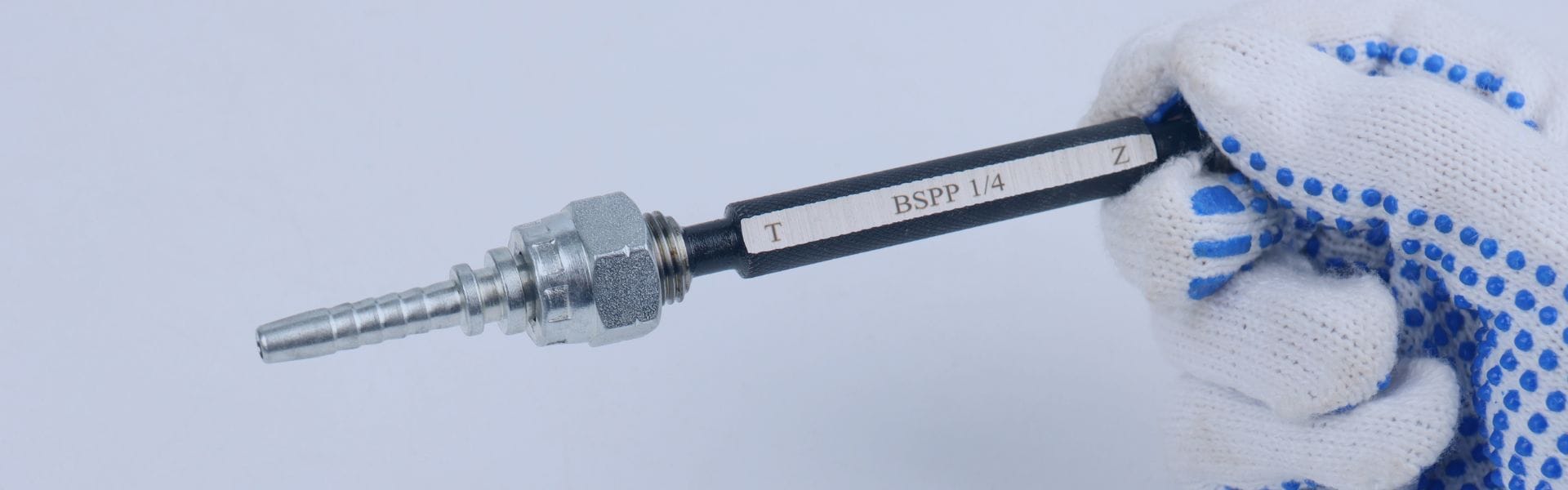
Avoid Leaks! How to Tighten Hydraulic Fittings the Right Way banner

Avoid Leaks! How to Tighten Hydraulic Fittings the Right Way

When hydraulic fittings are correctly tightened, they ensure secure, leak-proof connections, allowing fluid to flow efficiently and preventing contaminants from entering the system. Improper tightening, whether too tight or too loose, can cause leaks, pressure loss, contamination, and joint failure, ultimately reducing system efficiency and increasing repair costs. Correctly tightened fittings help maintain pressure retention, minimize wear and tear, and prolong equipment lifespan, ensuring safer, more efficient operation.

Common Causes of Leaks in Hydraulic Fittings

Hydraulic systems are designed to operate under high pressure, and maintaining leak-free connections is crucial for performance and safety. Even a small leak can lead to significant issues such as loss of pressure, system inefficiency, or even catastrophic failures. Understanding the common causes of hydraulic fitting leaks can help prevent these problems and ensure your system remains operational. Below are the key causes of leaks in hydraulic fittings:

Faulty Installation and Incorrect Tightening

One of the most common causes of leaks in hydraulic systems is improper installation of the fittings. Whether it’s due to human error, incorrect tools, or rushed work, faulty installation can create weak points in the hydraulic system. Here’s how poor installation leads to leaks:

Improper Alignment of Fittings:

If the fittings are not aligned properly during installation, they may not form a complete seal, allowing hydraulic fluid to escape. Misaligned fittings often happen when the hoses or pipes are not positioned correctly, creating uneven pressure on the connection.

Incorrect Tightening Torque:

Hydraulic fittings require a precise amount of torque to ensure a secure, leak-proof seal. Tightening too loosely can lead to gaps where fluid can escape, while over-tightening can damage the fitting or cause the seal to deform. Both scenarios result in leaks.

    Failure to Follow Manufacturer Guidelines:

    Every hydraulic fitting and connection has specific installation instructions, including recommended torque values and installation techniques. Failing to follow these instructions can lead to improperly sealed fittings, causing leaks. Always check the specifications before installing new fittings.

      Lack of Proper Sealing:

      During installation, it’s essential to ensure that the proper sealant (such as thread sealant or O-rings) is applied correctly. Neglecting this step or using the wrong type of sealant can result in gaps where fluid can leak out.

      Hydraulic Fluid Contamination leak

        Poor Quality Fittings or Seal Failures

        Even with correct installation, the quality of the hydraulic fittings themselves plays a significant role in preventing leaks. Low-quality fittings, damaged components, or poor manufacturing can compromise the integrity of the connection and lead to leaks. Common issues include:

        Material Defects in Fittings:

        Fittings made from substandard materials are more likely to corrode, crack, or wear out over time. Corrosion or cracks in the fitting create spaces for hydraulic fluid to escape. Always choose high-quality fittings made from durable, corrosion-resistant materials such as stainless steel or brass.

          Degraded or Damaged Seals:

          Seals, including O-rings and gaskets, are designed to prevent fluid from leaking out of the fitting. Over time, seals can degrade due to chemical exposure, extreme temperatures, or wear. A damaged or aged seal may lose its ability to form a proper seal, resulting in leaks.

          Using the wrong seal material for the specific hydraulic fluid or environment can also lead to premature seal failure.

            Manufacturing Defects:

            Hydraulic fittings that are poorly manufactured may have irregularities, such as uneven threading, which can prevent them from forming a proper seal. Additionally, improper machining can result in fittings that do not meet industry standards, which can lead to leaks even with proper installation.

              Incorrect Fitting Type:

              Not all fittings are suited for every application. Using the wrong type of fitting, such as a low-pressure fitting in a high-pressure system, can result in leaks or system failure. Always verify that the fittings are compatible with the system’s pressure and fluid characteristics.

                External Factors: Vibration, Temperature, and Environmental Conditions

                Hydraulic fittings are often exposed to harsh conditions that can cause wear and lead to leaks if not accounted for during installation and maintenance. Three main external factors—vibration, temperature fluctuations, and environmental conditions—can negatively affect hydraulic fittings and contribute to leaks:

                Vibration:

                Hydraulic systems, especially those in machinery or vehicles, are subject to constant vibration. Over time, vibration can cause hydraulic fittings to loosen or shift, creating gaps in the connection and allowing fluid to leak. This is particularly common with flexible hose connections.

                Vibration-induced loosening can be minimized by using locknuts, vibration-dampening materials, or regular inspections to ensure fittings remain secure.

                  Temperature Fluctuations:

                  Hydraulic systems often operate in environments with significant temperature changes. Both high and low temperatures can cause materials to expand or contract, affecting the tightness of the fitting. For example, excessive heat may cause seals to soften and lose their sealing ability, while cold temperatures can cause fittings to contract and become brittle.

                  It’s essential to choose fittings and seals that can withstand the temperature extremes of your operating environment. In some cases, temperature-resistant materials may be required to prevent leaks.

                    Environmental Conditions:

                    Exposure to harsh environmental conditions such as rain, dust, chemicals, or corrosive substances can accelerate wear and tear on hydraulic fittings. Corrosion, for example, can weaken the structure of fittings, leading to cracks and leaks.

                    To mitigate the risk of environmental damage, ensure that fittings are properly coated for corrosion resistance and that hoses and connections are kept clean and free from contaminants.

                      Pressure Surges:

                      In some systems, pressure can fluctuate due to changes in flow rate, valve operation, or external load. These sudden surges in pressure can stress hydraulic fittings, causing them to weaken or loosen over time, especially if the fittings are not rated for those pressure changes.

                        How to Tighten Hydraulic Fittings the Right Way: Step-by-Step

                        Ensuring hydraulic fittings are tightened properly is key to maintaining system efficiency and preventing leaks. Below is a detailed, step-by-step guide to tightening hydraulic fittings the right way, ensuring secure, leak-proof connections and system integrity.

                        Step 1: Inspecting the Fitting and Hose for Damage

                        Before you even begin tightening hydraulic fittings, it’s essential to inspect both the fitting and the hose or pipe for any visible damage. A fitting that is cracked, corroded, or worn down may not form a proper seal, no matter how well it’s tightened. Here’s what to check for:

                        Check the Fitting: Inspect the fitting for any cracks, dents, or signs of corrosion. Pay special attention to the threads, as damaged or worn threads will prevent a tight, leak-free seal.

                        Inspect the Hose or Pipe: Look for any wear, cuts, or bulging on the hydraulic hose. Damaged hoses can result in weak connections and increase the risk of fluid leakage. If you find any defects, replace the damaged components before proceeding.

                        Check Seals: Ensure that O-rings, gaskets, or compression seals are in good condition. Damaged seals can lead to leaks even if the fitting is tightened correctly.

                        Step 2: Choosing the Right Hydraulic Fitting for Your System

                        Choosing the correct hydraulic fitting is crucial to ensure it can handle the system’s pressure, flow, and fluid type. Using the wrong type of fitting can cause leaks, system inefficiency, and even catastrophic failure. Consider the following when selecting hydraulic fittings:

                        Fitting Type: Determine whether you need a straight, elbow, or tee fitting, or a specific type like a compression or flare fitting. The right fitting type should match the configuration of your hydraulic system.

                        Pressure and Flow Requirements: Ensure that the fitting is rated for the pressure and flow rates your system operates under. Over or under-rated fittings may fail under pressure.

                        Material Compatibility: Choose the right material (e.g., stainless steel, brass, or carbon steel) based on your system’s fluid type and environmental conditions. Some materials may corrode or degrade with certain chemicals or extreme temperatures.

                        Size and Thread Compatibility: Ensure that the fitting size, thread type (e.g., NPT, BSP), and connection type are compatible with the hose, pipe, and other components in your system.

                        install ferrule fitting

                        Step 3: Applying the Correct Sealant (Thread Sealant, O-rings, and Compression Seals)

                        Proper sealing is essential for preventing leaks. Various sealing methods are depending on the type of fitting, and choosing the right one ensures a secure, leak-proof connection. Follow these guidelines for applying seals:

                        Thread Sealant: If your hydraulic fitting uses threaded connections, apply the correct thread sealant or pipe thread tape (Teflon tape) to the male threads. This will help prevent leaks from threaded joints. Be sure to use the appropriate type of sealant for the hydraulic fluid and system pressure.

                        O-Rings: For fittings that rely on O-rings, ensure that the O-ring is made from the appropriate material (e.g., nitrile, Viton) that is compatible with your hydraulic fluid. Lubricate the O-ring lightly with a compatible lubricant to prevent damage during installation.

                        Compression Seals: If using compression fittings, make sure the ferrules (compression rings) are properly seated on the pipe and fitting. These seals rely on compression to form a tight seal, so avoid overtightening, which can damage the seal.

                        Step 4: Properly Aligning the Fitting

                        Alignment is key to ensuring the fitting forms a secure and leak-free seal. Misalignment can cause uneven pressure and lead to leaks. Here’s how to align the fitting properly:

                        Ensure Proper Alignment of Hoses and Pipes: Before tightening, check that the hoses or pipes are aligned with the fitting. If the hose or pipe is angled incorrectly, it may stress the fitting or cause the connection to loosen over time. Make sure the components are positioned straight and parallel to one another.

                        Avoid Twisting the Hose: When installing the fitting, avoid twisting or bending the hose sharply. Excessive twisting can weaken the hose and affect the fitting’s ability to form a proper seal.

                        Align Threads and Fitting Properly: Make sure the threads of the fitting align perfectly with the threads on the hose or pipe. Cross-threading can cause damage to both the fitting and the connection, leading to leaks and eventual failure.

                        Step 5: Tightening Using Correct Torque Settings

                        Once the fitting is aligned and the seals are applied, it’s time to tighten the fitting using the correct torque. Tightening a hydraulic fitting too much or too little can cause leaks, damage, or failure. Follow these guidelines to tighten the fitting correctly:

                        Use the Correct Torque Value: Check the manufacturer’s specifications for the recommended torque settings for your specific hydraulic fitting. This is critical to ensure the connection is tight enough to prevent leaks but not so tight that it causes damage.

                        Use a Torque Wrench: A torque wrench is the most accurate tool to ensure you’re applying the correct amount of force. Set the wrench to the specified torque value and tighten the fitting slowly, applying even pressure.

                        Tighten Gradually: Start by hand-tightening the fitting, then use the torque wrench to reach the recommended torque. Tighten the fitting in stages, especially for larger fittings or high-pressure systems.

                        Check for Leaks: After tightening, inspect the fitting for leaks by applying pressure to the system and checking around the fitting for any signs of escaping fluid. If leaks persist, recheck the torque setting and ensure the sealant and O-rings are properly applied.

                        Preventing Leaks: Key Sealing Methods for Hydraulic Fittings

                        Leaks in hydraulic systems can lead to costly downtime, reduced efficiency, and potential safety hazards. To prevent leaks, it’s essential to use the right sealing methods when installing hydraulic fittings. There are several techniques for ensuring leak-proof connections, each suited to specific applications and types of fittings. Understanding these methods can help keep your hydraulic system secure and functional.

                        O-Ring Seals vs. Threaded Seals: Which Is Best?

                        Hydraulic fittings commonly rely on O-rings or threaded seals to create leak-proof connections. Both methods have their advantages and disadvantages, and the choice depends on the type of fitting and application. Here’s a comparison to help you decide which sealing method is best for your hydraulic system:

                        O-Ring Seals

                        O-rings are rubber rings that fit into grooves in the fitting, creating a seal when compressed between two surfaces. They are typically used in fittings like flanges, unions, and valves.

                        How They Work:

                        O-rings are highly effective for creating tight seals without the need for excessive tightening.

                        Advantages:

                        Flexible and Versatile: O-rings can handle both dynamic and static sealing applications, making them ideal for a wide range of hydraulic systems.

                        Pressure Resistance: When properly installed, O-rings can withstand high-pressure environments.

                        Easy to Replace: O-rings are relatively inexpensive and easy to replace, allowing for quick maintenance when necessary.

                        Disadvantages:

                        Material Sensitivity: O-rings are sensitive to temperature, fluid type, and pressure. Choosing the wrong material for the O-ring (e.g., using an O-ring made of nitrile in a system with high heat) can lead to degradation and leaks.

                        Installation Care: O-rings require careful installation to avoid damaging them. Incorrect installation or contamination can cause them to fail.

                        Threaded Seals

                        How They Work:

                        Threaded seals rely on the tightness of threaded connections to prevent leaks. Often, these seals use tapered threads (like NPT) or straight threads with additional sealing components such as thread sealants or gaskets.

                        Advantages:

                        Simple and Durable: Threaded seals are straightforward to use and are often a reliable solution for static connections where little to no movement occurs.

                        High Strength: Threaded connections can handle high pressure and are less likely to deform under stress compared to O-ring seals.

                        Disadvantages:

                        Potential for Leaks: Threaded seals can leak if the fitting is not tightened properly or if the threads are damaged.

                        Thread Wear: Over time, threads can wear out, reducing their effectiveness and requiring replacements or re-threading.

                        Which Is Best?

                        O-Ring Seals are typically best for dynamic connections or where flexibility is needed, such as in hydraulic hoses or systems exposed to varying temperatures and pressures.

                        Threaded Seals are often used for static, high-pressure applications where the fitting will not be subject to constant motion or thermal cycling.

                        Ultimately, the best choice depends on the specific needs of your hydraulic system, including pressure, temperature, and movement.

                        Compression Fittings and Their Leak-Proof Design

                        Compression fittings are designed to form a leak-proof seal through mechanical compression. They are often used in applications that require a reliable, tight connection between pipes or tubes in hydraulic systems. Here’s an overview of how compression fittings work and why they are favored for leak prevention:

                        How Compression Fittings Work

                        Compression fittings consist of several key components:

                        Compression Nut: This is the outer part of the fitting that is tightened around the pipe or tube.

                        Ferrule (or Compression Ring): The ferrule is the key to creating a tight seal. It is placed inside the fitting, and when the nut is tightened, the ferrule compresses against the pipe or tube, forming a secure seal.

                        Fitting Body: The body holds all the components in place and ensures the connection is secure.

                        When the compression nut is tightened, the ferrule compresses around the pipe, forming a tight connection without the need for thread sealing tape or other additives. The design of compression fittings makes them ideal for systems where leak-proof sealing is critical, especially for high-pressure applications.

                        Advantages of Compression Fittings

                        Easy to Install: Compression fittings are relatively easy to install and require minimal tools. They are often used in both low and high-pressure hydraulic systems.

                        Reliable Seal: The compression mechanism creates a reliable, leak-proof seal without requiring excessive tightening.

                        Versatile: Compression fittings are available in various materials (e.g., brass, stainless steel) and sizes, making them suitable for a range of applications.

                        No Need for Sealants: Compression fittings typically do not require additional sealants or thread tape to form a seal, which simplifies installation and reduces the risk of sealant contamination.

                        Common Applications

                        Hydraulic Hose Connections: Compression fittings are widely used to connect hoses and pipes in hydraulic systems.

                        Instrumentation Lines: These fittings are used in instrumentation and measurement systems, where precise sealing is required to prevent leaks in sensitive components.

                        Using Thread Sealant: When and How to Apply It

                        Thread sealant is a material applied to the threads of a fitting to help prevent leaks. It is often used with threaded hydraulic fittings to ensure a tighter, more secure seal. Here’s when and how to apply thread sealant effectively:

                        When to Use Thread Sealant

                        Thread sealants should be used when:

                        Working with Threaded Fittings: For fittings with threads such as NPT or BSP, thread sealant helps fill in gaps and ensure a tight seal.

                        High-Pressure Applications: In high-pressure hydraulic systems, thread sealant helps prevent leaks that could occur due to the slight gaps between the threads.

                        Dissimilar Materials: When connecting fittings made from different materials (e.g., brass to steel), thread sealant can help account for slight differences in thread alignment and prevent leaks.

                        How to Apply Thread Sealant

                        Clean the Threads: Before applying thread sealant, clean both the male and female threads thoroughly to remove dirt, rust, and old sealant. This ensures the sealant bonds properly and doesn’t cause contamination.

                        Apply Sealant Evenly: Apply the thread sealant evenly to the male threads of the fitting. Use a small amount of sealant to avoid excess that could spill into the system. Avoid applying sealant to the first few threads to ensure that the sealant doesn’t interfere with the connection.

                        Avoid Over-Application: Excess sealant can cause clogging or contamination in the hydraulic system. Apply just enough to fill in the gaps between the threads, and ensure the excess is wiped away.

                        Tighten the Fitting: After applying the thread sealant, tighten the fitting to the manufacturer’s recommended torque specification. This will ensure the sealant is evenly distributed and the connection is tight.

                        Types of Thread Sealants

                        Teflon Tape (PTFE Tape): This is one of the most common types of thread sealant. It’s easy to apply and is effective for sealing threaded connections, but it’s best suited for lower-pressure systems.

                        Liquid Thread Sealants: These are often preferred for high-pressure applications, as they offer better sealing capabilities and are resistant to hydraulic fluids.

                        How Under-tightening Can Lead to Catastrophic Failures

                        Under-tightening is just as dangerous as over-tightening. Fittings that are not tightened enough may fail to form a proper seal, leading to leaks, loss of pressure, and system malfunctions. Here’s how under-tightening can cause catastrophic failures in hydraulic systems:

                        Leaks and Loss of Pressure

                        What to Look For: If a fitting is under-tightened, hydraulic fluid may leak from the connection, which can result in a noticeable drop in pressure within the system.

                        Consequences: Even small leaks can result in significant pressure loss, which affects system efficiency. Leaks also allow contaminants to enter the system, potentially damaging critical components like pumps, valves, and seals.

                        Vibration-Induced Loosening

                        What to Look For: In systems where vibration is a concern (such as in machinery or vehicles), an under-tightened fitting can loosen over time. This can be especially problematic in high-pressure systems.

                        Consequences: As the fitting loosens, it may cause further leaks, or worse, complete separation under pressure, leading to system failure and potential hazards.

                        Poor Fluid Flow

                        What to Look For: Under-tightened fittings can cause gaps or misalignments between the fitting and the hose or pipe. This can restrict the flow of hydraulic fluid, causing the system to work harder and less efficiently.

                        Consequences: Reduced fluid flow results in decreased system performance, wasted energy, and potential damage to components like valves, pumps, or actuators.

                        Contamination of the Hydraulic System

                        What to Look For: A loose fitting increases the risk of dirt, dust, and other contaminants entering the hydraulic system, especially if fluid is leaking around the connection.

                        Consequences: Contaminants in the system can cause wear on components, blockages, and even complete system failure if not addressed.

                        Conclusion

                        Hydraulic systems operate under high pressure, and even small leaks or improperly tightened fittings can cause serious issues—from pressure loss and system inefficiency to safety hazards. By understanding the importance of correct tightening techniques, using the right tools, and regularly maintaining your system, you can avoid the pitfalls that lead to leaks, damage, and expensive repairs.


                        FAQ

                        Why is it important to properly tighten hydraulic fittings?

                        Properly tightening hydraulic fittings ensures a leak-proof seal, maintaining system pressure, preventing fluid contamination, and enhancing the overall safety and efficiency of the hydraulic system.

                        What happens if I over-tighten a hydraulic fitting?

                        Over-tightening can cause thread damage, deform the fitting or seals, and lead to cracked or warped components. This compromises the seal, potentially resulting in leaks and system failure.

                        How can I tell if a hydraulic fitting is under-tightened?

                        Signs of under-tightening include visible leaks, loss of system pressure, and poor fluid flow. In some cases, vibration can also cause the fitting to loosen further, leading to catastrophic failures.

                        What tools should I use to tighten hydraulic fittings?

                        A calibrated torque wrench is essential for applying the correct amount of torque. It helps prevent over-tightening or under-tightening, ensuring consistent and reliable connections.

                        How often should I inspect hydraulic fittings?

                        It’s recommended to inspect hydraulic fittings regularly, especially in high-vibration environments or after maintenance. Perform visual checks for leaks, wear, or damage and retighten fittings as necessary.

                        What are the common sealing methods for hydraulic fittings?

                        Common sealing methods include O-rings, thread sealants, and compression fittings. Each method ensures a tight, leak-proof connection, with the choice depending on the type of fitting and system requirements.

                        Hydraulic Cylinder Fitting Repair banner

                        Hydraulic Cylinder Fitting Repair: A Step-by-Step Guide

                        Common issues with hydraulic cylinder fittings include leaks, corrosion, wear and tear, and improper sealing. These problems can lead to decreased system pressure, fluid loss, and inefficient operation, often requiring immediate repair or replacement to avoid further damage to the hydraulic system.

                        Signs You Need a Hydraulic Cylinder Fitting Repair

                        Recognizing Hydraulic Fitting Leaks

                        One of the most common signs that your hydraulic cylinder fitting needs repair is the presence of leaks. Leaking hydraulic fluid can often be seen around the fitting area or noticed as wet spots on the ground beneath the equipment. A decrease in fluid levels can also indicate a leak, which, if left untreated, can severely affect the system’s pressure and performance.

                        Performance Loss in Hydraulic Systems

                        If your hydraulic equipment is experiencing slower operation, inconsistent movements, or reduced force output, this could signal an issue with the cylinder fittings. Performance loss often occurs when fittings fail to maintain proper fluid pressure, leading to inefficient system operation. This may result in your machinery working harder, consuming more energy, and producing less effective results.

                        Visual Indicators of Wear and Tear on Hydraulic Fittings

                        Over time, hydraulic fittings are exposed to high pressure, temperature fluctuations, and harsh environmental conditions. Inspecting the fittings for visible signs of damage such as cracks, corrosion, or wear on the seals can indicate the need for repair. Discoloration, rust, or swelling around the fitting area are clear indicators that the fitting is no longer functioning properly and requires attention.

                        Step 1 – Identifying the Issue with Your Hydraulic Cylinder Fitting

                        How to Detect Hydraulic Fitting Leaks

                        The first step in identifying an issue with your hydraulic cylinder fitting is detecting any leaks. Start by visually inspecting the fittings for wet spots or visible signs of hydraulic fluid around the connection points. You can also use a piece of clean paper or cloth to wipe around the fittings; if it comes away damp, a leak is likely present. Another effective method is to use a leak detection dye or UV light to spot even the smallest leaks, especially in hard-to-see areas. Listening for a hissing sound, which indicates escaping air or fluid, can also help pinpoint the source of the leak.

                        Troubleshooting Hydraulic Cylinder Problems

                        Once a leak or fitting issue is suspected, the next step is troubleshooting the hydraulic cylinder. Check for any irregularities in system pressure, temperature fluctuations, or sluggish movements of the hydraulic cylinder. These signs often point to problems with the hydraulic fluid flow, which is directly affected by the condition of the fittings. Performing a pressure test using a gauge can help assess whether the hydraulic system is maintaining the required pressure. Additionally, listen for abnormal sounds, such as whining or grinding, which may indicate a faulty fitting or damaged cylinder components.

                        Hydraulic Cylinder Fitting leak

                        Assessing the Severity of the Fitting Issue

                        Once you’ve identified the potential problem, it’s important to assess how severe the issue is. Minor leaks might be fixed with a simple tightening or sealing, while more significant leaks or visible cracks in the fitting may require replacement. Check the condition of the seals and O-rings to determine if they have worn out or cracked, as this is often the root cause of leaks. If the hydraulic cylinder is experiencing a major loss of performance or if the fittings show signs of severe wear, it’s crucial to address the issue immediately to prevent further damage to the entire system. Keep in mind that early detection and repair can help avoid costly downtime and extensive repairs down the line.

                        Step 2 – Disassembling the Hydraulic Cylinder Fitting

                        How to Properly Disassemble Hydraulic Cylinder Fittings

                        Disassembling hydraulic cylinder fittings requires careful attention to avoid causing additional damage to the parts. Start by relieving the pressure in the hydraulic system to ensure safety. Disconnect the hydraulic hose from the cylinder, making sure the fluid is drained or contained properly to prevent spills. Use the appropriate wrenches or sockets to loosen the fittings, starting with the outer components and working your way inward. Always take note of the order in which parts are removed, as this will help during reassembly. If the fitting is stubborn, use penetrating fluid to ease the disassembly process without damaging the threads or seals.

                        The Right Tools for Safe Disassembly

                        Having the right tools is essential for a safe and efficient disassembly process. Common tools needed for hydraulic cylinder fitting disassembly include:

                        Hydraulic wrenches or spanners: For loosening large or tightly secured fittings.

                        Torque wrenches: To ensure that fittings are removed with the correct force, preventing thread damage.

                        Pliers or pipe wrenches: For gripping and loosening smaller components.

                        Seal pick or scraper: For carefully removing old seals without scratching the fitting or cylinder surfaces.

                        Penetrating oil or lubricant: To loosen stuck fittings and prevent corrosion.

                        Hydraulic fluid container: To safely drain and store hydraulic fluid during the disassembly process.

                        Ensure that all tools are in good condition and suitable for the specific size and type of fittings you’re working with. Using the correct tools will make the process safer and more efficient, while reducing the risk of damaging critical components.

                        What to Look for While Disassembling Hydraulic Cylinders

                        As you disassemble the hydraulic cylinder fittings, inspect the components for signs of wear or damage. Look for:

                        Worn or damaged seals: Cracked, hardened, or deteriorated seals are a common cause of leaks.

                        Corrosion or rust: Any signs of rust or corrosion on the fittings or cylinder should be noted, as they can compromise the hydraulic system’s performance.

                        Cracks or fractures in the fitting: Check for visible cracks or deformation in the fitting parts, which can lead to failure during reassembly or operation.

                        Thread damage: Examine the threads on both the fittings and the cylinder to ensure they are not stripped or damaged. Thread issues can cause improper sealing or difficulty in reassembly.

                        Debris or contaminants: Make sure that no dirt, debris, or old sealant remains inside the fitting area, as this can affect the functionality of the hydraulic system and lead to further damage.

                        Step 3 – Inspecting Hydraulic Cylinder Parts

                        Common Problems Found in Hydraulic Cylinder Fittings

                        When inspecting hydraulic cylinder fittings, several common issues can arise, leading to inefficiencies or system failure:

                        Leaking Fittings: The most frequent issue is leakage, which can occur due to improper sealing or worn-out O-rings. Leaking fittings reduce the system’s pressure and performance, leading to fluid loss and potential system failure.

                        Corrosion and Rust: Exposure to moisture, chemicals, or harsh environments can cause corrosion on the fitting surfaces. This can weaken the fittings, lead to leaks, and cause them to fail prematurely.

                        Cracks and Fractures: Over time, hydraulic fittings can develop small cracks due to stress, excessive pressure, or fatigue. Cracks are particularly dangerous, as they can cause catastrophic failure of the system.

                        Clogging and Debris: Dirt, debris, or old sealant left behind can block fluid flow or cause increased wear on the fitting surfaces. These obstructions can affect system performance and result in overheating or excessive wear.

                        Excessive Wear on Threads: Frequent disassembly and assembly can cause thread damage, making it difficult to properly seal the fitting. Worn threads can also compromise the connection between the fitting and the hydraulic cylinder.

                        Identifying Worn or Damaged Hydraulic Seals

                        Seals play a crucial role in maintaining a leak-proof connection and ensuring proper fluid flow within hydraulic systems. Here’s how to identify worn or damaged seals:

                        Cracked or Brittle Seals: Over time, seals made from rubber or elastomers can dry out, crack, or become brittle, particularly if exposed to high heat, extreme pressure, or chemicals. A cracked seal will no longer provide an effective barrier against fluid leakage.

                        Deformation or Swelling: Seals that appear swollen, misshapen, or out of place could indicate that they have been over-extended, exposed to high temperatures, or exposed to incompatible fluids. Such seals should be replaced immediately to prevent leaks.

                        Visible Gaps or Tears: Examine the seals for any visible tears, gaps, or breakage. Even minor cuts or deformities can cause significant leaks and loss of hydraulic pressure. These damaged seals will need to be replaced to maintain system integrity.

                        Compression Set: If the seals appear compressed and no longer bounce back to their original shape, it may indicate they have become “set” from prolonged exposure to pressure or heat. This reduces their sealing capability and necessitates a replacement.

                        Step 4 – Repairing or Replacing Damaged Fittings

                        How to Repair Hydraulic Cylinder Fittings

                        Repairing hydraulic cylinder fittings involves addressing any damage, wear, or leaks in the components to restore the system’s integrity. Here’s how to approach the repair process:

                        Clean the Fitting Area: Before starting the repair, ensure the fitting and surrounding area are thoroughly cleaned of dirt, debris, or old sealant. This prevents contaminants from interfering with the repair and ensures a proper seal when reassembling.

                        Tighten Loose Fittings: If the issue is a loose connection causing a leak, use the correct torque settings to tighten the fitting. Over-tightening can damage the threads or cause other components to crack, so always follow manufacturer specifications for torque.

                        Replace Worn Seals: One of the most common causes of hydraulic fitting failure is damaged or worn seals. Use a seal pick to carefully remove the old seals and replace them with new, compatible ones. Ensure that the new seals are installed correctly and seated evenly to avoid leaks.

                        Patch Minor Cracks or Surface Damage: If the fitting shows signs of minor surface wear or small cracks, you may be able to use a special hydraulic repair adhesive or patch to seal the cracks temporarily. However, this is not a permanent solution and should only be done for short-term fixes until the fitting can be replaced.

                        Use Hydraulic Thread Sealant: For leaking threaded connections, apply a quality hydraulic thread sealant to ensure a tight seal. Be sure to follow the manufacturer’s instructions on the sealant, and avoid over-applying, as excess sealant can block fluid flow or create obstructions.

                        Hydraulic cylinder fitting repair

                        When to Replace a Hydraulic Cylinder Fitting

                        While repairing hydraulic cylinder fittings is possible, there are cases where replacement is necessary. Here’s when to consider replacing a fitting rather than repairing it:

                        Severe Cracks or Fractures: If the fitting has visible cracks or fractures, it’s likely beyond repair. Cracks can compromise the fitting’s structural integrity, causing future leaks or even catastrophic failure, making replacement the best option.

                        Significant Corrosion or Rust: Corroded fittings that are beyond cleaning or buffing should be replaced immediately. Corrosion weakens the metal and compromises the fitting’s ability to withstand high pressure, making it unsafe to use.

                        Excessive Thread Damage: If the threads on the fitting are stripped, damaged, or have worn down significantly, they may no longer create a secure seal. In such cases, the fitting should be replaced to maintain the system’s reliability.

                        Repeated Leaks or Persistent Performance Issues: If you’ve already attempted a repair, such as replacing seals or tightening fittings, but the leak persists or performance issues remain, replacement is often the most cost-effective solution. Continuing to repair a repeatedly failing fitting may lead to bigger issues down the road.

                        Outdated or Obsolete Fittings: Older fittings may no longer meet current safety standards or could be incompatible with modern hydraulic components. In this case, replacing outdated fittings with newer, more efficient models is necessary to keep the system running smoothly.

                        Step 5 – Sealing Hydraulic Fittings Properly

                        Best Practices for Sealing Hydraulic Fittings to Avoid Leaks

                        Properly sealing hydraulic fittings is critical to maintaining the integrity of the hydraulic system and preventing leaks that can cause performance issues or equipment damage. Here are the best practices for sealing hydraulic fittings effectively:

                        Use the Correct Seal Type: Always ensure that you use the appropriate seals for the type of hydraulic fitting you are working with. O-rings, flat seals, and backup rings are common choices, each designed for specific applications and pressures. Verify the material of the seals to ensure compatibility with the hydraulic fluid and operating conditions (e.g., temperature, pressure, and chemical exposure).

                        Clean Surfaces Before Sealing: Ensure that the sealing surfaces of both the fitting and the cylinder are free of debris, dirt, and old sealant. Contaminants can compromise the seal, causing leaks. Use a solvent and a clean cloth to wipe the surfaces clean before applying new seals or sealant.

                        Lubricate the Seals: Apply a light coating of hydraulic fluid or a compatible lubricant to the new seals before installation. Lubrication prevents damage during installation and helps the seals form a tight, leak-proof barrier. Avoid over-lubricating, as excess lubricant can create a mess and potentially cause contaminants to enter the system.

                        Install Seals Correctly: Ensure that the seals are installed in the correct orientation. For O-rings, this means ensuring the ring sits evenly in the groove without being pinched or twisted. Flat seals should be placed squarely in the sealing area, and backup rings should be oriented in the direction that prevents extrusion.

                        How to Apply Hydraulic Sealants Effectively

                        In some cases, using hydraulic sealant in addition to seals can provide an extra layer of protection against leaks. Here’s how to apply hydraulic sealants effectively:

                        Choose the Right Sealant: Select a sealant designed for hydraulic systems. There are different types of hydraulic sealants, including thread sealants, anaerobic sealants, and gasket sealants, each suitable for specific applications. Ensure the sealant is compatible with the hydraulic fluid and operating conditions.

                        Clean the Fitting and Thread: Before applying sealant, clean the threads and surfaces of the fitting thoroughly to remove any dirt, grease, or old sealant. This ensures the sealant bonds properly and does not trap contaminants that could damage the system.

                        Apply Sealant Sparingly: When applying sealant to threaded connections, apply a thin, even layer to the male threads of the fitting. Be careful not to over-apply, as excess sealant can block fluid flow and potentially damage the system. For flat seals or gasketed areas, apply sealant to both surfaces evenly.

                        Allow Sealant to Cure: Some hydraulic sealants require curing time to achieve full bonding strength. Follow the manufacturer’s instructions regarding curing time before pressurizing the system. Rushing this step can lead to premature failure of the seal.

                        Conclusion

                        In conclusion, repairing hydraulic cylinder fittings is a critical task that ensures the efficiency and longevity of your hydraulic system. By following the step-by-step process—identifying issues, disassembling the fittings, inspecting parts, and properly sealing the system—you can address leaks and performance issues effectively.


                        FAQ

                        What are the common signs that my hydraulic cylinder fitting needs repair?

                        Look out for hydraulic fluid leaks, a decrease in system performance, unusual noises, or visible wear and tear around the fittings.

                        Can I repair hydraulic cylinder fittings myself?

                        Yes, with the right tools and knowledge, you can perform DIY hydraulic fitting repairs. However, ensure you follow safety protocols and use quality parts.

                        How often should hydraulic cylinder fittings be inspected?

                        It’s recommended to inspect hydraulic cylinder fittings regularly—ideally every 6 to 12 months—depending on usage, to identify early signs of wear or leaks.

                        What tools are needed for hydraulic cylinder fitting repair?

                        Common tools include wrenches, seal pickers, torque wrenches, thread sealants, cleaning solvents, and new seals or O-rings.

                        How can I prevent leaks in hydraulic cylinder fittings?

                        Regularly check for wear, replace seals as needed, use proper sealant, and ensure all fittings are tightly secured with correct torque.

                        When should I replace a hydraulic cylinder fitting instead of repairing it?

                        Replace the fitting if it has visible cracks, significant corrosion, severe thread damage, or repeated leaks that can’t be fixed through regular repairs.

                        7 Simple Steps for Identifying Hydraulic Fittings Correctly banner

                        7 Simple Steps for Identifying Hydraulic Fittings Correctly

                        Hydraulic fittings are vital components in fluid systems, designed to connect, secure, and direct the flow of hydraulic fluids between machinery parts. They come in various shapes, sizes, and materials, depending on the application, and play a critical role in ensuring system efficiency and safety. Properly selected fittings maintain pressure, prevent leaks, and enable smooth connections between components like hoses, pipes, and valves.

                        Step 1: Familiarize Yourself with Different Hydraulic Fitting Types

                        Understanding the various types of hydraulic fittings is the first step in identifying the right ones for your system. Hydraulic fittings come in different shapes, sizes, materials, and connection methods, and each type is designed for specific applications. In this section, we’ll break down the most common types of hydraulic fittings you’ll encounter and their key features.

                        Overview of Common Hydraulic Fitting Types

                        There are several categories of hydraulic fittings, and each serves a unique purpose in fluid systems. The most common types include:

                        Knowing how to identify these different types is essential for correctly selecting the right fitting for your hydraulic system.

                        Hydraulic Adapters materials

                        Threaded Fittings: NPT, BSPT, BSPP

                        Threaded fittings are among the most common hydraulic fitting types, and they feature threads that allow them to screw into compatible components. Here are the three most common types of threaded fittings:

                        Key Differences to Remember:

                        NPT has tapered threads, while BSPT has similar but slightly different thread angles and shapes.

                        BSPP uses parallel threads and relies on seals for a leak-proof connection.

                        NPT and BSPT are used in high-pressure systems, while BSPP is used for low-pressure systems.

                        Flared Fittings vs. Compression Fittings

                        When working with hydraulic systems, it’s crucial to understand the differences between flared and compression fittings, as they are designed for different types of connections.

                        Key Differences to Remember:

                        Flared fittings require tubing to be flared at the end and are best for high-pressure systems.

                        Compression fittings use a ferrule to secure the tube and are best for low-pressure and smaller applications.

                        Push-to-Connect and Quick Connect Fittings

                        These two fitting types are designed for ease of use and fast connection and disconnection, making them particularly useful in dynamic or mobile hydraulic systems.

                        Key Differences to Remember:

                        Push-to-connect fittings are easy to install without tools and are used in low-pressure applications.

                        Quick connect fittings allow for rapid connection and disconnection, making them ideal for equipment that needs to be frequently connected and disconnected.

                        Step 2: Learn How to Identify Hydraulic Fitting Sizes

                        When it comes to hydraulic fittings, selecting the right size is crucial for ensuring that fluid flows efficiently and without leakage. Hydraulic fittings come in various sizes, and understanding the difference between nominal size and actual size, as well as how to measure and determine the correct size, is key to proper system functionality.

                        Understanding Nominal Size vs. Actual Size

                        Nominal Size refers to the approximate internal diameter of the fitting or hose, which is often used as a standard measurement. It is a rough indication of the size and is often rounded for convenience. Nominal sizes are typically denoted in inches or millimeters, but they do not always correspond exactly to the actual dimensions of the fitting.

                        Actual Size refers to the true measurements of the fitting, including its outer diameter (OD) and inner diameter (ID), and can vary slightly from the nominal size. Understanding this distinction is important, as hydraulic systems require precise measurements to ensure that fittings and hoses fit securely and provide a leak-free connection.

                        For example:

                        A “1/2-inch” hydraulic fitting might have a nominal size of 1/2 inch, but its actual inner diameter could be slightly different due to manufacturing tolerances.

                        When choosing hydraulic fittings, it is essential to check both the nominal and actual sizes to ensure compatibility with your system’s hoses and pipes.

                        Measuring Hydraulic Fitting Diameter and Length

                        Correctly measuring the diameter and length of hydraulic fittings is key to making sure you select the right components for your system. Here’s how to do it:

                        How to Determine the Correct Size for Your System

                        Selecting the correct hydraulic fitting size requires a careful approach. Here are the steps to ensure you choose the right fitting size for your system:

                        Step 3: Understand Hydraulic Fitting Materials

                        Selecting the right material for hydraulic fittings is critical for ensuring that your system operates reliably under varying pressures, temperatures, and environmental conditions. Different materials offer distinct advantages in terms of strength, corrosion resistance, durability, and cost. Understanding these materials will help you make informed decisions to optimize your hydraulic system’s performance.

                        Material Properties and Their Impact on Performance

                        The choice of material significantly influences the overall performance of hydraulic fittings in your system. Key properties of each material type impact how the fittings will function under different conditions:

                        Strength and Durability

                        Corrosion Resistance

                        Temperature Tolerance

                        Choosing the Right Material for Your Hydraulic System

                        When selecting the material for your hydraulic fittings, consider the following factors to ensure optimal performance:

                        Step 4: Get to Grips with Hydraulic Fitting Threads

                        Hydraulic fittings rely heavily on precise thread types to ensure secure connections and prevent leaks. Understanding the different thread types used in hydraulic systems and knowing how to identify and match them correctly is essential for system efficiency and safety.

                        How to Identify Thread Types in Hydraulic Fittings

                        Identifying the correct thread type in hydraulic fittings is crucial, as each thread type has a specific design and function. Here’s how you can identify them:

                        Tips for Matching Threads Correctly

                        Incorrectly matched threads can lead to leaks, system inefficiency, or even catastrophic failure. Here are some practical tips for ensuring you choose the right threads:

                        Match the Thread Type and Size

                        Make sure the fitting and the connecting component (pipe or hose) have the same thread type and size. This is critical to achieving a proper, leak-proof seal. Always double-check whether the fitting requires tapered threads (like NPT or BSPT) or parallel threads (like BSPP or metric threads).

                        Use a Thread Pitch Gauge

                        A thread pitch gauge is a useful tool for identifying the thread pitch and determining whether the pitch of the fitting matches the corresponding hose or pipe. A slight mismatch in pitch can cause an incomplete seal, leading to leaks.

                        Check for Sealing Mechanisms

                        For tapered threads (NPT, BSPT), the threads themselves create the seal as the fitting is tightened. For parallel threads (BSPP, JIC), sealing relies on an additional element like an O-ring or copper washer. Ensure that the sealing component is also the correct size and material for the application.

                        Pay Attention to Thread Angle

                        Thread angle plays a vital role in ensuring a secure connection. For example, NPT has a 60-degree angle, while BSPT has a 55-degree angle. If the wrong type of thread is matched (e.g., BSPT with NPT), the threads may not engage correctly, causing leaks or failure.

                        Verify System Pressure Requirements

                        Consider the pressure rating of the system when choosing fittings. Some threads, like NPT, are designed to handle high-pressure environments, while others, like BSPP, may be more suited for low-pressure systems with O-ring seals. Ensure that the fitting thread type can handle the pressure your system requires.

                        Consider Thread Coatings

                        Thread coatings (such as PTFE or nickel plating) can help improve the performance of the thread, especially in systems exposed to chemicals or high temperatures. If the system is highly corrosive, choosing fittings with appropriate coatings can help extend the life of the threads and prevent wear or corrosion.

                        Step 5: Examine Hydraulic Fitting Connections and Seals

                        Hydraulic fitting connections and seals are crucial elements in maintaining the integrity of your hydraulic system. A proper connection ensures that pressure is maintained, fluid flows seamlessly, and leaks are prevented. Understanding the different types of connections and seals, as well as how to identify the right ones for your system, is essential for ensuring reliability and safety in hydraulic operations.

                        Types of Hydraulic Fitting Connections: Male, Female, Couplings

                        Hydraulic fittings come with different types of connections that allow them to securely attach to hoses, pipes, and other components in the hydraulic system. Here’s an overview of the most common types:

                        Male and Female Connections

                        Couplings

                        Applications: High-flow systems, heavy equipment, and large-scale industrial machinery.

                        Identifying Proper Seals for Hydraulic Fittings

                        Identifying the correct seal for your hydraulic fittings is just as important as selecting the right fitting itself. Here are some key factors to consider when choosing seals:

                        Material of the Seal

                        The material of the seal directly affects its performance in the hydraulic system. The most common seal materials include:

                        Seal Shape and Type

                        There are several different types of seals used in hydraulic fittings, each designed for specific applications:

                        Sealing methods

                        Pressure and Temperature Rating

                        The seal’s material and design must be able to withstand the operating pressure and temperature of the hydraulic system. Check the manufacturer’s specifications for pressure and temperature limits to ensure the seal is appropriate for your system’s demands.

                        Fluid Compatibility

                        Ensure that the seal material is compatible with the hydraulic fluid used in your system. Hydraulic fluids vary widely in terms of chemical composition, and some materials (e.g., nitrile) may degrade if exposed to certain fluids. Always verify compatibility before choosing a seal material.

                        Seal Sizing

                        Ensure the seal is the correct size for the fitting and the application. A seal that is too large or too small may not provide a proper seal, leading to leaks. Always refer to manufacturer specifications for seal dimensions and sizing.

                        Step 6: Check Hydraulic Fitting Pressure Ratings

                        The pressure rating of hydraulic fittings is a critical factor in ensuring the safety and reliability of your hydraulic system. Hydraulic systems operate under varying levels of pressure, and using fittings with incorrect pressure ratings can lead to catastrophic failures, leaks, or damage to the system.

                        Common Pressure Rating Standards for Hydraulic Fittings

                        Hydraulic fittings come with specific pressure ratings that are determined by factors like the material of the fitting, the design, and the intended use of the system. Here are some common standards for pressure ratings:

                        PSI (Pounds per Square Inch)

                        PSI is the most commonly used unit to express pressure in hydraulic systems, especially in the United States. Hydraulic fittings are rated to withstand pressures measured in PSI. The pressure ratings of fittings are often marked directly on the fitting itself or provided in the manufacturer’s specifications.

                        MPa (Megapascal)

                        In countries that use the metric system (like Europe), pressure ratings may be expressed in megapascals (MPa). One MPa is equal to 145 PSI, and hydraulic fittings in these regions may be rated for 10 MPa, 25 MPa, or higher, depending on the application.

                        Bar

                        A bar is another metric unit of pressure used widely in Europe. One bar is approximately equal to the pressure exerted by a 1 kg weight per square centimeter at sea level. Hydraulic fittings may be rated in bars, with common ratings being 100 bar (low-pressure systems), 400 bar (medium-pressure systems), and 700 bar or more (high-pressure systems).

                        SAE Standards (Society of Automotive Engineers)

                        SAE J514 and SAE J516 standards are commonly used for hydraulic fittings in North America. These standards provide pressure ratings based on the material and fitting design. For example, SAE J514 specifies the pressure ratings for flareless fittings made from steel, which can typically handle pressures up to 5,000 PSI.

                        ISO Standards (International Organization for Standardization)

                        ISO 8434 is a set of standards used for hydraulic fittings, particularly in Europe and international markets. These standards define pressure ratings based on the design, material, and intended application. Common ISO pressure ratings include those for fittings used in automotive, industrial, and mobile machinery.

                        Identifying the Right Pressure Rating for Your System

                        Choosing the right pressure rating for hydraulic fittings depends on various factors, including the operating conditions, fluid type, and system design. Here are key steps for identifying the correct pressure rating for your system:

                        Know Your System’s Maximum Operating Pressure

                        The first step in selecting a hydraulic fitting with the correct pressure rating is to know the maximum operating pressure (MOP) of your system. This is the highest pressure your system will experience under normal operating conditions. Always choose a fitting with a pressure rating higher than your system’s MOP to ensure safety.

                        Factor in Pressure Surges

                        Hydraulic systems can experience pressure surges or spikes that exceed the normal operating pressure. To account for these surges, select fittings with pressure ratings that can handle transient pressures. Typically, you should choose a fitting rated at least 1.5 times the system’s normal operating pressure to accommodate these spikes.

                        Temperature Considerations

                        Pressure ratings can also be influenced by temperature. High temperatures can weaken materials, while extremely low temperatures can make certain materials brittle. If your system operates in extreme temperatures, consider how temperature affects the fitting’s pressure rating and select fittings designed for those conditions.

                        Factor in Fluid Type

                        Certain fluids (such as water-based fluids, oil, or synthetic fluids) may have different effects on hydraulic fittings. Fluids with higher viscosity or corrosive properties may require fittings with higher pressure ratings. Ensure the hydraulic fluid in your system is compatible with the fitting material and its pressure rating.

                        Step 7: Ensure Compatibility with Your Hydraulic System

                        Ensuring compatibility between hydraulic fittings and your system’s components is essential to achieving peak performance, avoiding system failures, and maintaining safety. When hydraulic fittings are mismatched with the system’s requirements, it can lead to poor fluid flow, leaks, and even complete breakdowns.

                        Matching Fittings to the Hydraulic System’s Requirements

                        Choosing the right fittings for your hydraulic system starts with understanding the specific needs of your system. Each hydraulic system is unique, with varying pressure, flow, and temperature demands, so selecting the appropriate fittings requires careful consideration.

                        Consider the System’s Application and Design

                        Each hydraulic system has a specific purpose, whether it’s for heavy machinery, industrial manufacturing, or mobile equipment. Understanding the intended application of your system helps determine which fittings are necessary to ensure smooth operation. For example:

                        Choose Fittings Based on System Pressure

                        Different sections of a hydraulic system will have different pressure requirements. It’s essential to choose fittings that can handle both the maximum operating pressure (MOP) and any potential pressure surges or spikes. Ensure that all components, including hoses, fittings, and valves, are rated for the pressures they will experience in service.

                        Select Fittings for Fluid Compatibility

                        Hydraulic systems use different types of fluids such as water-based fluids, petroleum-based oils, or synthetic fluids. The material of the fittings must be compatible with the fluid used in your system to prevent corrosion, leakage, or damage to components. Always verify the fluid compatibility of both the fitting material and seals, as some materials may degrade when exposed to certain fluids.

                        Account for Environmental Conditions

                        The operating environment of your hydraulic system plays a significant role in the type of fittings you select. Exposure to harsh elements such as extreme temperatures, chemicals, UV radiation, or corrosive conditions may require fittings made from specialized materials (e.g., stainless steel, brass, or corrosion-resistant coatings) that can withstand such environments.

                        Understanding Flow Rate and Compatibility

                        Flow rate refers to the volume of hydraulic fluid that moves through the system per unit of time, typically measured in gallons per minute (GPM) or liters per minute (LPM). Ensuring compatibility between the flow rate and the hydraulic fittings is essential to maintaining efficient system operation.

                        Matching Flow Rate with Fitting Size

                        Fittings must be sized to allow for proper flow through the system. Choosing fittings that are too small can restrict fluid flow, increase pressure drop, and cause system inefficiency. On the other hand, oversized fittings can lead to turbulence and fluid instability, which can cause wear and tear on system components. To match the flow rate with the fitting size:

                        Ensure the internal diameter (ID) of the fitting matches the diameter of the hose or pipe to avoid flow restriction.

                        Use fittings with the appropriate flow characteristics to maintain system pressure and prevent unnecessary fluid resistance.

                        Pressure Loss Considerations

                        Pressure loss due to friction is a key factor when selecting fittings, especially when considering the flow rate. If the fittings are too small for the flow rate, the system will experience a pressure drop, which could affect the operation of downstream components like pumps and valves. To minimize pressure loss:

                        Use fittings designed to reduce friction, such as those with smooth internal surfaces.

                        Select fittings that are designed for low-flow or high-flow applications, depending on the system’s needs.

                        Flow Control Components Compatibility

                        In some systems, flow control components such as valves, pumps, and regulators are used to manage the flow of fluid. Ensure that the fittings selected are compatible with these components to maintain the required flow rates and pressure settings. For example, if your system uses a flow control valve, make sure the fittings match the specifications of the valve and the hoses connected to it.

                        Conclusion

                        In conclusion, mastering the art of recognizing hydraulic fittings is a vital skill for anyone working with hydraulic systems. If you still have questions about how to properly identify hydraulic fittings, feel free to contact us!


                        FAQ

                        What are hydraulic fittings, and why are they important?

                        Hydraulic fittings are components used to connect hoses, pipes, or tubes in hydraulic systems. They ensure the safe and efficient transfer of hydraulic fluid between system components. Properly chosen hydraulic fittings prevent leaks, maintain pressure, and ensure the system operates smoothly.

                        How do I determine the correct size of a hydraulic fitting?

                        To determine the correct size, you need to measure both the internal diameter (ID) and the external diameter (OD) of the hose or pipe that the fitting will connect to. Make sure to consider both the nominal and actual size of the fitting to ensure a proper fit and prevent leaks.

                        What materials are used in hydraulic fittings?

                        Common materials for hydraulic fittings include steel, brass, stainless steel, and carbon steel. The material selection depends on the type of fluid used, environmental conditions, pressure ratings, and compatibility with other system components.

                        How can I identify the thread type of a hydraulic fitting?

                        Hydraulic fittings often have different thread types, such as NPT (National Pipe Thread), BSPT (British Standard Pipe Tapered), and BSPP (British Standard Parallel). To identify the thread type, check the fitting’s thread pitch, size, and whether it is tapered or parallel. Use a thread gauge or comparison to confirm the correct match.

                        What’s the importance of hydraulic fitting pressure ratings?

                        Pressure ratings indicate the maximum pressure that a hydraulic fitting can safely handle. It is crucial to choose fittings with a pressure rating that matches or exceeds the maximum pressure your hydraulic system will experience. Using a fitting with an inadequate pressure rating can result in system failure, leaks, or damage.

                        How do I ensure compatibility between hydraulic fittings and my system?

                        To ensure compatibility, consider the system’s pressure, fluid type, flow rate, and environmental conditions. Match the fitting material, size, thread type, and pressure rating to the system’s requirements.

                        Hydraulic Fitting Leak Repair banner Topa

                        Hydraulic Fitting Leak Repair: Your Go-To Solution for Quick Fixes

                        A well-maintained hydraulic system is crucial for ensuring the optimal performance and longevity of your machinery, as even minor issues can lead to major disruptions. Hydraulic fitting leaks, in particular, can significantly impact system efficiency, cause fluid loss, and create safety hazards. These leaks can result in increased wear and tear, higher operational costs, and potential downtime if left unaddressed.

                        Common Causes of Hydraulic Fitting Leaks

                        Hydraulic fitting leaks are a common issue in many industrial and machinery systems. Understanding the underlying causes can help you take proactive measures to prevent leaks and ensure your equipment operates smoothly. Several factors can contribute to these leaks, ranging from wear and tear to environmental conditions. In this section, we’ll explore the most common causes of hydraulic fitting leaks, so you can recognize potential issues early and keep your hydraulic system in top shape.

                        Wear and Tear on Hydraulic Seals

                        One of the most frequent causes of hydraulic fitting leaks is the natural wear and tear on hydraulic seals. Over time, seals can degrade due to constant exposure to high pressure, temperature fluctuations, and hydraulic fluids. This deterioration can create gaps in the seal, allowing fluid to escape and causing leaks.

                        Improper Installation of Hydraulic Fittings

                        Another common issue is improper installation of hydraulic fittings. If fittings are not installed correctly, whether due to incorrect torque or misalignment, they may not form a proper seal. This can result in fluid leakage, reduced efficiency, and even potential system failure if left unchecked.

                        Hydraulic Hose Fittings Leaking Topa

                        Corrosion and Environmental Factors

                        Corrosion and environmental factors play a significant role in hydraulic fitting leaks, especially in systems exposed to harsh conditions. Moisture, chemicals, or extreme temperatures can weaken the fittings and seals, leading to leaks over time. Corrosion can eat away at the metal, creating holes or cracks that allow hydraulic fluid to escape.

                        Over-tightening or Under-tightening Hydraulic Connections

                        Another contributing factor to hydraulic fitting leaks is the incorrect tightening of hydraulic connections. Both over-tightening and under-tightening can damage the fitting or cause it to fail. Over-tightening can deform the fitting or seals, while under-tightening can result in an incomplete seal, both of which lead to leakage.

                        Pressure Fluctuations and Hydraulic System Failure

                        Pressure fluctuations within the hydraulic system can also cause hydraulic fitting leaks. Sudden spikes or drops in pressure can put stress on the fittings, causing them to loosen, crack, or fail. These fluctuations often result from problems in the hydraulic system, such as faulty pressure regulators or worn-out components, which can lead to system failure if not addressed promptly.

                        How to Detect Hydraulic Fitting Leaks Early

                        Detecting hydraulic fitting leaks early is crucial to prevent further damage, ensure system efficiency, and avoid costly repairs. Leaks in your hydraulic system can lead to reduced performance, increased fluid loss, and potential safety hazards. By recognizing the signs of a leak and using effective detection methods, you can address the issue before it becomes a major problem. In this section, we’ll discuss the common signs of hydraulic fitting leaks, detection techniques, and the role of hydraulic fluid in identifying leaks.

                        Signs of a Hydraulic Fitting Leak

                        The signs of a hydraulic fitting leak can range from visible fluid accumulation to changes in system performance. One of the most obvious indicators is fluid pooling around the fitting or hoses. Other signs include a noticeable decrease in hydraulic pressure, unusual noises like hissing or whistling, or visible fluid stains on components. It’s important to keep an eye out for these symptoms during routine maintenance to catch leaks early.

                        Hydraulic Leak Detection Methods: Visual Checks, Pressure Testing, and More

                        Effective hydraulic leak detection methods include both visual checks and more advanced techniques like pressure testing. A simple visual inspection can often reveal the source of a leak, but for more stubborn leaks, tools like pressure gauges, UV dye, or ultrasonic detectors can be used to identify leaks that are not visible to the naked eye. Pressure testing can also pinpoint areas where the system may be losing pressure, suggesting a potential leak.

                        The Role of Hydraulic Fluid Color and Consistency in Leak Identification

                        The color and consistency of hydraulic fluid can play an important role in identifying leaks. For example, fresh fluid is typically clear or amber in color, but over time it can become darker or contaminated with debris if it has been leaking for a while. Consistency changes, such as thicker fluid or fluid with a milky appearance (indicating water contamination), can also signal a leak. Monitoring the condition of your hydraulic fluid helps you detect problems before they become more serious.

                        Step-by-Step Guide to Hydraulic Fitting Leak Repair

                        When a hydraulic fitting leak occurs, it’s essential to act quickly and methodically to repair it. Here’s a detailed guide to walk you through the entire process of repairing a hydraulic fitting leak, ensuring that you can address the issue safely and effectively.

                        Step 1: Shutting Down the System and Relieving Pressure

                        The very first thing you must do before working on a hydraulic system is to shut it down completely. Turn off the power to the system, ensuring all machinery is inactive. Hydraulic systems can store residual pressure even after being turned off, so it’s critical to relieve the pressure to avoid injuries. To do this, locate and open the pressure release valve to allow any remaining hydraulic fluid to drain safely. This will ensure that there is no residual force in the system that could cause fluid to spray out or make it difficult to safely handle the components.

                        Once the pressure is safely relieved, check to ensure the system has returned to a neutral state. This means confirming that no fluid is escaping and that the system is stable enough to proceed with the repair. This is one of the most important safety steps in the process, as failing to relieve the pressure properly can lead to accidents or further damage to the system.

                        Step 2: Identifying the Source of the Leak

                        After ensuring the system is safe to work on, the next step is to pinpoint where the leak is coming from. Visual inspection is the most common method of identifying the source of the leak. Start by examining the area where you suspect the leak is occurring, paying close attention to the hydraulic fittings, hoses, and seals. Look for fluid stains, wet spots, or pooling fluid around the fittings.

                        It may be helpful to clean the area around the suspected leak thoroughly before inspecting it further. This will allow you to spot new fluid accumulation, which could point you directly to the leak. In some cases, the leak may be hard to locate, especially if it’s a small or hidden one. If you’re having trouble finding the source, you can use pressure testing or leak detection dyes to make the leak more visible. With dyes, the fluid becomes fluorescent under UV light, helping you easily spot even small leaks.

                        installing DIN Hydraulic fitting Topa

                        Step 3: Disassembling the Hydraulic Fitting and Inspecting Components

                        Once you’ve identified the leak, the next step is to disassemble the hydraulic fitting and examine its components. This is a delicate process that requires the right tools, such as wrenches or socket sets, to remove the fitting or hose without damaging the surrounding parts.

                        When you remove the fitting, carefully inspect each component, including the O-rings, seals, and threads. Look for any wear, cracks, or signs of corrosion that could have caused the leak. O-rings and seals are often the most common culprits of hydraulic leaks, so be sure to inspect them closely. If the seals are damaged, cracked, or worn out, they will need to be replaced. Also, check for any debris that might have entered the fitting, which could also contribute to the leak or further damage.

                        If the fitting itself is damaged (e.g., cracked, deformed, or corroded), it will need to be replaced entirely. Be cautious not to damage the surrounding components while disassembling the fitting. Using the correct tools and following manufacturer instructions for disassembly will help prevent further issues.

                        Step 4: Replacing Damaged Seals, O-Rings, or Fittings

                        If you’ve identified damaged O-rings, seals, or fittings, it’s time to replace them. Always ensure that the replacement parts are compatible with your hydraulic system’s pressure requirements and fluid type. Using high-quality, manufacturer-approved components is essential for preventing future leaks.

                        To replace the seals or O-rings, remove the damaged parts carefully. Use a small pick or tool to avoid scratching the surface where the new parts will sit. Clean the area around the fitting thoroughly to remove any dirt or debris before inserting the new seals. When installing new O-rings or seals, apply a small amount of hydraulic fluid or lubricant to them to ensure they seat properly and form a tight seal.

                        If the hydraulic fitting itself is damaged, you’ll need to replace it entirely. Ensure that the replacement fitting is of the correct size and pressure rating for your system. Double-check that the threads and connections align perfectly to avoid future leaks.

                        Step 5: Reassembling and Tightening the Hydraulic Fittings

                        Once you’ve replaced the damaged parts, it’s time to reassemble the hydraulic fitting. Carefully reconnect the hoses and fittings to their respective ports. Be sure to align everything properly to ensure a secure and leak-free seal.

                        When tightening the hydraulic fittings, it’s important not to over-tighten them. Follow the manufacturer’s torque specifications for each fitting to ensure the proper amount of force is applied. Over-tightening can cause damage to the threads, distort the fitting, or even damage the seals, while under-tightening can leave the fitting loose, leading to further leaks.

                        Use a torque wrench to apply consistent, even pressure when tightening. If you’re unsure of the specifications, consult the manufacturer’s guide or manual for the correct torque values for the fittings in your system.

                        Step 6: Pressure Testing and Checking for Leaks

                        After the fitting has been reassembled and the connections tightened, the final step is to pressure test the system to ensure that the leak has been successfully repaired. Gradually increase the pressure in the system and monitor the fittings for any signs of leakage. If the system holds pressure without any noticeable drops, then the repair is likely successful.

                        It’s a good idea to inspect all connections again during pressure testing, especially in areas that were disassembled or repaired. Leak detection sprays can be used to identify small leaks—just apply the spray to the fitting, and look for bubbles that indicate escaping fluid.

                        If you notice any pressure drop or see signs of leakage, the fitting may need to be re-tightened or further inspected. In some cases, the components may need to be replaced again if the issue persists.

                        Sealing Solutions for Hydraulic Fitting Leaks

                        Effective sealing is essential for preventing hydraulic fitting leaks. A good seal not only prevents fluid loss but also ensures that the system maintains its pressure and operates at peak efficiency. In this section, we’ll explore the role of seals, sealants, and gaskets in hydraulic systems, as well as when to replace them to avoid future leaks.

                        The Role of O-rings and Thread Sealants in Preventing Leaks

                        O-rings and thread sealants play crucial roles in preventing hydraulic fitting leaks. O-rings are circular rubber seals that sit between two mating surfaces, providing a tight seal that prevents fluid from escaping. They are commonly used in hydraulic fittings, valves, and pumps to create a leak-proof connection. Made from various materials such as nitrile, Viton, or silicone, O-rings are designed to withstand high pressure, temperature fluctuations, and exposure to hydraulic fluids.

                        Thread sealants, on the other hand, are used on threaded connections to create a seal that prevents leaks around the threads. These sealants fill the tiny gaps between threads that can cause fluid to leak out. They can come in the form of pastes, tapes, or liquid compounds. Thread sealants are ideal for metal-to-metal connections, especially in hydraulic fittings where the threads need to be tightly sealed to prevent fluid leakage. Both O-rings and thread sealants work together to ensure that hydraulic systems remain sealed under pressure, preventing leaks and maintaining system efficiency.

                        Choosing the Right Sealant for Different Types of Hydraulic Fittings

                        Choosing the right sealant for hydraulic fittings is critical to ensure long-lasting leak prevention. The type of sealant you choose depends on the application, pressure, fluid type, and temperature conditions of the hydraulic system. Here are some guidelines to help you choose the right sealant for your needs:

                        O-rings: For general-purpose applications, nitrile rubber (NBR) O-rings are commonly used. For systems exposed to high temperatures, Viton or EPDM O-rings are better choices, as they are more resistant to heat and chemical degradation. PTFE (Teflon) O-rings are often used in systems that require high chemical resistance or where a high-pressure seal is required.

                        Thread Sealants: There are a variety of thread sealants, including pipe thread sealant tapes and liquid sealants. For low- to medium-pressure applications, PTFE thread sealant tape works well. For higher pressure systems, liquid thread sealants are more effective as they can fill larger gaps and provide a more durable seal. Always choose a sealant that is compatible with the hydraulic fluid (mineral oils, water-based fluids, etc.) used in your system. Some sealants are specifically formulated to resist the type of fluid you’re working with.

                        Anaerobic Sealants: Anaerobic sealants are another option, especially for sealing metal-to-metal joints in high-pressure systems. These sealants cure in the absence of air, creating a solid bond that resists vibration and high temperatures.

                        Make sure to check the manufacturer’s specifications to ensure compatibility between the sealant, O-rings, and the materials used in the hydraulic fittings to avoid breakdowns or failure.

                        Sealing methods

                        When to Replace Seals and Gaskets

                        Seals and gaskets need to be replaced periodically to ensure that hydraulic systems remain leak-free and operate effectively. The need for replacement can arise due to several factors:

                        Wear and Tear: Over time, seals and gaskets naturally degrade due to constant exposure to pressure, temperature, and hydraulic fluids. If you notice signs of cracking, deformation, or brittleness, it’s time to replace the seals or gaskets.

                        Leaks: If you notice that a hydraulic fitting is leaking, even after tightening, it could be a sign that the seal has become damaged or worn. Regular inspections can help identify these issues before they lead to major leaks.

                        System Overload: Operating the hydraulic system beyond its recommended pressure or temperature limits can cause seals to fail prematurely. High pressure, excessive heat, or exposure to contaminants can all damage seals and gaskets, requiring replacement.

                        Contamination: Hydraulic systems exposed to dirt, moisture, or chemicals can cause seals to deteriorate more quickly. Contaminated hydraulic fluid can also degrade seals and cause leaks, so it’s important to maintain fluid cleanliness.

                        Best Practices for Tightening Hydraulic Fittings

                        Properly tightening hydraulic fittings is crucial for ensuring that your system runs smoothly and efficiently. Too tight, and you risk damaging the fittings and seals; too loose, and you could end up with leaks that lead to performance issues or even system failure. In this section, we’ll explore the best practices for tightening hydraulic fittings, including how tight is “just right,” the importance of following torque specifications, and the potential risks of improper tightening.

                        How Tight is Too Tight? Avoiding Over-tightening Hydraulic Fittings

                        Over-tightening hydraulic fittings is a common mistake that can lead to several issues, including damage to the threads, deformation of the fitting, and compromised seals. When fittings are over-tightened, the O-rings and seals can become deformed or crushed, which can cause leaks or reduce their effectiveness in maintaining pressure. Additionally, over-tightening can strip the threads, making it difficult to secure the fitting properly in the future.

                        To avoid over-tightening, it’s essential to use the proper tightening techniques and follow the manufacturer’s guidelines for the fitting you’re working with. Feel and resistance play a big role in determining how tight is tight enough. You should feel resistance when tightening, but it should not be excessive. If you’re using a wrench or other tool, stop tightening once you’ve reached the recommended torque or when the fitting feels snug and secure without requiring excessive force.

                        Torque Specifications for Various Hydraulic Fittings

                        Following the torque specifications for each type of hydraulic fitting is critical to ensure that the fitting is neither too loose nor too tight. Each fitting will have a specific torque range based on the material of the fitting, the size of the threads, and the hydraulic pressure it needs to withstand.

                        For smaller hydraulic fittings, such as those used in hoses or light-duty systems, torque values may range from 10 to 50 foot-pounds.

                        For larger fittings, especially those used in high-pressure systems, torque values can go up to 200 foot-pounds or more.

                        Using a torque wrench is the best way to ensure that you’re applying the correct amount of torque to the fitting. This tool will give you precise control over how much force you’re applying, helping to avoid both under-tightening and over-tightening.

                        Before tightening, always refer to the manufacturer’s manual or torque charts for your specific hydraulic system. These charts typically provide detailed torque values for a wide variety of fittings and can help you understand the correct range based on your system’s specifications.

                        The Risks of Improper Tightening and How to Prevent Them

                        Improperly tightened hydraulic fittings can lead to a range of problems, including leaks, system failures, and damage to components. The key risks associated with improper tightening include:

                        Leaks: If a fitting is under-tightened, it may not form a tight enough seal, resulting in fluid leakage. Leaks not only waste hydraulic fluid but can also lead to system inefficiency, increased operating costs, and potential environmental hazards.

                        Thread Damage: Over-tightening can strip the threads on the fitting or in the housing, making it difficult or impossible to re-secure the fitting properly. This can compromise the integrity of the entire hydraulic connection and may require replacement of expensive components.

                        Damaged Seals and O-rings: Seals and O-rings can be damaged if the fitting is over-tightened. When seals are deformed or crushed, they can’t provide an effective barrier against fluid leakage, resulting in more leaks and potential system failure.

                        Excessive Wear on Components: Over-tightening can cause wear and stress on the components, leading to premature failure. For example, fittings that are excessively tightened may break or crack under pressure, requiring expensive replacements.

                        To prevent these issues, always adhere to the recommended torque specifications and use tools like a torque wrench for accurate tightening. Ensure that the fitting is aligned correctly and that the threads are clean before tightening. Before reassembling, check the seals and O-rings for any signs of wear or damage, as replacing worn seals can prevent improper tightening from causing long-term issues.

                        Conclusion

                        By following best practices for hydraulic fitting leak repair and adopting a proactive maintenance schedule, you’ll ensure that your system performs optimally, reduces downtime, and operates at its highest efficiency. A well-maintained hydraulic system not only boosts performance but also saves time and money, making it a valuable investment for the long-term success of your equipment.


                        FAQ

                        What causes hydraulic fitting leaks?

                        Hydraulic fitting leaks are typically caused by worn seals, improper installation, corrosion, over-tightening or under-tightening, and pressure fluctuations in the system.

                        How can I detect a hydraulic fitting leak?

                        Leaks can often be detected through visual inspections, pressure testing, or by checking for unusual drops in hydraulic fluid levels. You may also notice oil stains around fittings.

                        How do I repair a hydraulic fitting leak?

                        To repair a hydraulic fitting leak, shut down the system, relieve pressure, identify the leak source, replace damaged seals or fittings, and reassemble everything before pressure testing.

                        How tight should hydraulic fittings be?

                        Hydraulic fittings should be tightened according to the manufacturer’s torque specifications. Over-tightening can damage seals, while under-tightening may cause leaks.

                        How often should hydraulic fittings be inspected?

                        Hydraulic fittings should be inspected regularly, ideally as part of routine maintenance. Check for signs of wear, leaks, or damage to prevent unexpected failures.

                        Can I repair hydraulic leaks myself?

                        Yes, many hydraulic leaks can be repaired with the right tools and knowledge. However, ensure you follow proper procedures and safety measures, especially when working with high-pressure systems.

                        Hydraulic Fitting Quality Test What You Need to Know banner

                        Hydraulic Fitting Quality Test: What You Need to Know

                        Reliable hydraulic fittings are essential to prevent leaks, corrosion, and performance failures, which can result in costly downtime, equipment damage, and safety hazards. Poor-quality fittings can lead to common issues such as leakage, system contamination, reduced efficiency, and premature wear. In harsh environments, inadequate fittings may corrode, weakening the system and reducing its lifespan. Therefore, rigorous testing of hydraulic fittings is crucial to ensure they meet high-quality standards, ensuring system safety, reliability, and optimal performance.

                        Dimensional Accuracy and Measurement

                        Why Dimensional Accuracy is Crucial for Hydraulic Fittings

                        Dimensional accuracy is one of the most important factors in ensuring the proper functionality and safety of hydraulic fittings. Since hydraulic systems operate under high pressure and extreme conditions, even slight deviations in the size or shape of a fitting can lead to significant problems. Here’s why maintaining precise dimensional accuracy in hydraulic fittings is so critical:

                        Proper Sealing and Leak Prevention: Hydraulic fittings must be precisely manufactured to ensure a perfect fit when connected. Any variation in dimensions—such as incorrect thread sizes or improperly machined surfaces—can cause poor seals. This leads to hydraulic fluid leaks, which compromise system performance, efficiency, and safety.

                        Ensuring Compatibility: Hydraulic fittings are part of a larger system, where multiple components must fit together with precision. If a fitting is not dimensionally accurate, it may not be compatible with other parts like hoses, connectors, or valves. This incompatibility can result in malfunctions or even complete system failure.

                        Stress Distribution: Hydraulic fittings are designed to handle high-pressure environments. If a fitting has irregular dimensions, stress may not be evenly distributed, which can lead to weak points that are prone to cracking or deformation. This can cause premature wear and tear on the fitting and reduce the overall lifespan of the hydraulic system.

                        Common Tools for Hydraulic Fitting Dimensional Measurement

                        profile projector test Topa

                        To achieve the precise dimensional accuracy required in hydraulic fittings, manufacturers use a variety of measurement tools and techniques. These tools allow meticulous inspection of the size, shape, and tolerance of each fitting. Here are some of the most common tools used in hydraulic fitting dimensional measurement:

                        Calipers (Vernier, Dial, and Digital) Calipers are one of the most commonly used tools for measuring the external and internal dimensions of hydraulic fittings. They are highly accurate and can measure things like the outer diameter of fittings, the inside diameter of hoses, and thread depth. Digital calipers provide precise, easy-to-read measurements, making them ideal for production environments.

                        Micrometers Micrometers are used for measuring the thickness or outside diameter of small components with a high degree of accuracy. They are particularly useful when inspecting the precise dimensions of threaded sections or checking the tolerance of small fittings.

                        Thread Gauges Hydraulic fittings often feature threaded connections that must be perfectly matched to ensure a leak-proof seal. Thread gauges are specialized tools used to measure the pitch and depth of threads, ensuring that they conform to industry specifications. Both go/no-go gauges and screw pitch gauges are used to check the precision of threaded fittings.

                        CMM (Coordinate Measuring Machines) A CMM is a sophisticated tool used in hydraulic fitting quality test for precise measurement of 3D shapes. These machines use a probe to measure the fitting’s dimensions in three dimensions, providing high-accuracy data on the geometry of complex fittings. CMMs are ideal for inspecting multiple dimensions and ensuring that a fitting meets exact specifications.

                        Height Gauges Height gauges are used to measure the vertical dimensions of a fitting. These are especially useful for checking the height or depth of features on the fitting, such as grooves, faces, or internal cavities, ensuring they are within tolerance.

                        Microscopic Inspection Tools For measuring extremely small features or checking surface finishes, microscopic inspection tools can be used. These tools are often employed when a very high level of precision is required, such as in the measurement of fine threads or small diameter holes.

                        Go/No-Go Gauges Go/No-Go gauges are a fast and efficient way to check whether a hydraulic fitting is within acceptable tolerance limits. These gauges are designed to fit into a fitting’s measurement points—if the “go” part of the gauge fits and the “no-go” part does not, the fitting passes the test.

                        Laser Scanning and 3D Laser Profilers Advanced technology such as laser scanning systems can be used to obtain high-precision, non-contact measurements of hydraulic fittings. 3D laser profilers create a digital map of a fitting’s dimensions and surface profile, providing detailed data on the shape, surface texture, and any imperfections.

                        Optical Projectors An optical projector, also known as a profile projector, uses light and magnification to project an image of the fitting onto a screen. This image can be measured with calibrated rulers or micrometers to assess dimensional accuracy and detect any flaws that could impact the fitting’s functionality.

                        Depth Micrometers Depth micrometers are used to measure the depth of grooves, slots, or internal cavities within a hydraulic fitting. These measurements are critical to ensuring that features such as internal threads or sealing surfaces meet precise specifications for safe, effective operation.

                        Corrosion Resistance Test: Protecting Against the Elements

                        How Corrosion Resistance Testing Prevents Premature Fitting Failures

                        Corrosion resistance testing is a critical aspect of quality control for hydraulic fittings. Hydraulic systems often operate in harsh environments, where fittings are exposed to moisture, chemicals, salt, and extreme temperatures—conditions that can accelerate the corrosion process. If a hydraulic fitting is not properly tested for its resistance to corrosion, it can lead to premature failure, potentially compromising the entire hydraulic system. Here’s how corrosion resistance testing prevents such failures:

                        Prevents Material Degradation: Corrosion can weaken the structural integrity of hydraulic fittings, leading to cracks, pitting, and eventually catastrophic failure. By testing fittings for their ability to resist corrosion, manufacturers ensure that the materials used will withstand the harsh operating conditions they may encounter throughout their service life.

                        Ensures Long-Term Durability: Corrosion resistance testing helps manufacturers select the right materials and coatings for hydraulic fittings, ensuring they have the durability to last even in challenging environments. By simulating long-term exposure to corrosive elements, such as saltwater or industrial chemicals, manufacturers can predict the lifespan of the fittings and guarantee their performance.

                        Maintains Performance in Critical Environments: Hydraulic systems in industries such as oil and gas, marine, and construction are exposed to harsh, corrosive environments. Without effective corrosion resistance, fittings could deteriorate rapidly, leading to leaks, failures, and loss of pressure in the system. Testing helps identify any weaknesses in materials or coatings that could compromise the fitting’s ability to maintain a seal or handle pressure.

                        salt spray Topa Factory

                        Salt Spray Testing and Its Role in Corrosion Resistance

                        One of the most widely used methods for evaluating corrosion resistance in hydraulic fittings is salt spray testing, also known as the salt spray test. This method simulates the corrosive effects of saltwater environments and helps manufacturers determine how well their fittings will perform when exposed to saline conditions. Here’s how salt spray testing plays a critical role in assessing corrosion resistance:

                        Simulating Harsh Environments: Salt spray testing exposes hydraulic fittings to a fine mist of salt water in a controlled chamber. This simulates long-term exposure to marine environments, coastal climates, or industrial settings where fittings might come into contact with salt, chemicals, or moisture. The test accelerates the natural corrosion process, allowing manufacturers to observe the material’s resistance to corrosion in a matter of days or weeks.

                        Assessing Coatings and Surface Treatments: Hydraulic fittings are often coated or treated to enhance their corrosion resistance. Salt spray testing helps manufacturers assess the effectiveness of these coatings or treatments. The test reveals any areas where the coating may have failed or where the base material is starting to corrode, providing valuable insights into the longevity and effectiveness of the protective layers.

                        Measuring Corrosion Rates: The test measures the rate at which corrosion appears on the surface of the fitting, typically through the formation of rust or discoloration. By calculating this rate, manufacturers can determine the expected lifespan of the fittings when exposed to real-world corrosive conditions. This allows them to make informed decisions about material selection and design to enhance durability.

                        Identifying Vulnerable Areas: During salt spray testing, manufacturers can identify specific areas on the hydraulic fitting that are more prone to corrosion. This might include threaded sections, welds, or areas where protective coatings may have been applied inconsistently. Identifying these vulnerable areas early allows for design improvements to strengthen those parts and enhance the overall durability of the fitting.

                        Pressure Testing: Verifying Pressure Ratings and Safety

                        How Pressure Testing Confirms the Safety and Functionality of Hydraulic Fittings

                        Pressure testing is a critical step in the quality assurance process for hydraulic fittings, as it ensures that these components can withstand the high-pressure environments they are designed for without failure. Hydraulic fittings must be able to maintain a secure seal and retain their integrity under extreme pressure conditions. Here’s how pressure testing helps verify the safety and functionality of hydraulic fittings:

                        Ensures Leak-Free Operation: One of the primary functions of hydraulic fittings is to create a secure, leak-free connection between components in a hydraulic system. Pressure testing checks whether the fittings can handle the system’s pressure without any leaks. By testing fittings at their rated pressure or beyond, manufacturers can confirm that they meet the required sealing standards and will perform safely in the field.

                        Validates Pressure Ratings: Each hydraulic fitting is designed with a specific pressure rating, indicating the maximum pressure it can safely handle. Pressure testing verifies that the fitting can withstand its rated pressure without deforming, cracking, or failing. This ensures that the hydraulic system operates within safe parameters and minimizes the risk of system failure due to over-pressurization.

                        Prevents Catastrophic Failures: Pressure testing simulates real-world operating conditions, helping to identify any potential weaknesses in the fitting before it is installed in a hydraulic system. A failure during pressure testing can reveal design flaws or material weaknesses that may not have been apparent during other tests. By catching these issues early, manufacturers can prevent catastrophic failures, such as blowouts or ruptures, that could lead to equipment damage, system failure, or even injury.

                        Ensures System Integrity: Hydraulic systems often operate under fluctuating pressures and can experience pressure spikes or surges. Pressure testing ensures that the fittings can maintain their integrity even under these dynamic conditions. By testing fittings to their maximum rated pressure, manufacturers can confirm that they will function reliably and safely under varying pressure conditions during real-world operations.

                        Methods for Performing Hydraulic Fitting Pressure Testing

                        There are several methods for conducting pressure testing on hydraulic fittings, each suited for different types of fittings, materials, and application environments. The method chosen depends on factors such as the type of fitting, its size, the operating pressure, and the industry standards required. Below are some of the most common methods used for hydraulic fitting pressure testing:

                        Hydrostatic Pressure Testing

                        Hydrostatic testing involves filling the hydraulic system or fitting with a liquid (usually water or oil) and gradually increasing the pressure until it reaches the specified test pressure. This method is particularly effective for checking for leaks, structural weaknesses, and material deformation. Because liquids are incompressible, any leaks or ruptures will be immediately visible, making it easier to identify potential issues. Hydrostatic testing is widely used for testing high-pressure fittings and pipelines in industries such as oil and gas, aerospace, and manufacturing.

                        Advantages: Accurate, easy to detect leaks, and effective for high-pressure testing.

                        Disadvantages: Requires the use of liquid, which may not be suitable for all environments or systems.

                          Pneumatic Pressure Testing

                          Pneumatic pressure testing uses compressed air or another gas to test hydraulic fittings. This method is generally used when the fitting cannot be filled with a liquid or where the use of liquids would pose a safety risk. Pneumatic testing is faster and easier to set up compared to hydrostatic testing, but it is more dangerous due to the compressibility of gases. Therefore, safety precautions, such as the use of protective shields or enclosures, are essential during pneumatic testing.

                          Advantages: Faster setup, suitable for gas-based systems, and no need for liquid.

                          Disadvantages: Higher safety risks, less effective in detecting small leaks compared to hydrostatic testing.

                            Burst Testing

                            Burst testing is a more extreme form of pressure testing, where the hydraulic fitting is pressurized until it fails (or “bursts”). This test is used to determine the maximum pressure a fitting can handle before it ruptures, giving manufacturers insight into its ultimate strength. While this test is typically performed on a small sample of fittings for quality assurance purposes, it provides valuable data on the material’s failure point and helps define the upper pressure limits for the product.

                            Advantages: Determines the maximum strength and pressure limits of the fitting.

                            Disadvantages: Destructive; the fitting is ruined, and this test is usually done only on samples.

                              Pressure Cycling (Fatigue) Testing

                              In pressure cycling or fatigue testing, the hydraulic fitting is subjected to repeated pressure fluctuations or cycles to simulate real-world operating conditions. This test is essential for evaluating the durability of hydraulic fittings under fluctuating pressure conditions, as fittings may experience pressure spikes or drops during normal operation. The test helps identify issues related to material fatigue, deformation, and long-term performance.

                              Advantages: Simulates real-world conditions, ideal for evaluating long-term performance.

                              Disadvantages: Time-consuming and requires specialized equipment to cycle pressures accurately.

                                Leak Testing

                                Leak testing focuses on identifying any signs of leakage under pressure. In this method, the hydraulic fitting is pressurized, and various leak detection tools (such as dye, ultrasonic sensors, or bubble tests) are used to spot leaks at the seals or threaded connections. Leak testing is essential for verifying the integrity of the fitting’s seals and ensuring that the hydraulic system will not suffer from fluid loss during operation.

                                Advantages: Non-destructive, quick, and ideal for detecting minor leaks.

                                Disadvantages: Does not assess the overall strength of the fitting; more focused on sealing effectiveness.

                                  Hardness Testing: Ensuring Material Strength

                                  The Importance of Hardness Testing in Hydraulic Fitting Quality Control

                                  Hardness testing is a critical part of the quality control process for hydraulic fittings, as it provides insight into the material’s ability to resist deformation, wear, and surface damage under stress. Hydraulic fittings are exposed to high pressures, vibrations, and harsh operating environments, making it essential to ensure that the materials used can withstand these conditions without losing their integrity. Here’s why hardness testing plays a pivotal role in hydraulic fitting quality control:

                                  Ensures Material Suitability: Hydraulic fittings are made from a variety of metals, including stainless steel, brass, and carbon steel. Each material has its own set of mechanical properties that influence its performance in different applications. Hardness testing helps verify that the material chosen for the fittings has the appropriate hardness level for the intended use, ensuring that it can withstand operational pressures and forces without premature failure.

                                  Detects Inconsistent Material Quality: During manufacturing, material inconsistencies can occur, such as variations in alloy composition or heat treatment processes. These inconsistencies can affect the hardness of the final product and, by extension, its performance. Regular hardness testing helps identify weak points in the material, allowing manufacturers to detect and correct problems before the fittings are used in hydraulic systems.

                                  Improves Component Performance: The hardness of a material is directly correlated with its ability to resist wear and tear. Fittings with inadequate hardness may experience surface damage or deformation over time, leading to system inefficiency and failure. By conducting hardness tests, manufacturers can ensure that fittings will maintain their integrity and perform reliably throughout their lifespan.

                                  hardness test Topa

                                  How Hardness Testing Affects Hydraulic Fitting Durability

                                  Hardness testing is directly linked to the durability and longevity of hydraulic fittings. The material hardness determines how well a fitting can withstand the rigors of high-pressure environments, heavy loads, and abrasive conditions. Here’s how hardness testing influences the overall durability of hydraulic fittings:

                                  Wear Resistance: The harder the material, the more resistant it is to wear and surface damage. In hydraulic systems, fittings often experience friction and constant pressure, which can cause softer materials to degrade more quickly. Hardness testing ensures that the material has sufficient hardness to resist wear from repeated cycles of pressure and contact, helping the fitting maintain its performance over time.

                                  Resistance to Surface Damage: Hydraulic fittings, especially those with threaded sections or sealing surfaces, must maintain smooth, precise surfaces to prevent leaks and ensure proper sealing. A material that is too soft may experience surface damage, such as scratching or indentation, which can affect the fitting’s ability to form a tight, leak-proof seal. Hardness testing ensures that the fitting’s surface will remain intact even after prolonged use.

                                  Impact Resistance: Hydraulic systems are exposed to high-pressure forces that can cause components to experience sudden impacts or vibrations. Harder materials are more capable of withstanding these stresses without deforming or breaking, which is essential for maintaining the long-term integrity of the fitting. By ensuring the material hardness meets the required standards, manufacturers can ensure that their fittings will perform reliably even under the most demanding conditions.

                                  Fatigue Resistance: Hydraulic systems are often subject to repeated stress cycles, which can lead to fatigue failure if the material is not properly hardened. Fatigue failure occurs when a material weakens over time due to repetitive loading and unloading. Hardness testing helps to ensure that the material has the necessary resistance to fatigue, extending the life of the hydraulic fitting and preventing premature failure.

                                  Conclusion

                                  In conclusion, investing in hydraulic fitting testing is a proactive approach to guaranteeing the safety, functionality, and efficiency of hydraulic systems, contributing to their long-term success and reliability. Proper testing ensures that fittings can withstand extreme conditions, prevent leaks, and avoid system contamination, ultimately maintaining the integrity and safety of the hydraulic systems they support.


                                  FAQ

                                  What is hydraulic fitting testing?

                                  Hydraulic fitting testing involves evaluating the quality and performance of hydraulic fittings to ensure they meet industry standards. It includes tests for dimensional accuracy, pressure tolerance, corrosion resistance, and material strength.

                                  Why is hydraulic fitting testing important?

                                  Testing ensures that hydraulic fittings are safe, reliable, and durable. It helps prevent leaks, corrosion, and performance failures, which can lead to system inefficiencies or safety hazards.

                                  What are the common testing methods for hydraulic fittings?

                                  Common testing methods include pressure testing, hardness testing, corrosion resistance testing, dimensional measurement, leak testing, and fatigue/burst testing.

                                  How does pressure testing work for hydraulic fittings?

                                  Pressure testing involves subjecting the hydraulic fitting to high pressure to ensure it can withstand the rated pressure without leaking or failing.

                                  What is the role of corrosion resistance testing in hydraulic fitting quality?

                                  Corrosion resistance testing ensures that hydraulic fittings can resist environmental factors like moisture, chemicals, and temperature variations, which helps prolong the lifespan of the fitting and prevent failures due to corrosion.

                                  How does hardness testing affect hydraulic fitting durability?

                                  Hardness testing assesses the material strength of hydraulic fittings, ensuring they can resist wear, impact, and pressure. This is vital for the long-term durability and reliability of hydraulic systems.

                                  How to buy Hydraulic Fittings from China banner

                                  How to Buy Hydraulic Fittings from China?

                                  By sourcing hydraulic fittings from China, businesses can benefit from lower costs, a broad selection of products, customization options, and a high level of quality assurance, all while capitalizing on the expertise of established suppliers and manufacturers. Whether you are looking for standard or custom fittings, China remains one of the best choices for sourcing these essential components.

                                  Key Considerations Before You Buy Hydraulic Fittings

                                  Before you place an order for hydraulic fittings from China, it’s essential to understand several key factors that will ensure you purchase the right components for your hydraulic system. Selecting the right hydraulic fittings can significantly impact the efficiency, safety, and longevity of your equipment. Let’s take a look at some of the most critical considerations to make before making your purchase.

                                  Understanding Your Hydraulic System’s Requirements

                                  Every hydraulic system is unique, and understanding its specific needs is the first step in choosing the correct hydraulic fittings. Your system’s pressure, flow rate, and the nature of the fluids being transmitted will all play a role in determining which types of fittings you need. Here’s what to consider:

                                  System Pressure and Flow Rates Hydraulic fittings must be able to withstand the pressure generated in your system. Ensure that the fittings you choose are rated for the correct pressure range to avoid potential leaks or failures. Additionally, the flow rate of the system will dictate the size of the fittings, ensuring smooth, efficient fluid movement.

                                  FluidCompatibility Different hydraulic systems use a variety of fluids, from oil to water-based or synthetic fluids. Some fluids can be more aggressive or corrosive than others, so it’s important to select fittings that are compatible with the specific fluid your system uses. Fittings made from the wrong material can degrade over time, leading to leaks, contamination, or equipment failure.

                                  Operating Environment Consider the operating environment of your hydraulic system. If it is exposed to extreme temperatures, chemicals, or harsh conditions (such as outdoor or marine environments), you’ll need fittings that are resistant to corrosion, abrasion, or high/low temperatures. Ensure that the fittings you select are capable of handling the environmental factors that could affect their performance.

                                  How to Find Reliable China Hydraulic Fting Suppliers

                                  Finding the right hydraulic fitting supplier in China can be the difference between a successful, smooth-running hydraulic system and one that experiences performance issues or unexpected downtime. To ensure you’re working with a reliable supplier who can meet your quality and delivery standards, there are several key steps you should follow.

                                  How to Check for Certifications and Quality Assurance

                                  One of the most important considerations when buying hydraulic fittings from China is ensuring the products meet international quality standards. Here’s how to check for certifications and ensure the quality of your hydraulic fittings:

                                  ISO Certifications

                                  Look for suppliers that have ISO certifications such as ISO 9001 (Quality Management Systems), ISO 14001 (Environmental Management), and ISO 45001 (Occupational Health and Safety). These certifications indicate that the supplier follows internationally recognized quality and safety management standards, ensuring that their products and operations are of high quality.

                                  Industry-Specific Certifications In addition to general ISO certifications, many hydraulic fittings are subject to industry-specific standards. For example:

                                  CE Marking: Commonly required for suppliers exporting to the European Union, the CE mark certifies that the products meet European safety, health, and environmental protection standards.

                                  UL Certification: For fittings used in electrical or fire-safety applications, UL (Underwriters Laboratories) certification may be required to ensure that the components meet safety standards.

                                  API (American Petroleum Institute) Standards: For fittings used in the oil and gas industry, API certification ensures the product meets high-performance standards for durability and safety.

                                    Product Testing and Quality Control A reputable supplier will have robust quality control procedures in place. This includes inspecting raw materials, conducting dimensional checks, and performing pressure tests to ensure that the fittings meet required specifications. Ask suppliers about their in-house testing capabilities, and request certificates of inspection for each batch of fittings. Suppliers who offer quality assurance reports and test data show a commitment to maintaining high standards.

                                    Factory Audits and Third-Party Inspections For large or critical orders, consider arranging a factory audit or third-party inspection. Third-party inspection services can verify that the supplier’s facilities, processes, and products meet your standards before you make a purchase. This can provide peace of mind, especially when sourcing from overseas. Services such as SGS, Bureau Veritas, or TÜV Rheinland offer credible, independent testing and audits for Chinese manufacturers.

                                    Comparing Wholesale Prices and MOQ

                                    Once you’ve narrowed down your list of reliable hydraulic fitting suppliers, it’s time to compare prices and evaluate their minimum order quantities (MOQ). These factors can significantly affect the overall cost and feasibility of your order.

                                    Understand the MOQ (Minimum Order Quantity) MOQ is the minimum number of units a supplier is willing to sell in a single order. For bulk purchases of hydraulic fittings, this can vary widely depending on the supplier and the type of fitting you need. Some suppliers may have higher MOQs for custom fittings or specialized products, while others may have more flexible options for standard products. Make sure the MOQ aligns with your project or business requirements, and don’t hesitate to negotiate if you need fewer units or better pricing.

                                    Factor in Shipping and Import Costs When comparing prices, don’t forget to include the cost of shipping and customs clearance in your calculations. Suppliers may offer competitive prices, but shipping fees can add up quickly, especially for large orders. Always get an estimate of these costs before making a final decision. In some cases, suppliers can assist with freight forwarding and customs documentation, helping streamline the process.

                                    Consider Long-Term Pricing and Discounts If you plan to source hydraulic fittings regularly, establish a long-term relationship with your supplier. Many suppliers offer better pricing for repeat customers or large, ongoing orders. Discuss potential long-term agreements to secure the best rates over time.

                                    Custom Hydraulic Fittings: Tailored to Your Needs

                                    When it comes to hydraulic systems, one size doesn’t always fit all. Every application is unique, and the need for custom hydraulic fittings arises when standard fittings don’t meet the specific requirements of the system. Custom hydraulic fittings provide the flexibility to ensure that your components fit perfectly and perform optimally, contributing to system reliability and efficiency.

                                    Hydraulic hoses sizes

                                    The Process of Ordering Custom Hydraulic Fittings

                                    Ordering custom hydraulic fittings involves several steps, from assessing your requirements to final delivery. Understanding the process can help you manage expectations and ensure that your order meets the necessary specifications.

                                    Assessing Your Needs and Application Requirements The first step in the process is to assess your hydraulic system’s specific needs. This includes understanding the system’s pressure and flow requirements, the fluid types, and any environmental factors that could affect performance. It’s crucial to gather as much detailed information as possible, as this will help your supplier create the most appropriate design for your application.

                                    Choosing the Right Manufacturer or Supplier Once you have a clear idea of your requirements, the next step is to find a supplier or manufacturer capable of delivering custom hydraulic fittings. Not all suppliers offer customization, so ensure you choose one that has experience with custom designs. Look for manufacturers with a track record of providing high-quality custom fittings and excellent customer service.

                                    Providing Detailed Specifications After selecting a manufacturer, you’ll need to provide them with detailed specifications. This may include:

                                    Dimensions: Exact size requirements for the fitting, including diameter, length, and thread pitch.

                                    Material: Specify the material needed, such as stainless steel, brass, or carbon steel, based on the application’s demands.

                                    Thread Type: Choose the appropriate thread type (e.g., NPT, BSP, JIC, etc.) based on system compatibility.

                                    Pressure Ratings: Indicate the pressure at which the fitting will be operating to ensure that the material and design can withstand the stress.

                                    Prototyping and Design Approval Many manufacturers offer prototyping services, where they produce a sample fitting based on the specifications you’ve provided. This allows you to test the fitting in your system before placing a full order. Once you approve the prototype, the manufacturer can begin mass production. This stage is crucial to ensure that the custom hydraulic fittings will meet your exact needs and perform as expected.

                                    The Process of Ordering Bulk Hydraulic Fittings from China

                                    When you need to order hydraulic fittings in bulk from China, the process can seem complex. However, by understanding the key steps involved, you can make the process smoother, more cost-effective, and ensure that your order meets your requirements. Here’s a guide to help you navigate ordering bulk hydraulic fittings from China.

                                    How to Place Large Orders for Hydraulic Fittings

                                    Placing a large order for hydraulic fittings requires careful planning and communication to ensure that your needs are met efficiently. Here are the essential steps involved:

                                    Identify Your Requirements and Specifications Before placing a bulk order, it’s crucial to have a clear understanding of the hydraulic fittings you need. This includes defining:

                                    Types of Fittings: Are you ordering hydraulic couplings, hose fittings, camlock fittings, or quick couplings?

                                    Material Choices: Will you require stainless steel, brass, carbon steel, or other specific materials based on your application?

                                    Size and Thread Specifications: Ensure that the fittings are sized correctly to match your system’s requirements, and specify the exact thread type (NPT, BSP, JIC, etc.).

                                    Quantity: Estimate how many units you’ll need for your project, factoring in future orders and inventory needs.

                                    Select a Reliable Supplier

                                    After determining your specifications, choose a reputable supplier that specializes in bulk orders for hydraulic fittings. Be sure to verify their:

                                    Experience in Handling Large Orders: Ensure they have the capacity to manage large-scale orders and meet your deadlines.

                                    Manufacturing Capabilities: Look for suppliers with advanced production capabilities and certifications, such as ISO 9001, to guarantee high-quality products.

                                    Customizations: If you require custom fittings, make sure the supplier can meet your specific needs for size, material, and design.

                                    Request a Detailed Quote

                                    Once you have a supplier in mind, request a detailed quote that includes:

                                    Price per Unit: Bulk orders often come with a reduced price per unit, so get a clear breakdown of the cost.

                                    Minimum Order Quantity (MOQ): Some suppliers have MOQs for bulk orders, so clarify this before proceeding.

                                    Customization Costs: If you’re ordering custom fittings, make sure to get a quote for any additional costs related to customization.

                                    Shipping and Import Costs: Factor in shipping, duties, and other import taxes that might affect the total price of your order.

                                    Negotiate Terms and Place the Order

                                    After reviewing the quote, you can negotiate the terms of the order with the supplier. This could include pricing adjustments, payment terms, or delivery timelines. Once both parties agree, you can proceed to place the order. Most suppliers will require a deposit (usually around 30%) upfront, with the balance paid upon completion or shipment.

                                    Understanding Lead Times and Delivery Schedules

                                    When ordering bulk hydraulic fittings, lead time is a critical factor to consider. Lead time refers to the period between placing an order and receiving the goods. Understanding the lead time and delivery schedule helps you plan your project timeline effectively and avoid delays.

                                    Factors Influencing Lead Time Several factors can impact lead times for bulk hydraulic fittings from China:

                                    Production Schedule: If the supplier is already dealing with other orders, production of your fittings may take longer. Custom orders may also take additional time depending on the complexity of the customization.

                                    Material Availability: If specific materials are in limited supply, it can delay production. Always confirm with the supplier if the necessary materials are readily available.

                                    Order Quantity: Larger orders typically take longer to process. Make sure the supplier can handle your order size within the time frame you need.

                                    Quality Control and Testing: Ensure that the supplier has a solid quality control process. This may involve additional time for testing, certifications, and inspections, especially for large or customized orders.

                                    Typical Lead Times for Bulk Orders

                                    Lead times for bulk hydraulic fittings can vary depending on the supplier and complexity of the order. However, you can generally expect:

                                    Standard Orders: For non-customized or off-the-shelf hydraulic fittings, lead times can range from 2-4 weeks.

                                      Custom Orders: For fittings that require customization (e.g., size, material, threading), lead times can range from 4-8 weeks or even longer depending on the complexity of the modifications.

                                      Bulk Orders: Large orders often take longer to fulfill, especially if they require production runs. You can expect a lead time of 6-10 weeks for substantial bulk orders.

                                      shipping hydraulic tube assembly Topa

                                        Shipping and Handling Costs for Hydraulic Fittings from China

                                        Shipping and handling costs can have a significant impact on the overall cost of your bulk hydraulic fittings order. When sourcing from China, it’s essential to factor in these costs and understand the best shipping options available.

                                        Modes of Shipping

                                        The two most common shipping methods for bulk orders are:

                                        Sea Freight: This is the most cost-effective method for large bulk orders but can take longer, typically 20-40 days depending on your location and the port of departure. Sea freight is ideal for orders that are not time-sensitive.

                                        Air Freight: This method is faster but more expensive. Air freight is better suited for smaller bulk orders or when you need the fittings quickly. Delivery times typically range from 3-7 days.

                                        Express Shipping: For urgent orders, express shipping services like DHL, FedEx, or UPS can be used, although these are generally more expensive than sea or air freight.

                                        Factors Affecting Shipping Costs

                                        Shipping costs depend on several factors:

                                        Order Size and Weight: Bulk orders are usually heavy, so shipping costs will increase based on weight and volume.

                                        Shipping Method: Air freight is more expensive than sea freight, so choose the method that aligns with your budget and timeline.

                                        Port Charges and Customs: There may be additional charges such as port handling fees, customs duties, taxes, and import processing fees. It’s crucial to factor in these costs when calculating the total shipping price.

                                        Packaging: Suppliers may provide packaging services, which may add to the overall cost of the shipment. Ensure that the fittings are packed securely to avoid damage during transport.

                                        Estimating Shipping Costs

                                        To estimate shipping costs, contact your supplier or a third-party logistics company for a detailed shipping quote based on the order’s weight, size, and destination. The supplier may also provide a shipping cost estimate as part of their final quote. Be sure to clarify any hidden fees and ask about shipping insurance to protect your goods during transit.

                                        Customs and Import Duties

                                        When importing bulk hydraulic fittings from China, customs duties and import taxes will apply. The rates depend on the country you are importing to and the classification of the products. Work with a customs broker or freight forwarder to ensure that all necessary import documentation is in order and that duties are paid promptly to avoid delays.

                                        Tracking Your Shipment

                                        Once the order is shipped, you’ll receive a tracking number that allows you to monitor the progress of the shipment. Make sure you track the shipment regularly and stay in touch with the supplier or logistics company to ensure everything is on schedule. If there are any issues during transit, prompt communication can help resolve them quickly.

                                        Dealing with Late Shipments and Delivery Delays

                                        Shipping delays can be frustrating, especially when you have a tight schedule or urgent project deadlines. However, delays are sometimes unavoidable due to external factors like weather, port congestion, or customs processing. Here’s how to manage these potential issues:

                                        Understanding Common Causes of Delays

                                        Some common reasons why hydraulic fittings may be delayed in transit include:

                                        Port Congestion: Major international ports like Shanghai, Shenzhen, and Hong Kong can experience backlogs, especially during peak shipping seasons.

                                        Bad Weather: Severe weather conditions, such as storms or typhoons, can delay shipments, particularly those shipped by sea.

                                        Customs Delays: Customs processing can sometimes take longer than expected, especially if paperwork is incomplete or if there are issues with the customs classification of your goods.

                                        Documentation Issues: Missing or incorrect documentation can result in delays, so ensure all required paperwork is submitted on time.

                                        How to Handle Late Shipments

                                        If your shipment is delayed, the first step is to contact your supplier or freight forwarder for an update. They should be able to provide you with the latest tracking information and inform you of any issues. Depending on the reason for the delay, they may be able to offer solutions, such as expediting the shipment or adjusting delivery schedules.

                                        Check Tracking Information: Use the tracking number provided by your supplier to monitor your shipment’s progress. This can give you a better idea of where the delay is happening (e.g., in customs, at a port, or en route).

                                        Communicate with Your Supplier: Stay in touch with the supplier or freight forwarder to get updates. If the supplier is responsible for the delay (e.g., production delays), they may offer compensation or a revised delivery timeline.

                                        Review the Shipping Contract: Check your contract for terms related to delivery delays. Some suppliers may offer penalties or reimbursement for late shipments, depending on the agreement.

                                        Preventing Future Delays

                                        While delays can happen, there are steps you can take to minimize the risk:

                                        Order in Advance: Always order hydraulic fittings well in advance of when you need them to account for any potential delays.

                                        Choose a Reliable Supplier: Work with suppliers who have a reputation for timely deliveries. Established manufacturers with a proven track record in logistics are less likely to cause delays.

                                        Use Expedited Shipping: For critical shipments, consider using expedited shipping services that offer faster transit times.

                                        Shipping Insurance Consider purchasing shipping insurance for your bulk order. While it won’t prevent delays, insurance can help protect your goods in case of damage, loss, or other shipping-related issues. It can also provide some peace of mind knowing that you’re covered in case of unexpected problems.

                                        Conclusion

                                        The key to success is choosing a reputable manufacturer, like Topa, which offers high-quality, customizable hydraulic fittings and comprehensive support at every step of your order. With years of expertise and a proven track record in supplying industries worldwide, Topa remains a trusted partner for businesses seeking top-tier hydraulic solutions.


                                        FAQ

                                        How do I choose the right hydraulic fittings?

                                        Understand your system’s requirements—material, size, and thread type—then select fittings based on compatibility with your equipment.

                                        Are hydraulic fittings from China reliable?

                                        Yes, China is home to many reputable manufacturers, including Topa, which offers high-quality, durable fittings with strict quality control standards.

                                        How long does it take to receive hydraulic fittings from China?

                                        Shipping times vary: sea freight can take 20-40 days, while air freight or express shipping takes 3-7 days, depending on your order.

                                        What materials are available for hydraulic fittings?

                                        Common materials include stainless steel, brass, and carbon steel, each chosen based on your application’s durability and corrosion resistance needs.

                                        What are the typical shipping options?

                                        You can choose sea freight for bulk orders (most cost-effective) or air freight for faster delivery, with express courier services available for urgent shipments.

                                        How can I avoid delays when importing hydraulic fittings?

                                        Order in advance, confirm customs documentation, and choose a reliable supplier with a proven track record to minimize delays.

                                        Hydraulic Fitting Sealing Methods banner

                                        Hydraulic Fitting Sealing Methods: Understanding All Types

                                        Sealing is a vital aspect of hydraulic systems as it prevents leaks, maintains the system’s pressure integrity, and ensures the safe and efficient operation of the entire setup. Without proper sealing, hydraulic systems can experience performance degradation, loss of power, or even complete failure.

                                        What is Hydraulic Fitting Sealing?

                                        Hydraulic systems are widely used across a variety of industries for their ability to transmit power and perform work efficiently. These systems rely on the precise flow of pressurized fluid to move machinery and perform tasks such as lifting, pressing, and driving mechanical processes.

                                        Sealing in hydraulic fittings refers to the process of ensuring that fluid within the system remains contained at the connection points of pipes, hoses, valves, and other components. In a hydraulic system, fittings are used to connect various parts of the fluid circuit, and each of these connections must be properly sealed to prevent fluid leakage. A hydraulic fitting seal provides a barrier that stops fluid from escaping, which could compromise system performance, cause power loss, or even lead to hazardous conditions.

                                        In essence, hydraulic fitting seals are designed to keep the hydraulic fluid at its optimal pressure, preventing leaks that could undermine the efficiency and safety of the system. In a hydraulic system, where fluids are generally under high pressure, these seals must not only prevent leakage but also withstand the extreme conditions of the system, including high pressures, variable temperatures, and potential chemical exposure.

                                        Types of Seal Materials in Hydraulic Fittings

                                        The selection of appropriate sealing material is paramount in maintaining the integrity of the hydraulic system. The right material must be chosen based on various factors, such as system pressure, temperature, fluid type, and the specific demands of the application. The most commonly used seal materials for hydraulic fittings are:

                                        1. Rubber Seals

                                        Rubber seals are one of the most common types of seals used in hydraulic fittings, thanks to their excellent flexibility, cost-effectiveness, and compatibility with various hydraulic fluids. The most commonly used rubber materials for hydraulic seals include Nitrile (Buna-N), EPDM (Ethylene Propylene Diene Monomer), and Neoprene. These materials provide excellent sealing in low to medium-pressure applications and are effective at sealing against a wide range of fluids such as water, oil, and grease.

                                        2. Metal Seals

                                        Metal seals are used in environments where rubber or elastomeric seals may not be able to perform effectively due to high pressure or extreme temperatures. Metal-to-metal sealing is commonly used in high-pressure applications such as power plants, offshore rigs, and aerospace applications. Metal seals are constructed from materials such as stainless steel, brass, or titanium, which provide excellent durability and resistance to wear.

                                        3. Elastomeric Seals

                                        Elastomeric seals are typically made from synthetic rubbers like Viton, Silicone, and Fluorosilicone. These materials are known for their ability to handle higher temperatures, aggressive chemicals, and harsh hydraulic fluids.

                                        Sealing methods

                                        Purpose of Hydraulic Fitting Seals

                                        The primary purposes of hydraulic fitting seals are as follows:

                                        Prevent Leaks: Hydraulic systems operate under high pressure, and even a small leak can result in significant fluid loss, reduced system performance, and even catastrophic failure. Seals prevent the fluid from escaping at the connection points of pipes, hoses, valves, and other hydraulic components, thereby maintaining the integrity of the system. Leak prevention also reduces the environmental impact of hydraulic fluid loss.

                                        Protect Against Contamination: Contaminants, such as dirt, water, air, and debris, can damage the hydraulic fluid and components, leading to reduced efficiency and failure of the system. Hydraulic fitting seals protect the fluid from contamination by preventing foreign particles from entering the system. This helps ensure that the hydraulic fluid remains clean and maintains its operational properties, thus enhancing the performance and longevity of the system.

                                        Maintain Pressure Integrity: Hydraulic systems rely on the precise control of pressure to perform tasks effectively. Seals help maintain this pressure by preventing leaks that would otherwise cause fluctuations in system pressure. Maintaining stable pressure is essential for the efficient operation of the system, as even minor pressure drops can lead to inefficiency, poor performance, or system failure.

                                        Types of Hydraulic Fitting Seals

                                        O-Ring Seals

                                        O-ring seals are one of the most common and versatile sealing solutions used in hydraulic fittings. An O-ring consists of a simple circular elastomeric ring designed to fit into a groove on the mating surface of two parts. When compressed between the surfaces, the O-ring creates a tight seal, preventing fluid leakage.

                                        Advantages:

                                        Cost-effective: O-rings are relatively inexpensive to produce and easy to install, making them a popular choice for many applications.

                                        Versatility: They are suitable for a wide range of pressure levels and are compatible with most fluids, including oils, water, and gases.

                                        Simple Design: The design of O-rings is straightforward, reducing the system’s complexity and the likelihood of installation errors.

                                        Disadvantages:

                                        Limited High-Temperature Tolerance: O-rings can degrade under extreme temperatures, especially in high-heat applications unless made from specialized materials.

                                        Compression Set: Over time, O-rings can lose their elasticity and become prone to leaks, particularly if the system is exposed to high pressures or fluctuating temperatures.

                                        Common Applications: O-ring seals are used extensively in hydraulic cylinders, valve assemblies, pumps, and hose connections. Their ability to seal both static and dynamic connections makes them invaluable in systems with regular movement or vibration.

                                        Installation Tips:

                                        Ensure the groove dimensions are correct to prevent the O-ring from being over-compressed or pinched.

                                        Lubricate the O-ring before installation to avoid damage during fitting.

                                        Inspect the O-ring for cracks or defects before use to prevent leaks.

                                        Compression Seals

                                        Compression seals work by forming a seal through the application of pressure between the mating surfaces of two parts. These seals are typically made from elastomeric materials like rubber or silicone, and they rely on compressive force to create a barrier against fluid leakage.

                                        Benefits:

                                        Effective under Pressure: Compression seals are effective in high-pressure applications, providing a strong barrier between components.

                                        Simple Design: These seals are easy to install and replace, making maintenance straightforward.

                                        Flexibility: Compression seals can accommodate slight variations in the surface or alignment of parts.

                                        Limitations:

                                        Limited Durability: Over time, compression seals can lose their elasticity, which may lead to leaks if not properly maintained or replaced.

                                        Deformation: Continuous compression may lead to the deformation of the seal, affecting its ability to maintain a tight seal.

                                        Typical Applications: Compression seals are commonly used in hydraulic systems with fixed joints, such as flanged fittings, pipe connections, and valves. Their ability to maintain a seal under static pressure makes them ideal for these applications.

                                        Flanged Seals

                                        Flanged seals consist of a metal or elastomeric sealing ring that fits into a flange groove, providing a tight seal when the two flanged components are bolted together. This type of seal is often used in high-pressure and high-temperature environments.

                                        How They Work: The flanged seal works by using the flange’s pressure to compress the seal, creating a barrier against leakage. The seal’s material properties allow it to deform slightly to ensure a snug fit between the parts.

                                        Pros:

                                        High-Pressure Resistance: Flanged seals can withstand extremely high pressures without failure, making them ideal for heavy-duty hydraulic systems.

                                        Durability: These seals are typically durable and have a long service life.

                                        Reliable Seal: Flanged seals are highly reliable and are less prone to failure due to their robust construction.

                                        Cons:

                                        Installation Complexity: Installation can be more involved than simpler seals, requiring careful alignment and bolts or fasteners.

                                        Cost: Flanged seals tend to be more expensive than basic seals, both in terms of material costs and installation.

                                        Common Applications: Flanged seals are commonly found in large hydraulic systems, such as those used in heavy machinery, power plants, and offshore oil rigs. They are also used in heat exchangers and other high-pressure applications.

                                        Hydraulic Fitting Sealing Methods

                                        Threaded Seals

                                        Threaded seals are used in fittings that involve threaded connections, where a sealant is applied to the threads to prevent fluid leaks. These seals can be created using various materials such as Teflon tape, anaerobic sealants, or metal-based compounds.

                                        How They Work: The sealing material fills the gaps between the threads when the connection is tightened, forming a seal that prevents fluid from escaping. The compressive forces from tightening the threaded parts also help in forming a stronger seal.

                                        When to Use: Threaded seals are typically used in applications where components are joined by threaded connections. They are especially useful when disassembly is needed for maintenance or repair.

                                        Benefits:

                                        Ease of Use: Threaded seals are relatively easy to apply, especially with pre-applied sealants.

                                        Adaptability: They can be used in a variety of sizes and configurations.

                                        Leak Prevention: They provide an excellent seal against both fluids and gases, preventing leakage from the threads.

                                        Challenges:

                                        Installation Care: Over-tightening or under-tightening threaded seals can cause leaks or damage to the components.

                                        Material Compatibility: Some sealants may degrade with exposure to certain hydraulic fluids, limiting their use in specific environments.

                                        Metal-to-Metal Seals

                                        Metal-to-metal seals are used in high-pressure and high-temperature applications where elastomeric seals may not perform adequately. These seals consist of metal components that form a tight seal without the use of elastomeric materials. The metal sealing surfaces create a barrier by being compressed against one another.

                                        How They Function: In metal-to-metal seals, the mating surfaces of the two parts are designed to be smooth and perfectly aligned. When pressure is applied, the metal surfaces deform slightly, creating a seal that is resistant to leakage.

                                        Advantages:

                                        Extreme Durability: Metal-to-metal seals are extremely durable and can withstand extreme conditions without failing, making them ideal for harsh environments.

                                        High-Temperature and Pressure Resistance: They are particularly useful in systems that operate under very high pressures and temperatures, where traditional sealing materials might fail.

                                        Longevity: These seals have a longer service life compared to elastomeric seals in certain applications, especially in aggressive environments.

                                        Factors to Consider When Choosing Hydraulic Fitting Sealing Methods

                                        Selecting the right sealing method for hydraulic fittings is crucial for the performance, efficiency, and safety of a hydraulic system. Several factors influence the decision-making process, including the system’s pressure and temperature, the type of hydraulic fluid used, and the environmental conditions in which the system operates.

                                        Pressure and Temperature

                                        Pressure and temperature are two of the most critical factors that affect the selection of sealing materials for hydraulic systems. The sealing material must be capable of withstanding the operating pressures and temperatures without failing, degrading, or losing its sealing ability.

                                        Pressure: Seals must maintain their integrity even under varying levels of pressure. High-pressure systems, such as those used in heavy machinery, power generation, and oil rigs, require seals that can withstand significant stress without failure. Materials like metal seals and high-performance elastomers (e.g., Viton or HNBR) are suitable for such applications. For lower-pressure systems, seals made of rubber (e.g., Nitrile) are often sufficient.

                                        Temperature: Extreme temperatures can cause materials to degrade, harden, or become too soft, leading to loss of sealing ability. For high-temperature applications (above 200°F / 93°C), Viton seals are preferred due to their high-temperature resistance. In contrast, systems that operate at lower temperatures may use materials like EPDM or Nitrile, which are more cost-effective and perform well within moderate temperature ranges. Choosing the correct material ensures that the seal remains effective and doesn’t break down under thermal stress.

                                        For both temperature and pressure extremes, metal-to-metal seals or high-performance elastomers are ideal as they can handle the stresses of both high pressures and temperatures.

                                        Fluid Compatibility

                                        The type of hydraulic fluid used in the system plays a significant role in choosing the right seal material. Hydraulic fluids can vary widely in terms of their chemical properties, including oil-based, water-based, synthetic fluids, and more. Each of these fluids interacts differently with seal materials, which is why compatibility must be carefully considered.

                                        Chemical Resistance: Certain hydraulic fluids, such as phosphate esters or synthetic oils, may react adversely with some seal materials, leading to degradation, swelling, or hardening of the seal. For example, Nitrile rubber is highly compatible with mineral oils but may degrade in contact with water-based fluids. On the other hand, Viton or fluoro silicone seals are more chemically resistant and are better suited for aggressive fluids or environments where fluid types may change.

                                        Hydraulic Fluid Type: Oil-based hydraulic fluids often work well with Nitrile (Buna-N) seals, while water-based fluids such as water-glycol or phosphate ester fluids require materials with higher chemical resistance, such as EPDM or Viton. For systems using synthetic fluids or fuels, seals made from materials like Fluorosilicone or PTFE are often recommended.

                                        Selecting the correct seal material based on the fluid type helps prevent chemical degradation, ensuring the system’s longevity and reliability.

                                        Low Temperatures

                                        Environmental Considerations

                                        Environmental factors can have a significant impact on the performance and lifespan of hydraulic seals. Exposure to elements such as water, dust, ultraviolet (UV) rays, and chemicals in the atmosphere can degrade seals over time. Choosing seals that can withstand these environmental factors is essential for maintaining system integrity.

                                        Water Exposure: In environments where seals are exposed to moisture or water, materials like EPDM and Nitrile offer resistance to water absorption and maintain their sealing properties even when exposed to wet conditions. Fluorosilicone seals are also highly resistant to water and can perform well in marine environments or where frequent washdowns are necessary.

                                        Dust and Debris: Seals used in dusty or dirty environments, such as construction or mining, must be resistant to abrasion and capable of preventing particles from entering the system. Rubber seals (e.g., Nitrile) or elastomers like HNBR are suitable for these environments as they can form tight seals that prevent dirt and debris from contaminating the hydraulic fluid.

                                        UV Exposure: For outdoor hydraulic systems exposed to sunlight, UV-resistant materials like EPDM and Silicone seals are recommended. UV rays can cause degradation in standard rubber materials, leading to hardening, cracking, and loss of sealing capability.

                                        Common Issues with Hydraulic Fitting Seals and How to Prevent Them

                                        Leaking Seals

                                        One of the most prevalent issues with hydraulic seals is leakage, often caused by improper installation, misalignment, or wear. Over time, seals can degrade, leading to small gaps that allow fluid to escape.

                                        Causes: Leaking seals may result from insufficient compression, incorrect sizing, damage during installation, or wear due to high-pressure cycles. Misalignment of components or improper assembly can also lead to leaks.

                                        Prevention Tips:

                                        Ensure that seals are the correct size and fit snugly within their grooves.

                                        Use lubrication during installation to prevent tearing and to allow seals to settle correctly.

                                        Regularly inspect seals for signs of wear or damage and replace them as needed.

                                        Align components carefully to avoid creating uneven pressure on the seals, which can lead to leaks over time.

                                        Wear and Tear on Seals

                                        Common Causes of Seal Degradation: Seals in hydraulic systems are subjected to constant friction, pressure, and sometimes harsh chemicals. Over time, this exposure can lead to degradation, reducing the seal’s ability to function effectively. Common causes of wear and tear on seals include:

                                        Abrasion: Friction between the seal and the mating surfaces can cause the material to wear down, leading to leaks. In high-velocity systems, abrasion can be accelerated.

                                        Over-Compression: When seals are compressed beyond their design limits, they may lose their shape or become permanently deformed, leading to ineffective sealing and eventual failure.

                                        Chemical Exposure: Harsh fluids or chemicals can degrade certain seal materials, leading to cracking or swelling, which compromises the seal.

                                        Best Practices to Prevent Premature Wear

                                        To minimize wear and tear on seals, the following measures should be taken:

                                        Use Appropriate Materials: Select seal materials that are suited to the specific operating conditions of the system. For example, choose seals made of high-resilience materials for high-friction environments or elastomers with better chemical resistance when dealing with aggressive fluids.

                                        Regular Inspection and Cleaning: Inspect seals regularly for signs of wear or damage, such as cracks, abrasions, or swelling. Cleaning the seals to remove dirt or debris can also help prevent abrasion.

                                        Ensure Correct Fit: Properly hydraulic fitting seals are less likely to experience over-compression or uneven wear. Ensure that the seal dimensions match the fitting precisely to avoid excess pressure on the seal.

                                        Seal Material Failure

                                        Reasons for Seal Material Failure: Seal material failure can occur when the seal material no longer performs as intended, which can be due to several factors:

                                        Temperature Extremes: Exposure to temperatures outside the recommended range for the seal material can cause it to harden, soften, or degrade, leading to failure. For example, rubber seals may become brittle at low temperatures, while elastomers may soften or swell at high temperatures.

                                        Fluid Compatibility Issues: If the seal material is not compatible with the hydraulic fluid, it can degrade or swell, leading to failure. For instance, Nitrile seals are not suitable for systems using phosphate ester-based fluids, as they degrade rapidly.

                                        UV and Environmental Damage: UV exposure, especially in outdoor applications, can cause certain seal materials to crack or become brittle over time. Similarly, exposure to dust, dirt, or water can impact seal performance.

                                        How to Select the Right Materials to Prevent Failures

                                        To minimize the risk of seal material failure, the following steps should be taken:

                                        Temperature and Fluid Compatibility: Ensure that the selected seal material is designed to withstand the operating temperature and is compatible with the type of hydraulic fluid in use. For instance, Viton is suitable for high-temperature applications, while EPDM is ideal for water-based fluids.

                                        Environmental Protection: If the seal is exposed to harsh environmental conditions, choose materials with UV resistance or the ability to withstand abrasion. Silicone and HNBR (Hydrogenated Nitrile Butadiene Rubber) are good choices for UV-resilient applications.

                                        Conclusion

                                        The right seal material not only prolongs the life of the system and its components but also improves overall system performance and minimizes downtime and costly repairs. Investing in high-quality seals tailored to your system’s needs is a crucial step in maintaining smooth operation and ensuring safety in demanding environments.


                                        FAQ

                                        What is the purpose of hydraulic fitting seals?

                                        Hydraulic fitting seals are designed to prevent fluid leaks, protect against contamination, and maintain pressure integrity in hydraulic systems. They ensure the system operates efficiently and safely by keeping the fluid contained within the components.

                                        What materials are commonly used for hydraulic seals?

                                        Common seal materials include rubber (e.g., Nitrile, EPDM), elastomers (e.g., Viton, Fluorosilicone), and metal (e.g., stainless steel, brass). The choice of material depends on the system’s pressure, temperature, and fluid compatibility.

                                        How do temperature and pressure affect seal performance?

                                        Extreme temperatures and high pressures can cause seals to degrade or lose their sealing capabilities. It’s crucial to select materials that can withstand the system’s operating conditions. For high-temperature or high-pressure systems, materials like Viton or metal seals are often used.

                                        What factors should I consider when selecting a hydraulic seal?

                                        Key factors include the system’s pressure and temperature, the type of hydraulic fluid used, and environmental conditions (e.g., exposure to water, dust, UV rays). These factors determine the most suitable seal material for your system.

                                        How often should hydraulic seals be replaced?

                                        Hydraulic seals should be inspected regularly for wear and tear. The replacement frequency depends on system usage, fluid conditions, and environmental factors. If seals begin to leak or show signs of degradation, they should be replaced immediately to prevent system failure.

                                        Can a single type of seal be used for all hydraulic systems?

                                        No, each hydraulic system has specific requirements based on pressure, temperature, and fluid type. It’s important to choose the right seal type tailored to the particular conditions of your system for optimal performance and longevity.

                                        Terms and Definitions of Hydraulic Fittings banner

                                        Terms and Definitions of Hydraulic Fittings 

                                        Precise terminology enables professionals in the field to communicate effectively and ensure that the right components are selected for specific tasks. A strong grasp of hydraulic fitting definitions not only prevents errors during system design but also helps streamline troubleshooting and repairs, making system maintenance more efficient.

                                        Basic Definitions of Hydraulic Fittings

                                        Hydraulic Fitting

                                        A hydraulic fitting is a mechanical component designed to connect two or more elements of a hydraulic system, such as tubes, pipes, hoses, or other fittings. These connections facilitate the flow of hydraulic fluid while maintaining system integrity under high pressure and various environmental conditions. Hydraulic fittings are essential for ensuring the secure and efficient transfer of fluid between different components of the hydraulic circuit.

                                        There are several types of hydraulic fittings, each designed for specific applications:

                                        Each of these fitting types has specific characteristics suited to particular system requirements, whether it’s for flexibility, pressure control, or durability.

                                        Thread Terminology

                                        Thread terminology is essential when selecting and identifying hydraulic fittings, as the thread type and specifications directly affect the fitting’s compatibility with other components. Understanding the different thread-related terms helps ensure that fittings are correctly matched to their corresponding ports or adapters.

                                        Thread Form

                                        The thread form refers to the shape of the threads on the fitting, which is critical for ensuring the correct connection between the fitting and its corresponding port or hose. The form is determined by the angle between the sides of the thread (the flanks). For example, common thread forms include:

                                        The correct thread form is crucial because mismatched thread forms can result in poor sealing, leakage, and eventual system failure. Identifying the right thread form requires careful inspection of the fitting’s geometry and ensuring it matches the port or coupling to which it will connect.

                                        Thread Pitch

                                        Thread pitch refers to the distance between two adjacent threads on a fitting, usually measured in millimeters (for metric threads) or threads per inch (for imperial threads). It is essential to match the thread pitch between fittings to ensure a proper seal and fit. For example, a 1.5mm pitch means that there is a 1.5mm gap between two consecutive threads, which affects the fitting’s tightness and sealing capabilities.

                                        Measuring thread pitch can be done using tools like a pitch gauge or calipers, but the pitch must match between fittings and ports. If the pitch does not match, it can lead to cross-threading, improper sealing, or damage to the threads.

                                        Threads per Inch (TPI)

                                        In imperial systems, Threads per Inch (TPI) is a critical measurement that identifies the number of threads in one inch of length. For example, a 1/4″-20 fitting would have 20 threads in every inch. TPI is especially important for threaded fittings such as NPT, BSP, and JIC, where the number of threads determines how tightly the fitting will seal.

                                        The TPI measurement is used in the context of imperial-sized fittings and helps in identifying the type of thread. It’s essential to ensure that the TPI of both the fitting and the port are the same for a secure, leak-free connection. A thread gauge is often used to measure TPI and ensure proper matching.

                                        hydraulic hose measure Topa

                                        Nominal Size vs Dash Size

                                        Understanding the difference between Nominal Size and Dash Size is crucial for correctly identifying and selecting hydraulic fittings. These terms refer to the way the size of fittings is classified, which can sometimes be confusing.

                                        Nominal Size

                                        Nominal size is a general reference to the size of the fitting or pipe used for identification purposes, but it does not correspond to an exact measurement. For instance, a 1/2-inch nominal pipe may have an actual outside diameter (O.D.) of 0.840 inches. Nominal size is a standardized reference that helps categorize fittings and components, but it does not directly relate to the precise dimensions needed for proper fitting selection.

                                        Nominal size is commonly used when discussing pipes, tubes, and fittings, and it is often confused with actual dimensions. However, it serves as a simplified reference to group fittings into common categories based on their general size.

                                        Dash Size

                                        On the other hand, dash size refers to the specific size measurement of a hydraulic fitting, typically in inches or millimeters. Dash sizes are used to indicate the fitting’s diameter and are part of the fitting’s part number. For example, a fitting with a part number of “08” typically refers to a 1/2-inch fitting, as the dash size corresponds to a specific measurement.

                                        Dash sizes are essential in making sure the fitting is compatible with other components, especially when precise sizing is necessary for proper fluid flow and sealing. The dash size is often listed alongside the part number to make identification straightforward and ensure the correct fitting is chosen for a system.

                                        Understanding Thread Types and Thread Characteristics

                                        Common Thread Types

                                        Thread types are crucial when selecting hydraulic fittings, as the thread form determines the compatibility and sealing ability of the connection. Various thread standards have been developed globally, each with its own design specifications, intended uses, and applications. Understanding the differences between these common thread types will help ensure the proper fitting is chosen for specific hydraulic systems.

                                        BSP (British Standard Pipe)

                                        BSP threads are a type of parallel (BSPP) or tapered (BSPT) thread commonly used in the United Kingdom and other regions following British standards. BSPP is often used for hydraulic systems that require non-leaking connections, where the sealing is achieved through the compression of an O-ring or seal. BSPT, on the other hand, has a tapered thread that seals by wedging the threads together, making it suitable for applications where higher pressure or more robust seals are needed.

                                        Applications: Common in the UK, Europe, and other regions, BSP threads are found in industries like automotive, plumbing, and hydraulic systems, particularly where O-rings or compression fittings are used.

                                        NPT (National Pipe Thread)

                                        NPT is a widely used thread type in North America and is designed for creating tight, leak-proof connections in systems involving fluid or gas. It is a tapered thread (like BSPT) that seals by wedging the threads together. NPT threads are commonly used in applications that require high-pressure fluid transfer.

                                        Applications: NPT threads are often found in North American hydraulic systems, as well as in plumbing, automotive, and industrial applications, where the fluid pressure is high and leakage prevention is essential.

                                        JIC (Joint Industrial Council)

                                        JIC threads are a type of flare fitting thread, primarily used in North American hydraulic systems. JIC threads have a 37-degree flare angle, and the sealing occurs between the flat face of the fitting and the flare of the hose or pipe. These threads are typically used for high-pressure applications because the flare creates a tight seal that resists vibration and high stresses.

                                        Applications: JIC is commonly used in high-pressure applications such as hydraulic systems in construction equipment, aircraft, and other industrial machinery, where vibration resistance is critical.

                                        Metric Threads

                                        Metric threads are commonly used worldwide and are particularly prevalent in Europe and Asia. These threads follow the ISO metric system, with sizes indicated by the diameter and pitch in millimeters. Unlike imperial thread types (e.g., NPT, JIC), metric threads use a direct measurement system, making them easier to understand and apply across international markets.

                                        Applications: Metric threads are standard in many European and Asian countries for hydraulic systems, automotive applications, and fluid transfer systems in industries ranging from manufacturing to robotics.

                                        ORB (O-Ring Boss) and ORFS (O-Ring Face Seal)

                                        ORB and ORFS are thread types used in hydraulic fittings designed to create a leak-proof seal using an O-ring. ORB is a straight thread with a machined groove for an O-ring, while ORFS uses a flat face and an O-ring to seal the connection. Both threads offer reliable sealing and are resistant to the leakage of high-pressure fluids, making them ideal for applications that require superior sealing performance.

                                        Applications: ORB and ORFS are typically used in high-pressure hydraulic systems in industries such as aerospace, oil and gas, construction, and heavy equipment.

                                        Comparison of Different Thread Types and Their Applications

                                        Each thread type serves a specific purpose based on factors such as pressure, leak prevention, sealing method, and the mechanical stresses the system is subjected to. Here is a brief comparison of the thread types discussed:

                                        Thread Form

                                        The thread form refers to the geometric shape of the thread and its angle. This angle, known as the flank angle, is a key factor in determining whether two components will properly mate and seal. It directly affects the torque required to tighten the fitting and the overall performance of the connection.

                                        Major vs Minor Diameter

                                        When identifying threads, the major diameter and minor diameter are two critical measurements, especially when comparing male and female threads.

                                        By using a caliper or micrometer, these diameters can be measured, and their values can be compared to known specifications to verify thread compatibility.

                                        Thread Pitch and Pitch Measurement

                                        Thread pitch refers to the distance between two adjacent thread crests, and it is essential for proper thread identification. It plays a significant role in determining how tightly the threads will fit together.

                                        Pitch is usually measured in millimeters for metric threads or threads per inch (TPI) for imperial threads.

                                        Pitch Measurement: To measure thread pitch, a pitch gauge is used. This tool allows you to match the gauge’s teeth with the threads to determine the correct pitch. For imperial threads, you would typically count the number of threads per inch (TPI), while for metric threads, you measure the distance between crests in millimeters.

                                        Understanding Fitting Sizes and Classification

                                        How Fittings Are Classified

                                        Hydraulic fittings are classified based on several factors, such as thread type, material, size, and specific application. Fitting part numbers play a key role in this classification, providing essential information about the fitting’s dimensions, thread configuration, and type of connection. Understanding how to interpret these part numbers is critical for selecting the right fitting for any hydraulic system.

                                        Part Numbering and Its Significance

                                        A hydraulic fitting part number typically includes several elements that denote specific characteristics of the fitting. These include:

                                        By understanding part numbers, hydraulic professionals can quickly identify the most important attributes of a fitting, such as size, thread type, and compatibility with hoses, tubes, or ports.

                                        How to Read Hydraulic Fitting Part Numbers

                                        To illustrate, let’s break down a typical hydraulic fitting part number:

                                        Example: 0708-04-04

                                        In this example, the part number quickly provides critical information, helping users determine the correct fitting for their application.

                                        Fitting Sizing and Dash Numbers

                                        Fitting sizes are often represented using dash numbers, which denote the diameter of the hose or tube that the fitting is designed to connect to. However, the dash number itself does not represent the exact dimension of the fitting; it is a convenient identifier that correlates to a particular size range.

                                        How Sizing Is Determined by Dash Numbers

                                        Dash numbers are typically used in hydraulic systems to indicate the internal or external diameter of a hose or tube that the fitting connects to. For example:

                                        These dash numbers are standardized across many hydraulic systems, which allows for easier fitting identification and selection. However, it is essential to keep in mind that the actual measurements may slightly vary, especially between different manufacturers or systems.

                                        The Relationship to Actual Dimensions

                                        The dash number provides an approximation of the size but does not always match the exact diameter. For example:

                                        Dash -04: Often refers to a 0.375″ nominal size, which corresponds to a 1/4″ tube or hose. However, the actual outer diameter (OD) might be slightly different depending on the specific fitting type.

                                        To ensure proper selection, it is crucial to cross-reference dash sizes with actual measurements of the components involved, especially when working with systems requiring precise connections.

                                        Conversion Between Nominal Size and Actual Size Measurements

                                        In some cases, the nominal size of a fitting or hose does not directly match its physical dimensions. This difference can be seen in both nominal size and actual size measurements. Nominal size refers to a rounded figure used for easy reference, while actual size refers to the true dimension of the fitting.

                                        For instance:

                                        Engineers, technicians, and hydraulic professionals need to be familiar with both nominal and actual sizes to ensure proper fitting selection and avoid potential issues with misfitting components.

                                        Metric Thread types

                                        Metric vs. Imperial Sizing

                                        Fitting sizes can be classified in either metric or imperial systems, and understanding the differences is crucial when selecting components for international applications or when working with systems from different regions.

                                        Key Differences in Measurement Systems

                                        The Impact of These Differences on Fitting Selection and Compatibility

                                        Hydraulic fittings made for imperial-sized systems cannot be directly used with metric-sized systems, and vice versa. The primary issue lies in the sizing and thread dimensions, which may not align correctly.

                                        For example, a dash -06 (3/8″) imperial fitting is not directly interchangeable with a 6mm metric fitting, as their dimensions are not the same. This mismatch can lead to issues with sealing, leakage, and overall system performance.

                                        Understanding Pressure Ratings and Flow Capacity

                                        Pressure Rating

                                        The pressure rating of a hydraulic fitting refers to the maximum pressure that the fitting is designed to withstand under normal operating conditions. It is a critical parameter when selecting fittings for hydraulic systems, as using a fitting with an insufficient pressure rating can lead to catastrophic failures, including leaks, rupture, or damage to other components.

                                        What Pressure Rating Means for Hydraulic Fittings

                                        Pressure ratings are usually expressed in terms of pounds per square inch (PSI), bar, or MPa (megapascals). These ratings indicate the maximum internal pressure that the fitting can safely handle. There are a few key factors to consider:

                                        How to Read Pressure Ratings

                                        Hydraulic fitting manufacturers often provide pressure ratings as part of the technical specifications. It is crucial to ensure that the fitting’s pressure rating matches or exceeds the maximum operating pressure of the system. When reviewing the ratings:

                                        When selecting hydraulic fittings, always match the fitting’s pressure rating with the system’s maximum operating pressure. It’s essential to factor in safety margins and avoid using fittings that are rated below the maximum operating pressure of the system.

                                        Flow Capacity

                                        The flow capacity of a hydraulic fitting refers to the volume of fluid that can pass through the fitting within a given period without causing pressure loss or flow restrictions. A fitting’s flow capacity directly influences the overall efficiency of the hydraulic system and its ability to operate smoothly under various conditions.

                                        How Fittings Influence Flow Capacity and System Efficiency

                                        Flow capacity is determined by several factors, including the size and design of the fitting. When fluid flows through a fitting, the following elements affect its ability to maintain efficient flow:

                                        Relationship Between Fitting Size, Design, and Fluid Flow

                                        The relationship between fitting size, design, and fluid flow is directly correlated. A well-designed fitting with a larger bore size will facilitate better flow, while a fitting with a poor design or a small bore will cause flow restrictions, resulting in increased system pressure, reduced efficiency, and potential overheating.

                                        Conclusion

                                        As hydraulic systems evolve, so too does the terminology and the precision required to manage them effectively. We encourage all professionals to regularly review fitting specifications, ensure correct installation, and use proper diagnostic tools. If you need any hydraulic fittings, please contact us!


                                        FAQ

                                        What is a hydraulic fitting?

                                        A hydraulic fitting is a connector used in fluid systems to join pipes, hoses, or tubes, ensuring leak-free and efficient fluid transfer. They come in various types, such as elbows, tees, and adapters.

                                        What is the difference between BSP and NPT threads?

                                        BSP (British Standard Pipe) uses parallel threads for sealing, while NPT (National Pipe Thread) uses tapered threads that create a tighter seal when tightened. BSP is more common in Europe, while NPT is often used in North America.

                                        How do I determine the correct size for a hydraulic fitting?

                                        Fitting sizes are typically determined by the dash size (e.g., 04, 06) or the nominal size. The dash size corresponds to the internal or external diameter of the fitting, while the nominal size is a reference size and may differ slightly in actual measurements.

                                        What is the importance of thread pitch in hydraulic fittings?

                                        Thread pitch refers to the distance between thread crests and is essential for ensuring compatibility between fittings. Incorrect thread pitch can lead to leaks or mechanical failure.

                                        Why is pressure rating important for hydraulic fittings?

                                        The pressure rating indicates the maximum pressure the fitting can safely handle. Choosing a fitting with the appropriate pressure rating prevents failure under high-pressure conditions, ensuring system safety.

                                        Can I use metric and imperial fittings together?

                                        It is not recommended to mix metric and imperial fittings due to differences in thread types and sizes. Compatibility issues can lead to poor seals, leaks, and system failure. Always ensure fittings match the system specifications.

                                        Diagnosing Air Contamination in Hydraulic Systems banner

                                        Diagnosing Air Contamination in Hydraulic Systems

                                        Air contamination refers to the presence of air in the hydraulic fluid, which can take the form of entrained, dissolved, or free air within a hydraulic system. Hydraulic systems are designed to operate using a fluid that is both stable and sealed from external contaminants.

                                        Understanding Air Contamination

                                        What is Air Contamination?

                                        Air contamination in systems refers to the presence of air in the hydraulic fluid, which can adversely affect the operation and performance of the system. In a hydraulic system, the hydraulic fluid is essential for transmitting power, lubricating components, and maintaining temperature control. When air is introduced into the fluid, it disrupts these functions and leads to inefficiencies and potential damage to key system components.

                                        The contamination of the fluid with air can take several forms, including air trapped in bubbles, dissolved air molecules, or free air as a separate phase within the system. Each type of air contamination can cause different issues and may require different diagnostic and treatment methods to resolve.

                                        Difference Between Entrained and Dissolved Air

                                        There are two main types of air contamination: entrained air and dissolved air.

                                        Entrained Air: This refers to air that is mechanically mixed into the fluid, forming visible bubbles. These bubbles are trapped within the fluid and move with it through the system. Entrained air can form when fluid levels drop when pumps operate at high speeds, or when there is cavitation in the pump. The air pockets formed can lead to a decrease in the fluid’s efficiency, as the bubbles reduce the ability of the fluid to carry pressure effectively. In some cases, these air bubbles can cause foaming, which leads to erratic pump performance and uneven fluid flow.

                                        Dissolved Air: Unlike entrained air, dissolved air is a form of air that is dissolved in the hydraulic fluid at a molecular level. This type of contamination is not visually noticeable and does not cause immediate effects. However, when dissolved air is released from the fluid, it can lead to the formation of entrained air bubbles or foam, especially when the fluid experiences a pressure drop. Dissolved air is commonly introduced through temperature fluctuations, inadequate filtration, or through the introduction of moisture into the fluid.

                                        Air in Hydraulic System

                                        Types of Air Contamination

                                        There are three primary forms of air contamination in hydraulic systems: entrained air, dissolved air, and free air.

                                        Entrained Air: As described earlier, this is air that is mixed with the fluid, forming bubbles that are carried throughout the system. Entrained air is often the most visible and easiest to diagnose. It can cause immediate operational problems like pump cavitation, fluid instability, and noise.

                                        Dissolved Air: This is air that is dissolved within the fluid at a microscopic level. It typically occurs under conditions of high pressure or low temperature, where the air remains dissolved in the fluid. However, when the system pressure decreases or the fluid temperature increases, the dissolved air may come out of solution, leading to entrained air and foam formation. This can significantly affect the system’s performance.

                                        Free Air: Free air refers to air that enters the system as a separate phase, existing independently of the hydraulic fluid. This form of contamination can occur when the system is improperly sealed or when connections are loose. Free air is often the result of severe leaks, and it can lead to large, visible air pockets that disrupt the fluid flow and cause irregular system behavior.

                                        How Air Gets Into Hydraulic Systems

                                        There are several common causes of air ingress into hydraulic systems:

                                        Faulty Seals and Gaskets: One of the most common ways air enters a hydraulic system is through damaged or worn-out seals and gaskets. As seals degrade over time, they may fail to maintain a tight seal, allowing air to seep into the system. This can occur at various connection points, including at the reservoir cap, pump seals, and valve connections.

                                        Pump Cavitation: Cavitation occurs when the hydraulic pump operates at pressures below the vapor pressure of the fluid, causing localized bubbles to form. When these bubbles collapse near high-pressure areas, they can cause damage to the pump and other components. The bubbles also introduce air into the system, which further exacerbates the issue.

                                        Leaking Connections: Leaks in the hydraulic lines, fittings, or connections can allow air to enter the system. Even small leaks that seem inconsequential can introduce enough air to cause problems, particularly if the leaks are continuous over time.

                                        Environmental Factors: Environmental conditions, such as high humidity or exposure to dust and debris, can also contribute to air contamination. High humidity, for example, can lead to the absorption of moisture into the hydraulic fluid, which in turn can facilitate the introduction of air.

                                        Low Fluid Levels: When the hydraulic fluid level drops too low, the pump may draw in air, leading to cavitation and the introduction of air into the system. Inadequate fluid levels can also cause an increase in air turbulence, which leads to entrained air.

                                        Symptoms of Air Contamination in Hydraulic Systems

                                        Air contamination in hydraulic systems can manifest in several ways, and recognizing these symptoms is essential for early detection and prevention of more serious problems. Understanding the visual, auditory, and operational indicators of air contamination can help operators and maintenance personnel identify the issue before it leads to significant damage or costly downtime.  

                                        Visual Indicators

                                        Foam and Bubbles in the Reservoir

                                        One of the most obvious signs of air contamination is the presence of foam or bubbles in the hydraulic fluid. When air is trapped in the fluid, it can create foam or visible bubbles within the reservoir. This is especially noticeable when the system operates and the fluid moves. Foam formation typically occurs when air is entrained in the fluid, either due to cavitation or from leaks and inadequate sealing in the system. Foam in the reservoir reduces the fluid’s ability to transmit force efficiently and can cause unstable fluid levels in the system, which may lead to pump starvation or cavitation.

                                        Foam can also be an indication of poor fluid quality, such as a high moisture content or excessive contaminants. The presence of foam indicates that the fluid is no longer performing as intended, which can negatively impact the efficiency of the entire hydraulic system.

                                        Discoloration of Hydraulic Fluid

                                        Air contamination, particularly when accompanied by other contaminants like water or dirt, can cause discoloration in hydraulic fluid. Normal hydraulic fluid is typically clear, amber, or red, depending on the fluid type. However, air bubbles, oxidation, and other contaminants can cause the fluid to darken or take on a cloudy appearance. Discoloration may also signal the degradation of the fluid’s chemical properties due to excessive heat or moisture. In severe cases, the fluid may turn milky or have a greyish tint, which is an indication that air has been dissolved or entrained in large quantities.

                                        Auditory Signs

                                        Unusual Noise or Cavitation Sounds from Pumps and Valves

                                        One of the most noticeable auditory symptoms of air contamination is abnormal noise, particularly from pumps and valves. When air is present in the fluid, cavitation can occur as the air bubbles collapse under high-pressure conditions. This process produces distinct noise, often described as a “gravel” or “marble” sound. Cavitation noises are typically caused by trapped air in the fluid that forms bubbles under low-pressure conditions, which then collapse when exposed to higher pressures within the pump or valve. These collapsing bubbles create micro-implosions that not only cause noise but can also damage sensitive components.

                                        Additionally, the presence of air in the system can lead to erratic valve operation, which may cause a “squealing” or “whistling” sound as valves struggle to maintain control of the fluid flow.

                                        Decreased Performance or Sluggish Response from Actuators

                                        Air contamination often results in the sluggish operation of hydraulic actuators, such as cylinders and motors. When air is present, the fluid cannot maintain consistent pressure, causing a delay in actuator response time. This can manifest as slow movement, inconsistent speed, or failure to reach the desired position or force. In systems requiring precise control, air contamination can severely impact performance, leading to poor operational outcomes and compromised productivity.

                                        Sluggish actuator performance can also be a result of the reduced lubrication properties of the hydraulic fluid when air contamination is present. This can cause additional wear on seals and moving parts, further exacerbating the issue.

                                        Operational Issues

                                        Erratic Operation of Hydraulic Machinery

                                        Air contamination affects the fluid’s ability to maintain consistent pressure and flow, resulting in erratic behavior in the hydraulic machinery. The system may experience sudden changes in pressure or fluid flow that lead to unpredictable operation of pumps, motors, and cylinders. These irregularities can cause machinery to function intermittently or unpredictably, creating an unsafe work environment. Hydraulic systems with air contamination may exhibit fluctuating or unstable performance, making it difficult to maintain precise control over machinery.

                                        Increased System Temperature Due to Inefficient Fluid Flow

                                        Another common symptom of air contamination is an increase in system temperature. Air in the fluid reduces the overall efficiency of the fluid’s movement through the system, causing more friction and turbulence in the hydraulic components. This increased friction generates heat, which can raise the system’s operating temperature. High temperatures further degrade the hydraulic fluid and accelerate wear on components, leading to additional issues such as seal failure or valve sticking. Monitoring system temperature is a key diagnostic tool for identifying air contamination.

                                        If the system temperature exceeds normal operating levels, it is often an indication that the fluid is not flowing optimally due to the presence of air or other contaminants.

                                        Pressure Fluctuations

                                        Pressure fluctuations are a common symptom of air contamination, as the presence of air in the hydraulic fluid causes instability in pressure readings. Air pockets compress and expand under varying load conditions, leading to erratic pressure levels within the system. This fluctuation can cause inaccurate readings on pressure gauges and cause the system to function inefficiently. Consistent pressure is critical in hydraulic systems for maintaining proper fluid flow and smooth operation. Any deviation from the expected pressure can lead to suboptimal performance and cause the system to fail under load conditions.

                                        Methods to Diagnose Air Contamination

                                        Visual Inspection

                                        Visual inspection is one of the simplest and most accessible methods for diagnosing air contamination in a hydraulic system. By carefully observing the hydraulic system and its components, operators can spot several visual indicators that point to the presence of air in the fluid.

                                        Using Sight Glasses, Reservoirs, and Hydraulic Fluid Samples to Spot Foam and Bubbles

                                        A sight glass or fluid level gauge is typically installed on the hydraulic reservoir to provide a clear view of the fluid’s condition. Operators can use these tools to look for visible signs of foam or bubbles in the fluid. Foam, especially excessive foam, is a clear indicator of air contamination, as it is caused by entrained air in the fluid. Small bubbles may be seen as the fluid moves through the reservoir, and larger foam formations can be indicative of severe air infiltration. In some cases, the foam may result in unstable fluid levels, contributing to system inefficiencies.

                                        Additionally, taking fluid samples and examining them under controlled conditions can help detect air contamination. When the sample is placed in a clear container and allowed to settle, the air bubbles will rise to the top, leaving behind a more concentrated, denser fluid at the bottom. This can be a strong indicator of entrained air.

                                        Checking for Visible Leaks that May Indicate Air Ingress

                                        Hydraulic systems are sealed environments, and any leak in the system can provide a pathway for air to enter. A visual inspection of all seals, fittings, and connections for visible signs of leaks is essential. Leaks near high-pressure areas, such as around the pump, valves, or reservoir caps, should be addressed promptly. Often, small leaks may not cause immediate fluid loss, but they can continuously allow air to enter the system, leading to air contamination over time.

                                        Hoses Burst Pressure Explained

                                        Pressure Testing

                                        Pressure testing is another diagnostic method that can help detect air contamination. The presence of air in the hydraulic fluid can lead to variations in pressure, which can be identified using pressure gauges.

                                        Using Pressure Gauges to Monitor Pressure Variations

                                        Monitoring the system’s pressure using accurate pressure gauges is an essential diagnostic tool. Under normal operating conditions, a hydraulic system should maintain a steady and predictable pressure throughout its cycles. If air is present in the fluid, it can cause inconsistent or fluctuating pressure levels due to the compressibility of air bubbles. This variation in pressure may be visible on the pressure gauge, especially during load changes, acceleration, or deceleration of system components.

                                        The operator should watch for erratic pressure readings that drop suddenly or fluctuate in an unpredictable pattern, which may suggest that air pockets are being compressed and released within the system. Air contamination typically leads to a loss of system pressure when the air bubbles escape, contributing to pressure drops that can be detected.

                                        Identifying Abnormal Pressure Drops as an Indicator of Air in the System

                                        Abnormal pressure drops, especially during steady-state operations, can indicate air in the system. A sudden pressure drop can occur when air bubbles collapse or shift in the system, which affects the hydraulic fluid’s ability to transfer power. This pressure drop can lead to cavitation, poor performance, and erratic operation of hydraulic machinery. Pressure testing under different load conditions can help confirm the presence of air and assist in pinpointing areas of potential contamination.

                                        Flow and Temperature Monitoring

                                        Flow and temperature monitoring are essential tools for diagnosing air contamination, as the presence of air directly impacts the fluid flow and the system’s thermal performance.

                                        Using Flow Meters to Assess System Flow Consistency

                                        A flow meter is a useful device for monitoring the consistency and stability of the fluid flow through the hydraulic system. If air is present in the fluid, it can cause turbulence, irregular fluid flow, and inconsistent performance. A sudden fluctuation in the flow rate or uneven flow patterns are signs that air is disturbing the flow of the fluid.

                                        Flow monitoring is particularly helpful in identifying variations in flow during specific operations, such as during start-up, acceleration, or under varying load conditions. If air contamination is significant, it will show up as a fluctuation in the measured flow, as air pockets disrupt the continuous motion of the fluid.

                                        Temperature Measurement and Correlation to Signs of Contamination

                                        Elevated temperatures can also be indicative of air contamination in the system. Air reduces the fluid’s ability to transfer heat, as the bubbles in the fluid can cause localized hot spots due to increased friction and turbulence. As the system compensates for the reduced thermal efficiency, the operating temperature can rise.

                                        Operators should use temperature sensors to monitor the system’s operating temperature. If temperatures rise beyond normal levels, it may be a sign that air is causing inefficiencies in the system. By correlating temperature increases with the presence of foam or bubbles, technicians can further confirm air contamination.

                                        Hydraulic Fluid Sampling

                                        Hydraulic fluid sampling is a diagnostic technique that involves taking fluid samples and sending them to a laboratory for detailed analysis. Lab analysis can provide valuable insights into the air content in the fluid, helping to determine the extent of air contamination and its impact on the system.

                                        Lab Analysis of Hydraulic Fluid for Air Content

                                        Fluid samples can be analyzed in the lab to assess the amount of dissolved, entrained, and free air in the hydraulic fluid. High-quality fluid analysis can identify air contamination levels, even in cases where visual inspection might not reveal a problem. Laboratory tests can measure the dissolved air content, which is crucial for understanding how much air is affecting fluid performance and whether the contamination is severe enough to warrant intervention.

                                        Use of Aeration Meters to Quantify Dissolved and Entrained Air

                                        Aeration meters are specialized devices that measure the aeration (air content) in hydraulic fluid. These meters can quantify both dissolved and entrained air. Aeration meters work by measuring changes in the fluid’s characteristics as it moves through the system, with a particular focus on detecting the presence of bubbles or foam. This type of monitoring is especially useful for identifying early-stage contamination, as it provides numerical data on air content levels, allowing for more precise diagnosis.

                                        Solutions to Prevent and Treat Air Contamination

                                        Preventive Measures

                                        Sealing Systems and Improving Air-Tightness of Reservoirs

                                        The primary source of air contamination is often the ingress of air through leaks in the system. Ensuring that all seals and gaskets are in good condition and properly installed can significantly reduce the amount of air entering the hydraulic fluid. Seals around the reservoir, pumps, valves, and connectors should be checked regularly for wear or degradation. Properly fitted seals ensure that air is prevented from entering the system under normal operational conditions.

                                        Additionally, maintaining the air-tightness of hydraulic reservoirs is critical. Reservoirs that are not sealed correctly or are exposed to fluctuations in external pressure can allow air to enter, leading to air contamination. Regular checks and prompt maintenance of reservoir seals can help ensure that air ingress is minimized.

                                        Ensuring Proper Fluid Levels and Quality

                                        Maintaining proper fluid levels is a crucial preventive measure. Low fluid levels can expose the hydraulic pump to air, especially during system start-up or when the fluid drops below the minimum operating threshold. This can cause cavitation, which leads to air contamination in the system. Operators should regularly monitor fluid levels to ensure they are within recommended ranges.

                                        Fluid quality is another key factor in preventing air contamination. Over time, hydraulic fluid can degrade due to exposure to heat, moisture, or other contaminants. Using high-quality fluid and replacing it at regular intervals can help maintain system efficiency and prevent air from becoming entrained in the fluid. Fluid contamination sensors and regular oil analysis can help detect any changes in fluid quality early, allowing for proactive measures.

                                        Using Breathers and Air Filtration Systems

                                        Air contamination can often enter the system through the reservoir vents. Installing breathers or vent caps with built-in filtration systems can help prevent contaminants from entering the fluid. These devices allow the system to breathe without allowing outside air, moisture, or debris into the hydraulic fluid.

                                        Air filtration systems are particularly important for reservoirs in systems that operate in environments prone to dust, humidity, or other contaminants. These systems ensure that air entering the reservoir is filtered of particles and moisture, thus reducing the risk of contamination. It is crucial to regularly check and replace air filters to ensure they are functioning effectively.

                                        Regular System Maintenance and Inspections

                                        A comprehensive preventive maintenance program is essential to identifying and addressing potential sources of air contamination. Operators should perform routine checks of hydraulic components such as pumps, valves, hoses, and connections to ensure they are properly sealed and free from wear or damage. A proactive maintenance schedule that includes regular inspections, cleaning, and part replacements can prevent leaks and other issues that contribute to air ingress.

                                        Inspections should also include monitoring system pressure and fluid temperature, as sudden drops in pressure or rising temperatures can signal the presence of air contamination. Identifying potential problems early can help to prevent more significant damage to the hydraulic system and components.

                                        Hydraulic Fluid System

                                        Treatment Options

                                        De-Aeration Methods: Using Air Separators and Degassing Systems

                                        Once air contamination has been detected, several treatment options are available to remove air from the hydraulic system. Air separators are commonly used to remove large volumes of entrained air in the system. These devices work by allowing the fluid to flow through a chamber where the air bubbles rise to the surface and are separated from the fluid. The separated air is then vented out of the system, leaving behind a cleaner, more consistent hydraulic fluid.

                                        In addition to air separators, degassing systems are also effective in removing dissolved air from hydraulic fluid. Degassing systems typically use vacuum chambers or other low-pressure environments to reduce the pressure on the hydraulic fluid, causing dissolved air to come out of solution and be vented. These systems are particularly useful when dealing with low levels of dissolved air that may not be as noticeable through visual inspection but still affect system performance.

                                        How to Address Faulty Pumps or Seals Causing Air Ingress

                                        Faulty pumps or seals can be major sources of air contamination in hydraulic systems. Air can enter the system through failing seals, especially in high-pressure areas such as around the pump or valve blocks. Inspecting and replacing damaged seals is essential for maintaining the integrity of the system. In some cases, pumps may also have internal wear or cavitation issues that lead to air ingestion. Regular pump maintenance, including checking for internal damage and ensuring proper suction, can reduce the risk of air contamination.

                                        If a pump is identified as the source of air ingress, it may need to be repaired or replaced. Pumps that are designed to handle high-pressure conditions should be maintained to avoid cavitation, which causes the formation of air bubbles. Cavitation occurs when the pressure within the pump drops below the vapor pressure of the fluid, causing the fluid to vaporize and form bubbles. These bubbles can then be carried through the system, leading to air contamination.

                                        Fluid Conditioning and Filtration to Remove Dissolved Air

                                        Fluid conditioning and filtration are essential for maintaining hydraulic fluid quality and preventing the buildup of dissolved air. Fluid conditioners can be used to improve the overall quality of the hydraulic fluid by reducing the presence of moisture, particles, and other contaminants that can contribute to air contamination. These systems typically include filtration, dewatering, and conditioning elements that help restore the fluid to optimal performance levels.

                                        Installing high-efficiency filters and conditioning systems is another key step in addressing dissolved air. Filters specifically designed to remove small air bubbles from the fluid can help reduce the levels of dissolved air in the system. These filters work by trapping the air particles and allowing the fluid to pass through, which can significantly improve fluid stability and prevent air-related issues in the hydraulic system.

                                        Conclusion

                                        Businesses and operators need to be proactive in diagnosing air contamination by conducting regular system checks. Implementing routine inspections and monitoring can prevent air contamination from becoming a hidden issue that disrupts system performance. Proactive maintenance and advanced diagnostics are the keys to ensuring the health and longevity of any hydraulic system.


                                        FAQ

                                        What causes air contamination in hydraulic systems?

                                        Air contamination in hydraulic systems can be caused by leaks in seals, faulty pumps, cavitation, or improper fluid levels.

                                        How can I tell if my hydraulic system has air contamination?

                                        Signs of air contamination include foam or bubbles in the reservoir, unusual noises from pumps, erratic system performance, and increased pressure fluctuations.

                                        What are the consequences of air contamination in hydraulic systems?

                                        Air contamination can lead to erratic operation, decreased system efficiency, increased wear on components, cavitation, and higher maintenance costs.

                                        How can I prevent air contamination in hydraulic systems?

                                        Preventive measures include maintaining proper fluid levels, using high-quality hydraulic fluid, ensuring proper sealing and air-tightness of components, and regularly inspecting the system for leaks.

                                        What is the best way to treat air contamination in a hydraulic system?

                                        Treatment options include using air separators and degassing systems to remove air, repairing or replacing faulty seals and pumps, and utilizing fluid conditioning and filtration systems to eliminate dissolved air.

                                        How often should I check for air contamination in my hydraulic system?

                                        Perform inspections and fluid tests at least quarterly, or more frequently if the system operates under heavy loads or in harsh environments.

                                        Hydraulic Fitting System Noise banner

                                        Hydraulic Fitting System Noise: Causes and Implications

                                        Hydraulic fitting system noise refers to the undesirable sounds produced during the operation of hydraulic systems, primarily generated by the movement of fluids through various components. This noise can manifest as both audible and inaudible waves, originating from mechanical sources such as pumps, valves, and fittings.

                                        Understanding Hydraulic Systems

                                        A. Basic Components of Hydraulic Systems

                                        Hydraulic systems are essential in various applications, from industrial machinery to automotive systems, utilizing pressurized fluid to transmit power. The primary components of hydraulic systems include:

                                        Pumps: These are the heart of hydraulic systems, responsible for converting mechanical energy into hydraulic energy by moving fluid from the reservoir into the system. Common types include gear pumps, piston pumps, and vane pumps, each designed for specific flow and pressure requirements.

                                        Valves: Valves control the flow and direction of hydraulic fluid within the system. They can regulate pressure, manage flow rates, and direct fluid to different components. Types of valves include check valves, relief valves, and directional control valves.

                                        Hoses: Flexible hoses transport hydraulic fluid between components. They must withstand high pressures and varying temperatures, and their design can significantly affect the system’s performance and noise levels.

                                        Cylinders: Hydraulic cylinders convert hydraulic energy into linear mechanical energy. They consist of a cylinder barrel, piston, and rod, and they facilitate the movement of loads through the controlled application of hydraulic pressure.

                                        Fittings: These small but critical components connect hoses, tubes, and other elements of the hydraulic system. They ensure leak-free connections and play a significant role in maintaining system integrity and performance.

                                        Together, these components work synergistically to create a functioning hydraulic system capable of performing a wide range of tasks efficiently.

                                        Hydraulic Fluid System

                                        B. Functionality of Hydraulic Fittings

                                        Hydraulic fittings serve as the connectors that link various components within the hydraulic system, ensuring the efficient flow of hydraulic fluid. Their functionality includes:

                                        Sealing Connections: Fittings must provide a secure and leak-proof seal to prevent fluid loss and maintain system pressure. This is crucial for both performance and safety, as leaks can lead to system failures and environmental hazards.

                                        Adapting Different Sizes: Fittings often adapt hoses and pipes of different diameters, allowing for flexibility in system design and maintenance. This adaptability is essential in retrofitting existing systems or integrating new components.

                                        Supporting Fluid Dynamics: The design and orientation of fittings can influence fluid flow patterns. Sharp bends or poorly designed fittings can create turbulence, leading to increased noise and energy loss within the system. Therefore, selecting the right fittings is vital for optimizing performance and reducing noise.

                                        Hydraulic fittings not only facilitate connections but also play a significant role in ensuring the overall efficiency and reliability of hydraulic systems.

                                        C. Overview of Noise Generation in Hydraulics

                                        Noise generation in hydraulic systems is a multifaceted issue that can arise from various sources. Understanding these sources is essential for effectively managing and mitigating noise. Key factors contributing to noise generation include:

                                        Fluid Dynamics: As fluid flows through pumps, valves, and fittings, changes in velocity and direction can create turbulence. This turbulence leads to pressure fluctuations, which manifest as audible noise.

                                        Mechanical Operations: The operation of pumps and other components generates mechanical noise. For instance, cavitation—occurring when vapor bubbles form and collapse within a pump—can produce loud, damaging sounds that affect system performance.

                                        Resonance and Vibration: Each component of a hydraulic system has a natural frequency. When operational frequencies approach these natural frequencies, resonance can occur, amplifying vibrations and resulting in increased noise levels. Components such as steel tubes and hoses are particularly susceptible to vibration transmission.

                                        External Influences: Environmental factors, such as nearby machinery or background noise, can exacerbate the perception of hydraulic noise. Additionally, poor installation or maintenance practices can increase noise levels due to misalignment or wear.

                                        Causes of Noise in Hydraulic Fitting Systems

                                        A. Mechanical Sources of Noise

                                        Pump Operations

                                        Pumps are integral to hydraulic systems, and their operations can be significant sources of noise. Several phenomena contribute to this:

                                        Cavitation: This occurs when the pressure in the pump drops below the vapor pressure of the fluid, leading to the formation of vapor bubbles. When these bubbles collapse, they create shock waves that produce loud, damaging noises. Cavitation not only generates noise but also causes severe wear on pump components, reducing their lifespan and efficiency.

                                        Turbulence: As hydraulic fluid is forced through the pump, changes in flow velocity can create turbulence. This chaotic fluid motion generates sound waves, contributing to the overall noise in the system. Turbulent flow can also increase energy losses, making the system less efficient.

                                        Vibration: Pumps inherently generate vibrations during operation due to moving parts. If not properly mounted or isolated, these vibrations can transmit through the system, amplifying noise levels. Additionally, mechanical imbalances or misalignments can exacerbate this issue, leading to higher levels of vibration and associated noise.

                                        Fluid Pulsations

                                        Fluid pulsations are another critical contributor to noise in hydraulic systems. These pulsations can arise from various sources, including:

                                        Pressure Variations: When fluid is pumped, pressure changes can create fluctuations in flow rates. These variations lead to pulsating flow, which generates sound waves as the fluid moves through the system. The frequency and intensity of these pulsations can vary based on the pump type and operating conditions.

                                        Impact on Components: Pulsating fluid can cause vibrations in hoses, fittings, and valves, leading to additional noise. This impact can create a feedback loop, where increased noise results in greater component wear, further enhancing noise production.

                                        Understanding the dynamics of fluid pulsations is essential for noise management, as they can significantly influence the overall acoustic environment of hydraulic systems.

                                        B. Turbulence and Flow Changes

                                        Hydraulic fittings play a crucial role in managing fluid flow within the system. Their design and placement can significantly affect noise generation through turbulence and flow changes:

                                        Flow Velocity Changes: As fluid passes through fittings, any abrupt changes in diameter or direction can cause increased turbulence. This turbulence not only generates noise but can also lead to pressure drops and energy losses, negatively impacting system efficiency.

                                        Types of Fittings: Different types of fittings, such as elbows, tees, and adapters, have varying impacts on flow dynamics. Sharp bends or poorly designed fittings can create areas of low pressure, further exacerbating turbulence and noise levels. Optimizing fitting design and placement is critical for minimizing noise.

                                        Effect of Hose Length and Routing: The length and routing of hoses connecting fittings can also influence noise. Longer hoses may lead to increased fluid friction, while improper routing can cause bends and kinks that disrupt smooth fluid flow, generating noise.

                                        By addressing turbulence and optimizing flow changes, hydraulic system designers can significantly reduce noise levels, leading to improved overall performance.

                                        Hydraulic Fitting System Noise

                                        C. External Factors

                                        Several external factors can exacerbate noise levels in hydraulic systems, impacting both performance and operator comfort:

                                        Environmental Noise: Hydraulic systems are often installed in noisy environments, where external sounds can compound the noise generated internally. This background noise can make it challenging to identify and address specific issues within the hydraulic system, leading to a more significant overall noise burden.

                                        Operator-Induced Factors: The actions of operators can influence noise levels as well. For instance, improper operation, such as rapidly changing flow rates or aggressive control of valves, can lead to increased turbulence and noise. Training operators on best practices can help mitigate these issues.

                                        System Layout: The physical layout of the hydraulic system can also impact noise transmission. Systems with inadequate support or those poorly mounted can vibrate excessively, leading to increased noise levels. Moreover, proximity to other machinery can result in noise amplification and transmission, further complicating noise management.

                                        Implications of Hydraulic System Noise

                                        A. Impact on System Efficiency

                                        Noise in hydraulic systems often correlates with energy losses. When pumps, fittings, or hoses produce excessive noise, it usually indicates inefficiencies such as turbulence, fluid resistance, or pressure drops, which consume additional energy. For instance, turbulence and fluid pulsations caused by improperly chosen fittings can result in pressure loss, requiring more power to achieve the desired output. This increased energy demand not only raises operational costs but also reduces the overall efficiency of the system, leading to a higher total cost of ownership over time. Recognizing and addressing these sources of noise can improve system performance and energy efficiency.

                                        B. Effects on Component Longevity

                                        Noise is often a sign of mechanical stress within the hydraulic system. Persistent vibrations and pressure fluctuations place additional strain on components like pumps, valves, and fittings, accelerating wear and leading to premature failure. For example, cavitation within pumps—a common noise source—can severely damage internal components, reducing their lifespan and requiring frequent replacements. Similarly, fittings subjected to high vibrations and fluid pulsations may experience fatigue, leading to cracks or leaks. Over time, addressing noise issues can enhance the durability of components, thereby extending the system’s operational lifespan and reducing maintenance costs.

                                        C. Operator Health and Safety

                                        High noise levels pose significant health risks to operators, including noise-induced hearing loss (NIHL) and fatigue. Prolonged exposure to noise above 85 decibels can result in permanent hearing damage, with hydraulic systems often reaching or exceeding this threshold. Noise can also contribute to physical and mental fatigue, reducing operators’ ability to concentrate, which may lead to errors or accidents. By managing noise levels, companies can create a safer, more comfortable work environment, ultimately promoting worker health and reducing the likelihood of occupational hazards associated with prolonged exposure to loud hydraulic systems.

                                        Strategies for Noise Reduction

                                        A. Design Considerations

                                        Effective noise reduction in hydraulic systems begins with thoughtful design. Incorporating noise mitigation strategies from the outset can lead to significant long-term benefits. Key design considerations include:

                                        Component Placement: Positioning pumps, valves, and other components strategically can minimize the transmission of noise throughout the system. For example, isolating pumps from the main structure using vibration-dampening mounts can help reduce noise levels significantly.

                                        Fluid Path Design: A well-planned fluid path with smooth transitions and minimal bends can reduce turbulence and pressure drops. Designing fluid circuits with gradual changes in diameter or using sweeping bends instead of sharp elbows can help maintain laminar flow, thereby reducing noise generation.

                                        Material Selection: Using materials that absorb sound rather than transmit it can effectively mitigate noise. For instance, composite materials or rubber can dampen vibrations compared to traditional metal components.

                                        By prioritizing noise reduction in the design phase, engineers can create hydraulic systems that operate quietly and efficiently, reducing the need for retroactive modifications.

                                        B. Use of Attenuators and Dampers

                                        Attenuators and dampers are specialized devices designed to minimize noise in hydraulic systems. Their effective implementation can lead to substantial noise reduction:

                                        Attenuators: These devices are specifically designed to reduce the amplitude of sound waves. They work by absorbing and dissipating sound energy, making them particularly useful in areas with high noise generation, such as near pumps and valves. Attenuators can be tuned to specific frequencies, effectively canceling out unwanted noise while allowing desired sounds to pass through.

                                        Dampers: Dampers are installed to absorb vibrations and prevent them from propagating through the hydraulic system. They can be applied to hoses, fittings, and even mounting points of pumps and motors. By using dampers, the energy from vibrations can be absorbed before it leads to increased noise levels, enhancing overall system performance and operator comfort.

                                        Both attenuators and dampers require careful selection based on the specific noise characteristics of the hydraulic system. Properly integrating these devices can lead to a quieter working environment and improved operational efficiency.

                                        C. Selecting the Right Fittings and Hoses

                                        The choice of hydraulic fittings and hoses plays a critical role in managing noise in hydraulic systems. Specific recommendations include:

                                        Smooth Bore Hoses: Selecting hoses with a smooth interior surface can significantly reduce turbulence and fluid pulsations. Hoses designed for high flow rates can help minimize pressure drops and associated noise generation.

                                        Fiber-Reinforced Hoses: These hoses offer flexibility while maintaining high strength, which helps reduce noise generated from vibration. Their design allows for a degree of volumetric expansion, acting similarly to an accumulator, which can dampen pressure fluctuations.

                                        Proper Fitting Design: Choosing fittings that provide gradual transitions and minimize sharp angles can reduce turbulence and subsequent noise. Look for fittings designed specifically for low-noise applications, as these often incorporate features that promote smooth fluid flow.

                                        Regular Maintenance: Regularly inspecting and maintaining fittings and hoses ensures they remain in optimal condition, preventing wear that can lead to increased noise levels. Tightening connections and replacing worn components can help maintain system integrity and reduce noise.

                                        Conclusion

                                        We encourage you to take a proactive approach in evaluating their hydraulic systems for noise issues. Assess the current noise levels and identify potential sources, implementing effective strategies for reduction. Consider investing in the right fittings, hoses, and vibration-dampening technologies, and emphasize design practices that prioritize noise mitigation.


                                        FAQ

                                        What causes noise in hydraulic systems?

                                        Noise in hydraulic systems is primarily caused by mechanical operations of pumps, fluid pulsations, turbulence from fittings, and external factors like environmental noise.

                                        Why is it important to reduce noise in hydraulic systems?

                                        Reducing noise is crucial for improving system efficiency, extending component lifespan, ensuring operator safety, and complying with regulatory standards.

                                        What are some common strategies for noise reduction?

                                        Strategies include optimizing system design, using attenuators and dampers, selecting smooth bore and fiber-reinforced hoses, and choosing fittings that minimize turbulence.

                                        How can high noise levels affect operators?

                                        Prolonged exposure to high noise levels can lead to noise-induced hearing loss, fatigue, reduced concentration, and increased risk of accidents.

                                        What are the regulatory noise limits for workplaces?

                                        OSHA guidelines state that noise exposure should not exceed 85 dB(A) over an eight-hour workday to prevent hearing damage.

                                        How can I evaluate my hydraulic system for noise issues?

                                        Conduct regular inspections to measure noise levels, identify sources of noise, and assess the condition of components like pumps, hoses, and fittings.

                                        Contact Topa

                                        Save 30% on maintenance costs with our easy-install hydraulic fittings. Contact Now!