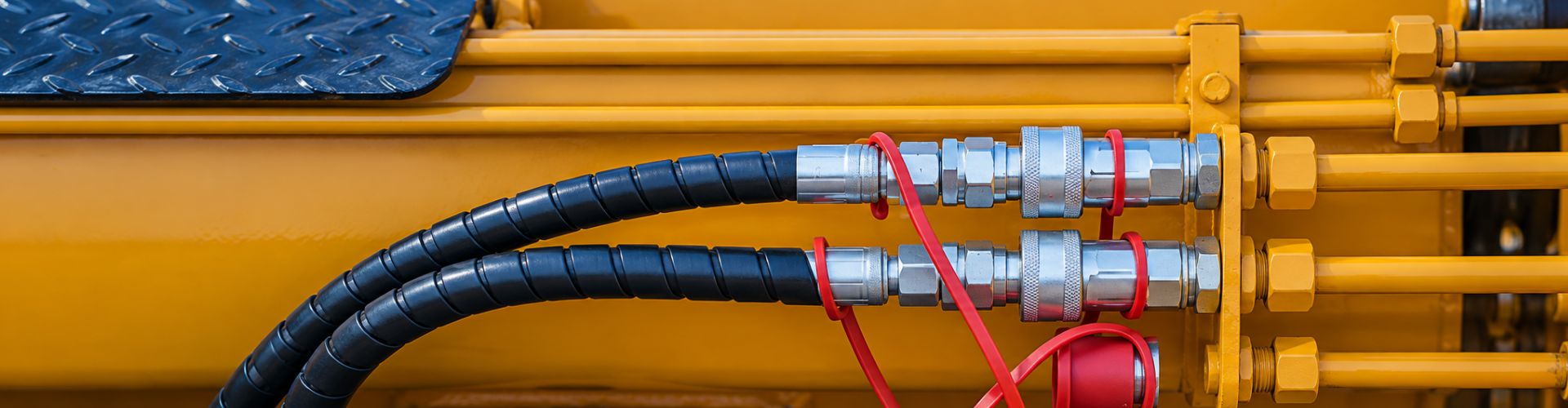
Metal vs Soft Seals banner

Metal vs Soft Seals: Choosing the Right Hydraulic Fitting

The two primary categories of seals used in hydraulic fittings are metal seals and soft seals. Metal seals, typically made from materials like stainless steel, are renowned for their durability and ability to endure extreme temperatures and pressures. In contrast, soft seals are crafted from elastomeric materials. These hydraulic fittings are designed to create a leak-tight seal with less torque, reducing the risk of damage during assembly.

Understanding Hydraulic Seals

A. Definition and Function of Hydraulic Seals

Hydraulic seals are critical components in hydraulic systems, designed to prevent fluid leakage and maintain system pressure. They act as barriers between different components, such as cylinders, pistons, and fittings, ensuring that hydraulic fluids remain contained within the system. The primary function of these seals is to create a tight, leak-proof connection that withstands the pressure and dynamics of the hydraulic system. Proper sealing is essential not only for the efficient operation of the system but also for safety, as leaks can lead to fluid loss, environmental hazards, and potential system failures.

Hydraulic seals must accommodate various factors, including temperature fluctuations, pressure changes, and chemical compatibility with the hydraulic fluid. They are designed to provide reliable performance under these conditions, preventing wear and prolonging the life of the hydraulic components they protect.

B. Importance of Sealing in Hydraulic Systems

The importance of sealing in hydraulic systems cannot be overstated. A well-sealed system ensures optimal performance and efficiency, as leaks can significantly impair hydraulic pressure and flow. This can lead to inadequate power transmission, slower response times, and increased wear on system components, ultimately affecting the reliability and longevity of the entire hydraulic system.

Moreover, effective sealing plays a crucial role in maintaining safety standards. Leaking fluids can create hazardous conditions, particularly in industrial settings where hydraulic systems are extensively used. Ensuring that seals are functioning correctly helps prevent accidents, spills, and contamination, thereby safeguarding both personnel and the environment.

In addition, the cost implications of leaks can be substantial. Fluid losses translate to increased operational costs, as the hydraulic system may require more frequent refills and maintenance. By investing in quality hydraulic seals, businesses can enhance their operational efficiency, reduce downtime, and lower maintenance expenses.

metal to metal seal Topa

C. Types of Hydraulic Seals

Hydraulic seals can be broadly classified into two main types: metal seals and soft seals. Each type has unique characteristics, advantages, and applications, making it essential for users to understand their options.

Metal Seals:

Metal seals are typically made from durable materials such as stainless steel or other alloys. They are engineered to withstand extreme temperatures, high pressures, and a wide range of chemicals, making them ideal for demanding environments. The primary advantage of metal seals is their longevity and reliability under severe conditions. They do not deform easily, maintaining their integrity over time, which makes them suitable for critical applications.

However, metal seals can also present some challenges. Their installation often requires precise torque settings to ensure an effective seal, which can complicate assembly and increase the risk of damage if overtightened. Additionally, while they perform well in static applications, metal seals can struggle in dynamic scenarios where movement and vibration are prevalent, potentially leading to leaks.

Soft Seals:

Soft seals, on the other hand, are constructed from elastomeric materials such as rubber or polymer blends. These seals provide excellent sealing performance due to their ability to compress and conform to the mating surfaces, creating a tight seal that is less prone to leakage. Soft seals excel in applications with moderate temperature ranges and less aggressive chemicals, making them versatile for many hydraulic systems.

One of the key benefits of soft seals is their ease of installation. They typically require less torque to achieve a proper seal, which simplifies assembly and reduces the risk of damaging the fittings. Additionally, their flexible nature allows them to absorb vibrations and slight movements, enhancing the reliability of the connection.

However, soft seals may have limitations regarding temperature and chemical resistance compared to metal seals. Over time, exposure to harsh conditions can lead to wear and potential failure, making them less suitable for certain high-demand applications.

Metal Seals: Features and Benefits

A. Composition and Construction

Metal seals are engineered from a variety of robust materials, primarily stainless steel, and other high-performance alloys. The choice of material is crucial, as it determines the seal’s ability to withstand extreme environmental conditions. The construction of metal seals often involves precision machining to create a precise fit between the sealing surfaces. This machining process ensures that the seals can maintain tight tolerances, which is essential for preventing leaks in high-pressure applications.

Metal seals can come in several designs, including flat rings, O-rings, and C-rings, each tailored for specific applications. The design of a metal seal often includes features that enhance its sealing performance, such as grooves or ridges that facilitate better contact with the mating surfaces. Some metal seals also incorporate specialized coatings or surface treatments to improve their resistance to wear and corrosion, further enhancing their longevity.

B. Advantages of Metal Seals

Extreme Temperature Resistance

One of the most significant advantages of metal seals is their ability to withstand extreme temperatures. Unlike soft seals, which may degrade or lose elasticity at high temperatures, metal seals retain their integrity even in severe thermal environments. This makes them ideal for applications in industries such as aerospace, oil and gas, and heavy machinery, where equipment can be exposed to high temperatures during operation. Metal seals can typically operate in temperature ranges from cryogenic levels up to several hundred degrees Celsius, depending on the material used.

Compatibility with Various Chemicals

Metal seals are inherently resistant to many chemicals, making them suitable for use in environments where aggressive fluids are present. They do not swell, degrade, or react chemically as some elastomers might. This chemical compatibility is crucial in industries like pharmaceuticals, chemicals, and food processing, where maintaining the purity of the fluid and ensuring safety is paramount. The versatility of metal seals allows them to be used in a wide range of applications, from hydraulic systems to chemical processing equipment.

Longevity and Durability

The durability of metal seals is another significant advantage. They are designed to withstand repeated cycles of pressure and temperature without significant wear or failure. Unlike soft seals, which may wear out and require replacement over time, metal seals can offer a longer service life, reducing the frequency of maintenance and replacement. This longevity is particularly beneficial in applications where access to components is limited or where downtime for maintenance can be costly.

C. Limitations of Metal Seals

Risk of Deformation

Despite their durability, metal seals are not immune to risks. One of the primary concerns is deformation, especially in high-pressure applications. Over time, or with improper installation, metal seals can deform, leading to compromised sealing performance. This risk is particularly pronounced in applications involving thermal cycling, where expansion and contraction can affect the integrity of the seal. Deformation can result in leaks, which not only impact system performance but also pose safety hazards.

Installation Challenges

Installing metal seals can be more complex than their soft seal counterparts. Achieving the proper torque is critical for ensuring a leak-proof connection; however, this requires precise calibration and experience. Excessive torque can lead to deformation, while insufficient torque may fail to create an adequate seal. This installation challenge can result in increased labor costs and the need for specialized tools or techniques, particularly in environments where space is limited.

Maintenance Considerations

While metal seals are durable, they do require periodic inspections to ensure their integrity. Over time, even the best-engineered seals can show signs of wear, particularly in dynamic applications where movement is prevalent. Maintenance of metal seals often involves checking for signs of deformation, wear, or corrosion, which can add to operational costs. Moreover, when maintenance is required, the process may involve significant disassembly of surrounding components, leading to longer downtime.

Soft Seals: Features and Benefits

A. Composition and Construction

Soft seals are primarily constructed from elastomeric materials, which are polymers that exhibit both elasticity and flexibility. Common materials used for soft seals include nitrile rubber (NBR), fluorocarbon (FKM), ethylene propylene diene monomer (EPDM), and silicone. Each of these materials has unique properties that make them suitable for specific applications, particularly in hydraulic systems.

The construction of soft seals typically involves forming the elastomeric material into various shapes, such as O-rings, gaskets, and custom molded seals. This versatility allows soft seals to be adapted for a wide range of fitting configurations and applications. The manufacturing process may include techniques such as compression molding or injection molding to achieve precise dimensions and tolerances, ensuring a reliable fit within hydraulic assemblies.

Soft seals are designed to create a tight seal through compression. When a fitting is assembled, the elastomeric material is compressed between the surfaces of the components, filling any microscopic gaps and creating a barrier against fluid leakage. This compression-based sealing mechanism is what allows soft seals to provide effective leak prevention while accommodating slight movements or misalignments in the hydraulic system.

O-ring face seal ISO 8434-3 Threads

B. Advantages of Soft Seals

Soft seals offer several distinct advantages over traditional metal seals, making them an increasingly popular choice for a variety of hydraulic applications.

Improved Sealing Performance:

One of the most significant benefits of soft seals is their superior sealing performance. The elastomeric materials used in soft seals can deform slightly under pressure, ensuring that they fill any voids between mating surfaces. This characteristic allows them to create a leak-tight seal even in less-than-perfect conditions. Over time, soft seals maintain their effectiveness, reducing the likelihood of leaks due to material fatigue or deformation, which can occur with metal seals.

Easier Installation:

Soft seals are typically easier to install than their metal counterparts. The design of soft seals allows for lower installation torque, meaning that less force is required to achieve a secure seal. This not only speeds up the assembly process but also minimizes the risk of over-tightening, which can lead to damage of the fitting or the seal itself. As a result, technicians can install soft seal fittings quickly and confidently, reducing downtime in hydraulic system setups.

Greater Flexibility and Resilience:

The inherent elasticity of soft seals provides them with a degree of flexibility that is particularly advantageous in dynamic applications. Soft seals can absorb vibrations and minor misalignments between components, making them less prone to leaks caused by movement or thermal expansion. This resilience allows soft seals to maintain effective sealing performance even in environments where the hydraulic components may experience significant movement or stress.

C. Limitations of Soft Seals

Despite their numerous advantages, soft seals do have certain limitations that users should consider when selecting sealing solutions for their hydraulic systems.

Temperature and Chemical Limitations:

While soft seals can handle a wide range of temperatures, they are generally more limited in extreme environments compared to metal seals. Each elastomeric material has specific temperature thresholds; for instance, NBR typically operates well in temperatures ranging from -40°C to +100°C, while FKM can handle higher temperatures but may be less effective in certain chemical environments. Users must carefully evaluate the temperature and chemical compatibility of soft seals based on the fluids used in their systems to prevent degradation or failure.

Potential for Wear Over Time:

Although soft seals offer excellent sealing performance initially, they can be more susceptible to wear and degradation over time compared to metal seals. Exposure to aggressive chemicals, high temperatures, and constant movement can lead to material breakdown, resulting in reduced sealing effectiveness. Regular inspection and maintenance are essential to identify any signs of wear and to replace seals as needed to maintain system integrity.

Transitioning from Metal to Soft Seals  

A. Steps for Transitioning

Transitioning from metal seals to soft seals in hydraulic systems involves a systematic approach to ensure compatibility and performance. The following steps can guide this process:

Assessment of Current Systems: Begin by evaluating the existing hydraulic system and identifying all components where metal seals are currently in use. This assessment should include a review of operating conditions, such as pressure, temperature, and the types of fluids handled.

Selecting Appropriate Soft Seals: Based on the assessment, select soft seals that are compatible with the existing fittings and suitable for the operational conditions. Consider factors such as material properties (e.g., NBR, FKM) and sealing configurations (e.g., O-rings, gaskets) to ensure optimal performance.

Testing and Validation: Before a full-scale implementation, conduct tests to validate the performance of soft seals in the existing system. This may involve installing a few soft seals in critical areas and monitoring their performance under actual operating conditions.

Full Implementation: Once testing is successful, proceed with the full implementation of soft seals across the hydraulic system, replacing metal seals with soft seals in all relevant applications.

B. Considerations and Best Practices During the Switch

When transitioning to soft seals, several considerations and best practices can help ensure a smooth process:

Compatibility Checks: Ensure that the selected soft seals are compatible with the existing hydraulic fittings and that they can withstand the chemical and temperature conditions of the application.

Installation Training: Provide training for technicians on the proper installation techniques for soft seals, emphasizing the importance of avoiding over-tightening and ensuring proper alignment during assembly.

Regular Monitoring: Implement a monitoring system to regularly check the performance of soft seals after installation. This can help identify any potential issues early and allow for timely maintenance or replacement.

Documentation: Maintain thorough documentation of the transition process, including specifications of the new seals, installation procedures, and performance monitoring results. This information can be invaluable for future maintenance and troubleshooting.

C. Potential Challenges and Solutions

Transitioning from metal to soft seals may present several challenges:

Performance Variability: Users may initially be concerned about the long-term performance of soft seals compared to metal seals. To mitigate this, conduct extensive testing and provide data on the reliability and lifespan of the selected soft seal materials.

Installation Errors: Improper installation can lead to leaks or seal failure. To address this, emphasize training and create clear guidelines for installation procedures. Consider utilizing visual aids or step-by-step manuals to assist technicians.

Material Degradation: Users may worry about the susceptibility of soft seals to wear and degradation. Choose high-quality materials that are well-suited for the specific application and emphasize the importance of regular maintenance checks to identify wear before it affects system performance.

Conclusion

Each application may necessitate a different approach, and the choice between metal and soft seals should be based on a thorough evaluation of the pros and cons of each option. By prioritizing reliable sealing performance, ease of installation, and long-term maintenance needs, engineers and technicians can optimize their hydraulic systems for enhanced efficiency and safety.


FAQ

What are hydraulic seals?

Hydraulic seals are components that prevent fluid leakage in hydraulic systems, ensuring efficient operation and protecting against contaminants.

What is the difference between metal seals and soft seals?

Metal seals are durable and suited for extreme conditions, while soft seals, made from elastomeric materials, offer better sealing performance and ease of installation.

What are the advantages of using soft seals?

Soft seals provide improved sealing capabilities, are easier to install, and offer greater flexibility and resilience under dynamic conditions.

Are there any limitations to soft seals?

Yes, soft seals can have temperature and chemical limitations and may wear over time, especially in harsh environments.

How can I transition from metal to soft seals?

Assess your current system, select compatible soft seals, conduct tests, and train technicians on proper installation techniques for a smooth transition.

When should I consider using soft seals in my hydraulic applications?

Consider soft seals for applications requiring reliable sealing performance, ease of installation, and flexibility, particularly in environments with vibrations or movements.

Importance of Correct Torque banner

Importance of Correct Torque: Ensuring Leak-Free Connections

Torque refers to the rotational force applied to fasteners, such as bolts and nuts, to achieve a specific level of tightness. In hydraulic systems, maintaining proper torque on tube connections is crucial for creating secure seals that prevent fluid leaks.

Understanding Torque and Its Role 

A. Definition of Torque

Torque is defined as the measure of rotational force applied to an object, typically described in units of Newton meters (Nm) or foot-pounds (ft-lbs). In mechanical engineering, it represents the effectiveness of a force to produce rotation around an axis. Mathematically, torque (τ) can be expressed as the product of force (F) and the distance (r) from the axis of rotation to the point where the force is applied: τ=F×r. This fundamental concept is crucial in applications involving fasteners and fittings, where the correct application of torque ensures that components are held securely together without compromising their integrity.

B. How Torque Affects Sealing

In hydraulic tube connections, the application of torque compresses the fitting and tubing materials, creating a tight seal. When a hydraulic fitting is torqued to the manufacturer’s specifications, it generates sufficient clamping force to deform the surfaces slightly, filling any microscopic gaps and imperfections. This deformation is key to achieving a leak-free connection. The appropriate amount of torque ensures that the seal is strong enough to withstand internal pressure without failing, while also preventing over-compression, which can lead to material fatigue or failure. The mechanics behind this sealing process emphasize the delicate balance between too little and too much torque, underscoring the importance of precise torque application in maintaining hydraulic integrity.

C. Common Misconceptions About Torque

There are several misconceptions surrounding torque that can lead to improper application and potential failures in hydraulic systems. One common myth is that “more torque is always better,” leading to over-tightening of fittings. In reality, excessive torque can deform fittings, leading to cracks and leaks. Another misconception is the belief that torque values are interchangeable across different materials and sizes. Each fitting type has specific torque requirements that depend on factors such as material properties, thread size, and intended application. Finally, some may assume that using lubricants can be disregarded when applying torque. However, lubricants can significantly affect torque values and must be considered to ensure accurate and effective fastening. By addressing these misconceptions, technicians can better understand the critical role of torque in maintaining leak-free hydraulic connections.

Identifying Proper Torque Specifications

A. Manufacturer Specifications

Adhering to manufacturer torque specifications is essential for ensuring the integrity and performance of hydraulic tube connections. Each fitting and component is designed with specific torque values that account for the materials used, the size of the threads, and the intended operating conditions. These specifications are determined through rigorous testing and engineering analysis to optimize sealing and performance while minimizing the risk of failure. Deviating from these guidelines can result in either under-torquing, which may lead to leaks, or over-torquing, which can cause deformation, material fatigue, or even catastrophic failure. Thus, referencing and strictly following the manufacturer’s torque settings is critical in maintaining the safety and efficiency of hydraulic systems.

Hydraulic Hose Assembly Torque size

B. Tools for Measuring Torque

To achieve the proper torque specifications, various tools are available, with torque wrenches being the most commonly used. There are several types of torque wrenches:

Click Torque Wrenches: These emit a clicking sound when the preset torque level is reached, providing audible feedback to the user. They are widely used for their simplicity and effectiveness.

Beam Torque Wrenches: These utilize a beam that bends when torque is applied, with a scale indicating the applied torque. They require careful reading and are less common in professional settings.

Digital Torque Wrenches: These provide precise torque measurements on a digital display and often feature programmable settings. They are ideal for applications requiring high accuracy.

Torque Angle Gauges: These are used in conjunction with a standard torque wrench to apply a specific angle of rotation after an initial torque value is set, providing additional precision.

Using the appropriate tool is vital to ensure that the correct torque is applied. Additionally, other tools such as torque multipliers can be beneficial for high-torque applications, allowing for easier and safer torque application without excessive force.

C. Importance of Calibration

Regular calibration of torque measurement tools is crucial for ensuring accurate and reliable torque application. Over time, tools can become worn or damaged, leading to inaccurate measurements that can jeopardize the integrity of connections. Calibration involves comparing the tool’s measurements against a known standard and making necessary adjustments to ensure precision.

Calibration should be performed at regular intervals, based on the tool’s usage frequency and manufacturer recommendations. This practice not only helps maintain accuracy but also extends the lifespan of the tools by identifying wear or damage early. Furthermore, ensuring that torque wrenches are calibrated before significant projects can prevent costly errors and enhance safety in hydraulic systems. By prioritizing calibration, technicians can trust that their torque applications meet the necessary specifications, ultimately leading to leak-free and efficient hydraulic connections.

Consequences of Improper Torque

A. Common Signs of Over-Torquing

Over-torquing occurs when excessive force is applied during the tightening of hydraulic fittings, leading to various detrimental effects. Recognizing the signs of over-torquing is essential for maintaining system integrity and preventing failures. Common indicators include:

Deformation of Fittings: One of the most immediate signs of over-torquing is visible deformation of the fitting or connecting components. This can manifest as flattened or bent sections where the fitting has been tightened. Such changes compromise the fitting’s ability to seal properly, increasing the risk of leaks.

Cracking: Over-torqued fittings may develop cracks, particularly in materials that are more brittle, such as certain metals or plastics. These cracks can start small and propagate rapidly under pressure, leading to sudden failure. Even minor hairline fractures can severely weaken the structural integrity of a fitting.

Material Fatigue: Continuous exposure to excessive torque can lead to material fatigue, a process where the material undergoes cyclic loading and unloading that ultimately leads to failure. Symptoms of fatigue may include discoloration or visible wear patterns on the fitting surface.

Thread Damage: Over-torquing can strip threads on both the fitting and the receiving end, making it difficult or impossible to create a reliable connection. Stripped threads not only compromise the integrity of the connection but may also require costly replacements or repairs.

Failure of Sealing Surfaces: In many hydraulic systems, fittings rely on specific sealing surfaces to maintain pressure. Over-torquing can deform these surfaces, leading to improper sealing. As a result, fluid may leak past the joint, causing operational inefficiencies and potential system damage.

Recognizing these signs is crucial for maintenance personnel to take corrective actions before a catastrophic failure occurs. Regular inspections and monitoring can help identify over-torqued connections early.

Hydraulic Hose Assembly Torque

B. Signs of Under-Torquing

Under-torquing refers to insufficient tightening of hydraulic fittings, which can lead to significant operational issues. The consequences of under-torquing can often be just as severe as those caused by over-torquing. Common signs include:

Fluid Leaks: The most apparent sign of under-torquing is the presence of fluid leaks at connection points. Insufficient torque may fail to compress the O-rings or sealing surfaces adequately, allowing hydraulic fluid to escape. This not only leads to fluid loss but can also create hazardous conditions in the working environment.

Pressure Fluctuations: In hydraulic systems, maintaining consistent pressure is crucial for efficient operation. Under-torqued fittings can cause pressure drops, leading to inconsistent performance. Operators may notice fluctuations in system pressure readings, indicating that the connection is not secure.

Operational Inefficiencies: When leaks occur due to under-torquing, the hydraulic system may have to work harder to maintain desired pressure levels. This can lead to increased wear and tear on components, decreased efficiency, and higher energy consumption. Over time, these inefficiencies can result in costly downtime and maintenance.

Increased Noise Levels: Leaks can also create unusual sounds in hydraulic systems. Under-torqued fittings may produce hissing or bubbling sounds as fluid escapes. This noise is often a clear indicator that further investigation is necessary.

Potential for Catastrophic Failure: In extreme cases, under-torqued fittings can lead to catastrophic failure, especially in high-pressure applications. If a fitting fails suddenly, it can result in the loss of control of hydraulic machinery, posing a severe safety risk to operators and nearby personnel.

Best Practices for Applying Proper Torque

A. Step-by-Step Torque Application Guide

Applying the correct torque to hydraulic fittings is critical for ensuring leak-free connections. Follow these steps for a reliable torque application process:

Gather Necessary Tools: Ensure you have the right tools on hand, including a calibrated torque wrench, a suitable socket or attachment for the fitting, and any required protective equipment (e.g., gloves, and safety goggles).

Inspect Fitting and Connection Surfaces: Thoroughly inspect both the hydraulic fitting and the surface it connects to for any signs of damage, debris, or corrosion. Clean surfaces as necessary to ensure a proper seal.

Initial Hand Tightening: Start by hand-tightening the fitting to ensure that it is seated correctly. This step helps align the threads and eliminates any cross-threading issues that could lead to improper torque application.

Apply Torque in a Controlled Manner: Using the torque wrench, apply torque gradually. Start by setting the wrench to a lower torque value (usually about 30-50% of the final specification) to establish a baseline seal.

Increase Torque Gradually: After achieving the initial torque, increase the setting to the manufacturer-recommended value. Turn the wrench slowly and smoothly, avoiding sudden movements that could cause over-torquing.

Use a Torque Pattern: For applications with multiple fittings, employ a specific torque pattern (discussed in section B) to ensure an even distribution of pressure and avoid misalignment.

Double-Check Torque: Once the final torque is reached, re-check the torque using the wrench to confirm that the setting is maintained. If adjustments are necessary, always loosen the fitting slightly before re-tightening to the correct specification.

Document the Process: Keep records of the torque values used for each fitting. Documentation can help with future maintenance and inspections.

By following these steps meticulously, technicians can ensure that torque is applied correctly, thus preventing leaks and failures in hydraulic systems.

B. Recommended Torque Patterns

In multi-bolt applications, the sequence in which torque is applied plays a significant role in achieving a secure seal. Here are key points regarding torque patterns:

Importance of Torque Sequence: Applying torque in a specific sequence helps distribute stress evenly across all fittings. This is particularly crucial for large assemblies where uneven pressure can lead to warping or leaks.

Common Torque Patterns:

Criss-Cross Pattern: For circular or rectangular bolt arrangements, start from the center and work outward in a criss-cross fashion. This approach minimizes stress concentration and ensures uniformity.

Star Pattern: Similar to the criss-cross method, the star pattern is effective for flanged connections. Start with one bolt, then move to the opposite bolt, followed by adjacent ones. This sequence helps maintain an even seal.

Incremental Steps: Apply torque in increments, gradually increasing to the final specification. This method allows for adjustments if any misalignment occurs during the tightening process.

Visual Aids: Utilize diagrams or charts to illustrate recommended torque sequences. Having a visual reference can help technicians remember the correct order, especially in complex installations.

By adhering to these torque patterns, technicians can enhance the reliability of tube connections, reducing the risk of leaks and system failures.

C. Regular Maintenance and Inspections

To maintain the integrity of torque settings and ensure leak-free operations, regular maintenance and inspections are essential. Here are the best practices for ongoing checks:

Routine Inspections: Schedule regular inspections of hydraulic fittings and connections, particularly in high-pressure systems. This helps identify any signs of wear, damage, or loosening before they lead to failures.

Re-torquing: Periodically re-check torque values, especially after initial installation or following significant operational changes (e.g., pressure adjustments, temperature fluctuations). Re-torquing helps ensure that connections remain secure over time.

Visual Checks for Signs of Wear: During inspections, look for visual indicators such as fluid leaks, corrosion, or signs of fatigue. Early detection can prevent more significant issues from developing.

Record-Keeping: Maintain a detailed log of inspections, including torque values, observed conditions, and any corrective actions taken. This documentation serves as a valuable reference for future maintenance activities.

Tool Calibration: Regularly calibrate torque wrenches and other measuring tools to ensure accuracy. Using improperly calibrated tools can lead to incorrect torque application, increasing the risk of leaks.

Troubleshooting Torque-Related Issues  

A. Diagnosing Torque Problems

Identifying torque-related failures in hydraulic systems requires a systematic approach to accurately diagnose the issue. Follow these steps:

Initial Observation: Begin by visually inspecting the hydraulic fittings for any obvious signs of leaks or damage. Look for fluid pooling, discoloration, or corrosion around the fittings, which may indicate a problem.

Pressure Testing: Conduct a pressure test to check for leaks. By applying pressure to the system and monitoring for pressure drops, you can determine if a fitting is leaking. This test can help isolate the problem areas.

Torque Verification: Use a calibrated torque wrench to verify that the fittings are tightened to the manufacturer’s specifications. If the torque is below the recommended levels, this may be a direct cause of leaks.

Sequential Tightening Check: If multiple fittings are involved, verify that they were tightened in the proper sequence. Any irregularities in the tightening order may contribute to misalignment or leaks.

Review Historical Data: Check maintenance logs for past torque values and any previous issues with the fittings. Patterns may emerge that can help identify if torque-related problems are recurring.

Environmental Assessment: Consider the operating environment. Factors such as temperature fluctuations, vibrations, or exposure to corrosive substances can exacerbate torque issues and contribute to fitting failures.

Functional Testing: Finally, conduct functional tests on the hydraulic system to observe how it performs under load. Sudden pressure drops or fluctuations may indicate torque-related problems.

By systematically following these steps, technicians can effectively diagnose torque-related issues and implement appropriate corrective measures.

B. Tools and Techniques for Diagnosis

Several tools and techniques can assist in diagnosing torque-related issues in existing connections:

Torque Wrench: A calibrated torque wrench is essential for measuring the tightness of fittings accurately. This tool ensures that fittings are torqued to the correct specifications, reducing the risk of leaks.

Pressure Gauges: These devices measure the pressure within the hydraulic system. A sudden pressure drop can signal a leak or failure in the fittings, warranting further investigation.

Leak Detection Fluids: These special fluids change color or create bubbles when they come into contact with escaping fluids. Applying leak detection fluid around fittings can help pinpoint the source of a leak.

Ultrasonic Leak Detectors: These advanced devices can detect high-frequency sounds produced by gas or fluid leaks. They are especially useful in noisy environments where traditional methods may fail.

Visual Inspection Tools: Use magnifying glasses or borescopes to closely inspect hydraulic fittings for cracks, wear, or corrosion that may not be visible to the naked eye.

Vibration Analysis Tools: Monitoring vibrations in hydraulic systems can help identify misalignments or issues related to torque. Changes in vibration patterns can indicate a developing problem.

Conclusion

By committing to these practices, you can enhance the reliability and safety of your hydraulic systems, ultimately contributing to smoother operations and reduced operational costs. Let’s work together to ensure our systems remain leak-free and perform at their best.


FAQ

What is torque, and why is it important in hydraulic systems?

Torque is a measure of rotational force applied to fasteners. In hydraulic systems, proper torque ensures tight and secure connections, preventing leaks and maintaining system efficiency.

What are the consequences of improper torque?

Improper torque can lead to leaks, system failures, material fatigue, and safety hazards, potentially resulting in costly downtime and maintenance.

How can I determine the correct torque specifications for my system?

Always refer to the manufacturer’s specifications for torque settings. These guidelines are based on the specific materials and design of the fittings.

What tools can I use to measure torque accurately?

Torque wrenches are the primary tools for measuring and applying the correct torque. Digital torque wrenches can provide more precise readings.

What signs indicate that torque may be improperly applied?

Common signs of over-torquing include deformation or cracking of fittings, while under-torquing may result in visible leaks or unstable pressure readings.

How often should I check and calibrate my torque tools?

It’s recommended to calibrate torque tools regularly, typically at least once a year, or more frequently if used extensively in critical applications.

Causes of Hydraulic Fitting Leaks banner

Causes of Hydraulic Fitting Leaks: Misalignment and Misfit

Misalignment and misfits in hydraulic fittings are among the leading causes of leaks. Misalignment occurs when fittings are not properly aligned, which can lead to uneven stress distribution and compromise seal integrity. Misfit refers to the improper fitting of components due to size discrepancies or compatibility issues, which can prevent effective sealing.

Identifying Misalignment and Misfit Issues

A. Visual Indicators of Misalignment

Identifying visual signs of misalignment in hydraulic fittings is crucial for early intervention. Key indicators include:

Uneven Gaps: Check for irregular spacing between the fitting and connecting components. A proper fit should exhibit consistent gaps; uneven spaces often indicate misalignment.

Wear Patterns: Inspect the surfaces of fittings for unusual wear. Misaligned connections can lead to concentrated wear on one side, suggesting improper contact and sealing.

Deformation: Look for signs of deformation in the fitting itself, such as bending or twisting, which can be caused by improper alignment during installation or operation.

Leaks in Hydraulic Ports

B. Performance Indicators

Performance issues can serve as critical indicators of misalignment and misfits in hydraulic systems. Key performance indicators include:

Pressure Fluctuations: Monitor for inconsistent hydraulic pressure readings. Misalignment often leads to fluctuations that can compromise system performance and lead to inefficient operation.

Fluid Leakage: A visible leak at the fitting connection is a direct sign of misalignment or misfit. Continuous leaks can result in significant fluid loss and decreased operational efficiency.

Increased Operating Temperature: Misaligned fittings can cause excessive friction, leading to higher temperatures in the system. Monitoring temperature changes can help detect underlying misalignment issues.

Identifying Misalignment and Misfit Issues

A. Visual Indicators of Misalignment

Recognizing visual signs of misalignment in hydraulic fittings is essential for effective maintenance and prevention of leaks. Key indicators to observe include:

Uneven Gaps: Inspect the fitting connections for irregular spacing. Properly aligned fittings should exhibit uniform gaps. Uneven gaps can signal misalignment, leading to inadequate sealing and potential leaks.

Wear Patterns: Examine the surfaces of fittings and hoses for unusual wear. Misalignment often results in concentrated wear on one side of the fitting, indicating that it is not seated correctly. Look for shiny spots or grooves that suggest excessive friction.

Deformation: Identify any physical deformation of the fittings themselves. This can include bending, twisting, or flattening the connection points. Such changes often arise from improper alignment during installation or operation and can compromise the integrity of the fitting.

B. Performance Indicators

In addition to visual cues, monitoring performance indicators is crucial for detecting misalignment and misfits in hydraulic systems. Significant performance issues include:

Pressure Fluctuations: Regularly check hydraulic pressure readings. Misalignment can lead to erratic pressure levels, which may affect the overall system efficiency. Consistent pressure drops or spikes often indicate that fittings are not properly aligned.

Fluid Leakage: The most direct sign of misalignment is visible fluid leakage at the fitting connection. A leak can be a result of inadequate sealing caused by misalignment or misfit. Continuous leaks not only waste hydraulic fluid but also increase operational costs and environmental concerns.

Increased Operating Temperature: Monitor the temperature of the hydraulic system. Misaligned fittings can create excessive friction, leading to higher operating temperatures. Elevated temperatures can degrade system components and result in premature failure.

Causes of Misalignment in Hydraulic Fittings  

A. Installation Errors

Improper installation is one of the leading causes of misalignment in hydraulic fittings. Common mistakes during the fitting installation process include:

Incorrect Torque Application: Applying inadequate or excessive torque when tightening fittings can lead to misalignment. Insufficient torque may not secure the fitting properly while over-torquing can distort the fitting or the components it connects to, creating uneven surfaces and gaps.

Failure to Follow Manufacturer Guidelines: Each hydraulic fitting comes with specific installation guidelines, including recommended torque settings and alignment procedures. Ignoring these guidelines can result in misaligned fittings and increased wear over time.

Inadequate Preparation of Surfaces: The surfaces where fittings connect must be clean and free of debris, corrosion, or damage. Failure to prepare these surfaces properly can lead to improper seating of the fittings, causing leaks and misalignment.

Neglecting Alignment Tools: Using alignment tools or jigs during installation is crucial. Skipping this step can result in fittings that appear connected but are not properly aligned, leading to future operational problems.

B. Vibration and Movement

Hydraulic systems are often subject to dynamic conditions that can affect the alignment of fittings. Key factors include:

Operational Vibration: Continuous operation of hydraulic systems can generate significant vibrations. These vibrations can cause fittings to loosen over time, especially if they are not installed securely. Loose fittings are more susceptible to misalignment and subsequent leaks.

Mechanical Movement: Equipment that undergoes regular movement, such as mobile machinery or vehicles, can shift hydraulic lines and fittings. This movement can alter the positioning of the fittings, leading to misalignment.

Dynamic Loading: Fluctuations in pressure and load can induce stresses on hydraulic fittings. Sudden changes in system dynamics can shift the alignment of fittings, especially if they are not adequately supported.

C. Thermal Expansion

Temperature variations in hydraulic systems can have a profound impact on fitting alignment. Important aspects to consider include:

Differential Expansion: Different materials expand at varying rates when exposed to heat. If hydraulic fittings are made from materials with significantly different coefficients of thermal expansion, temperature changes can cause one fitting to expand more than the other, leading to misalignment.

Heat Generation from Operation: Hydraulic systems generate heat during operation, which can exacerbate thermal expansion issues. When fittings are subjected to elevated temperatures, the likelihood of misalignment increases, particularly in systems that cycle between heating and cooling.

Impact on Seals: Thermal expansion can also affect the seals used in conjunction with hydraulic fittings. Misalignment due to thermal effects can compromise seal integrity, leading to leaks and performance issues.

Hydraulic Fitting Fluid Leaks

D. Structural Issues

The integrity of the structural components where hydraulic fittings are mounted plays a critical role in maintaining alignment. Factors include:

Mounting Surface Integrity: Fittings must be mounted on stable and level surfaces. If the mounting surface is warped, uneven, or damaged, it can lead to misalignment during installation and operation. Regular inspection of mounting surfaces is essential to ensure proper fitting alignment.

Frame Integrity: The overall integrity of the machinery or structure housing the hydraulic system can also affect fitting alignment. Structural issues such as bending, cracking, or other forms of degradation can cause fittings to become misaligned over time.

Support and Bracing: Proper support and bracing of hydraulic lines and fittings are necessary to prevent movement that could lead to misalignment. Inadequate support can allow fittings to shift, particularly in mobile or vibrating equipment.

Causes of Misfit in Hydraulic Fittings  

A. Incompatible Fitting Types

Matching fittings is crucial for ensuring leak-free and efficient hydraulic connections. Key points to consider include:

Types of Fittings: Hydraulic systems use various types of fittings (e.g., compression, flare, push-to-connect) designed for specific applications. Using an incompatible fitting type can lead to misalignment and improper sealing, increasing the risk of leaks.

Thread Standards: Different standards exist for threaded fittings (e.g., NPT, BSP, JIC). Mixing these thread types can result in poor engagement and sealing failure, leading to hydraulic fluid leaks. Ensuring compatibility between thread standards is vital for system integrity.

Size Compatibility: Fittings must match the diameter and size of the connected components. Using fittings that are too small or too large can cause misfits, leading to weak connections and leaks. Regular checks on fitting sizes can prevent these issues.

Connection Method: Each fitting type has a specific connection method (e.g., welding, crimping, screwing). Failing to use the correct connection method can lead to improper fits, potentially resulting in catastrophic failures under pressure.

B. Material Degradation

Material properties play a significant role in the fit of hydraulic fittings. Important aspects include:

Corrosion: Exposure to corrosive environments can degrade fitting materials, altering their dimensions and leading to misfit issues. For instance, stainless steel fittings may corrode in the presence of chloride ions, resulting in compromised sealing surfaces.

Wear: Over time, fittings experience wear due to friction, pressure cycling, and environmental factors. This wear can change the dimensions of the fittings, making them incompatible with their connected components. Regular inspections for signs of wear can help identify potential problems early.

Surface Damage: Scratches, dents, or other forms of surface damage can affect the integrity of the fit. Even minor imperfections can lead to gaps that cause leaks. Proper handling and storage of fittings are essential to prevent surface damage.

Temperature Effects: Extreme temperatures can lead to material degradation over time. High temperatures may soften materials, while low temperatures can make them brittle. Understanding the thermal limits of materials used in hydraulic fittings is crucial for maintaining proper fits.

C. Manufacturing Tolerances

Variations in manufacturing processes can significantly impact the fit of hydraulic fittings. Consider the following points:

Tolerance Levels: Each fitting is manufactured with specific tolerance levels that define how closely the actual dimensions align with the intended design. Tight tolerances are necessary for ensuring a secure fit, while loose tolerances can lead to misfits.

Quality Control: Inconsistent quality control during the manufacturing process can result in fittings that do not meet specified tolerances. Regular audits of manufacturing processes and suppliers can help ensure the reliability of components used in hydraulic systems.

Batch Variability: Fittings produced in different batches may exhibit variations in dimensions due to changes in raw materials or manufacturing processes. It is important to source fittings from the same batch or supplier to minimize discrepancies.

Impact of Machining Processes: Processes such as machining, forging, or molding can introduce variations in dimensions. Understanding these processes and their potential effects on fitting tolerances is crucial for selecting the right components.

hose Ferrule fail

D. Aging Components

The aging of hydraulic fittings and associated components can lead to misfits over time. Important factors include:

Fatigue: Repeated cycling of hydraulic pressure can lead to fatigue in fittings. This fatigue can manifest as micro-cracking or dimensional changes, ultimately resulting in misfits and compromised sealing capabilities.

Environmental Exposure: Long-term exposure to environmental factors, such as UV light, moisture, and temperature fluctuations, can degrade the properties of fittings. This degradation can alter their dimensions and lead to poor fits.

Seal Degradation: O-rings and other sealing components that age or wear out can contribute to fitting misalignment. Ensuring that all sealing elements are replaced according to the manufacturer’s recommendations is vital for maintaining proper fits.

Consequences of Misalignment and Misfit

A. Leak Development

Misalignment and misfit in hydraulic fittings can lead to leak development through several mechanisms:

Inadequate Sealing: When fittings are misaligned or do not fit correctly, the sealing surfaces may not make proper contact. This can create gaps that allow hydraulic fluid to escape under pressure. Even minor misalignments can significantly impact sealing effectiveness, leading to gradual fluid loss over time.

Increased Pressure on Seals: Misalignment can subject seals to uneven pressure distributions. As hydraulic pressure fluctuates, these uneven forces can exacerbate wear on seals, leading to premature failure and increased susceptibility to leaks.

Dynamic Movement: In hydraulic systems, components often experience vibrations and movement during operation. Misalignment can amplify these effects, causing fittings to shift and leading to further deterioration of the seal integrity. Continuous movement can eventually result in catastrophic leaks.

Stress Concentration: Misfits create localized stress concentrations in fittings and connected components. These stresses can lead to cracking or deformation, particularly in high-pressure environments. Once a crack forms, leaks can develop rapidly, sometimes without warning.

B. Operational Inefficiencies

The operational inefficiencies resulting from misalignment and misfit can have far-reaching consequences:

Reduced Hydraulic Efficiency: Leaks caused by misalignment or misfit reduce the overall efficiency of hydraulic systems. Fluid loss directly translates to a decrease in the system’s ability to perform its intended function, which can compromise productivity.

Increased Energy Consumption: As hydraulic systems work harder to compensate for fluid loss, energy consumption rises. This results in higher operating costs and can lead to increased wear on system components, further exacerbating efficiency losses.

Flow Disruptions: Misaligned fittings can disrupt fluid flow, leading to turbulence and increased pressure drops. These disruptions can cause erratic system behavior, making it difficult to maintain stable operations.

Need for Frequent Maintenance: Systems experiencing leaks or inefficiencies often require more frequent maintenance checks and repairs. This not only adds to operational costs but also increases downtime, further impacting productivity.

C. Safety Hazards

Leaks in hydraulic systems present significant safety hazards that must be addressed:

Fluid Hazards: Hydraulic fluids can be toxic, flammable, or environmentally harmful. Leaks pose risks to personnel working near the system, as exposure to these fluids can lead to health issues or hazardous situations, particularly in confined spaces.

Pressure-Related Risks: High-pressure hydraulic systems are inherently dangerous. Leaks can result in sudden pressure drops or failures that may lead to catastrophic events, including equipment damage or even injuries to personnel.

Environmental Concerns: Hydraulic fluid leaks can contaminate the surrounding environment, posing risks to local ecosystems and water supplies. This can lead to regulatory fines and necessitate costly cleanup efforts.

Operational Disruptions: Safety incidents resulting from leaks can lead to operational shutdowns, investigations, and loss of productivity. Addressing safety concerns is paramount to maintaining not only operational integrity but also compliance with safety regulations.

Conclusion

Proactive management of hydraulic fittings is vital for maintaining system integrity and preventing leaks. Regular inspections and maintenance can help identify early signs of misalignment or misfit, allowing for timely corrections before they escalate into more serious issues. Implementing rigorous installation protocols and utilizing compatible components can greatly reduce the risk of misalignment and misfit, thereby enhancing overall system performance.


FAQ

What are the main causes of hydraulic fitting leaks?

The primary causes of hydraulic fitting leaks include misalignment, misfit, improper installation, material degradation, and environmental factors such as temperature and vibration.

How can I identify misalignment in hydraulic fittings?

Signs of misalignment include uneven gaps between fittings, unusual wear patterns, and inconsistent performance in hydraulic pressure and efficiency.

What is the difference between misalignment and misfit?

Misalignment refers to fittings not being properly aligned during installation, while misfit occurs when incompatible fitting types are used or when components degrade over time, affecting their fit.

How can I prevent leaks caused by misalignment and misfit?

To prevent leaks, ensure proper installation techniques, use compatible fittings, conduct regular inspections, and address any structural issues in the mounting surfaces.

What are the safety hazards associated with hydraulic fitting leaking?

Hydraulic fitting leaking can lead to fluid spills, increased pressure loss, and system failures, posing risks to personnel and equipment, especially in high-pressure environments.

When should I replace the hydraulic fittings?

Fittings should be replaced if there are visible signs of wear, corrosion, or damage if they are not properly sealed, or if they have been involved in any incident that could compromise their integrity.

The Hidden Dangers of Hydraulic System Vibrations banner

The Hidden Dangers of Hydraulic System Vibrations

That slight hum or shake in your machine seems minor. It’s easy to ignore. But this is a dangerous symptom of a problem that is actively fatiguing metal and loosening connections.

Vibration in hydraulic systems is a destructive force that fatigues components like hoses and fittings, loosens connections causing leaks, and can lead to sudden, catastrophic failure. It is a key indicator of underlying problems that must be dealt with to ensure system longevity and safety.

Vibration is the system’s way of screaming that something is wrong. It is never normal. Learning to listen to that scream and understand what it means is one of the most important skills for anyone responsible for hydraulic machinery. It is the key to moving from reactive repair to proactive maintenance.

What Actually Causes Vibration in a Hydraulic System?

That hum seems harmless. But it’s a sign of a deeper problem silently shaking your expensive machinery apart from the inside.

The primary causes are pump-induced pressure ripples, fluid cavitation or aeration, turbulence from restrictions or sharp bends in plumbing, and mechanical imbalance in rotating components like motors and pumps. Each source indicates a specific system issue.

Hydraulic Fittings System Topa

When a machine shakes, it’s not just a single event; it’s a complex interaction of different forces. Understanding where the vibration is coming from is the first step in diagnosing and fixing it. The vibration isn’t the disease itself; it’s a symptom. I often explain to my clients that they need to be a “machine doctor” and trace the symptom back to the root cause. The good news is that different causes create different types of vibration, which can help in your diagnosis.

Pump-Induced Pulsations

Every time a piston, gear, or vane in a hydraulic pump passes the outlet port, it releases a pulse of pressurized fluid. This creates a rapid, high-frequency “ripple” in the hydraulic pressure. While a well-designed system can dampen this, a worn pump or a system without a proper accumulator will transmit these pulsations throughout the entire circuit. This often feels like a steady, high-frequency hum or buzz that changes pitch with the engine’s RPM.

Cavitation and Aeration

These two are often confused, but they are different problems.

Fluid Turbulence

Fluid is supposed to flow smoothly (laminar flow). When it is forced through sharp 90-degree bends, sudden changes in pipe diameter, or partially closed valves, the flow becomes chaotic and turbulent. This churning action creates random, unpredictable vibrations and can often be felt as a shuddering in the pipes or hoses downstream from the restriction.

How Does Vibration Damage Hydraulic Hoses and Tubing?

Your hoses look fine, but they keep failing early. You blame the hose, but a hidden force is afoot, wearing them out internally.

Vibration causes accelerated fatigue in a hose’s wire reinforcement by constantly flexing it back and forth. It also leads to external abrasion as the hose rubs against machine parts, wearing away its protective cover.

!A side-by-side image showing a hose rubbing raw against a steel beam, and a magnified cross-section of frayed wire reinforcement.

A hydraulic hose assembly is designed to be strong and flexible, but it is not designed to endure constant, high-frequency shaking. At Topa, we conduct rigorous impulse tests on our hoses for clients from demanding markets like the USA and UK, proving they can handle hundreds of thousands of pressure cycles. However, adding vibration to the mix dramatically shortens that lifespan. It attacks the hose both from the inside and the outside.

Internal Fatigue of Wire Reinforcement

The steel wire braids or spirals inside a hose are its muscle. They contain the pressure. Vibration subjects these wires to millions of tiny, rapid bending cycles. Think about bending a paperclip back and forth; eventually, it breaks from metal fatigue. The same thing happens to the reinforcement wires inside the hose. The vibration finds a weak spot and focuses the fatigue there until the wires start snapping. Once enough wires are broken, the hose will develop a bulge and burst, often well below its rated working pressure. This internal damage is invisible from the outside until it is too late.

External Abrasion Damage

This is a more visible but equally dangerous problem. When a hose vibrates, it often rubs against the machine’s frame, another hose, or a bracket. This constant friction acts like sandpaper, slowly grinding away the protective outer rubber cover. Once the cover is gone, the steel wire reinforcement is exposed to moisture and dirt. This leads to rust, which corrodes and weakens the wire. a combination of abrasion and rust is a guarantee of a premature and unexpected hose failure. This is why proper routing and clamping are not just cosmetic; they are essential for safety.

Can Vibration Loosen Fittings and Cause Dangerous Leaks?

A tiny, weeping leak appears at a fitting. You tighten it, but it comes back. The real problem isn’t the tightness, it’s vibration.

Yes. Constant micro-movements from vibration can overcome the static friction of threaded connections, causing fittings like JIC or NPT to slowly back off and leak. It also puts extreme fatigue stress on crimped fittings.

This is one of the most common and dangerous results of system vibration. I’ve seen this happen in every industry, from farming in Laos to construction in the Philippines. A secure fitting relies on a specific clamping force and the friction it creates. Vibration works directly against that friction. It is a relentless force that tirelessly works to shake things loose. It affects both reusable threaded fittings and permanent crimped fittings, but in different ways.

Loosening of Threaded Fittings

Fittings like JIC (37-degree flare) or BSPP (with a bonded seal) rely on metal-to-metal or seal compression to stay tight. Vibration introduces a constant cycle of loading and unloading on the threads. This tiny movement, repeated millions of times, can be enough to slowly work the nut loose, breaking the seal. At first, it might just be a small weep, a “sweaty” looking fitting. But as it continues to loosen, the leak will grow, resulting in fluid loss, safety hazards, and environmental contamination. An operator might simply tighten it, but unless the root cause of the vibration is fixed, the fitting will just loosen again.

Stress on Permanent Crimped Assemblies

For a crimped fitting, the danger is fatigue. A properly crimped assembly from a matched system like ours is incredibly strong. However, vibration transmits energy directly into the assembly. The highest stress point is typically right where the hose exits the metal collar of the fitting. The vibration energy concentrates here, bending the hose back and forth against the rigid collar. This accelerates the metal fatigue of the wire reinforcement at that exact point, which is why many vibration-induced failures happen right at the fitting. The hose doesn’t blow out of the crimp; it ruptures right next to it.

How Can You Effectively Reduce or Eliminate Hydraulic Vibration?

You’ve found the source of vibration. But what’s the solution? You need a practical, effective strategy to silence the shake for good.

Solutions involve securing plumbing with proper clamps, installing vibration dampeners or accumulators, ensuring correct fluid viscosity and levels, and performing proper maintenance on mechanical components like motor-pump alignments.

Tube Vibration Suppression Solutions

Fixing the problem of vibration is control and support. Once you have diagnosed the likely source, you can apply a combination of solutions to absorb the energy, support the components, and fix the root mechanical or hydraulic issue. It’s a systematic approach.

Proper Clamping and Mounting

This is the first and most cost-effective solution. Hoses and tubes should never be allowed to hang free over long distances. They must be secured to the machine frame.

Using Accumulators and In-Line Dampeners

For systems with significant pump pulsation, a properly sized accumulator is the best solution. An accumulator is like a shock absorber for the hydraulic system. It has a nitrogen-charged bladder that absorbs the pressure spikes and releases fluid during the low points, smoothing out the pump ripple before it can travel through the system. For specific problem areas, smaller in-line dampeners can also be installed to absorb localized pulsations.

Fluid and Maintenance Best Practices

Often, vibration is a direct result of poor maintenance.

What Are the Best Methods for Detecting and Diagnosing Vibration?

You know vibration is bad, but it’s hard to pinpoint. You guess at the source, replacing parts and hoping to solve the problem randomly.

Start with your senses: feel for excessive shaking and listen for unusual noises. For a more precise diagnosis, use tools like an infrared thermometer to find hotspots or specialized vibration analysis equipment for professional root cause analysis.

Diagnosing vibration doesn’t always require expensive tools. Many of my most experienced customers can tell what’s wrong just by sound and touch. The key is to be systematic. Start with the easy, sensory checks, and then move to more advanced methods if needed. Treating this like a detective’s investigation will save you from just randomly replacing parts.

The Sensory Check (Human Senses)

This is your first line of defense.

  • Touch: Carefully (avoiding hot or moving parts) place your hand on various lines and components. Can you feel a buzz, a shudder, or a hard knocking? The location where the vibration is strongest is often close to the source.
  • Sound: Listen closely. A high-pitched whine often indicates aeration. A loud rattling or grinding sound like rocks in a can is almost certainly cavitation. A hammering sound can indicate a “water hammer” effect from valves closing too quickly.
  • Sight: Look for visibly shaking hoses or components. Check for blurry gauges. Look for the telltale sign of abrasion dust where a hose might be rubbing against a frame.

Basic Diagnostic Tools

  • Infrared Thermometer: This is an incredibly useful tool. Aim it at different components. An abnormally hot pump, motor, or valve can indicate excessive friction or internal leakage, both of which are related to vibration issues. A hotspot can pinpoint the problem area.
  • Pressure Gauge: Watch the needle on your pressure gauges. Is it steady, or is it fluttering rapidly? A fluttering needle is a clear indicator of pressure pulsations in that part of the circuit.

Advanced Analysis

For complex or critical systems, professional vibration analysis is the best route. A technician uses a handheld analyzer with a sensor to measure the exact frequency and amplitude of the vibration. This data can be compared to a database of known fault signatures to pinpoint the exact cause with incredible accuracy, such as a failing pump bearing or a misaligned motor shaft.

How Can Vibration Damage Other System Components?

Your hoses and fittings seem okay. But your gauges read erratically and valves seem sticky. You chase these individual problems, not realizing the root cause is systemic vibration.

Vibration damages sensitive instruments like gauges, causing inaccurate readings. It can cause valve spools to seize or shift unexpectedly, and it accelerates the wear of seals and O-rings throughout the entire system.

The destructive force of vibration isn’t limited to the plumbing. It attacks every single component in the system, especially those with tight tolerances or sensitive internal parts. It’s a whole-system problem.

Damage to Gauges and Sensors

Pressure gauges and electronic pressure transducers are precision instruments. The delicate gears and linkages inside an analog gauge can be quickly destroyed by constant, harsh vibration, causing the needle to stick or give false readings. This is dangerous because an operator might think the system pressure is safe when it is actually too high. Electronic sensors can also suffer from fatigue in their internal connections, leading to erratic signals and phantom fault codes.

Malfunctions in Valves

Hydraulic valves rely on spools that slide within a body with incredibly tight clearances. Uncontrolled vibration can cause these spools to chatter or oscillate in their bores. This leads to rapid wear on both the spool and the valve body, causing internal leakage and a loss of system efficiency. In some cases, the vibration can cause the spool to stick in one position or even shift unexpectedly, leading to jerky and uncontrolled machine movement.

Accelerated Seal Wear

Every hydraulic cylinder, pump, motor, and valve is filled with seals and O-rings. Their job is to contain high-pressure fluid while allowing parts to move. Vibration constantly hammers on these seals, causing them to deform, wear out, and lose their elasticity much faster than they would in a smooth system. This leads to both internal and external leaks, reducing performance and requiring more frequent and costly rebuilds.

Conclusion

Vibration is a system killer, not a minor annoyance. Listening to your machine and addressing the root causes of vibration protects your investment, ensures operational safety, and prevents costly failures.


FAQ

What are hydraulic system vibrations?

Hydraulic system vibrations are oscillations that occur within hydraulic systems due to various factors such as component design, operational conditions, or external forces.

What causes vibrations in hydraulic systems?

Vibrations can be caused by design flaws, operational factors like fluid dynamics and load changes, and environmental influences such as temperature variations.

How can vibrations impact hydraulic systems?

Excessive vibrations can lead to mechanical damage, increased safety risks, and reduced operational efficiency, ultimately resulting in higher maintenance costs.

What are the types of vibrations in hydraulic systems?

The main types include natural frequencies, forced vibrations from external forces, and resonance, which occurs when external forces match the system’s natural frequency.

How can vibrations be detected and monitored?

Vibrations can be detected using tools like accelerometers and vibration meters, along with regular inspections and maintenance practices to ensure system integrity.

What solutions exist to minimize vibrations?

Solutions include improving component design, using damping materials, conducting routine maintenance, and replacing worn components to mitigate vibration-related issues.

Troubleshooting Hydraulic Fittings banner

Troubleshooting Hydraulic Fittings: Advanced Techniques

Hydraulic systems are vital components of many industrial applications, relying on pressurized fluid to perform tasks like lifting, clamping, or moving heavy machinery. At the core of these systems, hydraulic fittings play a crucial role by connecting hoses, pipes, and tubes to create a sealed and pressurized pathway for fluid flow. These fittings ensure that the system operates smoothly, efficiently, and safely, maintaining the integrity of the connections and preventing fluid leaks, pressure drops, or contamination.

Common Issues with Hydraulic Fittings

Leakage

Leakage is one of the most prevalent problems encountered in hydraulic systems, and it can lead to a range of performance, safety, and environmental concerns. Hydraulic fluid leaks not only result in system inefficiencies but can also create serious hazards, such as slipping risks and fire hazards in specific environments.  

Causes of Leaks in Hydraulic Fittings

Improper Sealing

O-Ring Damage: O-rings are essential for creating a proper seal in hydraulic fittings. When these rings are damaged—due to wear, improper installation, or chemical incompatibility—they can no longer effectively seal the connection, leading to leaks. For instance, the wrong material choice for an O-ring in high-temperature applications can result in rapid degradation.

Incorrect Seal Types: Hydraulic fittings are designed for specific seal types, such as metal-to-metal seals, elastomeric seals, or composite seals. Using the wrong type can create gaps or weaken the seal, resulting in fluid leakage.

Misalignment During Installation: Fitting misalignment, even by a small degree, can cause a poor seal. Misalignment can occur during installation or from external forces applied to the fittings during operation. This causes uneven pressure distribution on the seal, leading to gradual fluid seepage or sudden leaks.

Over-Tightening

Thread Damage: Over-tightening fittings can strip or deform the threads, compromising the sealing surface. Once the threads are damaged, achieving a proper seal becomes difficult, resulting in leaks.

Seal Deformation: Excessive torque can deform O-rings, crush seals, or damage gaskets, making them unable to provide a reliable seal. It’s important to follow manufacturer-recommended torque specifications to prevent over-tightening.

Vibration

Connection Loosening: Continuous vibration within the hydraulic system can cause fittings to loosen over time, compromising the seal. This is especially common in high-pressure systems or systems exposed to constant movement.

Fatigue Failures: Repeated vibration can weaken the material of the fittings, causing cracks that may eventually result in leaks. The use of vibration dampeners or supports can help minimize these issues and maintain the integrity of the fittings.

Signs of Leaking Fittings and Impact on System Performance

Visual Signs

Fluid Accumulation: The most evident sign of leakage is the presence of hydraulic fluid around the fitting connections. In severe cases, puddles of hydraulic fluid can form beneath the equipment.

Residue or Stains: Residual fluid, often visible as oily stains or wet spots around fittings, can indicate slow leaks. Over time, this can attract dust and debris, making the issue more evident.

Performance Issues

Reduced Hydraulic Pressure: Leaks can cause a gradual drop in system pressure, leading to decreased force, slower actuator movements, or incomplete operations.

Increased Energy Consumption: As the system compensates for the pressure loss caused by leaks, it may use more power, resulting in higher energy costs and potential wear on pumps and other components.

Safety Concerns

Slippery Surfaces: Leaked hydraulic fluid can create slippery surfaces, posing a risk of falls or accidents in the workplace.

Fire Hazards: In systems using flammable hydraulic fluids, leaks can create a fire hazard if the fluid comes into contact with hot surfaces or sparks. Immediate attention to leaks is crucial in such high-risk environments.

Environmental Concerns: Hydraulic fluid leaks can have severe environmental impacts, especially if the fluid contaminates soil or water sources. Prompt containment and cleanup are necessary to prevent environmental damage.

Leaks in Hydraulic Ports

Pressure Surges and Spikes

Pressure surges and spikes are sudden increases in hydraulic pressure that can put undue stress on fittings and other components, often leading to sudden failures or gradual degradation.

Explanation of Pressure Surges and Their Effects on Fittings

Nature of Pressure Surges

Abrupt Flow Changes: Pressure surges occur when there is a sudden change in fluid flow, such as when a valve is closed rapidly or when a pump starts or stops suddenly. These abrupt changes create pressure waves that travel through the hydraulic system, exerting significant force on fittings.

Hydraulic Shock: The pressure wave caused by a surge can be severe, sometimes exceeding the design limits of fittings, hoses, and other components. Over time, repetitive surges can fatigue fittings, causing cracks, deformation, or even sudden breakage.

Impact of Pressure Surges on Fittings

Fatigue Failures: Repeated exposure to pressure spikes can weaken fittings, particularly those not designed for high-pressure fluctuations. The material may develop micro-cracks, which can propagate over time and cause sudden failure.

Seal Damage: Pressure spikes can also compress seals beyond their capacity, resulting in deformation or extrusion. Once a seal is compromised, it becomes a potential leakage point.

Identifying Symptoms of Pressure-Related Fitting Failures

Cracks or Distortion

Visible Damage: Pressure surges often cause visible cracks or deformation in fittings. Regular inspection can help detect these early signs of failure, allowing for timely repairs or replacements.

Deformation of Seals: Deformed or extruded seals around fittings can indicate that pressure spikes have exceeded the seal’s tolerance levels.

Reduced System Efficiency

Erratic System Performance: If the hydraulic system’s performance becomes inconsistent, it may be due to pressure-related fitting issues. Pressure spikes can cause abrupt changes in flow, resulting in jerky or sluggish actuator movements.

Noisy Operation

Unusual Noises: Banging or knocking sounds within the system often accompany pressure surges. These noises indicate that the pressure wave impacts fittings or other components, stressing the system and potentially causing damage.

Corrosion and Wear

Corrosion and wear gradually weaken hydraulic fittings over time, reducing system reliability and potentially leading to catastrophic failures if left unchecked.

Factors Contributing to Fitting Corrosion and Wear

Fluid Contamination

Water Contamination: Water in hydraulic fluid is a major cause of corrosion. Water can enter the system through condensation, damaged seals, or contaminated fluid. It reacts with metal surfaces, causing rust and pitting in fittings.

Chemical Contamination: Chemicals in hydraulic fluid, such as acids or incompatible additives, can accelerate corrosion in fittings, especially those made of incompatible metals.

Particulate Contamination: Dirt, metal shavings, or other particulates in the fluid can act as abrasive agents, wearing down the surfaces of fittings and causing leaks over time.

Harsh Environments

Temperature Extremes: High temperatures can accelerate chemical reactions, increasing the rate of corrosion, while low temperatures can make materials brittle, leading to wear.

Humidity and Moisture: Outdoor or industrial environments with high humidity can lead to external corrosion on fittings, especially those not protected with coatings or corrosion-resistant materials.

Improper Material Selection

Material Compatibility: Fittings made from materials incompatible with the hydraulic fluid or environmental conditions can corrode rapidly. For instance, using steel fittings in systems exposed to saltwater or corrosive chemicals can lead to premature failure.

How to Recognize Early Signs of Deterioration

Discoloration or Rust

Visual Inspection: Regular inspection for discoloration, rust, or pitting on fittings can help detect early stages of corrosion. Immediate action can prevent further damage and ensure system integrity.

Fluid Leakage or Seepage

Slow Leaks: In corrosive environments, leaks often start as slow seepage due to weakened seals or corroded fitting surfaces. Monitoring for small fluid accumulations around fittings can help identify issues early.

Decreased Pressure

Gradual Pressure Drop: Corroded or worn fittings can cause gradual pressure loss in the system, as their internal diameter changes or their sealing surfaces degrade. Pressure monitoring can help detect such issues before they become severe.

Tools for Troubleshooting Hydraulic Fittings

Basic Tools

For effective troubleshooting and maintenance of hydraulic fittings, having the right set of basic tools is essential. Proper use of these tools ensures the integrity of fittings and connections.

Wrenches

Adjustable and Torque Wrenches: These are vital for tightening and loosening hydraulic fittings. It’s important to use the correct size to avoid damaging the fittings.

Proper Use: Torque wrenches ensure fittings are tightened to the correct specifications, preventing over-tightening, which can cause leaks or thread damage.

Sealants and Thread Tape

Sealants: Thread sealants (often anaerobic sealants) help to fill gaps and prevent leaks at threaded connections. Use them sparingly to avoid excess sealant contaminating the system.

Thread Tape: Also known as PTFE tape, it is applied to the male threads before connecting to ensure a tight seal and prevent leaks. It’s crucial to use the appropriate tape for hydraulic applications to maintain fitting integrity.

Advanced Diagnostic Tools

Advanced tools allow for more accurate and effective identification of issues within hydraulic systems, enabling proactive maintenance.

Ultrasonic Leak Detectors

How They Work: These devices detect high-frequency sounds created by pressurized fluid escaping through leaks. They convert ultrasonic sound into audible signals, helping to locate leaks even in noisy environments.

When to Use: Ideal for identifying small leaks that are not easily visible. They are particularly useful in high-pressure systems where even minor leaks can lead to significant fluid loss over time.

Pressure Transducers

Functionality: These sensors convert hydraulic pressure into an electrical signal, which can be read by monitoring devices. They help in detecting variations in pressure within the system.

Use in Monitoring Pressure Changes: Pressure transducers are essential for real-time monitoring, allowing operators to quickly identify and respond to unexpected pressure spikes, drops, or fluctuations that could indicate fitting issues.

Thermal Imaging Cameras

Identifying Hotspots: These cameras detect infrared radiation to visualize temperature differences in hydraulic systems. Hotspots often indicate leaks, as escaping pressurized fluid can cause localized heating.

Use for Flow Restrictions: Thermal imaging can also help identify flow restrictions within fittings, as reduced flow can lead to abnormal temperature patterns.

Monitoring Technologies

Advanced monitoring solutions provide continuous and real-time data, enabling predictive maintenance and reducing downtime.

Real-Time Monitoring Solutions

Pressure Monitoring: Sensors continuously measure hydraulic pressure, providing data that can help identify pressure drops caused by leaks or fitting failures.

Temperature Monitoring: Real-time temperature sensors track system heat levels, allowing early detection of temperature anomalies that may signal fitting leaks or blockages.

Flow Monitoring: Flow sensors help monitor fluid flow rates, making it easier to identify reductions in flow, which could indicate obstructions or leaks in fittings.

Remote Sensors and IoT Applications

Remote Sensors: Wireless sensors provide real-time data from various system points, allowing technicians to monitor fitting conditions remotely.

IoT Applications in Diagnostics: Internet of Things (IoT) technology can be integrated into hydraulic systems to provide predictive analytics. This technology offers insights into fitting conditions, pressure levels, and system performance, enabling proactive maintenance and early fault detection.

Advanced Techniques for Troubleshooting

Systematic Leak Detection

Accurately identifying and locating leaks is essential for maintaining hydraulic system performance and preventing further damage. A systematic approach ensures that leaks are addressed effectively and promptly.

Step-by-Step Approach to Identifying Leaks

Visual Inspection

Initial Assessment: Begin by visually inspecting the hydraulic fittings, hoses, and connections for signs of fluid accumulation, wet spots, or stains.

Using Leak Detection Dye: Introduce a UV-reactive dye into the hydraulic fluid. As the dye circulates through the system, it highlights leak points when exposed to UV light, making even small leaks visible.

Applying Soapy Water Solution

Simple Leak Check: For low-pressure systems, apply a soapy water solution to the fitting connections. Bubbles will form at the site of any leak, providing a quick confirmation.

Using Ultrasonic Leak Detectors

Advanced Detection: Ultrasonic leak detectors capture high-frequency sounds produced by fluid escaping from leaks. These devices can locate leaks that are not visible, especially in high-pressure systems or hard-to-reach areas.

Pressure Testing

Isolating the System: Conduct a pressure test by isolating sections of the hydraulic system and applying pressure incrementally. This helps to identify the specific location of leaks based on pressure drops.

Thermal Imaging Cameras

Heat Mapping: Thermal imaging can detect temperature changes caused by escaping fluid. Leaks often create cooler or hotter areas, depending on the fluid’s characteristics, making them visible on thermal imaging displays.

Hydraulic Adapter leak

Analyzing Pressure Variations

Understanding and analyzing pressure fluctuations is key to diagnosing issues related to pressure surges, spikes, or drops that can affect hydraulic fittings.

Techniques for Analyzing Pressure Spikes

Using Data Loggers

Continuous Monitoring: Data loggers can be connected to the hydraulic system to continuously record pressure readings over time. This data can reveal patterns of pressure spikes that may not be evident during manual checks.

Identifying Patterns: Analyze logged data to identify recurring spikes, their timing, and potential triggers such as sudden valve closures or pump startups.

Pressure Sensor Integration

Real-Time Analysis: Install pressure sensors at critical points in the system to provide real-time data on pressure levels. This data can help operators adjust system parameters or take preventive action to mitigate pressure spikes.

Waveform Interpretation

Diagnosing Pressure Waveforms: Pressure sensors generate waveforms that represent system pressure over time. Analyze these waveforms to detect sudden spikes, pressure drops, or other anomalies that indicate potential fitting failures.

Identifying Fitting Weaknesses: Irregular waveforms, such as rapid peaks followed by drops, may suggest that fittings are not adequately withstanding pressure changes, possibly due to fatigue or improper material selection.

Corrosion Mitigation Strategies

Preventing and managing corrosion is crucial for extending the lifespan of hydraulic fittings and ensuring system reliability.

Use of Coatings and Corrosion-Resistant Materials

Protective Coatings

Galvanization and Plating: Apply zinc plating, galvanization, or other coatings to steel fittings to prevent rust. These coatings provide a barrier between the fitting material and corrosive elements, such as water or chemicals.

Epoxy Coatings: For fittings exposed to highly corrosive environments, consider using epoxy coatings that provide an extra layer of protection against both moisture and chemical exposure.

Corrosion-Resistant Materials

Stainless Steel and Brass Fittings: Replace standard fittings with stainless steel or brass, which offer superior resistance to rust and corrosion. These materials are ideal for environments with high humidity, saltwater exposure, or aggressive chemicals.

Composite Fittings: For certain applications, composite materials can provide resistance to both corrosion and wear, making them a suitable alternative to traditional metal fittings.

How to Inspect Fittings for Early Signs of Rust or Pitting

Routine Visual Checks

Surface Inspection: Regularly inspect fittings for surface discoloration, rust, or pitting. Early detection of surface changes can prevent more severe corrosion and potential failures.

Thickness Gauging

Ultrasonic Thickness Testing: Use ultrasonic thickness gauges to measure the wall thickness of metal fittings. This technique detects material loss due to corrosion before it becomes visible on the surface.

Handling Vibration-Related Failures

Vibration can cause significant wear and damage to hydraulic fittings, leading to leaks, cracks, or complete failure. Detecting and managing vibration is key to maintaining system integrity.

Methods for Detecting Vibration Sources

Vibration Sensors

Real-Time Monitoring: Attach vibration sensors to critical points of the hydraulic system, including near fittings. These sensors provide real-time data on vibration levels and can identify problematic frequencies that may be causing fitting issues.

Frequency Analysis

Identifying Harmful Frequencies: Analyze vibration frequency data to determine which frequencies are most likely to cause fitting loosening or fatigue. Adjust system components or add dampening measures to reduce these frequencies.

Proper Use of Vibration Dampeners

Installing Dampeners

Strategic Placement: Place vibration dampeners at key locations, such as near pumps, valves, and fittings, to absorb and reduce the transmission of vibrations throughout the hydraulic system.

Isolation Mounts: Use isolation mounts to separate hydraulic components from vibrating surfaces. This reduces the direct transfer of vibrations to fittings, minimizing loosening or wear.

Regular Maintenance of Dampeners

Inspection and Replacement: Regularly inspect vibration dampeners for signs of wear or deterioration, as worn dampeners can lose effectiveness. Replace as needed to maintain optimal vibration reduction.

Best Practices for Hydraulic Fitting Maintenance

Routine Inspection

Routine inspection is one of the most important steps in hydraulic fitting maintenance. It allows early detection of potential problems, helping to prevent leaks, pressure drops, and other system failures.

Frequency of Inspections and Key Components to Check

Inspection Frequency

High-Pressure Systems: For systems operating at high pressure, perform inspections weekly or bi-weekly to catch early signs of wear, leaks, or damage.

Low-Pressure Systems: For systems with lower pressure, monthly inspections are often sufficient, though high-use environments may require more frequent checks.

Key Components to Inspect

Visual Inspection of Fittings: Check for leaks, discoloration, rust, and cracks on the surface of fittings.

Seal Condition: Inspect O-rings, gaskets, and seals for signs of wear or deformation. Pay special attention to any hardened, cracked, or compressed seals.

Thread Integrity: Examine the threads on both fittings and connections for signs of wear, corrosion, or cross-threading.

Vibration Damage: Look for signs of vibration damage, such as loose connections, unusual noises, or cracked fittings.

Creating a Maintenance Schedule Based on System Usage and Environmental Factors

Customizing Maintenance Schedules

System Usage: In systems with high operating hours or continuous use, increase inspection and maintenance frequency to ensure components remain in optimal condition.

Environmental Factors: In harsh or corrosive environments, schedule more frequent inspections and consider using corrosion-resistant fittings. Humid, dusty, or temperature-extreme environments can accelerate wear and corrosion, necessitating a tailored maintenance approach.

Documenting Inspections

Maintenance Logs: Keep detailed logs of inspection dates, findings, and corrective actions. This helps in tracking fitting performance over time and identifying patterns or recurring issues.

Inspecting Hydraulic Lines

Proper Installation Techniques

Proper installation is critical to ensure the reliability and longevity of hydraulic fittings. Inadequate installation can lead to premature leaks, pressure failures, and safety risks.

Ensuring Proper Torque Specifications for Different Fitting Types

Use of Torque Wrenches

Setting Torque Values: Always use a torque wrench to ensure fittings are tightened to the manufacturer-recommended specifications. Under-tightening can lead to leaks while over-tightening can damage seals and threads.

Adjusting for Fitting Type: Different fittings, such as JIC, O-ring face seal, or NPT, require specific torque values. Refer to manufacturer guidelines to prevent misapplication of torque and ensure correct installation.

Avoiding Common Mistakes

Cross-Threading Prevention: Align fittings properly before tightening to avoid cross-threading, which can damage threads and compromise the seal.

Gradual Tightening: Tighten fittings gradually to avoid stressing the components, especially when working with larger or high-pressure fittings.

Use of Correct Tools and Techniques to Avoid Over- or Under-Tightening

Proper Tools

Wrenches: Use wrenches that match the fitting size and type. Adjustable wrenches should be used carefully to avoid rounding or damaging the fittings.

Thread Sealant: For tapered fittings, apply the appropriate amount of thread sealant or PTFE tape to ensure a proper seal, avoiding excess that could contaminate the system.

Installation Techniques

Lubrication: Use a small amount of fitting-approved lubricant on threads to prevent galling and facilitate proper tightening. Avoid using lubricants that could react with hydraulic fluid.

Sequential Installation: When connecting multiple fittings, tighten them sequentially to ensure uniform pressure distribution and prevent misalignment.

Cleaning and Contamination Control

Maintaining a clean hydraulic system is essential for preventing fitting damage, ensuring proper sealing, and reducing wear on all system components.

Importance of Maintaining Cleanliness to Prevent Fitting Damage

Contamination Risks

Fluid Contaminants: Dirt, debris, and metal particles in hydraulic fluid can cause premature wear of fittings, leading to leaks or failure.

Environmental Contaminants: Dust, moisture, and corrosive substances in the environment can compromise the seal integrity of fittings, especially if the system is not adequately sealed.

Cleaning Fittings During Maintenance

External Cleaning: Wipe down fittings and connections regularly to remove dust, dirt, and moisture that could enter the system during maintenance or operation.

Flushing the System: Periodically flush the hydraulic system to remove internal contaminants that could damage seals and fittings.

Use of Filters and Fluid Analysis as Preventive Measures

Filtration Systems

High-Quality Filters: Install high-quality filters to trap contaminants before they reach fittings. Regularly check and replace filters to ensure optimal performance.

Bypass Filtration: For systems with critical fittings, consider using bypass filtration systems that continuously clean hydraulic fluid, reducing contamination risk.

Fluid Analysis

Routine Testing: Conduct regular fluid analysis to detect contaminants, water content, and fluid degradation. Analyzing fluid samples can provide early warnings of potential fitting damage or system issues.

Adjusting Maintenance Based on Results: Use fluid analysis results to adjust maintenance schedules, replace seals, or address other fitting issues based on detected contaminants or changes in fluid condition.

Conclusion

By implementing the advanced techniques discussed in this guide, such as systematic leak detection, analyzing pressure variations, corrosion mitigation strategies, and vibration management, readers can enhance their hydraulic system’s reliability and efficiency. Proper routine inspection, correct installation practices, and thorough cleaning also play vital roles in preventing common fitting issues. Consistently applying these best practices will minimize downtime, reduce repair costs, and extend the lifespan of hydraulic components.


FAQ

What are the most common causes of hydraulic fitting leaks?

The most common causes include improper sealing, over-tightening, vibration, and wear due to corrosion or fluid contamination.

How can I prevent over-tightening hydraulic fittings?

Use a torque wrench to tighten fittings according to the manufacturer’s specifications, ensuring you apply the correct torque level for the specific fitting type.

What tools are best for detecting leaks in hydraulic fittings?

Tools like ultrasonic leak detectors, thermal imaging cameras, and pressure transducers are effective for identifying leaks, especially in high-pressure systems.

How often should I inspect hydraulic fittings for leaks or damage?

High-pressure systems should be inspected weekly or bi-weekly, while low-pressure systems can be inspected monthly. Adjust the frequency based on system usage and environmental conditions.

What materials are best for corrosion-resistant hydraulic fittings?

Stainless steel, brass, and certain composite materials offer good resistance to rust and corrosion, making them suitable for harsh environments.

How does vibration affect hydraulic fittings?

Continuous vibration can loosen fittings over time, leading to leaks or cracks. Using vibration dampeners and isolation mounts helps minimize these effects.

Hydraulic Hose Safety banner Topa

Hydraulic Hose Safety: Recognizing Pressure Limits

Understanding hydraulic hose pressure limits is not just about efficiency—it’s a fundamental safety aspect. Exceeding these limits can lead to catastrophic failures, posing risks to operators, the machinery, and the environment. This article provides detailed insights into how pressure ratings work, why they matter, and how to prevent accidents by properly managing pressure limits in hydraulic hoses.

Basics of Hydraulic Hose Pressure

Working Pressure

Definition: Working pressure refers to the maximum pressure that a hydraulic hose can safely handle during regular operation. It is often specified in pounds per square inch (PSI) or bar.

Significance: The working pressure is a critical measure because it dictates the hose’s capacity to function safely within a hydraulic system. It ensures that the hose performs efficiently under the expected load conditions without the risk of failure.

Difference from Other Pressure Measures:

Working pressure should not be confused with burst pressure or peak pressure.

While working pressure represents the continuous, allowable operating pressure, it is substantially lower than the burst pressure, which is the hose’s failure point.

Unlike peak pressure, which accounts for short-term spikes, working pressure is the sustained load capacity during normal operation.

Burst Pressure

Definition: Burst pressure is the maximum pressure that a hydraulic hose can withstand temporarily before failing or rupturing. It represents the absolute pressure limit that the hose can manage for a brief moment.

Explanation:

It is typically four times the working pressure, serving as an indicator of the hose’s upper tolerance level. However, it’s important to note that operating a hose anywhere near the burst pressure is unsafe and may lead to catastrophic failure.

Importance: Burst pressure is primarily used as a safety benchmark during hose testing and manufacturing to ensure that the hose can endure extreme conditions without immediate damage. It acts as a crucial safety margin to prevent unexpected ruptures.

Hoses Burst Pressure test

Testing Pressure

Overview: Testing pressure is the controlled pressure applied to hydraulic hoses during the manufacturing process to verify quality and integrity. It is used to confirm that the hose meets its specified working and burst pressure ratings.

Testing Procedures:

During testing, hoses are pressurized beyond their working pressure (often up to twice the working pressure) to assess their durability and safety.

Manufacturers use hydrostatic or pneumatic pressure tests to ensure the hose will perform reliably under normal operating conditions.

Purpose: This testing step is essential to ensure that the hoses are free of defects, capable of handling expected loads, and compliant with industry standards.

Safety Factor

Definition: The safety factor, often represented as a 4:1 ratio, refers to the margin of safety built into hydraulic hose design. It means that a hose’s burst pressure is at least four times its working pressure.

Importance:

The safety factor provides an additional buffer to accommodate unexpected pressure surges, variations in operating conditions, and potential hose degradation over time.

Application in Hose Selection and Operation:

When selecting hoses, it’s crucial to ensure that the working pressure aligns with the system’s operating requirements while maintaining an adequate safety factor.

For example, if a system requires a hose with a working pressure of 2,500 PSI, the hose should have a burst pressure of at least 10,000 PSI to maintain a 4:1 safety factor.

Why It’s Essential: This factor prevents hoses from operating at or near their burst pressure, significantly reducing the risk of accidents and prolonging the service life of the hydraulic hose.

Key Factors Influencing Hose Pressure Ratings

Hose Construction

Material Composition:

The materials used in the inner tube, reinforcement layers, and outer cover of the hose determine its pressure capacity.

Hoses made of materials like synthetic rubber, thermoplastic, or PTFE (Polytetrafluoroethylene) offer varying resistance to pressure, chemicals, and temperature.

For example, reinforced synthetic rubber hoses are commonly used for medium to high-pressure applications, while PTFE hoses are ideal for higher-pressure and more aggressive fluids.

Reinforcement Layers:

The number and type of reinforcement layers (braided or spiral steel wire, textile layers) directly impact the hose’s pressure capacity.

Braided Hoses: Generally designed for medium-pressure applications, they have one or two layers of braided reinforcement.

Spiral Hoses: Constructed with multiple layers (four or six) of spiral wire, these hoses are suitable for high-pressure applications.

The design and layering of these reinforcements provide additional strength and flexibility, enabling the hose to withstand increased pressure without compromising safety.

Design Considerations:

The hose’s overall design, including its bend radius and length, influences pressure resistance.

Hoses with a tighter bend radius can handle lower pressure as the bending stress is more pronounced, potentially weakening the hose structure.

Additionally, shorter hoses generally have better pressure resistance, as longer hoses are more prone to pressure drops and physical stresses.

check hydraulic hose sizes Topa

Hose Size and Diameter

Impact on Pressure Handling:

The internal diameter of the hose significantly affects its ability to handle pressure.

Smaller diameter hoses generally support higher pressure levels, as the internal area that the pressure acts upon is reduced, resulting in less force.

Conversely, larger diameter hoses have a greater internal surface area, which can lead to lower pressure capacity but higher fluid flow rates.

Flow Rate Considerations:

Besides pressure handling, hose diameter also impacts flow rates.

Narrower hoses may restrict flow, causing a buildup of pressure, while wider hoses allow greater fluid volume with less pressure.

Selecting the right hose diameter is essential to balance pressure capacity with flow requirements, preventing pressure spikes and maintaining system efficiency.

Temperature Influence

Temperature Effects on Pressure Capacity:

Temperature fluctuations can significantly alter a hose’s pressure capacity.

High Temperatures: As temperatures rise, the hose material becomes more pliable, which can reduce its overall pressure tolerance. For instance, a hose rated for 5,000 PSI at room temperature might only handle 4,000 PSI at 200°F (93°C).

Low Temperatures: Extremely low temperatures can make hose materials brittle, increasing the risk of cracks and leaks, which can compromise pressure handling.

Material-Specific Performance:

Different hose materials respond differently to temperature changes. For example, rubber hoses can handle high temperatures but may degrade faster under extreme heat, while PTFE hoses maintain better integrity under both high and low temperatures.

To ensure optimal performance, it’s essential to choose hoses that match the operating temperature conditions and consider temperature derating factors when calculating pressure limits.

Aging and Wear

Degradation Over Time:

Hydraulic hoses naturally degrade over time due to exposure to environmental elements (UV rays, ozone), chemicals, and operational stress.

As hoses age, they become more susceptible to cracking, hardening, and losing flexibility, all of which can lower their pressure capacity.

Impact of Wear and Tear:

Frequent bending, abrasion, and mechanical stresses during operation can weaken hose reinforcement layers, reducing the hose’s ability to withstand pressure.

Worn-out hose covers can also expose the reinforcement layers, leading to corrosion, weakening the overall hose structure, and making it prone to pressure failure.

Preventive Measures:

Regular inspections and maintenance can help identify early signs of wear, such as surface cracks, blisters, or leaks, enabling timely hose replacement to maintain pressure safety.

Identifying Pressure Limits on Hose Laylines

Reading Hose Laylines

What Are Laylines?

Laylines are printed markings that run along the length of a hydraulic hose, providing essential information about the hose’s specifications, including pressure limits.

These markings offer a quick visual reference for identifying the hose’s capacity, making it easier for operators and maintenance personnel to ensure the right hose is used for specific applications.

How to Identify Pressure Ratings:

The layline typically includes the working pressure rating expressed in PSI or bar. This figure is crucial, as it represents the maximum continuous pressure the hose can handle safely.

In addition to working pressure, some hoses may also list burst pressure on the layline, which represents the maximum short-term pressure capacity before hose failure.

Other vital information found on laylines includes:

Hose Type: The material or specific hose type, which helps determine compatibility with the fluid being conveyed and operating conditions.

Temperature Range: Indication of the hose’s temperature tolerance, ensuring it can handle the expected operating temperatures.

Reinforcement Layers: Information about the type and number of reinforcement layers, influences the hose’s pressure capacity.

Standard Compliance: Any industry standards (e.g., SAE, ISO) that the hose meets, confirming that it has been tested to certain safety and performance specifications.

Pressure Color Coding Systems

What Is Pressure Color Coding?

Some hydraulic hoses use a color-coding system as part of the layline or external cover to indicate pressure capacity, making it easy to identify pressure limits at a glance.

This system uses distinct colors or patterns to represent different pressure ratings, helping operators quickly match hoses to system requirements.

Common Color-Coding Standards:

While color-coding systems can vary by manufacturer, some commonly used color codes include:

Red: Typically indicates high-pressure hoses, often used for applications above 3,000 PSI.

Blue or Green: Used for medium-pressure hoses, which generally range between 1,500 and 3,000 PSI.

Yellow: Designates low-pressure hoses, usually under 1,500 PSI.

Additionally, some hoses may use striped patterns or combination colors to signify special features like extreme temperature tolerance or abrasion resistance.

Importance of Color Coding:

The color coding helps ensure quick and accurate hose selection, reducing the risk of pressure mismatches that could lead to hose failure.

It is particularly useful in complex systems where multiple hoses of varying pressure ratings are used. By standardizing hose identification, minimizes errors and enhances overall system safety.

Common Hazards of Exceeding Pressure Limits

Hose Burst Risks

Dangers of Hose Bursting:

Catastrophic Failure: Exceeding the working pressure can lead to a sudden and violent rupture, causing the hose to burst. This can release high-pressure hydraulic fluid, posing serious risks to operators and nearby personnel.

Potential Injuries:

The rapid release of fluid under pressure can cause severe injuries, including burns from hot hydraulic fluid, lacerations from flying debris, and even blunt force trauma from hose recoil.

In extreme cases, burst hoses can cause hydraulic fluid injection injuries, where fluid penetrates the skin, requiring immediate medical attention.

System Damage:

Hose bursts can damage nearby equipment, components, and connections within the hydraulic system, leading to additional repair costs and replacement of parts.

When a high-pressure burst occurs, it can cause pressure spikes throughout the system, potentially damaging valves, pumps, cylinders, and other connected equipment.

Operational Downtime:

A hose burst can halt operations immediately, leading to significant downtime. Depending on the severity of the damage, recovery can take hours or even days, causing production delays and financial losses.

Frequent hose bursts also indicate deeper issues, such as improper hose selection, inadequate maintenance, or flawed system design, which can further increase downtime and safety risks.

Leakage and Environmental Impact

Causes of Hose Leaks:

Exceeding the working pressure limit can weaken the hose structure over time, causing leaks at the fitting connections or along the hose body itself.

Overpressurization can lead to micro-cracks in the hose lining or damage to the reinforcement layers, allowing hydraulic fluid to seep out gradually.

Hydraulic Fluid Spills:

Hydraulic fluid leaks, even if slow, can lead to substantial fluid loss over time, causing reduced system performance and efficiency.

In the case of a rapid leak or burst, large quantities of hydraulic fluid can spill, creating hazards for workers and increasing the risk of slip-and-fall accidents.

Contamination Risks:

Leaked hydraulic fluid can contaminate the work environment, including nearby machinery, floors, and surfaces.

Hydraulic systems are often operated in environmentally sensitive areas, such as factories, agricultural fields, and marine settings, where fluid leaks can lead to soil, water, and ecosystem contamination.

Hydraulic oils can be toxic and difficult to clean, requiring costly spill containment measures, remediation, and potential legal penalties for environmental violations.

Environmental Damage:

Hydraulic fluid spills can have a long-term impact on the environment. Spilled oil can seep into soil, affecting plant life, contaminating groundwater, and harming wildlife.

Uncontrolled leaks can also breach containment systems, leading to large-scale environmental incidents that may require extensive cleanup efforts and regulatory intervention.

Safety Measures to Prevent Over-Pressurization

Proper Hose Selection

Importance of Correct Hose Selection:

The first and most crucial step in preventing over-pressurization is selecting the right hose for the specific application. Using a hose with an appropriate pressure rating is essential to avoid exceeding its capacity.

Match Pressure Ratings: Ensure that the hose’s working pressure aligns with the system’s operating pressure, incorporating a suitable safety factor (typically 4:1).

Consider Application Variables:

Take into account the type of hydraulic fluid, temperature variations, environmental conditions, and potential pressure surges when choosing a hose.

Different hoses have different constructions (e.g., braided, spiral) that suit varying pressure requirements. Braided hoses are ideal for medium-pressure applications, while spiral hoses are better suited for high-pressure environments.

Compatibility with Equipment: Choose hoses that are compatible with system connectors, fittings, and flow requirements, ensuring the hose will function properly under expected pressure conditions.

Regular Inspections

Visual Inspection Best Practices:

Frequency of Inspections: Conduct regular visual inspections, ideally as part of a routine maintenance schedule, to identify any signs of damage or degradation that may compromise the hose’s pressure capacity.

What to Look For:

Cracks, Bulges, or Blisters: These indicate potential structural failures or weaknesses that could lead to hose bursts.

Abrasion or Exposed Reinforcement: Check for excessive wear, particularly on the hose cover, which can expose reinforcement layers and reduce pressure resistance.

Leaks or Seepage: Inspect hose fittings and connections for any leaks, as these can be early signs of over-pressurization or improper fitting installation.

Functional Testing: Regular pressure tests can help identify any hidden vulnerabilities, verifying that the hose can still handle its rated working pressure.

Pressure Control Devices

Role of Pressure Relief Valves:

Install pressure relief valves in the hydraulic system to automatically release pressure when it exceeds the preset limit, preventing potential over-pressurization.

Relief valves protect hoses and other components from sudden spikes that can occur during equipment operation or start-up, maintaining safe pressure levels.

Use of Accumulators:

Incorporate accumulators to absorb pressure surges and maintain a stable operating pressure within the hydraulic system.

Accumulators also help regulate flow, reducing pressure fluctuations that could strain the hose and other components.

Other Devices:

Pressure Gauges: Install pressure gauges at key points in the system to monitor real-time pressure levels, enabling operators to take immediate action if pressures approach unsafe limits.

Flow Restrictors: Use flow restrictors to limit fluid flow, preventing pressure from building up excessively in sections of the system where over-pressurization risks are higher.

Install Hydraulic Flange Hose Fittings

Proper Installation

Correct Installation Techniques:

Proper installation is critical to maintaining hose pressure integrity. Poor installation can lead to pressure drops, kinking, and premature wear, all of which increase the risk of over-pressurization.

Avoid Kinks and Twists:

Ensure that hoses are installed without kinks, twists, or excessive bending. Kinks restrict flow and increase internal pressure, while twists can weaken the hose structure and lead to bursts.

Maintain Minimum Bend Radius:

Adhere to the hose’s specified minimum bend radius to prevent undue stress on the hose reinforcement layers, which can weaken pressure capacity.

Secure Proper Fitting Connections:

Use compatible and correctly installed fittings to maintain a tight seal, preventing leaks and maintaining the hose’s pressure integrity. Improper connections can cause pressure drops or surges that compromise hose safety.

Avoid Abrasion and Friction:

Install hoses in such a way that they do not rub against sharp edges or abrasive surfaces, which can damage the outer cover and reinforcement layers, reducing pressure tolerance.

Conclusion

Take proactive steps to ensure your hydraulic system operates safely within pressure limits. Review your system’s hoses regularly, implement the recommended safety measures, and consult with professionals to assess pressure management and compliance. Conducting routine maintenance, training operators, and using the right components are fundamental to minimizing risks. Safety is achievable when hydraulic hose pressure limits are recognized and respected. By integrating best practices into daily operations, you not only protect personnel and equipment but also promote a safer, more reliable hydraulic system.  


FAQ

What is the difference between working pressure and burst pressure?

Working pressure is the maximum continuous pressure a hose can handle safely, while burst pressure is the maximum pressure a hose can withstand briefly before failing.

How often should hydraulic hoses be inspected?

Hydraulic hoses should be inspected visually before each use and thoroughly every 3-6 months, depending on usage and operating conditions.

What are the signs that a hydraulic hose is over-pressurized?

Signs include bulging, leaks, unusual noises, and hose deformation. If you notice any of these, stop the system immediately and check the hose.

How can I prevent over-pressurization in my hydraulic system?

Use hoses with the correct pressure ratings, install pressure control devices like relief valves, and conduct regular maintenance checks.

What should I do if a hose bursts?

Shut down the system immediately, contain any fluid spills, and replace the damaged hose with a suitable one before resuming operations.

How can temperature affect hose pressure capacity?

High temperatures can reduce a hose’s pressure capacity, while low temperatures can make it brittle, increasing the risk of failure.

Key Factors in Sizing Hydraulic Fittings for Efficiency banner

Key Factors in Sizing Hydraulic Fittings for Efficiency

Proper sizing of hydraulic fittings directly influences a system’s efficiency and performance. When fittings are correctly sized, they optimize fluid flow, minimize pressure drops, and reduce the risk of leaks and failures. Conversely, incorrectly sized fittings can lead to significant issues, including reduced operational efficiency, increased wear and tear on components, and costly downtime.

Understanding Hydraulic Fittings

A. Definition and Function of Hydraulic Fittings

Hydraulic fittings are mechanical components that serve as junction points within hydraulic systems, allowing the connection of hoses, pipes, and tubes. Their primary function is to facilitate the flow of hydraulic fluid between various parts of the system, such as pumps, actuators, and valves. Hydraulic fittings play a critical role in maintaining system pressure and fluid integrity by ensuring secure and leak-free connections. They are designed to withstand high pressure and extreme conditions, making them essential for the safe and efficient operation of hydraulic machinery.

The function of hydraulic fittings extends beyond mere connection. They are integral to regulating flow rates and maintaining the system’s overall efficiency. Properly selected and installed fittings can minimize turbulence and pressure drops, thereby enhancing the performance of the hydraulic system. Conversely, poor-quality or incorrectly sized fittings can lead to leaks, inefficiencies, and even catastrophic system failures.

B. Types of Hydraulic Fittings

There are various types of hydraulic fittings, each designed for specific applications and requirements. Some of the most common types include:

Connectors: These fittings are used to connect hoses or pipes. They come in different configurations, such as male and female threads, and are available in various sizes to match the corresponding hoses.

Adapters: Adapters enable connections between different types of fittings or components. They are crucial in systems that utilize a mix of metric and imperial components, allowing for compatibility across varying standards.

Elbows: These fittings allow for directional changes in fluid flow, typically at 90 or 45 degrees. Elbows are essential for routing hoses and pipes in confined spaces.

Tees: T-shaped fittings facilitate the branching of fluid lines, allowing fluid to be diverted to multiple paths from a single source.

Caps and Plugs: These fittings are used to close the end of a hose or pipe, preventing fluid leakage when a line is not in use.

Flanges: Flanged fittings create a stable connection by bolting two components together. They are commonly used in high-pressure applications where a robust connection is essential.

Quick Couplers: These fittings allow for rapid connection and disconnection of hoses and equipment without the need for tools, enhancing operational efficiency.

Each type of fitting has its specific applications and advantages, making it important to choose the right type based on the system’s requirements.

hydraulic adapters manufacturer Topa in China

C. Common Applications in Various Industries

Hydraulic fittings find applications across a wide range of industries due to their versatility and reliability. Some notable sectors include:

Construction: Hydraulic systems power heavy machinery such as excavators, bulldozers, and cranes. Fittings in these applications must withstand high pressures and extreme conditions, ensuring that equipment operates smoothly and efficiently.

Agriculture: Tractors and other agricultural equipment utilize hydraulic systems for functions like steering and lifting. Durable hydraulic fittings are essential for maintaining the integrity of these systems under harsh farming conditions.

Manufacturing: In manufacturing, hydraulic systems are used for automation, material handling, and metal forming. Accurate sizing and selection of fittings are critical for ensuring the efficiency and safety of production processes.

Aerospace: Hydraulic systems in aircraft rely on precise fittings to manage flight controls and landing gear operations. The stringent standards in the aerospace industry require high-quality, reliable fittings that can perform under extreme conditions.

Marine: In marine applications, hydraulic systems are employed for steering and other operational functions. Fittings must be resistant to corrosion and saltwater exposure to ensure longevity and reliability.

Automotive: Hydraulic fittings are crucial in vehicles for braking and steering systems. Their reliability directly impacts vehicle safety and performance.

The Significance of Proper Sizing

A. Effects of Incorrect Sizing on System Performance

Proper sizing of hydraulic fittings is crucial for the optimal performance of hydraulic systems. Incorrect sizing can significantly hinder the efficiency of fluid flow, leading to various operational challenges. When fittings are either too large or too small, the system struggles to maintain the required pressure and flow rates, which are essential for proper function.

For instance, oversized fittings may cause turbulence in the hydraulic fluid, resulting in a drop in pressure and a decrease in the system’s overall efficiency. Conversely, undersized fittings can restrict flow, causing increased resistance and leading to overheating of the hydraulic fluid. This inefficiency can translate to higher operational costs, increased energy consumption, and reduced overall productivity.

Moreover, incorrect sizing can lead to imbalances within the hydraulic system, affecting the performance of connected components. For example, if the fittings do not allow for adequate fluid delivery to actuators, it may result in sluggish operation or failure to perform required tasks, thereby compromising the entire hydraulic system’s functionality.

B. Common Issues Caused by Improper Fitting Sizes

Improperly sized hydraulic fittings can lead to several common issues that can adversely affect the hydraulic system:

Leaks: One of the most immediate problems with incorrect sizing is leakage. If fittings are too loose, they can allow hydraulic fluid to escape, leading to significant fluid loss. Leaks not only reduce system efficiency but can also create hazardous working conditions.

Pressure Loss: Incorrectly sized fittings can cause fluctuations in system pressure. This instability can hinder the operation of critical components, resulting in inconsistent performance and potential system failures.

Increased Wear and Tear: When fittings do not match the required specifications, additional strain is placed on the hydraulic system. This strain can lead to premature wear of hoses, pumps, and other components, necessitating frequent repairs or replacements.

Overheating: Restricted flow caused by undersized fittings can lead to overheating of the hydraulic fluid. Elevated temperatures can degrade the fluid’s properties, reduce lubrication effectiveness, and ultimately compromise the integrity of the entire system.

System Failures: In severe cases, improper sizing can lead to catastrophic failures, where critical components may fail altogether, causing costly downtime and potential safety hazards.

Elimination Process When measure Hydraulic Hose Fittings

C. Benefits of Accurate Sizing

Accurate sizing of hydraulic fittings brings numerous benefits that enhance both system efficiency and safety:

Enhanced Efficiency: Properly sized fittings ensure optimal fluid flow, which minimizes resistance and turbulence. This efficiency translates to lower energy consumption and improved performance of the hydraulic system, ultimately leading to cost savings.

Improved Safety: Accurate sizing reduces the risk of leaks and system failures, contributing to a safer working environment. Ensuring that hydraulic systems operate within their intended parameters helps to protect personnel and equipment.

Longevity of Components: Correctly sized fittings help to maintain the health of the hydraulic system by reducing strain on hoses, pumps, and other components. This results in longer service life for these parts and fewer maintenance requirements.

Consistent Performance: Accurate sizing helps maintain stable pressure and flow rates, leading to predictable and reliable operation of hydraulic machinery. Consistent performance is crucial in industries where precision is essential, such as aerospace and manufacturing.

Reduced Downtime: By preventing issues related to improper sizing, organizations can minimize unscheduled maintenance and repair work, ensuring that systems remain operational and productive.

Key Factors in Sizing Hydraulic Fittings  

A. Fluid Type and Properties

The characteristics of the hydraulic fluid used in a system play a crucial role in determining the appropriate fitting size.

Viscosity Considerations: Viscosity, or the thickness of the fluid, affects how easily it flows through the system. Higher-viscosity fluids, such as certain oils, require larger fittings to ensure adequate flow rates, as they move more slowly than low-viscosity fluids. Conversely, if the fittings are too large for the viscosity, it can lead to turbulence and inefficiencies. Understanding the viscosity at the operating temperature is essential for selecting fittings that allow for smooth and efficient fluid movement.

Temperature Range: The operating temperature of the hydraulic fluid is another critical factor. Different fluids have varying properties at different temperatures, affecting their viscosity and overall behavior. High temperatures can cause certain materials to degrade, which can affect fitting performance. Thus, selecting fittings that can withstand the temperature extremes of the operating environment is vital for maintaining system integrity and efficiency.

B. System Pressure Requirements

Pressure is a fundamental aspect of hydraulic systems, and understanding it is essential for proper fitting sizing.

Understanding Pressure Ratings: Every fitting has a pressure rating that indicates the maximum pressure it can handle without failing. It is essential to consult manufacturer specifications to ensure that the fittings selected can withstand the pressures they will encounter in operation.

Matching Fittings to System Pressure: Once the system pressure requirements are established, fittings must be matched accordingly. If fittings are rated lower than the system pressure, there is a risk of failure, which can lead to leaks or catastrophic failures. Conversely, using overly robust fittings may increase costs unnecessarily. Properly matching fittings to system pressure is key to optimizing performance and safety.

C. Pipe and Hose Specifications

The specifications of the pipes and hoses used in a hydraulic system are vital in determining fitting sizes.

Diameter Considerations: The diameter of the pipes and hoses dictates the size of the fittings required. Proper sizing ensures that fluid flows efficiently without unnecessary restrictions. When selecting fittings, it is essential to measure the inner diameter of the hoses or pipes accurately to find compatible fittings that allow for optimal flow rates.

Wall Thickness and Material Type: The wall thickness of hoses and pipes also influences fitting selection. Thicker walls can withstand higher pressures, which is critical in high-stress applications. Additionally, the material type affects the fitting choice, as different materials have varying tolerances to pressure, temperature, and corrosion. For example, metal fittings may be required for high-pressure applications, while plastic fittings may suffice for lower-pressure systems.

SAE 4SH hydraulic hoses Topa

D. Compatibility with Existing Components

Ensuring that hydraulic fittings are compatible with existing system components is crucial for seamless operation.

Thread Types and Standards: Different hydraulic systems may utilize various thread types and standards, such as NPT, BSP, or JIC. Properly matching these thread types is essential for ensuring a secure connection that prevents leaks. Mismatched threads can lead to improper fittings that may loosen over time, increasing the risk of failure.

Material Compatibility (e.g., Metal vs. Plastic): Compatibility of materials between fittings and connected components is critical. Certain fluids can degrade specific materials, leading to failures. For instance, using plastic fittings in a system with highly corrosive fluids may not be suitable. It is vital to consider the chemical compatibility of fittings with the hydraulic fluid and other system materials to ensure long-term reliability.

E. Flow Rate Requirements

Flow rate is a significant factor that directly influences fitting sizing and overall system performance.

Calculating Necessary Flow Rates: Understanding the flow rate required for the hydraulic system is essential for selecting the right fittings. This calculation typically considers the demand of actuators, cylinders, and other components in the system. Accurate flow rate calculations help in selecting fittings that can handle the desired fluid volume without restrictions.

Impact on Fitting Size Selection: Flow rate requirements dictate the diameter and size of the fittings. Larger flow rates necessitate larger fittings to minimize pressure drops and turbulence. If the fittings are too small for the required flow, it can lead to increased wear on the system and inefficient operation. Therefore, proper alignment of flow rate requirements with fitting sizes is crucial for achieving optimal performance.

F. Environmental Conditions

The operating environment significantly affects the selection and sizing of hydraulic fittings.

Factors Like Temperature and Exposure: Environmental conditions such as temperature fluctuations, humidity, and exposure to chemicals can impact the performance and longevity of hydraulic fittings. Fittings used in extreme temperatures must be rated accordingly, while those exposed to corrosive elements may require specific materials to ensure durability.

Choosing Durable Fittings for Harsh Environments: In harsh environments, such as those found in marine or industrial applications, selecting durable fittings that can withstand these conditions is essential. Fittings made from stainless steel or other corrosion-resistant materials are often preferable in these scenarios. Ensuring that fittings are rated for the specific environmental challenges they will face can prevent failures and enhance the reliability of the hydraulic system.

Best Practices for Sizing Hydraulic Fittings  

A. Measurement Techniques

Accurate measurement is the foundation of effective hydraulic fitting sizing. Employing the right tools and methods is essential to ensure precision.

Tools and Methods for Accurate Measurement: Common tools for measuring include calipers, tape measures, and micrometers. Calipers are particularly useful for measuring the inner and outer diameters of hoses and pipes, as they can provide precise readings. When measuring threaded fittings, it’s crucial to account for the thread type and pitch to ensure compatibility. Additionally, digital measuring tools can offer enhanced accuracy and ease of use, especially in complex systems.

Importance of Taking Multiple Measurements: To minimize errors, it’s advisable to take multiple measurements at various points along the pipe or hose. This practice helps account for any irregularities or deformities that may exist, ensuring a more reliable measurement. Variations in diameter can occur due to wear, manufacturing tolerances, or damage, making it essential to verify measurements before selecting fittings.

B. Consulting Manufacturer Specifications

Understanding and adhering to manufacturer specifications is vital for achieving optimal performance and safety in hydraulic systems.

Utilizing Datasheets and Manuals: Manufacturer datasheets provide essential information regarding pressure ratings, material compatibility, and sizing recommendations for fittings. These documents often include detailed charts and tables that outline fitting dimensions and application guidelines. By consulting these resources, professionals can ensure that they select fittings that meet or exceed the requirements of their specific hydraulic systems.

Importance of Adhering to Manufacturer Guidelines: Following manufacturer guidelines not only aids in selecting the correct fittings but also helps maintain warranty coverage and ensures compliance with industry standards. Using fittings outside their specified ratings or without following recommended practices can lead to failures and safety hazards. Thus, it is crucial to thoroughly review manufacturer documentation before making any fitting selections.

C. Regular Maintenance and Reassessment

Ongoing maintenance and periodic reassessment of hydraulic fittings are critical for long-term system performance and reliability.

Routine Checks for Wear and Tear: Regular inspection of hydraulic fittings can help identify signs of wear, corrosion, or damage. Fittings should be checked for leaks, signs of fatigue, or deterioration, especially in high-stress environments. Early detection of issues can prevent more significant failures and costly repairs down the line. Creating a maintenance schedule that includes visual inspections and functional tests can enhance the longevity of hydraulic components.

When to Resize Fittings: As hydraulic systems age or undergo modifications, it may become necessary to resize or replace fittings. Factors that may trigger a reassessment include changes in system pressure, fluid type, or operational requirements. Additionally, if leaks or performance issues are identified, it is essential to evaluate whether the current fittings are suitable for the application. When resizing, professionals should follow the same meticulous measurement and compatibility checks as during the initial installation to ensure optimal performance.

Conclusion

As hydraulic systems continue to evolve, so too must our approach to maintaining and optimizing them. The call to action for readers is clear: implement these best practices to ensure that your hydraulic fittings are correctly sized and maintained. Whether you are involved in system design, installation, or maintenance, your attention to detail in fitting selection and sizing will pay dividends in terms of efficiency and safety.


FAQ

What are hydraulic fittings?

Hydraulic fittings are components that connect hoses, pipes, and tubes in hydraulic systems, allowing the flow of hydraulic fluid while ensuring secure and leak-free connections.

How do I measure for hydraulic fittings?

Use tools like calipers or tape measures to accurately measure the inner and outer diameters of hoses and pipes. Taking multiple measurements is recommended to account for any irregularities.

What materials are commonly used for hydraulic fittings?

Hydraulic fittings can be made from various materials, including metal (like stainless steel or brass) for high-pressure applications and plastic for lower-pressure systems. Material selection should consider compatibility with the hydraulic fluid and environmental conditions.

What should I consider when selecting hydraulic fittings?

Consider factors such as fluid type, system pressure requirements, pipe specifications, compatibility with existing components, flow rate needs, and environmental conditions.

How often should I inspect hydraulic fittings?

Routine checks should be conducted regularly to identify wear and tear, leaks, or other issues. It’s advisable to assess fittings whenever the hydraulic system undergoes changes or shows signs of malfunction.

Why is proper sizing of hydraulic fittings important?

Proper sizing ensures optimal fluid flow, prevents leaks, reduces pressure loss, and enhances the overall efficiency and safety of hydraulic systems.

Hydraulic vs Pneumatic Fitting banner

Hydraulic vs Pneumatic Fitting: Which is Right for You?

Hydraulic and pneumatic systems are integral to a wide array of industries, enabling efficient power transmission and automation. Hydraulic systems utilize incompressible liquids, typically oil, to transmit force and motion. They are renowned for their ability to handle heavy loads and generate high pressure, making them ideal for applications like construction equipment and industrial machinery. In contrast, pneumatic systems rely on compressed air to achieve similar tasks. While they are generally lighter and simpler, they excel in applications requiring rapid movement and flexibility, such as packaging and assembly lines.

Understanding Hydraulic Systems

Definition and Functionality

Hydraulic systems are mechanisms that use pressurized liquids to transmit power. At their core, they operate on Pascal’s principle, which states that pressure applied to a confined fluid is transmitted undiminished in all directions. This allows for the efficient transfer of force, enabling machinery to lift heavy loads, operate tools, and perform various mechanical functions. By using hydraulic fluid—commonly oil—these systems can generate significant force in a compact design, making them essential in applications requiring high power density.

Common applications of hydraulic systems span various industries, with a notable presence in the construction, manufacturing, and automotive sectors. In construction, hydraulic excavators and lifts utilize these systems for digging, lifting, and material handling. Manufacturing plants employ hydraulic presses for shaping materials and assembling components, while automotive workshops utilize hydraulic jacks and lifts for vehicle maintenance. The versatility and effectiveness of hydraulic systems in managing heavy-duty tasks make them indispensable across many sectors.

Components of Hydraulic Systems

Hydraulic systems consist of several key components that work together to create a functional network. The primary elements include:

Pumps: These devices generate flow by converting mechanical energy into hydraulic energy, creating pressure within the system. They are crucial for maintaining fluid movement.

Actuators: Actuators convert hydraulic energy back into mechanical energy, often in the form of linear or rotary motion. Common types include hydraulic cylinders and motors.

Valves: Valves control the flow and direction of hydraulic fluid within the system. They regulate pressure and ensure that the actuators operate correctly, allowing for precise movement control.

Fittings: These are connectors that link various components of the hydraulic system, ensuring a secure and leak-proof connection. Proper fittings are essential for maintaining system integrity and efficiency.

The importance of fittings cannot be overstated, as they directly impact system performance. A well-designed fitting prevents leaks and maintains pressure, contributing to overall system reliability. Inadequate fittings can result in fluid loss, reduced efficiency, and potential damage to other components.

hydraulic adapters manufacturer Topa in China

Types of Hydraulic Fittings

Hydraulic fittings come in various types, each suited for specific applications and environments. The most common types include:

O-ring Fittings: These fittings use a rubber O-ring to create a seal, preventing leaks at connection points. They are popular in high-pressure applications due to their reliability.

Flare Fittings: Flare fittings involve a conical-shaped end that creates a tight seal when tightened. They are commonly used in fuel and hydraulic lines, offering excellent resistance to vibration and thermal expansion.

Quick Couplings: These fittings allow for rapid connection and disconnection of hoses and components without the need for tools. They are essential in applications requiring frequent changes or maintenance.

Material choice for hydraulic fittings is also critical. Common materials include:

Steel: Known for its strength and durability, steel fittings are suitable for high-pressure applications but can be susceptible to corrosion.

Stainless Steel: This material offers excellent corrosion resistance, making it ideal for applications involving harsh environments or fluids.

Plastic: Lightweight and resistant to corrosion, plastic fittings are often used in low-pressure applications and environments where metal fittings may corrode.

Understanding Pneumatic Systems

Definition and Functionality

Pneumatic systems are mechanical systems that use compressed air to transmit power. They operate on the principles of fluid dynamics, where the movement of air or gas is harnessed to create motion. Compressed air serves as the medium to transfer energy, enabling the actuation of various tools and machinery. Pneumatic systems are characterized by their ability to provide rapid movement and flexibility, making them suitable for tasks requiring quick and precise actions.

Common applications of pneumatic systems are prevalent in various industries, particularly in automation, packaging, and material handling. In automated production lines, pneumatic systems control robotic arms and conveyors, facilitating efficient movement and assembly of products. In the packaging industry, pneumatic mechanisms are employed for filling, sealing, and labeling products. Their versatility allows them to excel in tasks such as clamping, gripping, and transporting items, all while minimizing energy consumption and wear on machinery.

Components of Pneumatic Systems

Pneumatic systems consist of several essential components that work in concert to create a functional network. The primary components include:

Compressors: These devices are responsible for compressing air and storing it in a tank, generating the pressure needed for the system. Compressors can be powered by electricity, gasoline, or diesel, depending on the application.

Actuators: Actuators in pneumatic systems convert compressed air into mechanical energy, producing linear or rotary motion. Common types include pneumatic cylinders and rotary actuators, which are used to drive tools or manipulate objects.

Valves: Valves control the flow of compressed air within the system, directing it to specific components based on operational needs. They play a crucial role in regulating pressure and ensuring the proper functioning of actuators.

Fittings: Similar to hydraulic systems, fittings connect various components in a pneumatic system, ensuring airtight connections that prevent leaks. They are vital for maintaining system pressure and efficiency.

The role of fittings in pneumatic systems is critical; they facilitate quick and secure connections while minimizing the risk of air leaks. Properly selected fittings can significantly enhance the performance and reliability of the entire system.

Pneumatic Fitting

Types of Pneumatic Fittings

Pneumatic fittings come in various forms, designed to cater to specific needs and installation requirements. The most common types include:

Push-to-Connect Fittings: These fittings allow for easy and quick connections by simply pushing the tubing into the fitting. They are popular in applications where frequent disconnections are necessary, offering convenience and speed.

Threaded Fittings: Threaded fittings create a secure connection by screwing together, providing a strong and reliable seal. They are typically used in applications that require high pressure or durability.

Barbed Fittings: Barbed fittings feature protrusions that grip the tubing when inserted, creating a friction fit. They are often used in low-pressure applications where flexibility and ease of installation are priorities.

Material selection for pneumatic fittings is essential for performance and durability. Common materials include:

Aluminum: Lightweight and corrosion-resistant, aluminum fittings are suitable for a variety of applications and offer excellent strength-to-weight ratios. They are often used in environments where weight savings are essential.

Plastic: Plastic fittings are typically used in low-pressure applications due to their lightweight nature and resistance to corrosion. They are easy to install and often used in applications where environmental factors may lead to metal degradation.

Key Differences Between Hydraulic vs Pneumatic Fittings

Pressure Levels

One of the most significant differences between hydraulic and pneumatic systems lies in their operating pressure levels. Hydraulic systems typically operate at much higher pressures, often ranging from 1,500 to over 5,000 psi, depending on the application and system design. This high-pressure capability allows hydraulic systems to lift heavy loads and perform demanding tasks, making them suitable for applications such as construction and heavy machinery.

In contrast, pneumatic systems operate at significantly lower pressures, usually between 80 to 120 psi. While this lower pressure range makes pneumatic systems less powerful compared to hydraulic systems, it also allows for lighter components and quicker response times. The implications for fitting selection are substantial: hydraulic fittings must be designed to withstand high pressures, often using robust materials and specialized designs to prevent leaks or failures. Pneumatic fittings, on the other hand, can be made from lighter materials and may incorporate simpler designs due to the lower operational stress.

Medium Used

The medium used in hydraulic and pneumatic systems also differentiates the two. Hydraulic systems utilize incompressible liquids—typically oil—as the transmission fluid, while pneumatic systems use compressed air or gas. This difference in medium has profound effects on fitting design and material selection.

Hydraulic fittings must create a tight, leak-proof seal because any fluid leakage can lead to loss of pressure and fluid. Consequently, hydraulic fittings are often constructed from durable materials such as steel or stainless steel, which can withstand the chemical properties of hydraulic fluids and the high pressures involved.

Pneumatic fittings, by contrast, are designed to handle air and do not require the same level of sealing strength as hydraulic fittings. While leaks can still result in inefficiencies, the consequences are generally less severe. Pneumatic fittings are frequently made from lighter materials such as plastic or aluminum, which provide sufficient durability while minimizing weight.

Applications and Suitability

The applications and suitability of hydraulic versus pneumatic fittings highlight their distinct strengths. Hydraulic fittings are best suited for applications requiring significant force and power, such as:

Construction: Hydraulic systems in excavators and cranes utilize hydraulic fittings to manage heavy lifting and precision tasks.

Manufacturing: Hydraulic presses are essential for shaping materials, where high pressure is crucial.

Pneumatic fittings shine in applications where speed and flexibility are paramount. Common use cases include:

Automation: In assembly lines, pneumatic systems control robotic arms, requiring quick responses and lightweight fittings.

Packaging: Pneumatic systems efficiently handle filling and sealing operations, benefiting from rapid cycle times.

Industry-specific examples further illustrate these differences. For instance, in the automotive sector, hydraulic fittings are used in brake systems due to their need for precise control under high pressure, while pneumatic fittings are employed in air tools for quick, repetitive tasks.

Performance and Efficiency

When comparing the performance and efficiency of hydraulic and pneumatic systems, several factors come into play. Hydraulic systems generally provide higher power output due to their ability to handle heavier loads. This high power makes them ideal for tasks that demand consistent force over time. However, the energy consumption of hydraulic systems can be significant, especially in applications with frequent cycling, which may lead to increased operational costs.

In contrast, pneumatic systems often consume less energy during operation, making them more efficient for tasks requiring rapid movement with lower force requirements. They are particularly advantageous in applications with intermittent use, where their quick startup and response times can enhance overall system efficiency.

Maintenance requirements also differ between the two systems. Hydraulic systems often necessitate regular checks for fluid leaks and contamination, as well as maintenance of pumps and valves to ensure optimal performance. This can lead to higher maintenance costs over time. Pneumatic systems, while generally simpler, still require periodic checks to ensure proper air compression and fitting integrity, but they typically involve less complexity and fewer components.

Factors to Consider When Choosing Fittings

Application Requirements

When selecting fittings for hydraulic or pneumatic systems, application requirements are paramount. Key factors include load capacity, operational speed, and environmental conditions.

Load Capacity: Understanding the maximum load that the fitting must support is crucial. Hydraulic fittings must be capable of handling high pressure and heavy loads, making material choice and design critical. Conversely, pneumatic fittings, which handle lighter loads, can be designed with less robust materials but still require careful consideration of pressure limits.

Speed: The operational speed of the system also influences fitting selection. Pneumatic systems are often chosen for their quick response times, so fittings must facilitate rapid airflow. Hydraulic systems, while slower in response, require fittings that can efficiently handle fluid flow without creating bottlenecks.

Environmental Factors: The environment in which the system operates plays a significant role in fitting selection. Factors such as temperature, humidity, and exposure to chemicals can affect material durability. For instance, stainless steel fittings may be preferred in corrosive environments, while plastic fittings might suffice in less demanding conditions. Understanding these requirements helps ensure the reliability and longevity of the fittings used.

Live Swivel fittings industry Topa

Cost Considerations

Cost is a significant factor when choosing fittings, encompassing both initial investment and long-term maintenance costs.

Initial Investment: While hydraulic fittings tend to be more expensive due to their robust design and materials, they may be necessary for high-performance applications. In contrast, pneumatic fittings are typically more affordable, making them attractive for lower-stress applications.

Long-term Maintenance Costs: It’s essential to consider the total cost of ownership, including maintenance and potential replacement costs. Hydraulic systems often require more frequent maintenance due to fluid leaks and contamination, leading to higher long-term costs. Pneumatic systems, being simpler and typically using air, may have lower maintenance costs but can still incur expenses if fittings fail or leak.

Conducting a cost-effectiveness analysis helps users make informed decisions by comparing initial costs with expected maintenance and operational costs over time. This analysis reveals that investing in higher-quality fittings may lead to lower overall costs through reduced downtime and maintenance.

Compatibility and Standards

Adhering to industry standards and ensuring compatibility among components is vital for the efficient operation of hydraulic and pneumatic systems.

Importance of Adhering to Industry Standards: Standards set by organizations such as ISO, SAE, and ANSI help ensure that fittings are manufactured to specific tolerances and performance criteria. Using fittings that meet these standards ensures compatibility and reliability within the system, reducing the risk of leaks and failures.

Cross-Compatibility of Fittings: It’s also important to consider the cross-compatibility of fittings from different manufacturers. While some fittings may appear similar, slight variations in design or specifications can lead to incompatibility issues. Therefore, selecting fittings from reputable manufacturers that adhere to the same standards can enhance compatibility and performance.

Conclusion

In summary, choosing between hydraulic and pneumatic fittings is not just a matter of preference, but requires careful analysis of specific application requirements and operating environments. We encourage you to further research and consult with Topa’s experts to deepen your understanding of these systems and their components.


FAQ

What is the main difference between hydraulic and pneumatic systems?

Hydraulic systems use incompressible fluids (usually oil) for power transmission, while pneumatic systems rely on compressed air or gas.

What applications are best suited for hydraulic fittings?

Hydraulic fittings are ideal for applications requiring high pressure and heavy loads, such as construction machinery and industrial equipment.

When should I choose pneumatic fittings instead of hydraulic fittings?

Pneumatic fittings are preferable for tasks needing quick response times and lighter loads, like automation in packaging and assembly lines.

What materials are commonly used for hydraulic and pneumatic fittings?

Hydraulic fittings are often made from steel or stainless steel, while pneumatic fittings can be made from lighter materials like aluminum or plastic.

How do I determine the right fitting for my application?

Consider factors such as load capacity, operational speed, environmental conditions, and compatibility with existing components.

Are there industry standards for fittings?

Yes, adhering to standards set by organizations like ISO and SAE ensures compatibility and reliability, reducing the risk of leaks and failures.

Hydraulic Fluid Change banner

Hydraulic Fluid Change: A Complete Step-by-Step Guide

Changing hydraulic fluid is essential for maintaining the health and performance of hydraulic systems. Over time, hydraulic fluid can become contaminated with particles, moisture, and debris, which can lead to increased wear and tear on system components. Additionally, as the fluid degrades, it loses its ability to effectively lubricate and cool the system, potentially resulting in operational failures and costly repairs. Regularly replacing hydraulic fluid helps to mitigate these risks, ensuring that the system runs optimally and prolongs its lifespan.

Understanding Hydraulic Fluid

Hydraulic fluid is a fundamental component of hydraulic systems, playing a vital role in their functionality and performance. Understanding the types of hydraulic fluids, their functions, and signs of degradation is crucial for effective maintenance.

Types of Hydraulic Fluids

Mineral Oil

Mineral oil is the most commonly used hydraulic fluid, derived from refining crude oil. It offers excellent lubrication properties and is cost-effective, making it a popular choice for various applications. Mineral oil can be further categorized into different grades based on viscosity and additives. However, it is important to monitor for potential contamination, as mineral oils can degrade over time and may require regular changes to maintain optimal performance.

Water-Based Fluids

Water-based fluids, which include water-glycol and water-oil emulsions, are used in applications where fire resistance is critical. These fluids can provide good lubrication while reducing the risk of combustion. However, their performance can be affected by temperature fluctuations and they may require more frequent monitoring for contamination and water content. Water-based fluids are commonly employed in industries like metalworking and certain manufacturing processes.

Biodegradable Fluids

As environmental concerns grow, biodegradable hydraulic fluids have gained popularity. These fluids are typically made from renewable resources such as vegetable oils and synthetic esters. Biodegradable fluids are designed to minimize environmental impact, especially in applications where leaks could contaminate soil or water. While they may be more expensive, their use is increasingly seen as a responsible choice in industries that prioritize sustainability.

Topa Hydraulic Fluid Characteristics

Functions of Hydraulic Fluid

Transmission of Power

The primary function of hydraulic fluid is to transmit power from one component to another within the system. When pressure is applied to the fluid, it moves through hoses and pipes, activating cylinders and motors to perform work. The efficiency of this power transmission is directly influenced by the quality and properties of the hydraulic fluid used.

Lubrication

Hydraulic fluid also serves as a lubricant for moving parts within the system. Effective lubrication reduces friction and wear, extending the lifespan of components such as pumps, valves, and cylinders. A high-quality hydraulic fluid will contain additives that enhance its lubricating properties, ensuring smooth operation even under high pressure and temperature conditions.

Cooling

Another critical function of hydraulic fluid is cooling. As hydraulic systems operate, they generate heat due to friction and the energy transferred through the fluid. Hydraulic fluid absorbs this heat and dissipates it, maintaining optimal operating temperatures. Proper cooling is essential for preventing overheating, which can lead to system failures and damage to components.

Signs of Fluid Degradation

Color Changes

One of the first indicators of hydraulic fluid degradation is a color change. Fresh hydraulic fluid typically has a clear or light hue, but as it ages or becomes contaminated, it may darken significantly. A darkened fluid often indicates the presence of contaminants or thermal breakdown, signaling the need for replacement.

Presence of Contaminants

Contaminants can significantly impact the performance of hydraulic fluid. These can include dirt, metal shavings, water, and other particulates that compromise the fluid’s integrity. Regular inspection for visible contaminants, such as sludge or particles suspended in the fluid, is crucial. Using filtration systems can help reduce contamination, but regular fluid changes are still necessary to maintain optimal conditions.

Unusual Odors

An unusual odor emanating from hydraulic fluid can be a warning sign of degradation or contamination. For example, a burnt smell may indicate overheating, while a sour odor might suggest microbial growth or the presence of moisture. Recognizing these odors and taking prompt action can prevent further damage to the hydraulic system.

Preparing for the Change

Tools and Equipment Needed

Fluid Reservoir

A clean fluid reservoir is essential for storing the new hydraulic fluid. It should be designed to prevent contamination and allow for easy pouring and transfer of the fluid into the hydraulic system. Depending on the system’s size, you may need a larger container to accommodate the volume of fluid being replaced.

Filters

Filters play a critical role in maintaining hydraulic system cleanliness. New hydraulic filters should be on hand for installation during the fluid change. It’s important to choose filters compatible with your hydraulic system to ensure effective filtration of contaminants. Regular replacement of filters during fluid changes helps prolong the life of the hydraulic fluid and system components.

Wrenches and Screwdrivers

A variety of wrenches and screwdrivers are necessary for removing drain plugs and securing components of the hydraulic system. Make sure to have the appropriate sizes and types on hand, as different systems may require specialized tools. A torque wrench may also be useful for ensuring that bolts and fittings are properly tightened according to manufacturer specifications.

Safety Precautions

Personal Protective Equipment (PPE)

Before starting the fluid change process, it is vital to wear appropriate personal protective equipment (PPE) to minimize exposure to hydraulic fluid and potential hazards. Recommended PPE includes gloves to protect the hands from chemical exposure, safety goggles to shield the eyes from splashes, and a long-sleeved shirt to reduce skin contact. Depending on the specific fluid being handled, additional protective gear, such as respirators, may be necessary.

Environmental Considerations

Hydraulic fluid can be hazardous to the environment if not disposed of properly. Ensure that you have designated containers for collecting used fluid and that you adhere to local regulations regarding disposal. If spills occur, have absorbent materials and cleanup kits readily available to address them immediately. Implementing environmentally responsible practices not only complies with regulations but also promotes a safer workspace.

Hydraulic Fluid Change

Identifying the Right Fluid

Manufacturer Specifications

Before purchasing new hydraulic fluid, consult the equipment’s manufacturer specifications. These specifications will outline the recommended type of fluid, viscosity, and any specific additives required for optimal performance. Using the correct fluid is crucial for maintaining system efficiency and preventing damage to components.

Fluid Compatibility

When selecting hydraulic fluid, it’s essential to ensure compatibility with the existing fluid and system materials. Mixing different types of hydraulic fluids can lead to chemical reactions, reduced performance, and increased wear. If changing to a different fluid type, thoroughly flush the system to remove residues of the old fluid. Compatibility with seals and hoses is also vital to prevent leaks and failures; always check for manufacturer guidelines regarding fluid compatibility with system materials.

Step-by-Step Fluid Change Process

Draining the Old Hydraulic Fluid

Locating the Drain Plug

The first step in the fluid change process is locating the drain plug. This is typically found at the lowest point of the hydraulic reservoir. Refer to the equipment’s manual for the exact location, as it can vary between different hydraulic systems. Ensure that the machine is turned off and, if possible, cool down to prevent any accidents during the draining process.

Best Practices for Draining

Prepare the Area: Lay down absorbent mats to catch any spills and protect the environment. Ensure you have a clean container large enough to hold the entire volume of old fluid.

Remove the Drain Plug: Using the appropriate wrench, carefully remove the drain plug. Allow the old fluid to drain completely into the container. If the fluid is particularly viscous or dirty, it may take some time.

Inspect the Fluid: While draining, take note of the fluid’s condition. Look for signs of contamination, such as metal particles or discoloration, which can provide insight into the system’s health.

Secure the Drain Plug: Once all the fluid has drained, clean the drain plug and its sealing surface before replacing it to prevent leaks.

Cleaning the Reservoir and Filters

Recommended Cleaning Solutions

Cleaning the reservoir is vital to remove any remaining old fluid and contaminants. Use a dedicated cleaning solution that is compatible with hydraulic systems. Avoid harsh chemicals that could damage seals or other components. Common options include water-based detergents or specialized hydraulic system cleaners.

Techniques for Thorough Cleaning

Manual Scrubbing: After draining, use a soft brush or cloth to scrub the interior of the reservoir. Focus on corners and crevices where residue may accumulate.

Flushing: For more thorough cleaning, flush the reservoir with the cleaning solution. Fill the reservoir partially, agitate it to dissolve contaminants, and then drain it completely. Repeat this process until the fluid runs clear.

Cleaning Filters: If your system uses reusable filters, clean them according to the manufacturer’s instructions. Use a soft brush or compressed air to remove dirt and debris. If the filters are disposable, replace them with new ones.

Installing New Filters

Importance of Filter Replacement

Filters play a crucial role in maintaining hydraulic fluid cleanliness and protecting system components from wear. Over time, filters can become clogged with contaminants, reducing their effectiveness and leading to potential system failure. Regular replacement during fluid changes ensures optimal filtration and prolongs system life.

Step-by-Step Installation Process

Select the Right Filter: Ensure the new filter matches the specifications provided by the manufacturer.

Prepare the Filter Housing: Clean the filter housing to remove any old fluid or debris. Inspect the O-rings for wear and replace them if necessary.

Install the New Filter: Screw the new filter into place by hand, ensuring a snug fit. Avoid over-tightening, as this can damage the filter or housing.

Check for Leaks: After installation, check the area for any signs of leaks before proceeding to the next step.

Filling with New Hydraulic Fluid

How to Fill the Reservoir Properly

Choose the Right Fluid: Refer to the manufacturer’s specifications for the correct type of hydraulic fluid. Use a clean funnel to prevent contamination during the filling process.

Fill Slowly: Pour the new fluid into the reservoir slowly to avoid creating air bubbles. Monitor the fluid level and fill until it reaches the recommended level indicated on the reservoir.

Checking Fluid Levels

After filling, allow the system to settle for a few minutes. Re-check the fluid level and add more if necessary. This step ensures that the system is filled to the correct level for optimal performance.

Bleeding the System

Importance of Air Removal

Air trapped within the hydraulic system can lead to reduced performance, erratic operation, and increased wear on components. Bleeding the system is essential to remove any air pockets that may have formed during the fluid change.

Step-by-Step Bleeding Process

Start the System: Turn on the hydraulic system and allow it to run at low pressure for a few minutes. This helps circulate the new fluid and push out any trapped air.

Cycle the Valves: Operate all hydraulic functions (e.g., raising and lowering cylinders) to help expel air. Move each function slowly through its entire range of motion several times.

Check for Bubbles: Monitor the reservoir for air bubbles during operation. If bubbles appear, continue cycling the system until they are no longer visible.

Recheck Fluid Levels: After bleeding, check the fluid level again and top up as necessary. This ensures that the system is properly filled and free from air.

Test the System: Finally, conduct a test run of the hydraulic system under normal operating conditions to ensure everything is functioning correctly. Look out for any abnormal noises or performance issues that might indicate remaining air or other problems.

Post-Change Maintenance

Monitoring Fluid Levels

How Often to Check

Regularly monitoring hydraulic fluid levels is crucial for maintaining system efficiency. It’s recommended to check fluid levels at least once a week, especially in high-use environments. For systems operating under heavy loads or extreme conditions, daily checks may be warranted. Additionally, inspect fluid levels before and after major operations or after any maintenance work to ensure optimal performance.

What to Look For

When checking fluid levels, look for several key indicators:

Fluid Level: Ensure the fluid is at the manufacturer-recommended level. Low fluid levels can lead to overheating and increased wear.

Fluid Condition: Assess the color, clarity, and consistency of the fluid. Discoloration, cloudiness, or the presence of particulates may indicate contamination or degradation.

Presence of Contaminants: Look for any visible debris, water, or foreign materials in the reservoir. These can compromise system performance and necessitate a fluid change sooner than expected.

Regular Maintenance Practices

Recommended Schedules for Fluid Changes

Establishing a fluid change schedule is essential for optimal hydraulic system performance. A general rule of thumb is to change the hydraulic fluid every 1,000 to 2,000 operating hours or annually, whichever comes first. However, specific schedules may vary based on equipment usage, operating conditions, and fluid type. Consult the manufacturer’s guidelines for tailored recommendations.

Additional System Checks

In addition to fluid changes, regular system checks should include:

Filter Inspection: Check filters during each fluid change and replace them as needed. Consider a more frequent inspection if the system operates in dirty or harsh environments.

Component Condition: Periodically inspect hoses, seals, and connections for wear, cracks, or leaks. Address any issues promptly to avoid further damage.

Performance Monitoring: Keep an eye on system performance metrics, such as pressure readings and operational response times. Any significant deviations may indicate underlying issues that need attention.

Hydraulic Fluid System

Troubleshooting Common Issues

Identifying Leaks

Leaks are a common issue in hydraulic systems that can lead to fluid loss and reduced performance. To identify leaks:

Visual Inspection: Regularly check all hoses, fittings, and connections for signs of fluid accumulation or wetness. Pay special attention to joints, where leaks are most likely to occur.

Pressure Tests: Conduct pressure tests to check for leaks in the system. If pressure drops unexpectedly, this may indicate a hidden leak.

Fluid Loss Monitoring: Keep track of fluid levels over time. A consistent drop in fluid levels may signal a leak that requires immediate investigation.

Understanding Performance Changes

Any noticeable change in hydraulic system performance should be thoroughly investigated. Common performance changes include:

Slow Response Times: If hydraulic functions operate slower than usual, this may indicate low fluid levels, contamination, or air in the system. Addressing these issues promptly is crucial to restoring performance.

Unusual Noises: Sounds such as grinding or whining can indicate problems such as low fluid levels, worn components, or air trapped in the system. Identifying the source of these noises can help prevent more significant issues.

Erratic Operations: If the hydraulic system behaves unpredictably or fails to maintain pressure, check for air in the system, fluid contamination, or malfunctioning components.

Environmental Considerations

Proper Disposal of Old Fluid

Local Regulations and Guidelines

Disposing of old hydraulic fluid must be done by local regulations and environmental guidelines. Used hydraulic fluid is considered hazardous waste due to its potential environmental impact, so it’s crucial to handle it responsibly. Many jurisdictions require that used fluids be collected and disposed of at designated hazardous waste facilities.

Before starting the disposal process, familiarize yourself with your local regulations to ensure compliance. Some key points to consider include:

Collection Methods: Use proper containers that are clearly labeled for hazardous waste. Avoid mixing hydraulic fluid with other waste materials to prevent contamination.

Transportation: When transporting used hydraulic fluid to disposal facilities, ensure that containers are securely sealed and meet transportation regulations to prevent leaks and spills.

Documentation: Maintain records of fluid disposal, including the date, volume, and disposal facility used. This documentation may be required for regulatory compliance and can help track fluid management practices.

Choosing Eco-friendly Hydraulic Fluids

Benefits of Biodegradable Options

Choosing eco-friendly hydraulic fluids, such as biodegradable options, offers numerous environmental benefits. These fluids are typically derived from renewable resources, such as vegetable oils, and are designed to minimize their ecological footprint. The key benefits include:

Reduced Environmental Impact: Biodegradable hydraulic fluids break down naturally in the environment, reducing the risk of soil and water contamination in case of leaks or spills. This is particularly important in sensitive environments, such as near water bodies or in agricultural applications.

Safer for Wildlife: The use of biodegradable fluids decreases the likelihood of harming wildlife and plant life in the event of a spill, as they are generally less toxic than traditional petroleum-based fluids.

Enhanced Public Image: Companies that adopt eco-friendly practices can improve their public image and demonstrate a commitment to sustainability. This can attract environmentally conscious customers and stakeholders, promoting brand loyalty.

Performance Considerations: Modern biodegradable fluids are engineered to provide comparable performance to traditional hydraulic fluids, ensuring that hydraulic systems operate efficiently while being environmentally responsible.

Conclusion

In conclusion, optimizing hydraulic system performance requires a commitment to regular maintenance and fluid management. By understanding the importance of changing hydraulic fluid and implementing best practices, operators can enhance reliability, efficiency, and overall operational effectiveness. Embracing these practices not only protects the investment in hydraulic machinery but also contributes to a safer and more sustainable working environment. With diligence and care, the long-term benefits of well-maintained hydraulic systems will be evident, resulting in smoother operations and increased productivity.


FAQ

How often should I change my hydraulic fluid?

It’s recommended to change hydraulic fluid every 1,000 to 2,000 operating hours or annually, depending on usage and conditions.

What are the signs that my hydraulic fluid needs changing?

Look for discoloration, cloudiness, unusual odors, or the presence of contaminants in the fluid.

Can I mix different types of hydraulic fluids?

It’s not advisable to mix different hydraulic fluids, as this can lead to chemical reactions and reduced performance. Always use compatible fluids.

What tools do I need for changing hydraulic fluid?

You will need a fluid reservoir, wrenches, screwdrivers, new filters, and a clean container for the old fluid.

How do I dispose of old hydraulic fluid?

Follow local regulations by disposing of old fluid at designated hazardous waste facilities. Ensure it is collected in labeled containers.

What are the benefits of using biodegradable hydraulic fluids?

Biodegradable fluids are less harmful to the environment, break down naturally, and reduce the risk of contamination in case of spills.

Air in Hydraulic System banner

Air in Hydraulic System? How to Exhaust Them Effectively

When air mixes with hydraulic fluid, it creates a condition known as aeration, which can result in a decrease in fluid pressure, reduced efficiency, and erratic behavior of hydraulic components. Common symptoms of air contamination include noisy operation, sluggish actuator movements, and increased wear on system parts. If left unaddressed, these issues can lead to significant downtime, costly repairs, and even catastrophic failures.

Understanding Air in Hydraulic Systems

What is Air Entrapment?

Air entrapment in hydraulic systems refers to the unwanted presence of air bubbles within the hydraulic fluid. This condition can occur when air infiltrates the system, disrupting the continuous flow of fluid and leading to various operational inefficiencies. Essentially, the air in the hydraulic lines creates a compressible medium that interferes with the system’s ability to generate consistent pressure. This can manifest as air pockets that impede fluid movement, leading to inconsistent operation and reduced system performance.

Common sources of air in hydraulic systems include leaks in hoses, fittings, or seals, where air can be drawn into the fluid. Additionally, improper filling procedures, such as introducing fluid too quickly or at an angle, can introduce air into the system. Rapid fluid movement, especially in high-speed applications, can also create turbulence, allowing air to mix with the fluid. Furthermore, temperature changes can affect fluid viscosity and pressure, potentially causing cavitation that contributes to air entrainment. Recognizing these sources is vital for maintenance personnel to prevent air contamination from occurring.

Effects of Air on Hydraulic Performance

The presence of air in hydraulic systems can significantly decrease efficiency. When air is trapped within the fluid, it results in less effective force transmission. This is particularly evident in systems that rely on precise movements, such as hydraulic lifts or robotic arms. Operators may notice sluggish response times or erratic behavior in actuators, leading to delays in operations and impacting overall productivity.

Moreover, air contamination can lead to potential damage to hydraulic components. The compressibility of air causes fluctuations in pressure that can strain pumps, valves, and cylinders. Over time, this can result in accelerated wear and tear on these components, leading to premature failures. Additionally, the presence of air increases the likelihood of cavitation—an effect where vapor bubbles collapse, creating shockwaves that can erode metal surfaces and damage seals. This not only compromises the integrity of the hydraulic system but also results in costly repairs and downtime.

Safety is another critical concern when air is present in hydraulic systems. Erratic system behavior due to air can pose serious risks to operators and surrounding personnel. For instance, unexpected movements of machinery can lead to accidents, injuries, or damage to equipment. Furthermore, if air leads to a complete loss of pressure in critical systems, it could result in catastrophic failures that endanger lives and assets. Therefore, maintaining air-free hydraulic fluid is essential not only for performance but also for ensuring a safe working environment.

Identifying Air in Your Hydraulic System

Signs of Air Presence

Detecting air in a hydraulic system is crucial for maintaining optimal performance and preventing damage. Several signs can indicate the presence of air, allowing operators to take timely action.

Unusual Noises: One of the most common indicators of air contamination is the presence of unusual noises within the hydraulic system. Operators may hear whining, gurgling, or bubbling sounds during operation. These noises result from air bubbles collapsing or moving through the hydraulic fluid, disrupting the flow and causing turbulence. A continuous or pronounced noise often suggests significant air entrainment that requires immediate attention.

Erratic Movements of Actuators: Air in the hydraulic lines can cause actuators—such as cylinders and motors—to operate unpredictably. This can manifest as jerky or inconsistent movements, where the actuator fails to respond smoothly to control inputs. For instance, a hydraulic lift may rise or lower unevenly, or a robotic arm may struggle to maintain precision. These erratic behaviors not only affect productivity but can also pose safety risks if equipment malfunctions during operation.

Increased Pressure Fluctuations: Pressure fluctuations are another telltale sign of air in hydraulic systems. When air is present, the hydraulic fluid’s ability to maintain steady pressure is compromised, leading to erratic pressure readings. Operators may notice spikes or drops in pressure on gauges, indicating that the system is struggling to perform as intended. This instability can further exacerbate wear on system components and lead to operational failures.

Air in Hydraulic System

Diagnosing Air Issues

Once signs of air presence are identified, it’s essential to diagnose the issue accurately to implement appropriate solutions.

Visual Inspections: A thorough visual inspection is the first step in diagnosing air issues within a hydraulic system. Operators should check for obvious leaks in hoses, fittings, and seals, as these can be entry points for air. Additionally, examining the fluid reservoir for proper fluid levels and clarity is crucial. If the fluid appears foamy or has a milky consistency, it may indicate the presence of air or contamination. Regular inspections can help detect potential problems before they escalate.

Using Pressure Gauges and Sensors: Pressure gauges and sensors play a vital role in diagnosing air issues. Monitoring pressure readings during operation can help identify irregularities associated with air entrainment. Operators should compare the current pressure readings with the system’s expected operating range. If fluctuations are detected, it may indicate air presence. Installing pressure sensors that provide real-time data can enhance monitoring capabilities and facilitate quicker responses to air-related issues.

Fluid Analysis: Conducting fluid analysis is an advanced method for diagnosing air issues in hydraulic systems. This process involves collecting fluid samples and analyzing them for signs of air entrainment, moisture, or contamination. Laboratory tests can provide insights into the fluid’s condition and reveal the extent of air contamination. By understanding the fluid’s properties, operators can make informed decisions about necessary maintenance and repairs.

Step-by-Step Process to Exhaust Air

System Shut Down and Isolation

Before attempting to exhaust air from a hydraulic system, it is crucial to follow proper shutdown procedures to ensure safety and prevent equipment damage. Begin by turning off the power to the hydraulic system and disconnecting any energy sources. This includes ensuring that all operators are aware of the shutdown and are positioned safely away from moving components. Once the system is powered down, the next step is to isolate it from any external pressure sources. This involves closing isolation valves and ensuring that the hydraulic fluid is contained within the system. Proper isolation helps prevent accidental activation and ensures that the bleeding process can be performed safely and effectively.

After isolating the system, visually inspect it for leaks or signs of damage. Address any issues before proceeding, as leaks can introduce air back into the system during the bleeding process. By taking these precautionary steps, operators can ensure a safer working environment and set the stage for successful air removal.

Opening Bleed Valves

Once the system is shut down and isolated, the next step is to open the bleed valves. Bleed valves are critical components designed specifically for releasing trapped air from hydraulic systems. The location of these valves can vary depending on the system design, but they are commonly found near pumps, actuators, and hydraulic reservoirs.

To identify bleed valves, refer to the system’s manual or schematics for specific locations. Generally, these valves are small, typically equipped with a screw or knob for adjustment. When opening the valves, use the appropriate tools to avoid damaging the components. Loosen the valve slowly to allow air to escape gradually. It’s important to monitor the fluid escaping from the valve; it should be free of air bubbles before closing it. If air bubbles are still present, continue to bleed until the fluid runs clear.

After releasing air, close the bleed valve securely to prevent fluid leaks. Repeat this process for all bleed valves throughout the hydraulic system to ensure thorough air removal. Following this technique not only helps maintain system integrity but also enhances operational efficiency.

Check Valve use

Using a Vacuum Pump

Using a vacuum pump is another effective method for exhausting air from hydraulic systems. This technique involves creating a vacuum environment that helps draw air out of the fluid. Begin by ensuring that the vacuum pump is compatible with your hydraulic system and fluid type. Set up the vacuum pump according to the manufacturer’s instructions, typically involving connecting it to the fluid reservoir or specific bleed points in the system.

Once set up, activate the vacuum pump. As the pump operates, it reduces pressure within the system, encouraging air to escape from the hydraulic fluid. Monitor the vacuum gauge to ensure that adequate vacuum pressure is maintained throughout the process. The duration of operation will depend on the amount of air present; continue until the gauge indicates that air has been sufficiently removed.

One of the advantages of using a vacuum pump is its efficiency in removing air without requiring extensive manual effort. This method can be particularly beneficial for larger or more complex hydraulic systems where manual bleeding may be cumbersome. Additionally, it minimizes the risk of introducing contaminants during the process, making it a preferred choice for many operators.

Manual Bleeding Techniques

Manual bleeding techniques remain a reliable approach for exhausting air, especially in smaller hydraulic systems or when vacuum pumps are not available. This method typically involves a pumping action to expel trapped air from the system. Begin by ensuring that the hydraulic fluid reservoir is filled to the recommended level to prevent running dry during the process.

To manually bleed the system, locate the bleed valves as described earlier. With the valves open, operators should actuate the hydraulic components—such as cylinders or pumps—by engaging the system controls. This action allows the hydraulic fluid to flow and pushes air toward the bleed valves. During this process, it is essential to monitor the fluid levels continuously, as air removal can cause the fluid level to drop rapidly.

As air is expelled, operators will notice a change in the consistency of the fluid exiting the bleed valves; it should become free of bubbles and flow smoothly. Once all visible air is expelled, close the bleed valves securely. After completing this process, test the system by cycling through its operational range to ensure that any remaining air has been adequately removed.

Post-Bleeding Checks

Monitoring System Performance

After completing the air bleeding process, it is crucial to monitor the hydraulic system’s performance to ensure that all air has been successfully removed and that the system is operating as intended.

Checking for Air Bubbles in Fluid: One of the first steps post-bleeding is to visually inspect the hydraulic fluid for any remaining air bubbles. This can be done by observing the fluid in the reservoir or through transparent hoses. If air bubbles are still present, it may indicate that the bleeding process was not entirely effective, and further bleeding may be necessary. Keeping an eye on fluid clarity not only helps detect residual air but also serves as an indicator of fluid quality, ensuring that the hydraulic fluid remains free from contaminants.

Observing System Responsiveness: Next, operators should assess the overall responsiveness of the hydraulic system. This includes monitoring the speed and accuracy of actuator movements and ensuring that the system reacts promptly to input commands. Any sluggishness or delay can signify remaining air in the system or other issues that require further investigation. Conducting operational tests under typical load conditions will provide valuable insights into whether the system is functioning optimally.

Regular Maintenance Tips

To maintain optimal performance and prevent future air issues, implementing a routine maintenance schedule is essential.

Scheduled Bleeding Intervals: Establishing scheduled bleeding intervals based on system usage and environmental conditions can help preemptively address air entrapment. For high-use systems or those operating in challenging environments, more frequent bleeding may be necessary. Conversely, systems with less frequent use might require less regular attention. Documenting these intervals in a maintenance log ensures that bleeding becomes a standard operating procedure, promoting consistent system performance.

Importance of Routine Inspections: Beyond bleeding, conducting routine inspections of the hydraulic system is vital for identifying potential issues before they escalate. Regularly check hoses, fittings, and seals for wear and tear, and monitor fluid levels and quality. Implementing a checklist for these inspections can help ensure that no aspect is overlooked. By being proactive in maintenance, operators can catch leaks or signs of air intrusion early, significantly reducing the risk of system failures.

Conclusion

In addition to the immediate benefits of air removal, maintaining the integrity of hydraulic systems requires ongoing attention. Regular maintenance schedules, fluid analysis, and system audits should be integral parts of any hydraulic management plan. This proactive approach ensures that potential issues are identified and addressed before they escalate into more significant problems, ultimately extending the lifespan of hydraulic equipment and optimizing performance.


FAQ

What causes air to enter a hydraulic system?

Air can enter through leaks in hoses, fittings, or seals, improper filling procedures, or turbulence caused by rapid fluid movement.

How can I tell if my hydraulic system has air in it?

Signs include unusual noises (like whining or gurgling), erratic actuator movements, and increased pressure fluctuations.

What tools do I need to bleed air from a hydraulic system?

Common tools include wrenches, vacuum pumps, and pressure gauges.

How often should I bleed air from my hydraulic system?

This depends on usage; high-use systems may require more frequent bleeding, while others can be checked periodically.

What safety precautions should I take during maintenance?

Always wear appropriate personal protective equipment (PPE) and follow lockout/tagout procedures to ensure safety.

What should I do if air persists after bleeding?

If air issues continue, consider conducting further inspections for leaks or consulting a professional for a thorough assessment.

Contact Topa

Save 30% on maintenance costs with our easy-install hydraulic fittings. Contact Now!