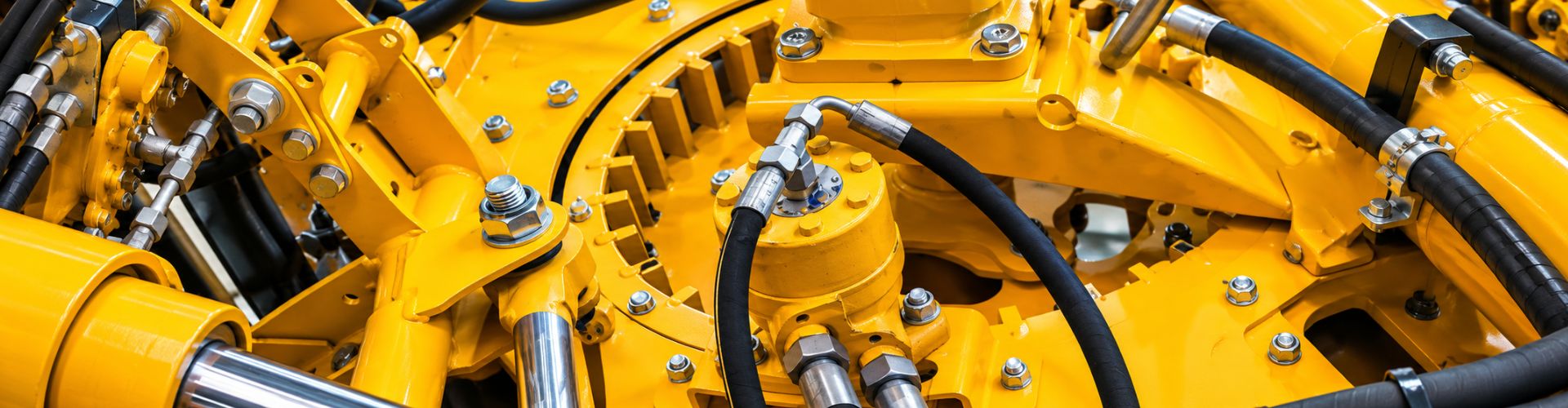
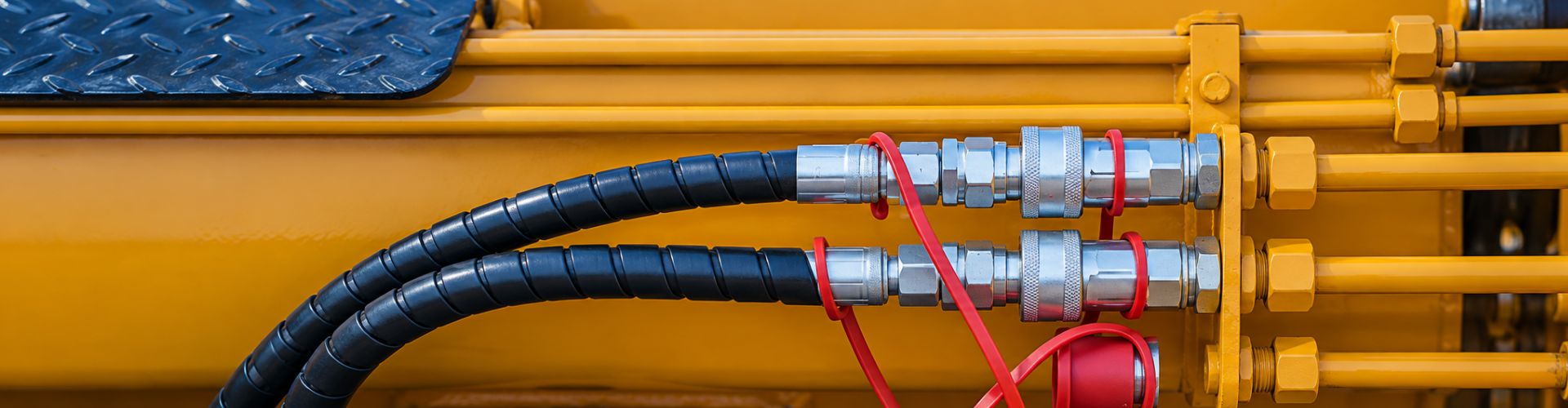
Can You Safely Combine Different Hose and Fitting banner

Can You Safely Combine Different Hose and Fitting Brands?

A common question often arises: Can you safely combine different hose and fitting brands within the same system? This inquiry usually stems from practical considerations like availability, cost, or convenience. Yet, despite the potential benefits, mixing brands comes with notable risks. Mismatched components can result in leaks, reduced performance, increased wear, and even complete system failure.

Why Matching Components is Crucial

In hydraulic systems, the compatibility of hoses and fittings is not just a matter of convenience; it’s essential for maintaining system integrity, safety, and performance. Mismatching components can result in severe consequences, including leaks, equipment damage, and safety hazards.

Compatibility Concerns

1. Manufacturing Specifications and Design Parameters

Hoses and fittings are designed with specific parameters, such as diameter, pressure rating, and connection types, which are tailored to work with components from the same manufacturer. Each manufacturer follows its own set of specifications to ensure the components are optimized for performance, safety, and durability. When components from different brands are mixed, there is a risk of incompatibility in these parameters. For instance, a hose designed to operate at a specific pressure might not perform effectively with a fitting with a different pressure rating, potentially leading to underperformance or failure.

2. Differences in Manufacturing Tolerances

Hydraulic components are made with precise tolerances, which dictate how tightly they fit together and how well they perform under pressure. Even small variations in manufacturing tolerances can impact the effectiveness of the seal between the hose and fitting. Different manufacturers may have slight variations in their design, even for components labeled with the same specifications. These differences can result in poor sealing, increased wear, or the inability to maintain adequate pressure, thereby increasing the risk of leaks and malfunctions.

Impact on System Safety

1. Potential Safety Risks

Mismatched components can pose significant safety risks in hydraulic systems, where fluid is often under high pressure. A poor connection between the hose and fitting can lead to leaks, resulting in fluid spraying out at high velocities. This not only presents a physical hazard to workers but can also cause damage to nearby machinery or products. In the worst-case scenario, a complete disconnection under pressure can lead to catastrophic failures, risking serious injury or extensive equipment damage. Therefore, ensuring that components are designed to work seamlessly together is crucial for maintaining a safe working environment.

2. Loss of Pressure Integrity

Hydraulic systems rely on maintaining consistent pressure to function effectively. If components are not properly matched, there can be a significant loss of pressure due to inadequate sealing or mismatched flow rates. This pressure drop can affect the entire system’s performance, making it less efficient and unreliable. Even a minor drop in pressure can have costly consequences in industries where precision and consistency are critical.

Loss of Performance

1. Reduced Efficiency

Hydraulic systems are designed for optimal performance, but mismatched components can lead to inefficiencies. For example, a fitting with a lower flow capacity paired with a high-capacity hose can create a bottleneck, reducing the system’s overall performance. This inefficiency may increase energy consumption, operational costs, and the likelihood of overheating, which can further degrade system components.

2. Increased Wear and Tear

Mismatched hoses and fittings can accelerate wear and tear on system components. If components are not properly aligned or sealed, increased friction and pressure fluctuations can occur, leading to faster degradation. Over time, this can result in more frequent maintenance requirements, increased downtime, and ultimately higher costs for repairs or replacements.

3. Decreased Reliability and Durability

Reliability is a key factor in hydraulic systems, especially in critical applications like heavy machinery, construction, or industrial manufacturing. When hoses and fittings are mismatched, system reliability decreases as the potential for leaks, pressure loss, and component failures rises. This not only impacts productivity but can also affect the longevity of the equipment, leading to higher operational costs over time.

Common Challenges of Mixing Hoses and Fittings

Combining hoses and fittings from different manufacturers might seem like a cost-effective or convenient solution. However, this approach brings several challenges that can compromise the performance, safety, and reliability of hydraulic systems. Here, we’ll discuss some of the most common challenges encountered when mixing components: variations in pressure ratings, material differences, and thread and coupling mismatches.

Pressure Rating Variations

1. Mismatch in Pressure Capacity

One of the most critical aspects of hydraulic components is their pressure rating, which specifies the maximum pressure they can safely handle. Different manufacturers may use varying design parameters, leading to significant differences in pressure capacity. For example, a hose designed to withstand high pressure may not be compatible with a fitting that has a lower pressure rating. This discrepancy can create a weak point in the system, increasing the risk of leaks or even catastrophic failure.

2. Impact on System Performance

When components with mismatched pressure ratings are combined, the system may not perform as expected. The fitting could become the limiting factor, restricting the system’s overall pressure capacity and reducing efficiency. This bottleneck can also cause pressure fluctuations, leading to inconsistent system performance, reduced productivity, and potentially more frequent maintenance requirements.

3. Safety Hazards

Operating a hydraulic system with components that have different pressure ratings can be hazardous. If the system exceeds the lower pressure capacity of one component, it can result in sudden failure, creating a risk of fluid ejection under high pressure. This not only poses safety risks to personnel but can also damage other equipment, leading to costly downtime and repairs.

43 Series Hydraulic Crimp Fittings

Material Differences

1. Potential Chemical Reactions

The materials used in hoses and fittings are often chosen based on the fluids they will transport and the environmental conditions they will encounter. When mixing components from different brands, there is a risk of using incompatible materials, which can cause chemical reactions. For example, a hose made from one type of rubber may react adversely with a fitting made from a different metal alloy, leading to material degradation. This chemical incompatibility can compromise the seal between the hose and fitting, increasing the likelihood of leaks.

2. Corrosion Risks

Even if the materials are chemically compatible with the hydraulic fluid, mixing different metals can create galvanic corrosion. This type of corrosion occurs when dissimilar metals come into contact with each other in the presence of an electrolyte, such as water or hydraulic fluid. For instance, combining a steel fitting with an aluminum hose end can lead to accelerated corrosion, weakening the joint and potentially causing leaks or failures over time.

3. Decreased Component Longevity

Material differences can also affect the overall durability and lifespan of hydraulic components. Incompatible materials may wear at different rates, creating uneven stresses and accelerating component failure. This can result in higher maintenance costs and the need for more frequent replacements, negating any initial cost savings from using mixed brands.

Thread and Coupling Issues

1. Importance of Thread Matching

Threads play a crucial role in securing hydraulic connections, ensuring that hoses and fittings remain tightly coupled under pressure. Different manufacturers may use slightly different thread designs or dimensions, even within the same thread type category. This can lead to poor fits, which compromise the connection’s ability to maintain pressure and resist vibrations. In hydraulic systems, even minor differences in thread design can result in inadequate sealing, leading to leaks.

2. Secure Connections for Safety

A secure, leak-free connection is essential for hydraulic system safety. When threads do not match properly, there is an increased risk of the hose detaching from the fitting, especially under high pressure. This can be extremely dangerous, as hydraulic fluid can spray at high velocity, potentially injuring personnel and damaging surrounding equipment.

3. Cross-Threading Risks

Attempting to force mismatched threads together can result in cross-threading, which damages the threads and prevents a secure seal. Cross-threading not only weakens the connection but also makes future repairs more difficult, as damaged threads may require re-tapping or replacement. This further increases maintenance costs and downtime.

Industry Standards for Hose and Fitting Compatibility

In the hydraulic industry, standards play a vital role in ensuring the safety, performance, and reliability of hoses and fittings. Adhering to these standards helps maintain system integrity, provides consistency across different components, and minimizes the risks associated with mismatched parts.

Overview of Relevant Standards

1. ISO Standards

The International Organization for Standardization (ISO) sets globally recognized standards for hydraulic hoses and fittings. These standards specify performance criteria, such as pressure ratings, temperature resistance, dimensional tolerances, and compatibility with various fluids. Some key ISO standards include:

ISO 18752: Focuses on performance-based specifications for hydraulic hoses, categorizing them based on pressure ranges and temperature limits.

ISO 12151: Covers various types of hydraulic hose fittings, detailing their design, dimensions, and performance requirements.

2. SAE Standards

The Society of Automotive Engineers (SAE) provides another set of widely accepted standards for hydraulic components. These are commonly used in the North American market and ensure that hoses and fittings meet specific performance and compatibility criteria. Notable SAE standards include:

SAE J517: Provides guidelines for hydraulic hoses, detailing requirements for materials, pressure capacity, and dimensional tolerances.

SAE J516: Focuses on hydraulic hose fittings, specifying design, dimensions, and materials to ensure compatibility and durability.

3. Other Relevant Standards

DIN Standards (Deutsches Institut für Normung): Widely used in Europe, DIN standards cover both hydraulic hoses and fittings, providing detailed specifications for dimensions, pressure ratings, and materials.

BSI Standards (British Standards Institution): These standards also contribute to the global framework for ensuring the compatibility and safety of hydraulic components.

Role of Standards in Ensuring Safety

1. Consistency Across Components

Adhering to industry standards helps ensure that hydraulic components are consistent in terms of performance, dimensions, and pressure ratings. This consistency is vital for maintaining secure connections and preventing leaks. By following established standards, manufacturers can produce hoses and fittings that are more likely to work together seamlessly, even if sourced from different brands.

2. Minimizing Risks

Compliance with industry standards reduces the likelihood of mismatched components, which can lead to serious safety hazards. For example, using a fitting that does not meet the appropriate pressure standard can result in leaks, system failures, or catastrophic disconnections under high pressure. By ensuring that all components meet the same standards, operators can enhance the overall safety of hydraulic systems and reduce the risk of unexpected failures.

3. Improved Durability and Reliability

Standardized components tend to be more reliable and durable, as they are designed to withstand specific pressures, temperatures, and chemical exposures. This not only improves system performance but also extends the lifespan of hydraulic components, reducing the need for frequent replacements and minimizing downtime.

Certification Labels

1. Identifying Certified Components

Most certified hydraulic components come with visible labels or markings that indicate compliance with specific standards. For instance, a hose that meets ISO 18752 requirements will have a label displaying its pressure range, temperature capacity, and ISO classification. Similarly, fittings will be marked with their applicable standards (e.g., SAE J516), making it easier for users to identify compatible parts.

2. Verifying Compatibility

When selecting hydraulic hoses and fittings, look for these certification labels to ensure that the components meet the necessary standards for your application. Certified components are usually tested rigorously to ensure they can perform safely under specified conditions. This verification process adds an extra layer of confidence in the reliability and compatibility of the parts.

Risks of Mixing Different Brands in Hydraulic Systems

Mixing hoses and fittings from different manufacturers in hydraulic systems can introduce various risks that impact safety, legal standing, and operational efficiency. While combining different brands may seem convenient or cost-effective, the potential downsides often outweigh the benefits.  

Safety Risks

1. Potential for Disconnection

One of the most serious risks when using mismatched components in hydraulic systems is disconnection. Hoses and fittings from different brands may have slightly different thread designs, sealing surfaces, or coupling mechanisms. These differences can compromise the integrity of the connection, leading to unexpected disconnections under pressure. In high-pressure hydraulic systems, a sudden disconnection can be catastrophic, causing fluid to be expelled at high velocity, which poses a significant risk to personnel and equipment.

2. Leaks and Fluid Spills

Hydraulic systems operate under high pressure, and even minor mismatches between hoses and fittings can lead to inadequate sealing. This results in leaks, which not only reduce system efficiency but also create safety hazards. Hydraulic fluid leaks can cause slippery surfaces, increasing the risk of falls and injuries. Additionally, certain hydraulic fluids are flammable or toxic, posing environmental risks and health hazards to workers. Over time, persistent leaks can lead to costly fluid loss and potential damage to other components within the system.

3. Pressure Failures and Equipment Damage

Mismatched components often have varying pressure ratings, leading to weak points in the hydraulic system. If a fitting with a lower pressure capacity is combined with a hose designed for higher pressure, the fitting can fail, resulting in sudden depressurization and potential equipment damage. This pressure imbalance not only reduces the system’s efficiency but also increases the likelihood of damage to pumps, valves, and other critical components. In extreme cases, a complete system failure can occur, resulting in significant repair costs and potential safety incidents.

Legal and Warranty Concerns

1. Void Warranties

Most manufacturers provide warranties for their hydraulic components under the condition that they are used as specified, which typically includes using matching parts from the same brand. When components from different brands are combined, there is a strong possibility of voiding the warranties. Manufacturers are unlikely to honor warranties for components that fail due to mismatched parts, as this goes against their specified usage guidelines. This means that any damage, repairs, or replacements resulting from the use of mismatched components will likely be at the user’s expense.

2. Potential Legal Liabilities

In cases where hydraulic system failure causes injury or property damage, legal liability can be a serious concern. If it is found that mismatched components contributed to the failure, the operator or owner of the equipment could be held liable for negligence. Moreover, insurance claims might be denied if it is determined that non-compliance with manufacturer guidelines—such as using mismatched components—was the primary cause of the incident. Therefore, it’s crucial to understand the legal implications of mixing components, especially in industries where safety standards are strictly regulated.

Hydraulic Hose Fitting Diagnostics

Operational Downtime

1. Increased Maintenance and Repairs

Hydraulic systems rely on consistent pressure and secure connections to function efficiently. Mismatched components are more prone to failure, leading to increased maintenance and repair needs. This not only raises operational costs but also contributes to unplanned downtime, which can have a significant impact on productivity. Every hour of downtime can be costly, especially in industries like construction, manufacturing, and logistics, where hydraulic systems are critical to daily operations.

2. Unplanned Downtime and Production Loss

The use of mismatched components increases the likelihood of sudden equipment failure. When a hydraulic system goes down unexpectedly, it can halt production lines, delay projects, and disrupt overall workflow. The cost of unplanned downtime extends beyond just repair expenses; it includes labor costs, lost productivity, and potential penalties for missed deadlines. In industries where precision and consistency are crucial, even a brief disruption can lead to significant financial losses.

3. Reduced Equipment Lifespan

Frequent pressure imbalances, leaks, and disconnections caused by mismatched components can accelerate wear and tear on the system. Over time, this results in a reduced lifespan for pumps, valves, seals, and other critical parts. As these components wear out faster, the overall reliability of the system diminishes, leading to more frequent breakdowns and higher replacement costs. The cumulative impact of using incompatible components can undermine the long-term viability of hydraulic equipment, making it less cost-effective and less efficient.

Best Practices for Ensuring Compatibility

When mixing hoses and fittings from different manufacturers becomes necessary, it’s vital to follow best practices to ensure system safety, performance, and reliability. While using components from the same brand is generally the safest approach, there are ways to minimize risks when combining different brands. This section outlines the key steps for ensuring compatibility, from consulting experts to testing and using adaptors effectively.

Consulting Manufacturers and Experts

1. Seek Professional Guidance

The first step in ensuring compatibility between hoses and fittings from different brands is to consult with manufacturers or industry experts. Manufacturers have a deep understanding of their product specifications, pressure ratings, and material properties. By sharing details about the hydraulic system—such as fluid type, pressure levels, and operational conditions—manufacturers can offer specific recommendations for compatible components. This expert guidance can prevent potential mismatches and help identify suitable alternatives.

2. Consult Hydraulic System Specialists

Hydraulic system specialists, including engineers and technicians, can provide valuable insights on component compatibility. They can assess the system requirements and recommend the best combination of hoses and fittings based on factors like pressure ratings, material compatibility, and performance needs. Experts can also offer solutions to address any specific challenges, such as chemical resistance or extreme temperature conditions, ensuring that the components work well together under various circumstances.

3. Review Product Specifications and Certifications

Before mixing components, review the technical specifications provided by each manufacturer. Look for information on pressure ratings, temperature limits, material composition, and certification labels to ensure compatibility. Verifying that the components meet the same industry standards (e.g., ISO, SAE) can help confirm that they are likely to perform well together in the same system.

Testing and Verification

1. Conduct Initial Compatibility Testing

Once components have been selected, the next step is to conduct compatibility testing in a controlled environment. This helps identify any potential issues, such as pressure drops, leaks, or improper sealing before the components are installed in the main hydraulic system. Begin by testing the combined components at low pressure to ensure that the seals and connections are secure, then gradually increase the pressure to the system’s operating levels.

2. Perform Stress Testing

In addition to initial compatibility tests, stress testing is crucial to verify that the mixed components can withstand the system’s maximum pressure and flow rates. Stress tests should simulate real-world conditions, including pressure surges, temperature fluctuations, and vibration exposure. Monitor the system for signs of leaks, pressure imbalances, or unusual noises, as these can indicate compatibility issues. Conducting stress tests can ensure that the mixed components will perform reliably under normal operating conditions.

3. Implement a Regular Maintenance Routine

After installing mixed components, establish a regular maintenance routine to monitor system performance. This includes checking for leaks, pressure consistency, and any signs of wear at the connection points. Early detection of issues can prevent serious failures and extend the lifespan of the hydraulic components.

Use of Adaptors and Connectors

1. When to Use Adaptors

Adaptors can be a useful solution for bridging compatibility gaps when combining hoses and fittings from different manufacturers. For example, if the threads or coupling types do not match, adaptors can help create a secure connection. Adaptors are also helpful when connecting components with different pressure ratings, as long as the overall system pressure remains within safe limits. However, adaptors should only be used when necessary, as they can introduce additional connection points that may be prone to leaks.

2. Choosing the Right Adaptors

When selecting adaptors, ensure that they are made from compatible materials and are designed to handle the same pressure and temperature ranges as the main components. Adaptors should also meet relevant industry standards, such as ISO or SAE, to ensure that they can perform reliably within the hydraulic system. Avoid using generic or unverified adaptors, as they may not provide the necessary performance or safety required for hydraulic applications.

3. Proper Installation of Adaptors

The effectiveness of adaptors depends largely on proper installation. Make sure to follow the manufacturer’s guidelines for tightening, sealing, and connecting adaptors to the hoses and fittings. Use the recommended tools and techniques to ensure a secure fit. Over-tightening can damage the threads, while under-tightening can result in leaks. Additionally, apply appropriate thread sealants to prevent leaks at the adaptor connections, especially in high-pressure systems.

Conclusion

Matching components from the same manufacturer remains the safest and most effective approach for hydraulic systems, as it ensures seamless integration and minimizes risks. However, if mixing brands is unavoidable, it’s crucial to consult with manufacturers or hydraulic experts to verify compatibility. Conducting thorough testing in a controlled environment, using appropriate adaptors, and implementing regular maintenance can help mitigate the risks.


FAQ

Can I safely mix different brands of hydraulic hoses and fittings?

Mixing brands can be risky due to differences in design, pressure ratings, and materials. Always consult experts and conduct thorough testing.

What are the main risks of using mismatched hydraulic components?

Potential risks include leaks, disconnections, pressure failures, and reduced system performance.

Will mixing components void the warranty?

Yes, using mismatched parts often voids the manufacturer’s warranty, making you liable for any damage or failures.

How can I ensure compatibility when mixing brands?

Consult manufacturers, review specifications, and test components together in a controlled environment.

Are adaptors safe to use for bridging compatibility gaps?

Yes, if used correctly and with compatible materials. Follow installation guidelines to prevent leaks.

Why is it important to follow industry standards like ISO or SAE?

Adhering to these standards ensures the safety, reliability, and consistent performance of hydraulic systems.

Hydraulic System Performance banner

Hydraulic System Performance: The Importance of Selection

The selection of hydraulic components—such as hoses, valves, and pumps—plays a pivotal role in determining system performance. Choosing the right components not only enhances efficiency but also minimizes energy consumption, reduces wear and tear, and improves safety. This article will explore how the proper selection of these components is essential for boosting hydraulic system performance, maintaining system reliability, and ensuring operational safety.

Understanding Hydraulic Systems  

Basic Components of a Hydraulic System

Hydraulic systems rely on several core components that work together to generate and transmit power. Each of these components has a unique role, making its selection critical for optimal system performance:

Hydraulic Pumps

Function: Pumps are the driving force of hydraulic systems, converting mechanical energy into hydraulic energy. This process involves drawing hydraulic fluid from a reservoir, pressurizing it, and delivering it into the system to generate the necessary force for tasks like lifting, pressing, or rotating machinery.

Types of Pumps:

Gear Pumps: Known for simplicity and reliability, ideal for low-pressure systems.

Vane Pumps: Offer moderate pressure, suitable for systems that require consistent flow.

Piston Pumps: Capable of handling high pressures, making them suitable for heavy-duty industrial applications.

Impact: The choice of pump affects system pressure, flow rate, and efficiency. An undersized pump can lead to inadequate pressure, while an oversized pump can waste energy and lead to system overheating.

Valves

Function: Valves control the direction, pressure, and flow rate of hydraulic fluid. They ensure that fluid reaches the correct component at the right time and pressure.

Types of Valves:

Directional Control Valves: Manage the flow path of fluid.

Pressure Control Valves: Regulate system pressure, preventing damage from excess pressure.

Flow Control Valves: Adjust the rate of fluid flow, affecting the speed of actuators.

Impact: Valves maintain fluid regulation and safety. Incorrect valve selection can lead to pressure surges, energy losses, and erratic system behavior.

Hoses

Function: Hoses act as flexible conduits that carry hydraulic fluid between components. Their flexibility allows them to adapt to the movement of machinery and changes in system configuration.

Types of Hoses:

Rubber Hoses: Commonly used due to flexibility and vibration absorption.

Thermoplastic Hoses: Offer durability in high-pressure or high-temperature environments.

Stainless Steel Hoses: Ideal for extreme pressure and corrosive environments.

Impact: Hoses must withstand the pressure, temperature, and type of hydraulic fluid used. Inappropriate hose selection can result in leaks, burst failures, or system inefficiencies due to frictional losses.

Fittings

Function: Fittings connect hoses to other components, such as pumps, valves, or actuators. They maintain a secure, leak-proof seal and enable efficient fluid flow across the system.

Types of Fittings:

Threaded Fittings: Commonly used for general hydraulic applications, offering strong sealing capabilities.

O-ring Face Seal (ORFS) Fittings: Ensure leak-proof connections, suitable for high-pressure applications.

Quick-Connect Fittings: Enable rapid attachment or detachment, ideal for systems that require frequent maintenance or changes.

Impact: Proper fitting selection is crucial for maintaining system pressure and preventing leaks. Poorly matched fittings can cause system inefficiencies, leaks, and potential safety hazards.

Actuators

Function: Actuators convert hydraulic energy into mechanical motion, which drives the machinery. They can perform either linear motion (via hydraulic cylinders) or rotational motion (via hydraulic motors).

Types of Actuators:

Hydraulic Cylinders: Provide linear movement for applications like lifting, pressing, or clamping.

Hydraulic Motors: Deliver rotational movement, used in applications like conveyor belts or vehicle drives.

Impact: Actuator selection affects the speed, force, and motion type in hydraulic systems. An undersized actuator can struggle to move loads, while an oversized one can result in slower response times and energy waste.

complex systems swept adaptor Topa

How Hydraulic Systems Work

Hydraulic systems operate based on Pascal’s Law, which asserts that pressure applied to a confined fluid is distributed equally throughout the system. This law forms the foundation of hydraulic power transmission. The working principles can be broken down into three main stages:

Fluid Flow

Pumping Process: The hydraulic pump pressurizes the fluid, drawing it from a reservoir and propelling it through hoses or pipes. The fluid’s movement is facilitated by valves that regulate the direction, ensuring it flows toward the desired component (e.g., actuators).

Flow Paths: The pressurized fluid travels through channels defined by hoses, fittings, and valves, moving toward the actuator. The flow rate is controlled by flow control valves, which influence the speed of the fluid and the actuator.

Pressure Build-Up

Load Adaptation: As the fluid enters the confined space of the system, pressure builds up based on the resistance presented by the load (e.g., weight lifted by a cylinder or the torque required for a motor).

Pressure Regulation: Pressure control valves manage the pressure within safe operating limits. These valves ensure that fluid pressure matches the required system load, preventing damage from pressure surges or sudden drops.

Energy Conversion

Mechanical Movement: The pressurized fluid reaches the actuator, where it converts hydraulic energy into mechanical force. For example:

Cylinders extend or retract to lift or press.

Motors rotate to drive machinery, such as conveyor belts or augers.

Continuous Cycle: The hydraulic fluid returns to the reservoir after passing through the actuator, completing the cycle and allowing for cooling and filtration before the next pressurization phase.

Importance of System Efficiency

Efficiency is defined as the ratio of useful output energy to total input energy. In hydraulic systems, efficiency affects cost, energy use, and overall performance:

Operational Costs

High-efficiency hydraulic systems require less energy to perform the same amount of work, which translates into reduced fuel or electricity costs. Additionally, efficient systems require less maintenance, lowering service costs.

Energy Usage

Efficient systems minimize energy loss through heat, friction, or pressure drops. By using the right components, operators can reduce energy consumption and environmental impact.

Performance

Efficient hydraulic systems deliver faster response times, consistent operation, and longer component life. Consistent system performance reduces downtime, enhances productivity, and increases the reliability of operations.

Key Factors Influencing Hydraulic System Performance

Component Selection

The choice of components plays a critical role in optimizing the overall performance of hydraulic systems. Each component must be chosen based on the system’s specific operational needs:

Pumps

Selecting the right pump (gear, vane, or piston type) directly affects flow rate, pressure, and energy efficiency. A mismatched pump can lead to inefficient energy conversion, resulting in slower response times, increased energy consumption, and system wear.

Hoses

Hoses must be selected for their pressure rating, flexibility, and compatibility with the hydraulic fluid. Improper hose selection can lead to leaks, pressure drops, or burst failures, compromising safety and performance.

Valves

Valves regulate flow, pressure, and direction. Choosing the right valve type (e.g., directional control, pressure relief, or flow control) ensures optimal fluid distribution, reducing energy loss and enhancing system responsiveness.

Fittings

Fittings connect hoses and components, playing a pivotal role in maintaining a leak-proof system. Proper fittings ensure minimal fluid leakage, efficient flow, and the ability to handle system pressures without failure.

The right component selection maximizes performance, minimizes downtime, and extends the service life of hydraulic systems.

System Design Considerations

Effective hydraulic system design should factor in:

Pressure Rating

All components should be rated for the maximum working pressure of the system, including a safety margin to account for pressure spikes. Using under-rated components can lead to safety hazards and premature failure.

Flow Rate

The flow rate affects the speed and responsiveness of actuators. Components must be designed to handle the required flow to avoid slow operation or inconsistent performance.

Temperature

High or fluctuating temperatures can affect hydraulic fluid properties and component integrity. Choosing components designed for the system’s temperature range helps maintain performance and prevent overheating or fluid degradation.

System Environment

Consider the environmental conditions, such as humidity, dust, or corrosive surroundings, when selecting components. For example, components with corrosion-resistant materials are crucial for outdoor or harsh environments to ensure longevity and performance.

Topa Hydraulic Fluid Characteristics

Fluid Quality

Fluid quality has a significant impact on hydraulic system performance:

Contamination

Contaminants like dirt, metal particles, or water can damage components, cause valve malfunction, and degrade fluid properties. Contaminated fluid increases friction and wear, reducing efficiency and risking total system failure.

Importance of Filtration

Effective filtration removes contaminants and ensures clean fluid circulation. Proper filtration systems (strainers, filters, and separators) maintain fluid quality, reducing wear and extending component life.

Maintaining fluid quality through regular filtration checks and timely filter replacement is essential for optimal performance.

Regular Maintenance

Routine maintenance is crucial for sustaining hydraulic system efficiency:

Timely Inspections

Regular inspections help identify issues such as leaks, wear, or pressure fluctuations early. Detecting and addressing problems early prevents unexpected downtime and maintains consistent system performance.

Leak Detection

Monitoring for leaks is vital, as fluid leaks reduce system pressure, leading to inefficient operation and potential safety risks. Inspect hoses, fittings, and seals regularly to prevent leakage.

Component Replacement

Proactive replacement of worn components (e.g., seals, hoses, filters) ensures consistent system operation. Worn or damaged components should be replaced promptly to prevent cascading failures or system inefficiencies.

Hydraulic Hose and Fitting Selection

Material Compatibility

The material of hydraulic hoses and fittings is a critical factor influencing system durability, performance, and fluid compatibility. Different materials offer distinct properties that make them suitable for specific applications:

Rubber Hoses

Properties: Flexible, cost-effective, and capable of absorbing vibrations, making them ideal for general-purpose hydraulic applications.

Compatibility: Rubber hoses are compatible with a wide range of hydraulic fluids, including petroleum-based, water-based, and synthetic fluids.

Durability: While rubber is highly flexible, it can degrade in high temperatures, chemical exposure, or harsh environments, limiting its lifespan in demanding applications.

Thermoplastic Hoses

Properties: Lightweight, durable, and more resistant to abrasions and chemicals than rubber hoses. They also have a smoother inner lining, reducing pressure loss and energy consumption.

Compatibility: Thermoplastic hoses are compatible with various hydraulic fluids, including synthetic oils and bio-based fluids.

Durability: Thermoplastic materials offer enhanced chemical resistance and are more suitable for high-pressure and high-temperature applications. However, they may be less flexible than rubber hoses.

Metal Hoses

Properties: Stainless steel hoses offer superior strength, pressure capacity, and resistance to extreme temperatures and corrosive environments.

Compatibility: They are ideal for use with highly corrosive fluids or in environments with extreme temperatures.

Durability: Metal hoses offer the longest lifespan among materials, but they lack flexibility, making them less suitable for applications requiring frequent movement.

The choice of material should align with the type of hydraulic fluid, environmental conditions, and the required flexibility. Incompatible materials can result in rapid wear, chemical reactions, or leakage.

Pressure Ratings and Safety Margins

Pressure rating is a key consideration in selecting hydraulic hoses and fittings, as improper pressure handling can lead to system failures and safety risks:

Working Pressure

Definition: The maximum pressure that a hose or fitting can withstand during normal operation.

Selection: Hoses and fittings should have a working pressure rating that meets or exceeds the system’s operating pressure. This ensures reliable performance and prevents premature wear or failure.

Burst Pressure

Definition: The maximum pressure a hose or fitting can withstand before it fails. It is usually 4 to 6 times the working pressure.

Selection: Selecting components with a burst pressure significantly higher than the operating pressure is crucial to account for unexpected pressure spikes, preventing catastrophic failures.

Safety Margins

Importance: To ensure safety and compliance, the working pressure of hoses and fittings should include a safety margin, typically 1.5 to 2 times the system’s maximum operating pressure. This margin accounts for pressure fluctuations and potential equipment stress.

By adhering to appropriate pressure ratings and safety margins, operators can prevent leaks, hose ruptures, and system breakdowns.

Temperature Considerations

Temperature variations, both internal and external, can significantly affect the performance and lifespan of hydraulic hoses and fittings:

Impact of High Temperatures

Internal Temperatures: The fluid temperature within the hose can rise due to heat generated by system operations. Prolonged exposure to high temperatures can degrade hose material, causing it to harden, crack, or lose flexibility.

External Temperatures: Hoses and fittings may also be exposed to external heat sources or extreme ambient temperatures. This exposure can weaken the hose material, leading to reduced pressure capacity and potential failure.

High-Temperature-Rated Components

Need: In high-temperature applications, it is essential to use hoses and fittings made from materials specifically designed to withstand elevated temperatures, such as heat-resistant rubber, thermoplastic composites, or stainless steel.

Benefits: High-temperature-rated components maintain flexibility, pressure integrity, and chemical compatibility, ensuring longer service life even under extreme conditions.

Proper consideration of temperature ensures the longevity and safety of hydraulic components, preventing heat-induced failures and maintaining consistent performance.

Sizing and Fit

Selecting the correct size for hoses and fittings is vital for maintaining hydraulic system efficiency and preventing potential issues:

Importance of Proper Sizing

Flow Rate Management: Hoses and fittings must be sized to accommodate the system’s required flow rate without causing excessive pressure loss. Undersized components can create flow restrictions, leading to increased energy consumption and reduced system performance.

System Integrity: Oversized hoses can add unnecessary weight, complicate routing, and increase costs. Proper sizing optimizes energy use, ensuring smooth fluid flow and maintaining system efficiency.

Preventing Leakage and Energy Loss

Sealing Capability: Properly sized fittings ensure a secure and leak-proof connection, reducing the risk of fluid leaks. Even minor leaks can reduce pressure, compromise system performance, and cause safety hazards.

Damage Prevention: Misaligned or incorrectly sized hoses can create additional stress at connection points, leading to wear, fatigue, and potential component failure.

Hydraulic Fluid Selection

Types of Hydraulic Fluids

The type of hydraulic fluid used in a system is fundamental to its performance, durability, and safety. Hydraulic fluids serve as the medium through which power is transmitted, and their specific properties influence system efficiency, component longevity, and operating conditions.

Mineral Oil-Based Fluids

Composition: These fluids are derived from refined crude oil and are the most commonly used type in hydraulic systems.

Properties: Mineral oils offer good lubrication properties, thermal stability, and a wide operating temperature range.

Applications: Widely used in industrial machinery, construction equipment, and agricultural systems due to their affordability and availability.

Limitations: Mineral oil-based fluids are less environmentally friendly and can be hazardous in the event of leaks. Additives may be required to improve anti-wear, anti-corrosion, and anti-foaming properties.

Synthetic Fluids

Composition: These fluids are made from chemically engineered base stocks such as phosphate esters, organophosphate esters, or polyalphaolefins.

Properties: They offer superior lubrication, fire resistance, and extreme temperature tolerance compared to mineral oil-based fluids. Synthetic fluids also resist oxidation, making them suitable for high-temperature environments.

Applications: Ideal for high-performance, heavy-duty applications like aviation, offshore drilling, and industrial manufacturing, where higher temperatures and pressures are common.

Limitations: Synthetic fluids are more expensive than mineral oils and can be incompatible with certain materials, requiring careful selection of system components.

Water-Based Fluids

Composition: These include water-glycol solutions and water-oil emulsions, designed to combine the properties of water and oil for safer applications.

Properties: Water-based fluids are highly fire-resistant and non-toxic, making them safer for use in hazardous environments.

Applications: Used in applications requiring fire resistance, such as steel mills, foundries, and mining operations. They are also suitable for low-pressure systems and environmentally sensitive areas.

Limitations: Water-based fluids have lower lubrication properties than mineral or synthetic fluids, leading to increased wear on components. They may also be prone to freezing and require corrosion inhibitors to protect the system.

The right choice of hydraulic fluid ensures effective power transmission, reduces wear and tear, and aligns with specific operational requirements.

Viscosity Impact

Viscosity refers to the thickness or resistance to the flow of a hydraulic fluid, and it has a major impact on system performance and efficiency:

High Viscosity Fluids

Characteristics: Thicker, slower-flowing fluids.

Effects on Performance: High-viscosity fluids maintain better lubrication and film strength, making them suitable for heavy-duty applications with high loads and low speeds.

Challenges: These fluids can cause increased resistance to flow, leading to higher energy consumption and slower response times. They can also require more power to move, reducing overall system efficiency, especially in colder conditions where the fluid becomes even thicker.

Low Viscosity Fluids

Characteristics: Thinner, faster-flowing fluids.

Effects on Performance: Low-viscosity fluids offer faster response times, better energy efficiency, and lower internal friction, making them ideal for high-speed, high-efficiency applications.

Challenges: Low-viscosity fluids may not provide adequate lubrication under high pressure or heavy load conditions, increasing wear and the risk of component damage. They can also lead to leaks in systems not designed to handle thinner fluids.

Optimal Viscosity Range

Importance: It is crucial to select a fluid with a viscosity within the manufacturer’s recommended range for the specific system. Fluids that are too thick or too thin can lead to suboptimal performance, increased wear, and potential system failure.

Temperature Considerations: Viscosity can change with temperature—fluids thicken at lower temperatures and thin at higher temperatures. Therefore, fluids with high viscosity indexes (VI) that maintain consistent viscosity across a broad temperature range are preferred for stable performance.

Proper viscosity selection ensures efficient power transmission, reduces energy loss, and prolongs component life.

Hydraulic Fluid Characteristics

Fluid Compatibility with System Components

Fluid compatibility with system components is crucial for the longevity and safety of hydraulic systems:

Compatibility with Seals

Impact: Hydraulic seals prevent fluid leaks and contamination. Incompatible fluids can cause seals to swell, harden, or degrade, resulting in leakage and potential contamination of the hydraulic system.

Considerations: Ensure that the selected fluid matches the seal materials (e.g., nitrile, Viton, PTFE) to maintain seal integrity. For instance, mineral oil-based fluids are generally compatible with nitrile seals, while synthetic or water-based fluids may require more chemical-resistant seal materials.

Compatibility with Hoses

Impact: Hoses transport hydraulic fluid and must be resistant to the chemical composition of the fluid. Incompatible fluids can weaken the hose material, causing cracks, leaks, or complete failure.

Considerations: Select hoses made from materials that are chemically compatible with the hydraulic fluid. For example, thermoplastic hoses are often more compatible with synthetic fluids, while rubber hoses can work well with mineral oil-based fluids.

Compatibility with Fittings

Impact: Fittings connect hoses to other components and maintain a leak-proof seal. Fluids that are not compatible with fitting materials can lead to corrosion or wear.

Considerations: Fitting materials should resist chemical reactions with the hydraulic fluid. For instance, brass fittings work well with mineral oil-based fluids, while stainless steel fittings are better suited for aggressive synthetic fluids or corrosive environments.

Conclusion

Remember, hydraulic system performance is directly tied to thoughtful and informed component selection. Each decision—whether about fluid type, hose material, or fitting size—impacts the overall effectiveness and longevity of the system. By making informed choices and maintaining regular evaluations, you can ensure that your hydraulic systems operate reliably and efficiently in even the most demanding conditions.


FAQ

What are the main components of a hydraulic system?

The main components are pumps, valves, hoses, fittings, and actuators, each playing a specific role in fluid power transmission.

Why is it important to select the right hydraulic fluid?

The right hydraulic fluid ensures optimal performance, reduces wear, and is compatible with the system’s seals, hoses, and fittings, preventing leaks and damage.

How does hose material affect hydraulic system performance?

Different materials offer varying levels of flexibility, pressure resistance, and compatibility with fluids, impacting durability, efficiency, and safety.

What is the significance of pressure ratings in hydraulic hoses?

Proper pressure ratings ensure that hoses can handle system pressure without bursting, enhancing safety and reliability.

How does temperature impact hydraulic components?

High temperatures can degrade hoses, fluids, and seals, while low temperatures can thicken fluids, reducing system responsiveness.

How often should I perform maintenance on my hydraulic system?

Regular inspections should be performed at least quarterly, with routine maintenance (e.g., fluid checks, hose inspection, and seal replacements) conducted based on usage intensity.

Modeling Hydraulic Fluid Lines banner

Modeling Hydraulic Fluid Lines: Techniques and Tips

Hydraulic fluid lines serve as the circulatory system of hydraulic machinery, responsible for transmitting hydraulic fluids between components such as pumps, valves, and actuators. These lines, which include hoses, pipes, and tubes, play a crucial role in maintaining system pressure and ensuring the smooth and reliable transfer of energy. A well-designed hydraulic fluid line can optimize the performance and longevity of hydraulic systems, whereas poorly designed lines can lead to inefficiencies, pressure loss, or even system failures.

Understanding Hydraulic Fluid Lines

What Are Hydraulic Fluid Lines?

Hydraulic fluid lines are the pathways through which hydraulic fluid is transmitted within a hydraulic system, acting as the conduits for power transmission. These lines can take the form of hoses, pipes, or tubes and are designed to transport hydraulic fluids between key components such as pumps, actuators, cylinders, and valves. The primary function of hydraulic fluid lines is to ensure the efficient transfer of hydraulic fluid, which in turn generates the force needed to power hydraulic machinery.

Hydraulic fluid lines must withstand various operating conditions such as high pressure, extreme temperatures, and external mechanical stresses, making the proper design and material selection crucial for system integrity. Depending on the application and environment, these lines may be flexible or rigid, and the choice between hoses, pipes, or tubes often depends on factors like pressure rating, flexibility, and the need for easy routing.

Brake Line Union Applications

Overview of Types of Hydraulic Fluid Lines

Hoses: Flexible tubes made from synthetic rubber, thermoplastic, or PTFE, reinforced with steel wire or fabric. Hydraulic hoses are ideal for systems requiring flexibility and are commonly used in mobile machinery or applications with moving parts.

Pipes: Rigid, seamless steel or stainless steel pipes that provide durable and high-pressure fluid transmission. Pipes are typically used in stationary applications where flexibility is not needed.

Tubes: Tubing is also rigid but lighter than pipes and is often used in medium- to high-pressure applications. Tubes are often bent or formed to fit specific system designs and are commonly found in industrial equipment.

Importance in Hydraulic Systems

Hydraulic fluid lines are vital to maintaining consistent pressure and fluid flow within a hydraulic system. Properly designed lines ensure that hydraulic fluid moves efficiently, with minimal loss of pressure or energy. This fluid transfer enables the system to deliver the necessary power to actuators and cylinders, allowing hydraulic machinery to perform tasks such as lifting, pressing, or rotating with precision and strength.

Key Principles of Hydraulic Line Modeling

Fluid Dynamics in Hydraulic Lines

Fluid dynamics play a critical role in determining the performance of hydraulic fluid lines. In hydraulic systems, the movement of fluid through pipes, hoses, or tubes generates flow, pressure, and resistance—all of which impact the overall efficiency of the system. Understanding fluid dynamics is essential for accurate hydraulic line modeling because it helps predict how fluids will behave under different operating conditions, such as pressure changes, temperature fluctuations, and varying load requirements.

Key factors that influence hydraulic line performance include:

Pressure: Pressure is the driving force that moves hydraulic fluid through the system. Maintaining consistent pressure is essential for the system to function properly. Fluid line modeling must account for pressure drops that can occur due to friction, improper line sizing, or turbulent flow, all of which can reduce the system’s efficiency.

Flow Rate: Flow rate refers to the volume of hydraulic fluid that moves through the line over a given period of time. Higher flow rates are required for systems with high demands for power or speed. Inaccurate modeling of flow rates can result in either too much or too little fluid reaching key components, which can affect the system’s performance and potentially cause damage.

Fluid Velocity: Fluid velocity is the speed at which the hydraulic fluid moves through the line. Higher velocities can cause increased turbulence, friction, and heat generation, which can degrade system components over time. In modeling, it is crucial to optimize velocity to balance system efficiency and component longevity.

Resistance: Resistance in hydraulic lines is caused by friction between the fluid and the walls of the pipes or hoses. The more resistance present in the lines, the more energy is required to maintain pressure, leading to inefficiencies. Factors such as the roughness of the material’s surface bends, and fittings contribute to resistance, and these need to be carefully modeled to minimize losses.

Material Selection and Its Impact

Choosing the right material for hydraulic fluid lines is another fundamental aspect of modeling. The material selected affects the line’s ability to handle pressure, withstand temperature variations, and resist wear. Different materials offer varying levels of fluid transmission efficiency, and the wrong material can compromise the performance of the entire system.

Steel: Steel pipes and tubes are common in high-pressure applications due to their strength and durability. Steel offers excellent resistance to pressure and thermal expansion, making it ideal for stationary systems. However, steel is rigid, heavy, and not suited for systems that require flexibility or where frequent movement occurs.

Rubber Hoses: Rubber hoses, often reinforced with steel wire or synthetic fibers, are commonly used in hydraulic systems where flexibility is essential. Rubber hoses can handle high pressures but are more susceptible to wear, especially in harsh environments or with exposure to high temperatures.

Thermoplastics: Lightweight and flexible, thermoplastic hoses provide good chemical resistance and are often used in low- to medium-pressure systems. They are suitable for mobile machinery and applications where weight is a concern.

The material chosen must match the system’s requirements, including pressure, temperature, and fluid type, to ensure long-term reliability and performance.

Cleaning Your Hydraulic Hose Assembly

Sizing and Compatibility

One of the most crucial aspects of hydraulic line modeling is selecting the appropriate size for the fluid lines. The inner diameter (ID) and outer diameter (OD) of the lines directly influence the flow of hydraulic fluid, the system’s ability to maintain pressure, and the overall efficiency of the system.

Inner Diameter (ID): The ID of a hydraulic line determines the amount of fluid that can flow through it. If the ID is too small, it can restrict fluid flow, leading to pressure drops and reduced system efficiency. Conversely, if the ID is too large, the system may experience lower fluid velocity, resulting in sluggish performance and potential heat buildup.

Outer Diameter (OD): The OD affects the structural integrity of the line and its ability to withstand external pressures and mechanical stresses. Proper OD selection ensures that the line is durable enough for the system’s operating environment while maintaining ease of installation.

Incorrect sizing of hydraulic fluid lines can result in issues such as:

Pressure Loss: When the ID is too small for the system’s flow rate, it causes excessive friction and resistance, leading to a significant pressure drop. This reduces the system’s power and efficiency, requiring more energy to maintain performance.

Turbulence: Improperly sized lines can cause turbulence, where the fluid does not flow smoothly through the line. This can lead to increased wear on the system’s components, reduced flow control, and inefficiencies.

Cavitation: Cavitation occurs when the pressure in the hydraulic system drops below the vapor pressure of the fluid, causing vapor bubbles to form. These bubbles can collapse violently, damaging components and reducing the system’s lifespan. Incorrect line sizing, particularly with too-small diameters, can contribute to cavitation.

Techniques for Accurate Hydraulic Line Modeling

1D and 3D Modeling Techniques

Hydraulic line modeling can be approached in both one-dimensional (1D) and three-dimensional (3D) formats, depending on the complexity of the system and the desired outcomes. Each method has its advantages and is suited for different applications.

1D Modeling: One-dimensional modeling simplifies the hydraulic system into a linear framework where parameters such as pressure, flow rate, and velocity are functions of distance along the line. This approach is highly efficient for basic systems where the primary concern is fluid flow rather than complex interactions within the system. In 1D modeling, the system is typically reduced to a series of equations that govern flow dynamics, making it faster and less resource-intensive than 3D modeling. It is useful for applications where rapid evaluations of flow and pressure changes are needed.

Applications: 1D modeling is often used for early-stage design when engineers need to assess general flow characteristics and pressure losses across a hydraulic network. It’s also useful for systems where the geometry is relatively straightforward, such as long pipeline networks, simple hose systems, or when simulating basic fluid transfers.

3D Modeling: In three-dimensional modeling, the fluid and system components are represented in full spatial detail, allowing for more precise simulations of how fluid behaves in complex geometries. 3D modeling accounts for fluid dynamics in all directions and can simulate interactions like turbulence, frictional losses, and the effects of fittings, bends, or other components.

Applications: 3D modeling is used when high accuracy is required, especially in systems with complicated geometries, such as in confined spaces, where pipes and hoses have multiple bends, or in machinery where components interact closely with the fluid lines. It is also applied when studying detailed aspects of system behavior, such as how fittings or valves affect flow, or when evaluating temperature gradients across different parts of the system.

Finite Element Analysis (FEA)

Finite Element Analysis (FEA) is a crucial tool in hydraulic line modeling that helps in understanding how fluid lines behave under stress and pressure. FEA breaks down the hydraulic system into small, finite elements, allowing for the analysis of how pressure, force, and stress are distributed throughout the fluid line.

Weak Points Identification: One of the key advantages of FEA is its ability to pinpoint weak spots in the hydraulic system. By modeling stress and strain at the granular level, FEA helps engineers identify areas where pressure is concentrated, where material failure is likely to occur, or where excessive wear may happen due to repeated stress.

Pressure Distribution: FEA is also used to analyze how pressure is distributed across the system. In hydraulic lines, pressure distribution is critical for ensuring that the system maintains its efficiency. FEA allows engineers to model how fluid pressure changes as it moves through the system and how different components (such as fittings, valves, or bends) affect that pressure.

Structural Integrity: Another essential aspect of FEA is evaluating the structural integrity of the hydraulic lines. Whether made from steel, rubber, or composite materials, hydraulic lines must withstand high pressures without deforming or breaking. FEA simulates these conditions, providing valuable insights into how well the materials will perform under real-world stresses and allowing engineers to optimize material choices and line configurations.

Thermal and Pressure Considerations in Modeling

Hydraulic systems often operate in environments where temperature and pressure vary widely, and accounting for these factors is essential in hydraulic line modeling. The temperature affects both the hydraulic fluid and the materials used in the lines, while pressure determines the efficiency and performance of the system.

Incorporating Temperature Effects: Temperature variations can change the viscosity of hydraulic fluids, which in turn affects flow rates, pressure losses, and overall system performance. Cold temperatures can make fluids more viscous, reducing flow and causing sluggish operation, while high temperatures can lead to thinning of the fluid, decreasing system efficiency. Accurate hydraulic line modeling must account for these temperature-induced changes to ensure the system performs well across different operating environments.

Thermal Expansion and Contraction: The materials used in hydraulic lines (such as steel, rubber, or composites) expand and contract with temperature changes. If these changes are not incorporated into the modeling process, thermal stresses can lead to line fatigue, cracks, or leaks. Incorporating allowances for thermal expansion and contraction ensures that the hydraulic system remains structurally sound, even when temperatures fluctuate.

Pressure Impacts: High-pressure conditions, especially in dynamic applications, can lead to pressure surges that stress hydraulic lines and components. Pressure spikes, also known as “water hammer,” can damage the system if not properly accounted for. Effective modeling techniques include pressure-dampening measures and simulations that mimic real-world operating pressures to prevent failures.

Tips for Effective Hydraulic Line Modeling

Tip 1: Understand the System’s Operating Conditions

One of the most fundamental aspects of hydraulic line modeling is an in-depth understanding of the system’s specific operating conditions.  

Modeling for Temperature and Pressure Variations: Hydraulic systems often operate in environments where temperatures fluctuate dramatically, from sub-zero conditions to extreme heat. Temperature changes directly impact the viscosity of hydraulic fluids and the behavior of materials used in fluid lines. If not accounted for, temperature variations can lead to inefficiencies, excessive wear, or even system failure. For instance, cold conditions may increase fluid viscosity, resulting in slower movement, while high temperatures can cause thinning of the fluid, reducing system efficiency. In hydraulic line modeling, it’s critical to simulate how temperature impacts fluid flow and pressure over the full range of anticipated operating conditions.

Environmental Factors: External environmental conditions—such as exposure to chemicals, UV light, moisture, or dust—also affect how hydraulic lines perform. For example, hoses and pipes exposed to outdoor environments might face accelerated wear and degradation from UV light or chemical exposure. Incorporating these environmental factors into the modeling process ensures the right materials and designs are chosen to withstand these challenges over time.

Understanding these factors early in the modeling process allows for more precise simulations and ensures the hydraulic lines meet the requirements of the operating environment.

Tip 2: Factor in Line Flexibility and Movement

Hydraulic systems often require both rigid and flexible fluid lines, depending on the application. Flexibility plays a significant role in how hydraulic lines behave under stress, movement, and vibration, and this must be accurately reflected in the model.

Flexible vs. Rigid Lines: Flexible hoses are commonly used in systems that require movement or where space constraints make rigid lines impractical. However, flexible lines can experience wear and tear from repeated bending, vibration, or high pressures. These lines need to be reinforced and placed in areas where movement will not cause excessive strain. On the other hand, rigid pipes or tubes are better suited for stationary applications and can handle higher pressures without deformation. However, they require precise routing to avoid stress points that can lead to cracks or fractures.

Design Considerations: When designing hydraulic lines, it is essential to account for potential movement and vibration within the system. Flexible hoses should be modeled with enough slack to allow for movement without being overstretched. Vibration dampeners or brackets can also be included to reduce wear. Additionally, the use of swivel joints or live swivels at connection points can help reduce stress on the lines by allowing them to move freely without twisting or bending, which is crucial in mobile or high-vibration environments.

By modeling both flexible and rigid lines appropriately, engineers can reduce wear, prevent premature failures, and ensure system longevity.

Modeling Hydraulic Fluid Lines

Tip 3: Minimize Pressure Drops

Pressure drop is a common issue in hydraulic systems, and it can severely affect system performance. Reducing pressure loss across hydraulic lines is critical to ensuring the system operates efficiently and reliably.

Reducing Friction: One of the primary causes of pressure loss in hydraulic lines is friction between the fluid and the inner surface of the line. Minimizing this friction is crucial for maintaining pressure and flow rates. Using smooth-bore hoses or tubes with low-friction materials can reduce the amount of resistance the fluid encounters, thus reducing pressure loss.

Correct Line Sizing: Line sizing plays a significant role in minimizing pressure drops. Hydraulic lines with a smaller inner diameter (ID) can restrict flow, leading to increased friction and pressure loss. Conversely, lines that are too large may reduce fluid velocity, causing inefficient system operation. The key is to model and select lines that are appropriately sized for the system’s flow rate and pressure requirements.

Smooth Bends and Routing: Hydraulic systems often require lines to be routed through tight spaces, which can lead to sharp bends. These bends cause turbulence and increase pressure drop. By using smooth, gradual bends instead of sharp angles, engineers can maintain a more consistent flow. Routing lines in a way that minimizes bends, loops, and intersections is essential for reducing resistance and ensuring smooth fluid movement.

Tip 4: Account for Fluid Properties

Fluid properties—such as viscosity and density—are integral to hydraulic line modeling. These characteristics influence how fluids move through lines, how pressure is maintained, and how the system performs under different operating conditions.

Viscosity: Fluid viscosity is a measure of its resistance to flow. Higher viscosity fluids (thicker fluids) will flow more slowly and encounter more resistance as they move through the system, which can lead to pressure loss and reduced efficiency. Conversely, low-viscosity fluids may flow too quickly, creating turbulence or cavitation issues. When modeling hydraulic lines, it’s important to consider how fluid viscosity changes with temperature. Cold environments increase viscosity, while hot environments decrease it. The model should account for these variations to maintain optimal system performance across different temperatures.

Density: Fluid density impacts the amount of force required to move the fluid through the system. Denser fluids require more energy to move, which can increase system pressure and stress on components. When modeling hydraulic lines, engineers should adjust line sizing and pressure settings based on the specific fluid’s density to ensure smooth operation.

By considering the properties of the hydraulic fluid, engineers can optimize line design, avoid common flow issues, and ensure the system operates efficiently across various conditions.

Common Challenges in Hydraulic Line Modeling and How to Overcome Them

Handling Complex Geometries

One of the biggest challenges in hydraulic line modeling is dealing with complex geometries, especially in systems with confined spaces, multiple bends, or irregular layouts. These complex configurations can significantly affect fluid flow, pressure distribution, and overall system efficiency.

Challenges in Complex Spaces: In confined or irregular spaces, hydraulic lines often need to navigate sharp corners, bends, and tight clearances, which can introduce issues like turbulence, pressure drops, and stress on the lines. Fittings, joints, and connections in these areas can further complicate the flow, as they create resistance and potential leak points.

Simplifying Geometry Without Compromising Accuracy: To overcome these challenges, hydraulic line modeling requires a balance between simplicity and accuracy. One approach is to use smooth, gradual bends rather than sharp angles, which helps maintain fluid flow and reduces turbulence. Additionally, designers can create simplified models that focus on key flow areas, such as bends and critical fittings, while minimizing the complexity of less crucial sections. Advanced software tools also allow for detailed 3D models that simulate fluid flow around bends and through tight spaces, providing insights into potential problem areas.

Routing Considerations: Careful routing of hydraulic lines can alleviate many geometric challenges. Routing lines in parallel, reducing the number of fittings and sharp angles, and ensuring sufficient spacing between components all contribute to smoother fluid flow and reduced pressure losses.

Pressure Transients and Water Hammer

Pressure transients, also known as water hammers, occur when there is a sudden change in fluid velocity, causing shockwaves to propagate through the hydraulic system. These surges can cause significant damage to hydraulic lines, fittings, and system components, making it a crucial factor to consider in hydraulic line modeling.

Overview of Water Hammer Effects: Water hammer occurs when there is a rapid change in flow, such as when valves open or close suddenly, causing a pressure spike. This spike can travel through the hydraulic lines, leading to stresses on the system that can result in bursts, leaks, or component failure. In hydraulic systems, water hammer can also lead to cavitation, where vapor bubbles form and collapse, damaging the inner surfaces of the lines.

Mitigating Pressure Transients: Several techniques can be employed to mitigate the impact of water hammer in hydraulic line models:

Gradual Valve Operation: By designing models that account for gradual valve opening and closing times, fluid flow changes can be more controlled, reducing pressure spikes.

Using Surge Tanks or Accumulators: These devices can absorb pressure surges, reducing the impact of the water hammer on the system. Including them in hydraulic line models helps smooth out pressure transients.

Pressure Relief Valves: Placing pressure relief valves in the system can allow for controlled release of excess pressure, preventing damage from sudden surges.

Fluid Dampening: Modeling fluid dampeners can help absorb energy from pressure spikes, reducing the chance of water hammer effects.

By incorporating these techniques, models can better simulate real-world hydraulic systems and ensure that pressure transients are effectively mitigated.

Wear and Aging of Materials

Hydraulic lines and components are subject to wear and aging over time, which can impact system performance and lead to potential failures. Modeling the effects of wear and material degradation is crucial to predicting the lifespan of a hydraulic system and planning maintenance strategies.

Modeling Material Wear and Degradation: Over time, hydraulic lines experience wear due to friction, pressure cycling, temperature fluctuations, and environmental factors such as exposure to chemicals or UV radiation. This wear can cause thinning of the walls of hoses, pipes, or tubes, leading to leaks, bursts, or failure of fittings. In high-pressure systems, repeated stress can also cause micro-cracks to form, gradually weakening the material.

Incorporating Life Cycles into Modeling: To effectively account for wear and aging in hydraulic line modeling, engineers must consider the expected lifespan of materials under different operating conditions. This includes:

Pressure Cycling: Modeling how repeated pressure cycles cause material fatigue over time.

Temperature Stress: Understanding how temperature fluctuations contribute to material degradation, such as cracking in colder environments or softening in extreme heat.

Corrosion and Abrasion: In environments where hydraulic lines are exposed to harsh chemicals or abrasive particles, corrosion or abrasion can shorten the lifespan of the lines. Modeling should account for material degradation rates in these conditions.

Predictive Maintenance: By incorporating wear and aging data into hydraulic line models, engineers can predict when maintenance or replacement of components will be required. This proactive approach helps prevent unexpected failures and extends the lifespan of the system.

Conclusion

Accurate hydraulic line modeling plays a vital role in enhancing system performance, reliability, and safety. By predicting how fluid lines will behave under real-world conditions, engineers can prevent costly issues like pressure loss, water hammer, or premature material failure. With proper planning and modeling, hydraulic systems can operate more efficiently, reduce downtime, and extend the life of their components.


FAQ

What is hydraulic fluid line modeling?

Hydraulic fluid line modeling is the process of simulating the behavior of hydraulic fluid within hoses, pipes, and tubes to predict system performance and optimize design.

Why is accurate modeling important in hydraulic systems?

Accurate modeling helps prevent issues such as pressure loss, cavitation, and material failure, leading to improved efficiency, reliability, and longevity of hydraulic systems.

What are the key factors to consider in hydraulic line modeling?

Important factors include fluid dynamics, pressure, flow rate, material selection, line sizing, and thermal expansion.

What tools are used for hydraulic line modeling?

Common tools include SolidWorks, ANSYS, and MATLAB, which allow for simulations such as Finite Element Analysis (FEA) and Computational Fluid Dynamics (CFD).

How does pressure drop affect hydraulic systems?

Pressure drops can reduce the system’s efficiency, causing components to work harder and leading to overheating or system failure.

What is the role of fluid properties in modeling?

Fluid properties like viscosity and density affect flow behavior, pressure distribution, and system performance, making them crucial to consider in hydraulic line modeling.

Crimping vs Swaging banner

Crimping vs Swaging: Method for Hydraulic Fittings

Two key methods used to connect hydraulic fittings to hoses are crimping and swaging. Both methods serve the same purpose—securely attaching fittings to hoses—but they differ significantly in their approach and application. Crimping involves compressing a metal sleeve around the hose and fitting, creating a strong, consistent bond. Swaging, on the other hand, uses a compressive force to shape the fitting itself onto the hose, providing a secure connection. The quality of these connections is crucial, as poorly secured hoses can lead to leaks, pressure loss, or even catastrophic system failure, resulting in downtime and costly repairs.

Understanding Hydraulic Fittings

A. What are Hydraulic Fittings?

Hydraulic fittings are essential components in hydraulic systems, connecting hoses, pipes, and tubes to various parts of machinery and equipment. These fittings serve as the junction points that allow hydraulic fluid to flow between components, facilitating the transfer of power through pressurized fluids. Without hydraulic fittings, the system would be unable to function as intended, as the fluid wouldn’t flow efficiently between pumps, cylinders, valves, and motors. Hydraulic fittings come in various types, sizes, and materials to accommodate different system pressures, temperatures, and fluid types, ensuring compatibility and safety in a wide range of applications.

B. Common Challenges in Hydraulic Connections

Hydraulic connections, when improperly installed or maintained, are prone to several issues that can negatively affect system performance. Common challenges include leaks, which occur due to loose or damaged fittings, worn-out seals, or improper assembly. These leaks can lead to contamination, loss of pressure, and reduced system efficiency. Another issue is pressure drops, which occur when fittings are incorrectly sized or assembled, reducing fluid flow and system power. In severe cases, complete connection failure can occur, potentially causing dangerous fluid sprays, system malfunctions, and equipment damage. Such failures can result in costly downtime and repairs.

C. Importance of Choosing the Right Connection Method

Choosing the appropriate connection method, whether crimping or swaging, has a significant impact on the overall performance, safety, and efficiency of hydraulic systems. Crimping provides a reliable and consistent seal, making it ideal for high-pressure environments, while swaging offers flexibility for specialized fittings and applications. Selecting the right method ensures that hydraulic connections remain secure under operating conditions, reducing the risk of leaks, improving system durability, and enhancing operational efficiency.

What is Crimping?

A. Definition and Process of Crimping

Crimping is a widely used technique in hydraulic hose assembly, where a metal sleeve, also known as a ferrule, is compressed or deformed around the hose and fitting to create a secure, leak-proof connection. During the crimping process, a hydraulic crimping machine applies immense pressure to the ferrule, causing it to compress and tightly bond the hose to the fitting. The process ensures that the fitting remains securely in place even under high-pressure conditions. Crimping creates a consistent, uniform seal that prevents fluid leakage, contamination, and potential hose detachment during operation. This method is favored for its reliability and ability to form strong, durable connections.

B. Advantages of Crimping

Crimping offers several advantages that make it a preferred method for hydraulic hose connections:

Speed: Crimping is a fast and efficient method, allowing technicians to secure fittings in just a few seconds. This speed is especially valuable in high-volume production environments where time is critical.

Consistency: The crimping process delivers consistent results with each connection. This consistency is important for ensuring uniformity across multiple assemblies, which enhances the overall reliability of the hydraulic system.

Ease of Automation: Crimping can be automated, making it an ideal solution for large-scale manufacturing operations. Automated crimping machines reduce human error and streamline the assembly process, leading to faster production times and higher output.

Widely Accepted: Crimping is a standard method used across various industries, including construction, agriculture, automotive, and manufacturing. It is widely accepted due to its proven effectiveness, reliability, and ease of use.

Crimping Mistakes

C. Applications of Crimping

Crimping is commonly used in industries where hydraulic hoses must withstand high pressures, extreme temperatures, and challenging environments. Some key applications of crimping include:

Construction Equipment: Heavy machinery such as excavators, loaders, and cranes rely on hydraulic systems to operate, making crimping essential for securing hoses and preventing leaks.

Agriculture: Tractors, harvesters, and other agricultural machinery use hydraulic systems for various functions. Crimping ensures the integrity of hydraulic connections, allowing equipment to perform reliably in the field.

Automotive Industry: Crimping is frequently used in the automotive sector for manufacturing brake lines, power steering systems, and fuel hoses, where precise, high-pressure connections are critical.

Manufacturing and Industrial Equipment: Crimping is a preferred method in manufacturing processes that involve hydraulic presses, lifts, and conveyor systems, ensuring strong connections for long-lasting performance.

D. Types of Crimping Machines

There are different types of crimping machines available to suit varying production needs and scales:

Manual Crimping Machines: These machines are operated by hand and are typically used for low-volume production or fieldwork. Manual crimping is suitable for small-scale operations where speed is less critical but reliability is still important.

Semi-Automatic Crimping Machines: Semi-automatic machines offer a balance between manual and automatic operation. They require some human intervention but automate part of the process, allowing for quicker and more consistent crimping compared to fully manual systems.

Fully Automatic Crimping Machines: These machines are ideal for high-volume production environments. Fully automatic crimping machines complete the entire process without human intervention, ensuring fast, accurate, and consistent results. These machines are commonly used in large manufacturing facilities where efficiency and speed are top priorities.

What is Swaging?  

A. Definition and Process of Swaging

Swaging is a mechanical process used to secure hydraulic hose fittings by applying a compressive force to reshape or form the fitting around the hose. Unlike crimping, which compresses a ferrule or sleeves around the fitting, swaging involves deforming the fitting itself to grip and hold the hose securely. The process begins with placing the hose and fitting it into a swaging machine, where a set of dies compresses the fitting inward. This deformation ensures a tight, reliable seal between the hose and the fitting, making the connection resistant to leaks and capable of withstanding high pressures. Swaging is commonly used when deeper penetration of the fitting into the hose is required, which helps create a more robust and secure bond, particularly in specific applications and industries.

B. Advantages of Swaging

Swaging offers several benefits, particularly for applications where crimping may not be the optimal method:

Material Compatibility: Swaging is especially useful for connecting hoses made of certain materials, such as thick-walled hoses or those with unusual textures, where crimping may not achieve the necessary level of penetration or security.

Deeper Penetration: One of the key advantages of swaging is its ability to create a deeper and more integrated connection between the fitting and the hose. This results in a stronger bond, which is essential in high-stress environments where the hose and fitting may experience considerable movement or pressure variations.

Flexibility in Fitting Shapes: Swaging allows for more flexibility in the types of fittings that can be used. It’s especially useful when specialized or custom fittings are required, as swaging can adapt to a wider range of shapes and sizes compared to crimping.

Strength in Extreme Conditions: In industries where hoses are exposed to extreme temperature variations, chemicals, or intense physical wear, swaging can offer greater durability and longer-lasting connections compared to crimping.

C. Applications of Swaging

Swaging is typically chosen for industries and applications where specific material requirements or extreme conditions make it a more suitable option than crimping:

Aerospace: In the aerospace industry, where hydraulic systems must endure extreme pressures and temperature fluctuations, swaging is often used for hose fittings to ensure long-lasting and highly secure connections.

Oil and Gas: The oil and gas industry frequently uses swaged fittings in drilling equipment and hydraulic systems that operate in high-pressure, corrosive environments. Swaging’s deeper penetration and strong connection help prevent hose failure in such demanding conditions.

Marine Industry: Hydraulic systems on ships and other marine vessels often use swaged fittings, as these connections can better withstand exposure to seawater, temperature changes, and high-pressure requirements.

Heavy Machinery and Mining: Equipment used in mining and heavy-duty industrial applications often benefits from swaged fittings, as they provide increased durability in harsh, abrasive environments.

industry interlock fittings Topa

D. Types of Swaging Equipment

Swaging equipment varies based on the scale of operation and specific application needs. There are several types of swaging tools and machines available:

Handheld Swaging Tools: Handheld swagers are typically used for small-scale or on-site jobs where portability is essential. These tools are manually operated and are often used in repair situations or when the application doesn’t require high-volume production.

Hydraulic Swaging Machines: Hydraulic-powered swaging machines use hydraulic pressure to apply the compressive force needed to shape the fitting. These machines are highly efficient and capable of swaging large numbers of fittings, making them suitable for higher-volume operations in industries like oil and gas or aerospace.

Rotary Swaging Machines: Rotary swagers use a hammering action to progressively shape the fitting around the hose. This type of machine is highly effective for applications requiring a precise and gradual deformation of the fitting. Rotary swaging is commonly used in precision industries, such as aerospace, where the quality of the connection is critical.

Crimping vs Swaging: A Direct Comparison

A. Speed of Operation

When it comes to the speed of operation, crimping generally outperforms swaging, making it the more efficient option in most hydraulic fitting applications. Crimping is a quick process that involves placing the hose and fitting into a crimping machine, pressing a button, and allowing the machine to deform the metal sleeve around the fitting in just a few seconds. The process is highly automated and requires minimal manual effort, which is a significant advantage in high-volume production environments where speed is critical.

Swaging, on the other hand, is a slower process that often requires more setup time. Swaging involves reshaping the fitting itself by compressing it around the hose, which can take longer due to the complexity of the deformation process. Additionally, swaging is less automated compared to crimping, meaning that more manual intervention is typically required, especially when custom or non-standard fittings are involved.

B. Consistency and Reliability

Crimping is widely recognized for its ability to deliver consistent and reliable results across large volumes of fittings. Since the process is highly automated and controlled by machines, the same level of pressure and deformation is applied to every fitting, ensuring uniformity in the final product. This consistency is particularly important in industries like construction, automotive, and manufacturing, where a large number of hoses need to be assembled quickly and with minimal variation in quality.

Swaging, while still reliable, can be more complex and less consistent than crimping. The process of reshaping the fitting around the hose involves more variables, including the material of the fitting, the exact pressure applied, and the skill of the operator. Swaging is often used in specialized applications, and its reliability is highly dependent on the expertise of the technician operating. Small errors in the swaging process can lead to leaks or weaker connections.

C. Equipment Costs and Maintenance

When considering the costs of equipment and maintenance, crimping generally has higher upfront costs compared to swaging. Fully automatic crimping machines are often more expensive because of their advanced features, automation capabilities, and high throughput. However, once the initial investment is made, crimping machines require relatively low maintenance. They are designed for durability and can handle large volumes of work with minimal upkeep, making them cost-effective in the long run for businesses with high production demands.

Swaging machines, while generally less expensive upfront, can incur higher long-term operational costs, especially in specialized applications. Since swaging involves more manual work and often requires customized fittings, the machines may need more frequent adjustments or part replacements. Additionally, swaging tools may wear out faster, particularly when dealing with heavy-duty materials like steel or thick hoses.

D. Fitting Strength and Durability

One of the most critical factors in choosing between crimping and swaging is the strength and durability of the connection. Both methods are designed to create strong, leak-proof bonds, but the specific demands of the application can influence which method is better.

Crimping provides a secure and durable connection that is highly resistant to pressure, making it ideal for most industrial and hydraulic applications. The crimped sleeve evenly distributes force around the fitting, resulting in a reliable seal. Crimped fittings are also less prone to wear and tear over time, as the uniform deformation minimizes stress concentrations that can weaken the connection.

Swaging, however, can offer an even deeper penetration of the fitting into the hose, creating an exceptionally strong bond. This is especially advantageous in high-stress environments, such as aerospace or marine applications, where hoses may experience extreme pressures, vibrations, or exposure to harsh elements. The swaged fitting can withstand more stress, making it the better choice in situations where additional strength and durability are required.

Factors to Consider When Choosing Between Crimping and Swaging  

When deciding between crimping and swaging for hydraulic fittings, several important factors must be considered to ensure optimal system performance and safety. Each method has its advantages, and the right choice depends on the specific requirements of the hydraulic system, the materials involved, and the operating environment.  

A. Hose and Fitting Compatibility

Material and Size Influence

One of the most important considerations when selecting crimping or swaging is the compatibility between the hose and fitting materials. Different materials behave differently under pressure, and the connection method must account for this to ensure a secure bond.

Crimping: Crimping is well-suited for a wide range of materials, including rubber, thermoplastics, and metal-reinforced hoses. It works effectively with both flexible and rigid hoses, providing a strong, consistent bond. The size of the hose and fitting is also a key factor; crimping machines can accommodate various diameters and sizes, allowing for more versatility in standard applications.

Swaging: Swaging is more appropriate for rigid materials, such as thick-walled hoses and heavy-duty metal fittings. It is especially useful for applications that require deeper fitting penetration into the hose, as swaging can deform the fitting into the hose for a stronger bond. Swaging tends to be the better choice when working with specialized hoses or materials that require more force to secure the fitting.

B. System Pressure Requirements

Impact of Pressure Ratings on Connection Method

The pressure rating of the hydraulic system plays a crucial role in determining the most appropriate connection method. The strength and durability of the fitting must match the pressure demands to prevent leaks, ruptures, or system failures.

Crimping: Crimping creates a reliable, pressure-resistant seal, making it ideal for systems with high operating pressures. The even distribution of force around the fitting ensures that crimped connections can withstand significant pressure without compromising the integrity of the hose. Crimped fittings are often used in high-pressure hydraulic systems, such as construction equipment and industrial machinery.

Swaging: Swaging can also create a pressure-resistant connection, particularly when working with systems that require deeper fitting penetration. Swaged fittings may be better suited for extremely high-pressure systems where additional strength is necessary to handle fluctuating or extreme pressure loads. The swaging process forms a tighter grip between the hose and fitting, which can prevent slippage or leaks under intense pressure.

C. Environmental Conditions

Impact of Temperature, Humidity, and Chemical Exposure

The environmental conditions in which the hydraulic system operates are another key factor when deciding between crimping and swaging. Different environments can affect the longevity and performance of the hose fittings, so it’s important to choose a method that can withstand these conditions.

Crimping: Crimped fittings are versatile and can perform well in various environments, including those with fluctuating temperatures, humidity, and moderate exposure to chemicals. However, in environments where extreme conditions are present—such as continuous exposure to harsh chemicals or extremely high temperatures—crimped fittings may wear down over time, leading to potential leaks or failure.

Swaging: Swaging tends to offer greater durability in extreme environments. The deeper penetration of swaged fittings creates a stronger bond that is more resistant to environmental stresses like extreme heat, cold, and exposure to abrasive chemicals. This makes swaging an ideal choice for industries such as oil and gas, marine, and aerospace, where hydraulic systems are subjected to harsh conditions.

D. Customization Needs

Customization and Rapid Fitting Changes

Another consideration when choosing between crimping and swaging is the need for customization and the frequency of fitting changes. Some industries require highly specialized fittings or frequent modifications, which can influence the choice of connection method.

Crimping: Crimping is a standardized process that is highly repeatable, making it suitable for large-scale production with minimal customization needs. However, while crimping machines can handle a wide range of hose and fitting sizes, they are less flexible when it comes to custom or irregular fitting shapes. If your application requires frequent fitting changes or customized fittings, crimping may be less convenient.

Swaging: Swaging offers more flexibility in terms of customization. Since the swaging process involves reshaping the fitting, it can be adapted to suit non-standard hose sizes or specialized fittings. This makes swaging a better option for applications where rapid fitting changes or customized designs are required. Swaging is also ideal for low-volume production where unique or specialized fittings are needed for specific projects.

Conclusion

To make the best decision, evaluate your specific hydraulic system’s requirements, including the materials, pressure demands, and environmental factors. If you’re still unsure which method is right for your application, consulting a hydraulic expert can provide further guidance to ensure you choose the optimal solution for long-term performance and safety.


FAQ

What is crimping in hydraulic fittings?

Crimping is a process where a metal sleeve is compressed around a hose and fitting to create a secure, leak-proof connection.

What is swaging in hydraulic fittings?

Swaging involves reshaping the fitting itself by applying compressive force to secure it to the hose, forming a strong bond.

Which is faster: crimping or swaging?

Crimping is generally faster and more efficient, especially for high-volume applications, while swaging takes more time.

Which method is better for high-pressure systems?

Both crimping and swaging can handle high-pressure systems, but swaging may provide added strength in ultra-high-pressure environments.

Can crimping and swaging be used with all materials?

Crimping works with a wide range of materials, while swaging is more suited for thick, rigid materials or specialized fittings.

When should I choose to swage over crimping?

Swaging is ideal for custom fittings, thick hoses, or when a stronger, deeper connection is needed in extreme conditions.

Understanding Hydraulic Fitting Passivation banner

Understanding Hydraulic Fitting Passivation: Why and How

Passivation is a chemical treatment process that enhances the corrosion resistance of metals, particularly stainless steel, by creating a protective oxide layer on their surfaces. This process is crucial in various industries, especially in hydraulic systems, where fittings are subjected to harsh conditions that can lead to significant degradation over time. The formation of this oxide layer helps to mitigate the effects of corrosive elements, ensuring the longevity and reliability of hydraulic fittings.

The Need for Passivation in Hydraulic Fittings

A. Corrosion Prevention

Corrosion is a significant threat to hydraulic systems, leading to premature failure and costly repairs. In hydraulic applications, common types of corrosion include:

Galvanic Corrosion: Occurs when two dissimilar metals are in electrical contact in the presence of an electrolyte, causing one metal to corrode faster than the other. This is particularly relevant in hydraulic systems that utilize multiple metal components.

Pitting Corrosion: Characterized by the formation of small pits or holes on the metal surface. This localized corrosion can be extremely damaging, as it often goes unnoticed until significant material loss has occurred.

Crevice Corrosion: Develops in confined spaces where stagnant fluid can become trapped, leading to the depletion of oxygen and creating a corrosive environment. This type of corrosion is prevalent in fittings and joints.

Uniform Corrosion: Affects the entire surface area of the metal evenly. While it may seem less severe initially, uniform corrosion can compromise structural integrity over time.

The impact of corrosion on hydraulic systems is profound. It can lead to leaks, reduced efficiency, and even catastrophic failures, which pose safety risks and disrupt operations. Regular passivation treatment is essential to prevent these issues, ensuring that hydraulic fittings maintain their integrity under challenging conditions.

B. Enhancing Durability and Performance

Passivation significantly enhances the durability and performance of hydraulic fittings.

Longevity of Fittings: By creating a protective oxide layer, passivation extends the lifespan of hydraulic components. This protective barrier helps resist environmental factors such as moisture and chemicals, reducing wear and tear. For example, properly passivated stainless steel fittings can last significantly longer than untreated components, leading to fewer replacements and reduced downtime.

Cost Implications of Corrosion: The financial implications of corrosion are substantial. Repairing or replacing corroded fittings incurs direct costs, including labor and materials, as well as indirect costs such as downtime and potential safety hazards. Investing in passivation not only protects the fittings but also leads to cost savings over time by minimizing maintenance and replacement needs.

C. Compliance with Industry Standards

Compliance with industry standards is critical for hydraulic fitting manufacturers.

Regulatory Requirements: Various industries are subject to strict regulations regarding material performance and safety. For example, aerospace and automotive sectors often require fittings to meet specific passivation standards to ensure reliability and safety. Non-compliance can result in costly fines and damage to a company’s reputation.

Quality Assurance in Manufacturing: Passivation is often part of a broader quality assurance process in manufacturing. By adhering to recognized standards for passivation, manufacturers demonstrate their commitment to producing high-quality, reliable components. This not only enhances customer trust but also opens opportunities for contracts that require compliance with stringent industry specifications.

Types of Passivation Methods

A. Nitric Acid Passivation

Process Overview

Nitric acid passivation involves immersing stainless steel components in a nitric acid solution, typically with a concentration of around 20-30%. The process aims to remove free iron and other contaminants from the metal surface, followed by the formation of a protective oxide layer. The solution is often heated to enhance the passivation reaction, which usually takes 30 minutes to several hours, depending on the thickness of the oxide layer desired.

Advantages:

Effective Corrosion Resistance: Nitric acid passivation is highly effective in creating a stable and uniform oxide layer that significantly improves corrosion resistance.

Standardization: This method is widely recognized and accepted in many industries, making it easier to comply with existing regulations and specifications.

Disadvantages:

Environmental Concerns: Nitric acid is a hazardous material that requires careful handling and disposal, posing environmental risks.

Surface Finish Impact: The process can lead to a dull surface finish, which may not be desirable for aesthetic applications.

Cost and Complexity: The need for controlled environments and specialized equipment can increase operational costs.

B. Citric Acid Passivation

Process Overview

Citric acid passivation employs a citric acid solution, usually in concentrations ranging from 4-10%, to remove contaminants from stainless steel surfaces. The process typically occurs at ambient temperatures and can be completed more quickly than nitric acid methods, often within 15 to 30 minutes. The citric acid reacts with free iron and other surface impurities, promoting the formation of a protective oxide layer.

Advantages:

Environmentally Friendly: Citric acid is biodegradable and non-toxic, making it a safer alternative to nitric acid for both operators and the environment.

Enhanced Aesthetics: The process often results in a brighter and more polished surface, appealing for applications where appearance matters.

Lower Costs: Generally, citric acid passivation is less expensive to implement due to simpler equipment and lower handling risks.

Disadvantages:

Effectiveness Variability: While effective for most applications, citric acid passivation may not be as universally effective as nitric acid for certain aggressive environments.

Shorter Duration of Protection: The oxide layer formed may not be as robust as that from nitric acid, requiring careful consideration for high-stress applications.

C. Comparison of Methods

When evaluating passivation methods, it is crucial to consider various factors, including environmental impact, effectiveness, and application suitability.

Environmental Impact

Nitric acid presents significant environmental challenges, including hazardous waste management and air pollution concerns due to fumes. Conversely, citric acid is a more sustainable choice, as it is derived from natural sources and poses minimal environmental risks.

Effectiveness and Application Suitability

Effectiveness: Nitric acid passivation is often preferred in applications where high corrosion resistance is critical, such as aerospace and food processing. In contrast, citric acid passivation is gaining popularity for general-purpose applications, particularly in industries focused on sustainability.

Application Suitability: The choice between these methods may also depend on specific operational requirements. For instance, if a bright finish is essential for aesthetic appeal, citric acid might be favored. On the other hand, for components exposed to harsh chemicals or extreme environments, nitric acid may be the better choice.

The Passivation Process

A. Preparation of Fittings

The preparation of fittings is a critical first step in the passivation process, ensuring that the metal surfaces are free from contaminants that could compromise the effectiveness of the treatment.

Cleaning Procedures

Before passivation, fittings must be thoroughly cleaned to remove oils, grease, dirt, and other contaminants. Common cleaning methods include:

Ultrasonic Cleaning: This method utilizes high-frequency sound waves in a liquid cleaning solution to remove impurities from the surface of the fittings. It is effective for complex geometries and intricate designs.

Chemical Cleaning: Solvent-based cleaners or alkaline solutions can be applied to remove oils and other residues. This often involves soaking the fittings in the cleaning solution or applying it through a spray.

Mechanical Cleaning: Techniques such as sandblasting or wire brushing can be used for heavier contaminants, particularly for older or heavily tarnished fittings. However, care must be taken to avoid damaging the metal surface.

Surface Preparation Techniques

After cleaning, further surface preparation may involve:

Rinsing: Thorough rinsing with deionized water ensures that no cleaning residues remain on the fittings.

Drying: Air drying or using heated drying methods can help eliminate moisture, which is crucial before the passivation treatment.

Inspection: A final inspection of the cleaned surfaces can help identify any residual contaminants or damage that may need addressing before proceeding.

B. Passivation Treatment

Once the fittings are adequately prepared, the next step is the passivation treatment itself.

Chemical Solutions Used

The choice of chemical solution depends on the passivation method selected. For nitric acid passivation, a solution typically contains 20-30% nitric acid. For citric acid passivation, a solution with 4-10% citric acid is used. Both solutions may also include additional chemicals to enhance effectiveness, such as surfactants to improve wetting and removal of contaminants.

Treatment Durations and Temperatures

The effectiveness of passivation is influenced by both treatment duration and temperature:

Duration: Nitric acid treatments generally last from 30 minutes to several hours, while citric acid treatments can be completed in as little as 15-30 minutes. The specific duration may vary based on the desired thickness of the oxide layer and the condition of the fittings.

Temperature: Passivation treatments can be performed at room temperature, but heating the solution can accelerate the chemical reactions involved. For nitric acid treatments, heating to around 60-80°C can enhance efficacy. Citric acid solutions are often effective at ambient temperatures, making them more user-friendly.

C. Post-Treatment Inspection and Testing

Following the passivation treatment, it is essential to conduct thorough inspection and testing to ensure the success of the process.

Methods of Assessment

Several methods can be employed to assess the effectiveness of passivation:

Visual Inspection: A straightforward method to check for any visible defects, such as discoloration or surface roughness, indicating inadequate passivation.

Copper Sulfate Test: This qualitative test assesses the effectiveness of passivation by applying a copper sulfate solution to the metal surface. If copper deposits form, it indicates that free iron is present and passivation has not been successful.

Salt Spray Test: A more rigorous quantitative assessment that subjects the passivated fittings to a controlled salt fog environment. The duration until corrosion appears on the surface indicates the corrosion resistance achieved.

Importance of Verification

Verification is a critical aspect of the passivation process. It ensures that the fittings meet the required corrosion resistance specifications and perform reliably in their intended applications. In industries with stringent quality standards, such as aerospace or pharmaceuticals, proper documentation of passivation results is essential for regulatory compliance and quality assurance.

In summary, the passivation process involves meticulous preparation, careful treatment, and thorough post-treatment inspection. By following these steps, manufacturers can effectively enhance the corrosion resistance of hydraulic fittings, ensuring their performance and longevity in demanding applications.

Best Practices for Passivation in Hydraulic Fittings

A. Selecting the Right Method for Specific Applications

Choosing the appropriate passivation method is crucial for ensuring the long-term performance and reliability of hydraulic fittings. Several factors should be considered when making this decision:

Material Type: The base material of the fittings plays a significant role in determining the suitable passivation method. For instance, stainless steels with high chromium content may benefit more from nitric acid passivation due to its ability to create a dense oxide layer. In contrast, citric acid passivation can be effective for lower alloy grades or where a more environmentally friendly approach is desired.

Operating Environment: Consider the conditions under which the hydraulic fittings will operate. If the fittings are exposed to harsh chemicals, elevated temperatures, or extreme pressure, nitric acid passivation may provide better corrosion resistance. Conversely, for general-purpose applications, citric acid passivation may suffice.

Aesthetic Requirements: For applications where appearance is important, such as in visible installations or decorative fittings, citric acid passivation is often preferred due to the brighter finish it imparts.

Regulatory Compliance: Depending on the industry, specific standards may dictate the choice of passivation method. Aerospace and medical industries, for example, often have stringent requirements that necessitate using certain methods or certifications.

repair and maintain quick release coupling Topa

B. Quality Control Measures

Implementing robust quality control measures throughout the passivation process is vital for ensuring consistent results. Key practices include:

Standard Operating Procedures (SOPs): Establishing clear SOPs for the cleaning and passivation processes helps standardize practices and minimizes variability. This includes detailed instructions for cleaning methods, chemical concentrations, treatment times, and temperatures.

Regular Calibration of Equipment: Equipment used for cleaning and passivation, such as ultrasonic cleaners and temperature controls, should be regularly calibrated to ensure optimal performance. Regular maintenance checks can help identify potential issues before they affect the process.

Documentation and Traceability: Keeping thorough records of each passivation batch, including the materials used, treatment times, and inspection results, enhances traceability and accountability. This documentation is essential for audits and compliance with industry regulations.

Training Personnel: Ensuring that all personnel involved in the passivation process are adequately trained in the techniques and safety protocols minimizes the risk of errors. Regular training sessions and updates on best practices can help maintain high standards.

C. Maintenance and Monitoring After Passivation

Post-passivation maintenance and monitoring are essential for preserving the effectiveness of the protective oxide layer and ensuring the continued performance of hydraulic fittings. Best practices include:

Regular Inspections: Implement a schedule for routine inspections of hydraulic fittings to check for signs of corrosion, wear, or damage. Early detection of issues can prevent more significant problems down the line.

Environmental Controls: Monitor the operating environment of hydraulic systems to ensure conditions remain within specified limits. Factors such as temperature, humidity, and exposure to corrosive agents should be controlled to minimize the risk of corrosion.

Preventive Maintenance: Develop a preventive maintenance program that includes cleaning and re-passivating fittings as necessary, particularly in aggressive environments. This approach helps extend the lifespan of components and maintain their integrity.

Common Challenges and Solutions

A. Issues in the Passivation Process

The passivation process, while essential for enhancing the corrosion resistance of hydraulic fittings, can present several challenges that manufacturers must address.

Incomplete Passivation

One of the most significant issues is incomplete passivation, which can occur due to insufficient cleaning, improper treatment times, or inadequate chemical concentrations. When the surface contaminants are not entirely removed or the treatment conditions are not optimal, the protective oxide layer may fail to form correctly, leaving the fittings vulnerable to corrosion.

Environmental Factors

Environmental factors can also affect the passivation process. High humidity, temperature fluctuations, and contamination from airborne particles can impede the formation of the oxide layer. For instance, moisture on the fittings during passivation can lead to uneven treatment results, while dust or grease can interfere with the cleaning process, resulting in inadequate passivation.

B. Troubleshooting Strategies

To effectively address these challenges, manufacturers should implement troubleshooting strategies aimed at identifying and rectifying issues promptly.

Identifying Problems

Visual Inspections: Regularly conduct visual inspections of passivated fittings to identify signs of incomplete passivation, such as pitting, discoloration, or corrosion spots. These early warning signs can help diagnose issues before they escalate.

Testing Methods: Utilize qualitative tests, such as the copper sulfate test or salt spray test, to assess the effectiveness of passivation. Poor performance in these tests can indicate problems with the passivation process.

Process Audits: Regularly audit the cleaning and passivation processes to identify deviations from established procedures. This includes reviewing chemical concentrations, treatment times, and environmental conditions to ensure compliance with standard operating procedures.

Effective Solutions

Enhanced Cleaning Protocols: To combat incomplete passivation, ensure that cleaning protocols are robust and thoroughly followed. Implementing ultrasonic cleaning or adopting multi-stage cleaning processes can improve surface cleanliness, ensuring that contaminants do not hinder passivation.

Optimizing Treatment Conditions: Review and optimize treatment conditions by adjusting chemical concentrations, temperatures, and durations based on material specifications and environmental factors. Continuous monitoring and adjustment can enhance the efficacy of the passivation process.

Controlling Environmental Conditions: Establish controls for the environment where passivation occurs. Maintaining stable temperatures and humidity levels, as well as ensuring a clean workspace, can significantly improve outcomes.

Conclusion

As we move forward, it is important for industry professionals to engage in discussions about best practices, share experiences, and explore innovations in passivation. For those looking to deepen their knowledge or seek guidance on specific applications, I encourage you to reach out for further inquiry.


FAQ

What is passivation?

Passivation is a chemical treatment process that enhances the corrosion resistance of metals, particularly stainless steel, by removing surface contaminants and forming a protective oxide layer.

Why is passivation important for hydraulic fittings?

Passivation is crucial for hydraulic fittings as it prevents corrosion, extends the lifespan of components, and ensures the reliable performance of hydraulic systems under demanding conditions.

What are the common methods of passivation?

The two most common methods are nitric acid passivation and citric acid passivation. Nitric acid is effective for high corrosion resistance, while citric acid is more environmentally friendly and suitable for general applications.

How long does the passivation process take?

The duration of the passivation process varies; nitric acid treatments typically take 30 minutes to several hours, while citric acid treatments can be completed in 15 to 30 minutes.

What factors can affect the effectiveness of passivation?

Factors such as surface cleanliness, treatment time, chemical concentration, and environmental conditions (e.g., humidity and temperature) can all impact the success of the passivation process.

How can I ensure my hydraulic fittings are properly passivated?

Regular inspections, testing methods like the copper sulfate test, and adherence to established cleaning and passivation protocols

Understanding Thread Galling banner

Understanding Hydraulic Thread Galling: Risks and Remedies

Thread galling is a type of wear that occurs when two metal surfaces, particularly those with fine threads, adhere to each other during movement or assembly. This phenomenon is primarily caused by friction and heat, leading to the transfer of material between the surfaces. This damage can compromise the integrity of threaded fittings. Commonly seen in stainless steel applications, thread galling can significantly impact the performance and longevity of hydraulic systems.

What is Thread Galling?  

A. Explanation of the Phenomenon

Thread galling occurs when two metal surfaces, particularly those that are threaded, come into contact and experience excessive friction. This friction generates heat, which can cause localized melting and adhesion between the surfaces. As a result, material from one thread may transfer to the other, leading to rough spots, deformation, or even complete failure of the threads. This phenomenon is especially problematic in applications involving tight tolerances, where even minor wear can compromise functionality.

Galling is often characterized by visible signs such as scoring, pitting, or material loss, which can manifest as grooves or rough surfaces on the threads. It can occur during assembly, disassembly, or even during the operation of a hydraulic system, significantly affecting the reliability and safety of the components involved.

Hydraulic Thread Galling

B. Mechanisms Behind Thread Galling

The mechanisms of thread galling are primarily attributed to two factors: material properties and mechanical conditions. When metals with similar properties come into contact, especially under high load and inadequate lubrication, the likelihood of galling increases.

Friction and Heat Generation: As the surfaces slide against each other, friction generates heat, which can soften the material at the contact points. This softening reduces the material’s resistance to adhesion, leading to galling.

Mechanical Interlocking: The microscopic surface textures of metals can create points of interlocking. Under sufficient pressure, these points can fuse together, further promoting the transfer of material from one surface to another.

Environmental Factors: Factors such as contamination, corrosion, and the presence of foreign particles can exacerbate galling. When contaminants enter the threaded interface, they can create additional wear and tear, accelerating the galling process.

Stress Concentration: High-stress areas in threaded joints, especially in tapered threads like NPT (National Pipe Thread), are more susceptible to galling. The geometry of these threads can concentrate stress, increasing the likelihood of adhesion and material transfer.

C. Common Materials Affected

Thread galling is predominantly observed in certain materials, with stainless steel being the most commonly affected. Its popularity in hydraulic systems stems from its corrosion resistance and strength. However, specific grades of stainless steel, particularly austenitic types like 304 and 316, are more prone to galling due to their ductility and work-hardening properties.

Other materials that can experience galling include:

Aluminum: While lighter and often used in hydraulic applications, aluminum can gall easily due to its softness compared to steel.

Bronze: This material, often used in marine applications, can also be susceptible to galling under certain conditions, especially in threaded joints.

Nickel-Based Alloys: Although these materials offer excellent corrosion resistance, they can also suffer from galling, particularly in high-load applications.

Risks Associated with Thread Galling

A. Impact on Fitting Integrity and Performance

Thread galling poses significant risks to the integrity and performance of hydraulic fittings. As galling damages the threads, it can lead to several issues that compromise the effectiveness of the hydraulic system:

Loss of Sealing Capability: Damaged threads can disrupt the tight fit required for effective sealing. This can result in leaks, which not only reduce system efficiency but can also lead to fluid loss and contamination.

Increased Friction: Galling creates rough surfaces that increase friction between threaded components. This heightened friction can result in higher torque requirements for assembly and disassembly, complicating maintenance and increasing the risk of further damage.

Thread Deformation: As galling progresses, it can cause threads to deform, rendering them unusable. Deformed threads may no longer fit properly with mating components, necessitating costly replacements or repairs.

Compromised Load-Bearing Capacity: The structural integrity of fittings is crucial for their ability to withstand operational pressures. Galling can weaken the threads, reducing the load-bearing capacity and increasing the likelihood of catastrophic failure under stress.

B. Long-term Implications for Hydraulic Systems

The long-term implications of thread galling extend beyond immediate damage to fittings. Over time, the cumulative effects can lead to severe operational challenges:

Increased Downtime: Frequent leaks or failures due to galling necessitate regular maintenance, leading to increased downtime for repairs. This downtime can disrupt operations, particularly in critical applications where hydraulic systems play a vital role.

Higher Maintenance Costs: The need for frequent repairs and replacements contributes to rising maintenance costs. Organizations may incur significant expenses in labor and replacement parts, impacting their overall budget and operational efficiency.

System Reliability Issues: As galling worsens, the reliability of the hydraulic system diminishes. Operators may face unexpected failures, leading to safety concerns and potential hazards, particularly in high-stakes environments like manufacturing and construction.

Impact on System Performance: The overall performance of the hydraulic system can be compromised due to inefficient fluid flow and pressure loss. This can affect productivity and lead to suboptimal functioning of hydraulic machinery.

Identifying Thread Galling

A. Symptoms and Signs of Galling

Identifying thread galling early is crucial for preventing further damage to hydraulic systems. The symptoms and signs of galling can vary, but common indicators include:

Visible Damage: Look for noticeable scoring, scratches, or gouges on the threaded surfaces. These physical signs can indicate material transfer and degradation of the threads.

Thread Deformation: Galling can cause threads to become distorted or misaligned. If the threads appear flattened or uneven, this could signal the onset of galling.

Increased Torque Requirements: If assembly or disassembly requires significantly more force than usual, it may indicate that galling has occurred. Higher friction levels resulting from damaged threads can lead to this phenomenon.

Fluid Leaks: One of the most critical signs of galling is the presence of fluid leaks. If a fitting that previously sealed well starts to leak, galling may have compromised its integrity.

Difficulties in Assembly: If components are challenging to thread together or become stuck, this may be due to galling. This is especially true if the issue arises after previous successful assemblies.

B. Tools and Methods for Inspection

Various tools and methods can assist in the inspection for thread galling, enabling early detection and remediation:

Visual Inspection: A simple yet effective method, visual inspection can reveal obvious signs of damage. Use magnifying glasses or borescopes for better visibility of threaded areas.

Calipers and Micrometers: Precision measuring tools like calipers and micrometers can assess thread dimensions. Any significant deviations from standard measurements may indicate galling.

Torque Wrenches: Utilizing a calibrated torque wrench can help determine if increased resistance is present during assembly. Monitoring torque values can identify abnormal behavior associated with galling.

Thread Gauges: These gauges can assess the integrity of threads by checking for wear or deformation. They can help identify whether the threads meet specification standards.

Ultrasonic Testing: For critical applications, ultrasonic testing can detect internal flaws and material integrity issues without disassembling components. This non-destructive testing method can be invaluable for identifying potential problems before they lead to failure.

Dye Penetrant Testing: This method involves applying a penetrant dye to the surface of the threads. After a period, a developer is applied, which highlights cracks or defects, helping to identify areas affected by galling.

Cross Threading damage

C. Comparison with Other Forms of Thread Damage

While thread galling is a specific form of damage, it can be confused with other types of thread issues. Understanding the differences is essential for accurate diagnosis:

Thread Wear: Unlike galling, which involves material transfer between surfaces, thread wear is typically due to abrasion over time. Wear can manifest as smooth, rounded edges rather than the rough, torn appearance associated with galling.

Thread Stripping: Stripping occurs when threads are stripped away entirely, often due to excessive force or torque. This results in a loss of engagement rather than the material transfer seen in galling.

Corrosion: Corroded threads may appear pitted or rough due to chemical reactions rather than mechanical wear. Corrosion can lead to thread weakening, but it is distinct from the physical adhesion and transfer characteristic of galling.

Cross-Threading: This occurs when threads are misaligned during assembly, leading to damaged threads. The result is usually visible misalignment and deformation, but it does not involve the material transfer seen in galling.

Prevention Strategies

A. Proper Torque Application and Guidelines

Proper torque application is critical in preventing thread galling, as excessive or inadequate torque can lead to various issues. Following established guidelines can help ensure optimal performance:

Torque Specifications: Always adhere to manufacturer-recommended torque specifications for threaded connections. These specifications are designed to achieve the right balance of tightness without over-stressing the materials involved.

Use of Torque Wrenches: Employ calibrated torque wrenches to apply consistent and precise torque. Digital torque wrenches can provide real-time feedback, reducing the likelihood of human error.

Incremental Tightening: For larger assemblies, apply torque in increments. This allows for an even distribution of pressure across all threads, minimizing the risk of galling.

Regular Calibration: Regularly calibrate torque wrenches to ensure accuracy. Miscalibrated tools can lead to incorrect torque application, increasing the chances of galling.

Training and Best Practices: Train technicians on the importance of proper torque application. Implementing best practices in assembly can significantly reduce the risk of thread galling.

B. Importance of Alignment During Assembly

Proper alignment during the assembly of threaded components is crucial to prevent galling:

Thread Engagement: Misalignment can lead to improper thread engagement, which increases friction and stress on the threads. Ensure components are aligned accurately to facilitate smooth engagement.

Use of Alignment Tools: Employ alignment tools such as guide pins or jigs to ensure proper positioning of components before tightening. This can help prevent misalignment and the subsequent risk of galling.

Visual Checks: Conduct visual inspections during assembly to confirm that components are aligned correctly. Any visible misalignment should be addressed before proceeding to avoid undue stress on the threads.

Gentle Hand Tightening: Initially hand-tighten fittings to ensure proper alignment before using tools. This helps avoid misalignment and excessive friction during the final tightening phase.

C. Selecting Compatible Materials and Coatings

Choosing the right materials and coatings can play a significant role in preventing thread galling:

Material Compatibility: Select materials that are less likely to gall when in contact. For example, pairing stainless steel with brass or using gall-resistant alloys can reduce the risk of galling.

Surface Treatments: Coatings such as nickel plating or anodizing can improve the wear resistance of threaded components, minimizing the likelihood of galling. These treatments can provide a smoother surface, reducing friction during assembly.

Material Selection: Consider using materials specifically designed for high-stress applications. Alloys that incorporate elements like molybdenum or tungsten can enhance resistance to galling.

Testing for Galling Resistance: Before selecting materials, conduct tests to evaluate their galling resistance under expected operational conditions. This proactive approach can help ensure long-term reliability.

D. Use of Lubricants and Thread Sealants

Lubricants and thread sealants are essential tools in the prevention of thread galling:

Thread Lubricants: Apply appropriate thread lubricants to reduce friction during assembly. Lubricants create a film that minimizes direct metal-to-metal contact, decreasing the chances of galling.

Selection of Lubricants: Choose lubricants compatible with the fluids used in the hydraulic system. Ensure that the lubricant can withstand the operational temperature and pressure conditions.

Thread Sealants: Use thread sealants to enhance sealing and reduce the potential for leaks. Sealants can also provide a buffer against friction, further minimizing galling risks.

Application Techniques: Apply lubricants and sealants uniformly across the threads to ensure even coverage. Inconsistent application can lead to localized high-friction areas, increasing the likelihood of galling.

Regular Maintenance: Incorporate regular checks and maintenance of lubricants and sealants within the maintenance schedule. Over time, lubricants can degrade, so it’s essential to ensure they are replenished as needed.

Remedies for Existing Galling Issues

A. Repair Techniques for Damaged Threads

When thread galling occurs, prompt and effective repair is essential to restore the integrity of the fittings:

Cleaning the Threads: Start by thoroughly cleaning the affected threads to remove any debris, metal shavings, or lubricant residue. Use a wire brush or thread cleaning tool to ensure that the threads are clear of contaminants.

Re-Tapping: For minor galling, re-tapping the threads with a tap of the same size can help restore functionality. This technique involves carefully cutting new threads into the damaged area, effectively smoothing out rough spots. It’s important to ensure that the tap is aligned correctly to avoid further misalignment.

Heli-Coil Inserts: If the damage is more severe, consider using Heli-Coil inserts. These inserts can provide a new threaded surface within the existing hole, allowing for the re-establishment of secure connections. Proper installation of Heli-Coils requires careful drilling and tapping to accommodate the insert.

Welding or Brazing: In cases where threads are extensively damaged, welding or brazing may be necessary to build up the damaged area. Once the area has been repaired, it can be re-threaded to restore its original functionality. This technique is typically more labor-intensive and requires skilled workmanship.

Professional Services: For critical components, it may be prudent to engage professional repair services that specialize in hydraulic fittings. These experts can assess the damage and recommend appropriate repair solutions.

B. When to Replace Fittings vs. Repair

Determining whether to repair or replace damaged fittings depends on several factors:

The extent of Damage: If the galling is superficial and limited to a small area, repair techniques such as re-tapping or using inserts may be sufficient. However, if the damage is widespread, replacing the fitting may be more effective.

Safety Considerations: In high-stakes applications, the integrity of hydraulic fittings is paramount. If there’s any doubt about the safety of a repaired fitting, replacement is the safer option. Always prioritize safety over cost savings.

Cost-Benefit Analysis: Evaluate the costs associated with repair versus replacement. Sometimes, the expense of repairs, particularly when factoring in labor and downtime, can exceed the cost of a new fitting. A thorough cost analysis can guide the decision-making process.

Long-Term Reliability: Consider the long-term reliability of repaired versus new fittings. If the fitting is crucial to system performance and safety, investing in a replacement may be more prudent to avoid future issues.

Manufacturer Guidelines: Always refer to the manufacturer’s guidelines regarding repairs. Some manufacturers may recommend against repairing specific components due to safety or performance concerns.

C. Best Practices for Future Prevention

To mitigate the recurrence of thread galling, it’s essential to implement best practices:

Regular Maintenance: Establish a routine maintenance schedule that includes inspections of threaded connections. Early detection of wear or damage can prevent more severe issues down the line.

Documentation of Issues: Maintain records of any galling incidents, repairs made, and conditions under which they occurred. This documentation can help identify patterns and inform future prevention strategies.

Training and Awareness: Train personnel on the importance of proper assembly techniques and the risks associated with thread galling. Creating awareness can help ensure adherence to best practices.

Material Selection Reviews: Regularly review the materials used in threaded connections. Ensure that the selected materials are appropriate for the operational environment and are less prone to galling.

Conclusion

The potential for thread galling emphasizes the need for continuous education and improvement within the industry. With advancements in materials and technologies, professionals have access to better solutions to mitigate the risks associated with galling. This is not only a matter of operational efficiency but also of adhering to safety standards and best practices that protect personnel and assets.


FAQ

What is thread galling?

Thread galling is a form of wear that occurs when two metal surfaces in contact cause material transfer, leading to thread damage and potential failure in hydraulic systems.

What are the common signs of thread galling?

Signs of thread galling include visible scoring or scratches on threads, increased torque requirements during assembly, fluid leaks, and thread deformation.

How can I prevent thread galling?

Prevention strategies include proper torque application, ensuring alignment during assembly, selecting compatible materials, and using lubricants or thread sealants.

When should I repair or replace a fitting affected by galling?

Repair minor damage through re-tapping or inserts, but consider replacement if the damage is extensive or if safety is a concern.

What tools are useful for inspecting thread galling?

Useful tools include visual inspection aids, calipers, thread gauges, torque wrenches, and ultrasonic testing equipment.

Why is addressing thread galling important?

Addressing thread galling is crucial for maintaining the integrity, safety, and efficiency of hydraulic systems, preventing costly downtime, and ensuring reliable operation.

No Crimp Hose Fittings banner

No Crimp Hose Fittings: Easy Assembly Guide for Low Pressure

Non-crimp hose fittings, also known as no-crimp fittings, are a crucial component in hydraulic systems, particularly for low-pressure applications. Unlike traditional crimp fittings, which require specialized tools for assembly, no-crimp fittings offer a straightforward push-on mechanism that simplifies the installation process. This ease of use makes them an attractive option for a variety of industries, including automotive, agriculture, and manufacturing.

What Are No Crimp Hose Fittings?

Definition and Basic Features

No-crimp hose fittings are designed for easy assembly without the need for crimping tools. These fittings utilize a simple push-on mechanism that allows the user to secure the fitting onto the hose with minimal effort. The design typically includes barbs or ridges that grip the inside of the hose, ensuring a tight seal without additional hardware.

Comparison with Crimp Fittings: Pros and Cons

When comparing no-crimp fittings to crimp fittings, several advantages and disadvantages emerge:

Pros of No-Crimp Fittings:

Ease of Installation: No specialized tools are required, making them user-friendly for quick assemblies.

Cost-Effective: Lower initial investment due to the lack of crimping equipment and lower labor costs.

Reusability: These fittings can be disassembled and reused, providing flexibility for adjustments or repairs.

Cons of No-Crimp Fittings:

Pressure Limitations: Generally suited for low-pressure applications, making them less ideal for high-pressure systems.

Potential for Leaks: If not properly installed, there may be a higher risk of leaks compared to crimp fittings, which offer a more permanent connection.

Common Applications in Low-Pressure Systems

No-crimp fittings are widely used in various low-pressure hydraulic applications. They are particularly suitable for:

Lubrication Lines: Facilitating the transfer of oils and lubricants in machinery.

Air Hoses: Connecting air supply lines in pneumatic systems, providing flexibility and ease of replacement.

Materials Used

No-crimp fittings are available in several materials, each offering distinct benefits:

Brass: Known for its corrosion resistance and durability, brass fittings are ideal for applications involving oils and low-pressure fluids.

Steel: Often used for its strength and cost-effectiveness, steel fittings are suitable for various industrial applications.

Stainless Steel: Provides excellent corrosion resistance, making it perfect for harsh environments or where sanitation is critical.

Understanding Hose and Fitting Compatibility

To ensure optimal performance and safety in hydraulic systems, understanding hose and fitting compatibility is essential, particularly when using no-crimp fittings. Proper sizing, material selection, and adherence to pressure ratings are key considerations for successful implementation.

Explanation of Hose Sizing for No-Crimp Fittings

No-crimp hose fittings are typically sized based on the inner diameter (ID) of the hose they are intended to fit. The sizing is generally expressed in fractions of an inch, such as 1/4″, 3/8″, or 1/2″. It is crucial to select a fitting size that matches the hose’s ID precisely to ensure a secure connection. The fitting’s barbs must align correctly with the hose’s inner wall to create a tight seal, preventing leaks and maintaining system efficiency.

When selecting a hose, it’s important to verify that it meets the manufacturer’s specifications for the no-crimp fitting you plan to use. Hose types compatible with no-crimp fittings include NC hoses designed for low-pressure applications, ensuring the fitting can securely grip the hose without additional clamping.

Selecting the Right Fitting Material for Specific Applications

Choosing the correct material for no-crimp fittings is crucial for both performance and longevity. Common materials and their typical applications include:

Brass: Often chosen for its excellent corrosion resistance, brass fittings are suitable for fluid transfer applications involving water, oils, or low-pressure hydraulic fluids. Brass is also ideal for use in environments where exposure to corrosive agents is possible but not extreme.

Steel: Steel fittings are strong and cost-effective, making them appropriate for general-purpose industrial applications. However, they may require protective coatings if used in corrosive environments.

Stainless Steel: For highly corrosive environments or where hygiene is critical (e.g., food processing or chemical industries), stainless steel fittings are the best option. They offer superior resistance to corrosion and maintain integrity under varying temperatures.

By selecting a fitting material compatible with the working fluid and environment, you can prevent premature wear and ensure the longevity of the hydraulic system.

Metric Hydraulic Hose Reusable Fittings Topa China

Pressure Rating Guidelines: 250 psi and 300 psi Applications

No-crimp fittings are typically rated for low-pressure applications. The most common pressure ratings for these fittings are 250 psi and 300 psi. Here’s a breakdown of how these ratings apply:

250 psi Rating: Suitable for standard air and lubrication lines where operational pressures remain within this limit. This rating provides enough flexibility for typical shop or industrial use without compromising safety.

300 psi Rating: Often used in systems that may experience slightly higher pressure variations or when a greater safety margin is needed. It is appropriate for more demanding low-pressure applications where slight fluctuations above 250 psi are anticipated.

When selecting fittings and hoses, always verify that both components share the same or compatible pressure ratings to maintain system safety and performance standards. It’s also essential to consider the maximum pressure rating of the entire assembly rather than just individual components.

Step-by-Step Assembly Guide for No-Crimp Fittings

Assembling no-crimp fittings is a straightforward process, but it requires careful attention to detail to ensure a secure and leak-free connection.  

Preparation

Tools Required:

Cutting Tools: A sharp utility knife or hose cutter is essential for making clean, straight cuts on the hose.

Light Oil: This will be used for lubrication to facilitate the insertion of the fitting into the hose.

Measuring Tape: Accurate measurement is crucial for cutting the hose to the right length and ensuring proper fitting size.

Measuring and Cutting the Hose Accurately:

Measure the required length of the hose based on your application needs. Consider any additional length needed for the fittings themselves.

Mark the hose clearly where you plan to cut, ensuring the measurement is precise.

Use your cutting tool to make a straight, square cut at the marked point. A clean cut will help the fitting seat properly and prevent leaks.

Assembly Process

Lubrication Guidelines for Smooth Fitting Insertion:

Apply a small amount of light oil to the inside of the hose and the outside of the fitting. This lubrication reduces friction and makes it easier to insert the fitting without damaging the hose.

Ensure that you do not use heavy oils or greases, as they can affect the fitting’s sealing capabilities.

Proper Technique to Push Fittings into Hoses and Secure Them:

Align the fitting with the hose’s opening, ensuring that it is positioned straight.

Gently push the fitting into the hose until the first barb of the fitting is inside the hose. You may need to twist it slightly to help it slide in.

Once the fitting is partially inserted, grip the hose approximately one inch from the end and apply steady pressure to push the fitting further in until the hose covers the yellow plastic cap at the fitting’s end.

Ensure the fitting is seated fully and securely, as this will help maintain a tight seal.

reusable Hydraulic Hose Assemblies

Safety Tips

Avoiding Heavy Oils/Grease and Using Only Recommended Lubricants:

Always use light oils or soapy water for lubrication. Heavy oils or greases can compromise the integrity of the fitting and lead to leaks.

Follow the manufacturer’s recommendations for lubricants to ensure compatibility and performance.

Ensuring Proper Fit and Seal Integrity:

After assembly, visually inspect the connection to ensure the fitting is fully seated and that there are no gaps or misalignments.

Perform a gentle tug on the hose to verify that it is securely attached to the fitting. If it detaches easily, it may not be properly seated, and reassembly may be necessary.

Before putting the assembly into service, conduct a pressure test (if applicable) to confirm that there are no leaks under operational conditions.

Troubleshooting Common Issues

Even with careful assembly, issues can arise when using no-crimp fittings. Here’s a guide to troubleshooting common problems, including leak prevention, hose detachment, and maintenance advice.

Leak Prevention

Causes of Leaks and How to Address Them:

Misalignment: If the fitting is not aligned properly with the hose during insertion, it can create gaps that lead to leaks. To prevent this, always ensure the fitting is straight and properly seated before pushing it into the hose.

Improper Lubrication: Insufficient lubrication can cause the fitting to bind, making it difficult to insert fully. Always use light oil or soapy water, as heavy oils can damage the seal. If leaks occur, check the fitting’s insertion depth and reapply lubricant as necessary.

Worn or Damaged Hose: Over time, hoses can wear out or develop cracks. Regularly inspect hoses for signs of wear and replace them if necessary. A damaged hose will not create a proper seal with the fitting.

Hose Detachment

Tips for Ensuring Secure Connections:

Proper Insertion Depth: Ensure the fitting is pushed into the hose until it reaches the specified depth indicated by the manufacturer. A fully inserted fitting reduces the risk of detachment.

Correct Fitting Size: Always match the hose and fitting sizes correctly. Using an incorrectly sized fitting can compromise the connection and lead to detachment.

Identifying Signs of Improper Assembly:

Look for gaps between the fitting and the hose. If visible, the fitting may not be seated properly.

Check for any movement or looseness at the connection point; if the fitting can be easily pulled out, it requires reassembly.

Observe for any fluid leaking from the connection, indicating a need for immediate inspection and possible reinstallation.

Maintenance Advice

Routine Checks and Adjustments to Maintain Sealing Effectiveness:

Regular Inspections: Periodically check all connections for signs of leaks, wear, or damage. Visual inspections can help catch issues before they escalate.

Tightening Connections: If you notice any loosening of fittings, recheck their assembly. While no-crimp fittings do not require crimping, they should still be snug.

Environmental Considerations: If hoses and fittings are exposed to harsh chemicals or extreme temperatures, ensure they are compatible with such conditions. Regularly replace any components that show signs of degradation.

Documenting Maintenance: Keep a log of inspections and maintenance performed. This helps in tracking performance and identifying recurring issues that may need further attention.

Comparing No-Crimp Fittings to Crimp Fittings

When choosing between no-crimp and crimp fittings, it’s essential to understand their distinct features, applications, and requirements. This section provides an overview of crimp fittings, compares the two types directly, and offers guidance on selecting the appropriate option based on system needs.

Overview of Crimp Fittings and Their Use in High-Pressure Systems

Crimp fittings are a type of hydraulic fitting that requires crimping or compressing the fitting onto the hose using specialized equipment. This method provides a robust and secure connection, making crimp fittings ideal for high-pressure hydraulic systems, where durability and leak-proof performance are critical. They are commonly used in industrial applications, heavy machinery, and high-pressure fluid transfer systems such as those found in construction or agriculture.

Applications: Crimp fittings are primarily used where system pressures exceed the capabilities of no-crimp fittings, providing a higher level of safety and reliability in these demanding environments.

Materials: Crimp fittings are typically made from durable metals like steel or stainless steel to withstand higher operational pressures and environmental stresses.

Direct Comparison Between No-Crimp and Crimp Fittings

a. Installation Process: Tools, Time, and Skill Level Required

No-Crimp Fittings:

Tools: Minimal tools required; typically, a cutting tool and light oil for lubrication.

Time: Installation is quick and straightforward, suitable for users without specialized skills.

Skill Level: Designed for ease of use, making it accessible for quick repairs and low-pressure applications.

Crimp Fittings:

Tools: Requires specialized crimping equipment, such as a hydraulic or manual crimping tool.

Time: Takes longer due to the need for precise crimping and preparation of the hose and fitting.

Skill Level: More technical expertise is needed to ensure proper crimping and secure attachment, as incorrect crimping can lead to leaks or failure under pressure.

b. Pressure Capabilities and Sealing Effectiveness

No-Crimp Fittings:

Pressure Capability: Best suited for low-pressure systems (e.g., 250-300 psi). They rely on the hose’s elasticity and the barb design for sealing.

Sealing Effectiveness: Adequate for low-pressure environments; however, they may not provide the same reliability in high-pressure conditions, where a tighter, more secure seal is necessary.

Crimp Fittings:

Pressure Capability: Suitable for high-pressure systems (e.g., several thousand psi). The crimping process compresses the fitting onto the hose, forming a leak-proof connection capable of withstanding high-pressure and heavy-duty use.

Sealing Effectiveness: Superior sealing performance, as the crimping process ensures a permanent, tight seal that minimizes the risk of leaks even under extreme conditions.

When to Choose Each Type Based on System Requirements

No-Crimp Fittings:

When to Use: Ideal for low-pressure applications where ease of assembly, quick installation, and reusability are priorities. They are suitable for use in shop air lines, lubrication systems, or any scenario where the system’s operational pressure remains below 300 psi.

Advantages: Cost-effective, requiring minimal tools and setup time, making them a convenient solution for users who need to perform frequent hose replacements or repairs.

Crimp Fittings:

When to Use: Recommended for high-pressure systems where reliability and safety are paramount, such as in construction equipment, agricultural machinery, and heavy-duty hydraulic circuits.

Advantages: Provides a secure, leak-proof connection that can withstand high pressure and harsh environmental conditions, ensuring long-term system integrity.

Best Practices for Selecting and Maintaining No-Crimp Fittings

Selecting and maintaining no-crimp fittings properly is essential for ensuring the longevity and performance of hydraulic systems. Here are some best practices to follow.

Criteria for Selecting the Right Fittings

Material:

Choose the right fitting material based on the application. For instance:

Brass is excellent for general lubrication and non-corrosive environments.

Steel is cost-effective and durable but may require protection against corrosion.

Stainless Steel is ideal for harsh environments where corrosion resistance is critical.

Size: Ensure that the fitting size matches the hose’s inner diameter (ID) precisely. Refer to manufacturer specifications to confirm compatibility and ensure a secure fit.

Pressure Rating: Select fittings rated for the specific pressure levels of your application. Ensure that both the fittings and hoses are rated for the same or higher pressures than those expected during operation to prevent leaks or failures.

Guidelines for Regular Maintenance

Routine Inspections: Regularly check fittings and hoses for signs of wear, leaks, or damage. Look for cracks, abrasions, or corrosion that could compromise the seal.

Lubrication Checks: Periodically reapply light oil or the recommended lubricant to ensure ease of assembly and prevent wear. This is especially important if the fittings have been in service for an extended period.

Pressure Testing: If applicable, conduct pressure tests to confirm the integrity of the fittings under operational conditions. Address any leaks immediately to maintain system performance.

Tips for Storing and Handling Hoses and Fittings

Storage Conditions: Store hoses and fittings in a cool, dry place away from direct sunlight and extreme temperatures. UV exposure can deteriorate rubber materials over time.

Avoid Crushing: Ensure that hoses are not bent or crushed during storage. Use appropriate reels or hangers to keep them organized and prevent kinks or twists that could lead to damage.

Handle with Care: When installing or removing fittings, avoid using excessive force that could damage the hose or fitting. Follow proper assembly techniques to ensure a secure connection without causing harm.

Conclusion

To maximize the safety and efficiency of no-crimp fittings, proper assembly, and regular maintenance are crucial. Ensuring that fittings are properly aligned, securely seated, and compatible with the hose type and pressure rating will help prevent leaks and system failures. Routine inspections and adherence to best practices for storage and handling are also essential for extending the lifespan of the fittings and hoses.


FAQ

What are no-crimp hose fittings?

No-crimp hose fittings are connectors that can be easily assembled without the need for crimping tools. They are designed for low-pressure applications, offering quick and straightforward installation.

What materials are used for no-crimp fittings?

Common materials include brass, steel, and stainless steel. The choice of material depends on the application and environmental conditions, such as corrosion resistance.

How do I know the right size fitting for my hose?

Select a fitting that matches the inner diameter (ID) of your hose precisely. Always refer to manufacturer specifications for compatibility.

What pressure ratings are suitable for no-crimp fittings?

No-crimp fittings are typically rated for low-pressure applications, usually up to 300 psi. Ensure both the hose and fitting share the same pressure rating.

How can I prevent leaks in no-crimp fittings?

To prevent leaks, ensure proper alignment during assembly, use the recommended lubricants, and regularly inspect for wear or damage.

What is the best way to maintain no-crimp fittings?

Regularly inspect fittings and hoses for signs of wear, reapply lubricants as needed, and conduct pressure tests to ensure sealing effectiveness. Store fittings in a cool, dry place to avoid damage.

Why Is Inspecting and Replacing Hydraulic Lines Crucial banner

Why Is Inspecting and Replacing Hydraulic Lines Crucial?

Introduction

Hydraulic systems are the backbone of various industries, including industrial manufacturing, agriculture, and construction. These systems power everything from heavy machinery, like excavators and tractors, to precision manufacturing equipment. The efficiency and effectiveness of these operations often depend on the performance and reliability of their hydraulic systems. At the core of these systems are hydraulic lines—flexible hoses and rigid tubes designed to transport pressurized fluid throughout the machinery. These lines are vital for transmitting the power needed for movement and control functions. However, neglecting the maintenance and inspection of these lines can lead to severe consequences.

Understanding Hydraulic Systems

What Are Hydraulic Systems?

Hydraulic systems are essential in powering a wide range of machinery and equipment across various industries, including construction, agriculture, manufacturing, and transportation. They operate based on Pascal’s law, which states that when a fluid is contained in a closed system, any pressure applied to the fluid is transmitted equally throughout the system. This principle allows hydraulic systems to generate significant force with minimal effort.

A typical hydraulic system consists of several key components:

Hydraulic Pump: This component pressurizes the hydraulic fluid, converting mechanical energy (often from an engine) into hydraulic energy.

Valves: Valves regulate the flow of the pressurized fluid, directing it through different pathways to control the movement of machinery.

Cylinders: Cylinders convert hydraulic energy back into mechanical energy, generating linear motion that powers equipment such as excavator arms or lift platforms.

Hydraulic Hoses and Tubes: These components transport the pressurized fluid between the pump, valves, and cylinders, serving as the critical conduits that connect the entire system.

Hydraulic systems are widely used due to their ability to provide precise control and power to heavy machinery. From operating construction equipment like backhoes and cranes to agricultural machinery such as tractors and combines, these systems are indispensable in many industrial applications.

brake line system

Role of Hydraulic Lines

Hydraulic lines—primarily composed of hoses and tubes—are vital in the efficient operation of hydraulic systems. These lines carry pressurized fluid (usually hydraulic oil) throughout the system, ensuring that each component receives the necessary fluid power to operate. The integrity and reliability of hydraulic hoses are crucial; any disruption, such as leaks or blockages, can significantly reduce system efficiency and lead to operational failures.

The primary function of hydraulic hoses is to provide flexibility and mobility within the system. These hoses are often reinforced with layers of braided steel or synthetic fibers, making them durable enough to withstand high pressure while remaining flexible enough to accommodate the movement of machinery. Hydraulic lines must also resist various stressors, such as bending, twisting, and vibrations, which are common in mobile and heavy-duty equipment.

Hydraulic Line Lifespan

The longevity of hydraulic lines depends on multiple factors, which include:

Pressure Levels: Hydraulic hoses are designed to handle high pressure, but over time, exposure to extreme pressures can cause the material to weaken and develop micro-cracks. Constant fluctuations in pressure also contribute to wear and tear.

Temperature Extremes: Operating in high-temperature environments can degrade hose materials, especially rubber components, leading to brittleness and cracking. Similarly, low temperatures may cause the hoses to stiffen and become more prone to damage.

Environmental Exposure: Hoses exposed to harsh environmental conditions, such as UV radiation, chemicals, or abrasion from rough surfaces, experience accelerated aging. This is common in construction and agricultural settings where equipment frequently operates outdoors.

Usage Frequency and Flexing: Frequent movement and flexing of hoses, especially in mobile equipment, increase the risk of fatigue failure. Repeated bending and twisting can cause kinks and damage to the reinforcement layers within the hose.

Risks of Neglecting Hydraulic Line Maintenance

Maintaining hydraulic lines is critical to ensuring the safe and efficient operation of equipment across various industries. Neglecting this maintenance can lead to severe consequences, impacting not just equipment but also the safety of operators and the environment. Below are the key risks associated with neglecting hydraulic line maintenance:

Safety Hazards

Hydraulic systems operate under high pressure, often exceeding 2,000 PSI. The failure of a hydraulic line can have immediate and dangerous consequences:

Fluid Injection Injuries: One of the most serious risks is fluid injection, which occurs when pressurized hydraulic fluid escapes through a pinhole leak and penetrates the skin. These injuries might seem minor initially but can cause severe damage, including tissue necrosis, if not treated immediately. The injected fluid can spread quickly, often requiring surgical intervention. If hydraulic lines are not inspected and maintained properly, the risk of such injuries increases significantly.

Burns from Hot Fluids: Hydraulic fluid often operates at temperatures exceeding 200°F (93°C). A burst hydraulic hose can release this hot fluid, leading to severe burns for anyone in proximity. Additionally, some hydraulic fluids contain additives that can cause chemical burns, further increasing the risk to personnel handling or working near the equipment.

Slip Hazards: Leaking hydraulic fluid creates slippery surfaces, which pose a risk of slips and falls, especially in construction and industrial environments where workers are frequently moving around machinery. Even a small leak can result in a significant amount of fluid on the ground, turning workspaces into accident-prone areas. Routine inspections and maintenance are essential to identify and fix these leaks before they lead to injuries.

Environmental and Health Risks

Hydraulic fluid leaks pose significant risks to the environment and human health:

Soil Contamination: When hydraulic fluid leaks from equipment, it can seep into the ground, contaminating soil and groundwater. Many hydraulic fluids contain chemicals and additives designed to enhance performance, but these substances can be toxic when they enter the environment. Over time, these contaminants can harm local ecosystems and wildlife, leading to long-term environmental damage.

Air and Water Pollution: In addition to soil contamination, hydraulic fluid can evaporate and release harmful fumes into the air, especially in hot conditions. This not only affects air quality but also poses health risks to workers exposed to the vapors. Moreover, if the fluid enters water sources, it can cause further environmental hazards, contaminating water supplies and harming aquatic life.

Skin Irritation and Toxicity: Prolonged exposure to hydraulic fluids, especially those with synthetic or toxic additives, can cause skin irritation or dermatitis. Workers handling damaged or leaking hoses without proper protective gear may experience skin reactions ranging from mild redness to severe blistering. Long-term exposure may also pose risks of more serious health issues, such as respiratory or neurological effects, due to toxic additives in certain hydraulic oils.

Operational Downtime and Equipment Damage

Beyond safety and environmental concerns, neglecting hydraulic line maintenance can lead to significant operational challenges:

Equipment Malfunctions: A leaking or damaged hydraulic line can result in pressure loss, leading to inefficient equipment performance or even total failure. For machinery that relies on precise hydraulic control—such as cranes, loaders, and manufacturing equipment—such malfunctions can halt operations entirely. Hydraulic systems are designed to operate within specific pressure ranges; when hoses fail to maintain these parameters, the entire system becomes compromised.

Costly Repairs and Replacements: Repairing equipment after a hydraulic line failure is often more expensive than routine maintenance. When a hydraulic hose bursts, it can damage other components, such as pumps, valves, and cylinders, resulting in cascading failures. In some cases, machinery might need to be taken offline for extended periods, requiring not only repairs but also additional costs for replacement parts and labor. Proactive maintenance is significantly cheaper than dealing with the aftermath of unexpected breakdowns.

Extended Downtime: In industries where uptime is critical, such as construction, manufacturing, and agriculture, hydraulic line failures can lead to prolonged downtime. This not only affects productivity but can also result in missed deadlines, lost revenue, and reputational damage for companies unable to deliver on time. Implementing a consistent maintenance schedule reduces the risk of unexpected breakdowns, ensuring that machinery remains operational and efficient.

Reduced Lifespan of Equipment: Hydraulic lines are integral to the performance of machinery, and their failure can lead to damage beyond the hoses themselves. When lines are neglected, pumps, seals, and other components may operate under compromised conditions, leading to accelerated wear and tear. Over time, this reduces the overall lifespan of the equipment, resulting in more frequent replacements and increased capital expenditures. By conducting regular inspections and timely replacements, the lifespan of the entire hydraulic system can be extended, optimizing operational efficiency and minimizing long-term costs.

Importance of Regular Inspection

Maintaining hydraulic systems involves more than just addressing issues when they arise; it requires a proactive approach through regular inspections. By scheduling routine checks, industries can prevent accidents, reduce downtime, and ensure optimal equipment performance.  

Inspection Frequency Guidelines

Establishing a consistent inspection schedule is crucial for the effective maintenance of hydraulic systems. The frequency of these inspections can vary based on industry requirements, usage intensity, and environmental conditions. Here are the recommended intervals for inspections:

Daily Inspections:

These are quick visual checks performed at the beginning or end of each shift, ideal for operations where hydraulic systems are used intensively (e.g., construction and manufacturing).

Operators should visually inspect hoses for any obvious signs of wear, such as leaks, abrasions, or cracking. These checks help detect problems early, preventing sudden failures during operation.

It’s also important to check fluid levels to ensure they are within the recommended range, as low fluid levels may indicate a leak or other system malfunction.

Weekly Inspections:

Weekly inspections involve a more thorough check beyond just the hoses. Inspectors should check the fittings, connections, and seals for any signs of damage, corrosion, or misalignment.

This level of inspection may include slightly manipulating hoses to detect small leaks or bulges that may not be obvious during daily checks. These more in-depth checks allow operators to identify issues that might have been missed during daily inspections.

Monthly Inspections:

Monthly inspections are comprehensive and require detailed examination. In addition to the visual checks performed daily and weekly, pressure testing and the use of specialized tools, such as leak detection fluids, are essential at this stage.

Monthly checks may also involve inspecting the overall routing of hydraulic lines to ensure that they are not rubbing against other components or subjected to sharp bends, which could compromise their integrity over time.

Documentation is a critical part of monthly inspections. Recording findings and any maintenance actions taken helps track the system’s health over time and ensures any recurring issues are addressed.

These intervals provide a balanced approach to maintenance, ensuring that systems are monitored without overburdening operational schedules. Adjusting these frequencies based on equipment usage intensity or industry-specific needs can further enhance system reliability and safety.

Inspecting Hydraulic Lines

Key Aspects to Inspect

When conducting inspections, it’s important to focus on critical areas that are most susceptible to wear and damage. Below are the key aspects to inspect:

Visual Checks:

Abrasion and Cracks: Inspect the outer surface of the hoses for signs of abrasion or cracking, which often occur due to friction with other equipment or exposure to harsh environmental conditions. Cracks are a precursor to leaks and can compromise hose integrity if not addressed promptly.

Pinhole Leaks: Small, barely visible holes can develop due to constant pressure and fluid movement within the hose. Inspectors should pay close attention to areas where hoses flex frequently, as these are prime spots for pinhole leaks. Using cardboard or a similar tool to detect these leaks safely without using hand is recommended.

Fittings and Connections: Check the fittings at both ends of the hoses for corrosion, alignment, and tightness. Loose or misaligned fittings can lead to leaks and reduced system efficiency. Additionally, worn or damaged seals should be replaced to maintain the integrity of the connection.

Hose Routing and Alignment:

Proper routing is crucial for the longevity of hydraulic lines. Hoses should not be bent at sharp angles or twisted, as this can cause internal wear, leading to premature failure. Monthly inspections should involve verifying that hoses are positioned correctly, ensuring they are free from obstructions and are not rubbing against other components.

Fluid Levels and Quality:

Monitoring hydraulic fluid levels is essential, as fluctuations can indicate leaks. Also, checking the quality of the fluid (e.g., clarity and absence of contaminants) ensures that the system is operating under optimal conditions. Fluid analysis can reveal contaminants or degradation that might not be visible during routine checks, providing insight into the overall health of the system.

Tools and Techniques for Effective Inspection

To conduct thorough inspections, utilizing the right tools and techniques is essential. Here are some effective methods:

Leak Detection Fluids:

Specialized leak detection fluids help identify small leaks that may not be visible during standard visual inspections. These fluids change color when they come into contact with hydraulic oil, allowing technicians to pinpoint the exact location of a leak without exposing themselves to pressurized fluids.

Pressure Testing:

Regular pressure testing is crucial for assessing the integrity of hydraulic hoses. By pressurizing the system to its operating level and monitoring pressure consistency, inspectors can detect weaknesses that may lead to failures. Pressure testing should be done using appropriate equipment that can measure and record pressure levels accurately, helping identify even minor fluctuations.

Ultrasonic Testing Equipment:

Advanced ultrasonic tools can detect internal damage in hoses and fittings that may not be visible externally. These devices emit ultrasonic waves that reflect differently based on the material’s integrity, making them effective for identifying thinning or wear within the hose walls.

These tools are particularly useful for high-pressure systems where visual inspections alone may not reveal the full extent of potential issues.

Thermal Imaging Cameras:

Hydraulic systems often operate under high temperatures, and any deviation from normal temperature ranges may indicate issues such as blockages, fluid degradation, or leaks. Thermal imaging cameras can quickly scan hoses and fittings, identifying abnormal temperature patterns that suggest problems.

Digital Inspection Logs:

Maintaining detailed inspection logs is important for tracking the history of a hydraulic system. Using digital logs allows for easy recording, access, and analysis of data, ensuring that any recurring issues are flagged and addressed. This also provides a reference point for future inspections, helping to identify patterns that might indicate specific areas of concern.

Replacing Hydraulic Lines: Best Practices  

Signs It’s Time for a Replacement

To maintain the reliability and safety of hydraulic systems, it’s essential to recognize when hoses need replacement. Here are key indicators that it’s time to replace hydraulic lines:

Visible Damage:

The most obvious sign that a hydraulic hose needs replacement is visible damage. This includes cracks, abrasions, blisters, or any signs of wear along the outer cover of the hose. Abrasions can occur when hoses rub against equipment or surfaces, leading to compromised hose strength and eventually leaks.

Another visible indication is the presence of kinks or twists. These can occur due to improper routing or installation and can lead to internal damage, reducing the hose’s ability to withstand pressure.

Pressure Loss:

A sudden or gradual drop in pressure is a significant sign of a compromised hose. If pressure tests reveal that a system cannot maintain its required pressure level, this suggests internal damage, such as a collapsed inner tube or a leak, necessitating immediate hose replacement.

Compromised Fittings:

Inspecting hose fittings is as crucial as examining the hose itself. Corrosion, cracks, or misalignment at the fittings can compromise the integrity of the connection, leading to leaks or complete hose failure. If any such damage is observed, replacing both the hose and the fitting is advisable to maintain a secure connection and optimal performance.

Fluid Leakage:

Even small leaks are a clear indication of hose failure. Pinhole leaks might be hard to detect visually, but signs like oil stains, wet spots, or pressure drops can signal their presence. Replacing hoses at the first sign of leakage is essential to prevent safety hazards and environmental contamination.

Being vigilant about these signs helps maintain system safety and efficiency, avoiding unplanned downtime and costly repairs.

Why Replacing Hydraulic Lines Crucial

Safe Replacement Procedures

When replacing hydraulic lines, following a systematic approach ensures safety and optimal system performance. Below is a step-by-step guide for safely replacing hoses:

Shutdown and Depressurization:

Before beginning any maintenance, shut down the equipment completely. Hydraulic systems often operate under high pressure; thus, failing to depressurize the system can lead to serious injuries. Release the pressure in the system by actuating the control valves or using a pressure release valve, ensuring all residual pressure is safely discharged.

Verify that the system is fully depressurized by checking the pressure gauges. Double-check for trapped pressure in any components like cylinders to avoid unexpected discharges when disconnecting hoses.

Safety Precautions:

Wear appropriate protective gear, such as safety gloves, eye protection, and flame-resistant clothing. Hydraulic fluid can be extremely hot and can cause burns or other contact injuries.

Avoid using your hands to detect leaks or fluid escaping under pressure. Instead, use non-conductive tools like cardboard or leak detection fluids to locate leaks safely.

Ensure the work area is clear, and all parts of the machinery that could move (like arms or attachments) are secured to prevent movement during hose replacement.

Disconnect the Damaged Hose:

Identify and label both ends of the hose to ensure proper reinstallation. Use the correct size wrenches to disconnect the fittings, holding one end steady while loosening the other to avoid damaging seals.

Be prepared for any remaining fluid in the hose to leak out when disconnecting it. Use a catch basin to collect any fluid and prevent it from contaminating the work area.

Select Manufacturer-Recommended Hoses and Fittings:

Always replace hoses with those that meet the specifications recommended by the manufacturer. Using hoses not designed for your system can lead to premature failure, pressure loss, or safety hazards.

Ensure that fittings are compatible with the new hose type. Mismatched fittings can cause leaks, pressure loss, and even lead to catastrophic hose failure.

Install the New Hose:

Before installing, inspect the new hose for any visible defects. Use caps or plugs to keep dirt and debris out of the hose during installation.

Route the hose properly, ensuring it follows the equipment’s designed path without sharp bends, twists, or contact with moving parts. Improper routing is a common cause of premature hose wear.

Attach the hose fittings securely, tightening them according to the manufacturer’s specifications. Over-tightening can damage seals, while under-tightening can cause leaks.

Test the System:

After installation, check the system for leaks by gradually increasing the pressure. Monitor the fittings and the hose for any signs of leakage, and address any issues immediately.

If necessary, bleed the system to remove trapped air, which is essential for maintaining proper pressure levels and avoiding erratic equipment movement.

Ensuring Correct Installation

Proper installation is key to maximizing the lifespan of hydraulic hoses. Here are some best practices:

Avoid Sharp Bends and Twists:

Make sure the hose is installed in a way that allows it to flex naturally without sharp bends. Sharp angles can stress the hose, leading to cracks or bursts under pressure.

Avoid twisting the hose during installation, as this can compromise its structural integrity. Twist can cause the hose reinforcement layers to become misaligned, significantly reducing the hose’s pressure capacity.

Allow for Proper Slack:

Ensure the hose has the correct amount of slack to accommodate movement. Too much slack can result in the hose rubbing against surfaces, while too little slack can cause it to stretch beyond its limits.

Clamps and hose supports should be used to keep hoses in place and prevent them from coming into contact with moving parts, which could cause wear and abrasion.

Documenting Maintenance

Keeping a maintenance log is an important part of hydraulic system management. Proper documentation helps track the condition of hoses, ensures compliance with maintenance schedules, and improves overall system reliability.

Record Inspection and Replacement Dates:

Each time a hose is inspected or replaced, record the date, details of the inspection, and any actions taken. This allows you to track the frequency of maintenance and identify any patterns of failure.

Include information about the hose type, part number, and manufacturer recommendations to ensure that replacements are consistent with system requirements.

Track Equipment Performance:

Logging pressure readings, inspection notes, and replacement intervals provide a comprehensive overview of system performance. This data can help identify recurring issues, enabling technicians to adjust maintenance routines or hose specifications to improve reliability.

Documentation also ensures that maintenance complies with safety and industry regulations, which is crucial for preventing liabilities in case of an accident or equipment failure.

Use Digital Maintenance Logs:

Utilizing digital tools for logging maintenance activities streamlines the process and provides easy access to historical data. Digital logs can also trigger maintenance reminders based on the recorded replacement intervals, helping to prevent hose failures due to oversight.

Conclusion

To ensure consistent performance, it is essential to establish a regular maintenance schedule tailored to the specific needs of the machinery and its operational environment. Regular inspections, documented maintenance logs, and the use of manufacturer-recommended parts are key to achieving reliable results. For complex systems or when unsure about procedures, consider consulting professional hydraulic technicians to handle inspections and replacements safely.


FAQ

How often should hydraulic lines be inspected?

Hydraulic lines should be inspected daily, weekly, and monthly, depending on the usage intensity and industry. Daily visual checks, weekly in-depth examinations of fittings, and monthly comprehensive inspections with pressure tests are recommended.

What are the signs that a hydraulic hose needs to be replaced?

Key signs include visible cracks, abrasions, fluid leaks, pressure loss, and damage or corrosion at the fittings. Any indication of wear should be addressed immediately to prevent equipment failure.

How can I safely replace a hydraulic hose?

Ensure the machinery is fully shut down and depressurized before beginning. Wear protective gear, use manufacturer-recommended hoses and fittings, and follow proper routing and installation practices to avoid damage and ensure safety.

Why is it important to maintain hydraulic hoses?

Maintaining hydraulic hoses is crucial to prevent accidents, avoid environmental hazards, and reduce equipment downtime. Proper maintenance ensures optimal performance and extends the lifespan of the system.

Can I use any hose as a replacement?

No, always use hoses that meet the manufacturer’s specifications for your equipment. Using non-recommended hoses can lead to premature failure and safety hazards.

What should be documented after replacing a hydraulic hose?

Record the date of replacement, details of the new hose and fittings used, pressure tests conducted, and any other maintenance actions taken. Keeping a log helps track system performance and ensures compliance with safety protocols.

UNF 2A vs 2B banner

UNF 2A vs 2B: Key Differences in Thread Specifications

Unified National Fine (UNF) threads are a standard in the inch-based screw thread system, characterized by their fine pitch and closely spaced threads. Unlike coarse threads (UNC), UNF threads are designed for applications where precise adjustments and strong connections are necessary. These threads are commonly used in industries such as hydraulics, automotive, and aerospace, where the need for precision and reliability is paramount. In these sectors, components like bolts, nuts, and fittings often rely on UNF threads to maintain structural integrity, ensure fluid-tight connections, and prevent loosening under vibration or dynamic loads.

What Are UNF 2A and 2B Threads?

A. Definition of UNF 2A (External Threads)

UNF 2A threads are designated for external applications, such as bolts, screws, and other threaded components that fit into corresponding internal threads. These threads are characterized by:

Allowance: UNF 2A threads have a slight allowance, which is the intentional difference between the maximum material limits of the internal and external threads. This small clearance ensures that the external threads can be easily assembled and disassembled with their matching internal counterparts.

Tolerance: 2A threads maintain tighter tolerances compared to the more lenient 1A class, providing a precise fit without compromising on ease of assembly. The tighter tolerance also allows for better control over the dimensions of the thread, ensuring consistency and reducing the chances of fitting issues.

Fit: The 2A fit is a medium-tolerance fit, offering a balance between strength and ease of assembly. This makes 2A threads suitable for most general-purpose applications where both performance and convenience are important. Examples include automotive bolts, hydraulic connections, and general machinery fasteners.

By using UNF 2A threads, manufacturers can achieve a precise, stable connection while allowing for some minor flexibility to account for wear and variations in assembly conditions.

1A 2B 3B UNF Threads

B. Definition of UNF 2B (Internal Threads)

UNF 2B threads are designed for internal applications, such as nuts, tapped holes, and threaded inserts that receive external threads like those specified as 2A. Key characteristics of 2B threads include:

Allowance: 2B threads incorporate a slightly larger allowance than their external counterparts (2A), which provides a small gap between the mating threads. This design feature ensures that components can be easily assembled and adjusted without binding or seizing, even when there are slight imperfections or contaminants present.

Tolerance: The tolerance for 2B threads is greater compared to 2A threads to accommodate the additional clearance needed for ease of assembly. This makes 2B threads more forgiving during manufacturing and assembly, ensuring compatibility with a wide range of external threads.

Fit: The fit of 2B threads is designed to match perfectly with 2A external threads, creating a secure connection. However, due to the additional allowance, 2B threads are slightly looser than 2A, facilitating easy assembly and disassembly. This fit is ideal for most industrial applications, including fasteners, hydraulic systems, and other components where repeatability and ease of maintenance are crucial.

Overall, UNF 2B threads provide a reliable and adaptable solution for internal threading, especially in applications where the consistency of fit and ease of assembly are vital.

C. Historical Context

The development of Unified National Fine (UNF) threads originated as part of the Unified Thread Standard (UTS), established during World War II to standardize thread types across the United States, the United Kingdom, and Canada. The goal was to unify thread forms and pitches to facilitate interchangeability and reduce compatibility issues between different nations’ equipment.

The 2A and 2B thread classes were standardized as part of this system to provide a practical balance between precision and assembly ease:

UNF 2A threads were standardized for external applications, allowing for precision while maintaining some flexibility to ensure components could be assembled even if slightly imperfect or dirty.

UNF 2B threads were established to provide an internal match for 2A threads, with a slight allowance and greater tolerance to facilitate easy assembly and accommodate minor variances in manufacturing.

Key Differences Between UNF 2A and 2B Threads

A. Dimensional Differences

Pitch Diameter Variations: The pitch diameter, which is the diameter of an imaginary cylinder that passes through the thread profile where the width of the thread and the width of the space between threads are equal, varies slightly between 2A and 2B threads. For 2A (external) threads, the pitch diameter is smaller compared to 2B (internal) threads to account for the necessary clearance during assembly.

Allowance: UNF 2A threads incorporate a small allowance to ensure that external components can fit into internal threads without difficulty. This allowance is an intentional gap that ensures ease of assembly and disassembly. Conversely, 2B threads feature a larger allowance than their external counterparts to accommodate the external threads comfortably, even in conditions where there might be minor imperfections or variations.

Thread Height Differences: The thread height of external threads (2A) tends to be slightly shorter than that of internal threads (2B) to allow for the mating of the components without interference. This ensures that when an external 2A thread is assembled with a corresponding 2B internal thread, they fit together smoothly.

B. Tolerance and Fit

Tolerance Levels: The tolerance level for UNF 2A threads is tighter than that of UNF 2B threads. A tighter tolerance means that 2A threads are manufactured with precise control over dimensions, which is critical for external threads that need to align perfectly with the corresponding internal threads.

2B Thread Allowance: UNF 2B threads are designed with a greater allowance compared to 2A threads. This larger clearance makes the internal threads more accommodating when receiving external threads, reducing the likelihood of binding or difficulty during assembly. This is particularly beneficial in environments where external threads may be slightly worn or contaminated.

Impact on Fit: The looser fit of 2B threads is intended to make assembly easier and quicker, especially when dealing with large volumes of components or in environments where precision tooling might not always be available. On the other hand, the tighter fit of 2A threads provides better alignment and strength, which is essential for applications where secure and stable connections are critical.

C. Application-Specific Differences

Use Cases for 2A Threads (External):

Precision Components: In applications like automotive, aerospace, and hydraulic systems, where precise alignment is crucial for performance and safety, 2A threads are commonly used for bolts, screws, and other external components.

Load-Bearing Connections: For components that need to bear significant loads or are subject to dynamic forces, 2A threads provide the necessary precision and strength. This is especially important in structural or high-pressure systems where a secure fit is vital.

Situations Requiring Stability: In contexts where vibration or movement might cause loosening, the tighter fit of 2A threads helps maintain stability and reduces the risk of component failure.

Use Cases for 2B Threads (Internal):

General-Purpose Fasteners: 2B threads are widely used in nuts, tapped holes, and other internal threaded components for general applications. They provide a balance between precision and ease of assembly, making them suitable for mass-production environments where components must fit reliably with minimal adjustment.

Maintenance-Focused Environments: In situations where components need to be disassembled and reassembled frequently, such as in maintenance operations or field repairs, 2B threads provide the necessary allowance to facilitate easy, repeated use without damaging the threads.

Assembly Tolerance Requirements: 2B threads are preferred in cases where external threads might be subject to slight wear, dirt, or minor deformities. The greater tolerance and allowance of 2B threads ensure that assembly can still be achieved smoothly, even under less-than-ideal conditions.

D.Applications and Industries Using UNF 2A and 2B Threads

Automotive Industry

Precision Components: In the automotive industry, UNF 2A and 2B threads are commonly used for critical components such as engine parts, transmission systems, and chassis assemblies. The precise fit offered by these threads ensures that fasteners remain secure under high vibration and dynamic loads typical in vehicle operations.

Engine Assembly: UNF threads are often applied in engine blocks and cylinder heads where the need for precision and alignment is paramount. Bolts with 2A threads secure these components tightly to ensure no movement or displacement occurs during operation, while 2B threads are used in corresponding nuts or tapped holes to maintain stability and prevent leaks.

Suspension and Brake Systems: Fasteners with UNF threads are preferred in areas such as suspension systems and brake components, where precision and secure connections are necessary to maintain vehicle safety and performance.

Hydraulic Systems

Leak Prevention: In hydraulic systems, where fluid integrity is crucial, UNF threads (2A for fittings and 2B for ports or connectors) are often used to minimize leakage. The precise fit between these threads ensures that hydraulic connections are secure, reducing the risk of fluid escape that could lead to system failure.

Compatibility: Hydraulic components require consistent thread specifications to ensure compatibility between various parts like hoses, fittings, and valves. The use of standardized UNF 2A and 2B threads simplifies the design and assembly process, ensuring reliable and compatible connections across different parts of the system.

Durability in High-Pressure Applications: The precision offered by 2A threads is critical for components exposed to high pressure in hydraulic systems. The tighter fit prevents any shifting or loosening under pressure, maintaining system integrity and performance.

How to Identify and Measure UNF 2A and 2B Threads

A. Tools for Measurement

To accurately identify and measure UNF 2A (external) and 2B (internal) threads, it’s essential to use the right tools. These tools help verify the dimensions, pitch, and fit of threads to ensure they conform to specifications:

Calipers: Calipers are used to measure the diameter of the threads (major, minor, and pitch diameters). Digital calipers are recommended for precise measurements, especially when working with fine threads like UNF.

Thread Gauges: Thread gauges, also known as thread pitch gauges or thread checkers, are essential for determining the pitch of the threads. They come in various configurations for identifying both coarse (UNC) and fine (UNF) threads, and they help ensure that the pitch matches the specification (e.g., 16 threads per inch for 3/8″-16).

Micrometers: Micrometers offer a higher level of accuracy than calipers, particularly when measuring the pitch diameter. They are valuable for confirming the precise dimensions required for tight tolerance threads like UNF 2A and 2B.

Optical Comparator: In professional settings, an optical comparator can be used to visually inspect and compare the profile of the threads against a standard profile, ensuring conformity with specifications.

UNF 2A measure

B. Step-by-Step Guide to Measuring External (2A) and Internal (2B) Threads

Preparation:

Ensure the components being measured are clean and free of debris or oil, as contaminants can interfere with measurements.

Gather the necessary tools, such as calipers, thread gauges, and micrometers.

Measuring External Threads (2A):

Step 1: Measure the Major Diameter:

Use calipers to measure the major diameter (the outermost points) of the external thread. This gives you a preliminary measurement to confirm the size (e.g., 3/8″, 1/2″, etc.).

Step 2: Check the Pitch Using a Thread Gauge:

Align the appropriate thread gauge with the threads to confirm the pitch. Ensure it fits snugly along the thread’s profile, matching the number of threads per inch.

Step 3: Measure the Pitch Diameter with a Micrometer:

The pitch diameter is crucial for identifying UNF 2A threads accurately. Use a thread micrometer to measure the pitch diameter and confirm it falls within the specified tolerance for the class.

Step 4: Verify the Profile (Optional for precision settings):

Use an optical comparator to inspect the thread profile visually, ensuring the angle and shape conform to UNF standards.

Measuring Internal Threads (2B):

Step 1: Measure the Minor Diameter:

For internal threads, use calipers to measure the minor diameter (the innermost points) of the threads. This gives an initial indication of whether the internal thread matches the expected size.

Step 2: Verify the Pitch Using a Thread Gauge:

Insert the appropriate thread gauge into the internal threads to confirm the pitch. Make sure the gauge aligns with the thread without gaps or movement.

Step 3: Measure the Pitch Diameter with a Micrometer:

Use a micrometer or a specialized thread plug gauge to measure the pitch diameter of the internal threads. Ensure it falls within the tolerance range specified for 2B threads, which will have a slightly looser fit than 2A threads.

Step 4: Inspect the Thread Profile (Optional):

An optical comparator can also be used to inspect the profile of the internal threads if precise confirmation is needed, especially for critical applications.

UNF 2B measure

C. Common Mistakes to Avoid

Incorrect Gauge Selection:

One of the most common errors is using the wrong thread gauge for pitch measurement. Always ensure that the gauge corresponds to the UNF designation (e.g., 16 threads per inch for a 3/8″-16 UNF thread). Using an incorrect gauge can lead to misidentification.

Not Accounting for Wear:

Threads can wear over time, especially in high-use applications. When measuring older components, it’s crucial to consider wear and damage, as these can affect measurements. Check for deformation or flattening of threads before taking measurements.

Measuring Contaminated Threads:

Dust, oil, or other contaminants can interfere with accurate measurements. Always clean threads thoroughly before measuring to avoid inaccurate readings. In hydraulic or fluid system environments, it’s essential to use a degreaser or cleaning solution to remove all residues.

Ignoring Temperature Variations:

Measuring threads in environments with significant temperature fluctuations can result in dimensional changes. For the most accurate measurements, ensure that components are measured in a controlled environment where temperatures are stable, as metal expands or contracts with temperature changes.

Using Worn or Inaccurate Tools:

Ensure that tools like calipers, micrometers, and thread gauges are properly calibrated and not worn out. A worn tool can lead to incorrect readings, especially when measuring fine tolerances like those in UNF threads.

Best Practices for Choosing Between UNF 2A and 2B Threads

A. Factors to Consider

When selecting between UNF 2A and 2B threads, it’s crucial to evaluate several factors to ensure the best fit and functionality for your application:

Application Requirements:

Function and Load: Consider whether the component will bear significant loads or be subject to dynamic forces and vibrations. For load-bearing applications or those involving high precision, a tighter fit (2A external threads with 2B internal threads) ensures stability and security.

Ease of Assembly and Disassembly: If the application requires frequent assembly and disassembly, such as in maintenance scenarios or field repairs, 2B threads with a slightly larger allowance provide flexibility, making the process smoother.

Tolerance Requirements:

Precision: In industries like aerospace or hydraulics, where exact tolerances are critical to safety and performance, using threads with tighter tolerances (2A for external and 2B for internal) is essential. Evaluate whether the application demands precision over ease of assembly.

Fit Quality: Consider the fit quality needed. For applications where a more secure and tight fit is important, such as in fluid systems where leaks must be prevented, choosing 2A and 2B threads with precise matching tolerances helps maintain system integrity.

Material Compatibility:

Material Strength: Different materials (e.g., steel, aluminum, brass) have varying levels of strength and resistance to wear. Softer materials might require a more forgiving thread fit (2B) to accommodate slight deformities, while harder materials can maintain tighter tolerances without risk of damage.

Corrosion Resistance: For applications exposed to harsh environments (e.g., marine, chemical, or outdoor settings), materials with anti-corrosive properties should be chosen. Ensure that the material used for both the 2A and 2B threads is compatible to prevent galvanic corrosion and maintain a secure fit over time.

Environmental Conditions:

Temperature Extremes: If the components will be used in environments with high or low temperatures, metal expansion or contraction should be considered. Ensure that the chosen threads can maintain a secure fit under these conditions without risking loosening or deformation.

Exposure to Fluids or Chemicals: In hydraulic or chemical processing systems, selecting the appropriate thread fit and material (2A and 2B threads) helps prevent leaks and ensures the connection remains tight even under exposure to fluids. Use additional sealing techniques or thread coatings to enhance the connection’s durability.

UNF 2A vs 2B

B. Matching Threads for Optimal Performance

Properly pairing UNF 2A and 2B threads is essential for achieving a reliable and effective connection. Here are some best practices:

Ensuring Compatibility Between 2A and 2B Threads:

Always match external 2A threads with internal 2B threads to maintain the intended tolerance and allowance balance. This pairing is designed to provide a secure and tight fit while allowing for sufficient clearance during assembly.

Avoid pairing a 2A thread with an incorrectly sized internal thread class, as this can result in misalignment, improper fit, or potential damage to the threads during assembly.

Checking Thread Specifications:

Verify that the threads conform to the same specifications (e.g., 3/8″-16 UNF) to ensure they are compatible. Using mismatched thread sizes or pitches, even if they appear similar, can compromise the connection’s integrity and lead to failure.

Use thread gauges and calipers to confirm that both the 2A and 2B threads are within the specified tolerance range for the application.

Balancing Precision and Flexibility:

For applications where both precision and ease of assembly are important, such as in hydraulic systems, pairing 2A and 2B threads allows for a fit that is precise enough to prevent leaks while providing enough clearance to avoid binding during installation.

In cases where exact precision is less critical, such as non-load-bearing fasteners or components that need to be adjusted frequently, the looser fit of 2B threads can be advantageous for quicker and easier assembly.

Utilizing Thread Sealants and Lubricants:

For high-pressure systems or environments where leakage is a concern, using thread sealants (like PTFE tape or liquid thread sealant) ensures a leak-proof connection between 2A and 2B threads. This practice helps enhance the seal, especially in hydraulic or pneumatic applications.

In high-friction or corrosive environments, applying thread lubricants or anti-corrosive coatings can help maintain the integrity of the 2A and 2B threads, reducing wear and making disassembly easier when needed.

Ensuring Proper Alignment During Assembly:

Misalignment during assembly can cause cross-threading or damage, especially with precise 2A threads. Make sure that components are aligned correctly and that tools like torque wrenches are used when necessary to achieve the correct tension without over-tightening, which can distort the threads.

Common Issues and Troubleshooting Tips for UNF Threads

A. Thread Damage and Wear

Thread Galling:

Galling is a common issue with UNF threads, especially when metal surfaces rub against each other under high pressure or friction. It occurs when material from one thread surface transfers to another, causing seizing or jamming. Galling can be particularly problematic with softer metals like aluminum or stainless steel. It is often exacerbated when threads are assembled without proper lubrication.

Thread Wear:

Repeated use or frequent assembly and disassembly of components can cause threads to wear down over time. This can lead to a reduction in the effective pitch diameter, making it difficult for the threads to engage properly and resulting in loose or insecure connections.

Deformation:

Threads can become deformed due to over-tightening, cross-threading, or exposure to excessive loads. When a thread is over-torqued, it can become stretched or distorted, reducing its ability to maintain a secure fit. Cross-threading, where the threads are misaligned during assembly, can also cause significant damage and affect the integrity of the component.

Corrosion:

Exposure to corrosive environments or chemicals can weaken and degrade threads, especially if they are not treated or coated for corrosion resistance. Corroded threads are more likely to seize or become damaged during assembly and disassembly, compromising the connection.

B. Proper Maintenance Techniques

Regular Inspection:

Periodically inspect threaded components for signs of wear, deformation, or corrosion. Use magnification tools if necessary to detect minor defects or damage that might not be visible to the naked eye. For critical applications, consider implementing a routine inspection schedule to ensure threads remain in good condition.

Lubrication:

Apply a suitable thread lubricant or anti-seize compound before assembly to reduce friction, prevent galling, and protect against corrosion. Lubricants are particularly important when assembling UNF threads in high-temperature environments or when using materials prone to galling, such as stainless steel.

Thread Cleaning:

Before assembly, ensure threads are clean and free of debris, dust, or metal particles that could cause binding or wear. Use a wire brush or compressed air to clean threads thoroughly. In hydraulic or fluid systems, consider using a solvent-based cleaner to remove any residual oil or contaminants that might affect the seal.

Use of Protective Coatings:

In environments where threads are exposed to moisture, chemicals, or other corrosive elements, consider applying protective coatings, such as zinc plating or anodizing, to enhance corrosion resistance and extend the life of the threads.

Proper Torque Application:

Always use a torque wrench to apply the correct amount of torque as specified for the particular thread and application. Over-torquing can deform threads, while under-torquing may result in loose connections. For critical applications, consider using calibrated tools to ensure the correct torque values are consistently applied.

C. Troubleshooting Assembly Problems

Cross-Threading:

Problem: Cross-threading occurs when the external and internal threads are misaligned during assembly, causing the threads to engage incorrectly. This can result in damage or jamming.

Solution: To avoid cross-threading, start threading the component by hand and ensure it is aligned properly before using tools. If resistance is felt early in the threading process, stop immediately, back out the fastener, and realign it before trying again. Using thread guides or fixtures can help maintain proper alignment during assembly.

Thread Sizing:

Problem: Thread seizing, often caused by galling, happens when the threads lock together during assembly, making it difficult or impossible to turn the fastener.

Solution: Applying a high-quality lubricant or anti-seize compound to the threads before assembly can prevent seizing. If seizing does occur, apply a penetrating oil and allow it to soak before attempting to loosen the fastener. If threads are frequently seizing, consider using components made from materials less prone to galling, such as coated or treated metals.

Loose Connections:

Problem: Loose connections can occur if threads wear out, the wrong torque is applied, or if incompatible threads (e.g., mixing different classes) are used.

Solution: Verify that the thread classes (2A and 2B) match and that they are of the correct specification (e.g., 3/8″-16 UNF). Use a torque wrench to apply the appropriate torque value. If components frequently loosen due to vibration, consider using thread lockers or locking fasteners designed to maintain tension.

Thread Corrosion:

Problem: Corroded threads can become difficult to engage or disengage and may lead to thread damage if forced.

Solution: Inspect threads for signs of rust or corrosion before assembly. If corrosion is present, clean the threads thoroughly using a wire brush or rust remover. Apply anti-corrosion treatments or coatings to the threads for protection, and use stainless steel or treated materials if corrosion is a recurring issue in the environment.

Thread Deformation:

Problem: Threads that become deformed due to over-tightening or excessive load may not fit properly or may create weak connections.

Solution: If threads show signs of deformation, replace the affected components. To prevent future deformation, ensure the correct torque values are used and avoid over-tightening. Using torque-limiting tools or calibrated torque wrenches helps prevent damage.

Conclusion

Selecting the appropriate thread type is essential for achieving the best performance, durability, and safety in threaded connections. The right choice ensures compatibility, prevents issues such as cross-threading and leakage, and supports the specific needs of the application. Adherence to standards, such as matching 2A and 2B threads, is crucial to maintaining consistency and reliability across industries. Understanding the specific requirements of your application, including load-bearing capacity, environmental conditions, and precision needs, is key to making informed decisions and avoiding common thread-related problems.


FAQ

What is the difference between UNF 2A vs 2B threads?

UNF 2A threads are used for external applications such as bolts and screws, while UNF 2B threads are used for internal applications such as nuts and threaded holes. 2A threads are tighter, while 2B threads have more clearance for easier assembly.

Why choose UNF 2A threads?

2A threads provide a more precise fit for applications that require high precision and stability, such as critical components in the automotive and aerospace sectors.

What are the benefits of 2B threads?

UNF 2B threads have a larger clearance for applications that require frequent assembly and disassembly for easy maintenance and quick installation.

In which industries are UNF threads widely used?

UNF 2A and 2B threads are widely used in industries such as automotive, aerospace, hydraulics, as well as manufacturing and construction to ensure precise and reliable connections.

How can I prevent wear and damage to UNF threads?

Regular inspection, cleaning, and lubrication of threads can prevent wear and galling. Also, use proper torque tools to avoid over-tightening.

Can I mix 2A and 2B threads?

2A and 2B threads should be used in matched pairs as specified, with 2A used externally and 2B internally, to ensure optimal fit and performance and avoid compatibility issues.

Understanding UNF Threads banner

Understanding UNF Threads Standard: Choosing 1A, 2A, or 3A

Known for their fine pitch and precision, UNF threads offer increased tensile strength and are ideal for applications where vibration, pressure, or tight spaces require a secure and reliable connection. These threads are engineered to provide a strong hold while allowing for easy assembly and disassembly, making them a preferred choice in environments where precise adjustments are critical. UNF threads are designed to maximize performance, minimize the risks of loosening under stress, and ensure stability even in challenging conditions.

What are UNF Threads?

Definition and Background

Unified National Fine (UNF) threads are part of the Unified Thread Standard (UTS), which includes various thread forms commonly used across North America. The UNF designation specifically refers to threads with a fine pitch—meaning the distance between the thread crests is smaller compared to coarse threads like Unified National Coarse (UNC). The finer pitch of UNF threads allows for increased tensile strength and a more secure fit, making them particularly suited for precision applications where tight tolerances and secure connections are essential.

The origin of the Unified Thread Standard dates back to the early 20th century when the United States and Canada sought a unified system to standardize thread forms, ensuring interchangeability and consistency in manufacturing. This collaboration led to the creation of the Unified National Thread standard, which comprises UNF, UNC (Unified National Coarse), and other specialized variations like UNJF (Unified National Fine with a larger root radius). The standard aimed to harmonize thread types used in different industries, simplifying production and reducing compatibility issues.

Comparison to Other Thread Types (UNC, UNJF)

While UNF threads standard are characterized by their fine pitch, other thread types under the Unified Thread Standard have different purposes:

UNC (Unified National Coarse):

Thread Pitch: Coarser compared to UNF, resulting in fewer threads per inch.

Applications: Commonly used in general-purpose applications where strength and rapid assembly are required, such as in structural assemblies or less precise mechanical systems.

Key Differences: UNC threads are better for materials prone to thread stripping due to their larger root and more substantial structure. However, they lack the precision and tight fit offered by UNF threads, making them less suitable for high-pressure or vibration-prone environments.

UNJF (Unified National Fine with Increased Root Radius):

Thread Pitch: Similar to UNF, but with a larger root radius, which enhances fatigue resistance and reduces the risk of stress concentrations at the thread root.

Applications: Frequently used in critical aerospace and automotive applications where components experience high stress and require superior fatigue strength.

Key Differences: While both UNF and UNJF have fine pitches, UNJF’s larger root radius makes it more robust in high-stress environments. However, it also requires more precise manufacturing and assembly, leading to higher costs and more complex installation processes compared to standard UNF threads.

Overall, the primary distinction of UNF threads is their balance between pitch and strength, which allows for a secure fit suitable for a wide range of applications. While not as robust as UNJF threads, they provide enough precision for most hydraulic, automotive, and aerospace uses.

UNF vs UNJF Thread

Common Applications of UNF Threads

UNF threads are widely adopted in various industries due to their fine pitch and secure fit, which ensures stability and precision. Some common applications include:

Precision Hydraulic Fittings: UNF threads are frequently used in hydraulic systems, where maintaining a leak-free and secure connection is critical. The fine pitch allows for a tight seal, essential for preventing fluid leaks under high pressure.

Automotive Assemblies: In the automotive industry, UNF threads are utilized in components like brake fittings, engine parts, and suspension systems. Their fine pitch helps create strong, reliable connections in areas subject to vibration and movement, ensuring that parts remain securely fastened even under dynamic conditions.

Aerospace Components: Given their high strength-to-size ratio, UNF threads are a preferred choice in the aerospace sector. They are used in high-stress components such as aircraft fasteners, engine parts, and hydraulic systems, where weight reduction and reliability are crucial.

Industrial Machinery: UNF threads are also common in industrial equipment and machinery where precise assembly is required, and components must withstand high pressures or frequent adjustments without compromising system integrity.

The Three Classes of UNF Threads: 1A, 2A, and 3A

Overview of Thread Classes

Thread classes are essential in defining the level of tolerance and fit for threaded components. They determine how loose or tight a thread engagement will be, which directly influences the performance, reliability, and durability of the assembled components. In the context of UNF threads, the thread classes are categorized as 1A, 2A, and 3A for external threads. Each class offers varying levels of fit, with 1A being the loosest and 3A being the tightest.  

The proper selection of thread class is vital for achieving the desired performance, especially in systems where pressure, vibration, or thermal variations can affect the integrity of connections. Understanding the differences between the three classes of UNF threads allows engineers and technicians to make informed choices that balance ease of assembly, performance reliability, and cost-effectiveness.

UNF 1A Thread Class

Characteristics:

The UNF 1A thread class is designed with the loosest tolerance among the three UNF classes, offering the most flexibility during assembly. This loose tolerance allows for easy alignment and insertion, making it suitable for situations where components need to be rapidly assembled and disassembled. The loose fit also helps prevent cross-threading during the assembly process, reducing the risk of damage to the threads.

Applications:

UNF 1A threads are ideal for components that require frequent maintenance, adjustment, or replacement. Examples include machinery parts that need regular inspection, bolts used in temporary setups, and components in systems where quick assembly is prioritized. They are commonly found in low-pressure systems where precision is less critical, and convenience and speed are more important.

Advantages & Disadvantages:

Advantages: The primary benefit of the 1A class is its ease of assembly. The looser fit makes it less susceptible to cross-threading, and components can be assembled quickly, even in environments where precise alignment is challenging. This flexibility is advantageous for applications that prioritize maintenance accessibility.

Disadvantages: The downside of the 1A class is its lack of precision. Due to its loose tolerance, the connection is less secure and may not be suitable for high-pressure or high-vibration environments. Over time, the looser fit may also lead to issues such as loosening or thread wear, especially under stress.

UNF 2A Thread Class

Characteristics:

The UNF 2A thread class offers a medium tolerance level, making it the most commonly used and versatile thread class. It provides a balance between precision and ease of assembly, ensuring a secure fit while still allowing for relatively easy assembly and disassembly. This thread class is designed to fit general-purpose needs in a wide range of mechanical systems and is suitable for components that require moderate precision and reliability.

Applications:

UNF 2A threads are widely used in hydraulic and mechanical systems due to their versatility. They are suitable for components that need to maintain a secure fit under moderate pressure and vibration. Examples include hydraulic fittings, automotive fasteners, and general machinery components where a balance of reliability and ease of use is required. UNF 2A threads are often the standard choice for bolts, screws, and other fasteners in manufacturing and construction industries.

Advantages & Disadvantages:

Advantages: The 2A thread class strikes an ideal balance between assembly ease and connection reliability. Its medium tolerance provides a secure fit that can withstand moderate pressures and vibrations, making it suitable for various applications. The 2A class offers enough precision to ensure system integrity while still allowing for quick and efficient assembly.

Disadvantages: While the 2A class is versatile, it may not be precise enough for high-pressure or safety-critical applications that require the utmost accuracy. It may also require periodic checks and maintenance in environments where extreme conditions could lead to loosening or wear over time.

1A 2B 3B UNF Threads

UNF 3A Thread Class

Characteristics:

The UNF 3A thread class is designed with the tightest tolerance of the three classes, offering the highest level of precision and fit. This tight tolerance ensures a very secure connection, making it ideal for applications where even the slightest movement or loosening could lead to system failure. The 3A thread class requires careful alignment during assembly due to its tighter fit, which demands greater precision.

Applications:

UNF 3A threads are typically used in critical systems where a highly secure and stable connection is essential. They are often found in high-pressure hydraulic systems, aerospace components, and safety-critical parts where failure is not an option. In such environments, the secure fit provided by the 3A thread class minimizes the risk of leaks, loosening, or failures under stress. These threads are also used in applications that experience extreme vibrations or thermal variations, where maintaining system integrity is paramount.

Advantages & Disadvantages:

Advantages: The primary advantage of the 3A thread class is its precision and reliability. The tight fit ensures a secure, leak-free connection, making it ideal for high-stakes and high-performance environments. The 3A class is particularly beneficial when long-term stability and safety are critical, as it minimizes the risk of thread failure under stress or vibration.

Disadvantages: The 3A thread class’s high precision comes at the cost of ease of assembly. Due to its tight tolerance, it requires careful alignment during installation, making the assembly process more challenging and time-consuming. This also increases the likelihood of cross-threading if not assembled with precision, potentially leading to component damage. Additionally, components with 3A threads may have higher manufacturing and maintenance costs, as they require stricter quality control and periodic checks to maintain their tight fit.

Tolerance Levels and Fit in UNF Threads

Understanding Tolerance and Fit

Tolerance refers to the allowable variation in the dimensions of a thread, specifically the degree of tightness or looseness in the connection between mating components. In thread manufacturing, tolerance levels determine how closely the threads on bolts, screws, and other fasteners align with their corresponding nuts or fittings. A higher tolerance level (looser fit) allows for easier assembly and flexibility, while a lower tolerance level (tighter fit) requires more precision but provides a more secure and stable connection.

The fit between threaded components affects the overall performance, alignment, and stability of mechanical systems. For example, loose-fitting threads may be beneficial for quick assembly or when frequent disassembly is needed, but they may not hold up under high pressure or vibration. Conversely, tight-fitting threads offer superior strength and stability but may require careful alignment during assembly to prevent damage and ensure a proper fit. The appropriate tolerance level must be chosen based on the application requirements, including load conditions, environmental factors, and the frequency of assembly or maintenance.

Comparative Analysis: 1A vs. 2A vs. 3A

Each UNF thread class—1A, 2A, and 3A—has a distinct tolerance level that affects its fit and, consequently, its suitability for different applications:

UNF 1A (Loose Tolerance):

The 1A class has the loosest tolerance among the UNF thread classes, making it the most flexible option. The loose fit allows for easy assembly, particularly in scenarios where components need to be quickly put together or taken apart. This flexibility reduces the risk of cross-threading and facilitates fast installation, even when precise alignment is not possible. However, this looser tolerance also means that 1A threads are less secure, and the connection may be prone to movement or loosening under stress, pressure, or vibration.

Application: The 1A class is best suited for low-pressure, low-vibration environments where quick assembly and disassembly are needed, such as temporary fixtures or frequently adjusted machinery.

UNF 2A (Medium Tolerance):

The 2A class offers a medium tolerance level, balancing the ease of assembly with a secure fit. As the most common UNF thread class, 2A threads provide a moderate level of precision, making them versatile enough for general-purpose applications. The tighter fit compared to the 1A class ensures that the connection remains stable under moderate pressure and vibration, while still allowing for relatively quick assembly and disassembly. The 2A class is the standard choice for most hydraulic and mechanical systems because it offers a reliable fit without the need for high-precision alignment.

Application: UNF 2A threads are typically used in hydraulic fittings, automotive assemblies, and industrial machinery components where a balance between precision and ease of use is necessary.

UNF 3A (Tight Tolerance):

The 3A class has the tightest tolerance among the UNF threads, providing the most secure and precise fit. This tight tolerance level minimizes movement and ensures a strong, stable connection, making 3A threads ideal for high-pressure systems, critical components, and environments subject to extreme vibration. However, the tight fit requires precise alignment during assembly, making the process more challenging and time-consuming. Additionally, due to their precision, 3A threads are often more costly to manufacture and maintain, as they need strict quality control to achieve the required specifications.

Application: UNF 3A threads are most suitable for aerospace components, high-pressure hydraulic systems, and other safety-critical applications where even slight loosening or movement could lead to system failure.

Factors to Consider When Choosing the Right Thread Class

When selecting the appropriate UNF thread class—1A, 2A, or 3A—there are several key factors to consider. Each class offers different tolerance levels that influence its suitability based on the application’s specific requirements, the environment in which it will operate, the frequency of assembly, and the materials used.

Application Type and Environment

The environment in which a threaded component operates plays a critical role in determining the appropriate thread class. Factors such as vibration, temperature extremes, pressure levels, and exposure to corrosive substances directly impact the performance and longevity of threads.

Vibration:

Applications that involve high levels of vibration, such as those found in automotive engines or industrial machinery, require a secure and stable connection. In such cases, UNF 3A threads, with their tightest tolerance, are ideal because they minimize the risk of loosening under vibration. Conversely, UNF 1A threads, with their loose fit, may not provide the necessary stability, making them unsuitable for these environments.

For moderate vibration levels, UNF 2A threads strike a balance, providing enough stability while still being easier to assemble and adjust.

Temperature Extremes:

Extreme temperatures can cause the expansion and contraction of materials, potentially affecting thread integrity. In high-temperature environments, such as those encountered in aerospace or heavy machinery, UNF 3A threads are preferred due to their precision and ability to maintain a secure fit even when materials expand. Low-tolerance threads like 1A may loosen under temperature changes, leading to failures.

For applications where temperature variations are moderate and do not critically affect material expansion, 2A threads can offer a practical solution without the need for the precision of 3A.

Pressure Levels:

High-pressure systems, especially those found in hydraulic applications, demand tight and secure connections to prevent leaks and maintain operational integrity. UNF 3A threads are particularly suitable for these high-pressure environments, as their precise fit ensures a leak-proof seal. In contrast, for low-pressure applications where the risk of leakage is minimal, UNF 1A threads may be adequate due to their ease of assembly.

Systems with moderate pressure requirements can benefit from 2A threads, as they provide a stable fit without the complexity and cost associated with 3A threads.

Corrosive and Hazardous Environments:

In environments exposed to corrosive agents or hazardous substances, such as chemical processing plants, thread integrity is paramount. The secure fit of UNF 3A threads can help prevent leaks that might lead to contamination or exposure. For less demanding environments, 2A threads can suffice, while 1A threads may be avoided if the risk of exposure or leakage poses safety concerns.

Assembly Frequency

The frequency of assembly and disassembly is another crucial consideration when choosing a thread class. Different applications require varying levels of ease and precision during assembly, directly influencing which class is most appropriate.

Frequent Assembly and Disassembly:

When components need to be assembled and disassembled regularly, as seen in maintenance-heavy systems or temporary setups, UNF 1A threads are the most suitable. Their loose tolerance allows for quick assembly without the need for precise alignment, minimizing the risk of cross-threading or damage. For example, bolts used in machinery that undergo frequent inspections or part replacements benefit from the ease of use provided by 1A threads.

Moderate Assembly Frequency:

Applications that require occasional assembly but still demand a secure fit benefit from UNF 2A threads. These threads provide enough precision to ensure stability while remaining easy to assemble and disassemble when necessary. Hydraulic systems, for instance, often use 2A threads for fittings that need to be adjusted or replaced during maintenance but must also maintain a reliable seal when in operation.

Permanent or Static Setups:

For components that are assembled once and are not intended to be frequently adjusted, such as structural components in aerospace or critical hydraulic fittings, UNF 3A threads are the best choice. Their tight tolerance ensures a strong, stable fit that remains secure over long periods, even under stress. The added precision, while making assembly more challenging, is justified by the need for a permanent, leak-free connection.

Precision Requirements

Precision is a key determinant in selecting a thread class, particularly in applications where even the smallest deviations can have significant consequences. High-precision environments, such as aerospace and medical device manufacturing, often require the use of UNF 3A threads.

Critical Applications:

In aerospace systems, where precision and stability are vital for safety, UNF 3A threads are commonly used for components such as fasteners, fittings, and other critical parts. The high precision of 3A threads minimizes the risk of component movement, ensuring that connections remain tight and stable under various stress conditions, such as high speeds, extreme temperatures, or vibrations.

Standard Precision Needs:

For applications with moderate precision requirements, like automotive assemblies or general machinery, UNF 2A threads are ideal. They provide a balance between ease of assembly and precision, making them versatile for components that need a secure fit but do not experience the extreme conditions seen in aerospace systems.

UNF and UNC

Material Compatibility

The interaction between materials is another crucial factor when selecting a thread class. Different materials can behave differently when threaded, especially under high-tolerance conditions like those of UNF 3A.

Avoiding Galling:

Galling, a form of wear caused by adhesion between sliding surfaces, is a concern when using high-tolerance threads, particularly with softer metals like aluminum or stainless steel. In applications involving these metals, using 3A threads may require additional precautions, such as using anti-seize lubricants or coatings, to prevent thread damage during assembly.

For softer metals, UNF 2A or 1A threads might be preferable, as their looser tolerances reduce the risk of galling. However, engineers must weigh this against the need for precision and stability.

Hard vs. Soft Material Pairings:

When pairing hard materials (e.g., hardened steel) with softer ones (e.g., aluminum), the choice of thread class must account for the difference in wear characteristics. For instance, 3A threads, with their tight tolerance, may be used if the softer material is coated or treated to withstand the pressure. Alternatively, using 2A threads can offer a compromise, providing enough fit precision without excessive stress on softer components.

Corrosion Resistance and Material Choices:

In corrosive environments, selecting the right material and thread class combination is vital. For stainless steel fittings in marine or chemical applications, choosing a 3A class may be essential to prevent leaks and maintain integrity. However, ensuring that the thread surfaces are treated or lubricated appropriately can extend the life of both the threads and the fittings.

Conclusion

Understanding these differences is crucial for making informed decisions when selecting thread classes. Choosing the correct UNF thread class directly impacts system performance, reliability, and safety. An incorrect choice can lead to leaks, loose connections, or even system failures, especially in high-pressure or high-vibration environments. Selecting the appropriate thread class based on the application, environment, and precision requirements ensures that components remain securely fastened, maintaining the efficiency and safety of the overall system.


FAQ

What are UNF threads?

UNF (Unified National Fine) threads are a type of thread with a fine pitch used for secure, precise connections in various applications, including hydraulics, automotive, and aerospace.

What is the difference between UNF 1A, 2A, and 3A threads?

UNF 1A threads have the loosest tolerance for easy assembly, 2A threads provide a balanced fit for general use, and 3A threads have the tightest tolerance for high-precision applications.

When should I use UNF 1A threads?

Use UNF 1A threads when components need frequent assembly and disassembly, as they offer flexibility and easy alignment, suitable for non-critical, low-pressure environments.

Why are UNF 2A threads the most common choice?

UNF 2A threads are the most versatile, offering a balanced fit that ensures both ease of assembly and a secure connection, making them ideal for most hydraulic and automotive applications.

In which situations are UNF 3A threads best used?

UNF 3A threads are ideal for high-pressure or high-vibration applications where precision and a tight fit are critical, such as in aerospace components and critical hydraulic systems.

How do I choose the right UNF thread class for my application?

Consider the application’s environment, the frequency of assembly, and the precision required. For guidance, consult professionals or industry experts to ensure the best fit for your system’s needs.

Contact Topa

Save 30% on maintenance costs with our easy-install hydraulic fittings. Contact Now!