Quick Disconnect Fittings Definition: What You Need to Know
Table of Contents
Introduction
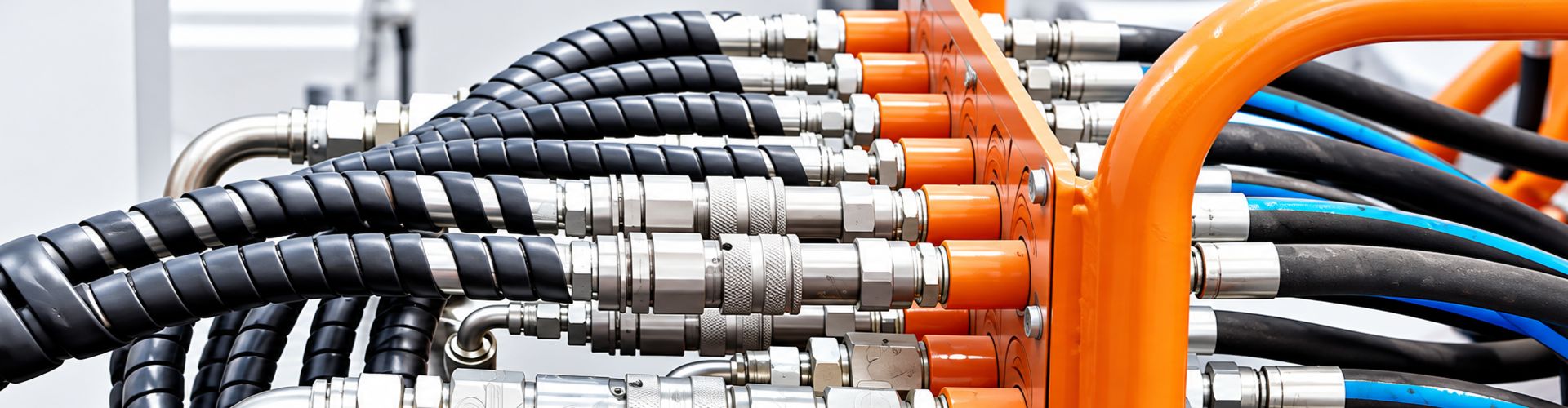
The quick disconnect fittings definition refers to a specialized category of connectors designed to allow fast, tool-free joining or separation of fluid lines. In many industrial environments, manual hose changes are slow and lead to significant fluid spills or pressure loss. These delays frustrate operators and reduce overall machine uptime. Utilizing these connectors solves these bottlenecks by providing a secure, push-to-connect interface that maintains system integrity instantly.
Understanding Quick Disconnect Fittings
Basic Concept and Functionality
Quick disconnect fittings, known as quick-release couplings, are connectors designed to swiftly and effortlessly join or separate fluid or gas lines. These fittings allow for a secure, leak-proof connection that can be made or broken without requiring specialized tools, thereby streamlining maintenance and operational processes.
How Do They Work?
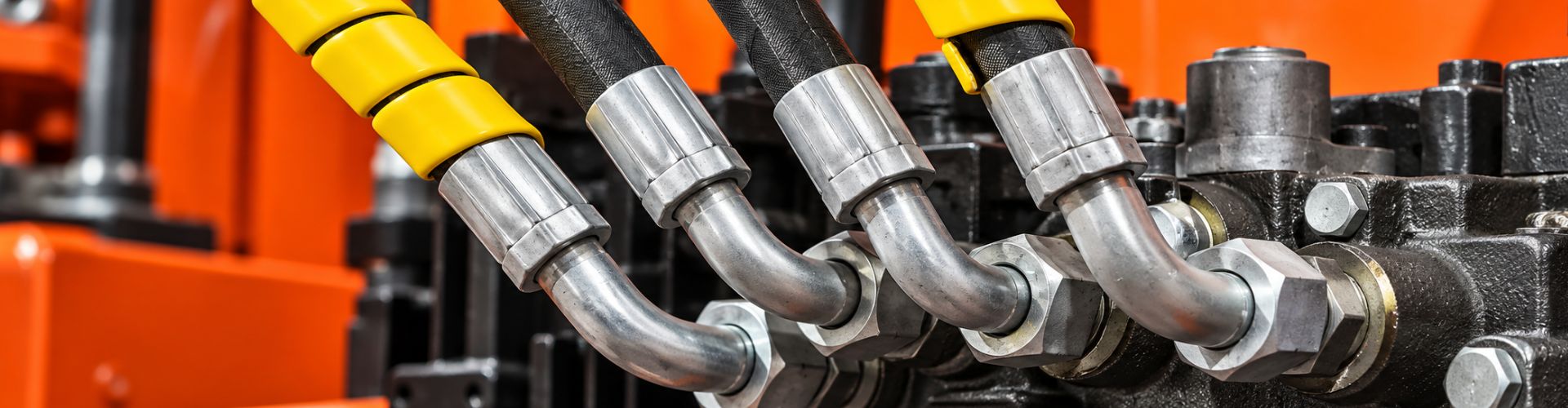
Quick disconnect fittings typically consist of two main components: a male end (often referred to as a plug or nipple) and a female end (commonly called a socket or coupler). When connected, these components create a tight seal that prevents leaks. To disconnect, a simple action such as pressing a button, turning a collar, or twisting a lever disengages the connection, allowing the lines to be separated quickly and safely.
Types of Quick Disconnect Fittings
Type | Connection Method | Key Advantage | Typical Use Case |
Push-to-Connect | Push tube/hose into fitting | Fast connection, no tools needed | Frequent connect & disconnect systems |
Threaded | Screw threads to tighten connection | Strong seal, suitable for high pressure | High-pressure hydraulic applications |
Cam-Lock | Lock/unlock using cam arms | Quick and secure operation | Fluid transfer, industrial hose systems |
Bayonet | Align and twist to lock | Vibration-resistant connection | Equipment with movement or vibration |
Materials Used in Manufacturing
Metals
Metal quick disconnect fittings, made from materials such as brass, stainless steel, and aluminum, offer high durability, strength, and corrosion resistance. They are often used in demanding environments where robustness is critical.
Plastics
Plastic quick disconnect fittings, including those made from nylon and polypropylene, are lightweight, corrosion-resistant, and suitable for less demanding applications. They are often used in industries where chemical resistance is important.
Composite Materials
Composite quick disconnect fittings combine the benefits of both metal and plastic, providing a balance of strength, durability, and lightweight properties. These are used in specialized applications where both performance and weight reduction are important.
Selection Criteria for Quick Disconnect Fittings
Selecting the right quick disconnect fittings for your application is crucial to ensure optimal performance, safety, and longevity of your system. Here are the key factors to consider:
Factor | What to Check | Key Risk if Ignored | Recommendation |
System Compatibility | Fluid/gas type, fitting size, connection type, environment (UV, chemicals, weather) | Leakage, mismatch, short lifespan | Match fitting specs with system design |
Pressure & Temperature Ratings | Max working pressure, operating temperature range | Burst failure, seal damage, safety risk | Choose fittings above system limits |
Material Compatibility | Material vs fluid (corrosion, chemical reaction), environment exposure | Corrosion, degradation, wear | Select brass, stainless steel, or plastic based on use |
Installation & Maintenance | Tool requirement, connection method, ease of service | Downtime, slow maintenance | Use quick-connect, self-sealing designs |
Installation and Maintenance Guidelines
Proper Installation Procedures
Preparing the Connection Points
Before installing quick disconnect fittings, it’s essential to prepare the connection points to ensure a secure and leak-free connection. Start by cleaning the ends of the hoses or pipes to remove any dirt, debris, or contaminants that could compromise the seal. Inspect the connection points for any damage or irregularities, and repair or replace them if necessary. Ensuring that the surfaces are smooth and free of obstructions will help achieve a proper seal and prevent leaks.
Ensuring Correct Alignment
Correct alignment is crucial for the proper functioning of quick disconnect fittings. Align the male and female ends of the fittings accurately before attempting to connect them. Misalignment can lead to cross-threading, improper sealing, or damage to the fittings. For push-to-connect and cam-lock fittings, ensure that the connection is straight and that the fittings are fully engaged. For threaded fittings, carefully align the threads and turn the fitting gently to engage the threads correctly. Avoid using excessive force, which can cause damage and affect the integrity of the connection.
Securing the Fittings
Once the fittings are properly aligned, secure them according to the manufacturer’s instructions. For push-to-connect fittings, push the hose or pipe into the fitting until it locks into place. Listen for a click or feel for a positive engagement to ensure the connection is secure. For threaded fittings, hand-tighten the fitting, and then use a wrench to apply the recommended torque, avoiding overtightening, which can damage the threads. For cam-lock fittings, lower the cam arms to lock the fitting into place securely. Verify that all connections are tight and leak-free before putting the system into operation.
Maintenance Best Practices
Regular Inspections
Regular inspections are essential to ensure the ongoing reliability and safety of quick disconnect fittings. Periodically check the fittings for signs of wear, damage, or corrosion. Look for leaks, cracks, or deformations that could indicate a compromised connection. Pay special attention to high-stress areas and fittings exposed to harsh environments. Document the inspection results and take corrective actions as needed to address any issues promptly.
Cleaning and Lubrication
Proper cleaning and lubrication can extend the life of quick disconnect fittings and maintain their performance. Clean the fittings regularly to remove dirt, debris, and residues that can cause wear or affect the seal. Use appropriate cleaning agents that are compatible with the fitting materials and the fluids being transferred. Lubricate the fittings according to the manufacturer’s recommendations, using compatible lubricants to ensure smooth operation and prevent corrosion. Avoid over-lubrication, which can attract dirt and cause clogging.
Replacing Worn or Damaged Parts
Timely replacement of worn or damaged parts is crucial to prevent failures and maintain system integrity. During inspections, identify any components that show signs of wear, damage, or corrosion, and replace them immediately. Keep spare parts on hand to minimize downtime and ensure quick repairs. Follow the manufacturer’s guidelines for replacing parts, and use only genuine or compatible replacement components to maintain the fittings’ performance and reliability.
By following these installation and maintenance guidelines, you can ensure that your quick disconnect fittings operate efficiently, safely, and reliably, minimizing downtime and extending the life of your fluid or gas transfer system. Proper installation procedures and regular maintenance practices are key to achieving optimal performance and preventing potential issues.
Common Issues and Troubleshooting
Identifying and Fixing Leaks
Identifying Leaks
Leaks in quick disconnect fittings can cause significant issues, including system inefficiencies, environmental hazards, and safety risks. To identify leaks:
Visual Inspection: Look for visible signs of fluid or gas escaping from the connection points.
Pressure Testing: Conduct pressure tests to detect leaks that may not be immediately visible. Monitor pressure gauges for any unexpected drops.
Use of Leak Detection Solutions: Apply a leak detection solution or soapy water around the fittings. Bubbles forming indicate a leak.
Fixing Leaks
Once a leak is identified, take the following steps to fix it:
Tightening the Connection: Ensure the fittings are properly tightened according to the manufacturer’s specifications. Avoid over-tightening, which can damage the fittings.
Replacing Seals or O-rings: If the leak is due to a damaged or worn seal or O-ring, replace it with a new one that is compatible with the fitting and the fluid or gas being transferred.
Reconnecting the Fittings: If the leak persists, disconnect and reconnect the fittings, ensuring correct alignment and secure engagement.
Inspecting for Damage: Check for any damage to the fittings themselves. If the fittings are cracked or deformed, replace them immediately.
Addressing Connection Failures
Causes of Connection Failures
Connection failures in quick disconnect fittings can occur due to various reasons, including:
Improper Installation: Incorrect alignment or insufficient tightening during installation can lead to connection failures.
Wear and Tear: Regular use can cause wear and tear on the fittings, leading to failures over time.
Material Incompatibility: Using fittings made from materials that are incompatible with the fluid or gas being transferred can cause degradation and failure.
Fixing Connection Failures
Reinstalling the Fittings: Ensure proper alignment and secure tightening during reinstallation. Follow the manufacturer’s guidelines for torque specifications.
Replacing Worn Components: Regularly inspect and replace components that show signs of wear and tear, such as seals, O-rings, and gaskets.
Using Compatible Materials: Ensure that the fittings and all components are made from materials compatible with the system’s fluids or gases and operating conditions.
Preventing and Managing Corrosion
Category | Cause / Action | What Happens / What to Do | Recommendation |
Causes of Corrosion | Environmental Factors | Moisture, chemicals, temperature cause rust | Control exposure, protect fittings |
Material Choice | Non-resistant material corrodes faster | Select corrosion-resistant materials | |
Preventing Corrosion
| Selecting Right Materials | Use stainless steel or high-grade plastics | Match material to environment |
Protective Coatings | Coating adds barrier against corrosion | Use plating or surface treatment | |
Regular Maintenance | Dirt and chemicals accelerate corrosion | Clean and inspect regularly | |
Managing Corrosion | Cleaning Affected Areas | Remove rust without damaging surface | Use suitable cleaning agents |
Replace Corroded Components | Severely damaged parts may fail | Replace before leakage or breakage | |
Environmental Control | Reduce humidity or chemical exposure | Use enclosures or controlled storage |
Conclusion
Quick disconnect fittings are essential components in modern fluid and gas transfer systems, providing speed, efficiency, and enhanced safety across various industries. These fittings are crucial for improving operational efficiency, reducing downtime, and ensuring reliable connections in systems ranging from hydraulics and pneumatics to medical devices and agricultural equipment. By choosing the right fittings and adhering to proper installation and maintenance practices, you can maximize the performance and longevity of your systems.
FAQ
Quick disconnect fittings are connectors designed to quickly and easily join or separate fluid or gas lines without the need for tools.
The main types include push-to-connect, threaded, cam-lock, and bayonet fittings.
They are typically made from metals (such as brass, stainless steel, and aluminum), plastics (like nylon and polypropylene), and composite materials.
Benefits include speed and efficiency in connections, enhanced safety, versatility, flexibility, and cost-effectiveness.
Installation involves preparing the connection points, ensuring correct alignment, and securing the fittings according to the manufacturer’s guidelines.
Regular inspections, cleaning, lubrication, and timely replacement of worn or damaged parts are essential for maintaining quick disconnect fittings.
Contact Topa
Have a question or suggestion? Fill out the form below to get in touch with one of our experts.