Choosing between these components depends on whether your system requires a high-surface-area seal for low-pressure gases or a low-torque, versatile solution for high-pressure liquids. Imagine you are designing a high-stakes industrial line where even a minor leak could lead to catastrophic downtime or safety risks. You face the constant frustration of selecting hardware that either wears out too quickly or fails to provide a bubble-tight shutoff when you need it most. By evaluating the specific operational strengths of plug valves vs ball valves, you can secure a reliable, long-term solution for your fluid control challenges.
What Are the Core Design Basics of Plug Valves vs Ball Valves?
The fundamental design of plug valves vs ball valves differs primarily in the shape of the internal closing element, with one using a tapered cylinder and the other a spherical ball. While both utilize a quarter-turn mechanism to manage flow, their internal geometry dictates how they interact with the media. Understanding these structural variations is the first step in optimizing your hydraulic or fluid control setup.

Defining the Conical Plug
A plug valve utilizes a tapered or cylindrical plug that fits tightly within the valve body to create a seal. The plug features one or more hollow passages that allow fluid to travel through when aligned with the pipe.
- High-integrity sealing surface
- Compact body design
- Simple mechanical construction
If you need a valve for low-pressure gas lines, the plug design is often preferred for its tight shutoff. The rectangular port shape provides a different flow characteristic than the circular bore found in other models.
Understanding the Rotating Sphere
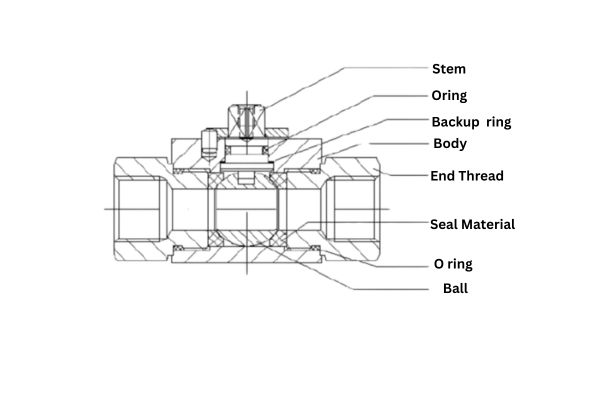
A ball valve employs a spherical disc with a hole bored through its center to control flow. When the ball is turned 90 degrees, the hole either aligns with the flow path or is blocked by the valve body.
- Low friction during operation
- Excellent for high-speed actuation
- Wide availability of materials
This design is highly scalable and can be found in sizes ranging from tiny instrumentation fittings to massive pipeline controllers. Because the ball only contacts the seats, it requires much less force to turn than a solid plug.
Selecting the right core design ensures that your internal components match the physical space and flow requirements of your machinery.
| Component | Plug Valve Design | Ball Valve Design |
| Shape | Tapered or Cylindrical | Spherical |
| Movement | 90-Degree Rotation | 90-Degree Rotation |
| Flow Path | Rectangular Port | Circular Bore |
How Do Sealing Mechanisms Differ for Plug Valves vs Ball Valves?
Sealing performance in plug valves vs ball valves is determined by the amount of surface area contact between the closing element and the valve body. In a plug valve, the entire surface of the plug can act as a seal, whereas ball valves rely on dedicated ring-shaped seats. This distinction impacts how each valve handles different types of media density.
Surface Area Contact Comparison
Plug valves provide a much larger sealing surface, making them exceptionally good at preventing leaks in applications involving thin gases. This large contact area ensures that even if the valve body experiences slight thermal expansion, the seal remains intact.
- Plug valves offer “bubble-tight” shutoff
- Ball valves utilize concentrated seat pressure
- Ball valves are less prone to sticking
However, the increased contact in a plug valve means more friction. You must decide if the trade-off for a superior seal is worth the extra effort required to turn the handle.
Understanding how these parts seal under pressure allows you to prevent environmental leaks and maintain system integrity.
| Sealing Factor | Plug Valve | Ball Valve |
| Contact Area | High (Full Plug Surface) | Low (Seat Rings Only) |
| Leak Prevention | Excellent for Gas | Good for Liquid |
| Seat Material | Often Metal-to-Metal | Often PTFE or Elastomers |
Why Is Torque a Critical Factor for Plug Valves vs Ball Valves?
Operating torque in plug valves vs ball valves is a major consideration because it dictates the size and cost of the actuators you will need to purchase. Because plug valves have more surface area contact, they naturally require significantly more force to open and close than ball valves. This can lead to increased costs if you are automating your system with pneumatic or electric motors.
Operating Force and Actuator Compatibility
Ball valves are favored in automated systems because their low-torque requirement allows for smaller, more affordable actuators. The spherical shape minimizes friction against the seats, allowing for smooth, rapid cycles.
- Ball valves reduce actuator wear
- Plug valves may require heavy-duty gear operators
- High torque leads to higher energy consumption
Now, consider that if you choose a plug valve for a large pipe, you might need a much larger motor than you originally anticipated. This could blow your budget and require more space in your facility.
Managing torque requirements effectively reduces the total cost of ownership for your automated fluid systems.
Can Plug Valves vs Ball Valves Handle Slurries More Effectively?
When dealing with slurries, mud, or sewage, plug valves vs ball valves perform differently based on how their internal cavities collect debris. Plug valves are generally considered superior for heavy slurries because they do not have the internal gaps where solids can settle and harden. A ball valve has a small space between the ball and the body that can trap particles, leading to internal damage over time.
Managing Solids and Debris
The “sweeping” motion of a plug valve helps clear the sealing surface of any built-up solids every time it is operated. This self-cleaning action makes it a favorite in the wastewater and mining industries.
- Plug valves resist clogging from solids
- Ball valves may suffer from “dead space” accumulation
- Full-port designs minimize pressure drops
If your media contains abrasive sand or thick sludge, the plug valve is your best bet for avoiding a seized valve. The solid plug simply pushes the debris out of the way rather than letting it get stuck in a cavity.
Choosing a valve that can handle particulate matter prevents frequent clogs and unexpected system shutdowns.
What Are the Maintenance Requirements for Plug Valves vs Ball Valves?
The maintenance protocols for plug valves vs ball valves vary significantly, with one requiring regular lubrication and the other often being a “replace-on-failure” component. Plug valves are designed for longevity through servicing, whereas standard ball valves are frequently discarded once the internal seats wear out. Knowing which maintenance path fits your team’s capabilities is essential for operational planning.
Lubrication and Part Replacement
Lubricated plug valves feature a chamber that allows you to inject sealant or grease to maintain the seal and reduce friction. This makes them highly durable in harsh environments but requires a disciplined maintenance schedule.
- Lubricated plugs require regular greasing
- Non-lubricated plugs use replaceable sleeves
- 3-piece ball valves offer the best serviceability
Most standard ball valves are not designed to be repaired. If the internal ball gets scratched, you usually have to replace the entire unit unless you have invested in a high-end 3-piece model.
Establishing a clear maintenance routine ensures that your valves remain functional for their intended lifespan without sudden failures.
Why Is Service Life Different Between Plug Valves vs Ball Valves?
The expected lifespan of plug valves vs ball valves depends on the wear patterns created by the movement of the internal parts. Because plug valves have a larger contact area, they can experience more friction-related wear, but they are also more robust against corrosion. Ball valves offer a long service life in clean fluids but can fail quickly if the small seating area is compromised by heat or chemicals.

Wear Patterns and Component Longevity
In a ball valve, the seats bear the brunt of the pressure and friction, which can lead to “compression set” or tearing over time. Once the seat is damaged, the valve will leak, regardless of how good the ball looks.
- Plug valves resist “wire drawing” erosion
- Ball valves offer millions of cycles in clean air
- Material choice impacts longevity for both
If you are running a high-cycle application where the valve opens and closes every few minutes, the ball valve is the champion of longevity. Its low-friction movement preserves the internal components through thousands of operations.
Selecting a valve with wear characteristics that match your cycle frequency maximizes the time between overhauls.
Can Plug Valves vs Ball Valves Support High-Pressure Systems?
Pressure ratings for plug valves vs ball valves generally favor ball valves for extreme high-pressure hydraulic applications. While plug valves are excellent for low-to-mid pressure, the high torque required to turn them becomes unmanageable as system pressure increases. Ball valves, especially trunnion-mounted designs, are engineered specifically to handle thousands of pounds of pressure without seizing.
Pressure Ratings and Tolerance
Modern hydraulic systems often exceed 3,000 PSI, a range where the balanced design of a ball valve excels. The ball can be supported by trunnions to prevent it from being pushed into the seats too forcefully.
- Ball valves handle extreme PSI better
- Plug valves are ideal for vacuum service
- Trunnion designs reduce operating force
If your system is operating at the limits of standard hardware, you need the mechanical advantage that a ball valve provides. It ensures that your operators can still manually shut off the flow in an emergency.
Ensuring your valves are rated for your system’s maximum pressure is the most critical safety step you can take.
What Are the Best Use Cases for Plug Valves vs Ball Valves?
Identifying the ideal environment for plug valves vs ball valves allows you to standardize your inventory and simplify training for your maintenance staff. Plug valves are the kings of the oil field and wastewater plants where “dirty” fluids are the norm. Ball valves are the standard for chemical processing, food and beverage, and general industrial hydraulics due to their cleanliness and speed.
Industrial Applications and Environment
In a sanitary environment like a brewery or pharmaceutical lab, ball valves are preferred because they can be polished to a high finish and easily cleaned. Plug valves are rarely used here because the large surface area and lubricants can contaminate the product.
- Use plug valves for mud and sewage
- Use ball valves for gas and clean liquids
- Plug valves are best for hazardous chemical shutoff
If you are unsure, look at what the industry standard is for your specific niche. Most hydraulic systems will almost always utilize ball valves or specialized hydraulic fittings for their superior pressure handling.
Standardizing your valve selection based on industry-proven use cases reduces errors during installation and repair.
| Industry Sector | Preferred Valve Type | Reasoning |
| Wastewater | Plug Valve | Slurry management |
| Oil & Gas | Both | Application dependent |
| Food & Bev | Ball Valve | Sanitary design |
How Should You Finalize Selecting Plug Valves vs Ball Valves?
To make the final decision between plug valves vs ball valves, you must weigh your need for seal integrity against your requirements for automation and torque. Start by defining your media—is it a clean gas, a thick slurry, or a high-pressure hydraulic fluid? Once you have the media defined, look at your budget for actuation and your team’s ability to perform regular maintenance.
Evaluating Your Specific System Needs
Every system is unique, and sometimes the best choice is a hybrid approach using different valves for different stages of the process. You should never choose a valve based on price alone; the cost of a single failure far outweighs the initial savings.
- Confirm pressure and temperature ratings
- Decide on manual vs. automated control
- Check for chemical compatibility
The goal is a system that you don’t have to think about. A well-chosen valve operates silently and reliably in the background, allowing you to focus on your primary production goals.
Taking the time to perform a final review of your specifications prevents costly retrofitting after the system is built.
| Final Checklist | Plug Valve Choice | Ball Valve Choice |
| Slurry present? | Yes | No |
| High automation? | No | Yes |
| Tightest gas seal? | Yes | No |
Conclusion
Selecting the right hardware for your system doesn’t have to be a guessing game that ends in leaks or mechanical failure. We understand that the pressure to maintain uptime while managing costs is a heavy burden for any engineer or facility manager. Our team provides high-quality hydraulic components that bridge the gap between performance and durability, ensuring your lines stay open and your seals stay tight. If you need expert guidance on which components will best serve your specific environment, contact us today to discuss your requirements and find the perfect fit for your operation.
FAQ
Can I use plug valves for throttling?
No, you generally should not use them for this purpose because they are designed for on/off service. Partial opening can cause the high-velocity media to erode the plug or the body, leading to a permanent leak.
What’s the best choice for high-pressure hydraulic systems?
Ball valves are the superior choice here due to their ability to handle extreme PSI with relatively low torque. They are much easier to actuate under pressure and are the standard in the hydraulic industry.
How do I know if my system needs a lubricated plug valve?
You should choose this option if you are working with large-diameter pipes or high-temperature media where friction would make a non-lubricated valve impossible to turn. The lubrication also provides an extra layer of protection against corrosive chemicals.
Can I automate a plug valve?
Yes, it is possible, but it is often more expensive than automating a ball valve. Because the torque requirements are so much higher, you will need a significantly larger and more powerful actuator to get the job done.
How do I know if a ball valve is leaking internally?
You will notice a pressure drop downstream even when the valve is in the fully closed position. This is usually a sign that the seats have been compromised by debris or have reached the end of their service life.