
Hydraulic Plugs Manufacturer in China

❖ Multiple Thread and Sealing Standards
❖ Steel and Stainless-Steel Options
❖ Drawing and Sample-Based Specification Review
❖ SKU Identification for Repeat Orders

Compatible Hydraulic Plugs Factory in China

Hydraulic sealing plugs and caps are designed to close compatible hydraulic ports or fitting ends according to a defined thread and sealing interface. They should be distinguished from temporary plastic or metal protective caps used only during machining, painting, transport, or storage. A protective cap should not be treated as a pressure-rated closure unless its design and rating have been verified.

NPT Plugs

NPT plugs use tapered pipe threads to close compatible female ports and are available with external-hex or internal-hex heads for different installation requirements.

ORFS Plugs

ORFS plugs use an O-ring face-seal interface to close compatible ORFS ports, with the thread size, sealing face, and O-ring material selected for the specified connection.

JIC Plugs

JIC hydraulic plugs close compatible 37° flare connections through the specified flare-seat interface and are available in multiple thread sizes and head configurations.

Metric Plug

Metric male plugs are available with different thread series and sealing designs, including metric cone-seat, bonded-seal, and O-ring configurations for compatible hydraulic ports.

BSP Plug

BSP hydraulic plugs are supplied in BSPP and BSPT configurations, with sealing achieved by the specified cone, washer, O-ring, or tapered-thread interface.

SAEORB Plug

SAE hydraulic plugs close compatible SAE ports, including O-ring boss configurations that use an O-ring at the port interface as the primary seal.

hydraulic flange plugs

Hydraulic Flange Plugs

Hydraulic flange plugs close compatible flange ports or connection openings during approved pressure, assembly, testing, storage, or transport operations.

Hydraulic Plugs Video

This video presents selected hydraulic plugs and caps for closing or protecting hydraulic ports, fitting ends, tubes, and hose connections. Available configurations include male plugs, female caps, hex-head plugs, internal-hex plugs, ORFS plugs, JIC caps and plugs, BSP and NPT pipe plugs, metric plugs, and SAE O-ring boss plugs.

Before quotation, the thread standard, nominal size, sealing method, material, surface finish, pressure requirement, quantity by SKU, and application must be confirmed. For distributor replenishment, OEM programs, and recurring purchasing, multiple part numbers can be reviewed together to establish consistent product identification, inspection, and packaging requirements.

The products that we offer are reliable. Products of popular sizes are carried in stock for immediate delivery, and customized sizes can also be designed, quoted, and shipped quickly according to your needs. To know more details, click on the video below.

Application

Hydraulic plugs play an important role in protecting hydraulic systems from the penetration of moisture, dirt, damage, and corrosion during production, transport, storage, and shipping. All harmful factors could lead to the failure of a hydraulic system. Hydraulic plugs should be used in crucial processes such as manufacturing, painting, and coating. They must protect all types of intruders from entering hydraulic systems through components.

Wholesale hydraulic plugs fitting in china Transportation

Transportation

Hydraulic plugs and caps fitting are widely used in Transportation. Medium and heavy duty applications for trucks, buses, engines and chassis.Hydraulic hose plugs seal and protect the ends of hydraulic hose fittings from damage while in storage or during transport.

hydraulic plugs and caps mining application

Mining

Topa provide superior quality and reliability in hydraulic plugs and caps for the mining system.These accessories have a male-threaded end that connects to the female-threaded end of compatible hydraulic components to keep out moisture, dirt, and other contaminants.

hydraulic plugs and caps china manufacturer agriculture

Agriculture

Topa offers high quality hydraulic plugs and cap. They can used in agriculture ,and prevent dirt ,ash out of hydraulic system.Hydraulic hose plugs seal and protect the ends of hydraulic hose fittings from damage while in storage or during transport.

Hydraulic Plug and Cap Configurations

Hex Head Hydraulic Plug

Hex Head Hydraulic Plug

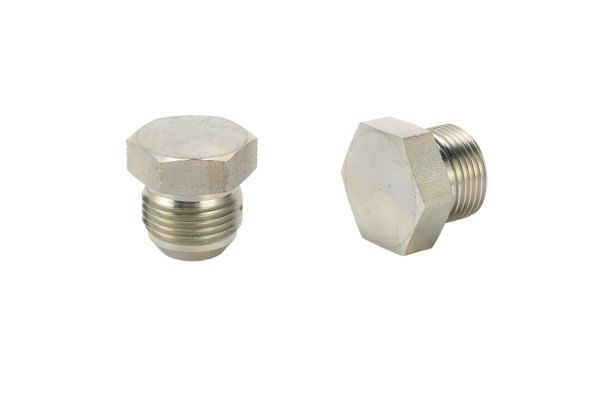
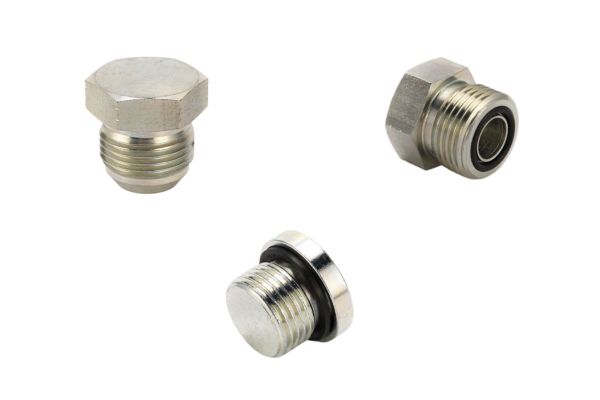
The hex head hydraulic plug is one of the most common types, with the following appearance features:

Hexagonal Head: The most noticeable feature is its hexagonal head, which allows easy installation and removal using a wrench or socket.

Threaded Section: Below the head is the threaded portion, designed to connect with the hydraulic system’s interface.

Sealing Surface: Between the threads and the head, there is typically a sealing surface, which could be flat, tapered, or designed with an O-ring groove.

Material Appearance: Typically made from stainless steel, carbon steel, brass, or aluminum alloy, with surface coatings (such as galvanization, nickel plating, or chrome plating) to enhance corrosion resistance.

Size Markings: Many hex head plugs feature size, pressure rating, or manufacturer markings, typically engraved on the flat surface of the hex head.

Round Head Hydraulic Plug

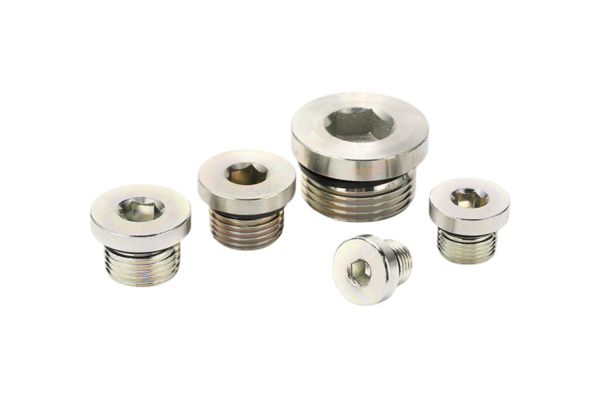
The round head hydraulic plug (also known as a cylindrical or flat head plug) features the following appearance characteristics:

Cylindrical Head: The head is cylindrical, with the top typically flat.

Tool Slot: The head usually features internal hex slots, cross slots, or slotted grooves for installation and removal.

Subtle Design: Compared to the hex head, the round head design is smoother and doesn’t protrude, making it ideal for applications with limited space or those requiring aesthetic appeal.

Sealing Surface: Like the hex head plug, it includes a sealing surface for effective sealing.

Material and Surface Treatment: Made from similar materials to hex head plugs, with a variety of surface treatments available.

round head plug
Hydraulic Caps Design

Hydraulic Caps

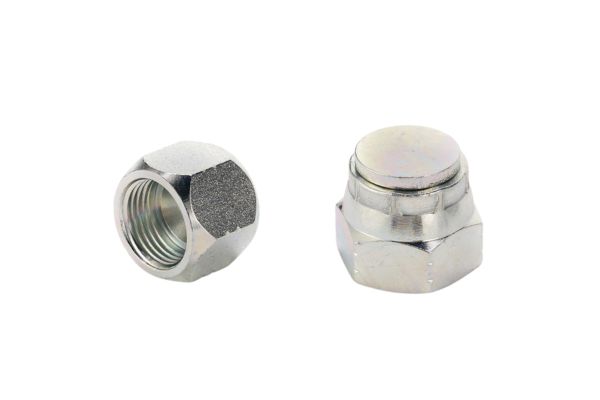
Hydraulic caps are used to cover and protect the external ports of hydraulic systems, with the following features:

Internal Thread Design: Most hydraulic caps feature internal threads for connection to the external threaded ports of the system.

External Shape: They may come in hexagonal, round, or other shapes, depending on the installation and removal method.

Sealing Elements: Internally, they typically contain sealing elements such as O-rings or gaskets to ensure a complete seal.

Protective Features: The external design is often intended to offer dustproof, dirtproof, and impact-resistant protection.

Material and Surface Treatment: Like hydraulic plugs, hydraulic caps are made from various metal materials, with different surface treatments available to suit specific application needs.

Selection and Sealing Considerations

A hydraulic plug is a crucial component used to seal hydraulic pipelines or interfaces. It acts as a barrier to prevent hydraulic fluid from leaking out of the system, while also preventing contaminants from entering the system. Hydraulic plugs are typically designed to withstand high pressure, ensuring they maintain sealing performance even under harsh operating conditions.

Hydraulic cap and plug Sealing

Sealing

Metal-to-Metal Sealing

Tapered Thread Sealing: Threads such as NPT (National Pipe Thread) and BSPT (British Standard Tapered Pipe Thread) rely on the taper of the threads to create a seal. When tightened, the interference between the outer and inner tapered threads gradually increases, forming a metal-to-metal seal.

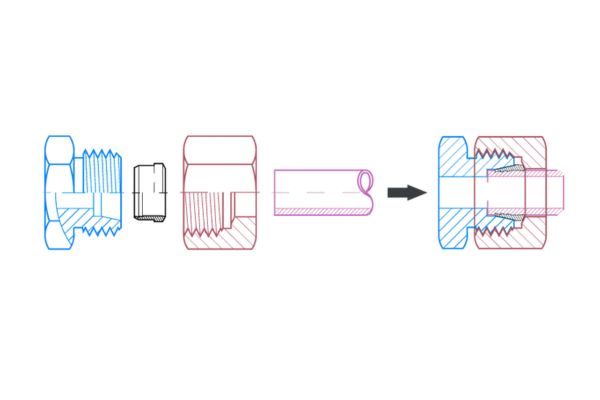
Tapered Sealing Surface: Connectors like the JIC 37° fitting use a tapered sealing surface to make contact with the corresponding tapered seat, forming a line contact seal.

Auxiliary Sealing Element Sealing

O-Ring Sealing: For connectors like SAE straight thread fittings (ORB), an O-ring is used as the primary sealing element. When tightened, the O-ring is compressed in a specially designed groove, forming a reliable seal.

Washer Sealing: Some designs use washers made of copper, aluminum, or other materials to create a seal between two metal surfaces.

Pressure Withstanding Principle

Thread Strength: The geometry of the threads and the material strength determine the maximum pressure the fitting can withstand.

Wall Thickness Design: The wall thickness of the plug is designed with the anticipated working pressure and safety factor in mind.

Material Selection: Different metals have varying strengths and pressure resistance capabilities, so selecting the appropriate material is crucial for specific pressure requirements.

Stress Distribution: A good design ensures that the stress generated by pressure is evenly distributed, avoiding stress concentration points.

Hydraulic plug working principle
Hydraulic plug Design

Size and Shape

Hydraulic plugs come in various sizes and shapes to fit different hydraulic pipelines, hoses, and tubes:

Thread Size: The thread size of the hydraulic plug should match the thread size of the hydraulic pipeline, hose, or tube it is meant to seal. Selecting an incorrect thread size can lead to looseness or improper fit, resulting in fluid leakage and system failure.

Inner Diameter: To ensure a tight fit, the inner diameter of the hydraulic plug should correspond to the outer diameter of the hydraulic pipeline, hose, or tube.

Shape: Hydraulic plugs come in various shapes, including round, square, and rectangular. The shape should match the hydraulic pipeline, hose, or tube shape to ensure proper fit and effective sealing.

Temperature Range

Hydraulic plugs must maintain their sealing performance within the operating temperature range of the system:

Most standard hydraulic plugs have an operating temperature range of -20°C to 120°C.

Special applications may require plugs capable of withstanding more extreme temperatures.

Aluminum plugs are generally not recommended for use above 275°F (approximately 135°C).

4O SAE hydraulic plug fitting Topa

Save Time and Money with Topa!

Don’t wait for the competition—receive high-quality hydraulic adapters that save you both time and money. Get in touch now to receive a special offer.

Avoid Common Pitfalls

Choosing Based Solely on Price

Common Mistakes:

Choosing the cheapest product while ignoring quality.

Failing to consider the system failures and downtime costs caused by low-quality products.

Overlooking the importance of after-sales service and technical support.

How Topa Helps:

Topa focuses on providing reliable, high-quality products at competitive prices. We ensure that our products meet stringent quality control standards, helping you avoid unnecessary downtime. Our technical support and after-sales service are designed to ensure long-term operational efficiency.

Inappropriate Seal Design Selection

Common Mistakes:

Choosing an unsuitable seal type for the application (e.g., using a standard O-ring in high-temperature applications).

Ignoring the compatibility of sealing materials with system fluids.

Not considering the impact of system vibrations on seal performance.

How Topa Helps:

Topa offers a wide range of sealing solutions tailored to different operational conditions, including high-pressure, high-temperature, and vibrating environments. Our sealing designs ensure durability and compatibility with various fluids, ensuring optimal system performance.

Unclear Technical Specifications

Common Mistakes:

Specifications in purchase orders are incomplete or inaccurate.

Lack of technical personnel involvement in the procurement decision.

Using non-standardized product codes or descriptions.

How Topa Helps:

Topa ensures clear and precise product specifications in every transaction. Our team of experienced engineers collaborates closely with procurement to provide standardized product descriptions and ensure technical accuracy. We also offer product drawings and samples for your evaluation.

Lack of Long-Term Procurement Strategy

Common Mistakes:

Making procurement decisions on a case-by-case basis without long-term planning.

Failing to establish strategic partnerships with key suppliers.

Neglecting market price and supply trend analysis.

How Topa Helps:

Topa helps you streamline procurement by offering long-term partnerships, stable pricing, and reliable supply chains. We regularly analyze market trends to offer competitive pricing and ensure that our products meet evolving industry needs. We are committed to being a strategic partner in your supply chain management.

Why Choose Us

Established Production Experience

Established in 2007, Topa supports hydraulic fitting, plug, cap, adapter, and hose-connection purchasing for distributors, OEM programs, and industrial supply requirements.

Machining Capacity

Production resources include 18 automated CNC machines and 80 CNC machines for selected hydraulic components, supported by a team of more than 50 personnel.

Multi-SKU Product Supply

More than 1,000 hydraulic product options support combined purchasing across plugs, caps, adapters, hose fittings, ferrules, flanges, and related connection components.

Specification Control

Approved drawings, samples, thread standards, sealing structures, materials, finishes, inspection requirements, and packaging instructions can be recorded for qualified production orders.

Repeat-Order Consistency

Part numbers, key dimensions, surface requirements, labels, and packaging specifications can be referenced during future production, subject to order review and change control.

hydraulic plugs manufacturer China Workshop

FAQ

What are hydraulic plugs used for?

Hydraulic plugs are used to close compatible ports and fitting ends on manifolds, valves, pumps, cylinders, adapters, and hydraulic lines. Depending on their design, they may provide pressure sealing or temporary protection during production, testing, storage, and transportation.

What is the difference between a hydraulic plug and a cap?

A hydraulic plug normally has a male connection and closes a female port, while a hydraulic cap usually has a female connection and covers a male fitting end. The exact thread and sealing interface must match the connection being closed.

Which hydraulic plug standards are available?

Common options include JIC 37° flare, ORFS, SAE ORB, NPT, BSPP, BSPT, and metric configurations. The applicable standard, thread size, and sealing method should be confirmed for every part number.

How do NPT, BSPP, and BSPT plugs differ?

NPT and BSPT plugs use different tapered-thread standards and are not automatically interchangeable. BSPP plugs have parallel threads and normally require a defined sealing interface such as a bonded seal, O-ring, or compatible seat.

How should I identify the correct hydraulic plug?

Confirm whether a male plug or female cap is required, then check the connection standard, thread diameter, pitch, sealing surface, head style, key dimensions, material, and mating port. A photograph or thread diameter alone is not sufficient for reliable identification.

What materials are available for hydraulic plugs?

Hydraulic plugs are commonly manufactured from carbon steel, stainless steel, brass, and selected aluminum alloys. Material selection depends on pressure, fluid compatibility, operating temperature, corrosion exposure, and the mating component.

Are all hydraulic plugs suitable for system pressure?

No. Some products are designed only to protect ports during machining, painting, storage, or transportation. A plug should be used as a pressure-retaining closure only when its design, material, dimensions, connection standard, and pressure rating have been verified.

How many types of hydraulic plugs?

Yes. Existing supplier part numbers, drawings, catalogs, samples, and photographs can be used as identification references. Interchangeability should only be approved after checking the thread, sealing interface, dimensions, material, pressure requirement, and mating port.

Can hydraulic plugs be customized?

Selected plugs can be evaluated for production according to confirmed drawings or verified samples. Custom requirements may include dimensions, material, surface finish, head configuration, O-ring material, marking, labels, and packaging.

What information is required for a hydraulic plug quotation?

Please provide the part numbers, plug or cap type, thread standard and size, sealing method, material, finish, working pressure, fluid, temperature, quantity for each SKU, total number of SKUs, packaging requirements, and destination country.

Get More Information About Products

Topa hydraulic plug catalog

Contact Topa

Save 30% on maintenance costs with our easy-install hydraulic fittings. Contact Now!