What Are Hydraulic Fittings?

Introduction

Topa hydraulic fitting kit China supplier

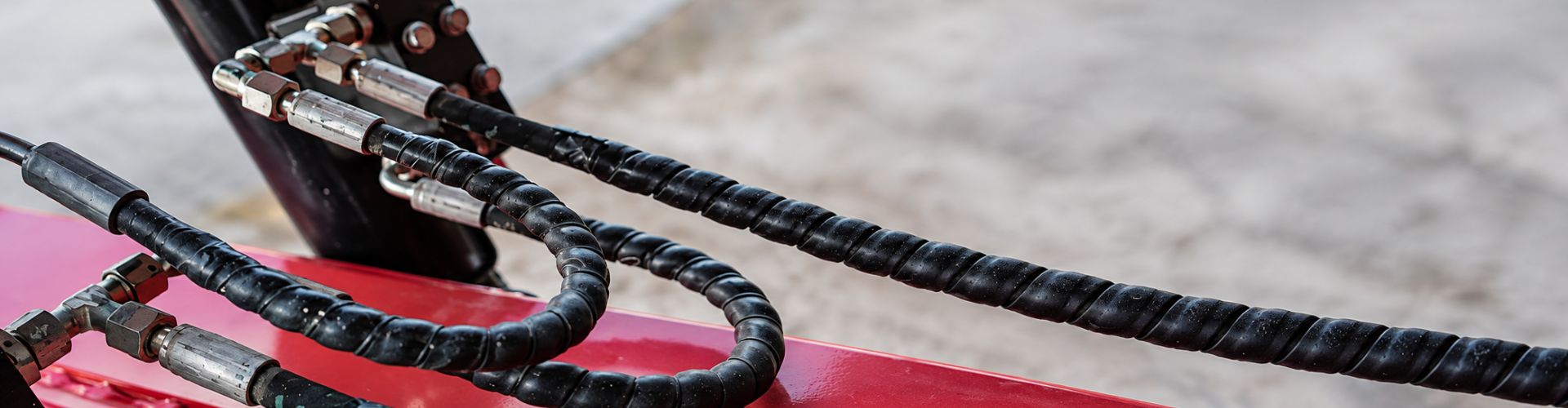
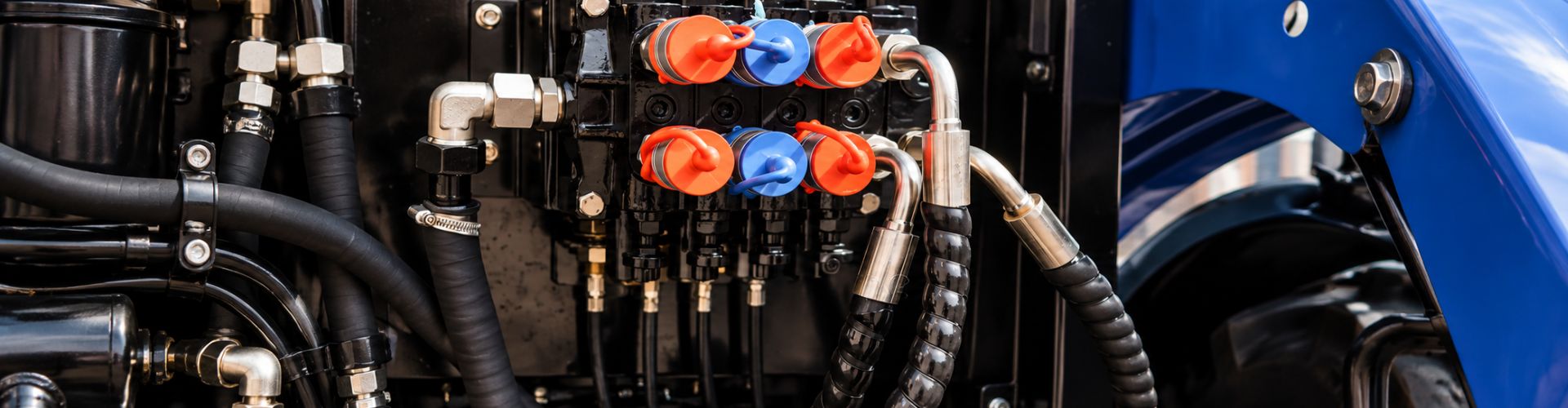
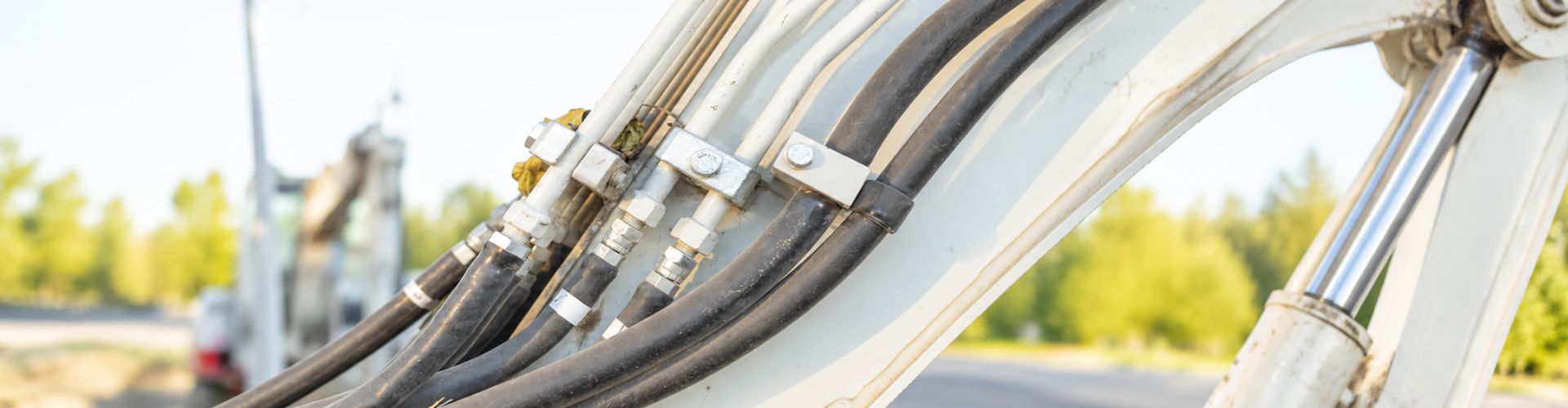
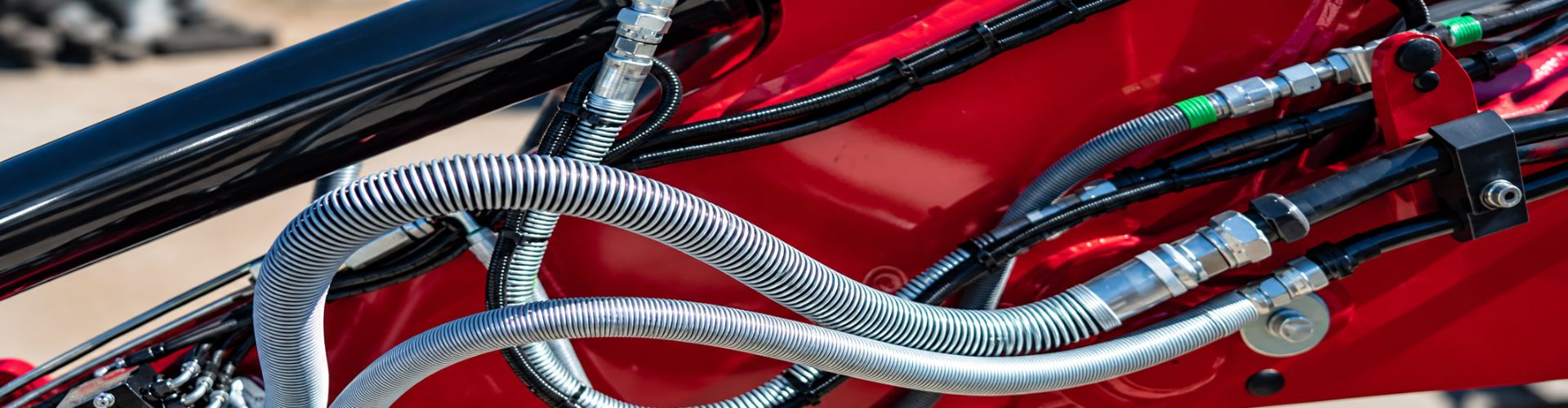
Hydraulic fittings are connection components used to join hoses, tubes, pipes, and other elements within a hydraulic system. Their primary function is to create a secure, leak-free seal that allows the system to operate safely and efficiently. Hydraulic fittings enable hydraulic fluid to flow, branch, or change direction within the circuit. Certain fittings, such as plugs and caps, are also used to close unused ports and prevent fluid leakage or contamination.

Most hydraulic fittings are manufactured from metal to withstand high pressure and demanding operating conditions. Their corrosion resistance, wear resistance, and sealing performance vary depending on the material used. To ensure compatibility and reliability across different systems, the majority of hydraulic fittings are produced in accordance with international standards, making them suitable for a wide range of industrial applications.

All Types of Hydraulic Fittings

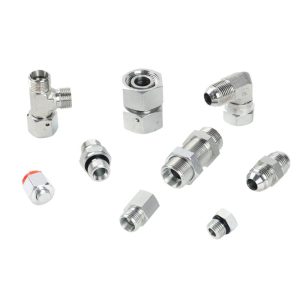
Hydraulic fitting is a collection. There are many sub-categories of hydraulic fittings, which differ in appearance, function, and operating conditions.

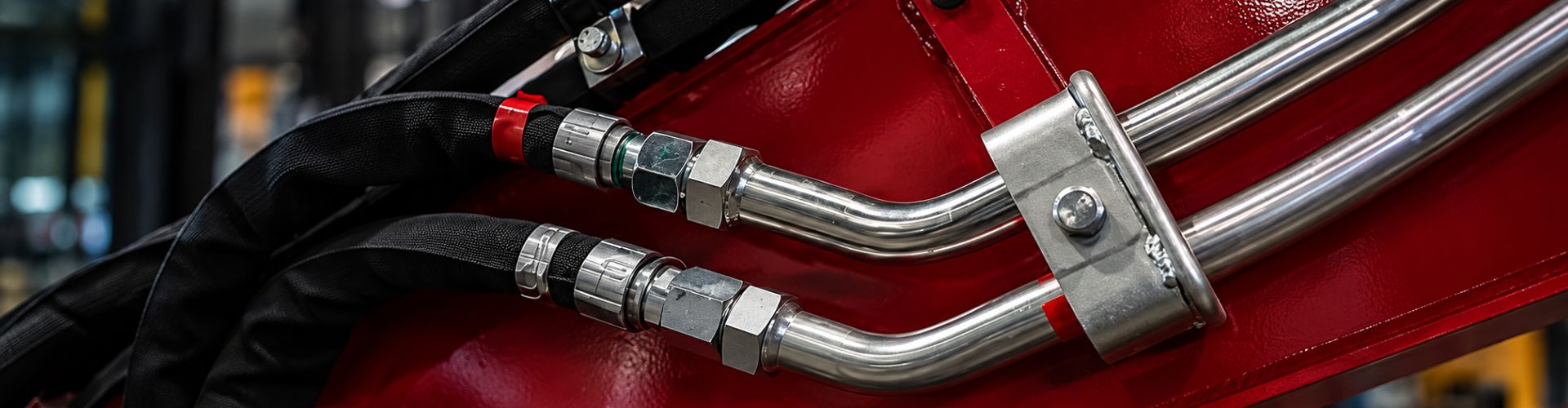
One end of a hydraulic hose fitting is the threaded end and the other end is the hose connection end. The threaded end is divided into a male and a female end, the male end are external threads and can be connected with the female end. The hose end is inserted into the corresponding size of the hose and can be fixed with the help of clamps.

Both ends of the adapter are threaded ports. The hydraulic adapter has male-to-male, male-to-female, and female-to-female types. Both sides of the adapter can be the same threads or different threads.

Tee fitting has three threaded ends and a cross fitting has four threaded ends. Tee and cross fittings are used to divide the fluid into different directions, tee fittings can divide the fluid into two directions and the crosses can divide the fluid into three directions.

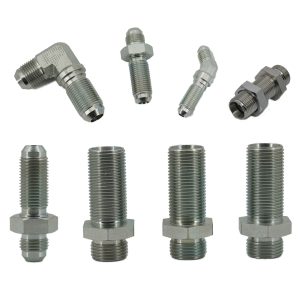
Bulkhead fittings are used to pass through a fixed wall or plate to connect the fitting to other components. They are usually used in bulkheads or tanks.

A reusable (field-attachable) hydraulic fitting has a threaded end on one end, a hose end with a reusable sleeve on the other. These fittings are easy to disassemble and install. And can be removed or installed multiple times.

One-piece fittings are different from reusable fittings because they are one-piece fittings with non-removable sleeves. These fittings are commonly available in the 43 series, 71 series, and HY series.

A plug is a male threaded fitting and a cap is a female threaded fitting. They are both used at the end of a pipe system to stop fluid leakage or contamination.

Flange fittings can be used in high-pressure environments and are bolted together to form a seal. There are two main types of flange fittings: SAE Code 61 and Code 62 series.


The Ferrule is a cylindrical metal fitting used with hydraulic hoses to secure hoses and hose fittings.

Topa can offer different types of hydraulic hose fittings and hydraulic adapters, please contact us!

Hydraulic Fitting Thread Types

Every hydraulic fitting has threads, the most common threads used internationally are as follows:

Threads

Types

JIC(Joint Industrial Council)

Parallel

NPTF(National Pipe Tapered Fuel)

Tapered

NPSM(National Pipe Straight Mechanical)

Tapered

BSPP (British Standard Pipe Parallel)

Parallel

BSPT(British Standard Pipeapered)

Tapered

JIS(Japanese Industrial Standards)

Parallel

Metric/DIN

Tapered/Parallel


JIC

JIC (Joint Industrial Council) is a 37-degree or 74-degree cone flare thread, which is more popular in the U.S. JIC fittings threads are a form of metal-to-metal sealing and do not require additional sealant.

BSP

The BSP (British Standard Pipe)thread is more popular in the UK. It has two types, BSPP(Parallel), which is a straight thread, and BSPT(Tapered), which is a tapered thread. Both of these threads are 60-degree cones.

NPT

The common branches of NPT threads are NPSM(National Pipe Straight Mechanical) and NPTF(National Pipe Tapered Fuel). NPT has a certain taper to create a metal-to-metal seal.

JIS

JIS is the thread type that is used more often in East Asian countries such as Japan. This thread is a 30-degree cone, similar to the BSP thread, but not identical.

Metric/DIN

Metric threads are also known as DIN threads. The standard metric thread is the 24-degree cone and is available in both light and heavy-duty. They are popular all over the world.

ORFS

O-rings seal means fittings have O-rings in the flat grooves, and these fittings are highly resistant to sealing and vibration.

AN

The AN (Army-Navy) thread is a 37-degree flare, similar to the JIC thread, but not exactly the same as other flare threads.

Common Materials of Hydraulic Fittings

In the hydraulic environment, metal fittings are the most common choice. In hydraulic environments, metal hydraulic fittings are the most common.

Depending on the acid or alkaline environment and pressure range, the type of metal fitting varies.

The most common metal types used in hydraulic systems are carbon steel, stainless steel, brass, and aluminum.

Carbon Steel

The most common metal used in hydraulic systems is carbon steel. Carbon steel is made of carbon and steel and can be used in many applications. Carbon steel connectors are less resistant to corrosion but are easy to process, resistant to pressure, and cost-effective.

Stainless Steel

In some ways, stainless steel is the most superior metal. Stainless steel fittings are resistant to corrosion, pressure resistance, and abrasion resistance, durable and strong, but can be relatively expensive. Stainless steel fittings are available in many standards, with 304 and 316 being the most popular choices.

Brass

Brass consists of copper and zinc, which is a special alloy. Brass in general is highly resistant to corrosion and is highly machinable. Brass fittings and tubing are recommended for applications such as automotive, domestic, and industrial.

Aluminum

Aluminum fittings are moderately corrosion-resistant, lightweight, and suitable for low-pressure environments. Aluminum brake fittings are more commonly used in automobiles and aircraft.

ISO: ISO (International Organization for Standardization) is a world-class standard that covers many aspects of hydraulic fitting testing. These standards specify the performance and dimensional requirements for hose fittings, flanges, quick fittings, etc.

SAE: SAE (Society of Automotive Engineers) specifies standards for hydraulic fittings and hydraulic hoses to ensure that these fittings are dimensionally correct and can withstand the appropriate operating pressures. The most common standards for fittings and hoses are SAEJ512, SAEJ516, and SAEJ514.

DIN: DIN (Deutsches Institut für Normung) is a German standard that defines the thread, dimensional, and operational requirements for hydraulic hose fittings, compression fittings, and adapters.

Standard

Full Name

Region

Scope

Typical Applications

ISO

International Organization for Standardization

Global

Defines dimensional, performance, and testing requirements for hydraulic fittings, hoses, flanges, and connectors

Industrial machinery, construction equipment, global OEM systems

SAE

Society of Automotive Engineers

North America

Specifies thread forms, pressure ratings, and design requirements for hydraulic fittings and hoses

Mobile hydraulics, construction machinery, automotive systems

DIN

Deutsches Institut für Normung

Europe (Germany)

Covers metric threads, compression fittings, and hydraulic connection dimensions

Industrial hydraulics, European machinery, factory automation

DOT

Department of Transportation

United States

Regulates fittings used in vehicle braking and safety-critical hydraulic systems

Automotive brake systems, transportation equipment

JIS

Japanese Industrial Standards

Japan / East Asia

Defines thread types and sealing methods used in Japanese hydraulic systems

Agricultural machinery, industrial equipment from Japan

GB / GB/T

Chinese National Standards

China

National standards for hydraulic components, often aligned with ISO

Domestic equipment, export manufacturing

Applications

Hydraulic fittings can be applied in a wide range of applications. As long as there are hydraulic systems in the applications, there is a definite need for hydraulic fittings. Different sizes, materials, and types of fittings are used in different environments. In general, these areas will require the use of fittings:

Agriculture: Tractors, harvesters, and irrigation systems all need hydraulic adapters.

Industry: Hydraulic systems are present in most equipment in industrial applications, so hydraulic fittings are present to keep the system running properly.

Construction: Excavators, bulldozers, and other large machinery and equipment require high-quality hydraulic fittings.

Oil and gas: Transporting and storing oil and gas requires hydraulic fittings that do not create leaks.

Marine: Marine transportation or offshore oil wells require corrosion-resistant, strong-sealing hydraulic fittings.

Transportation: Many industries will need to transport materials, so hydraulic piping can ensure the safe transportation of fluids under pressure.

Automotive: There are specific standard fittings for brake systems and fuel systems in automobiles. These fittings ensure the proper operation of the system.

Topa can offer security service and transportation to all customers, so contact us!

Selecting The Correct Hydraulic Fittings

The hydraulic system can only maintain normal operation if the correct hydraulic fittings are selected. Therefore, the selection of the right hydraulic fittings should be considered from the following aspects:

Size

The right size corresponds to the right installation for the right application.For example, imperial sizes are 1/8′, 3/8′, and 1/2′. Metric sizes are M8*1.0, M10*1.0, and M22*1.5, etc. American sizes are 1/8, 1 1/4, and 2, etc. When selecting a fitting, choose the fitting size carefully.

Hydraulic fittings size chart

No.

02

04

05

06

08

10

12

16

20

24

32

BSPP

G1/8″×28

G1/4″×19


G3/8″×19

G1/2″×14

G5/8″×14

G3/4″×14

G1″×11

G1.1/4″×11

G1.1/2″×11

G2″×11

BSPT

R1/8″×28

R1/4″×19


R3/8″×19

R1/2″×14


R3/4″×14

R1″×11

R1.1/4″×11

R1.1/2″×11

R2″×11

NPT

Z1/8″×27

Z1/4″×18


Z3/8″×18

Z1/2″×14


Z3/4″×14

Z1″×11.5

Z1.1/4″×11.5

Z1.1/2″×11.5

Z2″×11.5

JIC


7/16″×20

1/2″×20

9/16″×18

3/4″×16

7/8″×14

1.1/16″×12

1.5/16″×12

1.5/8″×12

1.7/8″×12

2.1/2″×20

ORFS


9/16″×18


11/16″×16

13/16″×16

1″ ×14

1.3/16″×12

1.7/16″×12

1.11/16″×12

2″×12


SAE


5/8″×18


1.1/16″×14


Flange


1/2″

5/8″

3/4″

1″

1.1/4″

1.1/2″

2″

Push in


04


06

08


12

16

20

24

32

Note: Metric threads are marked according to the outside diameter of the thread, and tube straight pipe is marked according to the outside diameter of the straight pipe.

Temperature

In hydraulic systems, there are differences in ambient temperatures. And the operating temperature range of hydraulic fittings should be selected according to the ambient temperature.

Application

The application environment of a hydraulic fitting determines the type of fitting. There are detailed differences in the types of fittings used for agricultural, industrial, marine, transportation, and automotive applications.

Media

The media present in a hydraulic system can cause differences in pH, temperature, pressure, and friction, so the fitting should be compatible with the media to ensure no leaks or contamination.

Materials

Different environments will require different materials for hydraulic fittings. Also, the cost of the fittings differs from material to material.

Pressure

The rated pressure of the hydraulic fitting should be higher than the system pressure to ensure that the hydraulic system will not leak or be damaged.

Hydraulic Fittings Identification

hydraulic fitting identification Topa

Each hydraulic fitting has its own characteristics, but some of them are not very obvious, so how to distinguish them?

First, observe the shape.

If one end of the fitting is a tube and the other end is threaded, then this is a hose fitting; if both fitting ends are threaded, then it is a hydraulic adapter. A fitting with three ports is a tee, and one with four is a cross fitting; The body of the swivel fitting can be rotated in all directions, and the sleeve of the reusable fitting is removable, while the one-piece fitting is a whole part.

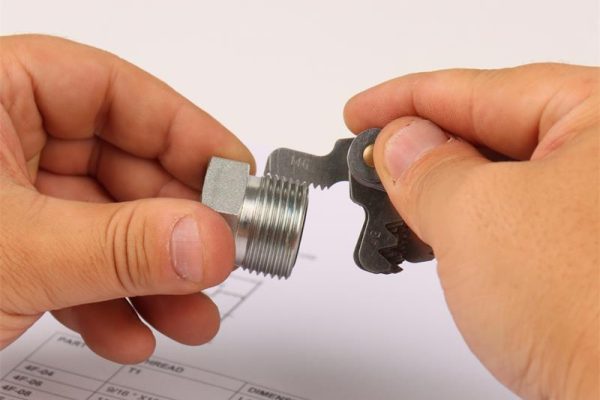
Next, use a thread gauge.

Some threads can be observed visually as straight or tapered threads. For example, BSPT and NPT are tapered threads. BSPP and UN/UNF are straight threads. If it is difficult to observe, use the corresponding thread gauge to check.

Then you can use a pitch gauge to measure the pitch.

Use vernier calipers to determine the size of the fitting, or the inside(I.D) and outside diameter (O.D)of the fitting.

If you really can’t identify what type of fitting you have, check your supplier’s data, or contact us directly!

Hydraulic Fittings Installations

Hydraulic fittings are divided into two major categories, hydraulic hose fittings, and hydraulic adapters. The two types of fittings differ in some details of the tools used and the installation process.

Selecting the right tool

Adjustable wrench: It can be adjusted according to the size of the fitting or hexagonal nut.

Cutting tool: used to cut the hose, tube, or pipe.

Sealant: Prepare sealing measures in advance if needed.

Protective equipment: Prepare gloves or goggles to protect yourself.

Installation

Hose fitting

Inspection: Check the appearance of the fitting before installation to make sure the threads are free of burrs, rust, and breakage.

Cutting: Cut the hose to the proper length.

Installation: Install the hose end of the fitting into the hose and tighten the nut to form a hose assembly. For crimp fittings, use a crimper to secure the fitting.

Test: Test for leaks in the hydraulic system.

Hydraulic adapter

Inspection: Check that there are no scratches, burrs, or breaks on the adapter.

Installation: You can apply a little lubrication to the adapter, use a wrench, and screw the fitting into the installation position. If the fitting has an O-ring seal, make sure the O-ring is not broken. And make sure the O-ring is installed in the correct position.

Testing: Test the assembly to make sure there are no leaks in the hydraulic system.

In addition, there are some special fittings: welded hydraulic fittings. These types of hydraulic fittings require professional installers to weld them.

If you have any installation questions, contact us!

Hydraulic Fittings Sealing Methods

Hydraulic fittings rely on different sealing methods to prevent fluid leakage and maintain system pressure. Some fittings achieve sealing through direct metal-to-metal contact or integrated elastomer seals, while others require additional sealing materials during installation. Selecting the correct sealing method is critical to system reliability and long-term performance.

Metal-to-Metal Sealing

Certain hydraulic fittings form a seal through precise metal contact between mating surfaces. Common examples include flare fittings such as JIC and AN types. These fittings rely on accurate machining and proper tightening torque to create a pressure-tight seal without the need for additional sealants. Metal-to-metal sealing is widely used in high-pressure hydraulic systems due to its reliability and resistance to temperature variation.

O-Ring Sealing

Some hydraulic fittings incorporate O-rings to enhance sealing performance. O-ring face seal (ORFS) fittings use an elastomer O-ring seated in a groove to create a leak-free seal when compressed against a flat surface. This sealing method provides excellent resistance to vibration, pressure spikes, and repeated assembly, making it ideal for demanding hydraulic applications.

Thread Sealing with PTFE (Teflon) Tape

For fittings that do not rely on metal or O-ring sealing, external sealing materials are required. PTFE (Teflon) tape can be wrapped around tapered threads to fill the microscopic gaps between mating threads. NPT and NPTF fittings commonly use PTFE tape to achieve proper sealing. When applying tape, it should be wrapped in the direction of the thread to prevent loosening during installation and to ensure even sealing.

Liquid Thread Sealant

Liquid thread sealants, such as Loctite 5452, provide an alternative to PTFE tape. These sealants are applied directly to the threads and cure after assembly, sealing the clearance between the fitting and the port. Liquid sealants offer consistent coverage, resist vibration, and reduce the risk of contamination caused by excess tape fragments entering the hydraulic system.

Hydraulic cap and plug Sealing

The Production Process of Hydraulic Fittings

The factory will strictly follow each step of the process when producing hydraulic fittings to make the best quality fittings.

Raw material purchase – Raw material processing – CNC Lathe processing – Surface treatment – Inspection

Hydraulic fittings are generally processed using hot forging, which greatly improves the strength and toughness of the fittings.

In CNC lathe processing, the fitting will go through several steps, including punching, profile processing, and thread processing.

After the fitting is processed, it needs to undergo surface treatment to improve the aesthetics of the fitting. Common treatments include galvanizing, pickling, grinding, polishing, etc.

All fittings of Topa are inspected several times for appearance, threads, and quality. Topa factory uses salt spray testers, pulse testers, and other instruments for this purpose.

Conclusion

Hydraulic fittings are a critical part of any hydraulic system, directly affecting sealing performance, pressure stability, and overall system reliability. A clear understanding of fitting types, thread standards, materials, and sealing methods helps prevent leaks, reduce downtime, and extend service life.

Topa is a professional hydraulic fitting manufacturer with extensive experience serving industrial, agricultural, and mobile hydraulic applications. If you need technical support, standard fittings, or custom solutions based on drawings or samples, feel free to contact us for expert assistance.

FAQ

How to choose the right hydraulic fitting?

Match thread type (SAE/JIC/Metric), pressure rating (exceed system needs by 25%), and material compatibility with your fluid and environment.

Why do hydraulic fittings leak?

Common causes include improper tightening, damaged seals, or contamination – always use manufacturer torque specs and inspect O-rings regularly.

Can I mix fittings from different brands?

Only if they meet the same industry standards (ISO/SAE) and have matching sealing geometries to ensure proper sealing.

How to prevent fitting corrosion?

Use corrosion-resistant materials like stainless steel or brass, and apply protective coatings for harsh environments.

What's the typical lifespan of hydraulic fittings?

Depending on material (stainless lasts longest) and application – replace if cracks/deformation appear.

How to identify fitting specifications?

Check markings for dash size (-08 = 1/2″), thread code (e.g., M16x1.5), and pressure class – cross-reference with manufacturer charts.

Topa Blog

Find out more about Topa Blog and learn more about specialized hydraulic fittings.

Contact Topa

Save 30% on maintenance costs with our easy-install hydraulic fittings. Contact Now!