PTFE braided hoses are high-performance fluid transfer solutions featuring a fluoropolymer inner core reinforced by a protective outer mesh. In many industrial systems, standard rubber hoses often fail due to chemical corrosion or thermal degradation, leading to costly downtime and safety hazards. By integrating these specialized conduits, you ensure a non-reactive, pressure-resistant path for even the most aggressive substances.
What exactly are ptfe braided hoses?
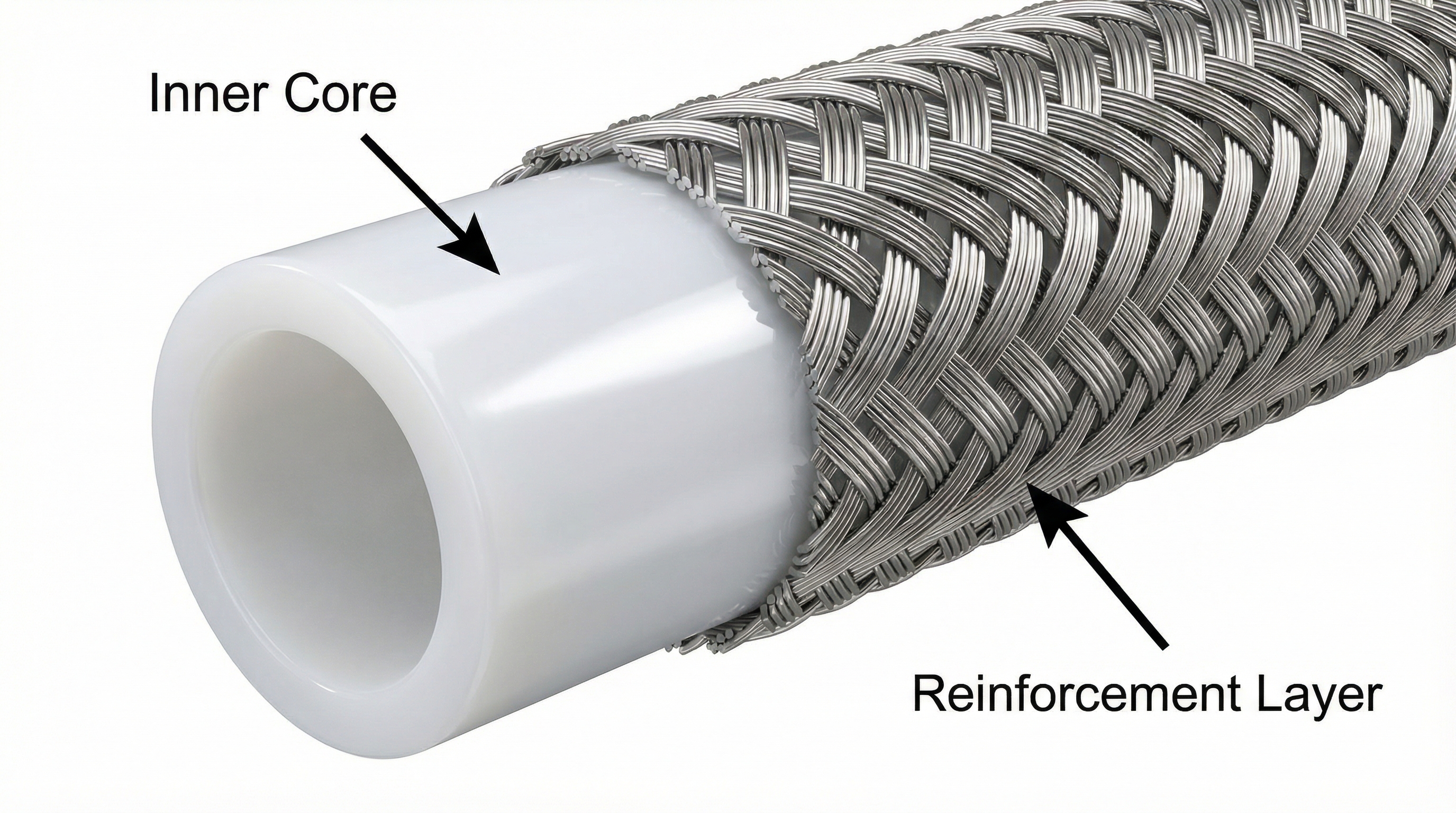
PTFE braided hoses consist of a smooth or convoluted inner tube made of Polytetrafluoroethylene, a synthetic fluoropolymer known for its extreme stability. This core is then encased in a tightly woven reinforcement layer, typically made of stainless steel or synthetic fibers. This design allows the hose to remain flexible while withstanding significant internal pressures that would rupture unreinforced tubes.
The chemical composition of Polytetrafluoroethylene
This material is unique because of its carbon-fluorine bonds, which are among the strongest in organic chemistry. Consider this:
- The molecular structure is highly inert and non-reactive.
- It possesses a very low coefficient of friction.
- The material is inherently hydrophobic, repelling water and oils.
- It maintains structural integrity from cryogenic levels to high heat.
How does the braided layer improve performance?
While the inner tube provides chemical resistance, the braid acts as a structural exoskeleton. Think about this:
- It prevents the inner tube from expanding or “ballooning” under pressure.
- The mesh provides a high level of abrasion resistance against external wear.
- Braiding allows for a tighter bend radius without kinking.
- Stainless steel options offer grounding capabilities to prevent static buildup.
| Property | Value/Description |
| Core Material | Polytetrafluoroethylene (PTFE) |
| Reinforcement | 304/316 Stainless Steel or Synthetic |
| Friction Coefficient | 0.05 to 0.10 |
| Density | 2.15 g/cm³ |
The following table summarizes the foundational material properties that define the performance of these hose assemblies.
Why is the material used in ptfe braided hoses so unique?
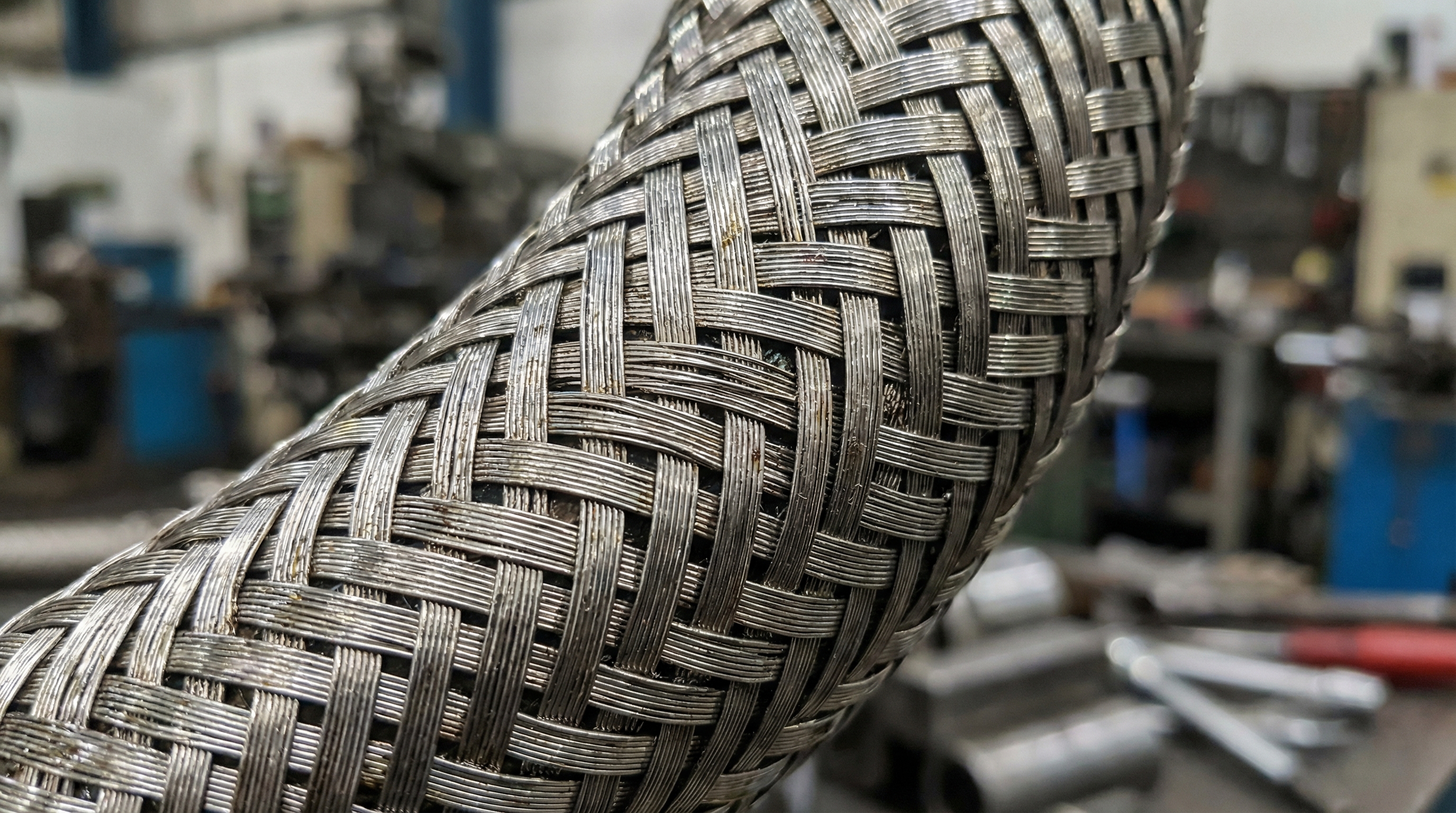
The material used in ptfe braided hoses is prized for its absolute refusal to interact with the fluids it carries. Unlike rubber, which can leach contaminants or swell when exposed to certain oils, this fluoropolymer remains completely indifferent to nearly all industrial chemicals. You will find that this non-stick nature is the primary reason it has become the gold standard for high-purity and high-stress environments.
Exploring the history and development of high-performance polymers
Since its discovery in 1938, this polymer has evolved from a laboratory curiosity to an industrial essential. Make no mistake:
- Initial applications were limited to military and aerospace sectors.
- Advances in extrusion technology made it accessible for general industrial use.
- Modern versions include anti-static liners for volatile fluid transfer.
- It has replaced metal and rubber in almost every critical high-heat application.
Key physical and chemical properties of the fluoropolymer
The success of the hose depends on the polymer’s ability to resist “aging” or environmental stress cracking. But that is not all:
- It is UV resistant and does not degrade when exposed to sunlight.
- The material does not absorb moisture, preventing internal swelling.
- It offers excellent dielectric strength for electrical insulation.
- The non-stick surface ensures that fluids flow with minimal turbulence.
| pH Range | Stability Level |
| Acidic (pH 0-6) | Excellent (Inert) |
| Neutral (pH 7) | Excellent (Inert) |
| Alkaline (pH 8-14) | Excellent (Inert) |
| Solvents/Oils | Full Compatibility |
This stability across the entire pH scale demonstrates why the material is the most reliable choice for corrosive fluid handling.
How do the different layers of ptfe braided hoses function?
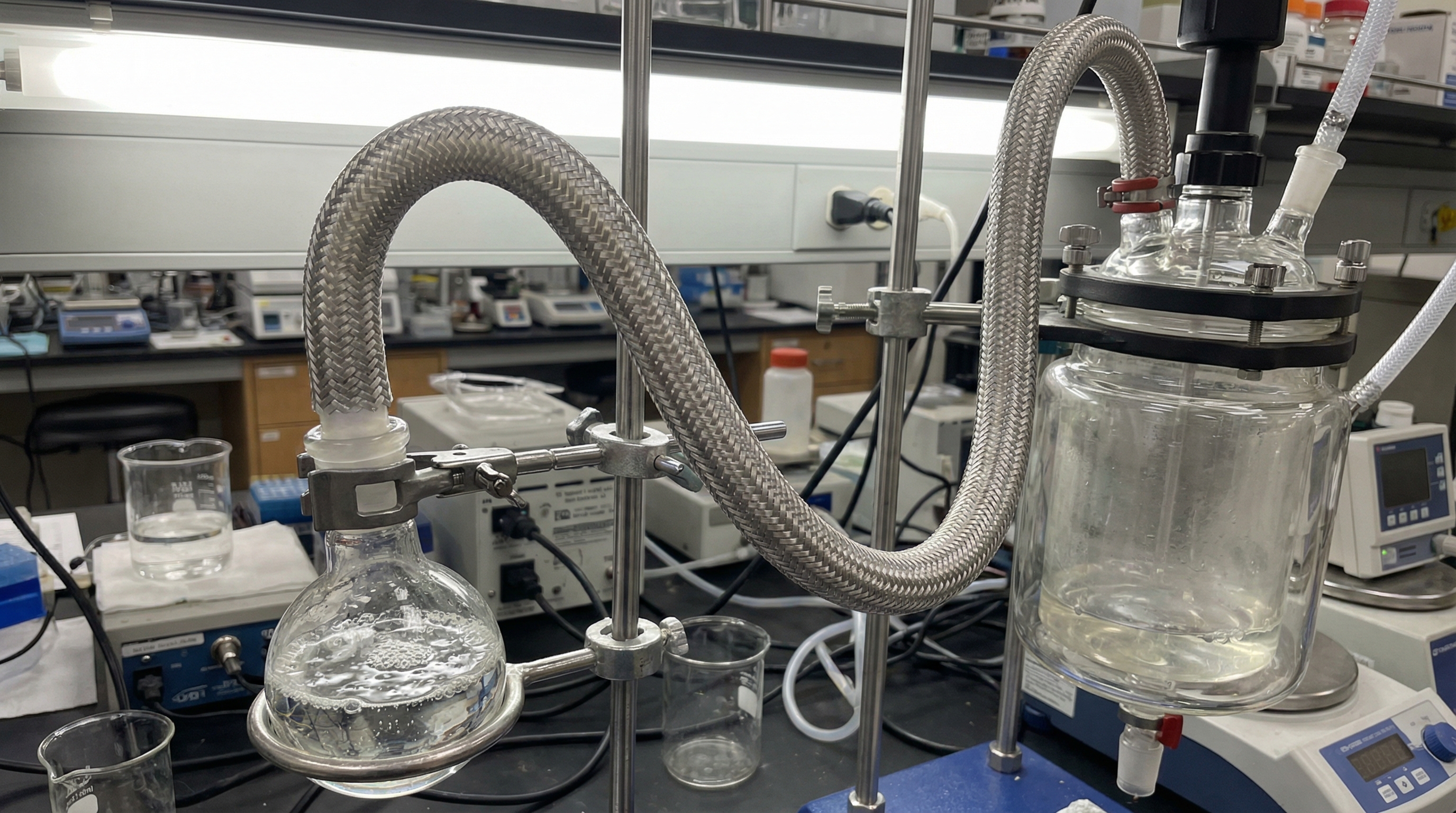
PTFE braided hoses function through a synergistic relationship between their inner core and outer reinforcement. When you apply pressure to a hydraulic hose fitting , the fluid pushes against the inner wall, which then transfers that load to the braided mesh. This distribution of force ensures that the assembly can handle thousands of pounds of pressure without failing or losing its shape.
The role of the inner PTFE tube
The inner tube is the frontline defense against chemical attack and temperature extremes. Here is the kicker:
- Smooth bore designs offer the highest flow rates and easiest cleaning.
- Convoluted designs provide superior flexibility for tight routing.
- The tube thickness determines the overall permeation resistance.
- Virgin materials ensure no contaminants enter the fluid stream.
Selecting the right braiding material for your needs
Different environments require different types of external shielding to ensure longevity. The best part?
- Stainless steel 304 is the standard for general industrial high pressure.
- Stainless steel 316 provides extra protection in salty or marine environments.
- Polymeric braids like Nylon are lighter and more flexible for lower pressures.
- Double braiding can be applied to double the burst pressure rating.
How do ptfe braided hoses handle extreme temperatures?
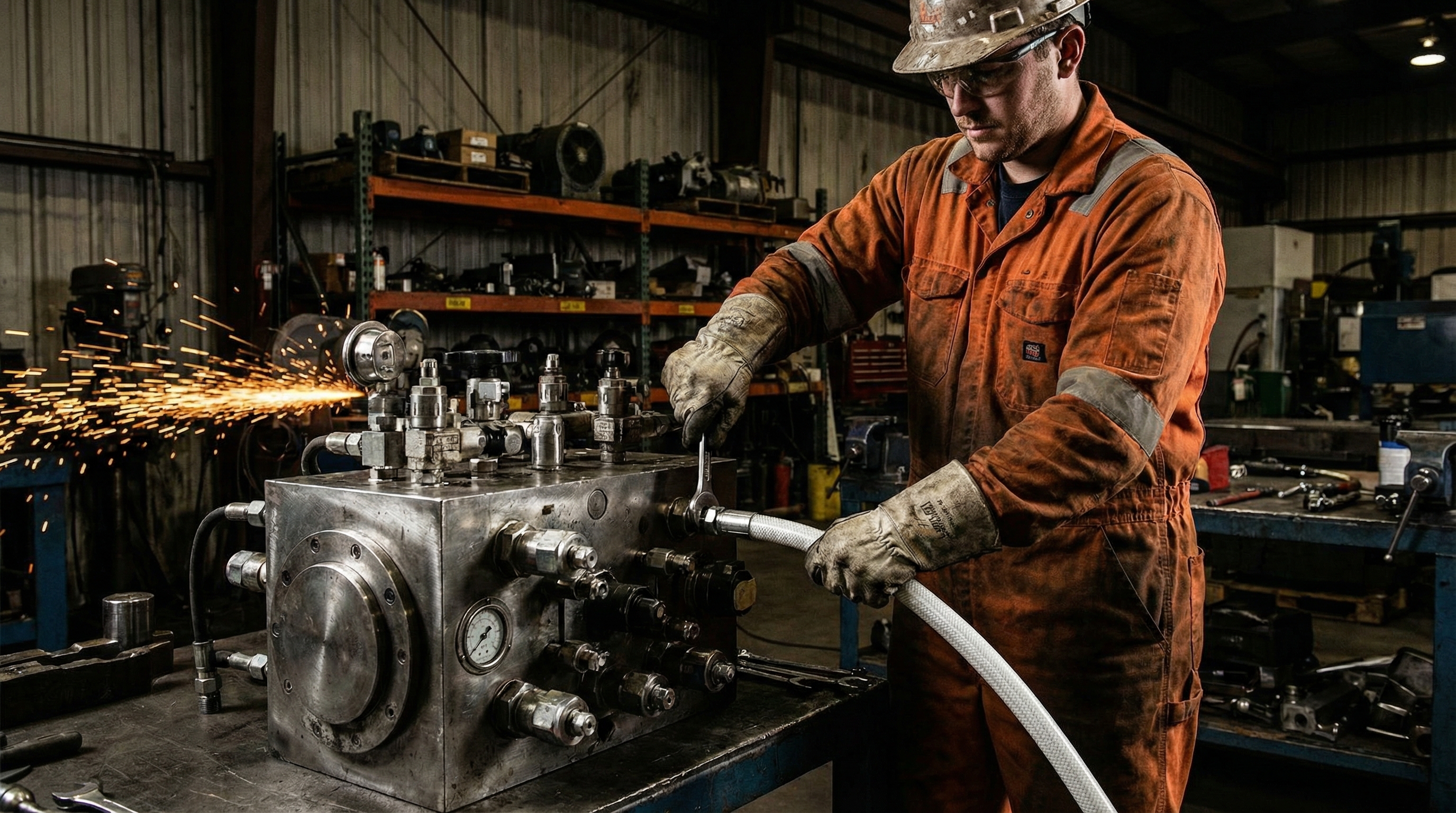
PTFE braided hoses are renowned for their ability to remain functional in thermal environments that would destroy most other materials. Whether you are dealing with liquid nitrogen at -200°C or superheated steam at +260°C, these specialized thermal solutions maintain their flexibility and strength. This wide operating window eliminates the need for you to swap out hoses when system temperatures fluctuate wildly.
Operating in cryogenic conditions
At extremely low temperatures, most plastics and rubbers become brittle and shatter like glass. Think about this:
- PTFE retains its “self-lubricating” properties even when frozen.
- The material does not undergo a brittle transition at standard cryogenic levels.
- The stainless steel braid contracts at a rate compatible with the core.
- This makes them ideal for industrial gas and liquid CO2 transfer.
High-heat stability and its industrial impact
When heat is applied, standard hoses soften and lose their ability to hold pressure. Here is why it matters:
- The polymer has a melting point well above most industrial steam processes.
- It does not smoke or give off toxic fumes at rated temperatures.
- Thermal expansion is minimized compared to standard thermoplastics.
- Braided reinforcements prevent “creep” or deformation under high heat.
| Material Type | Low Temp Limit | High Temp Limit |
| PTFE Braided | -200°C | +260°C |
| Standard Rubber | -40°C | +100°C |
| PVC | -10°C | +60°C |
| Metal (Flexible) | -200°C | +600°C |
The thermal versatility of these hoses allows for a single solution across diverse and demanding industrial environments.
Why is chemical resistance a hallmark of ptfe braided hoses?
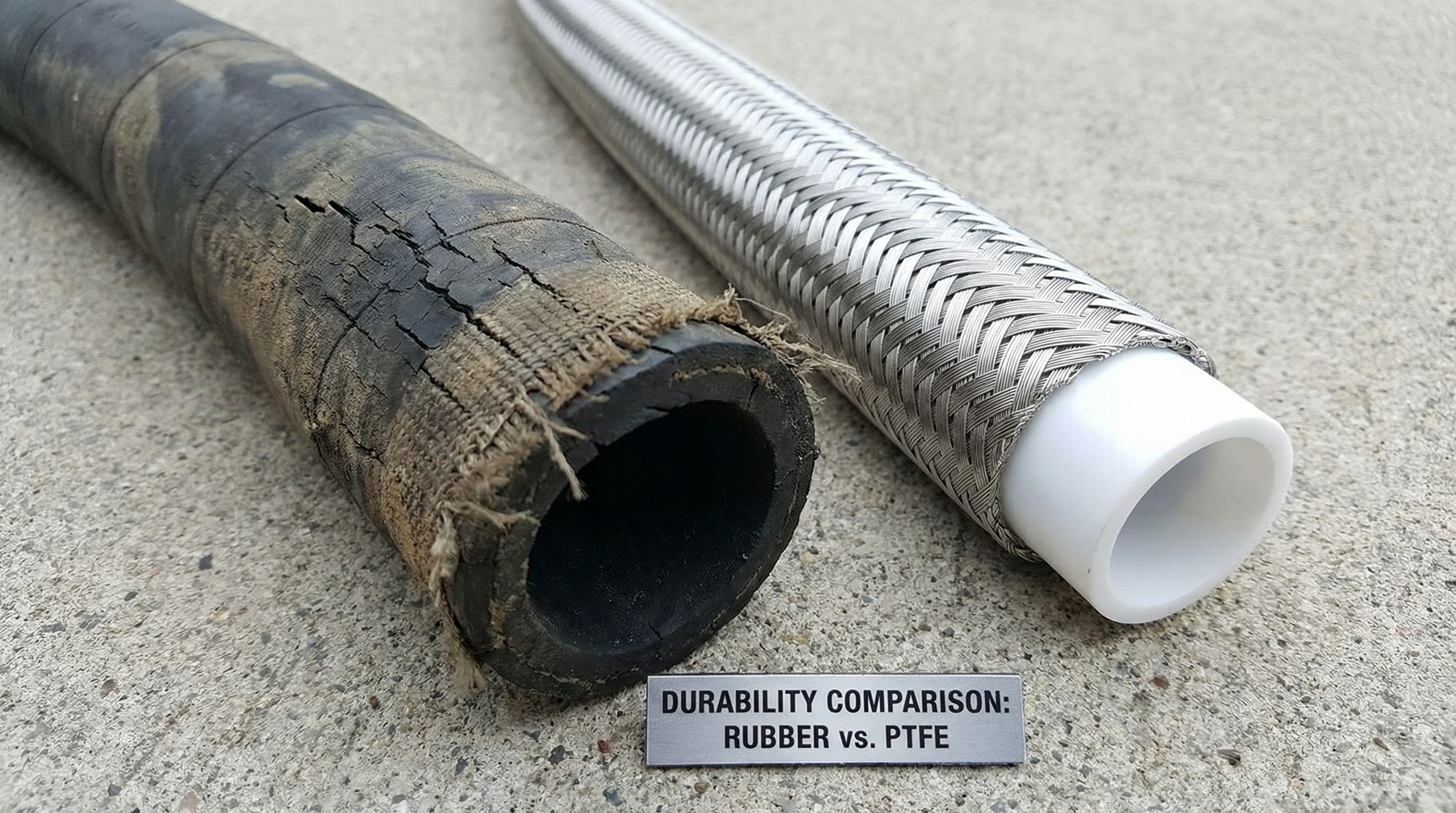
Chemical resistance is the primary reason why ptfe braided hoses are selected for laboratory and industrial processing. Because the smooth bore ptfe hose core is chemically inert, it acts as a universal conduit for acids, bases, and organic solvents. You will notice that the hose does not suffer from “hose rot,” where chemicals eat through the lining from the inside out.
Compatibility with aggressive solvents and acids
Traditional materials often react with fluids, causing the hose to swell or the fluid to become tainted. But that is not all:
- It is resistant to nearly all common industrial acids including Hydrofluoric.
- Solvents like Acetone or MEK will not soften the inner wall.
- It is completely unaffected by alcohols, fuels, and hydraulic fluids.
- Even highly oxidative chemicals fail to break down the polymer chains.
How does chemical inertness prevent contamination?
In industries like pharmaceuticals, even a trace amount of contamination can ruin a batch. The best part?
- The non-stick surface prevents “flavor carryover” between different fluids.
- There are no plasticizers in the material to leach into the product.
- The core is naturally resistant to the growth of bacteria or fungi.
- Cleanup is faster and more effective due to the hydrophobic surface.
Where are ptfe braided hoses most commonly applied?
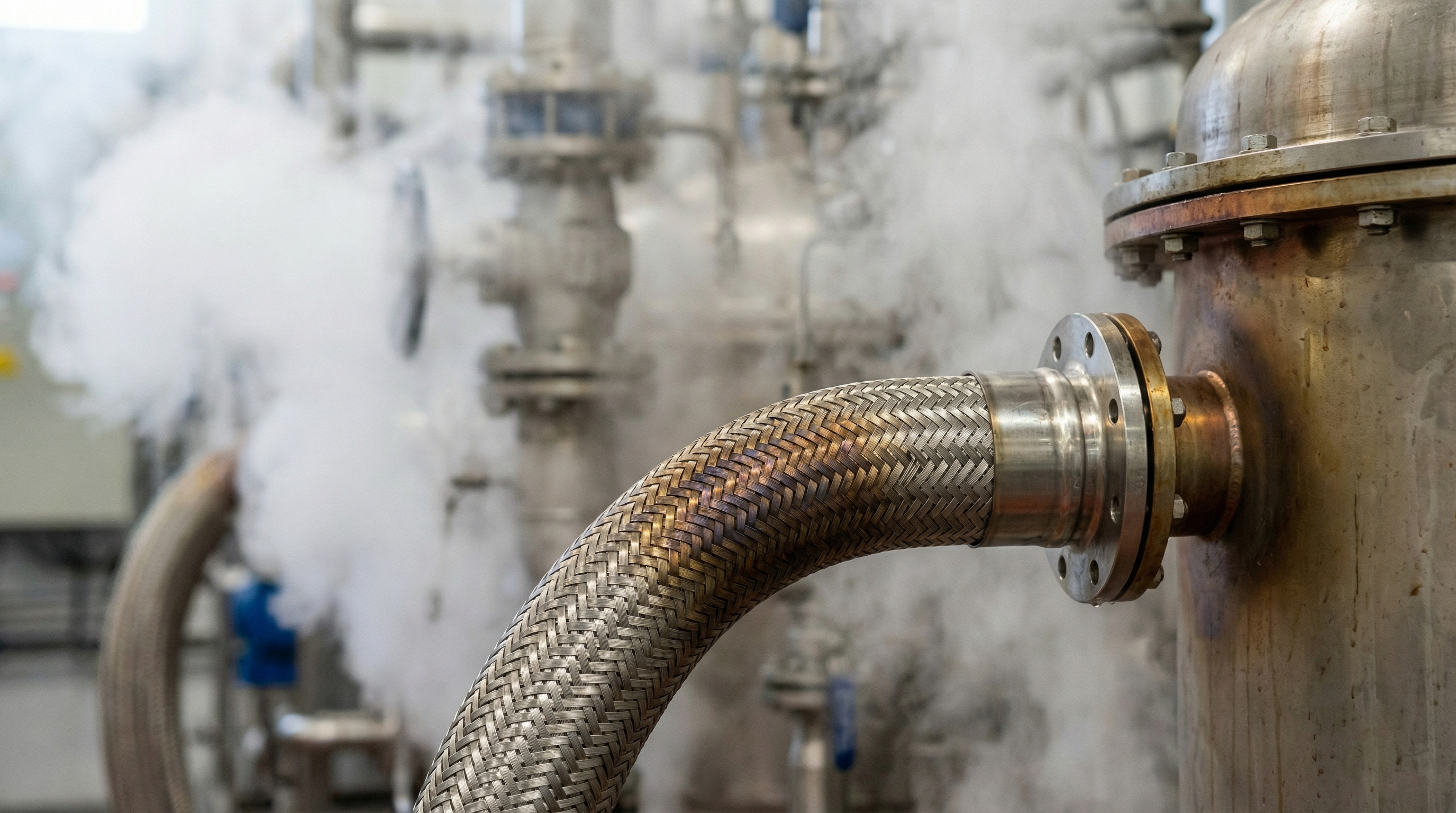
PTFE braided hoses find their place in any industry where reliability cannot be compromised by harsh conditions. From high-purity medical labs to the high-vibration engine bays of the aerospace industry, these hoses provide a consistent performance profile. You can often see them paired with reusable components in maintenance environments where rapid field replacement is a necessity.
Applications in pharmaceutical and food processing
Maintaining a sterile environment requires equipment that can withstand rigorous cleaning cycles. Consider this:
- They are used for transferring active pharmaceutical ingredients (APIs).
- Food-grade versions are ideal for handling fats, oils, and high-heat syrups.
- Steam-In-Place (SIP) procedures do not damage the hose lining.
- The non-stick surface ensures maximum product recovery during drainage.
The role of hoses in the automotive and aerospace sectors
In high-performance vehicles, fuel and brake systems must withstand heat and vibration without failure. Here is the kicker:
- They are the standard for turbocharger oil feed and drain lines.
- Brake systems benefit from the “firm pedal” feel provided by low-expansion hoses.
- In aerospace, they carry hydraulic fluids through extreme pressure shifts.
- Their light weight compared to metal tubing improves overall fuel efficiency.
| Industry Sector | Primary Benefit | Common Application |
| Pharmaceutical | Purity | Batch Transfer |
| Automotive | Durability | Brake/Fuel Lines |
| Aerospace | Weight | Hydraulic Control |
| Chemical | Resistance | Acid Dosing |
The diverse range of industrial sectors using these hoses highlights their status as a versatile and high-value asset.
How do ptfe braided hoses compare to rubber and metal alternatives?
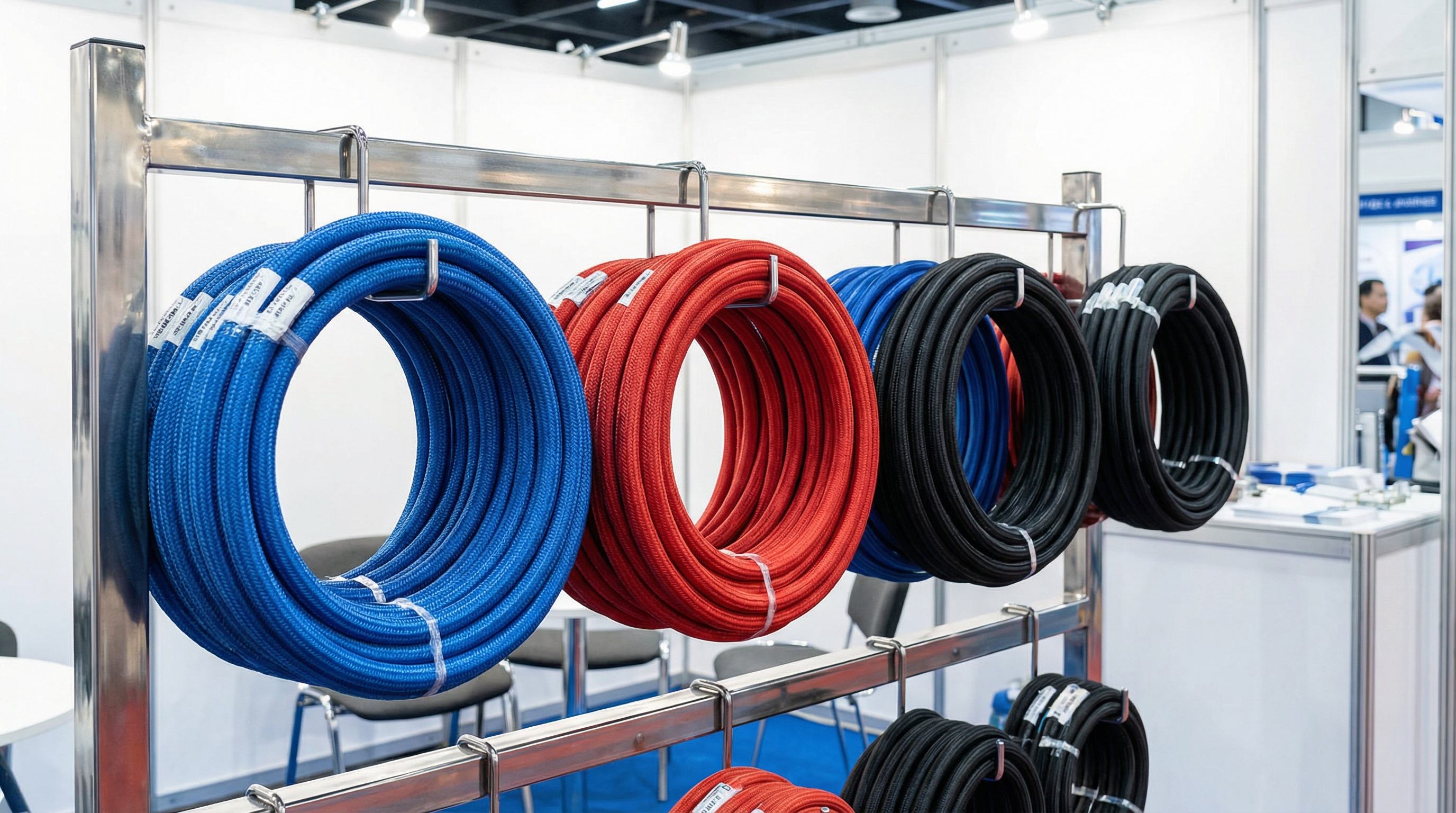
When comparing ptfe braided hoses to other options, you must look at the total cost of ownership rather than just the initial price. While rubber is cheaper, it cracks and ages, requiring frequent replacements in harsh zones. Metal hoses offer great temperature resistance but lack the vibration dampening and flex life that a polymer core reinforced by a crimp hydraulic fitting system provides.
PTFE vs. Rubber: Which lasts longer in harsh environments?
Rubber is an organic material that naturally degrades over time, especially when exposed to heat and chemicals. Make no mistake:
- Rubber hoses can swell and restrict flow when used with certain oils.
- Environmental ozone causes rubber to crack and fail prematurely.
- PTFE has a virtually unlimited shelf life and does not age.
- The polymer core maintains its flexibility even after years of service.
When should you choose PTFE over metal hoses?
Metal hoses are often used for extreme heat, but they come with significant mechanical drawbacks. Think about this:
- Metal is prone to “work hardening” and can snap under repeated vibration.
- Braided polymer hoses offer much better dampening for pulsing systems.
- Routing a flexible polymer hose is significantly easier than bending metal.
- PTFE is much lighter, reducing the load on connected pumps and valves.
| Factor | PTFE Braided | Rubber | Flexible Metal |
| Service Life | Very Long | Short/Medium | Long |
| Chemical Range | Universal | Limited | Good |
| Vibration Handling | Excellent | Good | Poor |
| Weight | Light | Medium | Heavy |
This comparison clearly shows that the braided polymer hose provides the most balanced set of performance features for modern industry.
How to Select the Right PTFE Braided Hose
Choosing the right PTFE braided hose is not only about matching size. A good hose assembly must fit the fluid, pressure, temperature, routing space, fitting type, and service conditions at the same time.
If one detail is wrong, the hose may leak early, kink during installation, lose pressure capacity, or fail in service.
1. Fluid Type
The first step is to confirm what medium will pass through the hose.
PTFE is widely used because it resists many aggressive chemicals, solvents, fuels, oils, steam, and cleaning agents. That makes it a strong option for chemical transfer, paint lines, automotive fluid systems, food processing, and many industrial applications.
Still, the fluid must always be checked before selection because different media create different demands on the hose assembly.
For example:
- Chemical fluids may require a PTFE liner with strong corrosion resistance
- High-purity fluids may require a hose that is easy to clean and does not contaminate the product
- Fuel or gas media may require an anti-static or conductive liner
- Steam or hot media may require careful review of temperature limits and fitting materials
When requesting a quote, it is better to state the exact fluid name instead of only saying “oil” or “chemical.”
2. Working Temperature
Temperature has a direct effect on hose life and safety.
PTFE hose is known for wide temperature resistance, but the full assembly must be considered, not just the inner tube. The braid material, fittings, ferrules, and sealing components must also work under the real service temperature.
You should confirm:
- normal working temperature
- maximum short-term temperature
- ambient temperature around the hose
- whether the hose is exposed to hot equipment or radiant heat
- whether low-temperature startup is expected
A hose that works well at room temperature may behave differently near ovens, engines, compressors, chemical tanks, or outdoor winter conditions.
If the application involves both heat and pressure, pressure derating may also need to be considered.
That is why the real operating range is more useful than a single “maximum temperature” number.
3. Working Pressure and Pressure Spikes
Pressure rating should never be based only on system nominal pressure.
You need to confirm:
- normal working pressure
- peak pressure
- pulse or surge pressure
- frequency of pressure changes
- whether pressure shocks happen during startup or valve switching
In many systems, hose failure does not come from steady pressure alone. It often comes from repeated pressure spikes, fast cycling, or poor matching between hose design and actual service.
For example:
- a static transfer line may run well under steady pressure
- a dynamic industrial or hydraulic line may see frequent pulses
- a gas or steam line may have sudden pressure changes during operation
If the application has pressure spikes, vibration, or repeated impulse, that should be clearly stated before ordering.
4. Hose ID and OD
Correct size selection is more than choosing a hose that “fits.”
You should confirm both:
- ID (inside diameter) for flow capacity
- OD (outside diameter) for routing, clamping, and assembly space
If the ID is too small:
- flow restriction may increase
- pressure drop may rise
- heat buildup may become worse
- system efficiency may decrease
If the hose OD is ignored:
- the hose may not fit clips, clamps, sleeves, or routing channels
- the assembly may rub against nearby parts
- installation space may become too tight
In compact equipment, OD can be just as important as ID.
If the old hose is being replaced, providing both ID and OD can help reduce mismatch.

5. Bend Radius
Bend radius is one of the most common reasons for early hose damage.
PTFE hose should never be forced into a bend tighter than its rated minimum bend radius.When the bend is too tight, the liner may kink, flatten, or become stressed. Even if the outer braid still looks acceptable, the inner tube may already be damaged.
You should check:
- the minimum bend radius of the selected hose
- available routing space
- whether the hose bends once during installation or keeps moving in service
- whether elbows or angled fittings can reduce stress at the ends
This is especially important in compact machinery, engine compartments, test rigs, and moving equipment.
If the routing space is limited, a convoluted PTFE hose may be more suitable than a smooth bore type in some applications because it offers more flexibility.
However, hose selection should still match flow, pressure, and cleanliness requirements.
6. Static or Dynamic Installation
Not all PTFE braided hoses work the same way in motion. A hose used in a static installation stays in place after assembly. A hose used in a dynamic installation moves repeatedly due to machine motion, vibration, articulation, or thermal expansion.
This difference matters because dynamic service creates more stress on:
- hose braid
- fitting connections
- bend points
- clamp positions
- outer wear areas
Before selection, you should state whether the hose is used for:
- fixed fluid transfer
- equipment vibration
- repeated flexing
- robotic or moving arm systems
- engine movement
- hydraulic motion near pivot points
If the hose works in motion, routing design becomes more important.
What are the primary installation benefits of ptfe braided hoses?
PTFE braided hoses offer a unique blend of mechanical strength and ease of routing that simplifies complex system builds. Because they can be produced as convoluted ptfe hose variants, they can navigate extremely tight corners without collapsing. You will find that these hoses reduce installation time because they don’t require the specialized bending tools needed for rigid piping.
Balancing flexibility with mechanical strength
The goal of any fluid system is to move material safely without the conduit becoming a point of failure. The best part?
- The braid supports the core, allowing it to bend while under pressure.
- It resists kinking even when pulled through tight bulkheads.
- Internal pressures actually help stabilize the hose’s circular shape.
- The exterior mesh allows for easy sliding during the installation process.
Can these hoses be used in tight, complex spaces?
Space is often at a premium in modern machinery, requiring hoses that can “snake” through gaps. Here is why it matters:
- Convoluted liners can achieve a bend radius much tighter than smooth bores.
- They are lighter than hydraulic rubber, making them easier to handle manually.
- The hoses can be custom-length ordered to fit specific machine footprints.
- Compatible fittings allow for 360-degree rotation to prevent torsional stress.
How do you maintain and clean ptfe braided hoses?
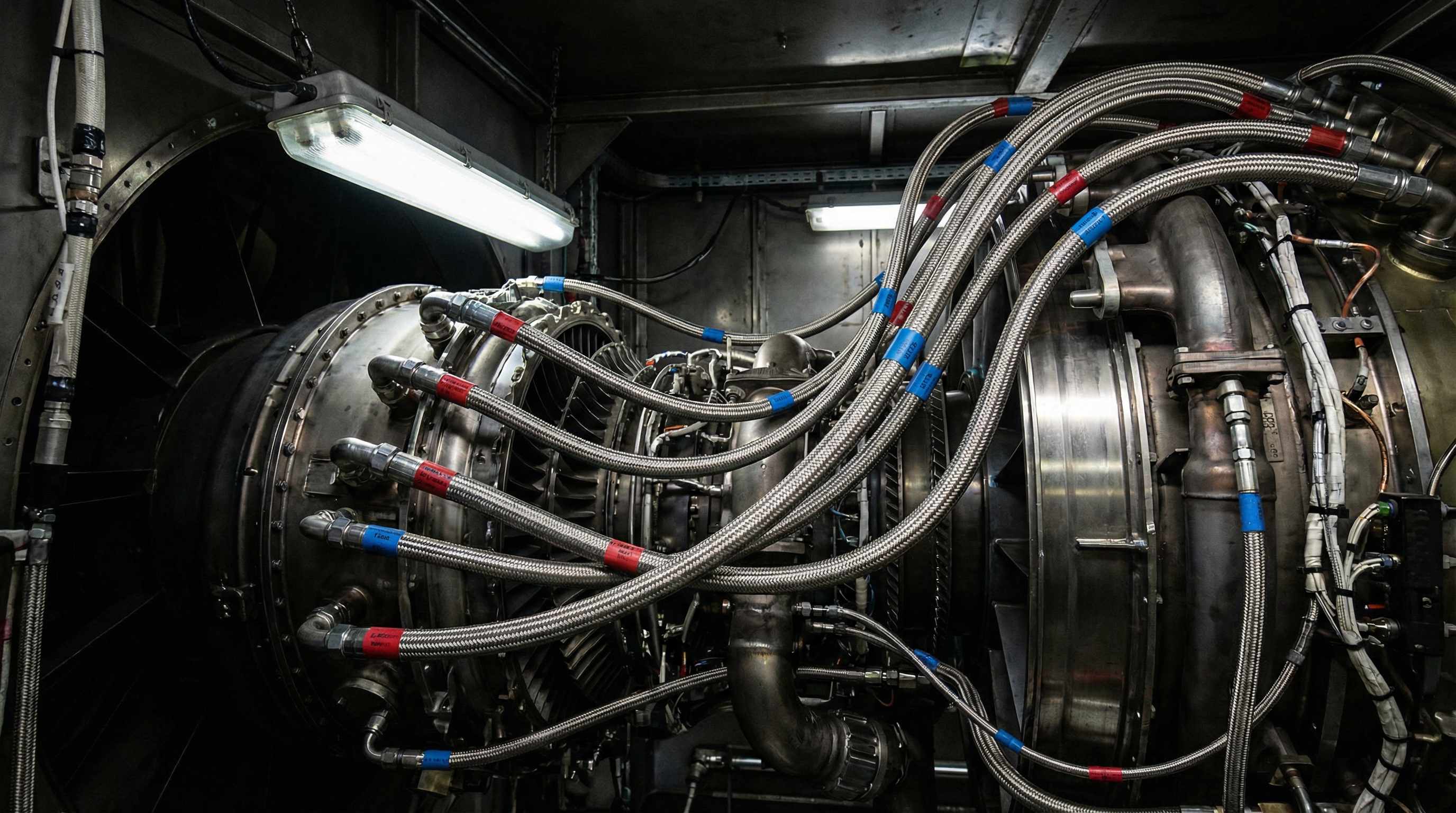
Maintaining ptfe braided hoses is significantly easier than maintaining rubber or metal alternatives due to the polymer’s non-stick properties. When you use a ptfe hose assembly , you spend less time on system flushes because particles simply do not adhere to the inner wall. Regular visual inspections of the ptfe hose assembly ensure that the external braid remains intact and free of mechanical damage.
The benefits of a non-stick surface for cleaning
Clean-In-Place (CIP) systems are much more efficient when the equipment resists buildup. But that is not all:
- Most fluids drain completely, leaving zero residue behind.
- You can use aggressive detergents or steam without damaging the liner.
- Bio-burden levels remain low because there are no pores for bacteria.
- Color and flavor changes in food production are nearly instantaneous.
Inspection routines to ensure long-term reliability
While the core is nearly indestructible, the external environment can still take a toll over years. Consider this:
- Check for broken wires in the braid, which could indicate over-flexing.
- Look for “kinks” or flat spots that might suggest the hose was crushed.
- Ensure the fittings show no signs of weeping or mechanical slippage.
- Verify that the hose is not rubbing against sharp edges in the machine.
| Check Item | Frequency | Red Flag |
| Braid Integrity | Monthly | Frayed or broken wires |
| Fitting Connection | Weekly | Visible moisture or dampness |
| Outer Cover | Monthly | Discoloration or charring |
| Internal Flow | Yearly | Reduced pressure or clogging |
The maintenance checklist provided ensures you maximize the lifespan and safety of your fluid transfer system.
Conclusion
Choosing the right fluid transfer equipment is a balance of safety, performance, and cost. PTFE braided hoses solve the critical problems of chemical corrosion, thermal failure, and frequent replacement cycles. By utilizing these high-performance conduits, you protect your infrastructure and ensure the purity of your products. If you are ready to upgrade your system to the industry standard for durability, contact us today to find the perfect configuration for your specific application.
FAQ
Can I use these hoses for high-pressure gas transfer?
Yes, but you should specify a “post-sintered” or “gas-rated” core to prevent the tiny gas molecules from permeating through the polymer wall.
What’s the best way to determine the correct bend radius?
Always refer to the manufacturer’s technical data sheet for your specific diameter; typically, convoluted bores allow for a radius 3-4 times tighter than smooth bores.
Are these hoses safe for use with food and beverages?
Absolutely, provided you select a virgin material core that meets international food safety standards for non-leaching materials.
How do I know if I need a stainless steel or synthetic braid?
Stainless steel is the best choice for high pressure and abrasion, while synthetic braids are preferred for flexibility, lightweight needs, and non-conductive applications.
Can I repair a damaged braid in the field?
No, a damaged braid compromises the safety of the hose; once the reinforcement is frayed or broken, the entire assembly should be replaced to prevent a burst.