AN Fitting Measurements Comprehensive Chart

AN Fitting Measurements: Comprehensive Chart

AN Fitting Measurements: Comprehensive Chart

Table of Contents

Introduction

Precise AN fitting measurements are critical in ensuring the efficiency and safety of hydraulic systems. Inaccurate measurements can lead to a myriad of problems, from minor leaks to catastrophic failures, which can be both costly and dangerous. For instance, a mismatched fitting can cause pressure drops, reduced system performance, and even complete system breakdowns. The purpose of this comprehensive chart is to provide a detailed reference for accurate AN fitting measurements, helping professionals and enthusiasts alike to avoid the pitfalls of incorrect sizing and ensure optimal performance of their hydraulic systems.

Understanding AN Fittings

History and Development

AN fittings, short for Army-Navy fittings, were developed during World War II to standardize the fittings used in military aircraft. The need for reliable, high-performance connectors was critical, as these fittings had to withstand extreme conditions, including high pressure and temperature fluctuations. Over the decades, the use of AN fittings expanded beyond military applications due to their robustness and reliability. Today, they are widely utilized in automotive racing, aerospace, and industrial sectors where high performance and safety are paramount.

Their Role in Various Industries

AN fittings play a crucial role in ensuring the integrity and performance of hydraulic systems across various industries. In the automotive industry, they are commonly used in fuel systems, brake lines, and oil systems, providing secure, leak-free connections that can withstand the high pressures and vibrations typical of high-performance vehicles. In the aerospace industry, AN fittings are used in critical hydraulic systems that require absolute reliability and precision. The standardized nature of AN fittings also simplifies maintenance and replacement, as compatible parts are readily available.

hose end an fitting factory in china

Types of AN Fittings

AN fittings come in various types, each designed for specific applications. The most common types include:

Straight AN Fittings: Used for connecting hoses and pipes in a straight line, providing a direct path for fluid flow.

90-Degree AN Fittings: Ideal for applications where the hose needs to make a sharp turn, minimizing space usage and avoiding kinks in the hose.

45-Degree AN Fittings: Used when a less acute angle is required, offering a balance between space-saving and ease of flow.

Swivel AN Fittings: Allow for easier installation and alignment, as they can rotate to fit the exact positioning needed.

Bulkhead AN Fittings: Designed to pass through a panel or bulkhead, providing a secure connection point.

Materials Used

AN fittings are made from various materials, each chosen for its specific properties. The most common materials include:

Aluminum: Lightweight and corrosion-resistant, ideal for applications where weight is a concern, such as in racing and aerospace.

Stainless Steel: Highly durable and resistant to corrosion, suitable for high-pressure applications and environments exposed to harsh chemicals.

Brass: Offers good corrosion resistance and is easy to machine, commonly used in lower pressure systems and where ease of assembly is important.

Importance of Accurate Measurements

Impact on System Performance

Accurate measurements of AN fittings are crucial for the overall performance and safety of hydraulic systems. When fittings are correctly sized, they ensure a secure and leak-free connection, which is essential for maintaining the pressure and flow of hydraulic fluids. This, in turn, optimizes system efficiency, reducing energy loss and preventing downtime. Conversely, incorrect measurements can lead to misalignments and gaps, causing leaks, pressure drops, and increased wear on system components. Over time, these issues can escalate, leading to more frequent maintenance and higher operational costs.

Cost Implications

Financial Impact of Using Incorrectly Sized Fittings

The financial repercussions of using incorrectly sized AN fittings can be substantial. Leaks and inefficiencies caused by improper fittings lead to increased fluid consumption and energy costs. Additionally, frequent repairs and replacements due to fitting failures add to the maintenance expenses. These costs can accumulate over time, significantly affecting the profitability of operations.

Long-Term Benefits of Accurate Measurements

Investing in accurate measurements and the correct fitting sizes yields long-term benefits. Properly sized fittings enhance the reliability and efficiency of hydraulic systems, reducing the frequency of breakdowns and maintenance. This not only lowers operational costs but also extends the lifespan of the system components, offering a better return on investment. In high-stakes industries like automotive racing and aerospace, the assurance of optimal performance and safety provided by accurate measurements is invaluable.

Safety Concerns

Potential Hazards of Improper Fitting Sizes

Using improperly sized AN fittings can pose significant safety risks. Leaks caused by incorrect fittings can lead to hydraulic fluid escaping under high pressure, which can result in injuries and environmental hazards. Additionally, the compromised integrity of the hydraulic system increases the likelihood of sudden failures, which can be catastrophic in critical applications such as aviation or heavy machinery.

Importance of Adherence to Standards

Adhering to measurement standards is essential for ensuring the safety and reliability of hydraulic systems. Standardized measurements ensure compatibility between different system components, facilitating easier maintenance and replacement. Moreover, compliance with industry standards helps in maintaining the integrity of the system, minimizing the risk of accidents and enhancing overall safety. Consistent adherence to these standards is a proactive measure to prevent the potentially severe consequences of fitting mismatches.

Measurement Standards and Tools

AN Fitting Measurement Standards

AN fitting measurement standards are established to ensure consistency, reliability, and safety across various applications. These standards define the dimensions, tolerances, and thread specifications for AN fittings, allowing for precise and interchangeable connections. The key measurement protocols include:

Thread Size and Pitch: The thread size and pitch must conform to the specifications outlined in the standards to ensure a proper fit.

Seat Angle: AN fittings typically have a 37-degree flare seat, which must be accurately measured to ensure a secure seal.

Overall Length: The length of the fitting must match the standard measurements to maintain the integrity of the connection.

Diameter: Both the inner and outer diameters need to adhere to the standard to ensure compatibility with hoses and tubes.

Comparison with Other Fitting Measurement Standards

JIC (Joint Industry Council): Similar to AN fittings, JIC fittings use a 37-degree flare but have different thread specifications. JIC fittings are commonly used in industrial and hydraulic applications and can often be interchanged with AN fittings if the thread sizes match.

SAE (Society of Automotive Engineers): SAE fittings have a 45-degree flare angle and different thread standards. These fittings are typically used in automotive and refrigeration systems. Unlike AN and JIC fittings, they are not usually interchangeable due to the different flare angles.

an fitting sizes

Tools for Measuring AN Fittings

Essential Tools Required for Accurate Measurements

Calipers: Used to measure the outer and inner diameters of fittings with high precision.

Thread Gauges: Tools to verify the thread size and pitch, ensuring they match the required standards.

Protractor or Angle Gauge: Used to measure the flare seat angle, confirming it is the correct 37 degrees for AN fittings.

Rulers or Measuring Tapes: Basic tools to measure the overall length of the fittings.

How to Use Each Tool Effectively

Calipers: Position the caliper jaws around the part of the fitting being measured. Ensure the caliper is perpendicular to the fitting to avoid inaccurate readings. Read the measurement on the digital or analog display.

Thread Gauges: Screw the thread gauge into the fitting or over the male threads. A correct fit without gaps or tightness confirms the thread size and pitch.

Protractor or Angle Gauge: Place the gauge against the flare seat. Align the angle measurement tool with the seat to verify the 37-degree angle.

Rulers or Measuring Tapes: Align the ruler or tape measure with the fitting’s length. Ensure it is straight and level for an accurate measurement.

Best Practices for Measurement

Step-by-Step Guide to Measuring AN Fittings

Identify the Fitting Type: Determine whether you are measuring a straight, 90-degree, 45-degree, swivel, or bulkhead fitting.

Measure the Outer Diameter: Use calipers to measure the outer diameter of the fitting’s threads.

Measure the Inner Diameter: If applicable, measure the inner diameter to ensure compatibility with hoses or pipes.

Check the Thread Size and Pitch: Use a thread gauge to verify the thread size and pitch match the AN standard.

Measure the Flare Seat Angle: Use a protractor or angle gauge to confirm the 37-degree flare seat.

Measure the Overall Length: Use a ruler or measuring tape to measure the fitting’s length from end to end.

Tips and Tricks for Ensuring Accuracy

Clean the Fittings: Ensure the fittings are clean and free from debris before measuring to avoid inaccuracies.

Double-Check Measurements: Always take multiple measurements to confirm accuracy.

Use High-Quality Tools: Invest in precision measuring tools to ensure reliable readings.

Record Measurements: Keep a log of all measurements for future reference and to ensure consistency.

Stay Updated with Standards: Regularly review the latest standards and protocols to ensure compliance with current specifications.

Comprehensive AN Fitting Measurement Chart

The comprehensive measurement chart is designed to serve as a vital reference tool for professionals working with AN fittings. It consolidates all necessary measurements into an easily accessible format, ensuring that you can quickly and accurately identify the correct fitting size for any application. This chart simplifies the process of selecting, installing, and maintaining AN fittings, reducing the likelihood of errors and enhancing system efficiency and safety.

Explanation of Chart Components

The chart is divided into several key components, each providing essential information about AN fittings:

Size Categories: Lists the various AN fitting sizes, typically ranging from AN-2 to AN-20.

Thread Size and Pitch: Specifies the thread size and pitch for each fitting size, ensuring compatibility with corresponding hoses and connectors.

Flare Seat Angle: Confirms the 37-degree flare seat angle standard across all sizes.

Outer and Inner Diameter: Provides the precise outer and inner diameters of the fittings.

Overall Length: Indicates the total length of the fittings.

Materials: Lists common materials used for each size category, along with their typical applications.

Troubleshooting and Common Issues

Common Mistakes and How to Avoid Them

Using Incorrect Tools:

Mistake: Employing inappropriate or poorly calibrated tools can lead to inaccurate measurements.

Solution: Always use high-quality, calibrated measuring instruments specifically designed for AN fittings, such as calipers and thread gauges.

Misreading Measurements:

Mistake: Misinterpreting the measurements on the tools, especially with complex or small-scale measurements.

Solution: Double-check readings and, if possible, have a second person verify the measurements. Use digital calipers for more precise and easily readable results.

Neglecting Temperature Variations:

Mistake: Failing to account for temperature variations that can cause metal expansion or contraction, leading to inaccurate measurements.

Solution: Measure fittings at a consistent room temperature and allow the fittings to acclimate if they have been exposed to different temperatures.

Incorrect Thread Identification:

Mistake: Confusing different thread standards (e.g., AN vs. JIC vs. SAE), leading to mismatched fittings.

Solution: Familiarize yourself with the specific thread standards for AN fittings and use thread identification tools to ensure accuracy.

Improper Calibration:

Mistake: Using tools that have not been properly calibrated can lead to significant errors.

Solution: Regularly calibrate measuring tools according to manufacturer guidelines to maintain their accuracy.

Symptoms of Incorrect Fitting Sizes

Leaks:

One of the most obvious signs of incorrect fitting size is fluid leakage at the connection points.

Pressure Drops:

Incorrectly sized fittings can cause significant pressure drops within the hydraulic system, leading to reduced performance.

Increased Wear and Tear:

Mismatched fittings can lead to increased friction and wear on system components, reducing their lifespan.

Frequent Maintenance Issues:

Systems with incorrectly sized fittings often require more frequent maintenance and repairs, as the components are more prone to failure.

Solutions to Measurement Problems

Re-measure with Correct Tools:

If a measurement error is identified, re-measure using properly calibrated and appropriate tools. Ensure all measurements are taken consistently and accurately.

Replace Mismatched Fittings:

Replace any incorrectly sized fittings with ones that meet the accurate measurements. Verify the new fittings with the comprehensive measurement chart before installation.

Use Thread Adapters:

In situations where mismatched threads have been used, thread adapters can temporarily solve the problem until the correct fittings can be obtained.

Conclusion

We encourage you to utilize the comprehensive measurement chart provided in this guide for all your AN fitting projects. This text is designed to be a practical and reliable reference, helping you achieve precise and accurate measurements every time. Additionally, we invite your feedback and suggestions for future updates to ensure that this resource remains relevant and useful.

FAQ

AN fittings, originally developed for military aircraft, are standardized connectors used in hydraulic systems to ensure secure, leak-free connections. They are important because they maintain system integrity, optimize performance, and enhance safety across various applications, including automotive, aerospace, and industrial sectors.

To measure AN fittings accurately, use high-quality, calibrated tools such as calipers, thread gauges, protractors, and rulers. Ensure you measure the outer and inner diameters, thread size and pitch, flare seat angle, and overall length. Double-check your measurements and consult the comprehensive measurement chart for reference.

Common mistakes include using incorrect or uncalibrated tools, misreading measurements, neglecting temperature variations, confusing thread standards, and improper tool calibration. Avoid these errors by using appropriate tools, double-checking measurements, and staying informed about the latest measurement standards.

Incorrect AN fitting measurements can lead to leaks, pressure drops, increased wear and tear on system components, and frequent maintenance issues. These problems can reduce system efficiency, increase operational costs, and pose safety hazards.


Common materials for AN fittings include aluminum, stainless steel, and brass. Aluminum is lightweight and corrosion-resistant but less durable under high pressure. Stainless steel is highly durable and resistant to corrosion but heavier and more expensive. Brass offers good corrosion resistance and ease of machining but is not suitable for high-pressure applications.

Choose the right AN fitting by consulting the comprehensive measurement chart to ensure compatibility with your system’s requirements. Consider factors such as thread size, flare seat angle, material, and application-specific needs. Ensure the fitting meets industry standards

Essential tools for measuring AN fittings include calipers for diameter measurements, thread gauges for verifying thread size and pitch, protractors for measuring the flare seat angle, and rulers for overall length measurements. High-quality, calibrated tools are recommended for accurate results.

Prevent measurement errors by regularly calibrating your tools, providing ongoing training for personnel, implementing standard operating procedures, using digital measurement tools, and conducting periodic audits of measurements and fittings.

Quick Coupling Technologies Everything You Need to Know

Quick Coupling Technologies: Everything You Need to Know

Quick Coupling Technologies: Everything You Need to Know

Table of Contents

Introduction

Quick couplings are widely used in hydraulic systems, pneumatic equipment, fluid transfer lines, and automotive applications where fast and secure connections are required. They help reduce connection time, minimize fluid leakage, and improve maintenance efficiency in demanding working conditions.

Understanding Quick Coupling Technologies

What Are Quick Coupling Technologies?

Quick couplings are connectors designed to rapidly connect and disconnect hydraulic, pneumatic, or fluid transfer lines without using special tools. They are commonly used in hydraulic equipment, agricultural machinery, construction machines, industrial systems, and automotive applications where hoses need to be connected frequently during operation or maintenance.

A quick coupling normally consists of two parts:

  • Male plug
  • Female socket

When connected, the coupling creates a sealed flow path that allows hydraulic oil, air, water, fuel, or other fluids to pass through safely. The internal valve structure helps reduce leakage and prevents contaminants such as dust, dirt, or moisture from entering the system.

Historical Background

The development of quick coupling technologies dates back to the early 20th century, coinciding with the rapid advancement of industrial machinery and equipment. Initially, the need for efficient fluid transfer mechanisms arose in sectors such as automotive and agriculture, where the traditional methods of connecting hoses and pipes proved time-consuming and unreliable. The first quick couplings were relatively simple in design, featuring basic push-to-connect mechanisms that significantly reduced downtime.

As industrial demands grew, so did the sophistication of quick coupling designs. By the mid-20th century, innovations such as threaded couplings, cam and groove couplings, and flat face couplings emerged, each offering specific advantages tailored to different applications. These developments were driven by the need for higher pressure ratings, improved safety features, and greater versatility. The introduction of new materials, such as high-strength plastics and advanced alloys, further enhanced the performance and durability of quick couplings.

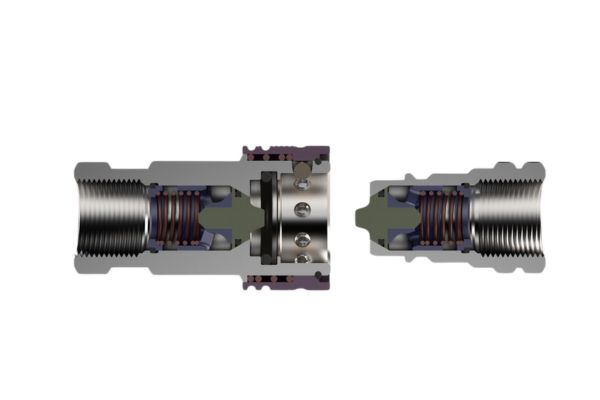
quick Coupling machine drawing

How Do Quick Couplings Work?

Quick couplings operate through a straightforward yet effective mechanism designed to ensure a secure and leak-proof connection between fluid lines. The fundamental principle involves two main components: the male (plug) and female (socket) parts of the coupling. Here’s a step-by-step breakdown of how they work:

Connection: When the male part is inserted into the female part, the coupling mechanism engages. This can involve a push-to-connect action, threading, or a cam lever, depending on the type of quick coupling used.

Sealing: Once connected, internal seals, often made of high-grade rubber or similar materials, create a tight seal around the connection points. This seal prevents any leakage of the fluid being transferred.

Locking: Many quick couplings feature a locking mechanism that secures the connection. This can be a spring-loaded latch, a locking pin, or a rotating cam that holds the two parts firmly together.

Disconnection: To disconnect, the user typically performs a simple action such as pressing a release button, rotating a collar, or flipping a lever. This disengages the locking mechanism, allowing the male and female parts to be easily separated without the need for tools.

Safety Features: Modern quick couplings often include safety features to prevent accidental disconnection or to handle high-pressure situations. These features ensure that the coupling remains secure even under challenging conditions.

Types of Quick Couplings

Push-to-Connect Couplings

Description and Functionality:

Push-to-connect couplings, also known as push-fit or push-in couplings, are designed for easy and rapid connection and disconnection of fluid lines. These couplings feature a simple mechanism where the user pushes the tubing or hose into the coupling’s socket until it locks in place with an internal collet and seal. The connection is secure, leak-free, and does not require any tools.

Common Applications:

Pneumatic Systems: Widely used in air compressors, pneumatic tools, and airlines due to their ease of use and reliability.

Water Filtration Systems: Common in household and industrial water filters for quick and tool-free connections.

Automotive: Used in fuel lines and air conditioning systems for rapid assembly and maintenance.

Threaded Couplings

Description and Functionality:

Threaded couplings involve a screw-type connection where the male part (with external threads) screws into the female part (with internal threads). This creates a tight, secure connection capable of handling high pressures and extreme conditions. They often include additional sealing elements such as O-rings or Teflon tape to ensure a leak-proof joint.

Common Applications:

Hydraulic Systems: Ideal for high-pressure hydraulic lines where a robust and secure connection is critical.

Gas Lines: Used in propane, natural gas, and other gas applications due to their ability to withstand high pressures.

Industrial Equipment: Common in machinery and equipment where durable and reliable connections are necessary.

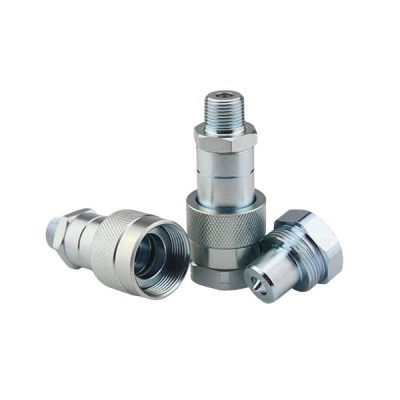
10,000 PSI High Pressure Screw To Connect Hydraulic Quick Coupling

Bayonet Couplings

Description and Functionality:

Bayonet couplings use a twist-and-lock mechanism where the male part is inserted into the female part and then twisted to lock it in place. This type of coupling is known for its quick and secure connection, often with an audible click to indicate proper engagement.

Common Applications:

Aerospace: Used in fuel and hydraulic systems for their reliability and ease of use in critical applications.

Medical Devices: Common in medical tubing and equipment where quick and secure connections are needed.

Lighting Systems: Used in the connection of bulbs and other electrical components for a secure and quick assembly.

Cam and Groove Couplings

Description and Functionality:

Cam and groove couplings, also known as camlock fittings, consist of a male adapter and a female coupler with cam arms. To connect, the cam arms are pulled down to lock the male adapter into the female coupler, creating a tight and secure seal. This type of coupling is known for its simplicity and speed of connection.

Common Applications:

Liquid Transfer: Widely used in industries like oil and gas, chemical transfer, and water treatment for quick and secure hose connections.

Agriculture: Common in irrigation systems and equipment for easy and rapid connection of hoses.

Food and Beverage: Used in sanitary applications for transferring liquids cleanly and securely.

Flat Face Couplings

Description and Functionality:

Flat face couplings feature a flat sealing surface that minimizes fluid loss and contamination during connection and disconnection. These couplings are designed to be easily cleaned and maintain a high level of hygiene, making them ideal for applications where cleanliness is crucial.

Common Applications:

Hydraulic Systems: Used in heavy machinery and construction equipment to prevent fluid loss and contamination.

Pharmaceutical Industry: Ideal for applications requiring high levels of cleanliness and minimal fluid contamination.

Marine Applications: Used in ship hydraulics and other marine equipment for their robust and leak-free design.

Type of
Coupling

Description

Common Applications

Key Features

Push-to-

Connect

Tool-free,push-in

connection

Pneumatic systems,water

filtration,automotive

Easy to use,quick

connection

Threaded

Screw-type connection
with threads

Hydraulic systems,gas lines,
industrial equipment

High pressure,secure
connection

Bayonet

Twist-and-lock
mechanism

Aerospace,medical devices,
lighting systems

Quick,secure
connection

Cam and
Groove

Cam arms for locking

Liquid transfer,agriculture,food
and beverage

Fast,simple,versatile

Flat Face

Flat sealing surface

Hydraulic systems,pharmaceutical
marine applications

Leak-free,hygienic,
easy to clean

Materials and Manufacturing

Common Materials

Material

Description

Advantages

Disadvantages

Common Applications

Steel

Iron-carbon alloy with high strength and durability

High tensile strength, wear resistance, cost-effective

Can rust or corrode without coating

Heavy machinery, industrial equipment, high-pressure hydraulic systems

Stainless Steel

Corrosion-resistant alloy containing chromium and nickel

Strong corrosion resistance, durable, hygienic

Higher cost than carbon steel

Food processing, pharmaceutical equipment, marine systems, medical devices

Brass

Copper-zinc alloy with good machinability and corrosion resistance

Corrosion resistant, good conductivity, attractive finish

Softer than steel, higher material cost

Plumbing, HVAC systems, pneumatic systems, low-pressure fluid transfer

Material Selection Guide

Factors Influencing Material Choice:

Application Requirements:

Pressure Ratings: Higher pressure systems often require stronger materials like steel or stainless steel.

Temperature Range: Applications involving extreme temperatures may need materials with specific thermal properties.

Environmental Conditions:

Corrosive Environments: Stainless steel or brass may be preferred for their corrosion resistance.

Exposure to Chemicals: Certain plastics or stainless steel can withstand chemical exposure better than other materials.

Mechanical Properties:

Strength and Durability: For high-stress applications, materials like steel and stainless steel are ideal.

Flexibility: Plastics can offer flexibility where needed but at the cost of strength.

Cost Considerations:

Budget Constraints: While stainless steel offers superior properties, its higher cost might be a limiting factor.

Lifecycle Costs: Initial material costs vs. long-term maintenance and replacement costs.

Regulatory and Safety Standards:

Industry Standards: Compliance with standards like ISO, SAE, or FDA for specific applications.

Safety Requirements: Ensuring materials meet safety regulations for particular uses.

Aesthetic and Hygienic Requirements:

Aesthetics: Brass and stainless steel provide an attractive finish for visible parts.

Hygiene: Stainless steel is preferred in food and pharmaceutical industries due to its easy-to-clean properties.

Manufacturing Processes

The manufacturing method affects the coupling’s strength, dimensional accuracy, sealing performance, and production cost. Different quick coupling components may use different production processes depending on material type and application requirements.

Forging Process

Forging is a manufacturing process where metal is shaped under high pressure using forging dies or hammers. This process improves the internal grain structure of the material and increases mechanical strength.

CNC Machining Process

Machining removes material from metal bars or forged blanks using CNC lathes, milling machines, and drilling equipment to achieve precise dimensions and thread specifications.

Injection Molding Process

Injection molding is mainly used for plastic quick couplings. Molten plastic is injected into molds under pressure to form finished parts.

Selection Criteria for Quick Couplings

Performance Requirements

Pressure Ratings:

Importance: The pressure rating of a quick coupling determines its ability to withstand the operating pressures of a system without failure.

Considerations: Ensure that the coupling can handle the maximum pressure of your system, including any potential pressure spikes.

Application Examples: High-pressure hydraulic systems require couplings with higher pressure ratings, whereas low-pressure applications, like pneumatic systems, can use couplings with lower ratings.

Flow Rates:

Importance: The flow rate capacity of a coupling affects the efficiency and performance of the fluid transfer system.

Considerations: Select couplings that support the required flow rate for your application to avoid bottlenecks and ensure optimal system performance.

Application Examples: In hydraulic systems, selecting a coupling with an adequate flow rate ensures efficient power transfer, while in liquid transfer systems, it helps maintain consistent flow and pressure.

Hydraulic Quick coupler connection

Environmental Conditions

Temperature:

Importance: The operating temperature range of a quick coupling must match the environmental conditions it will be exposed to.

Considerations: Choose materials and designs that can withstand the minimum and maximum temperatures of the operating environment.

Application Examples: Stainless steel couplings for high-temperature environments, and plastic couplings for lower-temperature or moderate environments.

Exposure to Chemicals:

Importance: Chemical exposure can degrade materials and compromise the integrity of quick couplings.

Considerations: Select materials resistant to the specific chemicals they will encounter, such as corrosive fluids or cleaning agents.

Application Examples: Brass or stainless steel couplings in corrosive environments, and chemically resistant plastics in laboratory settings.

Compatibility

Ensuring Fit with Existing Systems:

Importance: Quick couplings must be compatible with the existing system components to ensure seamless integration and functionality.

Considerations: Verify that the coupling’s dimensions, thread types, and connection mechanisms match the existing system specifications.

Application Examples: Compatibility with existing hydraulic hoses and fittings, ensuring correct thread type and size for replacement parts.

Standards and Certifications

Standard

Importance

Considerations

Example Applications

ISO (International Organization for Standardization)

Ensures global quality, safety, and performance consistency

Choose ISO-certified couplings for reliable interchangeability and performance

ISO 7241-1 hydraulic quick couplings used in international hydraulic systems

SAE (Society of Automotive Engineers)

Provides performance and safety standards for automotive and hydraulic systems

Verify compliance with relevant SAE specifications for the application

SAE J1231 hose fittings for automotive hydraulic and fluid systems

ANSI (American National Standards Institute)

Establishes safety and reliability standards for industrial applications

Use ANSI-compliant couplings for critical piping and fluid systems

ANSI B16.5 pipe flanges and fittings for industrial piping systems

Innovations and Future Trends

Recent Advancements

Smart Couplings:

Description: Smart couplings integrate sensors and electronic components to monitor and transmit real-time data about the system’s performance.

Features: Include pressure sensors, temperature sensors, and flow meters that provide continuous monitoring.

Benefits: Enhance predictive maintenance, reduce downtime, and improve overall system efficiency by providing early warnings of potential issues.

Applications: Industrial automation, aerospace, and high-precision manufacturing where monitoring and quick response are critical.

Automated Systems:

Description: Automated quick coupling systems are designed to connect and disconnect fluid lines without human intervention, often integrated into robotic and automated production lines.

Features: Utilizes robotics, automated locking mechanisms, and smart control systems.

Benefits: Increases efficiency, reduces manual labor, and enhances safety by minimizing human error.

Applications: Automotive assembly lines, automated manufacturing plants, and hazardous environments where remote operation is essential.

Industry Trends

Growing Demand:

Hydraulic Systems: The increasing use of hydraulic systems in various industries, such as construction, mining, and manufacturing, drives the demand for quick couplings that can handle high pressures and extreme conditions.

Pneumatic Systems: The expansion of pneumatic automation in industrial applications leads to a rising need for reliable and efficient quick coupling solutions.

Environmental Concerns: There is a growing emphasis on environmentally friendly quick coupling technologies that minimize leaks and reduce environmental impact.

New Applications:

Renewable Energy: Quick couplings are being adapted for use in renewable energy systems, such as wind turbines and solar power installations, where they help streamline maintenance and improve efficiency.

Medical Field: Advances in medical technology are driving the need for quick couplings in fluid delivery systems, diagnostic equipment, and patient care devices, requiring high precision and sterility.

Agriculture: Innovations in agricultural technology, such as precision farming and automated irrigation systems, are creating new opportunities for quick couplings that offer easy connection and disconnection.

Conclusion

In summary, quick coupling technologies play a vital role in enhancing the efficiency, safety, and reliability of fluid transfer systems across various industries. We encourage you to consider quick couplings for your fluid transfer needs, taking into account the insights and guidelines provided in this comprehensive guide. By doing so, you can leverage the latest advancements in quick coupling technology to enhance the performance and efficiency of your systems.

FAQ

Quick coupling technologies are devices designed to quickly and securely connect and disconnect fluid lines without the need for tools, facilitating the transfer of liquids, gases, and hydraulic fluids in various industrial applications.

There are several types of quick couplings, including push-to-connect, threaded, bayonet, cam and groove, and flat face couplings, each suited for specific applications and offering unique features.

Selecting the right quick coupling involves considering performance requirements (pressure ratings, flow rates), environmental conditions (temperature, chemical exposure), compatibility with existing systems, and adherence to relevant standards and certifications.

Common materials include steel, stainless steel, brass, and various plastics. The choice of material depends on the specific application requirements, such as strength, corrosion resistance, and cost.

Quick couplings offer numerous benefits, including reduced downtime, enhanced efficiency, improved safety, and versatility across a wide range of applications. They also provide secure, leak-free connections.

Yes, recent advancements include smart couplings with integrated sensors for real-time monitoring and automated systems that enable tool-free connections and disconnections, improving overall system efficiency and safety.


How to Install Braided Hose Fittings

How to Install Braided Hose Fittings

How to Install Braided Hose Fittings

Introduction

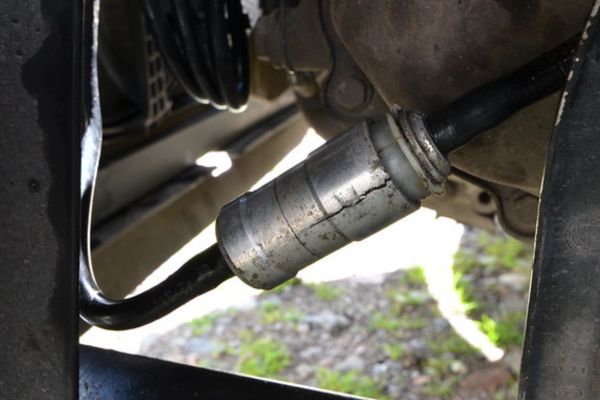
Installing braided hose fitting is a crucial skill for anyone working with hydraulic systems or automotive applications. These systems rely on precise and reliable connections to function optimally, and even a minor leak can lead to significant issues, including system failures, reduced efficiency, and costly downtime. Proper installation of braided hose fitting ensures that fluids are transported without leaks or interruptions, maintaining system pressure and performance. This guide provides a comprehensive, step-by-step process for installing braided fittings. It covers everything from selecting the right tools and materials to advanced techniques and troubleshooting tips.
Overview of Braided Hose Fitting

Braided fittings are a staple in hydraulic systems and automotive applications, prized for their exceptional durability and flexibility. These fittings are engineered to secure the hose to connection points firmly, ensuring a leak-proof and robust connection that withstands various operational stresses. Braided hoses, available in different materials, are tailored to meet specific application needs, with nylon and steel being the most prevalent choices.

Nylon Braided Hoses:

Flexibility and Ease of Handling: Nylon braided hoses are renowned for their flexibility, making them easy to route through tight spaces and around complex configurations. This attribute makes them particularly suitable for lower pressure applications where ease of installation is a priority.

Ease of Installation: Their flexibility also means that nylon braided hoses are simpler to install, reducing the time and effort required compared to more rigid alternatives.

Steel Braided Hoses:

Durability and High Pressure Handling: Steel braided hoses are built to endure high pressures and harsh operating conditions. This robustness makes them ideal for heavy-duty applications where reliability and performance are critical.

Precise Cutting for Secure Fit: Due to their construction, steel braided hoses require precise cutting techniques to avoid fraying and ensure a secure fit. This precision is crucial for maintaining the integrity of the hose and the system it serves.

Install Braided Hose Fittings

Importance in Hydraulic Systems and Automotive Applications

Braided fittings are essential components that contribute significantly to the performance and reliability of hydraulic systems and automotive applications. They ensure that fluids flow smoothly and consistently without leaks, which is critical for maintaining system pressure and preventing contamination. Proper installation of these fittings is vital to avoid potential system failures, which can lead to safety hazards, operational inefficiencies, and costly downtime.

Tools and Materials Needed

Essential Tools

Hose Cutters: These are crucial for making clean and precise cuts on the braided hose. Using the correct hose cutters ensures that the hose is cut evenly, minimizing the risk of fraying and ensuring a smooth assembly process.

AN Fitting Wrenches: Specifically designed for AN fittings, these wrenches prevent damage to the fittings during installation. Regular wrenches can cause scratches and deformation, so using AN fitting wrenches ensures a secure and damage-free fit.

Deburring Tool: After cutting the hose, it’s important to remove any sharp edges or burrs that could damage the fitting or compromise the connection. A deburring tool helps to smooth out the cut end of the hose, ensuring a clean and safe installation.

Masking Tape: Applying masking tape around the cut area helps to prevent the braided hose from fraying. This simple step makes the cutting process cleaner and the assembly easier.

Materials

Nylon or Steel Braided Hose: Select the type of hose based on your specific application requirements. Nylon braided hoses offer flexibility and ease of handling, making them suitable for lower-pressure applications. Steel braided hoses, on the other hand, are more durable and can withstand higher pressures, making them ideal for heavy-duty applications.

AN Fittings (appropriate size and type): Ensure that you have the right size and type of AN fittings compatible with your hose and system. Proper sizing and type selection are crucial for achieving a secure and leak-proof connection.

Lubricants (WD-40 or similar): Using a lubricant during the assembly process facilitates easier fitting insertion and prevents galling, which can damage the fittings and compromise the connection. Lubricants help ensure a smooth and trouble-free assembly.

Step-by-Step Installation Process for Braided Hoses

Preparation

Measure the Hose Length and Mark the Cut Point:

Use a tape measure: Carefully measure the length of the braided hose required for your specific application. Accurate measurement is crucial to ensure the hose fits perfectly within your system without excess slack or being too tight.

Mark the cut point: Once you have the exact length, use a marker to mark the cut point on the hose. This mark will guide you during the cutting process, ensuring precision and consistency.

Wrap the Cut Area with Masking Tape:

Wrap a strip of masking tape: Before cutting, wrap a strip of masking tape around the area where you plan to cut. This helps to stabilize the braided strands and prevent them from fraying during the cutting process, which can complicate assembly and compromise the hose’s integrity.

install PTFE fitting Topa

Cutting the Hose

Use Hose Cutters to Make a Clean Cut:

Position the hose cutters: Align the hose cutters at the marked point on the hose. Ensure the cutters are sharp and specifically designed for cutting braided hoses to achieve a clean and precise cut.

Make a clean, straight cut: Apply steady pressure to make a clean, straight cut through the hose. A smooth edge is crucial for a proper fitting connection, reducing the risk of leaks and ensuring a secure fit.

Deburr the Cut End to Remove Sharp Edges:

Use a deburring tool: After cutting, use a deburring tool to smooth out the cut end of the hose. This step removes any sharp edges or burrs that could damage the fitting or impede the assembly process.

Remove sharp edges and burrs: Carefully inspect the cut end and ensure all sharp edges and burrs are eliminated. This creates a smooth, even surface that facilitates a tight seal and prevents potential damage to the fitting components.

Fitting Assembly

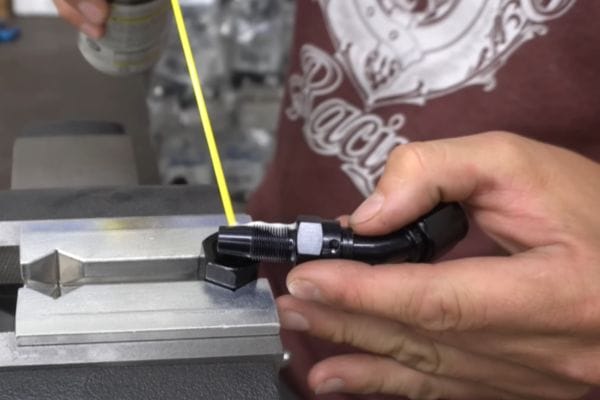
Separate the AN Fitting into Its Components (Socket and Nipple):

Disassemble the Fitting: Take the AN fitting and separate it into its two main components: the socket and the nipple. This separation is necessary to properly insert the hose into the fitting.

Insert the Hose into the Fitting Socket Until It Bottoms Out:

Push the Hose into the Socket: Insert the hose into the fitting socket, pushing it in until it bottoms out. Ensure the hose is fully seated in the socket, as this will provide a secure base for the connection.

Lubricate the Fitting Nipple and Insert It into the Hose Socket:

Apply Lubricant: Apply a small amount of lubricant, such as WD-40, to the fitting nipple. This lubrication will make it easier to insert the nipple into the hose socket and prevent galling.

Insert the Nipple: Carefully insert the lubricated nipple into the hose socket. Ensure it goes in smoothly and is properly aligned.

Hand-Tighten the Nipple into the Socket:

Initial Tightening: Initially tighten the nipple by hand to ensure it is properly aligned and to avoid cross-threading. Hand-tightening allows you to feel the fitting coming together correctly before using tools.

Securing the Connection

Use AN Fitting Wrenches to Tighten the Connection:

Fully Tighten the Connection: Use AN fitting wrenches to fully tighten the connection. These wrenches are specifically designed to prevent damage to the fittings.

Avoid Over-Tightening: Be careful not to over-tighten the connection, as this can damage the fitting and compromise the seal. Tighten just enough to ensure a secure, leak-proof connection.

Ensure No Gaps Between the Fitting Components:

Verify Tightness: Inspect the connection to ensure there are no visible gaps between the fitting components. A proper fit is essential for a leak-proof connection and the overall integrity of the assembly.

Check for Any Fraying or Misalignment:

Inspect the Assembly: After tightening the connection, thoroughly inspect the hose and fittings for any signs of fraying or misalignment. Ensure that the hose is securely inserted and the fittings are properly aligned.

Make Adjustments if Necessary: If you notice any fraying or misalignment, make the necessary adjustments to correct the issue before putting the hose into service.

Tips for Different Hose Types

Nylon Braided Hoses

Advantage: Nylon braided hoses are highly flexible, making them easier to bend and route through tight spaces and complex configurations. This flexibility can simplify the installation process and reduce the effort needed to position the hose correctly.

Application: These hoses are particularly suitable for applications where space constraints require tight bends or intricate routing.

Requires Careful Handling to Avoid Kinking:

Caution: Despite their flexibility, nylon hoses can kink if handled roughly or bent excessively. Kinking can compromise the integrity of the hose, leading to potential leaks or system failures.

Tip: Handle the hose gently and avoid sharp bends. Use gradual curves instead of tight angles to maintain the hose’s integrity and performance.

Steel Braided Hoses

Advantage: Steel braided hoses are exceptionally durable and can withstand high pressures and harsh conditions. This makes them ideal for heavy-duty applications where reliability and performance are critical.

Application: These hoses are best suited for high-pressure hydraulic systems and other demanding environments where strength and durability are paramount.

Requires Precise Cutting to Avoid Fraying:

Caution: Cutting steel braided hoses can be challenging due to the risk of fraying. Frayed ends can make it difficult to insert the hose into the fitting and can compromise the connection’s integrity.

Tip: Use sharp, high-quality hose cutters designed for steel braided hoses to ensure clean, precise cuts. Wrapping the cut area with masking tape before cutting can also help prevent fraying. After cutting, inspect the hose end and trim any frayed strands to ensure a smooth and clean insertion into the fitting.

Advanced Techniques and Troubleshooting

Using Heat Shrink for Added Protection

Application of Heat Shrink Tubing Over the Fitting:

Slide Heat Shrink Tubing Over the Fitting: Before final assembly, slide a piece of heat shrink tubing over the hose, positioning it so it will cover the fitting once the assembly is complete.

Apply Heat to Secure It: After the fitting is assembled and tightened, slide the heat shrink tubing over the fitting area. Use a heat gun to evenly apply heat around the tubing. The tubing will shrink tightly around the fitting, providing a secure and protective layer.

Benefits for Durability and Appearance:

Additional Protection: Heat shrink tubing adds an extra layer of protection to the fitting, shielding it from external elements such as abrasion, moisture, and chemicals. This prolongs the life of the hose assembly.

Neat Appearance: The tubing also provides a clean and professional appearance, covering any imperfections and ensuring the installation looks tidy and well-finished.

grease An fitting Topa

Common Installation Issues

Leaks Due to Improper Tightening:

Ensure Fittings Are Adequately Tightened: One of the most common issues is leakage due to fittings not being tightened sufficiently. Use AN fitting wrenches to achieve the correct tightness, ensuring a secure and leak-proof connection.

Regular Inspection: Periodically check fittings for tightness, especially in high-vibration environments, to ensure they remain secure.

Hose Fraying or Kinking During Installation:

Use Masking Tape and Proper Cutting Techniques: To prevent fraying, always wrap the cut area with masking tape before cutting. Use sharp hose cutters to ensure a clean cut.

Handle with Care: Be gentle when routing and installing the hose to avoid kinking. Make sure to use gradual curves rather than sharp bends.

Solutions and Preventive Measures

Proper Lubrication:

Use Lubricants to Facilitate Smoother Fitting Assembly: Apply a small amount of lubricant (e.g., WD-40) to the fitting nipple and hose interior. This makes it easier to insert the fitting and reduces the risk of damage during assembly.

Prevent Galling: Lubrication helps to prevent galling (friction-induced damage) between metal surfaces, ensuring a smooth and secure fit.

Correct Tool Usage:

Use Appropriate Tools to Avoid Damaging the Hose or Fittings: Always use tools specifically designed for the job, such as AN fitting wrenches and hose cutters. Using improper tools can damage the hose or fittings, leading to leaks and other issues.

Follow Manufacturer Guidelines: Adhere to the manufacturer’s guidelines for tool use and fitting installation to ensure optimal results.

Conclusion

Installing braided hose fitting correctly is essential for the efficient and safe operation of hydraulic and automotive systems. Following the outlined steps and best practices ensures a secure, leak-proof connection, enhancing system performance and longevity. Always prioritize safety, use the right tools and materials, and adhere to manufacturer guidelines to achieve the best results.

FAQ

Masking tape is wrapped around the cut point to prevent the braided strands from fraying during the cutting process, ensuring a clean and smooth edge.

AN fittings should be tightened until they are snug and secure, but not over-tightened. Over-tightening can damage the fitting and compromise the seal. Use AN fitting wrenches for precise tightening.

It is not recommended to use regular wrenches as they can damage the fittings. AN fitting wrenches are specifically designed to fit the fittings properly and prevent damage.

If you notice fraying, stop and use a deburring tool to smooth out the cut end. Wrapping the cut area with masking tape before cutting can help prevent fraying in the first place.

Lubrication helps to facilitate smoother fitting assembly and prevents galling, which can damage the fittings. It ensures a secure and tight fit.

Handle the hose gently and avoid sharp bends. Use gradual curves when routing the hose and make sure not to bend it excessively to maintain its integrity and prevent kinking.

How to Diagnose a Failing Clutch Hoses in Your Vehicle

How to Diagnose a Failing Clutch Hoses in Your Vehicle

How to Diagnose a Failing Clutch Hoses in Your Vehicle

Table of Contents

Introduction

The clutch hose serves as the conduit for hydraulic fluid, transmitting it from the clutch master cylinder to the clutch slave cylinder. This fluid transmission is crucial because it allows the hydraulic pressure generated by the clutch pedal to be effectively transferred to the slave cylinder, which in turn engages and disengages the clutch. Without a properly functioning clutch hose, the hydraulic system cannot operate efficiently, leading to potential failures in clutch operation.

Understanding the Clutch System

Components of the Clutch System

Clutch Pedal: The clutch pedal is the driver-operated pedal that initiates the clutch disengagement process. When the driver presses down on the clutch pedal, it creates the necessary force to start the disengagement of the clutch, allowing for a smooth transition between gears.

Clutch Master Cylinder: The clutch master cylinder is a crucial component that converts the mechanical pressure applied to the clutch pedal into hydraulic pressure. When the clutch pedal is pressed, the master cylinder pushes hydraulic fluid through the system, generating the pressure needed to operate the clutch.

Clutch Slave Cylinder: The clutch slave cylinder receives the hydraulic pressure from the master cylinder and uses it to engage or disengage the clutch. This cylinder translates the hydraulic pressure into mechanical movement, which then acts on the clutch to either connect or disconnect the engine from the transmission.

Clutch Hose: The clutch hose is an essential link in the hydraulic clutch system, connecting the master cylinder to the slave cylinder. Its primary role is to transmit hydraulic fluid between these two cylinders, ensuring that the hydraulic pressure created by the master cylinder reaches the slave cylinder without loss or delay.

Role of the Clutch Hose

Connection Between Master and Slave Cylinder: The clutch hose serves as a vital connection between the clutch master cylinder and the clutch slave cylinder. It facilitates the seamless flow of hydraulic fluid, which is crucial for the proper operation of the clutch. This connection ensures that the hydraulic pressure generated in the master cylinder is efficiently transferred to the slave cylinder.

Fluid Transmission: The clutch hose is responsible for ensuring that hydraulic pressure is delivered efficiently from the master cylinder to the slave cylinder. It must maintain the integrity of the hydraulic fluid without any leaks or blockages, as any disruption in the fluid transmission can lead to clutch operation issues. The clutch hose’s ability to handle high-pressure fluid transmission is essential for the smooth engagement and disengagement of the clutch, which in turn affects the vehicle’s ability to shift gears effectively.

Common Causes of Clutch Hose Failure

Material Wear and Tear

Natural Aging Process: Over time, the material of the clutch hose can naturally degrade. This aging process can lead to the development of small cracks and leaks within the hose. As the rubber or synthetic materials used in the hose lose their flexibility and resilience, they become more susceptible to damage. This gradual deterioration is a common cause of clutch hose failure, especially in older vehicles.

Environmental Factors: Exposure to extreme temperatures and harsh environmental conditions can significantly accelerate the wear and tear of a clutch hose. High heat can cause the hose material to expand and contract, leading to brittleness and cracking. Similarly, cold temperatures can make the hose material more rigid and prone to fractures. Additionally, exposure to chemicals, oils, and other corrosive substances can further deteriorate the hose material, compromising its integrity and functionality.

Failing Clutch Hoses in Your Vehicle

Mechanical Damage

Physical Abrasions: The clutch hose is often routed through areas where it can come into contact with other moving parts or sharp edges within the vehicle. This contact can cause physical abrasions, leading to cuts and wear on the hose surface. Over time, these abrasions can penetrate deeper into the hose, causing it to weaken and eventually leak hydraulic fluid.

Impact from Debris: Road debris and impacts from stones, rocks, or other objects can cause direct damage to the clutch hose. These impacts can create punctures or tears in the hose, leading to immediate fluid leaks. The clutch hose, being a relatively exposed component, is particularly vulnerable to such mechanical damage, especially in off-road or harsh driving conditions.

Hydraulic Fluid Contamination

Effects of Dirty or Old Fluid: Hydraulic fluid that is dirty or old can have a detrimental effect on the clutch hose material. Contaminants in the fluid, such as dirt, metal particles, and degraded fluid residues, can cause the hose material to break down and degrade. Over time, this contamination can lead to blockages within the hose, restricting the flow of hydraulic fluid and causing pressure build-up, which can result in hose failure.

Importance of Regular Fluid Replacement: Maintaining clean and fresh hydraulic fluid is crucial for the longevity and integrity of the clutch hose. Regular fluid replacement helps prevent the build-up of contaminants that can damage the hose material. By following the manufacturer’s recommended fluid replacement intervals and using the correct type of hydraulic fluid, vehicle owners can ensure that the clutch hose remains in good condition and operates efficiently.

Symptoms of a Failing Clutch Hose

Hydraulic Fluid Leaks

Visible Signs of Fluid Leakage: One of the most apparent signs of a failing clutch hose is the presence of hydraulic fluid leaks. Drivers should look for puddles or wet spots under the vehicle, particularly around the area where the clutch components are located. The fluid may appear as a clear or slightly yellowish liquid, depending on the type of hydraulic fluid used.

Locations to Check for Leaks: When inspecting for hydraulic fluid leaks, it’s essential to check specific areas. Start by examining the clutch master cylinder, which is typically located near the firewall in the engine compartment. Next, inspect the clutch slave cylinder, usually found near the transmission. Finally, carefully check along the entire length of the clutch hose for any signs of damage or leakage. Leaks can occur at any point where the hose connects to other components or along its body.

Soft or Spongy Clutch Pedal

Causes of a Soft Pedal Feel: A soft or spongy clutch pedal is a common symptom of a failing clutch hose. This condition can be caused by air entering the hydraulic system through a damaged hose. When air is present in the hydraulic fluid, it compresses under pressure, leading to a soft or spongy pedal feel. Another cause can be the deterioration of the hose material, which may allow fluid to seep out and air to seep in.

Connection to Clutch Hose Issues: A damaged clutch hose directly affects the hydraulic system’s ability to maintain proper pressure. As the hose deteriorates or develops leaks, it can allow air to enter the system. This air compromises the hydraulic pressure required for efficient clutch operation, resulting in a soft or spongy pedal. Addressing the hose damage is crucial to restoring the proper feel and functionality of the clutch pedal.

Failing Clutch Hose fitting

Difficulty in Shifting Gears

Impact on Gear Engagement: A failing clutch hose can significantly impact the ease of shifting gears. The clutch system relies on consistent hydraulic pressure to disengage and engage the clutch. When the clutch hose is compromised, it can lead to inadequate hydraulic pressure, making it difficult to shift gears smoothly. Drivers may experience grinding noises, resistance, or complete inability to shift into certain gears.

Troubleshooting Gear Shift Problems: If shifting gears becomes difficult, it’s important to check the clutch hose and hydraulic fluid levels as part of the troubleshooting process. Inspect the hose for any signs of wear, damage, or leaks, and ensure that the hydraulic fluid reservoir is filled to the recommended level. Addressing any issues with the clutch hose can restore proper hydraulic pressure and resolve gear shift problems.

Unusual Noises

Sounds Indicating Clutch Hose Problems: Unusual noises during clutch operation can also indicate problems with the clutch hose. Drivers should listen for hissing, squeaking, or grinding noises when pressing the clutch pedal. These sounds can be a sign of fluid escaping through a damaged hose or air entering the hydraulic system.

Diagnosing Noises Related to Clutch Operation: To diagnose noises related to clutch hose issues, start by performing a visual inspection of the hose for any obvious signs of damage or leaks. Next, listen carefully when operating the clutch pedal. Hissing noises may indicate a fluid leak, while squeaking or grinding sounds could be a result of air in the system or insufficient hydraulic pressure. Identifying and addressing these noises early can prevent further damage to the clutch system and ensure smooth operation.

Diagnostic Steps for a Failing Clutch Hose

Visual Inspection

Checking for Visible Damage: Begin by thoroughly inspecting the clutch hose for any visible signs of damage. Look for cracks, bulges, or wear marks along the length of the hose. These signs often indicate that the hose material has deteriorated or been compromised. Pay special attention to areas where the hose may be in contact with other components or surfaces, as friction can cause abrasions and damage over time.

Inspecting for Leaks: After checking for physical damage, examine the hose and surrounding areas for any signs of hydraulic fluid leaks. Fluid leaks can appear as wet spots or stains near the clutch components. Check the connections at both ends of the hose, as well as any points where the hose may bend or flex since these are common areas for leaks to develop. The presence of hydraulic fluid leaks is a clear indicator that the hose may be failing and requires further investigation or replacement.

Diagnose a Failing Clutch Hoses

Pressure Testing

Performing a Hydraulic Pressure Test: To accurately diagnose a failing clutch hose, perform a hydraulic pressure test. This involves using a pressure gauge to measure the pressure within the clutch hydraulic system. Attach the gauge to the system and press the clutch pedal to generate pressure. The gauge should display a consistent reading that matches the manufacturer’s specifications for your vehicle.

Interpreting Test Results: If the pressure reading is inconsistent or lower than expected, this may indicate a failing clutch hose. Inconsistent pressure can be caused by leaks or blockages within the hose, while low pressure often results from air entering the system through a damaged hose. Compare the test results to the normal operating pressure for your vehicle to determine if there is a significant deviation that warrants further action.

Fluid Level Check

Monitoring Hydraulic Fluid Levels: Regularly check the hydraulic fluid levels in the clutch reservoir to ensure they are at the recommended level. Low fluid levels can cause a range of clutch problems, including difficulty in shifting gears and a soft clutch pedal. If the fluid level is low, top it up to the correct level as specified in your vehicle’s manual.

Identifying Fluid Loss Patterns: Pay attention to any patterns of fluid loss over time. Frequent drops in the hydraulic fluid level can signal a leak in the clutch hose or other components of the hydraulic system. Record the fluid levels at regular intervals to identify any consistent decrease, which may indicate a slow leak that needs to be addressed.

Pedal Feel Test

Assessing Pedal Resistance: The feel of the clutch pedal can provide valuable clues about the condition of the clutch hose. Test the clutch pedal by pressing it down and releasing it several times. A healthy clutch pedal should offer firm and consistent resistance throughout its travel.

Comparing Normal vs. Abnormal Pedal Feel: Compare the current feel of the clutch pedal to how it normally feels. If the pedal feels soft, spongy, or has excessive travel before engaging the clutch, this could indicate issues with the clutch hose. Air in the hydraulic system, resulting from a damaged hose, can cause these abnormal pedal sensations. Addressing the root cause of these symptoms can restore proper pedal feel and clutch operation.

Preventative Maintenance for Clutch Hoses

Regular Inspection Routine

Recommended Inspection Intervals: It is essential to check the clutch hose during regular vehicle maintenance. This should be done typically every six months to ensure the hose remains in good condition and to catch any potential issues early. Regular inspections can prevent unexpected failures and prolong the lifespan of the clutch hose.

Key Areas to Focus On: During the inspection, focus on examining the entire length of the clutch hose. Pay close attention to the connections at both ends, where the hose attaches to the clutch master cylinder and the clutch slave cylinder. These connection points are common areas for leaks and wear. Look for any signs of cracks, bulges, abrasions, or other visible damage along the hose.

Hydraulic Fluid Maintenance

release Pressure Clutch Hoses

Best Practices for Fluid Replacement: Maintaining the hydraulic fluid is crucial for the proper functioning of the clutch system. Replace the hydraulic fluid according to the vehicle manufacturer’s recommendations, which is typically every 2 to 3 years. Regular fluid replacement ensures that the hydraulic system operates smoothly and helps prevent contamination that can degrade the clutch hose.

Choosing the Right Fluid Type: Always use the specified hydraulic fluid type recommended by the vehicle manufacturer. Different vehicles may require different types of hydraulic fluid, and using the wrong type can lead to compatibility issues and reduced performance. Check the vehicle’s manual for the correct fluid specification and ensure that the fluid you use meets these requirements.

Protective Measures

Shielding the Hose from Environmental Damage: To protect the clutch hose from environmental damage, consider using protective sleeves or rerouting the hose to minimize its exposure to heat and debris. High temperatures and debris can accelerate wear and tear on the hose material. Protective sleeves can provide an additional layer of defense against these elements, helping to extend the hose’s lifespan.

Using Protective Coverings: Apply protective coverings to areas of the hose that are particularly prone to damage. This includes sections of the hose that may be close to moving parts, sharp edges, or other potential hazards. Protective coverings can prevent physical abrasions and impacts from debris, reducing the risk of leaks and other failures. By taking these preventative measures, you can help ensure the longevity and reliability of your vehicle’s clutch hose.

Conclusion

At the first sign of any clutch hose problem, immediate action should be taken to diagnose and repair the problem. Solving the problem early will prevent further damage to the clutch system and ensure the safety and performance of your vehicle. By being vigilant and proactive, you can keep your clutch running smoothly and efficiently, resulting in a more reliable and enjoyable driving experience.

FAQ

Common symptoms include hydraulic fluid leaks, a soft or spongy clutch pedal, difficulty shifting gears, and unusual noises during clutch operation.

It is recommended to inspect your clutch hose every six months as part of regular vehicle maintenance.

Clutch hose failure can be caused by material wear and tear, environmental factors, mechanical damage, and hydraulic fluid contamination.

Regular inspections, maintaining clean hydraulic fluid, using protective coverings, and adhering to the manufacturer’s maintenance schedule can help prevent clutch hose failure.

If you notice a hydraulic fluid leak, inspect the clutch hose and surrounding components for damage and replace or repair the hose as necessary.

If you have the necessary tools and mechanical knowledge, you can replace a clutch hose yourself. However, for complex or uncertain repairs, it is best to seek professional help.

Choosing the Right Hydraulic Hoses for Diesel Fuel

Choosing the Right Hydraulic Hoses for Diesel Fuel

Choosing the Right Hydraulic Hoses for Diesel Fuel

Introduction

Selecting the right hydraulic hose for diesel fuel is crucial for ensuring system efficiency and safety. Incompatible hoses can lead to leaks, contamination, and system failures, posing significant risks to operations. This post aims to guide you through the essential aspects of choosing the right hydraulic hose for diesel fuel applications. We will cover the basics of hoses, their compatibility with diesel fuel, key factors to consider, industry standards, installation and maintenance tips, case studies, and insights into future trends.

Understanding Hydraulic Hose

Hoses are essential components in hydraulic systems, acting as flexible conduits to transfer hydraulic fluid between various components like valves, actuators, pumps, and tools. Their flexibility and ability to withstand high pressure make them invaluable in many industrial applications, ranging from construction to manufacturing and beyond. To understand hoses better, it’s crucial to break down their structure and functionality.

Components of Hoses

thermoplastic hose

Inner Tube:

The inner tube of a hydraulic hose is the innermost layer that directly comes in contact with the hydraulic fluid. Its primary role is to carry the fluid efficiently without allowing it to leak or interact adversely with the hose material. The inner tube is typically made from materials that are chemically resistant to the types of fluids being conveyed.

Materials:

  • Nitrile Rubber (NBR): Known for its excellent resistance to petroleum-based fluids, NBR is a common hose choice. It offers good tensile strength and flexibility, making it suitable for a wide range of temperatures.
  • Fluorocarbon (FKM): FKM, also known as Viton, provides superior resistance to high temperatures and harsh chemicals. It’s used in applications where extreme environmental conditions are present.

Reinforcement:

The reinforcement layer is crucial for providing the necessary strength and flexibility to the hose. It enables the hose to withstand high pressures and prevents it from collapsing under vacuum conditions.

Construction:

  • Braided Wire: This type of reinforcement uses woven wire braids that offer flexibility and strength. Braided hoses are typically used in medium-pressure applications.
  • Spiral-Wound Wire: Consisting of multiple layers of wire spiraled around the inner tube, spiral-wound reinforcement is used in high-pressure applications. It provides greater strength and rigidity compared to braided wire.

Cover:

The cover is the outermost layer of the hose, designed to protect the inner tube and reinforcement from external damage. It shields the hose from environmental factors such as abrasion, chemicals, and weather conditions.

Materials:

  • Synthetic Rubber: Often used for its durability and resistance to environmental damage, synthetic rubber covers can withstand harsh conditions and extend the hose’s lifespan.
  • Thermoplastic: Offers excellent chemical resistance and is often used in hoses that are exposed to aggressive substances.

Compatibility with Diesel Fuel

Chemical compatibility is a critical factor when selecting hoses for diesel fuel applications. Using the wrong material can lead to severe consequences such as hose degradation, leaks, and even complete system failure. Ensuring that the hose material is compatible with diesel fuel is essential to maintain system integrity and operational efficiency.

What Is Diesel Fuel?

Diesel fuel is a type of refined petroleum product primarily used in compression ignition engines, common in industrial machinery, heavy-duty vehicles, agricultural equipment, and backup generators. Unlike gasoline, which ignites via spark, diesel combusts under pressure, requiring a fuel with high energy density and lubricating properties.

Chemically, diesel is composed of a complex mixture of hydrocarbons—mainly paraffins, naphthenes, and aromatic compounds—derived from the distillation of crude oil. Modern diesel formulations may also include additives for performance enhancement and bio-based components like fatty acid methyl esters (FAME), resulting in blends such as B5 (5% biodiesel) or B20 (20% biodiesel). While these bio-additives improve sustainability, they also increase the fluid’s tendency to oxidize, absorb water, and degrade hose materials not specifically rated for biodiesel compatibility.

Diesel fuel presents unique challenges for fluid transfer systems due to its chemical reactivity, temperature sensitivity, and potential for long-term permeation through incompatible hose materials. That’s why selecting the right hydraulic hose—resistant to swelling, hardening, or cracking in diesel environments—is essential to ensure reliable operation, minimize downtime, and extend service life.

Can Hydraulic Hose Be Used for Diesel Fuel?

Yes, hydraulic hoses can be used to transfer diesel fuel—but only if the hose is specifically rated for fuel service. Not all hydraulic hoses are compatible with diesel, especially modern diesel blends that may contain aggressive additives or bio-based components like biodiesel (FAME). Using the wrong hose can lead to premature failure, softening of the inner tube, fuel leakage, or even hose delamination.

Key Considerations:

  • Material Compatibility: The inner tube of the hose must be made from fuel-resistant compounds such as Nitrile (NBR), CPE, or FKM. Standard rubber compounds used in many hydraulic hoses may not resist the swelling effects of diesel fuel over time.
  • Fuel Permeation Resistance: Diesel can slowly permeate through low-quality hose walls, leading to vapor loss, unpleasant odors, and environmental risks. Hoses rated for low-permeation or “fuel hose” applications should be selected.
  • Pressure Rating: If diesel is being transferred in a pressurized system—such as fuel injection lines or return systems—ensure the hose meets the system’s PSI requirements, typically seen in SAE 100R6, SAE J30, or ISO 7840 rated hoses.
  • Temperature Range: Diesel systems often operate between -20°C and +100°C. Make sure the hose can tolerate both cold starts and sustained high operating temperatures without hardening or cracking.

🚫 Common Mistakes to Avoid:

  • Using a general-purpose hydraulic hose not designed for fuels
  • Ignoring biodiesel compatibility in regions where B5–B20 blends are common
  • Applying push-lock hoses in systems requiring crimped connections for pressure security

Best Practices:

  • Choose hoses clearly labeled for diesel, fuel oil, or biodiesel transfer
  • Match the hose with fuel-resistant O-rings and compatible fittings
  • Consult SAE J30 or ISO standards to ensure regulatory compliance
  • When in doubt, request a chemical compatibility chart from your hose supplier

Common Materials Used in Diesel Fuel Hoses

Nitrile Rubber (NBR):

  • Properties: NBR, also known as Buna-N, is a synthetic rubber renowned for its excellent resistance to petroleum-based fluids, including diesel fuel. It has good mechanical properties and provides a balance between flexibility and toughness.
  • Applications: NBR is widely used in various applications, including fuel lines, gaskets, and seals, because of its affordability and effective performance in a range of temperatures. It can withstand temperature ranges from -40°C to +100°C, making it suitable for many operating conditions.
  • Advantages: NBR offers good abrasion resistance and is relatively easy to produce, making it a cost-effective choice. Its ability to maintain flexibility at low temperatures is also beneficial for outdoor applications where temperature fluctuations are common.

Fluorocarbon (FKM):

  • Properties: FKM, commonly known by the brand name Viton, is a high-performance material that provides superior chemical and temperature resistance. It can handle a wide range of aggressive chemicals and is particularly effective in environments where extreme temperatures are present.
  • Applications: FKM is used in more demanding applications where hoses are exposed to harsh chemicals, high temperatures, and pressure fluctuations. It is common in industrial and automotive settings where reliability and longevity are critical.
  • Advantages: FKM’s ability to withstand temperatures ranging from -20°C to +200°C and its resistance to fuels, oils, and other chemicals make it an ideal choice for heavy-duty applications. Although it is more expensive than NBR, its durability and performance justify the cost in high-risk environments.
Diesel Fuel

Risks of Using Incompatible Hoses

Using hoses that are not chemically compatible with diesel fuel can lead to several issues:

  • Swelling: When a hose material absorbs diesel fuel, it can swell. Swelling increases the hose’s internal volume and can lead to loosening of connections, resulting in leaks.
  • Hardening: Some materials may harden upon exposure to diesel fuel, becoming less flexible and more prone to cracking under pressure or during movement.
  • Cracking: Chemical reactions between the hose material and diesel fuel can cause the hose to crack, creating weak points that are susceptible to leaks and failures.

Case Examples:

  • Swelling: A transport company used standard rubber hoses for their diesel fleet. Over time, the hoses absorbed the diesel, swelled, and started leaking at the connections, causing fuel spillage and increased maintenance costs.
  • Hardening and Cracking: An agricultural business used hoses not rated for diesel fuel in their machinery. The hoses hardened and cracked under constant exposure to diesel, leading to frequent replacements and downtime during peak farming seasons.

Key Factors to Consider

When selecting a hydraulic hose for diesel fuel, several key factors must be considered to ensure optimal performance, safety, and longevity of the system. These factors include pressure rating, temperature rating, size and length, flexibility, and bend radius. Understanding and addressing these considerations can help prevent system failures and improve operational efficiency.

Pressure Rating

Ensuring the Hose’s Pressure Rating Matches System Requirements:

Hydraulic systems operate under varying pressures, depending on the application. It is crucial to choose a hose with a pressure rating that matches or exceeds the system’s requirements. Using a hose with an inadequate pressure rating can lead to leaks, ruptures, and catastrophic failures.

Understanding Burst Pressure vs. Working Pressure:

Burst Pressure: This is the maximum pressure a hose can withstand before it fails or bursts. Burst pressure is typically four times the maximum working pressure and is used as a safety benchmark.

Working Pressure: This is the maximum pressure at which the hose can operate safely continuously. It is essential to ensure that the working pressure of the hose is higher than the maximum pressure expected in the system. This ensures a safety margin and reduces the risk of hose failure.

Temperature Rating

Effects of Temperature on Hose Performance:

Hoses are exposed to various temperatures, both from the hydraulic fluid and the external environment. Extreme temperatures can affect the hose material, leading to hardening, softening, or cracking.

At high temperatures, hose materials may degrade more quickly, while at low temperatures, they may lose flexibility and become brittle.

Selecting Hoses for Extreme Temperature Conditions:

When selecting a hose, consider the temperature range of the application. For high-temperature applications, materials like Fluorocarbon (FKM) are ideal due to their superior heat resistance. For low-temperature applications, Nitrile Rubber (NBR) is often preferred for its flexibility in cold conditions.

It’s important to check the manufacturer’s specifications for the temperature limits of the hose and ensure that it can operate effectively within the expected temperature range.

Size and Length

measure hydraulic hoses Topa

Determining the Correct Hose Diameter and Length:

The diameter and length of the hose must be appropriate for the system design. The diameter affects the flow rate and pressure drop within the system. A hose that is too narrow can restrict fluid flow, causing inefficiency and increased pressure, while a hose that is too wide can result in a sluggish system response.

Length also plays a crucial role; an excessively long hose can cause pressure drops and may require more robust support to prevent sagging and damage.

Effects of Incorrect Sizing on System Performance:

Incorrectly sized hoses can lead to significant issues such as pressure drops, reduced efficiency, and potential damage to other components. Ensuring the hose is correctly sized according to the system’s requirements helps maintain optimal performance and reliability.

Flexibility and Bend Radius

Flexibility is Essential for Applications Requiring Frequent Movement:

In applications where hoses are subjected to frequent movement, flexibility is a critical factor. Flexible hoses can absorb movement and vibrations, reducing the risk of damage and extending the hose’s lifespan.

Stiff hoses may not bend or flex adequately, leading to kinks and cracks, especially in dynamic applications.

Adhering to Guidelines for Minimum Bend Radius:

The bend radius is the minimum radius a hose can be bent without kinking or damaging it. Adhering to the manufacturer’s guidelines for minimum bend radius is essential to prevent hose damage.

Bending a hose beyond its recommended radius can cause the inner tube to collapse, the reinforcement to fatigue, and the cover to crack. This can lead to leaks and hose failure.

Installation and Maintenance Tips

Proper installation and maintenance of hoses are critical to extending their lifespan and ensuring the safe and efficient operation of hydraulic systems. Adhering to best practices during installation and conducting regular maintenance can prevent common issues such as leaks, ruptures, and system failures.

Best Practices for Hose Installation

Avoid Over-Bending:

One of the most common mistakes in hose installation is over-bending. Hoses have a minimum bend radius, which is the smallest radius a hose can bend without kinking. Over-bending can lead to kinks and fatigue in the hose material, significantly reducing its lifespan.

To avoid over-bending, use proper routing techniques and supports such as clamps and brackets. This ensures the hose follows a natural bend without exceeding its minimum bend radius.

Proper Routing:

Improper routing can cause hoses to rub against sharp edges or surfaces, leading to abrasion and premature wear. Ensure hoses are routed away from high-traffic areas and moving parts.

Avoid twisting the hose during installation. Twisting can cause internal damage to the reinforcement layers, leading to reduced pressure capacity and potential failures.

Use elbows and adapters where necessary to achieve the correct routing without bending the hose excessively.

Securing Connections:

Ensure all hose connections are secure and properly tightened. Loose connections can lead to leaks and pressure drops. Use the correct type of fittings and connectors recommended by the hose manufacturer.

When securing hoses, avoid over-tightening, which can damage the fittings and the hose. Follow the manufacturer’s torque specifications to achieve the proper tightness.

Regular Maintenance

Inspect for Signs of Wear:

Regularly inspect hoses for signs of wear and damage. Common signs include abrasion, cuts, cracks, and blisters on the hose cover. Pay special attention to areas where the hose bends or is clamped, as these are more prone to wear.

Check the hose for any signs of deformation, such as swelling or flattening, which can indicate internal damage or chemical incompatibility.

Monitor for Leaks:

Leaks are a clear indication that a hose or connection may be failing. Regularly inspect all hose connections and the hose itself for signs of leaks. If a leak is detected, identify the source and address it immediately.

Small leaks can quickly escalate into major failures if not addressed promptly. Use appropriate leak detection methods such as visual inspection and, if necessary, pressure testing.

Ensure Connections are Secure:

Regularly check all hose connections to ensure they remain secure. Vibrations and thermal cycling can cause connections to loosen over time.

Re-tighten any loose connections according to the manufacturer’s specifications to prevent leaks and maintain system pressure.

Replace Damaged Hoses:

Replace hoses showing signs of damage immediately. Delaying replacement can lead to catastrophic failures, resulting in system downtime and potential safety hazards.

Keep a record of hose installation dates and their maintenance history. This helps in predicting hose life expectancy and planning proactive replacements before a failure occurs.

Conclusion

Selecting the right hydraulic hose for diesel fuel involves understanding compatibility, pressure and temperature ratings, industry standards, and proper installation and maintenance practices. By considering these factors and consulting with experts, you can ensure the efficiency and safety of your hydraulic systems. Investing time in choosing the right hose and supplier will pay off in reliable performance and reduced downtime. If you need hoses, just contact Topa!

FAQ

A hydraulic hose consists of three main components: the inner tube, reinforcement layer, and outer cover. The inner tube carries the hydraulic fluid, the reinforcement provides strength and flexibility, and the outer cover protects against environmental damage.

Chemical compatibility is crucial because diesel fuel can cause certain hose materials to degrade, leading to swelling, hardening, cracking, and ultimately, hose failure. Using a chemically compatible hose material ensures longevity and reliability.

To determine the correct pressure rating, you should consider the maximum operating pressure of your hydraulic system. Ensure the hose’s working pressure rating exceeds this maximum pressure to avoid system failures. Burst pressure, which is typically four times the working pressure, is also an important consideration for safety.

Signs that a hydraulic hose needs replacement include visible wear such as abrasion, cuts, cracks, blisters, deformation like swelling or flattening, and any leaks at the hose or connections. Regular inspections can help identify these issues early.

Proper installation involves avoiding over-bending, ensuring correct routing away from sharp edges and moving parts, securing connections properly without over-tightening, and using supports like clamps and brackets to prevent kinking and abrasion.

Regular maintenance practices include inspecting hoses for wear and damage, monitoring for leaks, ensuring connections are secure, replacing damaged hoses promptly, and using hose guards or sleeves for added protection. Establishing a preventive maintenance schedule can also help in early identification of potential issues.

Contact Topa

Save 30% on maintenance costs with our easy-install hydraulic fittings. Contact Now!