Imagine operating your agricultural or waste management equipment during a demanding harvest or clean-up shift. Suddenly, the tailgate fails to hold its position, and hydraulic fluid begins dripping onto the field. You discover that field debris has compromised the seals, leading to a critical tailgate hydraulic cylinder leakage. This issue disrupts operations and compromises safety on the job. Fortunately, understanding how mechanical debris affects your equipment allows you to diagnose, resolve, and prevent these failures efficiently.
Can Grass Wrapping Physically Destroy Tailgate Cylinder Seals?
Grass wrapping directly damages the soft seal materials through friction, compression, and physical cutting. When tough agricultural grasses or synthetic wrapping twines wind tightly around an exposed hydraulic cylinder rod, they do not remain loose. Instead, the continuous extension and retraction cycles of the tailgate cylinder pull this packed material directly into the cylinder gland packing area.
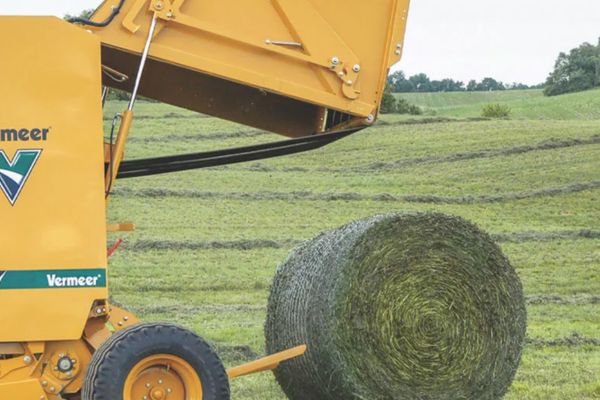
- Packed field grass or synthetic twine acts as a mechanical wedge against the wiper seal lip.
- High frictional heat generated by trapped fibers degrades the elasticity of rubber compounds.
- Sharp, dried organic stalks can physically cut or score the primary polyurethane sealing lips.
How Fiber Compression Leads To Seal Extrusion
When field debris becomes tightly compressed within the gland cavity, the physical displacement forces the seal out of its machined groove. This mechanical displacement is known as seal extrusion. As the rod retracts, it forces the compressed grass fibers into the micro-clearances between the rod and the gland nut.
[Normal Gland] ---> [Rod] [Clearance Space] [Seal Lip Intact]
[Grass Packed] ---> [Rod] [Fiber Intrusion]  [Seal Extruded/Torn]
| Operational Indicator | Mechanical Effect of Grass Compression |
| Tailgate sagging during transport | Micron-level seal gap widening under load |
| Visible fluid film on the rod | Primary seal lip distortion and loss of radial tension |
| Torn wiper seal fragments | Total displacement of the rubber scraping element |
Why Frictional Heat Accelerates Elastomer Degradation
The localized friction between the high-speed moving rod and the packed grass generates thermal spikes that far exceed the normal operating temperature of standard hydraulic systems. This heat hardens the flexible sealing elements, making them brittle and highly susceptible to cracking under minimal pressure.
How Does Foreign Debris Ingress Accelerate Cylinder Wear?
Foreign debris ingress transforms the smooth, low-friction environment of your hydraulic cylinder into an abrasive grinding zone. When the outer wiper seal is compromised by wrapped grass, it loses its ability to deflect field contaminants. As a result, fine dust, silica, and moisture are drawn directly into the internal components of the cylinder with every single stroke.
- Wiper seal failure allows ambient dirt, dust, and agricultural grit to enter the gland.
- Contaminants mix with hydraulic oil to form an abrasive slurry that grinds away components.
- Moisture ingress promotes localized corrosion on non-plated internal surfaces.
Why Fine Silica Destroys Polished Rod Coatings
Fine silica particles carried into the system by agricultural debris are significantly harder than the standard chrome plating applied to hydraulic rods. As these microscopic particles pass under the seal lips, they scratch deep micro-grooves into the polished chrome surface.
[Polished Chrome Surface] ===> [Silica Grain Intrusion] ===> [Deep Scratches/Grooves]
These micro-grooves act like tiny files, wearing away the sealing elements with every movement and creating permanent pathways for fluid leakage.
| Contaminant Type | Primary Damage Mechanism | Operational Consequence |
| Fine Field Dust | Abrasive wear on guide bushings | Rod misalignment and uneven seal wear |
| Silica Particles | Deep scoring of chrome rod plating | Permanent leak paths across the rod surface |
| Plant Moisture | Pitting corrosion within the gland | Accelerated seal tearing during extension |
How Internal Fluid Contamination Triggers System Failure
Once particles bypass the rod seals, they travel deeper into the hydraulic circuit, threatening expensive pumps, directional control valves, and system relief valves. This systemic contamination can cause the internal spool valves to stick, blocking crucial fluid passages.
Ultimately, a localized issue caused by simple wrapped grass can evolve into an expensive, system-wide hydraulic failure. If you want to explore professional components designed to handle high-debris agricultural environments, check out our welded hydraulic cylinders for robust sealing options.
What Are The Immediate Signs Of Baler Tailgate Cylinder Leaks?
Spotting a tailgate cylinder leak early can mean the difference between a simple seal replacement and an expensive component rebuild. Hydraulic systems provide clear physical and operational warning signs before experiencing a total mechanical failure.
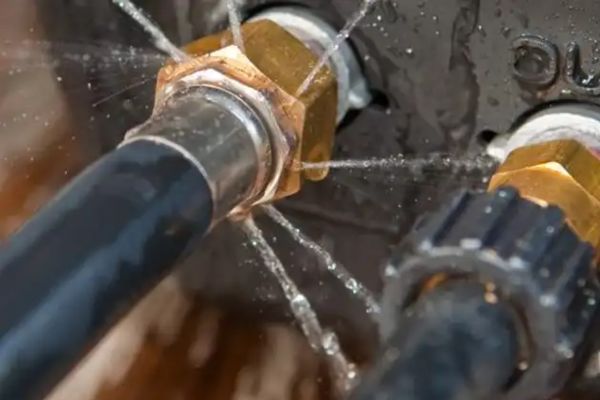
You should pay close attention to how your equipment responds during heavy lifting or under sustained transport loads, as these situations reveal internal pressure loss.
- Sudden drops in tailgate holding pressure during field transport or dumping operations.
- Visible oil tracking or a heavy collection of dust along the exposed section of the rod.
- Unusual chattering or jerky movements when opening or closing the tailgate assembly.
How To Perform A Quick Visual Rod Inspection
A thorough visual inspection of the rod surface and gland area remains the fastest way to confirm ongoing seal failure. Look for a thick, oily residue mixed with plant fibers at the base of the cylinder gland nut.
[Cylinder Barrel] ---> [Gland Nut / Oily Fiber Accumulation] ---> [Scored Rod Surface]
A properly functioning wiper seal should leave the rod dry and entirely free of organic debris or oil buildup.
| Inspection Point | Healthy Observation | Failure Sign (Leakage Present) |
| Rod Surface | Dry, polished chrome finish | Wet oil film with stuck grass fibers |
| Gland Nut Area | Clean metal interface | Accumulation of dark, paste-like oil sludge |
| Wiper Lip | Tight, uniform fit around rod | Torn, deformed, or missing rubber sections |
Why Drift Testing Confirms Internal Bypass Leakage
If your tailgate slowly drifts down after being raised, it indicates that hydraulic fluid is bypassing either the internal piston seal or leaking externally through the rod gland. To perform a basic drift test, raise the tailgate completely, isolate the control valve, and measure the rod displacement over a fifteen-minute window.
Any measurable movement confirms that pressure is escaping past a damaged sealing element, indicating that immediate maintenance or replacement is required.
How To Safely Depressurize And Inspect A Leaking Tailgate Cylinder?
Working on a pressurized tailgate hydraulic cylinder without following correct safety protocols can cause severe injury from high-pressure fluid injection or sudden component drops. You must mechanically secure the heavy tailgate structure before loosening any hydraulic fittings or mechanical mounts.
You will find that taking the time to completely isolate the hydraulic energy guarantees a safe, controlled inspection and repair environment.
- Always lower the tailgate to the ground or secure it with mechanical lock bars.
- Shut down the prime mover engine and cycle all hydraulic valves to relieve residual pressure.
- Wear heavy-duty PPE, including safety glasses and fluid-resistant gloves, during inspection.
Why Mechanical Support Is Mandatory Before Service
Never rely solely on the hydraulic cylinder to support a raised tailgate during a service inspection. If a seal fails completely while you are working near the mechanism, the heavy tailgate will drop instantly.
[Raised Tailgate] ===> [Place Heavy Duty Steel Mechanical Lock Bars] ===> [Safe For Inspection]
Placing a solid steel safety prop or locking pin ensures the tailgate remains secure, regardless of the cylinder’s internal pressure state.
| Step | Service Action Required | Safety Justification |
| 1 | Install mechanical structural supports | Eliminates the risk of a crushing injury from a falling tailgate |
| 2 | Cycle control levers with engine off | Bleeds trapped fluid pressure from lines and cylinder chambers |
| 3 | Loosen hydraulic fittings slowly | Prevents accidental high-pressure fluid injection into the skin |
How To Identify Trapped Pressure In Double-Acting Systems
Double-acting cylinders can store dangerous hydraulic pressure on both sides of the internal piston, even when the machine’s engine is turned off. This trapped energy is caused by thermal expansion or mechanical binding within the linkage assemblies.
To safely manage this risk, loosen hydraulic hose connections slowly while covering the joint with a clean rag to catch any unexpected fluid spray.
What Is The Step-By-Step Field Diagnostic For Gland Seal Failure?
Diagnosing gland seal failure in the field does not require complex electronic diagnostic tools or extensive shop support. By following a systematic manual check, you can quickly determine if wrapped grass has completely destroyed the rod seal assembly.
You should perform this diagnostic routine at the first sign of an external oil film or structural sagging during operation.
- Clean the entire cylinder body, rod surface, and gland nut with a degreasing solvent.
- Operate the tailgate through three complete cycles to generate normal operational pressure.
- Inspect the rod gland interface with a clean cloth to spot the exact source of escaping fluid.
How To Inspect The Rod For Scoring And Plant Contamination
Once the hydraulic cylinder rod is fully extended, check the chrome surface for fine longitudinal scratches or embedded organic material. Run a gloved finger along the rod surface to feel for any sharp ridges or deep cuts caused by compressed grass stalks.
[Extended Rod] ---> [Run Finger Along Chrome Surface] ---> [Check For Vertical Scratches]
Any physical scoring that catches your fingernail will quickly destroy a new set of replacement seals, meaning the rod must be polished or completely replaced.
| Diagnostic Check | Operational Field Method | Diagnostic Conclusion |
| Gland Wipe Test | Use a clean cloth at the rod exit point | Immediate wetness indicates primary seal failure |
| Fiber Check | Inspect the inner groove of the wiper lip | Trapped grass confirms mechanical seal displacement |
| Stroke Smoothness | Observe cylinder movement at low idle | Jerky travel indicates high internal seal friction |
Why Checking Bushing Play Matters For Seal Integrity
Excessive wear in the internal guide bushing or rod clevis pins allows the rod to shift off-center during heavy lifting cycles. This side-loading creates an uneven gap around the rod seal, allowing pressurized fluid to escape past the compressed side.
Always check for lateral movement by applying side pressure to the extended rod before concluding that a simple seal replacement will fix your tailgate hydraulic cylinder leakage.
How To Remove Dried Grass Without Damaging The Polished Chrome Rod?
Removing tightly packed grass or melted synthetic twine from a cylinder rod requires caution to avoid scratching the polished chrome surface. Using sharp steel scrapers, screwdrivers, or open flames will permanently ruin the rod coating, leading to continuous seal failures.
You will find that using soft materials and specific solvents provides an effective way to clean the cylinder rod safely.
- Use rigid plastic, brass, or copper tools to scrape away tightly bound organic fibers.
- Apply a specialized penetrating oil or plant matter solvent to soften dried, hardened grass.
- Avoid using propane torches, as excessive heat warhens internal rubber seals and distorts the rod.
Why Brass Scrapers Are Safest For Chrome Surfaces
Brass is significantly softer than the hard chrome plating applied to industrial hydraulic rods, making it an excellent choice for removing debris. A brass scraper can cut through packed grass and melted synthetic wrap without scratching or gouging the underlying steel surface.
[Packed Debris] ===> [Apply Brass Scraper At 45 Degree Angle] ===> [Safe Debris Removal]
This material distinction allows you to apply firm pressure to clean the rod gland area safely.
| Tool Selection | Surface Safety Level | Mechanical Impact On Chrome Rod |
| Hardened Steel Screwdriver | Highly Dangerous | Easily gouges chrome plating, creating permanent leak paths |
| Solid Brass Hand Scraper | Completely Safe | Removes tough organic matter without scratching the steel |
| Heavy Utility Knife Blade | Dangerous | Slices through seals and scores the polished rod surface |
How Solvent Soaking Softens Hardened Agricultural Fibers
Dried crop residues and synthetic wrapping twine can bake onto the hot rod surface, creating a hard, plastic-like crust. Soaking the area with a specialized penetrating fluid or citrus-based cleaner breaks down the organic bonds, allowing the material to slide away easily.
Once the debris is softened, wipe the rod clean with a lint-free cloth, ensuring no loose abrasive fibers remain near the wiper seal lip.
When Should You Rebuild Versus Replace A Debris-Damaged Cylinder?
Deciding whether to rebuild a debris-damaged tailgate cylinder with a fresh seal kit or replace the entire assembly depends on the condition of the rod and the internal barrel. Minor seal wear caused by wrapped grass can be fixed with an economical shop rebuild.
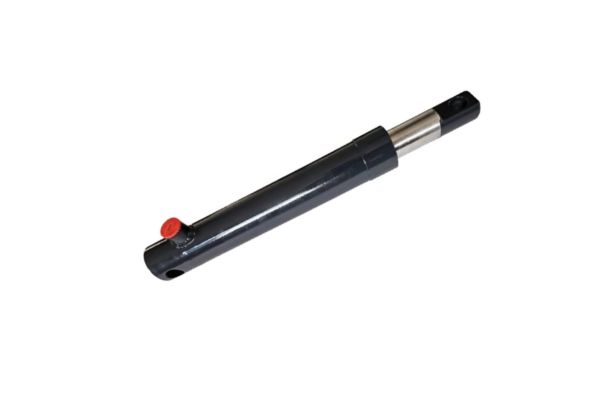
However, if field contaminants have caused deep structural scoring on the internal metal surfaces, replacing the entire unit is often the most reliable option.
- Rebuild if the chrome rod is smooth and the leakage is caused only by a torn rubber seal.
- Replace the unit if the rod is bent, heavily scored, or shows signs of chrome flaking.
- Consider a complete replacement if the internal cylinder barrel shows deep longitudinal grooves.
How To Evaluate The Cost Benefits Of Rebuilding
A standard seal kit is an economical way to fix a baler tailgate cylinder leaks when the underlying metal components remain in good condition. Rebuilding allows you to restore full operating pressure while keeping your original cylinder housing and mounting linkages.
[Minor Seal Damage] ---> [Order Specialized Seal Kit] ---> [Low Cost Rebuild Success]
However, if the rod requires professional machining or re-chroming, the labor costs can quickly exceed the price of a brand-new component.
| Cylinder Damage Component | Recommended Action | Financial / Operational Justification |
| Torn Wiper Seal Only | Shop or Field Rebuild | Low cost; restores full sealing capacity within hours |
| Deeply Scored Chrome Rod | Complete Unit Replacement | High machining costs make individual rod repairs uneconomical |
| Pitted Internal Cylinder Wall | Complete Unit Replacement | Internal bypassing cannot be fixed with a standard seal kit |
Why Material Quality Impacts Rebuild Success
When rebuilding a cylinder damaged by agricultural debris, using high-quality replacement seals is essential. Standard seals wear out quickly when exposed to tough field dust and organic fibers.
Choosing heavy-duty polyurethane seals with an aggressive scraper profile provides the durability needed to handle harsh operating conditions. For premium replacement parts, you can explore our full range of custom hydraulic cylinders built for demanding work environments.
What Engineering Upgrades Prevent Grass From Tearing Rod Seals?
If your equipment operates in heavy grass, cover crops, or waste management environments, standard cylinder designs may need upgrades to prevent premature seal failures. Implementing specific engineering changes can shield the vulnerable rod gland area from debris accumulation.
You will find that modifying the cylinder’s exterior design reduces maintenance downtime and extends seal life.
- Install heavy-duty external metal scrapers or ice-cutters ahead of the rubber wiper seal.
- Fabricate bolt-on mechanical deflectors or steel shroud plates to block wrapping debris.
- Apply specialized canvas, neoprene, or armored rod boots to fully enclose the moving rod.
How Mechanical Shrouds Deflect Debris
A heavy-gauge steel shroud attached directly to the cylinder rod clevis provides a tough physical shield that blocks grass before it reaches the gland nut. As the cylinder retracts, the shroud slides over the barrel, keeping wrapping material away from the polished rod surface.
[Clevis] ===> [Steel Shrouds / Deflector Plate] ===> [Blocks Grass Wrap] ---> [Gland Area Safe]
This simple mechanical barrier prevents grass from winding around the rod, eliminating the primary cause of seal tearing.
| Upgrade Type | Mechanical Protection Mechanism | Primary Environmental Advantage |
| Steel Shroud Plates | Deflects large stalks and wrapping twine | Prevents debris from wrapping around the moving rod |
| Armored Rod Boots | Encloses the exposed chrome rod completely | Seals out fine dust, moisture, and organic juices |
| Brass Scraper Rings | Cuts away packed debris during retraction | Protects internal rubber wiper seals from direct pressure |
Why Upgrading To Dual-Lip Wiper Designs Extends Seal Lif
Standard cylinders often use a single-lip wiper seal that can be easily overwhelmed by compressed organic matter. Upgrading to a heavy-duty, dual-lip wiper system provides two distinct scraping edges.
The outer lip deflects large organic materials, while the inner lip seals out fine dust and moisture, ensuring your primary rod seal remains clean and dry.
Conclusion
By implementing field diagnostics, safe depressurization protocols, and brass-based cleaning techniques, you can efficiently isolate and address gland failures before they evolve into system-wide contamination. Upgrading to dual-lip wipers, installing steel deflector shrouds, and adhering to a post-shift cleaning routine effectively breaks the cycle of premature elastomer degradation. Our commitment at TOPA is to deliver rugged, ISO-certified hydraulic components engineered to withstand the harshest agricultural environments. We design our systems to minimize operational downtime and maintain absolute pressure integrity, ensuring your machinery stays productive season after season.
Frequently Asked Questions
Can I temporarily run a tailgate cylinder with a minor leak?
No, running a leaking cylinder is highly discouraged because the damaged wiper seal allows abrasive silica and moisture to enter the system with every stroke. This ongoing contamination rapidly scores the chrome rod and introduces debris into the main hydraulic circuit, risking expensive damage to pumps and valves.
What’s the best tool to remove melted plastic wrap from a cylinder rod?
The best tool is a solid brass scraper or copper wire brush combined with a citrus-based solvent. Brass and copper are softer than chrome plating, allowing you to scrape away melted wrap without scratching the polished steel rod. Never use steel knives or screwdrivers, as they will permanently gouge the rod surface.
How do I know if my tailgate leak is internal or external?
An external leak shows visible oil tracking down the chrome rod or dripping from the gland nut cavity. An internal leak allows hydraulic fluid to bypass the piston seals inside the barrel, causing the tailgate to sag or drift downward during transport even though no oil is visible on the outside of the cylinder.
Can I replace just the rod wiper seal without removing the cylinder?
Yes, on many equipment designs, the gland nut can be unscrewed from the barrel while the cylinder remains mounted, allowing you to slide the gland off and replace the wiper and rod seals. However, if the rod is scored or the internal piston seals are damaged, the entire cylinder must be removed for a complete shop rebuild.
How often should I check for grass wrapping in high-debris fields?
You should check for grass wrapping at the end of every operational shift, or every 8 to 10 hours of runtime. Removing fresh, wet plant fibers immediately prevents them from drying, shrinking, and packing into the gland cavity overnight, protecting your seals from premature failure.