Heavy-Duty vs Light-Duty Metric Fittings Which is Right for You

Heavy-Duty vs Light-Duty Metric Fittings: Which is Right for You?

Heavy-Duty vs Light-Duty Metric Fittings: Which is Right for You?

Table of Contents

Introduction

For example, a real-life scenario where a construction company faced significant downtime due to the failure of their hydraulic excavator. The issue? A light-duty fitting had been mistakenly used in a high-pressure system. This error resulted in a leak that not only halted operations but also required expensive repairs and replacement parts, leading to a loss of productivity and revenue. This situation underscores the importance of selecting the right fitting for the job—whether heavy-duty or light-duty—because these components play a critical role in the overall performance, safety, and efficiency of hydraulic systems.

Understanding Metric Fittings

What Are Metric Fittings?

Metric fittings are standardized connectors used in hydraulic systems to join various components, such as hoses, tubes, and pipes. They are characterized by their precise, metric-based measurements and are commonly aligned with global standards like DIN (Deutsches Institut für Normung) and ISO (International Organization for Standardization). These fittings are measured in millimeters and are often used in regions and industries that follow metric standards, providing a reliable and uniform way to ensure compatibility between different hydraulic components.

Metric fittings are widely used across a variety of industries due to their versatility and precision. In the construction industry, for example, they are found in hydraulic excavators and loaders, ensuring smooth and safe operation under heavy loads. The automotive industry employs metric fittings in braking systems and fuel lines, where exact specifications are crucial for both performance and safety. Similarly, in agriculture, these fittings are essential in machinery such as tractors and irrigation systems, where they help manage the flow of hydraulic fluids in the field. By adhering to specific standards, metric fittings ensure that hydraulic systems operate efficiently and safely across various applications.

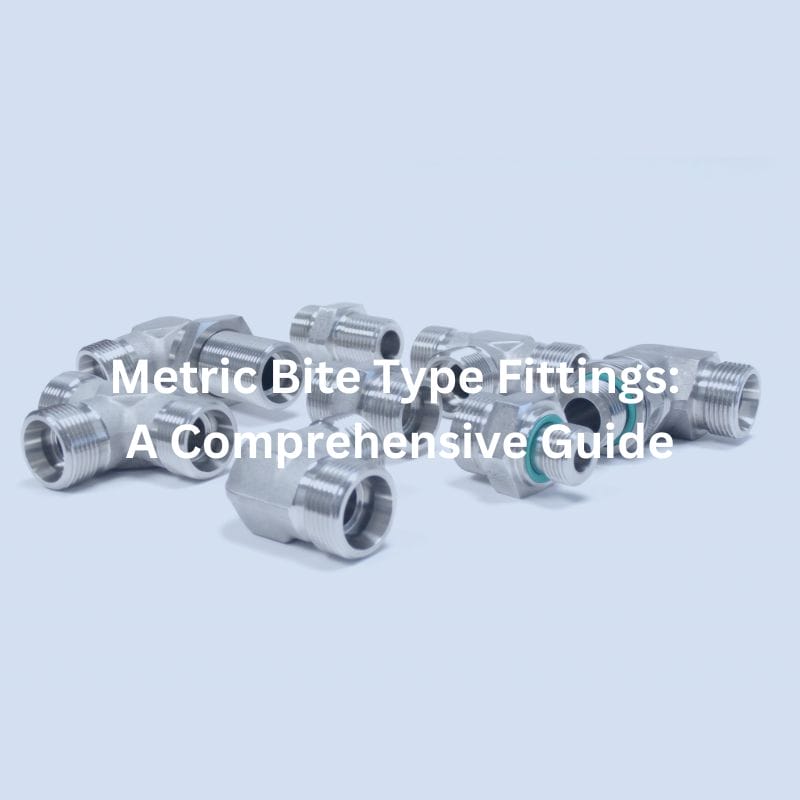
Metric Bite Type Fittings type

Importance of Choosing the Right Fitting

Selecting the correct fitting for your hydraulic system is critical to maintaining its integrity and performance. When the wrong type of fitting is used, it can result in system failures such as leaks, pressure drops, or even complete system breakdowns. For instance, a hydraulic press in a manufacturing plant experienced multiple instances of reduced efficiency because light-duty metric fittings had been installed in a high-pressure environment. This mismatch caused frequent leaks, leading to downtime and costly repairs. Similarly, an agricultural machine faced operational delays when a fitting with incompatible dimensions caused a pressure drop, reducing the system’s ability to perform critical tasks in the field.

These examples highlight why it is vital to choose the right fitting based on your system’s requirements. The correct fitting not only ensures a leak-free connection but also maintains the necessary pressure levels for optimal performance. Choosing the right metric fitting can prevent operational inefficiencies, reduce maintenance costs, and ultimately extend the lifespan of your hydraulic system.

What Are Heavy-Duty Metric Fittings?

Definition and Characteristics

Heavy-duty metric fittings are robust hydraulic connectors specifically designed for demanding environments that require exceptional strength and resilience. These fittings are constructed to withstand extreme pressure conditions, making them ideal for applications where reliability is paramount. Engineered with reinforced walls and durable materials, heavy-duty metric fittings are built to handle the rigors of high-pressure fluid systems. Their enhanced structural integrity ensures that they can endure the physical stresses associated with heavy machinery and hydraulic systems, where pressure fluctuations, vibrations, and harsh operating conditions are the norm.

Heavy-duty metric fittings often comply with strict industry standards, ensuring consistency and performance across different systems and applications. The fittings are characterized by their ability to maintain a secure connection even under intense pressure, preventing leaks, bursts, or other system failures. Their design prioritizes durability, often making them larger and heavier than light-duty alternatives, which makes them suitable for hydraulic systems that demand long-lasting, reliable performance.

Key Features

Heavy-duty metric fittings are distinguished by several key features that make them ideal for high-stress applications:

Reinforced Walls: These fittings are designed with thicker walls compared to light-duty variants, allowing them to handle higher pressure levels without deforming or failing.

Superior Materials: Heavy-duty metric fittings are commonly made from high-strength materials like stainless steel, hardened alloys, and sometimes brass, chosen for their excellent corrosion resistance and strength. These materials can endure harsh conditions such as exposure to chemicals, moisture, and extreme temperatures.

Enhanced Pressure Resistance: Due to their construction, heavy-duty metric fittings are capable of withstanding significantly higher pressures, making them suitable for hydraulic systems that operate under extreme force.

Durability in Harsh Environments: Whether it’s operating in extreme cold, heat, or corrosive environments, heavy-duty fittings maintain their integrity over time, reducing the risk of failure in critical applications.

Applications

Heavy-duty metric fittings are vital in industries where hydraulic systems are subjected to constant high pressure and rough conditions. These fittings are a mainstay in the construction industry, used in equipment such as cranes, bulldozers, and excavators, where they ensure the hydraulic systems powering the machinery can perform reliably under heavy loads.

In the mining industry, where equipment must withstand extreme pressure and abrasive materials, heavy-duty metric fittings are employed in hydraulic drills, loaders, and conveyors, ensuring safe and uninterrupted operation.

Manufacturing industries also rely heavily on these fittings for hydraulic presses, molding machines, and other equipment where precise control and high pressure are required to shape or assemble materials. These applications highlight the critical role of heavy-duty metric fittings in maintaining the integrity and functionality of hydraulic systems in some of the most challenging environments.

What Are Light-Duty Metric Fittings?

Definition and Characteristics

Light-duty metric fittings are hydraulic connectors designed for systems that operate under lower pressure and lighter workloads. Unlike their heavy-duty counterparts, these fittings are built to meet the needs of less demanding environments where extreme pressure and harsh conditions are not a concern. Light-duty metric fittings are typically constructed with thinner walls, allowing them to handle moderate pressure levels efficiently. They are ideal for applications where system loads are lighter and the hydraulic connections do not experience the same intense stress as those in heavy-duty settings.

The materials used in light-duty metric fittings are generally more economical, such as standard steel, aluminum, or lighter alloys. These fittings still offer adequate strength and reliability for the environments they are designed for, but they are not meant to withstand the extreme forces or corrosive conditions found in heavy-duty applications. Instead, they provide a cost-effective and efficient solution for systems that do not require the rugged durability of more robust fittings.

Key Features

Light-duty metric fittings are defined by several characteristics that make them suitable for moderate hydraulic applications:

Thin-Wall Construction: The walls of light-duty metric fittings are thinner than those of heavy-duty fittings, which allows them to function effectively in systems with lower pressure while reducing material usage and cost.

Cost-Effectiveness: Because these fittings are typically made from more affordable materials and do not require the same level of reinforcement, they are a cost-efficient choice for businesses looking to balance performance with budget constraints.

Suitability for Non-Extreme Environments: Light-duty fittings are designed for applications where the hydraulic system is not exposed to extreme conditions such as high temperatures, corrosive chemicals, or excessive pressure fluctuations. They perform reliably in controlled environments where the system demands are predictable and less severe.

Applications

Light-duty metric fittings are commonly used in industries where hydraulic systems operate under moderate conditions, such as agriculture and automotive. In the agricultural industry, these fittings are often found in equipment like tractors, irrigation systems, and small hydraulic pumps, where pressure demands are lower, and the environment is generally less hostile compared to heavy industrial applications.

In automotive systems, light-duty fittings are used in fuel lines, braking systems, and fluid transfer systems, where precise control and moderate pressure are required. Additionally, light-duty metric fittings play a role in small-scale automation systems and light industrial machinery, where hydraulic power is needed for tasks like assembly, packaging, and material handling but without the intense demands of heavy industrial operations.

Comparing Heavy-Duty and Light-Duty Metric Fittings

Pressure Handling Capabilities

To clearly illustrate the differences in pressure handling between heavy-duty and light-duty metric fittings, the following comparison chart provides an overview of their respective pressure ratings:

Fitting Type

Pressure Rating Range

Heavy-Duty

6,000-10,000 PSI (414-690 bar)

Light-Duty

1,500-4,000 PSI(103 -276 bar)

This chart demonstrates that heavy-duty metric fittings are engineered to handle significantly higher pressure levels, making them suitable for high-pressure hydraulic systems found in demanding industrial applications. Light-duty fittings, on the other hand, are designed for moderate-pressure systems where lower forces are involved.

Material Strength and Durability

Heavy-duty and light-duty metric fittings differ not only in their pressure-handling capabilities but also in the materials used to construct them. Heavy-duty fittings are typically made from high-strength materials such as stainless steel, hardened alloys, and brass, which offer superior durability, corrosion resistance, and fatigue life. These materials are crucial for systems exposed to corrosive substances, extreme temperatures, or abrasive materials, as they prevent premature wear and reduce the likelihood of system failures.

Light-duty fittings, by contrast, are often made from aluminum, standard steel, or other lighter materials that, while adequate for lower-pressure systems, may lack the same level of corrosion resistance and durability. These materials are more suitable for environments that do not expose the fittings to harsh conditions, though they may require more frequent replacement as they degrade faster over time compared to heavy-duty options.

Cost Considerations

The cost of metric fittings can vary widely depending on their type, material, and application. Heavy-duty fittings tend to have a higher initial cost due to the superior materials and reinforced construction required to withstand high-pressure environments. However, this upfront investment is often offset by the fittings’ longer lifespan, reduced maintenance needs, and higher reliability in demanding applications. Over time, heavy-duty fittings may offer cost savings as they prevent costly system failures and reduce downtime.

Light-duty fittings, in contrast, are generally more cost-effective upfront due to their simpler construction and use of less expensive materials. However, because they are less durable and more susceptible to wear and tear, they may require more frequent replacements and higher maintenance costs over time, especially if used in systems that exceed their designed capabilities.

Weight and Space Requirements

Heavy-duty metric fittings tend to be larger and heavier than light-duty options due to their thicker walls and more robust construction. This added weight and bulk can be a consideration in systems where space is limited or where weight constraints are critical, such as in mobile equipment or aerospace applications. The additional size and weight may complicate system design, installation, and maintenance, requiring more careful planning to ensure that the fittings do not negatively impact the system’s overall efficiency.

Light-duty fittings, with their lighter weight and smaller dimensions, are better suited for compact systems or applications where space is a premium. Their lighter construction makes them easier to handle and install, and they take up less room in tight spaces. However, this advantage comes at the cost of reduced pressure-handling capabilities and durability.

Environmental and Application Suitability

When choosing between heavy-duty and light-duty metric fittings, it’s important to consider the environmental factors and application-specific conditions that may impact the performance of the fittings. Heavy-duty fittings are designed to excel in extreme environments where factors like temperature extremes, corrosive chemicals, and abrasive materials are common. Their construction from high-grade materials ensures that they can withstand these challenges without compromising the integrity of the hydraulic system.

Light-duty fittings, while adequate for moderate environments, may struggle in more extreme conditions. They are more vulnerable to corrosion, fatigue, and wear, especially when exposed to harsh substances or fluctuating temperatures. As a result, light-duty fittings are best suited for applications where the environment is controlled, and the hydraulic system is not subjected to extreme stresses.

Ultimately, the choice between heavy-duty and light-duty metric fittings should be based on a careful evaluation of the operating conditions, pressure requirements, and long-term cost implications for your specific hydraulic system.

Factors to Consider When Choosing

System Pressure Requirements

The most critical factor when deciding between heavy-duty and light-duty metric fittings is the pressure requirements of your hydraulic system. Hydraulic systems are designed to operate within specific pressure ranges, and the fittings you choose must be capable of handling those pressures without failure. Heavy-duty metric fittings are essential for systems that operate under high pressures, typically ranging between 6,000 to 10,000 PSI. These fittings are designed to maintain integrity under intense stress, preventing leaks or blowouts that could compromise system performance.

On the other hand, light-duty metric fittings are sufficient for systems operating at lower pressures (1,500 to 4,000 PSI), where the forces involved are less extreme. Installing the appropriate fitting for your system’s pressure needs is crucial to ensuring safe, efficient operation. Failure to select the right fitting could lead to pressure drops, system inefficiencies, or even catastrophic failures, potentially resulting in costly repairs and downtime.

Application-Specific Demands

metric hydraulic fitting different application Topa

Beyond pressure, the operational requirements of the specific machine or tool in question should heavily influence your fitting choice. Consider factors such as duty cycles, load stress, and vibration levels. For instance, a piece of machinery like a hydraulic excavator, which operates continuously under heavy loads, will benefit from the durability and strength of heavy-duty fittings. These fittings can withstand the repetitive stress and heavy-duty cycles that occur in such applications.

In contrast, for lighter machinery like small-scale agricultural equipment or automated tools with lower load requirements, light-duty fittings are often sufficient. The lower duty cycles and reduced load stress in these systems allow light-duty fittings to perform effectively without the need for the extra reinforcement found in heavy-duty variants. Evaluating the specific operational demands of your machinery is key to making the right choice between fitting types.

Budget and Long-Term Maintenance

Cost considerations are another important factor when selecting between heavy-duty and light-duty fittings. While heavy-duty fittings typically come with a higher initial cost due to the superior materials and robust construction, they offer significant advantages in terms of long-term durability and reduced maintenance. In harsh conditions or high-pressure environments, heavy-duty fittings can save money over time by reducing the need for frequent replacements, minimizing the risk of system failures, and preventing costly downtime.

On the other hand, light-duty fittings are generally more affordable upfront, making them an attractive option for systems with lower performance demands. However, they may require more frequent maintenance and replacement due to their lighter construction and lower pressure tolerance. When evaluating your budget, it’s important to balance the initial savings of light-duty fittings with the potential for higher long-term maintenance costs. If your system operates in a demanding environment, investing in heavy-duty fittings may lead to greater cost savings over the lifespan of your equipment.

Future Expansion and System Flexibility

When selecting fittings for your hydraulic system, it’s important to think about future expansion and system flexibility. Your current setup may meet today’s demands, but what if your system needs to handle higher pressures, larger loads, or additional components in the future? Heavy-duty fittings offer greater flexibility for future upgrades or system expansions because of their higher pressure tolerance and durability. By choosing fittings that can accommodate increased loads and pressures, you can ensure that your system remains adaptable to new requirements without needing to replace fittings later.

Light-duty fittings, while more cost-effective in the short term, may limit your system’s ability to scale up or adapt to new challenges. If future expansion is likely, investing in heavy-duty fittings from the start could save time and money in the long run, preventing the need for a system overhaul when increased demands arise.

In conclusion, selecting the right metric fittings requires careful consideration of your hydraulic system’s pressure requirements, application demands, budget, and future needs. By evaluating these factors, you can make an informed choice that ensures both short-term efficiency and long-term performance.

Conclusion

We recommend taking the time to assess your hydraulic system’s unique needs before committing to either heavy-duty or light-duty Metric fittings. For personalized advice and further assistance, consulting with hydraulic experts can provide valuable insights tailored to your specific applications. If you need guidance or have any questions, our team of experts is here to help you make the right choice for your hydraulic system. Reach out to us for expert advice and support in selecting the best fittings for your requirements.

FAQ

Metric fittings are hydraulic connectors designed to join components like hoses and tubes, measured using the metric system (in millimeters) and often adhering to global standards like DIN or ISO.

Heavy-duty fittings are built for high-pressure, demanding environments, while light-duty fittings are suited for lower-pressure applications with lighter workloads.

Heavy-duty fittings should be used in applications that require handling high pressures, such as construction, mining, or manufacturing machinery.

No, light-duty fittings are not designed for high-pressure systems and may fail, leading to leaks or system breakdowns.

Yes, heavy-duty fittings are typically more expensive upfront due to their reinforced construction and durable materials, but they offer longer-term cost savings in harsh conditions.

Your choice should be based on your system’s pressure requirements, environmental conditions, and budget considerations. Consulting with a hydraulic expert can help you make the right decision.

Choosing the Right Metric Hydraulic Fitting Standard

Choosing the Right Metric Hydraulic Fitting Standard

Choosing the Right Metric Hydraulic Fitting Standard

Table of Contents

Introduction

The correct standard of fittings maintains optimum pressure and flow ratings, ensuring that the system operates at peak efficiency. Safety should not be overlooked either, as using the right fittings helps prevent leaks and potential failures that can lead to dangerous accidents and costly downtime. Proper material selection and fitting design can withstand the rigors of a variety of applications, thereby extending the life of your hydraulic system.

DIN 2353

DIN 2353 fittings were developed by the Deutsches Institut für Normung (DIN), the German Institute for Standardization, which plays a pivotal role in creating and maintaining standards across various industries in Germany. These standards are meticulously crafted to ensure uniformity, safety, and efficiency in hydraulic applications. Since their inception, DIN 2353 fittings have been widely adopted throughout Europe due to their robust design and reliability. Over time, their reputation for high quality and consistent performance has led to their global recognition, making them a standard choice in many industries worldwide.
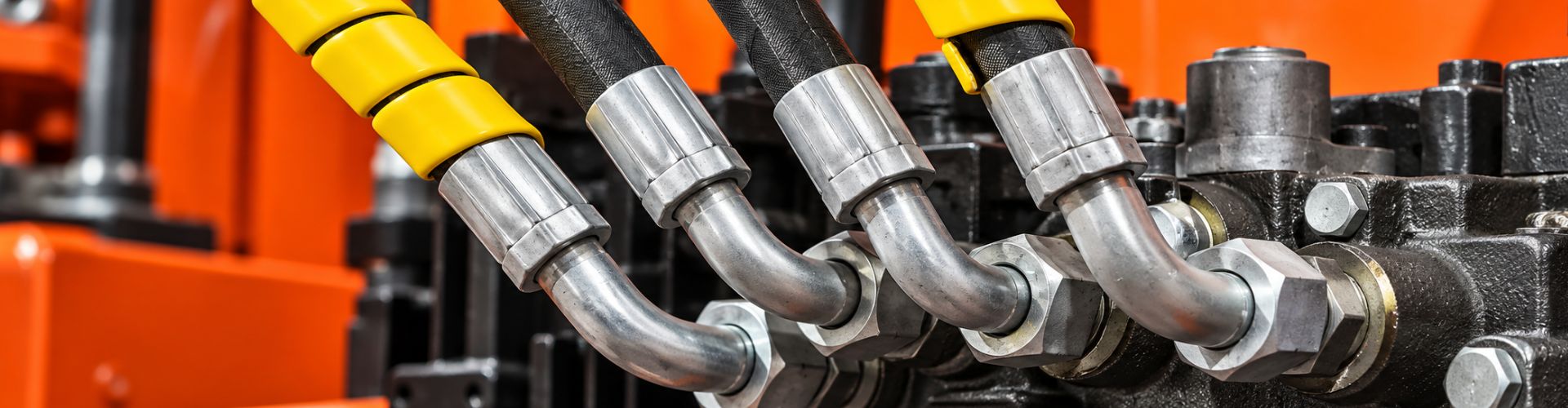
DIN 2353

Key Features and Specifications

DIN 2353 fittings are categorized into three series based on their pressure ratings and wall thickness, making them versatile for a wide range of applications:

Light Series (L): These fittings are designed for low to medium pressure applications. They have thinner walls and are typically used in systems where space and weight are considerations, yet reliability cannot be compromised.

Heavy Series (S): The heavy series fittings are engineered for high-pressure applications, featuring thicker walls to withstand greater stresses. They are ideal for demanding environments where high durability and strength are required.

Extra Light Series (LL): These fittings cater to low-pressure applications and are designed with the thinnest walls among the three series. They are suitable for systems where fluid pressure is minimal but reliability and integrity of connections are still critical.

DIN 2353 fittings are manufactured with standardized dimensions and materials, which ensure reliability and ease of interchangeability. This standardization means that components can be easily replaced or upgraded without compatibility issues, simplifying maintenance and reducing downtime. withstand these conditions, providing reliable performance and durability in applications such as ship hydraulics, offshore drilling rigs, and underwater equipment. The standard ensures that the fittings can handle the unique challenges of the marine environment, maintaining system integrity and safety.

Industrial Hydraulics: Industrial hydraulic systems are widely used in manufacturing, processing plants, and other industrial applications. These systems often operate under high-pressure conditions and require reliable fittings to ensure continuous and efficient operation. BS EN ISO 12151-2 fittings are integral to these systems, providing the necessary performance and reliability to handle the demanding conditions of industrial environments.

Mobile Equipment: Mobile equipment, such as construction machinery, agricultural vehicles, and forestry equipment, relies heavily on hydraulic systems for various functions. These systems must perform reliably in diverse and often challenging environments. BS EN ISO 12151-2 fittings are used extensively in mobile equipment to ensure that the hydraulic systems can handle high pressures and provide consistent performance. The fittings’ robustness and compatibility with various hose types make them ideal for use in mobile applications, where flexibility and durability are critical.

Typical Applications

DIN 2353 fittings are versatile and find use in various industries due to their robust design and high reliability:

Industrial Machinery: In the industrial sector, these fittings are integral to the hydraulic systems of manufacturing equipment, automation systems, and various types of machinery. Their ability to handle varying pressures and conditions makes them ideal for maintaining the efficiency and safety of complex industrial operations.

Construction Equipment: The construction industry relies heavily on hydraulic systems for machinery such as excavators, bulldozers, cranes, and loaders. DIN 2353 fittings are crucial for ensuring these machines operate smoothly and safely, even in harsh conditions. Their high-pressure capabilities and durability make them a preferred choice for construction equipment.

Automotive Industry: In the automotive sector, these fittings are used in the hydraulic and pneumatic systems of vehicles, including brakes, power steering, and suspension systems. The precision and reliability of DIN 2353 fittings contribute to the overall safety and performance of vehicles, making them an essential component in automotive manufacturing and maintenance.

ISO 8434-1

ISO 8434-1 is a critical component of the ISO 8434 series, which encompasses a comprehensive set of standards aimed at standardizing fittings for fluid systems across the globe. This series was developed by the International Organization for Standardization (ISO), a body that works to promote international cooperation and compatibility through standardization. The goal of ISO 8434-1 is to unify global hydraulic fitting standards, thereby facilitating easier trade, reducing compatibility issues, and ensuring that hydraulic systems meet consistent performance and safety benchmarks regardless of where they are manufactured or used.

ISO 8434-1

Main Characteristics

ISO 8434-1 fittings are designed with several key characteristics that make them suitable for a wide range of applications:

High-Pressure Capability: These fittings are engineered to handle high-pressure environments, making them ideal for applications where maintaining pressure integrity is crucial. Their robust design ensures that they can withstand significant pressure without compromising the seal, thereby preventing leaks and ensuring system efficiency.

Temperature and Fluid Compatibility: ISO 8434-1 fittings are suitable for a broad range of temperatures, which makes them versatile for use in different climatic conditions and operational environments. Additionally, these fittings are compatible with various fluids, including hydraulic oils, water-glycol solutions, and other fluids used in hydraulic and pneumatic systems. This versatility ensures that the fittings perform reliably regardless of the fluid type or temperature conditions they are exposed to.

Use Cases and Industries

ISO 8434-1 fittings are utilized in a variety of industries and applications due to their robust design and versatile characteristics:

General Industrial Applications: These fittings are widely used in manufacturing plants, processing facilities, and other industrial environments where fluid power systems are essential. Their ability to handle high pressures and varying temperatures makes them suitable for a range of machinery and equipment used in these settings.

Hydraulic and Pneumatic Systems: ISO 8434-1 fittings are integral to the functioning of hydraulic and pneumatic systems, which rely on fluid power to operate. These systems are found in a multitude of industries, including manufacturing, automotive, and aerospace. The fittings’ high-pressure capability and fluid compatibility ensure that these systems operate efficiently and safely.

Agriculture and Mobile Equipment: In the agricultural sector, machinery such as tractors, harvesters, and sprayers rely on hydraulic systems for various functions. ISO 8434-1 fittings are used extensively in this equipment due to their durability and ability to perform under varying field conditions. Similarly, mobile equipment used in construction, forestry, and mining also benefits from the reliability and robustness of these fittings. The ability to maintain performance under high pressure and in diverse environments makes ISO 8434-1 fittings a preferred choice for mobile hydraulic systems.

ISO 6149-1

ISO 6149-1 is a standard that specifies the dimensions and performance requirements for metric ports and stud ends used in hydraulic systems. This standard is crucial for ensuring compatibility and reliability in hydraulic applications, as it defines the precise measurements and quality criteria that components must meet. By adhering to these specifications, manufacturers can produce components that are interchangeable and consistent in performance, which is essential for maintaining the integrity and efficiency of hydraulic systems.

Critical Aspects and Design

ISO 6149-1 fittings are meticulously designed to meet the demands of high-pressure hydraulic applications. Here are the critical aspects and design features that make these fittings suitable for such environments:
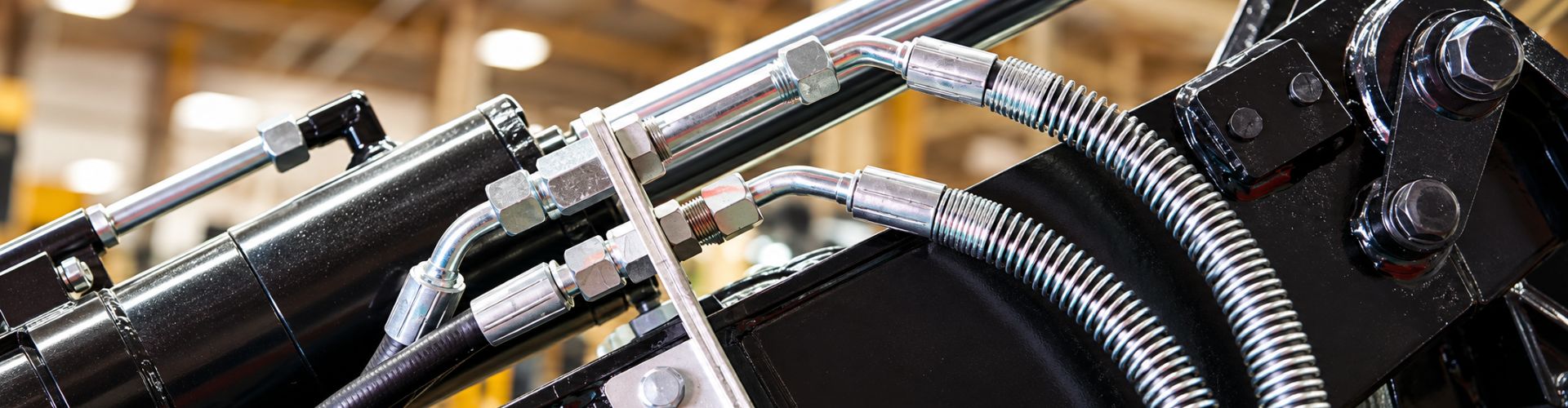
High-Pressure Hydraulic Applications: These fittings are engineered to withstand high-pressure conditions typically encountered in hydraulic systems. The design ensures that the fittings can handle significant hydraulic loads without compromising the integrity of the seal or the system’s overall performance.

Reliable Seal: A key feature of ISO 6149-1 fittings is their ability to provide a reliable seal. This is often achieved through the use of O-rings, which are designed to prevent leaks by creating a tight seal between the fitting and the port. The reliable sealing capability is crucial for maintaining system pressure and preventing fluid leaks, which can lead to system failures and safety hazards.

Ease of Installation: Another important design aspect is the ease of installation. ISO 6149-1 fittings are designed to be user-friendly, with features that facilitate quick and secure installation. This reduces the risk of installation errors, which can compromise system performance and safety. The standardized dimensions also mean that fittings from different manufacturers can be used interchangeably, simplifying maintenance and replacement processes.

Common Implementations

ISO 6149-1 fittings are used in a variety of applications, particularly where high-pressure hydraulic systems are involved. Some of the most common implementations include:

Hydraulic Cylinders and Valves: In hydraulic systems, cylinders and valves are critical components that control the movement and direction of hydraulic fluid. ISO 6149-1 fittings are used extensively in these components to ensure that they can handle high-pressure conditions and provide reliable performance. The fittings’ robust design and reliable sealing capabilities make them ideal for use in these demanding applications.

Heavy Machinery and Industrial Hydraulics: Heavy machinery, such as construction equipment, mining machinery, and industrial hydraulic systems, rely on high-pressure hydraulic systems to operate effectively. ISO 6149-1 fittings are used in these systems to ensure that they can withstand the harsh operating conditions and high pressures typical of these environments. The fittings’ durability and performance characteristics are essential for maintaining the efficiency and safety of heavy machinery and industrial hydraulics.

BS EN ISO 12151-2

BS EN ISO 12151-2 is a standard that provides comprehensive specifications for hose fittings used in hydraulic systems. It is a part of the broader ISO 12151 series and represents both British and European standards, ensuring a high level of performance and reliability in various applications. This standard is essential for defining the criteria that hose fittings must meet to ensure safety, efficiency, and compatibility in high-pressure hydraulic systems. By adhering to these specifications, manufacturers can produce fittings that are consistent in quality and performance, facilitating smooth operations in critical applications.

BS EN ISO 12151-2

Principal Elements

BS EN ISO 12151-2 focuses on several key elements that are crucial for the performance and reliability of hose fittings in high-pressure environments:

Performance and Reliability: The standard emphasizes the need for hose fittings to perform reliably under high-pressure conditions. This includes maintaining integrity and performance in environments where hydraulic pressures are significant. The fittings must be capable of withstanding high-pressure loads without failure, ensuring the safety and efficiency of the hydraulic system.

Compatibility with Various Hose Types: Another critical aspect of BS EN ISO 12151-2 is ensuring that the fittings are compatible with a wide range of hydraulic hoses. This compatibility is essential for flexibility in design and maintenance, allowing for the use of different hose types depending on the specific requirements of the application. The standard ensures that the fittings can be used interchangeably with various hoses, simplifying the selection and replacement process.

Relevant Sectors

BS EN ISO 12151-2 fittings are used across multiple sectors where high-pressure hydraulic systems are essential. Some of the most relevant sectors include:

Offshore and Marine: In the offshore and marine industries, hydraulic systems are exposed to harsh environments, including saltwater, high humidity, and extreme temperatures. BS EN ISO 12151-2 fittings are designed to

Key Differences Between Standards

Pressure Ratings and Performance

DIN 2353: DIN 2353 fittings are designed to handle medium to high-pressure applications. They are categorized into three series (Light, Heavy, and Extra Light), each tailored for specific pressure ranges and applications, ensuring versatility and reliability in various industrial settings.

ISO 8434-1: This standard covers high-pressure fittings that are versatile and suitable for a broad range of applications. ISO 8434-1 fittings are engineered to maintain performance and integrity under high-pressure conditions, making them ideal for demanding industrial, hydraulic, and pneumatic systems.

ISO 6149-1: ISO 6149-1 fittings are specifically designed for high-pressure hydraulic systems. These fittings provide robust sealing to ensure leak-free operation, making them suitable for applications requiring reliable performance under high pressures, such as hydraulic cylinders and heavy machinery.

BS EN ISO 12151-2: These fittings are built for high-pressure, heavy-duty applications. They are designed to handle the extreme conditions often found in offshore, marine, and industrial hydraulic systems, ensuring durability and performance in challenging environments.

Thread Forms and Sealing Methods

DIN 2353: DIN 2353 fittings use metric threads and a 24° cone sealing method. This combination provides a secure and reliable seal, ensuring leak-free connections in medium to high-pressure hydraulic systems.

ISO 8434-1: This standard includes various thread forms and offers both elastomeric and metal-to-metal sealing methods. The flexibility in thread forms and sealing techniques allows ISO 8434-1 fittings to be used in a wide range of applications, accommodating different operational requirements.

ISO 6149-1: ISO 6149-1 fittings feature metric threads and use O-ring sealing. The O-ring provides a reliable and robust seal, ensuring high-pressure hydraulic systems remain leak-free and perform optimally.

BS EN ISO 12151-2: These fittings also use metric threads and are designed to meet hose fitting standards. The emphasis on compatibility with various hose types ensures that BS EN ISO 12151-2 fittings can be used flexibly across different high-pressure hydraulic applications.

Material Compatibility and Durability

DIN 2353: These fittings are available in materials such as steel, stainless steel, and brass. The choice of materials ensures that DIN 2353 fittings can be used in a variety of environments, providing durability and corrosion resistance where needed.

ISO 8434-1: ISO 8434-1 fittings are made from a broad range of materials, including stainless steel and brass. This range allows for use in diverse applications, ensuring the fittings can withstand different environmental conditions and chemical exposures.

ISO 6149-1: These fittings are made from high-strength steel and corrosion-resistant materials. The material choice ensures that ISO 6149-1 fittings provide durability and longevity in high-pressure hydraulic systems, even in corrosive environments.

BS EN ISO 12151-2: BS EN ISO 12151-2 fittings are manufactured from high-grade steel and corrosion-resistant alloys. These materials are chosen to ensure the fittings perform reliably in harsh conditions, such as those found in offshore, marine, and heavy-duty industrial applications.

Selecting the Right Standard

Assessing System Requirements and Specifications

When selecting the appropriate metric hydraulic fittings standard, it is crucial to thoroughly evaluate your system requirements and specifications. Here are the key factors to consider:

Pressure Ratings: Determine the maximum and minimum pressure levels your system will encounter. Select fittings that are designed to handle these pressure ranges to ensure safe and efficient operation. For example, DIN 2353 fittings are suitable for medium to high pressures, while ISO 6149-1 fittings are designed for high-pressure systems.

Temperature Ranges: Assess the temperature conditions in which your hydraulic system will operate. Different fittings are designed to withstand various temperature extremes. Ensure that the selected fittings can handle the operating temperatures without compromising their integrity or performance.

Fluid Compatibility: Consider the types of fluids used in your hydraulic system. Fittings must be compatible with the specific fluids to prevent corrosion, chemical reactions, and degradation. For instance, ISO 8434-1 fittings are versatile and suitable for a wide range of fluids, including hydraulic oils and water-glycol solutions.

By carefully evaluating these factors, you can choose fittings that will provide optimal performance and reliability in your hydraulic system.

Evaluating Compatibility with Existing Equipment

Ensuring that new fittings are compatible with your existing equipment is essential to avoid operational issues and additional costs. Here are the steps to evaluate compatibility:

Match Existing Specifications: Compare the specifications of the new fittings with those of your current system. This includes checking thread types, sizes, and sealing methods. For instance, if your system currently uses metric threads with a 24° cone sealing (as in DIN 2353), ensure the new fittings match these specifications.

Adaptability: If the new fittings do not match exactly but offer significant advantages, assess whether adapters or conversion components can be used to integrate them into your existing system. However, be cautious of potential issues such as added complexity, increased potential for leaks, and maintenance challenges.

Consult with Suppliers: Engage with suppliers or manufacturers to confirm compatibility. Suppliers often provide technical support and can help identify the best fitting options for your specific requirements. They can also provide insights into potential issues and solutions for integrating new fittings with your current equipment.

System Testing: Once new fittings are selected and installed, conduct thorough testing to ensure they function correctly within your system. This includes pressure tests, leak tests, and operational trials to verify that the new fittings meet performance expectations and maintain system integrity.

Conclusion

Understanding the differences between these standards allows you to make an informed decision that aligns with your system’s needs. It is essential to thoroughly assess your system requirements, including pressure ratings, temperature ranges, and fluid compatibility, and ensure the chosen fittings are compatible with your existing equipment. Additionally, adhering to best practices for installation and maintenance is crucial to maintaining system integrity, preventing leaks, and ensuring long-term reliability.

FAQ

DIN 2353 fittings are primarily used in Europe and are designed for medium to high-pressure applications with metric threads and a 24° cone sealing. ISO 8434-1 fittings are globally recognized, suitable for high-pressure environments, and feature various thread forms with elastomeric or metal-to-metal sealing.

Yes, ISO 6149-1 fittings are specifically designed for high-pressure hydraulic applications, providing robust sealing and reliable performance under significant pressure.

Yes, BS EN ISO 12151-2 fittings are designed to be compatible with a wide range of hydraulic hoses, ensuring versatility and ease of use across various applications.

Assess your system’s pressure ratings, temperature ranges, and fluid compatibility. Consult with suppliers and industry experts to ensure the selected fittings meet your system’s specific requirements and are compatible with existing equipment.

DIN 2353 fittings are typically made from steel, stainless steel, and brass, offering durability and corrosion resistance for various industrial applications.

Proper installation and maintenance ensure the integrity and longevity of hydraulic systems, preventing leaks, maintaining optimal performance, and reducing the risk of system failures and downtime.

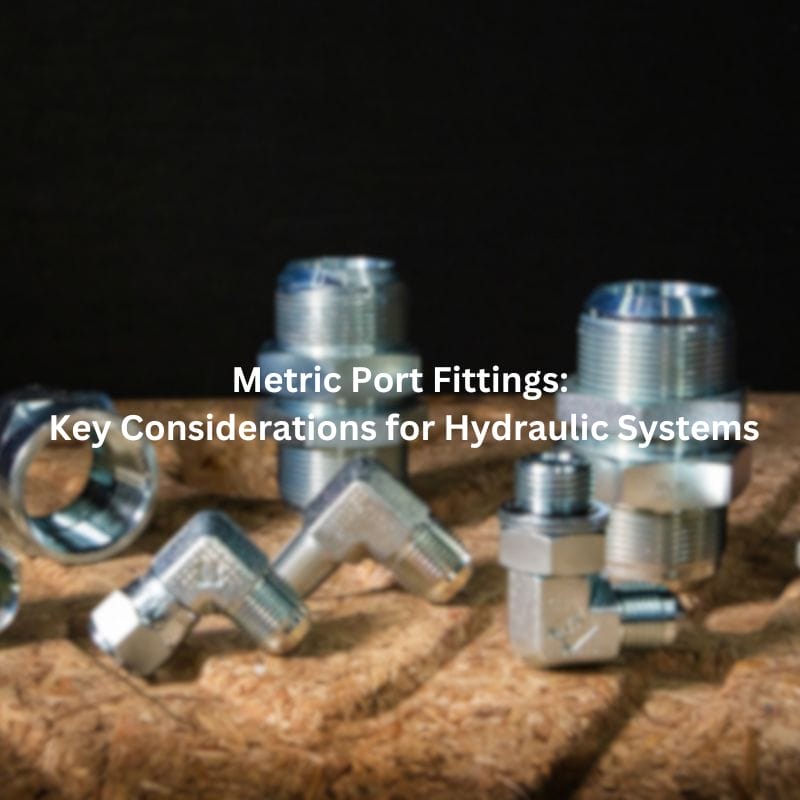
Metric Port Fittings Key Considerations for Hydraulic Systems

Metric Port Fittings: Key Considerations for Hydraulic Systems

Metric Port Fittings: Key Considerations for Hydraulic Systems

Introduction

Selecting the proper fitting for hydraulic systems is crucial to ensure efficient and leak-free operations. Incorrect fittings can lead to system failures, leaks, and costly downtime. Understanding the different types of metric ports is essential for making informed choices. The most common metric ports used in hydraulic systems are DIN (Deutsches Institut für Normung), BSPP (British Standard Pipe Parallel), and ISO 6149. Each type has its specifications, applications, and compatibility requirements, which must be considered to maintain the integrity and performance of the hydraulic system.

Types of Metric Ports

DIN Ports

DIN (Deutsches Institut für Normung) ports are standardized in Germany and widely utilized across numerous industrial applications due to their robustness and versatility. These ports are specifically designed to handle high-pressure environments, making them an ideal choice for sectors where durability and reliability are paramount. Commonly found in manufacturing, automotive, and heavy machinery industries, DIN ports are engineered to meet stringent performance criteria, which is why they are often seen in hydraulic systems that demand high precision and robustness.

DIN ports feature a 24-degree cone angle, providing a secure and leak-proof connection when paired with the appropriate fittings. This design not only enhances the reliability of the hydraulic system but also ensures that the connections remain stable even under extreme pressures. Their widespread use in critical applications underscores their importance in maintaining the efficiency and safety of hydraulic systems.

Compatibility with Specific Fittings

The success of DIN ports in hydraulic systems largely depends on their compatibility with specific fittings that adhere to the same DIN standards. Fittings designed for DIN ports are characterized by their 24-degree cone angle, which matches the port design to create a secure and leak-proof connection. This compatibility is crucial for ensuring the integrity of the hydraulic system, as mismatched fittings can lead to leaks, pressure drops, and potential system failures.

When selecting fittings for DIN ports, it is essential to verify that they conform to the same DIN standards. This ensures not only a proper fit but also optimal performance under the specified operating conditions. The use of standardized fittings simplifies maintenance and replacement processes, as components from different manufacturers that meet the DIN standards can be interchangeably used without compromising the system’s performance.

DIN 2353

ISO 6149 Ports

ISO 6149 ports are internationally standardized and widely recognized for their high performance and reliability in hydraulic systems. These ports are designed to meet stringent international standards, making them suitable for a variety of demanding applications, including mining, oil and gas, and industrial machinery. The ISO 6149 standard ensures that the ports and fittings are compatible and can withstand high pressures and harsh operating conditions.

The robust design of ISO 6149 ports makes them an excellent choice for heavy-duty applications where reliability and performance are paramount. These ports are engineered to provide a secure and leak-proof connection, even under extreme pressures, making them ideal for use in critical hydraulic systems that operate in challenging environments.

Compatible Fittings and Benefits

Fittings compatible with ISO 6149 ports are designed to provide superior leak resistance and durability. These fittings typically feature an O-ring seal, which forms a tight and reliable seal with the port, preventing fluid leakage and ensuring the integrity of the hydraulic system. The use of O-rings also simplifies the installation process, as the fittings can be easily screwed into place without requiring excessive torque.

The benefits of using ISO 6149 fittings include their ability to withstand high pressures and harsh operating conditions. This makes them suitable for demanding applications where performance and reliability are critical. The standardized design of ISO 6149 ports and fittings ensures compatibility across different manufacturers, allowing for easy replacement and maintenance without compromising the system’s performance.

Identifying the Correct Fitting

Thread Identification

Techniques for Identifying Thread Types

Identifying the correct thread type is crucial for ensuring a proper fit in hydraulic systems. Proper thread identification techniques include:

Measuring the Thread Pitch:

Thread pitch refers to the distance between adjacent threads. It is typically measured in millimeters for metric threads. Using a thread pitch gauge, which has multiple blades of different pitches, can help identify the correct pitch by matching the blade that fits the threads without gaps.

Measuring the Thread Diameter:

The thread diameter is the outer diameter of the thread, also known as the major diameter. This can be measured using a caliper. Ensuring accurate measurement is vital, as slight variations can lead to mismatched fittings.

Using Thread Gauges:

Thread gauges come in various sizes and are used to match the internal and external threads of the fittings and ports. These gauges help verify the size and type of the threads, ensuring compatibility.

Comparing to Standards:

Cross-referencing the measurements with standard charts (like ISO, DIN, or BSPP standards) helps in identifying the correct thread type. These charts provide detailed specifications for different thread types, aiding in accurate identification.

Importance of Accurate Measurement

Accurate measurement of threads is fundamental to the correct selection of fittings, preventing issues such as cross-threading, leaks, and system failures. Here’s why precision is essential:

Preventing Leaks:

Incorrect thread identification can lead to poor fitting connections, resulting in leaks. Leaks not only reduce system efficiency but can also lead to contamination and potential environmental hazards.

Avoiding Cross-Threading:

Cross-threading occurs when threads do not match correctly, causing damage to both the fitting and the port. This can lead to costly repairs and system downtime.

Ensuring System Integrity:

Properly identified and matched threads maintain the integrity of the hydraulic system, ensuring consistent pressure and performance. Accurate measurements guarantee that the fittings will handle the system’s operational requirements without failure.

Sealing Methods

Different Sealing Techniques

Sealing methods are essential for maintaining the integrity of hydraulic systems and preventing fluid leaks. The two most common sealing techniques are:

O-ring Seals:

O-rings are circular elastomer seals that fit into a groove and compress between the fitting and port, creating a seal. They are widely used due to their reliability and ease of installation.

Bonded Seals (Dowty Seals):

Bonded seals consist of a metal washer with a vulcanized rubber sealing ring bonded to the inside. They provide a high-pressure seal by compressing the rubber element when the fitting is tightened.

Metric Sealing Methods

Pros and Cons of Each Method

O-ring Seals:

Pros:

Reusable: O-rings can be reused multiple times if they are not damaged, making them cost-effective.

Easy to Replace: O-rings are simple to replace, which is advantageous during maintenance.

Versatile: Available in various materials (e.g., nitrile, Viton), O-rings can be selected based on the system’s operating conditions.

Cons:

Degradation Over Time: O-rings can degrade due to environmental factors such as temperature, chemical exposure, and aging.

Requires Proper Groove Design: The groove must be correctly designed to ensure effective sealing and avoid extrusion under pressure.

Bonded Seals:

Pros:

High-Pressure Resistance: Bonded seals are excellent for high-pressure applications due to the robust sealing provided by the metal-to-rubber bond.

Durable: The metal washer provides structural integrity, protecting the rubber seal from damage.

Cons:

Single-Use: Bonded seals are typically single-use, as the rubber element can be compressed permanently after the initial installation.

Harder to Replace: Replacing bonded seals can be more challenging compared to O-rings, requiring more effort and potentially higher costs.

Selection Guidelines

Compatibility Considerations

Ensuring Fitting and Port Match

Ensuring that the fitting matches the port type is crucial for preventing leaks and maintaining system efficiency. A mismatch between the fitting and port can lead to several issues, including inadequate sealing, cross-threading, and compromised system integrity. To avoid these problems, follow these steps:

Cross-Referencing Standards:

Utilize industry standards such as ISO, DIN, and BSPP to verify the compatibility of fittings and ports. These standards provide detailed specifications that can help ensure a proper match.

Manufacturers often provide compatibility charts or technical documents that specify which fittings are suitable for their ports.

Using Compatible Components:

Always use components from reputable manufacturers that adhere to industry standards. This practice reduces the risk of incompatibility and ensures high-quality connections.

If components from different manufacturers are being used, ensure they are cross-referenced for compatibility.

Avoiding Cross-Threading and Leaks

Proper alignment and careful installation are key to avoiding cross-threading, which can damage both the port and the fitting, leading to leaks. To achieve a leak-free and secure connection:

Correct Alignment:

Ensure that the threads of the fitting and port are aligned correctly before tightening. Misalignment can cause cross-threading, which damages the threads and creates potential leak points.

Hand-tighten the fitting initially to confirm proper alignment. Once aligned, use the appropriate tool to achieve the final torque.

Material and Coating Selection

Material Choices

The choice of material impacts the durability and performance of fittings. Common materials include:

Steel:

High strength, making it suitable for high-pressure applications.

Cost-effective compared to other materials.

Often used in general industrial and hydraulic applications where high pressure is a factor.

Stainless Steel:

Offers excellent corrosion resistance, making it ideal for harsh environments, including marine and chemical applications.

Higher cost but provides superior durability and longevity.

Suitable for sanitary and high-purity applications due to its resistance to contamination and easy cleaning.

Brass:

Good corrosion resistance, suitable for medium-pressure applications.

Easier to machine, making it a preferred material for complex fittings.

Commonly used in plumbing, gas applications, and systems requiring moderate pressure and corrosion resistance.

Importance of Corrosion Resistance and Durability

Corrosion resistance is vital for extending the lifespan of fittings, especially in harsh environments where exposure to chemicals, moisture, or saltwater is prevalent. The right material and coating can significantly enhance the longevity and reliability of the system:

Material Selection:

Choose materials that inherently resist corrosion, such as stainless steel, for applications exposed to harsh environments.

For cost-sensitive projects, coated steel can provide a balance between durability and affordability.

Coating Options:

Zinc plating or galvanization can enhance the corrosion resistance of steel fittings, making them suitable for less severe environments.

Nickel or chrome plating offers superior corrosion protection and is often used in more demanding applications.

Pressure and Temperature Ratings

Matching Fittings to System Specifications

Ensuring that fittings can withstand the system’s pressure and temperature requirements is essential for safety and performance. Properly matched fittings prevent failures and ensure reliable operation:

Consulting Manufacturer Specifications:

Always check the manufacturer’s specifications for pressure and temperature ratings of the fittings. These ratings are typically provided in technical datasheets or catalogs.

Ensure that the selected fittings can handle the maximum pressure and temperature conditions of the hydraulic system.

Understanding System Requirements:

Assess the operational conditions of the system, including normal and peak pressures and temperatures. Select fittings that can consistently perform under these conditions.

Safety Margins and Performance Requirements

Incorporating safety margins in the selection process ensures that fittings operate reliably under varying conditions, reducing the risk of failure. Consider these factors:

Safety Margins:

Choose fittings with pressure and temperature ratings higher than the maximum operating conditions of the system. This margin provides a buffer against unexpected spikes and ensures long-term reliability.

Common practice is to select fittings rated for at least 1.5 times the system’s maximum pressure.

Performance Requirements:

Evaluate the dynamic and static conditions of the hydraulic system. Dynamic conditions involve varying pressures and temperatures, while static conditions involve constant pressures and temperatures.

Ensure fittings can handle both types of conditions without compromising performance or safety.

Common Challenges and Solutions

Leak Prevention

Common Causes of Leaks

Leaks in hydraulic systems can arise from several factors, each of which needs to be carefully managed to maintain system integrity. The most common causes of leaks include:

Improper Fitting Selection:

Using the wrong type of fitting for the specific port can result in poor sealing and leaks. This often happens when fittings are not cross-referenced with the appropriate standards, leading to mismatches.

Incorrect Installation:

Incorrectly installed fittings, such as those that are over-tightened or under-tightened, can lead to leaks. Over-tightening can damage threads and seals, while under-tightening can leave connections too loose to maintain a proper seal.

Wear and Tear:

Over time, seals and fittings can degrade due to wear and tear, leading to leaks. This is particularly common in systems that operate under high pressure or in harsh environments.

Poor Quality Components:

Using low-quality fittings and seals can compromise the integrity of the hydraulic system. These components may not meet the necessary standards for pressure and temperature, leading to premature failure.

Leaks in Hydraulic Ports

Troubleshooting and Rectification Techniques

Effective troubleshooting and rectification techniques are essential for maintaining system performance and preventing leaks from escalating into more significant issues:

Inspecting Connections:

Regularly inspect all connections in the hydraulic system to identify any signs of leaks. Look for drips, wet spots, or discoloration around fittings and seals.

Use a UV dye and black light to detect leaks that might not be visible to the naked eye.

Replacing Worn Seals:

Replace seals that show signs of wear, such as cracks, hardening, or deformation. O-rings and bonded seals should be checked regularly and replaced as part of a preventive maintenance schedule.

Ensuring Proper Torque Application:

Follow manufacturer recommendations for the correct torque values during installation. Use a calibrated torque wrench to ensure that fittings are neither over-tightened nor under-tightened.

Avoid using pipe wrenches or other non-calibrated tools that can easily apply excessive force.

Using Thread Sealants and Lubricants:

Apply appropriate thread sealants or lubricants to ensure a better seal and facilitate easier installation. Ensure that the sealant is compatible with the hydraulic fluid and the materials of the fittings and ports.

Compatibility Issues

Addressing Mismatched Fittings and Ports

Mismatched fittings and ports are a common source of leaks and inefficiencies in hydraulic systems. Ensuring compatibility through proper selection and cross-referencing standards can prevent these issues:

Cross-Referencing Standards:

Verify that the fittings and ports conform to the same standards (e.g., DIN, ISO, BSPP). Cross-reference the specifications provided by manufacturers to ensure compatibility.

Utilize standardized charts and tools to match threads accurately.

Ensuring Proper Fit:

Double-check measurements such as thread pitch, diameter, and angle to ensure that fittings will match the ports correctly.

Conduct a dry fit before the final installation to ensure that components align correctly without forcing.

Solutions for Hybrid Systems with Mixed Fittings

Hybrid systems with mixed fittings require careful management to ensure compatibility and prevent leaks. Using adapters and ensuring proper sealing can help in managing these systems effectively:

Using Adapters:

Employ adapters that are designed to bridge different fitting types and standards. Ensure that the adapters are of high quality and compatible with the system’s pressure and temperature requirements.

Verify that adapters provide a secure and leak-proof connection between different types of fittings.

Ensuring Proper Sealing:

Use appropriate sealing methods, such as O-rings or bonded seals, to ensure that connections remain leak-proof even when different fitting types are used.

Check for compatibility of sealing materials with the hydraulic fluid and the environmental conditions of the system.

Regular Maintenance and Inspection:

Implement a regular maintenance schedule to inspect and replace worn or incompatible components in hybrid systems. This proactive approach can prevent leaks and system failures.

Train personnel to recognize and address compatibility issues promptly, ensuring that they understand the importance of maintaining a secure and efficient hydraulic system.

Conclusion

Selecting the right metric port fittings is crucial for the performance, safety, and longevity of hydraulic systems. Understanding the different types of metric ports, identifying the correct fittings, and following best practices for installation and maintenance are essential for achieving optimal results. The correct fitting selection ensures a secure, leak-free connection, maintaining system pressure and performance. Proper selection also helps in preventing system failures and reducing maintenance costs.

FAQ

Metric fittings are used to connect various components within hydraulic systems, ensuring secure, leak-proof connections that maintain system pressure and efficiency.

To identify the correct thread type, measure the thread pitch and diameter using a thread gauge or caliper, and compare these measurements with standard charts (e.g., ISO, DIN, BSPP).

The main types of metric ports include DIN ports, BSPP (British Standard Pipe Parallel) ports, and ISO 6149 ports, each designed for specific applications and standards.

Accurate measurement ensures the correct selection of fittings, preventing issues such as leaks and cross-threading, which can damage components and compromise system integrity.

O-ring seals provide a reliable and reusable seal, are easy to replace, and are available in various materials to suit different operating conditions.

To prevent leaks, ensure proper fitting and port compatibility, follow correct installation procedures (including proper torque application), regularly inspect connections, and replace worn seals promptly.

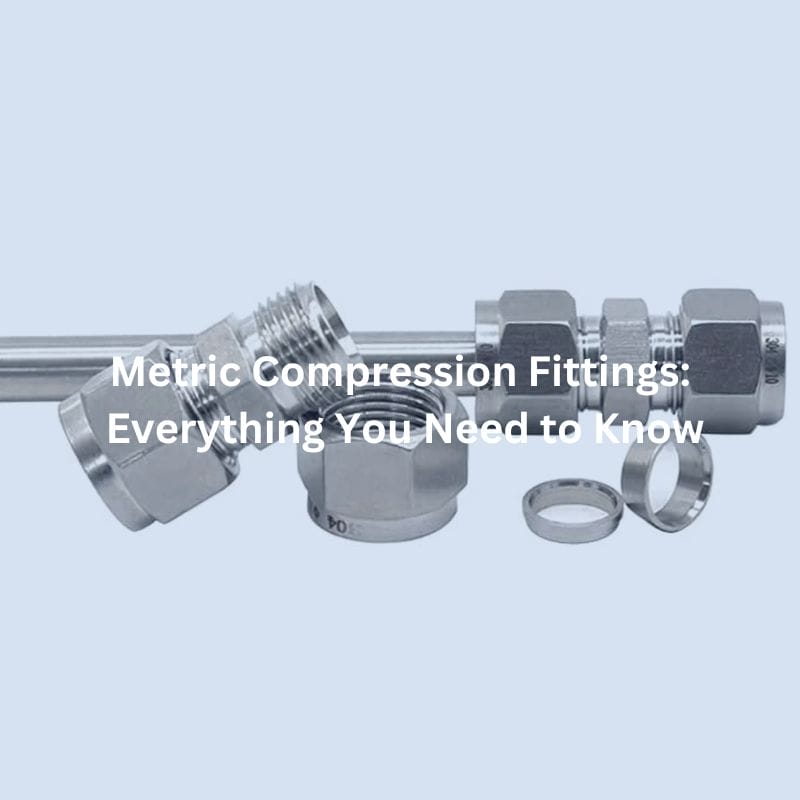
Metric Compression Fittings Everything You Need to Know

Metric Compression Fittings: Everything You Need to Know

Metric Compression Fittings: Everything You Need to Know

Introduction

Metric Compression Fittings are critical components used to create secure, leak-proof connections in various piping and tubing systems. These fittings are designed to withstand high pressure and temperature, making them indispensable in industries such as hydraulics, pneumatics, automotive, plumbing, HVAC, aerospace, and defense. This post aims to provide a comprehensive understanding of metric compression hydraulic fittings, covering their definition, advantages, applications, working principles, and selection criteria. By exploring these aspects, we aim to equip you with the knowledge needed to make informed decisions when choosing and using Metric compression hydraulic fittings in your projects.

What Are Metric Compression Hydraulic Fittings?

Metric compression hydraulic fittings are specialized connectors used to join sections of tubing or piping securely and without leakage. They are commonly utilized in various applications where maintaining the integrity of fluid or gas systems is crucial. The primary components of a metric compression fitting include a compression nut, a compression ring (or ferrule), and a fitting body. When the nut is tightened, it compresses the ring onto the tubing, creating a tight, secure seal that prevents leaks.

Metric Compression hydraulic fitting

Types

Metric compression hydraulic fittings come in two main types: single ferrule and double ferrule.

Single Ferrule

Single ferrule fittings use one compression ring to create a seal between the tubing and the fitting body. The single ferrule design is simple and effective, providing a strong grip and seal with fewer components. These fittings are often chosen for applications where ease of installation and cost-effectiveness are priorities. They are widely used in various industries due to their reliability and straightforward design.

Double Ferrule

Double ferrule fittings feature two compression rings: a front ferrule and a back ferrule. The front ferrule creates a seal on the tubing surface while the back ferrule provides additional support and grip, enhancing the fitting’s overall performance. This design ensures a more secure connection and is particularly useful in high-pressure and high-vibration environments. Double ferrule fittings are known for their superior sealing capabilities and resistance to mechanical stress, making them ideal for critical applications.

Common Materials Used

Metric compression fittings are manufactured from various materials, each chosen for its specific properties and suitability for different applications. The most common materials include:

Stainless Steel: Known for its excellent corrosion resistance, strength, and durability, stainless steel is often used in harsh environments and applications requiring high levels of hygiene, such as in food processing, pharmaceutical, and chemical industries.

Brass: Brass fittings are popular for their good corrosion resistance, machinability, and thermal conductivity. They are widely used in plumbing, HVAC, and automotive applications due to their cost-effectiveness and reliability.

Other Materials: Depending on the specific requirements, Metric compression hydraulic fittings can also be made from other materials like plastic, copper, and various alloys. Each material offers unique advantages in terms of performance, cost, and suitability for different operating conditions.

Advantages

Leak-Proof Connections

One of the most significant advantages of Metric hydraulic compression fittings is their ability to create leak-proof connections. The compression mechanism ensures a tight seal between the fitting and the tubing, preventing any fluid or gas from escaping. This feature is critical in applications where even a minor leak can lead to significant safety hazards or operational inefficiencies.

High Pressure and Temperature Tolerance

Metric compression hydraulic fittings are designed to withstand high pressures and temperatures, making them suitable for demanding environments. They are constructed from robust materials like stainless steel and brass, which can endure extreme conditions without compromising performance. This high tolerance makes them ideal for applications in hydraulic systems, where pressures can be exceptionally high, and in environments with significant temperature variations, such as automotive or industrial processes.

Easy Installation and Maintenance

Another notable advantage of Metric compression hydraulic fittings is their ease of installation and maintenance. Unlike welded or soldered joints, compression fittings do not require specialized tools or equipment for installation. They can be quickly assembled using basic tools, which simplifies the installation process and reduces labor costs. Additionally, their design allows for easy disassembly and reassembly, facilitating straightforward maintenance and replacement without the need for complex procedures or significant downtime.

Applications

Hydraulic Systems

In hydraulic systems, where fluid power is used to perform various functions, maintaining high-pressure integrity is vital. Metric compression hydraulic fittings are commonly used to connect hydraulic lines and components, ensuring that the hydraulic fluid remains contained within the system. Their ability to withstand high pressures and prevent leaks makes them indispensable in heavy machinery, construction equipment, and industrial automation systems.

Automotive Applications

In the automotive industry, Metric compression hydraulic fittings are used in various systems, including fuel lines, brake systems, and air conditioning units. Their robust construction and ability to withstand high pressures and temperatures make them suitable for the demanding conditions encountered in vehicles. The fittings ensure that fluids, such as fuel and brake fluid, are securely transported without leaks, contributing to the overall safety and performance of the vehicle.

Plumbing and HVAC Systems

Metric compression hydraulic fittings are also extensively used in plumbing and HVAC (Heating, Ventilation, and Air Conditioning) systems. In plumbing, they provide secure connections for water supply lines, ensuring leak-free performance in residential, commercial, and industrial settings. In HVAC systems, these fittings are used to connect refrigerant lines, ensuring the efficient transfer of cooling or heating fluids. Their versatility and ease of installation make them a preferred choice for contractors and engineers in these applications.

Choosing the Right Metric Compression Fitting

Selecting the appropriate metric compression fitting for your application is crucial to ensure system integrity, safety, and performance. Several key factors must be taken into account during the selection process:

Material Compatibility

The material of the compression fitting must be compatible with the fluid or gas it will be in contact with and the operating environment. For example, stainless steel is often chosen for its excellent corrosion resistance, making it ideal for harsh environments and applications requiring high levels of hygiene, such as food processing and pharmaceuticals. Brass is favored for its good corrosion resistance, machinability, and thermal conductivity, making it suitable for plumbing, HVAC, and automotive applications. Choosing the wrong material can lead to premature failure, corrosion, or chemical reactions that compromise the system’s integrity.

Pressure and Temperature Ratings

It is essential to choose fittings that can withstand the maximum pressure and temperature conditions of your application. Each fitting comes with specified pressure and temperature ratings, which indicate the limits within which the fitting can operate safely. Exceeding these limits can lead to leaks, bursts, or other catastrophic failures. Therefore, always ensure that the selected fitting meets or exceeds the required specifications for your system’s operating conditions.

Metric Compression ferrule Fittings

Sizing and Thread Type

Proper sizing is crucial for ensuring a secure and leak-free connection. Metric compression hydraulic fittings are available in various sizes, and selecting the correct size involves matching the fitting to the outside diameter of the tubing. Additionally, the thread type and pitch must be compatible with the mating components. Mismatched threads can lead to improper sealing, leaks, and mechanical failure. Always verify the thread type (e.g., parallel or tapered) and ensure it matches the mating parts.

Common Standards and Specifications

Metric compression hydraulic fittings are manufactured according to various standards and specifications to ensure compatibility and performance. Understanding these standards can help you select the right fittings for your application:

DIN (Deutsches Institut für Normung)

DIN standards are widely recognized and used in many industries worldwide. They cover various aspects of compression fittings, including dimensions, materials, and performance requirements. DIN-compliant fittings ensure high quality and compatibility with other DIN-standard components, making them a reliable choice for many applications.

ISO (International Organization for Standardization)

ISO standards provide internationally recognized guidelines for the design, manufacturing, and testing of compression fittings. ISO-compliant fittings are designed to meet stringent global standards, ensuring consistency, reliability, and interoperability across different regions and industries. Choosing ISO-compliant fittings can simplify sourcing and ensure compatibility with other ISO-standard components.

EN (European Norm)

EN standards are specific to the European Union and cover a wide range of industrial products, including compression fittings. EN standards ensure that fittings meet the necessary safety, quality, and performance criteria required in the European market. Using EN-compliant fittings can facilitate compliance with regional regulations and ensure high-quality performance.

Metric vs. Imperial Compression Fittings

Key Differences in Sizing and Standards

Metric and imperial compression fittings differ primarily in their sizing conventions and the standards they adhere to. Metric fittings are measured using the metric system, which uses millimeters (mm) as the unit of measurement for tubing outer diameters (OD). In contrast, imperial fittings use the imperial system, measuring tubing OD in inches.

Sizing

Metric Fittings: Sizes are expressed in millimeters (e.g., 6mm, 8mm, 10mm). This provides a more precise measurement system, particularly advantageous in applications requiring exact dimensions and tight tolerances.

Imperial Fittings: Sizes are expressed in fractions of an inch (e.g., 1/4″, 1/2″, 3/4″). The imperial system, while still widely used in certain regions and industries, offers less precision compared to the metric system.

Standards

Metric Standards: Adherence to standards such as DIN (Deutsches Institut für Normung), ISO (International Organization for Standardization), and EN (European Norm) ensure consistency, quality, and compatibility across a wide range of applications and regions.

Imperial Standards: These fittings typically adhere to standards set by organizations like SAE (Society of Automotive Engineers) and ASTM (American Society for Testing and Materials). While these standards are robust, they are primarily used in regions where the imperial system is predominant, such as the United States.

3420 BSPP Hydraulic Fittings drawing

Advantages of Metric Fittings Over Imperial

Precision and Compatibility

Metric fittings offer greater precision due to their smaller unit measurements. This precision is crucial in applications requiring tight tolerances and exact dimensions, such as in high-performance hydraulic and pneumatic systems.

The widespread international adoption of the metric system facilitates easier sourcing and compatibility across different regions and industries, reducing the risk of mismatched components and improving supply chain efficiency.

Ease of Conversion and Standardization

The metric system’s simplicity, based on multiples of ten, makes calculations and conversions more straightforward compared to the imperial system, which uses fractions and different base units. This ease of use simplifies engineering design, manufacturing processes, and inventory management.

Global standardization around the metric system allows for more consistent manufacturing practices and quality control, ensuring that metric fittings meet stringent international standards and perform reliably in diverse applications.

Situations Where Imperial Fittings Might Be Preferred

Regional Preferences and Legacy Systems

In regions where the imperial system is still predominant, such as the United States, imperial fittings may be preferred due to existing infrastructure and legacy systems. Many industries and applications in these regions have long histories of using imperial measurements and switching to metric fittings might require significant changes to existing processes and equipment.

Maintenance and replacement parts for older systems designed with imperial fittings will often necessitate the continued use of imperial fittings to ensure compatibility.

Industry-Specific Requirements

Certain industries, particularly in North America, have specific standards and practices built around the imperial system. For example, the aerospace and automotive industries in the United States often use imperial fittings to comply with local standards and regulations.

In applications where equipment and components are primarily sourced from imperial-standard suppliers, maintaining consistency with imperial fittings can simplify procurement and reduce the risk of compatibility issues.

In summary, while Metric compression hydraulic fittings offer advantages in terms of precision, global compatibility, and ease of use, imperial fittings may still be preferred in regions with established legacy systems, industry-specific requirements, and user familiarity. Understanding the key differences and advantages of each system can help you make informed decisions when selecting the appropriate fittings for your specific applications.

Conclusion

In summary, Metric compression hydraulic fittings are essential components known for their precision, reliability, and versatility across various industries. They offer leak-proof connections, withstand high pressures and temperatures, and are easy to install and maintain. Understanding the differences between metric and imperial fittings, along with the importance of choosing the right materials and adhering to standards, ensures optimal performance in any application. For further information or to find the right fittings for your needs, consider contacting Topa.

FAQ

Metric compression hydraulic fittings are connectors used to join sections of tubing or piping securely, creating leak-proof connections in various fluid and gas systems.

Common materials include stainless steel, brass, and sometimes plastic or copper, each chosen based on the specific application requirements such as corrosion resistance and strength.

They provide leak-proof connections, high pressure and temperature tolerance, easy installation and maintenance, and versatility across different applications.

Consider factors such as material compatibility, pressure and temperature ratings, sizing, thread type, and adherence to relevant standards like DIN, ISO, and EN.

These fittings are used in hydraulic and pneumatic systems, automotive applications, plumbing, HVAC, aerospace, and defense industries.

Single ferrule fittings use one compression ring to seal the connection, while double ferrule fittings use two rings for enhanced sealing and grip, offering better performance in high-pressure and high-vibration environments.

Contact Topa

Have a question or suggestion? Fill out the form below to get in touch with one of our experts.

Metric Bite Type Fittings A Comprehensive Guide

Metric Bite Type Fittings: A Comprehensive Guide

Metric Bite Type Fittings: A Comprehensive Guide

Introduction

Metric bite type fittings are essential components in fluid and gas systems, renowned for their reliability and versatility. These fittings provide a secure and leak-proof connection, making them indispensable in industries such as hydraulics, pneumatics, automotive, and more. This guide delves into the different types of metric bite type fittings, their specific applications, and the best practices for their selection, installation, and maintenance. By understanding these aspects, professionals can make informed decisions that enhance the efficiency and safety of their systems.

Understanding Metric Bite Type Fittings

Definition and Basic Concept

Metric bite type fittings are mechanical connectors designed to join sections of tubing in a secure and leak-proof manner. The term “bite type” refers to the way the fitting interacts with the tube. When the nut of the fitting is tightened, the ferrule (a ring-like component within the fitting) bites into the outer surface of the tube. This action creates a strong mechanical grip and a gas-tight or liquid-tight seal. These fittings are often used in high-pressure applications due to their ability to maintain integrity under stress.

The basic concept behind metric bite type fittings revolves around their ability to provide a reliable and efficient connection without the need for welding or soldering. This makes them particularly advantageous in applications where disassembly and reassembly are required, or where heat-sensitive materials are involved. The metric specification indicates that the dimensions and tolerances of these fittings adhere to the metric system, which is widely used in international applications and industries.

4C Bite Type Tube Plug Topa

History and Development

The history of metric bite type fittings dates back to the mid-20th century when the need for reliable and easy-to-install connections in hydraulic and pneumatic systems became increasingly apparent. Early versions of these fittings were developed to address the limitations of traditional threaded and welded connections, which often required specialized skills and tools.

The development of bite type fittings was driven by the demands of industries such as aerospace, automotive, and manufacturing, where high-pressure systems are common. Engineers sought a solution that could offer both reliability and ease of use. The introduction of the ferrule-based design marked a significant advancement, providing a secure grip on the tubing without compromising the flow of fluids or gases.

Over the years, advancements in materials science and manufacturing techniques have further refined the design and performance of metric bite type fittings. Modern fittings are made from a variety of materials, including stainless steel, brass, and carbon steel, each selected for their specific properties and suitability for different applications. Innovations such as improved ferrule designs and enhanced sealing technologies have continued to enhance the performance and reliability of these fittings.

Key Features and Benefits

Metric bite type fittings offer several key features and benefits that make them a preferred choice in many applications:

Leak-Proof Seal: The biting action of the ferrule creates a tight seal that prevents leaks, even under high pressure. This ensures the integrity of the fluid or gas system, reducing the risk of contamination and loss of efficiency.

High Pressure and Temperature Tolerance: These fittings are designed to withstand extreme conditions, making them suitable for use in demanding environments such as hydraulic systems, automotive applications, and industrial machinery.

Ease of Installation: Unlike welded or soldered connections, metric bite type fittings can be installed quickly and easily with standard tools. This reduces installation time and costs, making them an attractive option for both initial installations and maintenance.

Versatility: Available in a wide range of sizes and configurations, metric bite type fittings can be used in various applications. They are compatible with different types of tubing materials, including metal and plastic.

Standardization: Adhering to metric standards ensures compatibility and interchangeability with other components, simplifying the design and maintenance of fluid and gas systems.

Types of Metric Bite Type Fittings

Metric bite type fittings come in various configurations to meet the diverse needs of fluid and gas systems. These fittings are engineered to provide reliable and leak-proof connections in a range of applications, from industrial machinery to automotive systems. The primary types of metric bite type fittings include male fittings, female fittings, elbow fittings, tee fittings, and cross fittings. Additionally, these fittings are available in different materials, such as stainless steel and brass, to suit specific requirements and environments.

Male Fittings

Male fittings, also known as male connectors, feature external threads that allow them to be screwed into female fittings or ports. These fittings are commonly used to connect tubing to other components in a system, such as valves, pumps, and cylinders. The external threading ensures a secure and tight connection, preventing leaks and maintaining system integrity.

Female Fittings

Female fittings, or female connectors, have internal threads that receive the external threads of male fittings. These fittings are designed to connect tubing to male-threaded components, creating a seamless and reliable connection. Female fittings are widely used in systems where quick disassembly and reassembly are required, as they provide a straightforward and secure method for joining components.

Elbow Fittings

Elbow fittings are designed to change the direction of tubing in a fluid or gas system. These fittings are available in different angles, most commonly 45 degrees and 90 degrees, allowing for precise routing of tubing around obstacles and within confined spaces. Elbow fittings are essential in applications where space constraints or specific flow directions must be accommodated. They are available in both male and female configurations, as well as in various sizes and materials.

Metric Bite Type Fittings type

Tee Fittings

Tee fittings, or tee connectors, facilitate three-way connections in a fluid or gas system. These fittings have one inlet and two outlets (or vice versa), forming a T-shaped intersection. Tee fittings are commonly used to split or combine fluid or gas flow in a system, making them ideal for applications requiring distribution to multiple points. They are available in equal and reduced configurations, allowing for different flow rates and tube sizes to be connected.

Cross Fittings

Cross fittings, also known as four-way fittings, enable four-way connections in a fluid or gas system. These fittings have one inlet and three outlets (or vice versa), forming a cross-shaped intersection. Cross fittings are used in applications where fluid or gas needs to be distributed to multiple branches from a single source. They are less common than tee fittings but are essential in complex systems that require multiple flow paths.

Material Variations

Metric bite type fittings are manufactured from a variety of materials to meet the demands of different applications and environments. The most common materials include:

Stainless Steel: Known for its corrosion resistance, strength, and durability, stainless steel fittings are ideal for harsh environments, such as marine and chemical processing applications.

Brass: Brass fittings offer excellent machinability, corrosion resistance, and conductivity, making them suitable for applications in plumbing, refrigeration, and low-pressure hydraulic systems.

Carbon Steel: Carbon steel fittings provide high strength and durability, making them suitable for high-pressure and heavy-duty applications, such as industrial machinery and automotive systems.

Applications of Metric Bite Type Fittings

Hydraulic Systems

In hydraulic systems, metric bite type fittings are crucial for maintaining the integrity and efficiency of fluid power systems. These fittings connect hydraulic hoses, tubes, and components, ensuring that high-pressure fluids are transferred safely and reliably. Common applications include:

Construction Equipment: Hydraulic excavators, bulldozers, and loaders rely on these fittings for the operation of hydraulic cylinders and motors.

Manufacturing Machinery: Presses, injection molding machines, and CNC machines use hydraulic systems with metric bite type fittings for precise control and movement.

Automotive Industry

The automotive industry extensively uses metric bite type fittings in various systems where durability and leak-proof connections are critical. These fittings are found in:

Fuel Lines: Ensuring secure and leak-free connections in fuel delivery systems.

Brake Systems: Providing reliable connections in hydraulic brake lines, crucial for vehicle safety.

Transmission Cooling Systems: Used in cooling lines to maintain optimal transmission temperatures.

Plumbing Systems

In plumbing systems, these fittings are used to connect pipes and tubes, ensuring a leak-proof seal that is vital for water distribution and waste management. Applications include:

Residential Plumbing: Connecting water supply lines to faucets, toilets, and showers.

Commercial Buildings: Ensuring reliable connections in water distribution systems for offices, hotels, and restaurants.

Irrigation Systems: Providing secure connections in garden and agricultural irrigation systems.

How Metric Bite Type Fittings Work

Metric bite type fittings function through a unique biting mechanism that creates a strong and leak-proof connection between tubing and the fitting itself. The core components of a metric bite type fitting include the body, nut, and ferrule (or cutting ring). Here’s a step-by-step breakdown of how they work:

Insertion: The tube is inserted into the fitting body until it reaches a defined stop. This ensures the tube is properly aligned within the fitting.

Tightening the Nut: When the nut is tightened, it forces the ferrule to move axially along the tube. As the ferrule advances, it starts to bite into the outer surface of the tube.

Biting Action: The ferrule’s sharp edge cuts into the tube, creating a secure grip. This biting action deforms the tube slightly, forming a tight, mechanical seal between the tube and the fitting body.

Sealing: The compression of the ferrule against the tube and fitting body forms a robust seal. This seal is capable of withstanding high pressures and prevents any leakage of fluids or gases.

The effectiveness of this mechanism relies on the precise engineering of the fitting components, ensuring that the ferrule bites uniformly into the tube and the seal remains intact even under fluctuating pressures and temperatures.

Assembly and Installation Process

Proper assembly and installation of metric bite type fittings are crucial for achieving a secure and leak-proof connection. Here is a step-by-step guide:

Preparation

Ensure that the tube end is cut squarely and is free from burrs. Use a tube cutter for a clean cut.

Clean the tube end to remove any debris, oil, or contaminants that might affect the sealing process.

Insertion

Insert the tube into the fitting body until it bottoms out against the internal shoulder of the fitting. This ensures that the tube is properly positioned for the biting action.

Initial Tightening:

Hand-tighten the nut onto the fitting body. This initial tightening aligns the tube and ferrule properly within the fitting.

Wrench Tightening:

Using a wrench, tighten the nut further according to the manufacturer’s specifications. Typically, this involves turning the nut a specific number of turns beyond hand-tight.

The common practice is to mark the position of the nut and then tighten it by an additional 1.5 to 2 turns for initial assembly, ensuring the ferrule bites securely into the tube.

Inspection

After tightening, inspect the connection to ensure there is no visible gap between the fitting body and the nut.

Check for any misalignment or improper seating of the tube within the fitting.

Maintenance Tips

Conduct Regular Inspections

Frequency: Schedule inspections at regular intervals based on the system’s operating conditions and manufacturer recommendations.

What to Look For: Check for signs of wear, corrosion, or damage on the fittings, tubing, and connected components.

Actions: If any wear or damage is detected, replace the affected components promptly to avoid system failure.

Clean the Fittings Periodically

Cleaning Frequency: Establish a routine cleaning schedule to maintain the fittings’ cleanliness and prevent contamination.

Cleaning Method: Use appropriate cleaning solutions and methods recommended by the manufacturer. Avoid abrasive materials that could damage the fittings.

Benefits: Regular cleaning prevents the buildup of dirt, debris, and contaminants that can compromise the seal and functionality of the fittings.

Apply Lubrication if Recommended by the Manufacturer

Lubrication Points: Identify the specific points on the fitting that require lubrication, such as the threads or ferrule.

Lubrication Type: Use the type of lubricant specified by the manufacturer to ensure compatibility and effectiveness.

Procedure: Apply the lubricant as directed during installation or maintenance to reduce friction and wear, and to ensure smooth assembly and disassembly.

Troubleshooting Common Issues

Leaks

Symptoms: The presence of fluid or gas escaping from the fitting connection.

Causes:

Improper installation (e.g., insufficient tightening or misalignment of the tube).

Worn or damaged components (e.g., ferrule, tube, or fitting body).

Solutions:

Check for proper installation by verifying the fitting is tightened according to manufacturer specifications.

Inspect the fitting and tubing for damage; replace any worn or damaged parts.

Reassemble the fitting, ensuring the tube is fully inserted and the nut is properly tightened.

Vibration

Symptoms: Excessive movement or noise from the fitting connection, potentially leading to leaks or component fatigue.

Causes:

Inadequately secured fittings.

High levels of vibration in the operating environment.

Solutions:

Ensure all fittings are securely tightened.

Consider using vibration-resistant fittings or supports to dampen the effects of vibration.

Implement additional supports or clamps to stabilize the tubing and fittings, reducing movement and the risk of fatigue.

Conclusion

In summary, metric bite type fittings are crucial for ensuring secure, leak-proof connections in fluid and gas systems across various industries. Their robust design, ease of installation, and versatility make them indispensable in applications ranging from hydraulics and pneumatics to automotive and HVAC systems. Regular maintenance and proper troubleshooting are essential to maximize their lifespan and efficiency. For tailored solutions and optimal performance, always seek professional advice to address specific needs and challenges in your systems.

FAQ

Metric bite type fittings are used to create secure, leak-proof connections in fluid and gas systems, commonly found in hydraulic, pneumatic, automotive, and HVAC applications.

The fittings themselves can often be reused if they are in good condition, but the ferrules typically should not be reused as they may not seal properly a second time.

Ensure the tube is cut squarely, deburred, and clean before insertion. Follow the manufacturer’s torque specifications when tightening the nut to create a proper seal.

Metric bite type fittings are commonly made from stainless steel, brass, and carbon steel, chosen based on the specific application’s pressure, temperature, and corrosion resistance requirements.

Regular inspections should be conducted at intervals recommended by the manufacturer or based on the system’s operating conditions, typically ranging from monthly to annually.

Check for proper installation and ensure the fitting is tightened according to specifications. If the leak persists, inspect for damage and replace any worn components as needed.

Metric Bolt Measurements A Comprehensive Size Guide

Metric Bolt Measurements: A Comprehensive Size Guide

Metric Bolt Measurements: A Comprehensive Size Guide

Table of Contents

Introduction

Accurate bolt measurements are crucial in various industries, from automotive and aerospace to construction and manufacturing. These measurements ensure the integrity and safety of mechanical assemblies, preventing failures that can lead to costly downtime or even catastrophic accidents. This guide aims to provide a comprehensive understanding of metric bolt measurements, offering detailed insights into the components, dimensions, grades, and measurement techniques essential for selecting and using bolts correctly.

Basics of Metric Bolt Measurements

What are Metric Bolts?

Metric bolts are a type of fastener that conform to the metric measurement system, which is the predominant standard used globally. Unlike imperial bolts, which are measured in inches, metric bolts are specified in millimeters, facilitating uniformity and compatibility in international projects. These bolts are available in a variety of sizes and grades, each tailored to meet specific application needs. The use of metric bolts ensures precision and standardization across diverse industries, making them essential components in engineering, manufacturing, and construction.

Why Accurate Measurements Matter

Accurate bolt measurements are essential for ensuring the integrity and safety of mechanical assemblies. Incorrect bolt dimensions can lead to improper fits, which may result in mechanical failures, structural weaknesses, or even catastrophic accidents. Precise measurements ensure that the bolts fit correctly, providing the necessary strength and stability. This is particularly crucial in industries where safety and reliability are paramount, such as aerospace, automotive, and construction.

Components of a Metric Bolt

Overall Length

Head

The head of a metric bolt is the top part that is usually shaped to accommodate a specific type of tool, such as a wrench or a screwdriver. Common head shapes include hexagonal, round, and flat. The head size and shape are important for the application as they determine the tool required for installation and the amount of torque that can be applied.

Shank

The shank is the unthreaded portion of the bolt that lies between the head and the thread. The length of the shank varies depending on the bolt’s intended use. It provides additional strength and helps in positioning the bolt correctly in the assembly.

Thread

The thread is the helical ridge that runs along the bolt’s length, starting from the shank to the end of the bolt. Threads are crucial for the bolt’s ability to screw into a nut or a threaded hole, providing the necessary clamping force to hold components together. The pitch of the thread, which is the distance between adjacent threads, is a critical measurement in ensuring compatibility with nuts and threaded holes.

Nut

The nut is a separate component that works with the bolt to fasten components together. It has an internal thread that matches the bolt’s external thread. The correct pairing of bolt and nut threads is vital for achieving the desired clamping force and ensuring the assembly’s stability.

Industries Using Metric Bolts

Industries Using Metric Bolts

Metric bolts are widely used across various industries due to their standardization and reliability. Some of the key industries include:

Automotive: In the automotive industry, metric bolts are used extensively in the assembly of vehicles. They are essential for fastening parts such as engines, chassis, and body panels, ensuring the vehicle’s structural integrity and performance.

Construction: Construction projects often rely on metric bolts for assembling structural components, machinery, and equipment. These bolts are crucial for maintaining the safety and stability of buildings, bridges, and other infrastructures.

Machinery: In the manufacturing and machinery industries, metric bolts are used to assemble equipment, tools, and machines. They provide the necessary strength and precision required for the proper functioning of mechanical systems.

Understanding Bolt Dimensions

Diameter

Nominal Diameter

The nominal diameter of a bolt refers to the diameter of the bolt’s shank, which is the part without the threads. This measurement is crucial as it determines the bolt’s size category and ensures that it fits correctly in pre-drilled holes or nuts. The nominal diameter is typically specified in millimeters for metric bolts.

How to Measure Diameter

To measure the diameter of a bolt accurately, you can use a caliper. Place the caliper’s jaws around the unthreaded part of the bolt and read the measurement. Ensure that the caliper is perpendicular to the bolt to avoid skewed readings. For threaded sections, measuring across the threads at their widest point will give you the major diameter.

Length

Overall Length vs. Grip Length

Overall Length: The overall length of a bolt is the total length from the flat part of the head to the tip of the bolt. This measurement is essential for determining how far the bolt will extend into the material or components it is fastening.

Grip Length: The grip length is the unthreaded portion of the bolt, which lies between the head and the start of the threads. This section bears the load and provides the clamping force required in the assembly. It is important to choose a bolt with an appropriate grip length to ensure a secure hold.

Tools for Measuring Bolt Length

To measure the length of a bolt, you can use a ruler or a caliper. For longer bolts, a ruler is sufficient. Place the bolt alongside the ruler, starting from the head to the tip, and note the measurement. For more precision, especially with shorter bolts, a caliper is preferred. Ensure that the bolt is straight when taking the measurement to avoid inaccuracies.

Measure Banjo bolt Thread

Thread Pitch

Thread pitch is the distance between adjacent threads on a bolt, measured parallel to the bolt’s axis. It is usually specified in millimeters for metric bolts. For example, a bolt with a thread pitch of 1.5 mm has 1.5 millimeters between each thread. The thread pitch is critical for ensuring compatibility between the bolt and the nut or threaded hole, as it affects the fit and the fastening strength.

Methods for Measuring Thread Pitch

To measure thread pitch, you can use a thread gauge or a caliper. A thread gauge consists of multiple blades, each marked with a different pitch. Simply match the bolt’s threads to the gauge’s blades until you find the one that fits perfectly. Alternatively, using a caliper, measure the distance between the peaks of two adjacent threads and note the measurement.

Head Size

Different Types of Bolt Heads

Bolts come with various head types, each designed for specific applications and tools. Common types include:

Hexagonal Head: Widely used for its ease of installation with a wrench or socket.

Round Head: Often used where a low-profile head is needed.

Flat Head: Designed to sit flush with the material surface, providing a smooth finish.

Socket Head: Used in applications requiring a recessed head, installed with an Allen wrench.

Measuring Head Dimensions

To measure the head dimensions, you need to consider both the diameter and the height of the head. Use a caliper to measure the diameter across the flats for hexagonal heads or the overall diameter for round heads. Measure the height from the base to the top of the head. These measurements are important for ensuring that the bolt head fits within the intended space and can be properly engaged by the appropriate tool.

Understanding these dimensions is crucial for selecting the right bolt for your application, ensuring proper fit, and achieving the desired mechanical performance. Accurate measurement techniques and tools are essential for maintaining the integrity and safety of your assemblies.

Metric Bolt Grades and Strength

Bolt Grades

Metric bolts come in various grades, each indicating the bolt’s strength and suitability for different applications. The grade of a bolt is determined by its material composition and the heat treatment it has undergone. Higher grade bolts are made from stronger materials and are subjected to more rigorous heat treatments, making them suitable for applications that require higher strength and durability. Common metric bolt grades include:

Grade 4.6: Typically used for light-duty applications. It has a tensile strength of 400 MPa and a yield strength of 240 MPa.

Grade 8.8: One of the most common grades, suitable for medium-duty applications. It has a tensile strength of 800 MPa and a yield strength of 640 MPa.

Grade 10.9: Used for high-strength applications, this grade offers a tensile strength of 1000 MPa and a yield strength of 900 MPa.

Grade 12.9: The highest common grade, used in the most demanding applications. It has a tensile strength of 1200 MPa and a yield strength of 1080 MPa.

Markings and Identification

Some metric bolts are marked with their grade on the head, which makes it easy to identify their strength and material composition. These markings usually consist of two numbers separated by a dot. The first number represents one-tenth of the nominal tensile strength in MPa, while the second number is the ratio of yield strength to tensile strength. For example, a Grade 8.8 bolt has a tensile strength of 800 MPa and a yield strength of 80% of that, or 640 MPa. Additionally, bolts may have other markings to indicate the manufacturer’s identification or other specific attributes.

Strength Specifications

Tensile Strength

Tensile strength is the maximum amount of tensile (pulling) stress that a bolt can withstand before failing. It is a critical parameter for determining the suitability of a bolt for a particular application. High tensile strength is required in applications where the bolt will be subjected to significant stretching forces.

Yield Strength

Yield strength is the amount of stress at which a bolt begins to deform plastically. Below this stress, the bolt will return to its original shape when the load is removed. Above this stress, the bolt will be permanently deformed. Yield strength is an important consideration in applications where the bolt will be subjected to constant or fluctuating loads, as it indicates the load level beyond which the bolt will not maintain its shape.

Proof Load

Proof load is the maximum stress that a bolt can withstand without any permanent deformation. It is a safety margin below the yield strength, ensuring that the bolt remains functional under the specified load. Proof load testing is typically performed to verify the bolt’s quality and performance in real-world conditions.

Choosing the Right Grade

Selecting the right bolt grade is crucial for ensuring the safety, reliability, and performance of the assembly. Here are some factors to consider:

Load Requirements: Determine the tensile and shear loads the bolt will be subjected to. Higher loads require bolts with higher tensile and yield strength.

Environmental Conditions: Consider the operating environment, such as exposure to moisture, chemicals, or extreme temperatures. Stainless steel or coated bolts may be necessary for corrosive environments.

Material Compatibility: Ensure the bolt material is compatible with the materials being fastened. This helps prevent galvanic corrosion and other material-related issues.

Safety Margins: Always choose a bolt grade that provides a sufficient safety margin beyond the maximum expected load to account for unexpected stresses and ensure long-term reliability.

Cost and Availability: While higher-grade bolts offer superior strength, they are also more expensive. Balance the cost with the application’s requirements to make an economical choice without compromising safety.

How to Custom Metric Bolt Fitting

Create the Blueprint

The first step in customizing a metric bolt fitting is to create a detailed blueprint. This involves drafting a technical drawing that outlines all the specifications of the bolt, including its dimensions, thread type, head shape, and any special features. Ensure that the blueprint adheres to industry standards and includes precise measurements and tolerances. Collaboration with engineers or designers might be necessary to ensure the blueprint meets the required functionality and compatibility with other components.

banjo Thread Size

Select the Dimensions

Once the blueprint is ready, the next step is to select the appropriate dimensions for your custom bolt. This includes:

Diameter: Choose the nominal diameter based on the load requirements and the size of the holes it will pass through.

Length: Determine the overall length, ensuring it provides the necessary clamping force and fits the intended application.

Thread Pitch: Select the correct thread pitch to ensure compatibility with the corresponding nuts or threaded holes.

Accurate dimension selection is critical for ensuring the bolt performs as expected in its application.

Choose the Material

The material of the bolt is crucial for its strength, durability, and suitability for the intended environment. Consider the following factors when choosing the material:

Load Requirements: High-strength applications may require alloy steel or other high-strength materials.

Corrosion Resistance: For environments exposed to moisture or chemicals, consider materials like stainless steel or bolts with corrosion-resistant coatings.

Temperature Resistance: If the bolt will be used in high-temperature environments, select materials that can withstand the thermal stresses.

Common materials for metric bolts include carbon steel, alloy steel, stainless steel, and titanium. Each material has its own set of properties, so it’s important to choose one that matches the specific needs of your application.

Conclusion

In this comprehensive guide on metric bolt measurements, we covered essential aspects of understanding and selecting the right metric bolts for various applications. We defined metric bolts and emphasized the importance of accurate measurements. We explored bolt dimensions—diameter, length, thread pitch, and head size—along with measurement techniques. Additionally, we discussed bolt grades, strength specifications, and factors to consider when choosing the right grade. Finally, we outlined steps for customizing metric bolt fittings. To ensure accuracy, use proper tools, regularly calibrate instruments, double-check measurements, understand specifications, and consult experts. Apply this knowledge to enhance project reliability, and share the guide to promote best practices across industries.

FAQ

What are metric bolts?

Metric bolts are fasteners measured in millimeters, adhering to the metric system, which is the standard used worldwide.

How do I measure the diameter of a metric bolt?

Use a caliper to measure the diameter of the bolt’s shank (unthreaded part) or the major diameter (widest part) of the threaded section.

What is thread pitch?

Thread pitch is the distance between adjacent threads, measured parallel to the bolt’s axis. It ensures compatibility with nuts or threaded holes.

Why are bolt grades important?

Bolt grades indicate the strength and material composition of the bolt, helping to determine its suitability for different applications.

How can I ensure accurate bolt measurements?

Use high-quality measuring tools, regularly calibrate them, double-check measurements, and familiarize yourself with industry standards.

What factors should I consider when choosing a bolt grade?

Consider load requirements, environmental conditions, material compatibility, safety margins, and cost to select the appropriate bolt grade for your application.

How to Measure Metric Grease Fitting Sizes Accurately

How to Measure Metric Grease Fitting Sizes Accurately

How to Measure Metric Grease Fitting Sizes Accurately

Table of Contents

Introduction

Metric grease fittings, also known as Zerk fittings, allow for the effective lubrication of machinery components, ensuring smooth operation and longevity. These small but vital components come in different sizes, and using the correct size is essential to prevent equipment failure, reduce downtime, and maintain safety standards. This comprehensive guide aims to provide clear, step-by-step instructions on how to measure metric grease fitting sizes accurately, ensuring that maintenance professionals and engineers can select the right fittings for their specific applications.

Understanding Metric Grease Fittings

Metric grease fittings are small components designed to facilitate the lubrication of mechanical systems. These fittings allow for the introduction of lubricant under pressure into bearing assemblies, pivot points, and other moving parts to reduce friction and wear. Unlike their imperial counterparts, metric grease fittings adhere to the metric system of measurements, making them essential for equipment and machinery designed with this standard.

There are several types of metric grease fittings, each suited for specific applications:

Straight Fittings: These are the most common type, featuring a straight-through passage for grease flow.

Angled Fittings: Available in 45-degree and 90-degree angles, these fittings are used where straight fittings cannot be installed due to space constraints.

Flush-Type Fittings: Designed to sit flush with the surface, these fittings are used in applications where protruding fittings could be damaged or interfere with operation.

Drive-Type Fittings: These fittings are installed by driving them into place and are used where threading is not feasible.

Button Head Fittings: These are larger fittings used in heavy machinery where higher volumes of grease are required.

Materials and Uses

Metric grease fittings are manufactured from various materials, each chosen for its specific properties and suitability for different environments:

Steel: The most common material used, steel fittings are durable and cost-effective, suitable for general-purpose applications.

Stainless Steel: Offering superior corrosion resistance, stainless steel fittings are ideal for harsh environments, including marine and chemical processing industries.

Brass: Known for its anti-corrosive properties, brass fittings are often used in applications involving water or mild chemicals.

Zinc-Plated Steel: These fittings provide an additional layer of corrosion resistance and are used in outdoor or moist environments.

Importance of Proper Sizing

Accurate sizing of metric grease fittings is paramount for several reasons:

Effective Lubrication: Properly sized fittings ensure that lubricant reaches all necessary parts of the machinery, reducing friction and wear.

Preventing Leaks: Incorrectly sized fittings can lead to leaks, resulting in insufficient lubrication and potential equipment failure.

Ease of Maintenance: Correctly sized fittings simplify the maintenance process, allowing for quick and efficient lubrication without the need for adapters or modifications.

Safety: Ensuring the right size fittings helps maintain the safety of the equipment, preventing malfunctions that could lead to accidents.

Step-by-Step Measurement Process

Accurately measuring metric grease fittings requires careful preparation and the right tools. This section will guide you through each step of the process to ensure precise measurements.

Preparation

Cleaning the Fitting: Before measuring, thoroughly clean the grease fitting to remove any dirt, grease, or debris. Use a solvent or degreaser and a brush to ensure all residues are removed, as contaminants can affect measurement accuracy.

Inspection: Inspect the fitting for any visible damage or wear. Bent or damaged fittings should not be used for measurement as they can provide inaccurate readings. Replace any defective fittings before proceeding.

Drying: Ensure the fitting is completely dry after cleaning. Moisture can also interfere with accurate measurements.

Measuring the Diameter

External Diameter

Select the Right Tool: Use a pair of digital or vernier calipers for precise measurement.

Position the Calipers: Open the calipers and place them around the external diameter of the fitting’s threaded part. Ensure the jaws of the calipers are perpendicular to the axis of the fitting to avoid skewed measurements.

Take the Measurement: Gently close the caliper jaws until they touch the fitting’s surface without applying excessive force. Read the measurement displayed on the calipers.

Record the Measurement: Note down the external diameter to the nearest hundredth of a millimeter for accuracy.

Internal Diameter

Select the Tool: For internal diameters, you can use either a pair of small calipers or a micrometer.

Insert the Calipers: Carefully insert the caliper jaws into the internal bore of the fitting. For micrometers, place the spindle inside the bore.

Take the Measurement: Open the calipers or extend the micrometer spindle until they touch the internal walls of the fitting. Ensure the tool is aligned properly to avoid angled measurements.

Record the Measurement: Read and record the internal diameter.

Measure Metric Grease Fitting

Measuring the Thread Pitch

Thread pitch is the distance between threads, measured in millimeters. It is crucial for ensuring compatibility with corresponding components. Accurate thread pitch measurement ensures that the fitting will mate correctly with the receiving part, preventing leaks and mechanical failures.

Using a Thread Gauge

Select the Thread Gauge: Choose a metric thread gauge that includes various pitch sizes.

Match the Threads: Align the teeth of the thread gauge with the threads of the fitting. Start with a pitch size that seems close to the fitting’s thread.

Check the Fit: If the gauge does not fit perfectly, try the next size until you find a match where the gauge teeth align seamlessly with the fitting’s threads.

Record the Pitch: Once you find the correct thread pitch, record the measurement indicated on the gauge.

Measuring the Length

Overall Length

Select the Right Tool: Use a ruler or a set of calipers.

Position the Tool: Align the ruler or calipers with the fitting’s axis to measure from end to end.

Take the Measurement: Measure the entire length of the fitting, including both the threaded and non-threaded parts.

Record the Measurement: Note down the overall length.

Threaded Length

Identify the Threaded Part: Locate the beginning and end of the threaded section of the fitting.

Position the Tool: Place the ruler or calipers at the start of the threads and extend them to the end of the threads.

Take the Measurement: Measure the length of the threaded part.

Record the Measurement: Note the threaded length separately from the overall length.

Common Mistakes and How to Avoid Them

Accurate measurement of metric grease fittings is crucial for ensuring the proper function and longevity of mechanical systems. However, several common mistakes can lead to incorrect measurements, which can cause equipment malfunctions and increased maintenance costs. Understanding these mistakes and how to avoid them is essential for any maintenance professional or engineer.

Incorrect Tool Usage

Common Mistakes:

Using the Wrong Tool: Using a ruler instead of calipers for diameter measurements, or not using a thread gauge for thread pitch, can lead to inaccurate readings.

Improper Calibration: Not calibrating measurement tools before use can result in significant errors.

Inappropriate Pressure: Applying too much or too little pressure with calipers can skew the measurements.

Incorrect Positioning: Misaligning calipers or micrometers can lead to inaccurate diameter and length measurements.

How to Avoid Them:

Choose the Right Tool: Ensure you are using the appropriate tool for each measurement. Use calipers for diameters, micrometers for small internal diameters, and thread gauges for thread pitch.

Calibrate Tools: Regularly calibrate your measurement tools according to the manufacturer’s instructions to ensure accuracy.

Apply Gentle Pressure: When using calipers, apply gentle and consistent pressure to avoid compressing or distorting the fitting.

Align Properly: Ensure that calipers and micrometers are perpendicular to the surface being measured. This alignment helps avoid angular discrepancies.

rust Metric Grease Fitting

Misreading Measurements

Common Mistakes:

Misinterpreting the Scale: Misreading the scale on a vernier caliper or micrometer can lead to incorrect measurements.

Recording Errors: Failing to record measurements immediately or incorrectly noting them down can cause confusion and errors.

Ignoring Decimal Points: Overlooking decimal points in digital readings can result in significant inaccuracies.

Tips on Accurate Reading and Recording:

Understand the Scale: Familiarize yourself with the scales on your measurement tools. For vernier calipers, understand how to read both the main scale and the vernier scale.

Double-Check Readings: Always double-check your readings before recording them. Cross-reference with a colleague if possible.

Use Digital Tools: If available, use digital calipers and micrometers for easier and more accurate readings.

Record Immediately: Write down measurements as soon as they are taken to avoid memory lapses or errors.

Check Decimal Points: Pay close attention to decimal points and ensure they are accurately recorded.

Ignoring Tolerances

Common Mistakes:

Neglecting Manufacturer Specifications: Ignoring the tolerances specified by the manufacturer can lead to poor fitting and mechanical failures.

Assuming Exact Fit: Believing that all fittings are manufactured to exact sizes without considering allowable variances can cause issues.

Importance of Considering Manufacturing Tolerances:

Fit and Function: Manufacturing tolerances account for slight variances in the production process. Understanding these tolerances ensures that parts will fit and function correctly even if there are minor differences in size.

Avoiding Over-tightening: Recognizing that fittings may vary within a specified range helps prevent over-tightening, which can damage parts and lead to leaks.

How to Account for Tolerances:

Refer to Specifications: Always refer to the manufacturer’s specifications for tolerances. These specifications provide an acceptable range of dimensions for each fitting.

Measure Multiple Times: Take multiple measurements to ensure consistency and accuracy. Variations in your readings can help you understand the tolerance range.

Adjust Measurements: If your measurements are close to the tolerance limits, consider the intended application and whether slight adjustments might be needed.

How to Choose the Suitable Metric Grease Fittings

Selecting the appropriate metric grease fittings is crucial for ensuring efficient lubrication and the smooth operation of mechanical systems. The right choice can prevent equipment failure, reduce maintenance costs, and extend the lifespan of machinery. Here’s a comprehensive guide on how to choose the suitable metric grease fittings.

Understand Your Application

Identify the Equipment Type:

Determine the type of machinery or equipment that requires lubrication. Different machines have different lubrication needs and constraints.

Operating Conditions:

Consider the operating environment, including temperature, humidity, and exposure to chemicals or corrosive substances. This will influence the material choice for the grease fittings.

Lubrication Requirements:

Understand the type and viscosity of the lubricant to be used, as this can affect the choice of fitting.

Consider the Size and Thread Type

Measure Existing Fittings:

If replacing existing fittings, measure the old ones to ensure a proper fit. Use calipers and thread gauges for accurate measurements.

Standard Sizes:

Refer to standard metric sizes to ensure compatibility with existing components. Cross-reference your measurements with industry standards.

Thread Type:

Ensure the thread type matches the receiving component. Common thread types include metric fine and coarse threads.

Evaluate Installation and Maintenance Requirements

Ease of Installation:

Choose fittings that are easy to install and do not require special tools or equipment.

Maintenance Accessibility:

Consider how easy it will be to access the fittings for regular maintenance. Angled fittings may be necessary for hard-to-reach areas.

Factor in Load and Pressure Conditions

Load Bearing Capacity:

Ensure the fittings can handle the load and pressure of the equipment. Heavy machinery may require sturdier fittings like button head fittings.

Pressure Rating:

Verify that the fittings can withstand the pressure of the lubrication system. Consult manufacturer specifications for pressure ratings.

Consult Manufacturer Specifications and Recommendations

Manufacturer Guidelines:

Always refer to the machinery or equipment manufacturer’s guidelines for recommended grease fitting types and specifications.

Industry Standards:

Follow industry standards and best practices for selecting grease fittings to ensure safety and compatibility.

Choosing the right metric grease fittings involves understanding your specific application requirements, selecting the appropriate type and material, ensuring the correct size and thread type, considering installation and maintenance needs, and consulting manufacturer guidelines. By following these steps, you can ensure optimal performance, efficiency, and longevity of your mechanical systems.

Conclusion

In conclusion, accurately measuring metric grease fittings is essential for ensuring proper lubrication and the efficient operation of machinery. We covered the types of metric grease fittings, including straight, angled, flush-type, and button head fittings, and the appropriate materials for different applications, such as steel, stainless steel, brass, and zinc-plated steel. Accurate measurements involve using the right tools, avoiding common mistakes, and considering manufacturing tolerances. Precise measurements prevent equipment failures, reduce maintenance costs, and extend machinery lifespan. We encourage you to apply these measurement techniques in your work and share your experiences to help others achieve optimal performance and reliability in their operations.

FAQ

Metric grease fittings, also known as Zerk fittings, are components used to lubricate mechanical systems by allowing grease to be injected into bearing assemblies and other moving parts.

Accurate measurement ensures proper lubrication, prevents leaks, reduces equipment failures, and extends the lifespan of machinery by ensuring the correct fitting size is used.

Common tools include calipers for measuring diameters, thread gauges for measuring thread pitch, and micrometers for precise internal diameter measurements.

Select the material based on the operating environment: steel for general use, stainless steel for corrosive environments, brass for applications involving water or mild chemicals, and zinc-plated steel for additional corrosion resistance.

The common types include straight fittings for direct access points, angled fittings for space-constrained areas, flush-type fittings for surfaces where protruding fittings could be damaged, and button head fittings for high-volume grease requirements in heavy machinery.

Double-check your measurements for accuracy and compare them with industry standards. If discrepancies persist, re-measure and consider manufacturing tolerances or consult with the fitting manufacturer for guidance.

Understanding Metric Pipe Fitting Sizes A Quick Reference

Understanding Metric Pipe Fitting Sizes: A Quick Reference

Understanding Metric Pipe Fitting Sizes: A Quick Reference

Introduction

Metric pipe fitting sizes are a standardized system used globally in various industries, such as plumbing, automotive, and manufacturing, for connecting pipes and tubes. These fittings are essential for ensuring compatibility and efficiency in systems that rely on precise fluid or gas flow. The history of metric pipe fittings dates back to the push for international standardization, which aimed to simplify global trade and manufacturing processes. This guide is designed to help you understand metric pipe fitting sizes, offering a quick and easy reference for accurate and reliable installations.

Basics of Metric Pipe Fitting Sizes

Metric pipe fittings are components used to connect sections of pipe or tubing in systems that require the precise conveyance of fluids or gases. These fittings are measured using the metric system, which is based on meters and millimeters. This standardization allows for consistent and accurate sizing, ensuring that parts from different manufacturers can fit together seamlessly.

Common Materials Used

Metric pipe fittings are manufactured from a variety of materials, each chosen for its specific properties and suitability for different applications. Common materials include:

Brass: Known for its durability and resistance to corrosion, brass is often used in plumbing and heating applications.

Stainless Steel: Valued for its strength and resistance to rust and corrosion, stainless steel fittings are ideal for high-pressure and high-temperature environments.

Plastic: Lightweight and resistant to chemical corrosion, plastic fittings are commonly used in residential plumbing and irrigation systems.

Why Metric?

Using metric fittings offers several advantages compared to imperial fittings. One key advantage is the ease of measurement and calculation. The metric system is based on units of ten, which simplifies conversions and reduces the likelihood of errors during design, manufacturing, and installation. Additionally, metric fittings often provide more precise measurements, which is critical in applications requiring high accuracy.

Global Standardization and Its Benefits

Global standardization through the metric system offers significant benefits, particularly in international trade and manufacturing. With metric fittings, companies can source components from around the world without worrying about compatibility issues, as the sizes are universally recognized. This standardization facilitates smoother supply chains, reduces inventory complexity, and ensures that products meet international quality standards.

Understanding Measurements

How Metric Pipe Fittings Are Measured

Metric pipe fittings are measured using the metric system, typically in millimeters (mm). The key dimensions measured include the outer diameter (OD) and the inner diameter (ID) of the pipe, as well as the thread size if applicable. These measurements are critical for ensuring a proper fit and reliable performance in the assembled system.

Diameter: The diameter of a pipe fitting is one of its most crucial measurements. The outer diameter (OD) is the measurement across the widest point of the fitting, while the inner diameter (ID) is the measurement of the open space inside the fitting. These measurements ensure that the pipe and fitting will fit together properly.

Thread Size: For threaded fittings, the thread size is another essential measurement. This includes the pitch (the distance between threads), the thread angle, and the major diameter (the outer edge of the threads). Accurate thread measurements ensure a secure and leak-free connection.

Other Measurements: Additional measurements that may be important depending on the application include the wall thickness of the pipe (which affects its strength and flow capacity) and the overall length of the fitting. These measurements help in designing systems that are both efficient and durable.

Topa metric hydraulic fitting Manufacturer in China Topa

Types of Metric Pipe Fittings

Straight Fittings

Straight fittings, also known as straight connectors or couplings, are used to connect two sections of pipe or tubing in a straight line. They provide a secure and leak-proof connection, ensuring the continuous flow of fluids or gases without any change in direction. These fittings are commonly used in plumbing, hydraulic, and pneumatic systems, as well as in various industrial applications where a direct, uninterrupted pipeline is required.

Common Sizes and Variations

Straight fittings come in a variety of sizes to match the outer diameter (OD) of the pipes they are connecting. Common sizes include 6 mm, 8 mm, 10 mm, 12 mm, 16 mm, and 20 mm. Variations include different thread types (e.g., BSP, NPT) and configurations, such as male-to-male, female-to-female, and male-to-female connectors.

Elbow Fittings

Elbow fittings are used to change the direction of a pipeline, typically by 90 degrees or 45 degrees. These fittings are essential in systems where the pipes need to navigate around obstacles or fit into confined spaces. Elbow fittings are widely used in plumbing, heating, and cooling systems, as well as in industrial piping networks.

Common Sizes and Variations

Common sizes for elbow fittings include 10 mm, 15 mm, 20 mm, 25 mm, and 32 mm. Variations include different angles (e.g., 45-degree, 90-degree), as well as short-radius and long-radius elbows. Additionally, elbows can be threaded or socket-welded, depending on the application and required connection type.

Tee Fittings

Tee fittings, also known as T-fittings, are used to connect three sections of pipe or tubing, forming a T-shaped intersection. These fittings allow for the branching off of a pipeline into two separate directions, making them ideal for distributing fluids or gases to multiple locations. Tee fittings are commonly found in plumbing, irrigation, and HVAC systems.

Common Sizes and Variations

Standard sizes for tee fittings include 10 mm, 15 mm, 20 mm, 25 mm, and 32 mm. Variations include equal tees (where all three branches are the same size) and reducing tees (where one or more branches are of different sizes). Tees can also have threaded or socket-welded connections.

Reducer Fittings

Reducer fittings are used to connect pipes of different diameters, allowing for a smooth transition between larger and smaller pipes. These fittings are essential in systems where the flow rate or pressure needs to be adjusted by changing the pipe size. Reducers are commonly used in plumbing, HVAC, and industrial piping systems.

Common Sizes and Variations

Common sizes for reducer fittings include combinations such as 20 mm to 15 mm, 25 mm to 20 mm, and 32 mm to 25 mm. Variations include concentric reducers (which have a symmetrical shape) and eccentric reducers (which have an offset shape to prevent air pockets in horizontal pipelines). Reducers can also be threaded or socket-welded.

Coupling Fittings

Coupling fittings, also known as couplers, are short lengths of pipe used to connect two pipes together. They provide a secure and leak-proof connection, making them ideal for extending the length of a pipeline or repairing a damaged section. Couplings are widely used in plumbing, hydraulic, and pneumatic systems.

Common Sizes and Variations

Standard sizes for couplings include 6 mm, 8 mm, 10 mm, 12 mm, 16 mm, and 20 mm. Variations include full couplings (which join two pipes of the same size) and reducing couplings (which join pipes of different sizes). Couplings can also have threaded or socket-welded connections.

Other Specialized Fittings

Specialized fittings are designed for specific applications and may not be as widely used as standard fittings. These include fittings like crosses, unions, caps, plugs, and flanges:

Crosses: Used to connect four sections of pipe in a cross-shaped intersection. Commonly used in fire sprinkler systems and certain industrial applications.

Unions: Allow for easy disconnection and reconnection of pipes, useful in systems that require regular maintenance or assembly.

Caps and Plugs: Used to close off the ends of pipes, preventing the flow of fluids or gases. Essential for system shutdowns or future expansions.

Flanges: Provide a method for connecting pipes, valves, and other equipment with bolts, allowing for easy assembly and disassembly. Commonly used in high-pressure applications.

Selecting the Right Metric Pipe Fitting Size

Pressure Ratings

Definition: Pressure rating indicates the maximum pressure that a fitting can withstand without failing.

Importance: Ensuring that fittings match the pressure requirements of your system is critical for safety and performance.

Selection Tips: Check the specifications provided by the manufacturer. Always select fittings with a pressure rating equal to or higher than the system’s maximum pressure.

Temperature Ratings

Definition: Temperature rating specifies the range of temperatures that a fitting can endure without degrading.

Importance: Using fittings outside their temperature range can lead to failures such as leaks, material degradation, and system inefficiency.

Selection Tips: Consider the operating temperature of your system and select fittings designed to perform well within that range. For extreme temperatures, specialized fittings may be necessary.

Material Compatibility

Definition: Material compatibility ensures that the fitting material is suitable for the type of fluid or gas being conveyed.

Importance: Incompatible materials can cause corrosion, leaks, and system failures.

Selection Tips: Match the fitting material with the fluid or gas type. For example, stainless steel fittings are excellent for corrosive environments, while brass is suitable for water and air applications.

Metric Pipe Fitting Measurement Tips

Use Calipers for Precision

Digital Calipers: Provide highly accurate measurements of both the outer diameter (OD) and inner diameter (ID) of the pipe fittings. Ensure the calipers are zeroed before use.

Vernier Calipers: Also accurate, but require careful reading. Make sure to calibrate them periodically for consistent accuracy.

Thread Gauges for Threaded Fittings

Thread Pitch Gauges: Used to measure the thread pitch (the distance between threads). Select the gauge that fits snugly into the threads without forcing it.

Thread Diameter Gauges: Measure the major and minor diameters of the threads to ensure compatibility with mating parts.

Measuring Tape for Length

Flexible Measuring Tape: Ideal for measuring the overall length of pipes and fittings, especially when dealing with curved or irregular shapes.

hydraulic fittings measure tools Topa

Proper Measurement Points

Outer Diameter (OD): Measure across the widest point of the fitting. Ensure the caliper is perpendicular to the fitting to avoid inaccurate readings.

Inner Diameter (ID): Measure the open space inside the fitting. Ensure the caliper tips touch the inner walls without deforming the fitting.

Thread Size: Measure both the major and minor diameters of the thread. For male threads, measure the outermost points, and for female threads, measure the innermost points.

Practical Tips for Accurate Measurement

Ensure Cleanliness

Clean Fittings: Before measuring, clean the fittings thoroughly to remove any debris, oil, or dirt that could affect the measurement.

Dry Surfaces: Make sure the surfaces are dry to prevent slippage of measuring tools.

Avoid Deformation

Gentle Handling: Handle fittings gently to avoid deforming them during measurement. Deformation can lead to inaccurate readings.

Correct Tool Pressure: Apply consistent, gentle pressure when using calipers to avoid compressing the material.

Measure Multiple Times

Consistency Check: Measure each fitting multiple times to ensure consistency. Record each measurement and take the average to account for any minor discrepancies.

Different Angles: Measure from different angles to confirm uniformity, especially with threaded fittings.

Account for Tolerances

Manufacturer Specifications: Refer to manufacturer specifications for acceptable tolerances. Metric fittings are manufactured within certain tolerance ranges to ensure compatibility.

Fit and Function: Ensure that the measured dimensions fall within these tolerances to guarantee proper fit and function.

Use Appropriate Tools

Calibrated Instruments: Ensure all measuring instruments are calibrated regularly to maintain their accuracy.

Specialized Tools: Use specialized tools like micrometers for high-precision measurements if needed.

Tips for Ensuring a Proper Fit

Match the Sizes

Correct Diameter: Ensure the outer diameter of the pipe matches the inner diameter of the fitting for a snug fit.

Thread Compatibility: Verify that the thread pitch and diameter match between the fitting and the pipe.

Use Sealing Materials

Teflon Tape: Wrap Teflon tape around male threads to ensure a tight seal and prevent leaks.

Pipe Dope: Apply pipe dope (thread sealant) on threads to enhance sealing, especially in high-pressure applications.

Check for Alignment

Proper Alignment: Ensure that the pipes and fittings are properly aligned to avoid stress and potential leaks at the joints.

Support Systems: Use supports and brackets to maintain alignment and prevent sagging or misalignment over time.

Avoid Over-tightening

Tightening Technique: Tighten fittings until they are snug, then apply an additional quarter turn. Over-tightening can strip threads and cause leaks.

Regular Inspection and Maintenance

Routine Checks: Regularly inspect fittings for signs of wear, corrosion, or leaks.

Timely Replacement: Replace any worn or damaged fittings promptly to maintain system integrity.

Conclusion

In summary, understanding metric pipe fitting sizes involves knowing how to measure accurately, considering factors like pressure, temperature, and material compatibility, and using the correct tools and techniques for a secure installation. By following these guidelines, you can ensure efficient and reliable piping systems. For further reading and additional resources, refer to industry standards and guides. If you need expert advice or support, please contact us!

FAQ

What are metric pipe fittings?

Metric pipe fittings are components used to connect pipes or tubes in hydraulic, plumbing, and various other systems, measured using the metric system.

Why should I use metric fittings over imperial fittings?

Metric fittings provide easier and more precise measurements, facilitating global standardization and compatibility across different manufacturers.

How do I measure the size of a metric pipe fitting?

Use calipers to measure the outer diameter (OD) and inner diameter (ID), and thread gauges to determine thread size and pitch.

What materials are common for metric pipe fittings?

Common materials include brass, stainless steel, and plastic, each selected based on their properties and suitability for specific applications.

How do I ensure a proper fit for metric pipe fittings?

Ensure cleanliness, use appropriate sealing materials like Teflon tape, and avoid over-tightening. Align pipes correctly and check for consistency in measurements.

Where can I find more information or support for selecting metric pipe fittings?

Refer to industry standards, and manufacturer’s guides, or contact expert support for personalized advice and further resources.

Metric Hydraulic Fitting Identification Topa

Metric Hydraulic Fitting Identification

Metric Hydraulic Fitting Identification: Step-by-Step Guide

Table of Contents

Introduction

Metric hydraulic fittings are widely used due to their standardized measurements and compatibility with international systems. Accurate identification of these fittings is essential to maintain system integrity and avoid costly downtime. This guide aims to provide a comprehensive, step-by-step process for identifying metric hydraulic fittings, ensuring that you can accurately match and replace fittings in your hydraulic systems.

Understanding Metric Hydraulic Fittings

Metric hydraulic fittings are connectors designed to join sections of hydraulic hose, pipe, and tubing in a hydraulic system. These fittings are measured using the metric system, which is based on millimeters. They play a vital role in maintaining the flow of hydraulic fluid, thereby ensuring the proper operation of machinery.

Types of Metric Hydraulic Fittings

DIN 24° Fittings

DIN 24° fittings feature a 24-degree cone seat and are a staple in European hydraulic systems. They come in both light (L) and heavy (S) series, differentiated by wall thickness and pressure capacity, ensuring a reliable metal-to-metal seal for high-pressure application

Metric Standpipe Fittings

Metric standpipe fittings are straight connectors typically used for joining two hydraulic hoses or a hose to a machine component. They are essential in systems requiring a straightforward, high-integrity connection, especially in heavy machinery and industrial applications.

Metric Flange Fittings

Metric flange fittings connect hydraulic hoses and pipes using a flange system that bolts directly to components. They are employed in high-pressure environments where a secure, rigid connection is necessary, often in industrial and mobile hydraulic systems.

Compression Fittings

Compression fittings use a ferrule to compress the pipe as the fitting is tightened, ensuring a leak-proof connection. These fittings are used in hydraulic systems where reliable, easy-to-install connections are required, often in instrumentation and low to medium-pressure applications.

Parallel Threads

Maintain a constant diameter along the thread length. They typically require an additional sealing method, such as an O-ring or bonded seal, to ensure a leak-proof connection.

Tapered Threads

Decrease in diameter along the thread length, creating a seal through thread deformation. These threads can provide a reliable seal without additional sealing components.

Step-by-Step Identification Process

Determine the Metric Thread Type

Topa metric fitting

Identifying the thread type is the first and most crucial step in the identification process. Understanding whether the thread is parallel or tapered helps determine the appropriate sealing method and fitting compatibility. Here’s a detailed guide to determine the metric thread type:

Visual Inspection

Parallel Threads:

  • Description: Parallel threads maintain a consistent diameter along their entire length. When you measure the diameter at different points along the thread, it should remain the same.
  • Identification: Visually inspect the threads to see if they appear straight and uniform without tapering. These threads typically rely on an additional sealing mechanism, such as an O-ring, to ensure a leak-free connection.

Tapered Threads:

  • Description: Tapered threads gradually decrease in diameter from the base to the tip. This tapering helps create a tight seal as the threads are screwed together.
  • Identification: Observe the threads to check if they taper. Measure the diameter at several points along the length to confirm the tapering effect. The reduction in diameter is a clear indicator of tapered threads.

Use of Thread Gauges

Parallel Threads:

  • Fit: When using a thread gauge on parallel threads, the gauge should fit uniformly without any gaps along the length of the thread.
  • Procedure: Select the appropriate gauge for the estimated pitch and insert it into the threads. If the gauge fits snugly and evenly, it confirms the presence of parallel threads.

Tapered Threads:

  • Fit: For tapered threads, the thread gauge will fit tightly at one end and loosely at the other, reflecting the gradual decrease in diameter.
  • Procedure: Choose a thread gauge corresponding to the estimated pitch and insert it into the threads. If the gauge fits tightly at the start and becomes looser as it moves along the thread, this indicates a tapered thread.
hydraulic fittings measure tools Topa

Measurement with Calipers

  • Step-by-Step: Use a caliper to measure the thread’s outside diameter. Ensure the caliper is perpendicular to the thread axis to obtain an accurate reading.
  • Multiple Points: Measure the diameter at several points along the thread to determine if the diameter remains constant or changes.

Parallel Threads:

  • Consistency: Measure the diameter at different points along the thread. If the measurements are consistent, the threads are parallel.
  • Verification: Consistent measurements indicate the thread is parallel, confirming the absence of tapering.

Tapered Threads:

  • Decrease: Measure the diameter at multiple points along the thread. A noticeable decrease in diameter confirms the presence of tapered threads.
  • Verification: The decreasing measurements at different points along the thread indicate it is tapered, confirming the tapering effect.

Thread Form and Pitch

Metric Thread Pitch:

  • Measurement: Use a pitch gauge to measure the distance between threads. Insert the pitch gauge into the threads to determine the correct pitch.
  • Common Pitches: Common metric thread pitches include 1.0mm, 1.5mm, and 2.0mm. Ensure the pitch gauge fits snugly into the threads without any gaps.

Identifying the Form:

  • Thread Profile: Examine the thread profile and angle. Metric threads typically have a 60-degree thread angle, which is standard across various types.
  • Visual and Measurement: Use both visual inspection and measurement tools to identify the thread form. Ensure the threads match the 60-degree angle typically associated with metric threads.

Measure the Thread Diameter

Accurate measurement of the thread diameter is essential for correct fitting identification. Here’s a detailed guide to measuring the thread diameter using calipers:

Preparation

Clean the Threads:

  • Importance: Ensure that the threads are clean and free of debris or damage. Dirt or damage can distort measurements, leading to incorrect identification.
  • Method: Use a brush or cloth to clean the threads thoroughly, removing any dirt, grease, or residue.

Select the Correct Calipers:

  • Type: Use digital or vernier calipers for precise measurements. Digital calipers provide easy-to-read results, while vernier calipers offer high accuracy with a manual scale.
  • Calibration: Ensure that the calipers are calibrated correctly before use to guarantee accurate measurements.

Positioning the Calipers

Perpendicular Alignment:

  • Importance: Position the calipers perpendicularly to the axis of the thread. This ensures that the measurement is taken at the correct angle and not skewed.
  • Technique: Hold the calipers steady and make sure they are aligned straight across the thread peaks (crests).

Correct Placement:

  • Placement: Place the caliper jaws on the outermost points of the thread peaks (the crests). Avoid placing the calipers on the thread roots (the valleys), as this will give an incorrect diameter reading.
  • Precision: Make sure the calipers are centered and not off to one side, which could affect the measurement accuracy.
measure metric hydraulic fitting

Taking the Measurement

Initial Measurement:

  • Procedure: Gently close the caliper jaws around the thread crests. Ensure that the calipers are not applying too much pressure, as this can compress the threads and give a false reading.
  • Care: Close the calipers slowly to avoid damaging the threads or the caliper itself.

Reading the Calipers:

  • Digital Calipers: Read the measurements displayed on the digital calipers. The digital readout will provide a precise and immediate measurement.
  • Vernier Calipers: If using vernier calipers, read the scale accurately. Align the vernier scale with the main scale to determine the precise measurement.

Double-Checking for Accuracy

Multiple Measurements:

  • Consistency: Take multiple measurements at different points along the thread length to ensure consistency. This helps to confirm that the thread diameter is uniform and the measurement is accurate.
  • Technique: Measure at the start, middle, and end of the threaded section to detect any variations.

Cross-Verification:

  • Reference Charts: Compare the measured diameter with standard thread diameter charts to verify accuracy. This step is crucial to ensure that the measured value matches standard dimensions for the specific thread type.
  • Confirmation: Use reputable sources or manufacturer specifications to cross-check the measurements.

Common Pitfalls to Avoid

Measuring at an Angle:

  • Error: Ensure that the calipers are not tilted or angled when taking the measurement. An angled measurement will give a larger or smaller diameter than the actual value.
  • Solution: Double-check the alignment of the calipers and adjust as needed to ensure they are perpendicular to the thread axis.

Damaged Threads:

  • Caution: Be cautious when measuring worn or damaged threads. In such cases, it may be necessary to take an average of multiple measurements or refer to original specifications if available.
  • Technique: Measure in several places and use the most consistent readings, or consult the fitting’s original design specifications for accurate dimensions.

Identify the Thread Pitch

Identifying the thread pitch is a critical step in the process of metric hydraulic fitting identification. The thread pitch is the distance between threads, measured in millimeters for metric threads. Here’s a detailed guide to accurately determine the thread pitch using thread gauges:

Using the Thread Gauge

Insert the Gauge:

  • Selection: Begin by selecting a thread gauge that you estimate to be close to the pitch of the thread you are measuring. This initial selection can be based on visual estimation or experience.
  • Insertion: Carefully insert the gauge into the threads of the fitting, ensuring it aligns with the thread grooves.

Check for Fit:

  • Snug Fit: Ensure the gauge fits snugly into the threads without any gaps. A proper fit means that the gauge’s teeth should align perfectly with the tread grooves.
  • Visual Inspection: Visually inspect to confirm that the gauge sits neatly in the thread grooves without any visible gaps or misalignment.
ring gauge Topa

Identifying the Correct Pitch

Trial and Error:

  • Multiple Gauges: If the first gauge does not fit correctly, try gauges with different pitches until you find one that fits snugly. This process may require several attempts with different sizes.
  • Adjustment: Slight adjustments and multiple trials help ensure the most accurate match.

Snug Fit:

  • Alignment: The correct gauge will sit neatly in the thread grooves without any play or misalignment. This indicates that the pitch of the gauge matches the pitch of the threads.
  • Verification: Confirm that the gauge fits securely along the entire length of the thread.

Verify Fit:

  • Rotation: Double-check the fit by slightly rotating the gauge in the threads. If it continues to fit snugly without slipping or binding, you have identified the correct pitch.
  • Consistency: Ensure the gauge remains aligned and fits securely through minor adjustments.

Common Metric Thread Pitches

Examples:

Common metric thread pitches include 0.5mm, 0.75mm, 1.0mm, 1.5mm, and 2.0mm. For hydraulic fittings, pitches like 1.0mm, 1.5mm, and 2.0mm are frequently encountered.

Standard Sizes:

Use reference charts to cross-check the pitch size. These charts list standard thread pitches for various fitting types and sizes, helping confirm your measurements.

Documentation

Record the Measurement:

  • Documentation: Once the correct thread pitch is identified, note it down along with the previously measured thread diameter. This documentation is crucial for cross-referencing and ensuring the accuracy of the fitting identification.
  • Accuracy: Proper documentation helps in future reference and verification, ensuring that the fitting type is accurately identified.

Common Challenges and Solutions

Incorrect Measurements

To avoid incorrect measurements, always use calibrated tools and measure multiple times. Calibrated tools ensure precision, and multiple measurements at different points along the thread help confirm consistency. Ensure the tools are properly positioned; the calipers should be perpendicular to the thread axis and placed correctly on the thread crests. Additionally, the fitting must be clean and undamaged, as dirt or deformations can lead to inaccurate readings. By maintaining clean threads and using precise, calibrated instruments, you can significantly reduce the risk of measurement errors.

Identifying Worn or Damaged Threads

Worn or damaged threads can complicate the identification process, as they may not match standard profiles. To address this, use thread repair tools to restore the thread profile to its original shape. These tools can help smooth out deformities and make the threads easier to measure accurately. If thread repair is not feasible, refer to the original equipment specifications or documentation to find the correct thread size and type. This approach ensures that even if the threads are damaged, you can still identify the fitting accurately by cross-referencing with the original specifications.

Distinguishing Similar Thread Types

Accurately identifying metric hydraulic fittings is essential for maintaining the efficiency and reliability of hydraulic systems. By following this step-by-step guide and utilizing the appropriate tools and reference materials, you can ensure precise fitting identification and avoid potential system failures. Use the steps and resources provided to enhance your maintenance practices and keep your hydraulic systems running smoothly.

If you need any kind of metric hydraulic fittings, please contact Topa and we will arrange it for you as soon as possible!

FAQ

What tools are essential for identifying metric hydraulic fittings?

Essential tools include calipers, thread gauges, a magnifying glass, and reference charts. Ensure all tools are calibrated and specifically designed for metric threads.

How can I distinguish between parallel and tapered threads?

Measure the thread diameter at multiple points along its length. Parallel threads maintain a consistent diameter, while tapered threads show a decrease in diameter from base to tip.

What should I do if the threads are worn or damaged?

Use thread repair tools to restore the thread profile. If repair is not possible, refer to the original equipment specifications to determine the correct thread size and type.

How do I accurately measure the thread pitch?

Clean the threads and use a thread gauge set with various pitch sizes. Insert the gauge into the threads and ensure it fits snugly without gaps. Double-check the fit by rotating the gauge slightly.

What are common metric thread pitches used in hydraulic fittings?

Common metric thread pitches include 0.5mm, 0.75mm, 1.0mm, 1.5mm, and 2.0mm. For hydraulic fittings, 1.0mm, 1.5mm, and 2.0mm pitches are frequently encountered.

How can I differentiate between similar metric thread types?

Utilize detailed reference charts to compare measurements. Seek expert advice or consult manufacturer documentation if needed to ensure accuracy. This helps distinguish closely related thread types accurately.

Metric Hydraulic Fitting Types The Ultimate Guide Topa

Metric Hydraulic Fitting Types: The Ultimate Guide

Metric Hydraulic Fitting Types: The Ultimate Guide

Table of Contents

Introduction

Did you know that hydraulic systems power more than 70% of industrial machinery worldwide? In the world of hydraulic systems, understanding the types of metric hydraulic fittings is crucial for ensuring optimal performance and reliability. This guide aims to provide comprehensive and actionable information on metric hydraulic fittings, their types, and their applications.

What is the classification of metric hydraulic fittings?

Metric hydraulic fittings are connectors used in hydraulic systems to join components, ensuring a secure and leak-free connection. They come in various types such as threaded, flanged, and quick-connect fittings, and are essential for maintaining the efficiency and safety of hydraulic machinery by providing reliable and precise connections tailored to metric measurements.

Understanding Metric Hydraulic Fittings

Metric hydraulic fittings are components specifically designed to connect various parts of a hydraulic system, ensuring a secure and leak-proof assembly. These fittings are measured in metric units (millimeters), aligning with the international standard of measurement used in many countries, especially across Europe and Asia. The primary purpose of these fittings is to maintain the integrity and efficiency of hydraulic systems by providing reliable connections that can withstand high pressure and adverse environmental conditions.

Hydraulic systems rely heavily on these fittings to function correctly. Without proper fittings, the hydraulic fluid could leak, leading to a loss in pressure and efficiency, and potentially causing system failure. Therefore, choosing the right type of hydraulic fitting is crucial for the overall performance and longevity of the system.

Metric vs Imperial Fittings

The primary difference between metric and imperial fittings lies in their measurement units. Metric fittings are measured in millimeters, while imperial fittings are measured in inches. This distinction is significant because it affects the compatibility of components within a hydraulic system.

Metric Fittings: Metric fittings are commonly used in systems designed and manufactured in countries that follow the metric system, such as those in Europe and Asia. These fittings are preferred for their precision and compatibility with international standards. They are often used in applications that require high accuracy and consistency in measurements.

Imperial Fittings: Imperial fittings are prevalent in the United States and other regions that use the imperial system. These fittings are measured in inches and fractions of inches, making them compatible with equipment and systems designed to imperial specifications. Imperial fittings are commonly found in North American industries, including automotive and aerospace.

Metric standard threads fitting Chart Topa

Common Types of Metric Hydraulic Fittings

DIN (Deutsches Institut für Normung) Fittings

DIN fittings are standardized by the German Institute for Standardization (Deutsches Institut für Normung), ensuring a high level of precision and reliability. These fittings are widely utilized in European hydraulic systems due to their robust design and adherence to strict engineering standards. DIN fittings come in various styles, the most common being DIN 2353 and DIN 24°, each designed for specific applications and performance requirements.

DIN 2353 Fittings

DIN 2353 fittings are compression fittings designed for connecting hydraulic tubes. They are highly regarded for their ability to create leak-proof connections, even under high pressure. These fittings consist of a body, a ferrule, and a nut, which work together to form a secure connection. DIN 2353 fittings are available in three series, each defined by the tube’s outer diameter and wall thickness:

LL (Light Series): Suitable for low-pressure applications, often used in general industrial systems.

L (Light Series): Designed for medium-pressure applications, commonly found in automotive and industrial machinery.

S (Heavy Series): Built for high-pressure applications, typically used in heavy-duty industrial and mobile equipment.

DIN 24° Fittings

DIN 24° fittings, also known as flare fittings, are used extensively in hydraulic systems for their ability to handle high pressure and provide a secure, leak-free connection. These fittings feature a 24° cone and a sealing ring that ensures a tight seal. They are particularly valued for their robustness and are often used in critical applications where system integrity is paramount.

Key Characteristics

Precision Engineering: DIN fittings are manufactured with high precision, ensuring consistent quality and performance across different applications. The stringent manufacturing standards ensure that each fitting meets the exact specifications required for safe and efficient hydraulic system operation.

Versatility: DIN fittings are available in various configurations, including straight, elbow, tee, and cross fittings, catering to a wide range of hydraulic applications. This versatility makes them suitable for complex hydraulic circuits where multiple connections are needed.

High Pressure Capability: DIN fittings are designed to withstand high pressure, making them ideal for demanding hydraulic applications. Their robust construction ensures that they can handle the extreme conditions often encountered in industrial and mobile hydraulic systems.

Corrosion Resistance: Many DIN fittings are made from materials like stainless steel, providing excellent resistance to corrosion and extending the lifespan of the fittings in harsh environments.

Metric Parallel Thread (M Thread)

Metric Parallel Threads, also known as M Threads, have a constant diameter throughout the threaded portion, making them simple to manufacture and use. These threads are standardized and widely used in various applications, particularly where low-pressure and ease of manufacturing are key considerations.

International Standards

ISO 724:

This standard specifies the basic dimensions and tolerances for metric threads, ensuring consistency and interchangeability across different applications and manufacturers. ISO 724 outlines the thread profiles, including major and minor diameters, pitch, and thread angle, which are essential for proper mating and performance.

ISO 261:

ISO 261 covers the standard pitch and diameter combinations for metric threads, providing a comprehensive framework for selecting the appropriate thread size for various applications. This standard helps in maintaining uniformity and compatibility, crucial for the widespread use of M Threads in international markets.

Metric Tapered Threads

Metric Tapered Threads are conical in shape, designed to provide a tightening fit that enhances sealing capability. The tapering of the threads ensures that as the connection is tightened, the threads wedge together, creating a seal that becomes tighter with increased torque. This characteristic makes them particularly suited for high-pressure applications where robust and reliable sealing is critical.

Key Characteristics

Conical Shape:

The threads are designed with a taper, meaning the diameter of the thread decreases from one end to the other. This conical shape allows the threads to form a tight, pressure-resistant seal as they are screwed together

High-Pressure Capability:

Tapered threads are ideally suited for systems operating under high pressure. The design eliminates the need for secondary sealing methods, such as O-rings, by ensuring that the metal-to-metal contact is sufficient to prevent leaks even under high stress.

Excellent Sealing:

The self-sealing nature of tapered threads provides robust sealing without the need for additional components. This inherent sealing capability makes them highly reliable in applications where preventing leaks is paramount.

International Standards

ISO 7-1:

This standard specifies the dimensions and requirements for pipe threads where pressure-tight joints are made on the threads. ISO 7-1 ensures that metric tapered threads are manufactured to a consistent specification, facilitating their reliable use in high-pressure applications globally.

Metric O-Ring Face Seal

Metric O-Ring Face Seal fittings are designed with a flat face and an O-ring on the end. This design enhances the sealing capabilities of the fittings, making them highly reliable in preventing leaks. ORFS fittings are particularly known for their ability to handle high-pressure environments, ensuring zero-leakage performance even under extreme conditions.

International Standards

ISO 8434-3:

ISO 8434-3 specifies the dimensions, performance requirements, and testing methods for O-Ring Face Seal (ORFS) fittings. This standard ensures that ORFS fittings meet stringent quality and performance criteria, providing confidence in their use across different applications and industries.

Komatsu Metric Threads

Komatsu metric threads are specialized thread types used exclusively in Komatsu machinery. These threads differ slightly from standard metric threads and are designed to meet the unique hydraulic system requirements of Komatsu equipment. This specialization ensures optimal performance and compatibility with Komatsu’s construction and mining machinery.

Komatsu-Specific Standards

Komatsu uses proprietary standards for its metric threads to ensure high performance and reliability. These standards are tailored to meet the specific needs of Komatsu machinery, ensuring that all hydraulic components work together seamlessly. While these standards are proprietary, they align with general industry practices to ensure quality and reliability

Japanese Industrial Standard (JIS)

Topa 28611 Metric JIS Fittings

JIS metric threads, while not technically metric, share many similarities with metric threads and are often used in conjunction with standard metric fittings. They are primarily utilized in Japanese-made equipment, ensuring compatibility and performance in various industrial applications.

International Standards

JIS B 0203:

This standard covers the specifications for tapered threads used in hydraulic fittings, ensuring that JIS threads meet specific dimensional and performance criteria. It guarantees the reliability and compatibility of these threads in hydraulic applications.

JIS B 8363:

Specifies the requirements for hydraulic hose fittings, including dimensions, materials, and performance standards. This ensures that JIS hydraulic hose fittings provide reliable and efficient connections in various hydraulic systems.

Selecting the Right Metric Hydraulic Fittings

Selecting the appropriate metric hydraulic fittings is crucial for the efficient and safe operation of hydraulic systems. Here are the key factors to consider and guidance on application-based selection.

Factors to Consider

Pressure Ratings

Ensure that the fitting can withstand the maximum operating pressure of the hydraulic system. Using fittings with inadequate pressure ratings can lead to leaks or system failure under high-pressure conditions.

For example, DIN 2353 fittings are suitable for high-pressure applications, while M Threads are more appropriate for low-pressure systems.

Temperature Compatibility

Select fittings that can operate effectively within the temperature range of the system. High temperatures can affect the material properties and sealing capabilities of the fittings.

Stainless steel fittings are often preferred for high-temperature environments due to their superior thermal resistance.

Material Selection

Choose fittings made from materials that suit the application’s requirements. Common materials include:

Steel: High strength, suitable for high-pressure applications but prone to corrosion if not treated.

Stainless Steel: Offers high strength and excellent corrosion resistance, suitable for both high-pressure and corrosive environments.

Brass: Good corrosion resistance and easier to work with, but not suitable for high-pressure, high-temperature environments.

material Topa China factory

Sizing and Thread Type

Match the fitting size and thread type to the system specifications. Incorrect sizing or thread type can lead to leaks and mechanical failures.

Ensure compatibility with the system’s metric threads (e.g., DIN, JIS, Komatsu) to maintain the integrity of the hydraulic connections.

Application-Based Selection

Selecting the right fittings also depends on the specific hydraulic application. Here are some examples to illustrate how to choose appropriate fittings for different scenarios:

High-Pressure Applications:

For applications such as hydraulic presses or heavy machinery, use fittings with high-pressure ratings like DIN 2353 flareless fittings or Metric O-Ring Face Seal (ORFS) fittings. These fittings provide secure and leak-proof connections even under high stress.

Corrosive Environments:

In environments exposed to corrosive substances, such as marine or chemical processing industries, stainless steel fittings are ideal due to their excellent corrosion resistance. ORFS fittings in stainless steel provide a robust solution for leak-free performance.

General Industrial Use:

For general industrial machinery that operates under moderate pressure and temperature conditions, brass fittings can be an economical and effective choice. Metric Parallel Threads (M Threads) are suitable for these applications due to their simplicity and ease of use.

Automotive Systems:

In automotive applications, particularly in Japanese vehicles and machinery, JIS fittings are often required. These fittings ensure compatibility with Japanese standards and provide reliable performance in automotive hydraulic systems.

Conclusion

Choosing the right metric hydraulic fittings is fundamental for maintaining the efficiency, safety, and reliability of hydraulic systems. Understanding the specific requirements of pressure ratings, temperature compatibility, material selection, and correct sizing/thread types is essential. Proper installation and regular maintenance further enhance system longevity and prevent costly downtime and repairs, ensuring optimal performance across various applications. By adhering to these best practices, you can achieve robust and leak-free hydraulic connections, supporting seamless operations and minimizing operational disruptions.

FAQ

What are the main types of metric hydraulic fittings?

The main types include Metric Parallel Thread (M Thread), Metric Tapered Threads, Metric O-Ring Face Seal (ORFS), Flareless Threads (DIN 2353), Komatsu Metric Threads, and Japanese Industrial Standard (JIS) fittings. Each type has specific characteristics suited for different applications.

How do Metric Tapered Threads provide sealing?

Metric Tapered Threads have a conical shape that ensures a secure, tight fit, which improves sealing as the connection is tightened. This design eliminates the need for additional sealing methods such as O-rings, making them ideal for high-pressure applications.

What is the primary use of Metric O-Ring Face Seal fittings?

ORFS fittings are used for their high-pressure capability and zero-leakage performance. They feature a flat face with an O-ring that provides a leak-proof seal, making them ideal for hydraulic systems in heavy machinery and high-pressure fluid transfer applications.

Why are Flareless Threads (DIN 2353) fittings suitable for high-pressure applications?

DIN 2353 fittings use a metal-to-metal bite mechanism that creates a strong, leak-proof seal, making them excellent for medium to high-pressure applications. Their design eliminates the need for flaring the tubing, simplifying installation and enhancing reliability.

What distinguishes Komatsu Metric Threads from standard metric threads?

Komatsu Metric Threads are specifically designed for Komatsu machinery, ensuring compatibility and optimal performance with Komatsu’s hydraulic systems. They differ slightly from standard metric threads to meet the unique requirements of Komatsu’s equipment.

How do JIS metric threads differ from other metric threads?

JIS metric threads, while similar to standard metric threads, are primarily used in Japanese-made equipment. They offer compatibility with many standard metric fittings and are known for their durable design and excellent sealing properties, making them ideal for hydraulic systems in Japanese automotive and industrial machinery.

Contact Topa

Save 30% on maintenance costs with our easy-install hydraulic fittings. Contact Now!