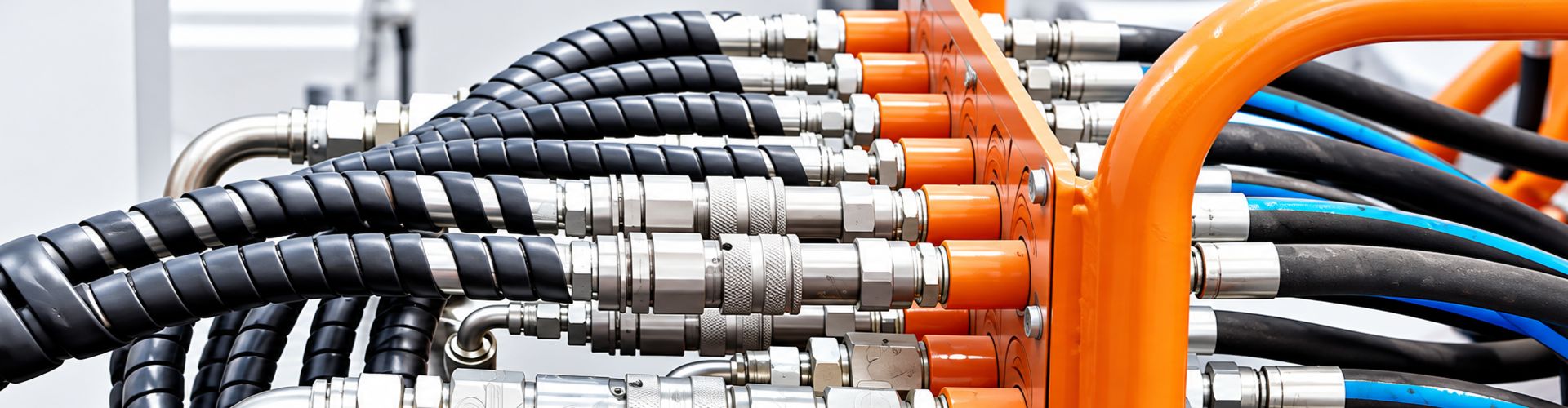
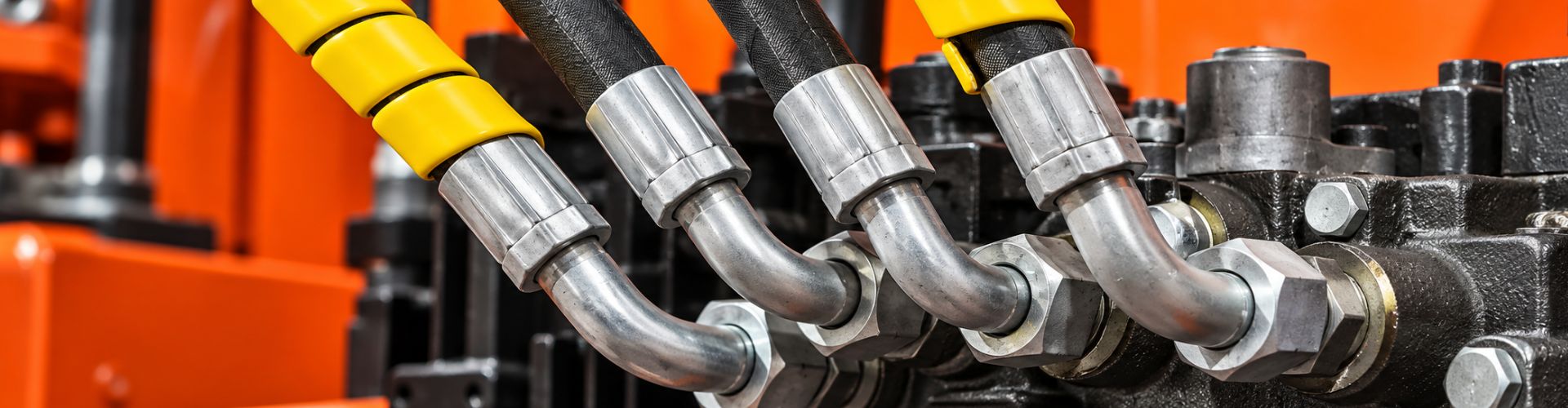
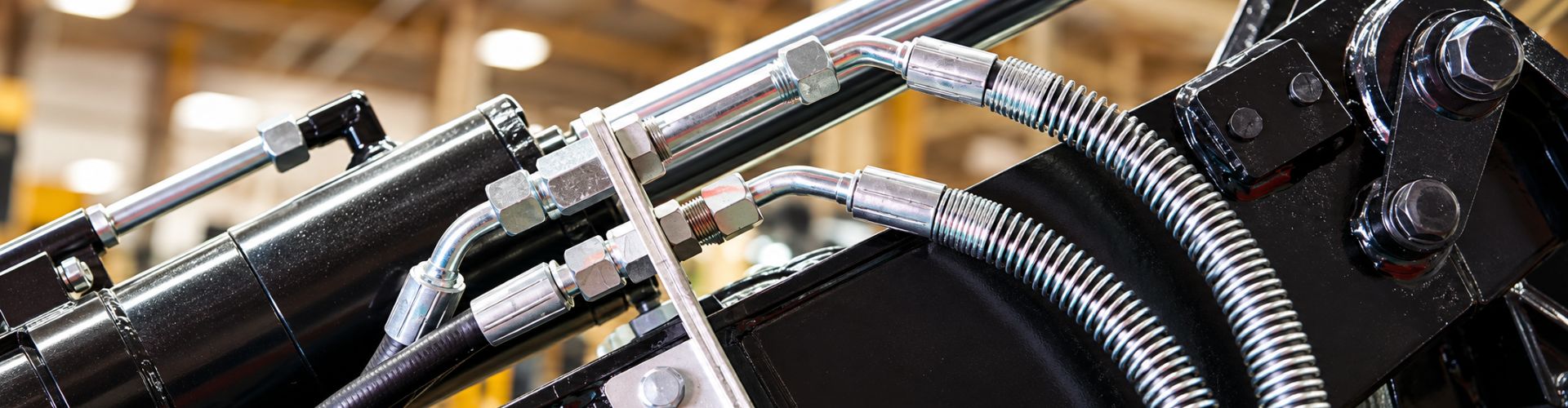
77 Series Crimp Hydraulic Fittings banner

77 Series Crimp Hydraulic Fittings: What You Need to Know

Your toughest hydraulic jobs demand a fitting that won’t fail under extreme pressure. But choosing the right high-pressure fitting can be confusing and risky.

77 Series fittings are robust, one-piece, steel crimp fittings designed for high-pressure four and six-wire spiral hydraulic hoses. They provide an extremely reliable, factory-quality connection for demanding applications in construction, mining, and heavy industry.

crimp style Hydraulic hose fitting Manufacturer Topa

What Exactly Defines a “77 Series” Hydraulic Fitting?

You see the “77 Series” part number but what does it mean? Not knowing the specifics can lead to costly mismatches with your hoses and applications.

A 77 Series fitting is a high-pressure, non-skive hydraulic fitting, typically made from a single piece of steel. It’s designed specifically for the extreme demands of four and six-wire spiral hoses, ensuring a strong, durable, and leak-free crimped connection.

The name “77 Series” has become an industry term for a specific type of heavy-duty fitting. When you encounter it, you should immediately think of high-pressure, high-demand applications. It’s not a fitting for general-purpose use; it’s a specialist piece of engineering. Several key design features set it apart from the more common fittings used on standard two-wire hoses. Understanding these features is key to understanding its purpose and its value.

The Non-Skive Advantage

The most important feature is that these are “non-skive” fittings. In the past, to assemble a fitting on a high-pressure spiral hose, you had to first “skive” or shave off the outer rubber cover of the hose to expose the wire reinforcement. This was a time-consuming, messy, and inconsistent process. A 77 Series fitting is designed with an aggressive inner profile on its ferrule (the outer collar) that is engineered to bite through the outer cover and grip the wire reinforcement directly. This dramatically simplifies and speeds up the assembly process, reduces the chance of human error, and protects the wire reinforcement from being damaged by the skiving tool.

One-Piece Steel Construction

Unlike some other fitting designs that use a separate ferrule and nipple (the part that goes inside the hose), 77 Series fittings are typically a robust, single-piece design. This integrated construction provides immense strength and integrity. There are fewer potential leak paths, and the fitting is inherently stronger and more resistant to the immense forces created by high-pressure hydraulic impulses. They are made from high-tensile steel and are zinc-plated to resist corrosion, ensuring they can stand up to the harsh environments where they are used.

Which Hydraulic Hoses Are Compatible With 77 Series Fittings?

You have a high-pressure hose, but will a 77 Series fitting work? Using the wrong hose can lead to immediate and dangerous assembly failure.

77 Series fittings are not for standard two-wire braided hoses. They are specifically engineered to match the dimensions and pressure ratings of heavy-duty four and six-wire spiral hydraulic hoses, such as those meeting EN 856 4SP, 4SH, or SAE 100R13/R15 standards.

This is the most critical point of all. A hydraulic fitting and hose must be a matched set. Using a 77 Series fitting on the wrong hose is like putting racing tires on a farm tractor; the components are not designed for each other and the result will be a catastrophic failure. I see this mistake made by people trying to save money, but it ends up costing far more in the long run. The internal construction of a spiral hose is very different from a braided hose, and the 77 Series fitting is designed to work with that specific construction.

Understanding Spiral Hose Construction

Standard hydraulic hoses use layers of braided wire for reinforcement. High-pressure hoses use a different method where multiple layers of steel wire are spiraled around the inner tube. This spiral construction is better at handling the extremely high pressures and pressure impulses found in heavy equipment. However, the hose wall is thicker and less flexible. The 77 Series fitting is designed with a longer ferrule and specific internal geometry to correctly grip these multiple, non-flexible layers of wire.

Matching the Standards for Safety

You must always match the fitting to the hose standard. The 77 Series is a perfect partner for the most common types of spiral hose used globally.

Using a 77 Series fitting with these approved hoses ensures the assembly can meet the pressure rating of the hose itself. As a supplier, we at Topa always provide clear compatibility charts to ensure our customers get this critical decision right every time.

What Are the Core Benefits of Using 77 Series Fittings?

Is this heavy-duty fitting worth the cost? You need connections that prevent downtime, but the investment must be justified by clear performance advantages.

The primary benefits are extreme reliability and safety under very high dynamic pressures. The non-skive, one-piece design simplifies assembly, reduces errors, and creates a robust connection that resists vibration and impulse shock, ensuring longer service life in critical applications.

excavator

When a piece of mining or heavy construction equipment goes down, the costs are enormous. The decision to use a premium fitting like the 77 Series is an investment in uptime and safety. The benefits go beyond just holding pressure; they address the real-world challenges faced by operators and maintenance teams.

Enhanced Safety and Reliability

This is the number one benefit. In applications with pressure spikes reaching 5000 or 6000 PSI, you cannot afford a connection to fail. The robust, one-piece design and the deep, secure bite of the non-skive ferrule create a connection with an extremely high resistance to blow-off. This provides peace of mind for operators and managers, knowing that the hydraulic connections are one of the most secure parts of the system.

Faster and Simpler Assembly

For maintenance teams working in the field, time is money. As I mentioned, the non-skive design eliminates the slow and messy process of shaving the hose cover. This not only makes the assembly process about five times faster but also removes a major source of potential error. A consistent, repeatable assembly process means more reliable results, even when performed under pressure in field conditions. This benefit appeals to both my quality-focused customers in Europe and my price-sensitive customers in Africa, because reduced labor time and fewer bad assemblies save money for everyone.

Superior Impulse Life

These fittings are not just designed for static pressure; they are designed to survive the brutal reality of hydraulic impulse shocks. The long ferrule supports the hose behind the crimp, helping to distribute the stress from bending and vibration. This results in an assembly that can withstand hundreds of thousands of pressure impulse cycles, which is critical for the longevity of hoses on equipment like bulldozers, excavators, and forestry machines.

How Do You Properly Assemble a 77 Series Fitting?

You have the right parts, but the assembly process is critical. One wrong step can compromise the entire hose assembly, creating a hidden weakness.

Proper assembly involves a clean, square cut of the hose, marking the insertion depth, pushing the fitting on until the mark is met, and crimping with the correct die set in a calibrated crimper to the manufacturer-specified diameter.

Crimping Mistakes

The strength of a 77 Series fitting is only realized if it is assembled correctly. This is not a process to be rushed. Following a precise, step-by-step method is essential for safety and reliability.

Step 1: Select Components and Cut the Hose

Ensure you have the correct 77 Series fitting for your specific spiral hose type and size. Use a proper abrasive hose saw to cut the hose to length. The cut must be clean and perfectly square (90 degrees). A crooked cut will prevent the hose from bottoming out correctly inside the fitting.

Step 2: Mark Insertion Depth

Many 77 Series fittings (and their equivalents) have a feature on the ferrule that indicates how far to push it onto the hose. If not, you must measure. Push the fitting all the way onto the hose until it stops. Then, using a white or silver paint pen, make a clear mark on the hose right at the back of the fitting’s collar.

Step 3: Lubricate and Insert the Fitting

Remove the fitting. Apply a light amount of hydraulic oil or an appropriate lubricant to the inside of the fitting’s nipple and the inside of the hose. This is crucial for spiral hose, as it helps the nipple slide in without damaging the hose’s inner tube. Push the fitting onto the hose until the back of the collar meets your pen mark.

Step 4: Crimp with Correct Dies

Select the specific die set recommended by the manufacturer for your hose and fitting combination. Place the assembly in the crimper and crimp it. You will need a powerful, robust crimper capable of handling the large diameters and thick steel of these fittings.

Step 5: Verify the Crimp Diameter

This is the final, essential quality check. Use a set of calipers to measure the outside diameter of the crimped ferrule. Compare this measurement to the crimp specifications provided by the fitting manufacturer. It must be within the specified tolerance. If it is too big (under-crimped) or too small (over-crimped), the assembly is unsafe and must be cut off and discarded.

Are There High-Quality Alternatives to Brand-Name 77 Series Fittings?

You need the performance of 77 Series but your budget is tight. Are you forced to pay premium brand prices for this level of quality?

Yes. Reputable manufacturers like us at Topa produce high-quality equivalent fittings that are fully compatible with the same spiral hoses. These alternatives are rigorously tested to meet or exceed international standards, offering the same safety and performance at a more competitive price point.

This is a very common question, especially from smart buyers like Tony who need to balance performance with cost. The original equipment manufacturer (OEM) brand is excellent, but it carries a premium price tag. For many businesses, sourcing a high-quality, fully tested equivalent is a smart financial decision, as long as you choose your supplier carefully. The key is to ensure you are buying a true equivalent, not a cheap, untested copy.

The Value of a Reputable Alternative

When you choose an alternative supplier like Topa, you should demand proof of quality. We provide our customers with full documentation, including material specifications and results from our own rigorous testing protocols. We perform burst tests and, crucially, impulse tests on our assemblies to validate that they perform just as well as the brand-name products. A reputable supplier will be transparent about their quality control and will stand behind their product.

Performance Without the Price Tag

How can we offer this performance at a better price? Our business model is focused on efficiency. By working directly with customers around the world, from the USA to Ghana, we eliminate layers of distribution markups. Our lean manufacturing partnerships and dedicated marketing and service teams mean we can deliver a world-class product without the overhead of a giant global corporation. You are paying for quality engineering, not for a brand name. We provide a complete matched system—our hoses, our fittings, and our crimp specifications—to give our clients total peace of mind.

What Common Mistakes Should You Avoid With 77 Series Fittings?

You’ve built your assembly, but hidden errors can lead to failures. Knowing the common pitfalls is key to ensuring long-term reliability and safety.

The biggest mistakes are using them on the wrong hose type (like 2-wire), under-crimping or over-crimping, failing to push the hose fully into the fitting before crimping, and not using a properly calibrated crimper with the correct die set.

Making any of these mistakes completely negates the safety and reliability you are trying to achieve by choosing a heavy-duty fitting in the first place. An improperly assembled 77 Series fitting is just as dangerous, if not more so, than a standard fitting used correctly.

Mistake 1: Hose and Fitting Mismatch

This is the most fundamental error. I must repeat it: Never use a 77 Series fitting on a 2-wire braided hose (like SAE 100R2). The fitting is not designed to grip the braided reinforcement correctly and will almost certainly fail by blowing off under pressure.

Mistake 2: Incorrect Crimp Diameter

This is the most common assembly error. It’s critical to use calipers and verify every single crimp.

Mistake 3: Incomplete Hose Insertion

If you do not push the hose all the way into the fitting until it bottoms out (and your mark lines up), the ferrule will be crimped onto the wrong part of the hose. The teeth of the ferrule are designed to bite into the hose directly over the nipple, creating a unified seal. A partial insertion creates a massive weak point right at the end of the nipple, which will lead to a very early failure.

Conclusion

77 Series fittings offer unmatched reliability for high-pressure spiral hose applications. Choosing a quality-tested, compatible system ensures safety and performance while providing excellent value for your business.


FAQ

What are 77 series crimp fittings used for?

77 series crimp fittings are used to securely connect hoses in high-pressure hydraulic systems, ensuring leak-free and durable connections.

What types of hoses are compatible with 77 series crimp fittings?

The 77 Series is compatible with various hose types, including braided, spiral, and thermoplastic hydraulic hoses.

What materials are 77 series crimp fittings made from?

These fittings are commonly made from carbon steel and stainless steel, with options for plated finishes to enhance corrosion resistance.

How do I choose the right 77 Series Crimp Fitting?

Consider factors like pressure ratings, hose type, and fluid compatibility to match the fitting with your system’s requirements.

What tools are needed to install 77 series crimp fittings?

A hydraulic crimping machine, a die set matching the fitting size, and a hose cutter are essential for proper installation.

Can I use 77 series crimp fittings with any hydraulic fluid?

The fittings are compatible with a wide range of hydraulic fluids, but it’s important to verify that the fitting material matches the fluid type used in your system.

HY Series Hydraulic Crimp Fittings banner

HY Series Hydraulic Crimp Fittings: Key Features and Benefits

Hose crimp fittings are essential components in hydraulic systems, ensuring secure, leak-free connections between hoses and other system parts. These fittings are used to attach hydraulic hoses to various connectors, enabling the safe and efficient transfer of fluids under high pressure. Properly crimped fittings maintain the integrity of the hydraulic system, preventing leaks and minimizing downtime due to maintenance issues. HY Series hose crimp fittings are a specialized range designed for various applications, including agriculture, construction, and industrial machinery. Known for their robust design and compatibility with different hose types, they offer reliable performance in demanding environments.

What Are HY Series Hydraulic Hose Crimp Fittings?

Definition and General Description

HY Series hose crimp fittings are integral components in hydraulic systems, designed to establish secure, high-pressure connections between hydraulic hoses and various elements like pumps, valves, and cylinders. These fittings are meticulously engineered to provide a robust seal that ensures fluid integrity, minimizing the risk of leaks and maintaining the hydraulic system’s overall performance. HY Series fittings are versatile and compatible with a wide range of hose types, making them suitable for numerous industrial applications, including construction machinery, agricultural equipment, mining operations, and automotive systems. Their ability to function reliably in both high and low-pressure scenarios makes them indispensable in environments where fluid transfer efficiency and safety are critical.

Historical Development and Evolution in the Industry

The adoption of crimp fittings emerged in the mid-20th century as industries sought more efficient and reliable methods to manage hydraulic connections. Initially, hydraulic systems predominantly used threaded fittings. While these were practical, they posed several challenges, particularly under high-pressure conditions where vibration and pressure fluctuations could compromise the seal integrity, leading to leaks. As a response, crimp fittings were developed to create a more uniform and durable connection. By compressing the hose end uniformly around the fitting, crimp fittings offered a secure and consistent seal capable of withstanding greater pressure and environmental stress.

The HY Series, as a modern evolution of this technology, incorporates cutting-edge materials such as stainless steel and carbon steel, known for their strength and resistance to corrosion. This series meets rigorous international standards, including ISO and SAE specifications, ensuring broad compatibility and trust in global markets. The design improvements in the HY Series cater specifically to demanding industrial applications, offering enhanced durability and efficiency in extreme conditions such as high temperatures, corrosive environments, and continuous operational stress.

HY Series Hydraulic Crimp Fittings

Overview of the Components and Structure of HY Series Fittings

HY Series hose crimp fittings consist of several crucial components designed to work cohesively, ensuring a secure and durable connection. These include:

Body: This is the core component of the fitting, typically crafted from high-quality materials like stainless steel or carbon steel. The body is engineered to endure high pressures and resist corrosive elements, making it suitable for both harsh environments and high-temperature applications.

Ferrule: The ferrule is a cylindrical piece that encases the hose end during the crimping process. Its role is to compress the hose evenly around the fitting’s stem, securing the hose and maintaining a tight seal. In the HY Series, ferrules are precision-machined to ensure optimal crimping pressure, reducing the risk of slippage or leaks.

Insert (or Stem): The insert, or stem, is a crucial component inserted into the hose. It typically features barbs or grooves that grip the inner surface of the hose, enhancing the stability of the connection once the ferrule is crimped. This design ensures that the hose remains securely in place, even under high-pressure conditions or when subjected to vibrations.

Seal: Depending on the application, HY Series fittings may include an O-ring or similar seal to provide additional leak protection. This feature is especially important in high-pressure or high-temperature applications, where even the smallest leak could compromise system performance. The seal works as an additional layer of defense, ensuring the long-term reliability of the connection.

Key Features of HY Series Crimp Fittings

Material Composition

HY Series crimp fittings are made from high-quality materials such as stainless steel and carbon steel. These materials are chosen for their strength and durability, allowing the fittings to withstand high pressures and resist corrosion, even in harsh environments. The use of robust materials also ensures that the fittings maintain their structural integrity over time, minimizing maintenance requirements.

Design Advantages

Durability: Engineered for long-lasting performance, HY Series fittings are built to handle high-stress conditions typical in hydraulic systems. The fittings are designed to resist wear and tear, making them suitable for continuous use.

Corrosion Resistance: The stainless steel and carbon steel options provide excellent corrosion resistance, crucial for applications exposed to moisture, chemicals, or extreme temperatures.

Compatibility: HY Series fittings are compatible with a broad range of hydraulic hoses, including braided and spiral types. This flexibility ensures that they can be integrated into various systems without compromising performance.

Standardization and Compliance with Industry Standards

HY Series crimp fittings are designed to meet international standards such as ISO (International Organization for Standardization) and SAE (Society of Automotive Engineers). Compliance with these standards ensures global compatibility, allowing the fittings to be used across different industries and regions with confidence. Adherence to these standards also assures users of the product’s quality and reliability.

Range of Sizes and Configurations Available

To accommodate diverse hydraulic system needs, HY Series crimp fittings are available in a wide range of sizes and configurations. This versatility allows for precise selection based on system requirements, such as hose diameter, pressure ratings, and application type. The availability of different configurations—including straight, elbow, and tee fittings—offers flexibility in system design and installation, ensuring that the fittings can be adapted to various space constraints and connection demands.

HY Series Hydraulic Crimp Fittings drawing

Advantages of Using HY Series Crimp Fittings

Enhanced Reliability and Performance in High-Pressure Environments

HY Series crimp fittings are engineered to perform optimally under high-pressure conditions, providing consistent reliability. Their robust construction minimizes the risk of fitting failure, ensuring that hydraulic systems maintain stable performance even in demanding environments.

Improved Sealing Capabilities and Leak Prevention

With precision design and high-quality materials, these fittings offer superior sealing capabilities. The crimping process creates a uniform and tight seal, significantly reducing the chances of leaks, which is critical for maintaining fluid integrity and system efficiency.

Flexibility in Different Hydraulic Systems and Various Applications

HY Series crimp fittings are versatile and compatible with numerous hydraulic hoses, making them adaptable across a variety of industries and systems, including construction machinery, agricultural equipment, and industrial machinery. This flexibility simplifies the selection and installation process for different applications.

Applications of HY Series Hose Crimp Fittings

Common Industries and Sectors Utilizing HY Series Fittings

HY Series crimp fittings are widely used in industries such as agriculture, construction, automotive, and heavy machinery. Their adaptability and reliability make them essential components in equipment and machinery requiring stable hydraulic systems.

Fluid Power Transfer: HY Series fittings are integral in systems where precise control and consistent pressure are crucial, such as in hydraulic lifts, cranes, and heavy-duty construction vehicles.

Oil and Gas Systems: These fittings are also suited for applications involving oil and gas transfer, where high pressure and corrosion resistance are essential.

Construction Machinery: The durability and leak-proof nature of HY Series fittings make them a preferred choice for construction equipment, where reliable hydraulic performance is necessary for safety and efficiency.

Choosing the Right HY Series Hose Crimp Fitting for Your Needs

Factors to Consider When Selecting Fittings

Pressure Rating

The maximum pressure rating of the hydraulic system is a critical factor when choosing HY Series fittings. It’s essential to select a fitting that meets or exceeds this rating to prevent failure or leaks. HY Series fittings come in various pressure classes, from medium to high, to accommodate different hydraulic applications. Matching the fitting’s pressure capacity with your system’s demands ensures safe operation and longevity.

Hose Type

Hydraulic hoses come in various constructions, primarily braided and spiral, each with specific performance characteristics. HY Series fittings are compatible with both types:

Braided Hoses: These are typically used for medium-pressure applications due to their flexibility. When selecting HY Series fittings for braided hoses, ensure the fitting matches the specific braid type and diameter to maintain a secure seal.

Spiral Hoses: Built for high-pressure applications, spiral hoses are reinforced and thicker. HY Series fittings designed for these hoses accommodate the extra thickness and reinforcement layers, ensuring that the fitting can handle the elevated pressure.

Application Requirements

Consider the environment where the hydraulic system operates:

Temperature: High or low temperatures affect the fitting’s material. For high-temperature applications, stainless steel fittings are recommended for their heat-resistant properties.

Corrosive Environments: In environments with exposure to chemicals, saline conditions, or humidity, selecting corrosion-resistant materials such as stainless steel enhances durability.

Movement/Vibration: Applications with high levels of vibration (e.g., mobile machinery) require fittings that maintain a tight seal under stress, preventing leaks and system breakdowns.

Compatibility with Different Hydraulic Hoses (Braided vs. Spiral)

Braided Hoses: These hoses are typically more flexible, and suitable for equipment where maneuverability and moderate pressure are priorities. HY Series fittings designed for braided hoses ensure a secure, leak-free fit that accounts for the flexibility and structure of these hoses.

Spiral Hoses: Due to their multi-layered reinforcement, spiral hoses handle higher pressures and heavier loads, often used in construction and industrial machinery. HY Series fittings for spiral hoses are built to accommodate the additional thickness and structural integrity, providing a secure connection that withstands intense pressure fluctuations.

Tips for Ensuring the Right Fit and Avoiding Common Mismatches

Check Hose and Fitting Specifications

Always verify that the hose’s diameter, pressure rating, and construction match the fitting’s specifications. This ensures the fitting fits snugly and supports the system’s pressure demands without compromising performance.

Use Standardized Components

To avoid compatibility issues, choose fittings that comply with ISO and SAE standards. Standardized components not only ensure a proper fit but also facilitate maintenance, as standardized parts are readily available worldwide and compatible with different hose types and systems.

Test Fit Before Crimping

Before crimping, ensure the fitting slides smoothly into the hose and is properly seated. This prevents improper fitting, which could result in leaks or system failure. Additionally, calibrate the crimping tool according to the fitting’s specifications to apply uniform pressure, achieving a consistent and secure seal. After crimping, inspect the connection visually and test it under pressure to confirm integrity and safety.

Comparing HY Series Crimp Fittings with Other Series

Hose Selection

HY Series:

Braided Hoses: The HY Series is compatible with braided hoses commonly used in medium-pressure applications. Its flexible design allows for secure connections, ensuring reliability in systems that require moderate fluid transfer without the need for high reinforcement.

Spiral Hoses: The HY Series also accommodates spiral hoses, providing a higher level of reinforcement necessary for high-pressure scenarios. Its fittings are specifically engineered to handle the thicker structure of spiral hoses, ensuring a secure, leak-free fit under elevated pressure levels.

43 Series:

Braided Hoses: The 43 Series is most suitable for general-purpose applications, making it a good fit for braided hoses. It supports medium pressure ranges effectively, ideal for systems where flexibility and moderate performance are needed.

Spiral Hoses: While the 43 Series can be used with spiral hoses, it is generally more suited to light-duty to medium-pressure systems, making it less ideal for heavy-duty, high-pressure scenarios compared to the HY Series.

77 Series:

Braided Hoses: The 77 Series fittings are optimized for extreme conditions, but they can still be used with braided hoses when additional reinforcement is needed for specific high-pressure applications.

Spiral Hoses: This series excels with spiral hoses, making it the best choice for the most demanding high-pressure environments. Its robust design can handle the increased reinforcement and structural thickness of spiral hoses, ensuring durability and safety under extreme operating conditions.

1C977 One Piece Hose Fitting Drawing Topa

Pressure Handling

HY Series: The HY Series is versatile, and designed to accommodate a broad range of pressures, including high-pressure applications, making it well-suited for industrial and heavy-duty uses. This range ensures that the HY Series fittings can handle the rigorous demands of diverse hydraulic systems.

43 Series: Similar to the HY Series, the 43 Series offers solid pressure capabilities but is primarily targeted at general-purpose, medium-pressure scenarios. These fittings are ideal for systems that operate under moderate conditions where extreme pressure resistance may not be necessary.

77 Series: The 77 Series is optimized for high-pressure and high-stress environments, often found in extreme or critical conditions such as construction, mining, and oil & gas operations. These fittings are built to manage elevated pressure levels without compromising the connection integrity.

Temperature Resistance

HY Series: The HY Series fittings provide reliable temperature resistance, making them adaptable to most hydraulic environments, including moderate to high-temperature ranges. This makes them suitable for applications where temperature fluctuations are a consideration.

43 Series: These fittings offer moderate temperature resistance, making them appropriate for standard hydraulic systems where temperatures remain within predictable and stable ranges.

77 Series: The 77 Series fittings excel in temperature resilience, being specifically designed to handle both low and high extremes. This capability makes them suitable for applications where hydraulic systems are subjected to significant temperature variations, such as outdoor industrial equipment or extreme environmental conditions.

Sealing Ability

HY Series: HY Series fittings integrate advanced sealing technology, ensuring a secure and leak-resistant connection even when exposed to dynamic pressure changes. This makes them particularly suitable for high-performance and industrial systems requiring consistent reliability.

43 Series: The sealing capabilities of the 43 Series are dependable, offering adequate protection in medium-pressure and moderate-temperature environments. However, they may not be as robust as the HY Series when exposed to more extreme conditions.

77 Series: Designed for critical applications, the 77 Series prioritizes sealing integrity to prevent leaks, especially in systems facing high pressure and temperature fluctuations. This emphasis on maximum leak prevention ensures these fittings maintain system safety and efficiency under demanding conditions.

Conclusion

In this guide, we explored the essential aspects of HY Series Hose Crimp Fittings, including their key features, material composition, and advantages over other series. The versatility and reliability of HY Series fittings make them an excellent choice for diverse hydraulic applications. To ensure optimal performance and safety, consulting with hydraulic experts is recommended when selecting and installing fittings. Expert advice guarantees that the correct fitting is chosen, properly installed, and maintained for the best system efficiency.


FAQ

What are HY Series hose crimp fittings used for?

HY Series fittings are used to securely connect hydraulic hoses to system components, ensuring leak-free fluid transfer in high-pressure applications.

What materials are HY Series fittings made from?

They are typically made from stainless steel or carbon steel, providing durability and corrosion resistance.

Are HY Series fittings compatible with all hose types?

Yes, they are designed for compatibility with both braided and spiral hydraulic hoses.

What industries use HY Series Hose Crimp Fittings?

Common industries include agriculture, construction, automotive, and industrial machinery.

How do I choose the right HY Series fitting for my system?

Consider pressure rating, hose type, and environmental factors like temperature and exposure to corrosive substances.

Can I install HY Series fittings myself?

While possible, it’s recommended to consult a hydraulic expert to ensure proper installation and system efficiency.

43 Series Hydraulic Crimp Fittings banner

43 Series Hydraulic Crimp Fittings: What Series Is This?

Developed by Parker Hannifin, Series 43 hydraulic crimp fittings are seamlessly compatible with a wide range of hose types, including Parker’s no-slip hose. Slipless technology simplifies assembly by eliminating the need for sliding, reduces the risk of premature hose failure, and ensures a secure, leak-free connection. In hydraulic systems, choosing the right range of fittings is critical to maintaining efficiency and safety. Different fittings are designed for specific pressures, environments, and fluid types.

Overview of 43 Series Hydraulic Crimp Fittings

The 43 Series Crimp Fittings are a versatile range of hydraulic fittings used across various industrial sectors. They are specifically designed to simplify assembly processes by eliminating the need to remove the hose’s outer cover during installation. This technology, known as no-skive, allows for faster, more efficient assembly while minimizing the risk of hose failure due to improper skiving. By ensuring that the hose remains intact, these fittings provide a reliable and secure connection, suitable for numerous hydraulic systems and applications.

Historical Background

The development of the 43 Series Crimp Fittings was driven by the need for a more user-friendly and efficient fitting solution in the hydraulic industry. Responding to demands for streamlined installation and reduced maintenance time, this series was introduced as a versatile option that integrates easily into various systems. Over time, these fittings have become a widely accepted standard for professionals seeking durable, adaptable, and efficient fittings for hydraulic equipment and machinery. Their design continues to evolve to meet the needs of various sectors, reflecting the industry’s trend towards efficiency and reliability.

Key Features of the 43 Series Crimp Fittings

No-Skive Technology

A key innovation of the 43 Series is its no-skive technology, which allows for quick and error-free assembly. By eliminating the need to remove the hose’s outer cover, users can ensure a faster installation process that reduces the risk of incorrect skive lengths—a common issue that can lead to leaks or premature hose failure. This feature not only enhances productivity but also increases the reliability of hydraulic systems by maintaining the integrity of the hose during fitting attachment.

“Bite-the-Wire” Design

The 43 Series also incorporates a “bite-the-wire” mechanism. During crimping, this feature ensures the fitting bites directly into the hose’s wire reinforcement, creating a robust, leak-free connection capable of withstanding high-pressure environments. This design increases the fitting’s grip strength, offering a secure attachment that remains reliable even under dynamic conditions where hoses are subject to vibration and movement. This feature makes the 43 Series ideal for applications requiring high durability and resilience in challenging or high-pressure environments.

Corrosion-Resistant Plating

The 43 Series fittings are made with advanced plating options, such as chromium-free coatings, enhancing their resistance to corrosion. These coatings not only protect the fittings from environmental damage but also ensure that they remain compliant with stringent environmental and safety regulations. The corrosion-resistant feature makes these fittings suitable for various harsh environments, including outdoor applications and systems exposed to moisture or chemicals, ensuring long-lasting durability and minimal maintenance needs.

Compatibility and Application Scope

The 43 Series Crimp Fittings offer broad compatibility across a variety of hose types, making them a versatile and practical choice for hydraulic systems in multiple industries. Engineered to integrate seamlessly with various standard hoses, these fittings support both single and double-braided hydraulic hoses, as well as spiral and thermoplastic options that meet industry standards such as SAE and DIN. This versatility allows users to choose the best hose for their specific application, providing a flexible solution for professionals and reducing the need for system overhauls when using different hose brands.

43 series

Hose Compatibility

Hoses Meeting Industry Standards

The 43 Series fittings are designed to work with hoses that conform to widely accepted standards like SAE and DIN, offering secure connections without the need for additional customization. This flexibility allows these fittings to be integrated into existing systems effortlessly.

Wide Range of Hose Types

These fittings can be used with various types of hoses, including braided and spiral hoses, which are common in high-pressure hydraulic systems, as well as thermoplastic hoses that offer flexibility and resilience under challenging conditions. This adaptability ensures that users can choose the most appropriate hose type for their operational needs, enhancing the efficiency and reliability of the hydraulic system.

Applications

Industry Applications

The adaptability and robust construction of the 43 Series Crimp Fittings make them suitable for diverse applications across multiple industries. Their ability to provide strong, leak-free connections ensures optimal hydraulic performance and system reliability in several key areas:

Hydraulic Systems

In hydraulic power units (HPUs) and other hydraulic applications, these fittings are used to create secure, high-pressure connections that maintain efficient fluid flow. They are ideal for applications where constant pressure and reliable performance are critical, such as in manufacturing and industrial processing.

Industrial Machinery

Industrial equipment like presses, molding machines, and automation systems depend heavily on hydraulic power. The 43 Series fittings are designed to withstand the vibrations and continuous operation inherent in these machines, ensuring uninterrupted performance and reducing downtime caused by hydraulic failures.

Construction Equipment

Construction machinery, including excavators, loaders, and cranes, operates in demanding environments where exposure to dirt, extreme temperatures, and heavy mechanical loads is common. The 43 Series Crimp Fittings are designed to handle these conditions, providing durable, corrosion-resistant solutions that enhance the safety and efficiency of construction equipment.

Agriculture

In agriculture, hydraulic systems are widely used for machinery like tractors, harvesters, and sprayers. These machines often function in harsh outdoor environments, requiring fittings that can handle frequent movement, dirt, and exposure to elements. The 43 Series fittings, compatible with fluids such as phosphate-ester and petroleum-based options, provide reliable, leak-free connections that support efficient operation in these demanding conditions.

Types of Fluids Compatible

The versatility of the 43 Series Crimp Fittings extends beyond just hose compatibility; they are also engineered to work with a broad spectrum of hydraulic fluids, ensuring they meet the requirements of various applications:

Petroleum-Based Fluids

These are the most common types of fluids used in hydraulic systems due to their lubrication properties and thermal stability. The 43 Series fittings are designed to work seamlessly with petroleum-based oils, making them ideal for a wide array of standard hydraulic applications across different industries.

Phosphate Ester Fluids

In applications where fire resistance is critical, such as aviation or heavy industrial machinery, phosphate ester fluids are often used. The 43 Series fittings are compatible with these fluids, ensuring safety and high performance in systems where minimizing fire risk is essential.

Synthetic Oils

Synthetic hydraulic fluids, known for their temperature resistance and biodegradability, are also compatible with the 43 Series fittings. These fluids are often chosen for environmentally sensitive applications and systems operating under extreme temperature variations, providing additional flexibility for users.

Water-Glycol Fluids

For applications that prioritize environmental safety and non-toxicity, water-glycol fluids are a popular choice. The 43 Series fittings support the use of these fluids, ensuring compatibility with systems designed to reduce environmental impact or operate in areas with stringent safety regulations.

Technical Specifications of the 43 Series

Size Range

The 43 Series fittings come in a comprehensive range of sizes, typically from ¼ inch to 2 inches in diameter. This size variety allows the fittings to be used across a wide array of hydraulic systems, accommodating different hose types and system requirements. Smaller sizes are often ideal for applications requiring precision, such as compact industrial equipment or light machinery, while larger sizes are suited for high-flow systems found in construction and agricultural machinery.

Material Options

To meet the demands of various operating environments, the 43 Series fittings are available in two primary material options:

Carbon Steel

Carbon steel is the standard material for the 43 Series Crimp Fittings. It offers a balance of strength and durability, making it ideal for general industrial use where the environment is less corrosive. Carbon steel provides the robustness needed to handle high pressures and dynamic loads in hydraulic systems, ensuring long-term performance in typical conditions like factory settings or controlled outdoor environments.

Stainless Steel

For applications in highly corrosive environments or where the fittings will be exposed to harsh chemicals, the 43 Series offers stainless steel options. Stainless steel provides superior corrosion resistance, making it suitable for use in marine settings, offshore applications, and areas where exposure to chemicals, saltwater, or other corrosive substances is a concern. This material option ensures that the fittings maintain their integrity and performance over an extended period, even in aggressive environments.

1FU43 JIC Hydraulic crimp fitting Topa

Thread Types

The 43 Series Crimp Fittings are available in various thread types, allowing them to integrate seamlessly with a wide range of systems and hoses. The most common thread types include:

NPT (National Pipe Thread): NPT threads are widely used in North America and are often found in general-purpose hydraulic applications. These threads are designed for pressure-tight sealing and are a staple for many standard hydraulic systems.

BSP (British Standard Pipe): Commonly used in Europe and other regions, BSP threads are essential for compatibility with hydraulic systems outside of North America. The availability of BSP threads ensures that the 43 Series fittings can be integrated globally, offering flexibility for multinational operations.

JIC (Joint Industry Council): JIC threads provide a flare connection commonly used in high-pressure applications. They are known for their reliability and ease of assembly, making them suitable for equipment like construction machinery and industrial hydraulics.

Metric and Other Specialized Threads: The 43 Series also supports metric threads and other specialized thread types, ensuring compatibility with specific regional and industry standards.

The diversity in thread options means that users can select the appropriate fitting type for their hydraulic systems without worrying about compatibility issues, allowing for streamlined maintenance and installation.

Configurations

The 43 Series Crimp Fittings are available in over 2,500 configurations, offering an extensive range of options to suit nearly any hydraulic application. These configurations include various shapes, orientations, and end types, allowing for maximum flexibility and adaptability in complex hydraulic systems. Some of the most common configurations include:

Straight Fittings: These are ideal for straightforward, linear connections, often used in systems where space is not a constraint and a simple, direct flow path is required.

Elbow Fittings (45° and 90°): Elbow fittings are designed for situations where hoses need to navigate tight spaces or change direction sharply. These configurations are essential for fitting hoses into compact machinery or equipment with limited clearance.

Tee and Cross Fittings: These are used in systems that require multiple branch connections. Tee fittings allow for fluid flow to split into two paths, while cross fittings facilitate four-way connections. Such configurations are often employed in complex machinery or systems that distribute hydraulic power to multiple components.

Flange Fittings: For high-pressure or large-diameter applications, flange fittings are used to secure hoses and fittings securely. These are typically found in heavy industrial and construction equipment, where maintaining a strong, leak-proof connection is critical.

Specific Applications

The wide array of configurations and thread types available in the 43 Series Crimp Fittings allows for their use in various applications:

High-Pressure Systems: The strong grip provided by the “bite-the-wire” technology and robust material options ensure that these fittings can handle high-pressure hydraulic systems, such as those used in heavy construction machinery.

Compact and Mobile Equipment: With options for smaller sizes and various elbow configurations, the 43 Series is suitable for compact equipment like forklifts and mobile hydraulic systems that require space-efficient routing.

Corrosive and Extreme Environments: Stainless steel versions provide the durability needed in corrosive environments like offshore rigs, marine applications, or chemical processing plants, where exposure to harsh substances is common.

Comparing 43 Series with Other Parker Fitting Series

Comparison with 71 Series

The 71 Series fittings differ from the 43 Series primarily in material use and targeted applications:

Material Use

The 71 Series fittings are typically designed for high-pressure and extreme applications, using more robust materials like stainless steel and higher-grade alloys, which offer increased resistance to stress and environmental factors.

The 43 Series, while also available in stainless steel for corrosion resistance, offers a broader range of standard materials such as carbon steel, making it more versatile for general applications.

Applications

The 71 Series is more commonly used in applications demanding higher pressure ratings, such as heavy industrial machinery, oil and gas, and mobile hydraulic systems operating under severe conditions.

In contrast, the 43 Series is designed for a wider range of uses, including hydraulic systems in construction equipment, agriculture, and general industrial machinery. It balances cost-effectiveness and performance, making it an ideal choice for less extreme but still demanding conditions.

Comparison with 56 Series

The 56 Series fittings are another popular option, but they differ in several ways from the 43 Series:

Assembly and Installation

The 56 Series requires more specific tools and assembly techniques, which may not be as accessible to all users. This series typically involves skiving for certain applications, which can increase installation time and the likelihood of assembly errors if not done correctly.

The 43 Series, with its no-skive technology, allows for a quicker and simpler installation process, making it easier to achieve a secure connection without the need for specialized tools. This feature makes the 43 Series a preferred choice for those seeking a streamlined installation process without compromising system integrity.

Versatility and Applications

The 56 Series fittings are more specialized and targeted at systems that involve very high temperatures and pressures, which can limit their general use.

On the other hand, the 43 Series is designed to offer broad compatibility with various hydraulic hoses and systems, including those requiring high-pressure performance as well as those in general industrial applications. Its flexibility makes it an advantageous option for a wide range of equipment and conditions, without the need for additional adaptations.

43 Series Hydraulic Crimp Fittings

How to Choose the Right Fitting Series

When selecting the right fitting series for a specific application, several factors should be considered:

Application Environment

Corrosive Environments: If the fitting will be exposed to corrosive substances or harsh weather conditions, stainless steel versions of the 43 or 71 Series would be appropriate due to their enhanced resistance. The 43 Series offers flexibility, while the 71 Series is ideal for extreme conditions.

General Industrial Use: For standard industrial or construction equipment applications, the 43 Series is a cost-effective and reliable option due to its broad compatibility and ease of assembly.

Pressure and Temperature Requirements

Systems operating under very high pressures and temperatures may benefit from the additional robustness of the 71 Series or the specialized construction of the 56 Series.

For systems requiring constant high pressure but not at extreme levels, the 43 Series provides a good balance of performance and durability, making it suitable for most moderate to high-pressure systems.

Ease of Installation

Users seeking a straightforward, no-skive installation process should consider the 43 Series. Its design simplifies assembly and reduces potential errors, which is beneficial for maintenance teams looking to maximize efficiency and minimize downtime.

If the application involves a highly technical setup or the availability of specialized tools is not an issue, the 56 or 71 Series may be used, as they are designed to handle more extreme conditions.

Conclusion

The 43 Series Crimp Fittings offer unmatched versatility and reliability, making them a top choice for various hydraulic applications. Their no-skive technology simplifies installation, ensuring efficient and error-free assembly, while the “bite-the-wire” design provides secure, leak-free connections even under high pressure. With options in carbon and stainless steel, these fittings are suitable for diverse environments, from industrial machinery to agriculture. The extensive size range and compatibility with multiple hose types make them a flexible, durable, and cost-effective solution. Consider the 43 Series for dependable performance and ease of use in your hydraulic systems.


FAQ

What are 43 Series Crimp Fittings used for?

They are used for creating secure, leak-free connections in hydraulic systems across various industries, such as construction, agriculture, and industrial machinery.

Are the 43 Series Crimp Fittings compatible with different hoses?

Yes, they are compatible with multiple hose types, including those meeting SAE and DIN standards.

What materials are available for the 43 Series Crimp Fittings?

They are available in carbon steel and stainless steel for enhanced corrosion resistance.

What is the size range for the 43 Series Crimp Fittings?

The fittings are available in sizes ranging from ¼ inch to 2 inches.

Do 43 Series Crimp Fittings require skiving during installation?

No, they feature no-skive technology, allowing for quick and easy installation without removing the hose cover.

What thread types are available in the 43 Series?

They come in various thread types, including NPT, BSP, and JIC, to suit different system requirements.

Why Measuring Crimp Fittings is Crucial for Safety banner

Why Measuring Crimp Fittings is Crucial for Safety

Accurate measurement of crimp fittings is not just a technical requirement; it is a safety imperative. Inaccurate measurements can lead to improperly crimped fittings, resulting in leaks, hose blow-offs, and catastrophic failures. These failures pose significant risks not only to the equipment but also to personnel and the surrounding environment. Therefore, understanding the significance of precise measurements is essential for maintaining the safety and efficiency of hydraulic systems.

Understanding Crimp Fittings

A. Definition of Crimp Fittings

Crimp fittings are mechanical connectors used to join hoses and tubes in hydraulic and pneumatic systems. The crimping process involves deforming the fitting onto the hose using specialized tools, creating a secure and leak-proof connection. This method provides superior strength and durability compared to other types of fittings, such as threaded or welded connections. The crimping technique ensures that the fitting tightly grips the hose, allowing for high-pressure applications without the risk of disconnection or leakage.

crimping Hydraulic hose fitting Topa

B. Common Applications in Various Industries

Crimp fittings are utilized across numerous industries due to their reliability and efficiency. In the automotive industry, they are commonly found in hydraulic brake systems, power steering, and transmission systems. Their ability to handle high pressure and temperature variations makes them ideal for these applications.

In construction and mining, crimp fittings are essential for hydraulic machinery, such as excavators and loaders. These machines rely on hydraulic power to operate, making secure connections critical for safety and performance.

The agriculture sector also employs crimp fittings in equipment like tractors and irrigation systems. Reliable hose connections are vital for machinery that operates under demanding conditions, including exposure to dirt, water, and chemicals.

In aerospace and aviation, crimp fittings are used in hydraulic systems that control flight surfaces and landing gear. The precision and reliability required in these applications underscore the importance of high-quality crimp fittings.

C. Types of Crimp Fittings and Their Characteristics

There are several types of crimp fittings, each designed for specific applications and requirements:

Standard Crimp Fittings: These are the most common type, suitable for general-purpose applications. They are typically made from materials like steel or aluminum and are available in various sizes to fit different hose diameters.

Hose Barb Fittings: These fittings have a tapered end that grips the hose securely when crimped. They are often used in low-pressure applications and are easier to install.

Push-On Fittings: Designed for quick connections, push-on fittings do not require crimping tools. They are ideal for applications where frequent disconnection and reconnection are necessary.

Flared Fittings: These have a flared end that creates a larger surface area for sealing. They are often used in high-pressure applications where leak prevention is critical.

Swivel Fittings: These fittings allow for rotational movement, which helps to prevent kinks in the hose and maintain flexibility. They are commonly used in hydraulic systems where hose routing is complex.

Metric Fittings: Available in metric sizes, these fittings are used in international applications where standards differ from imperial measurements.

Each type of crimp fitting has unique characteristics tailored to its application, including pressure ratings, material composition, and compatibility with different hose types. Understanding these distinctions is essential for selecting the right fitting for a specific hydraulic system, ensuring both performance and safety.

Consequences of Incorrect Measurements

A. Safety Hazards Associated with Improper Crimp Fittings

Incorrect measurements during the crimping process can lead to significant safety hazards in hydraulic systems. One of the most critical issues is the risk of hose blow-offs, where the fitting disconnects from the hose due to insufficient crimping. This can result in uncontrolled fluid discharge at high pressures, posing dangers to operators and nearby personnel. Such incidents can lead to severe injuries, property damage, and environmental contamination.

Additionally, improperly crimped fittings may cause leaks, which not only compromise system performance but also create slippery surfaces that increase the risk of accidents in the workplace. Hydraulic fluid leaks can ignite under high temperatures, leading to fire hazards, and further endangering lives and equipment.

B. Case Studies of Failures Due to Measurement Errors

Construction Equipment Failure: In a construction site accident, a hydraulic excavator suffered a major malfunction when a crimp fitting on a hydraulic hose failed. The fitting had not been measured correctly, leading to a loose connection that ultimately blew off under load. The resulting fluid spray injured two workers and caused extensive damage to surrounding equipment, halting operations for several days.

Manufacturing Shutdown: A manufacturing facility experienced a shutdown due to leaks from hydraulic systems caused by improperly crimped fittings. The leaks led to a major production halt, resulting in significant financial losses. A thorough investigation revealed that inadequate training in measurement techniques among staff was a contributing factor to the failures.

C. Economic Impact of Failures

Repair Costs: When a crimp fitting fails, the costs associated with repairing or replacing the damaged components can be significant. This includes the expense of labor, new parts, and potential shipping fees for urgent replacements. For example, if a hydraulic hose fails in a critical application, the repair costs can range from hundreds to thousands of dollars, depending on the system’s complexity.

Downtime: The downtime caused by equipment failures is one of the most significant economic impacts. Lost production time can result in missed deadlines, reduced revenue, and strained customer relationships. In industries like manufacturing, even a few hours of downtime can lead to thousands of dollars in lost productivity.

Insurance and Liability: In cases where improper measurements lead to accidents, companies may face liability claims from injured workers or damaged property. Insurance premiums may rise following claims, adding to the long-term financial impact of measurement errors.

The Measurement Process

A. Tools and Equipment for Measuring Crimp Fittings

Accurate measurement of crimp hydraulic fittings is crucial for ensuring the integrity and safety of hydraulic systems. The primary tools used in this process are calipers and crimping machines, each serving distinct but complementary functions.

Calipers:

Calipers are essential for measuring the outer diameter of hoses and fittings. They are available in various types, including digital, dial, and vernier calipers.

Digital Calipers: These are user-friendly and provide precise measurements, typically down to the nearest thousandth of an inch or millimeter. They often feature a clear LCD that makes reading measurements straightforward.

Using Calipers: To measure accurately, ensure the caliper is calibrated. Open the jaws, place them around the fitting, and close them until they fit snugly. Take multiple measurements at different points to ensure consistency, particularly since hoses can sometimes have slight variations in diameter.

Crimping Machines:

Crimping machines are designed to apply uniform pressure to fittings, creating secure connections. Many modern machines come with digital interfaces that allow for precise control of crimp diameters.

Features: Look for machines with adjustable settings for different hose types and sizes. Some advanced models include sensors that provide feedback on crimp quality, alerting operators if the crimping is outside acceptable tolerances.

Operational Guidance: Before using the machine, familiarize yourself with its settings and safety features. Always check that the machine is clean and free of debris to avoid contamination of the crimped fitting.

measure hydraulic hoses Topa

B. Step-by-Step Guide

To ensure the proper measurement of crimp fittings, follow this detailed step-by-step guide:

Preparation:

Gather all necessary tools, including calipers and crimping machines.

Ensure that all equipment is clean and calibrated according to manufacturer specifications.

Select the Right Fitting:

Identify the correct type of crimp fitting based on the application and specifications of the hose.

Verify that the fitting is compatible with the hose diameter.

Measure the Hose Diameter:

Use the calipers to measure the outer diameter of the hose at several points. This helps account for any irregularities in the hose’s surface.

Record the measurements, focusing on the largest diameter as this will typically be the critical measurement for crimping.

Consult Fitting Specifications:

Refer to the manufacturer’s specifications for the crimp fitting to determine the recommended crimp diameter and tolerances.

Ensure you understand any specific requirements or variations based on the hose material.

Set Up the Crimping Machine:

Input the desired crimp diameter into the crimping machine based on your earlier measurements and manufacturer specifications.

Adjust any other settings on the machine as needed for the specific type of hose and fitting.

Perform the Crimping:

Insert the fitting into the hose and position it within the crimping machine. Make sure it is aligned correctly to avoid uneven crimping.

Activate the crimping machine and apply pressure, ensuring that it maintains the specified crimp diameter throughout the process.

Final Measurements:

After crimping, immediately use the calipers to measure the crimped fitting. This ensures that the crimp has adhered to the desired specifications.

Check the measurement against the manufacturer’s guidelines to confirm it falls within acceptable tolerances.

Documentation:

Record all measurements and observations throughout the process. Keeping a log can help identify trends or issues in measurement accuracy over time.

If any discrepancies arise, document them and consider adjusting your processes to enhance accuracy in future measurements.

C. Importance of Accuracy in Measurements

The importance of accuracy in measuring crimp fittings cannot be overstated. Accurate measurements directly influence safety, efficiency, and overall operational costs.

Safety: Precise measurements are crucial for preventing accidents. Inaccurate crimp fittings can lead to dangerous situations such as hose blow-offs or leaks, which pose risks to personnel and equipment. Ensuring that each fitting is correctly crimped minimizes these safety hazards.

Operational Performance: Accurate crimp fittings contribute to the optimal performance of hydraulic systems. Properly measured and crimped connections maintain fluid pressure and prevent leaks, which can compromise system efficiency. A well-functioning hydraulic system is essential for maximizing productivity and minimizing downtime.

Cost Efficiency: While it may seem cost-effective to cut corners on measurements, the reality is that inaccuracies can lead to expensive repairs and replacements. Equipment failures due to improper crimping can result in significant downtime, lost productivity, and costly liability claims. Investing in accurate measurement practices pays off in the long run by avoiding these pitfalls.

Regulatory Compliance: Many industries have strict standards governing hydraulic systems and their components. Accurate measurements ensure compliance with these regulations, which is essential for avoiding legal issues and maintaining operational licenses.

Best Practices for Measuring Crimp Fittings

A. Standard Operating Procedures (SOPs)

Implementing Standard Operating Procedures (SOPs) is essential for ensuring consistency and accuracy in the measurement of crimp fittings. SOPs provide clear, step-by-step guidelines that technicians can follow, minimizing the likelihood of errors. Key components of effective SOPs for measuring crimp fittings include:

Detailed Measurement Protocols: Outline specific measurement techniques, including how to use calipers and crimping machines. Include diagrams or illustrations to enhance understanding.

Checklists: Develop checklists for each stage of the measuring and crimping process. This ensures that no steps are overlooked and helps maintain a systematic approach.

Documentation Standards: Establish procedures for documenting measurements, including the format for recording data and the retention period for records. Accurate documentation is crucial for traceability and quality assurance.

Review and Revision Processes: Regularly review and update SOPs to incorporate new technologies, tools, and best practices. This ensures that procedures remain relevant and effective.

Access and Training: Make SOPs easily accessible to all technicians and incorporate them into training programs. Familiarity with these procedures promotes adherence and improves overall measurement accuracy.

By implementing well-defined SOPs, organizations can standardize their measurement processes, enhancing reliability and reducing the risk of errors.

B. Importance of Calibration and Routine Checks

Calibration and routine checks of measurement tools are critical for ensuring the accuracy and reliability of measurements. Regular calibration minimizes discrepancies and helps maintain compliance with industry standards. Key considerations include:

Calibration Frequency: Establish a regular calibration schedule for tools such as calipers and crimping machines. The frequency may depend on usage, manufacturer recommendations, and industry standards.

Professional Calibration Services: Consider engaging professional calibration services to ensure precision. These services have the expertise and equipment necessary to perform accurate calibrations.

Documentation of Calibration: Maintain records of all calibration activities, including dates, results, and any adjustments made. This documentation is crucial for quality assurance and regulatory compliance.

Visual Inspections: In addition to formal calibrations, implement routine visual inspections of measurement tools. Check for signs of wear, damage, or misalignment, and replace tools as necessary.

Error Tracking: Monitor measurement accuracy over time and track any errors or inconsistencies. Analyze these discrepancies to identify potential root causes and implement corrective actions.

Conclusion

As the hydraulic industry continues to evolve, embracing advancements in measurement technology and techniques will be crucial. Professionals must remain vigilant and proactive in adopting these practices to ensure the safety and efficiency of hydraulic systems. Ultimately, the commitment to accurate measurement and adherence to best practices will lead to a more reliable and productive hydraulic industry.


FAQ

Why is measuring crimp fittings important?

Measuring crimp fittings accurately ensures secure connections, prevents leaks, and maintains the safety and performance of hydraulic systems.

What tools are needed to measure crimp fittings?

The primary tools required are calipers for measuring hose diameters and crimping machines for applying pressure to fittings.

How often should measurement tools be calibrated?

Calibration frequency depends on usage and manufacturer recommendations, but regular checks—typically quarterly or annually—are advisable to ensure accuracy.

What are the common consequences of incorrect measurements?

Incorrect measurements can lead to safety hazards, equipment failures, costly repairs, and operational downtime.

What training is recommended for technicians measuring crimp fitting?

Technicians should receive initial comprehensive training and participate in ongoing education, including workshops and certification programs.

What best practices should be followed for measuring crimp hydraulic fittings?

Follow established Standard Operating Procedures (SOPs), maintain accurate documentation, ensure regular calibration of tools, and provide continuous training for staff.

When Should You Use Permanent Hose Fittings

When Should You Use Permanent Hose Fittings?

When Should You Use Permanent Hose Fittings?

Table of Contents

Introduction

Hose fittings can be broadly categorized into two main types: permanent and reusable. Permanent hose fittings are typically crimped onto the hose, creating a robust, leak-proof connection that can withstand high-pressure environments. Once installed, these fittings are difficult to remove without specialized tools. The purpose of this article is to delve into the specific scenarios where crimped hose fittings are the preferred choice. By understanding the characteristics, advantages, and ideal applications of crimped hose fittings, you can make informed decisions about their use in various hydraulic systems.

Understanding Permanent Hose Fitting

Definition and Characteristics

Crimped hose fittings are connectors that are permanently attached to hydraulic hoses using crimping tools. These fittings are designed to create a secure and leak-proof connection that can withstand high pressure and demanding conditions. Key characteristics of crimped hose fittings include:

Leak-Proof Seal: The crimping process ensures a tight and secure connection, minimizing the risk of fluid leaks.

Durability: Once installed, these fittings are highly resistant to wear and tear, making them suitable for long-term use in harsh environments.

Strength: Crimped hose fittings are designed to handle high-pressure applications, ensuring the integrity of the hydraulic system.

crimp style Hydraulic hose fitting Manufacturer Topa

Materials and Construction

Crimped hose fittings are made from a variety of materials, each chosen for its specific properties and suitability for different applications. Common materials include:

Steel: Known for its strength and durability, steel fittings are often used in high-pressure and industrial applications.

Stainless Steel: Offers excellent corrosion resistance, making it ideal for use in environments where exposure to moisture or chemicals is a concern.

Brass: Provides good corrosion resistance and is often used in lower-pressure applications where conductivity is required.

Construction methods for crimped hose fittings involve precision machining and crimping processes. The fittings are typically manufactured to precise specifications to ensure a perfect fit and reliable performance. The crimping process involves using specialized tools to compress the fitting onto the hose, creating a permanent and secure bond.

Industries and Applications

Crimped hose fittings are widely used across various industries due to their reliability and performance. Some examples of industries and applications where these fittings are commonly employed include:

Manufacturing: In factories and production facilities, hydraulic systems are used to operate machinery and equipment. Crimped hose fittings ensure reliable connections that can handle the high pressures and continuous use typical in manufacturing environments.

Construction: Heavy machinery and construction equipment rely on hydraulic systems for operation. Crimped hose fittings provide the durability and leak-proof connections necessary for these demanding applications.

Automotive: In the automotive industry, hydraulic systems are used in braking, steering, and transmission systems. Crimped hose fittings ensure safe and reliable performance in these critical applications.

Agriculture: Agricultural machinery, such as tractors and harvesters, use hydraulic systems for various functions. Crimped hose fittings help maintain the integrity of these systems in rugged and outdoor environments.

Situations Where Crimped Hose Fittings Are Ideal

High-Pressure Systems

High-pressure hydraulic systems require fittings that can withstand immense forces without failing. Crimped hose fittings are specifically designed to provide a robust and leak-proof connection, making them ideal for such applications. The crimping process ensures that the fitting is securely attached to the hose, preventing any movement or loosening that could lead to leaks or failures under high pressure.

Examples of high-pressure applications include:

Hydraulic Presses: Used in manufacturing for shaping and molding materials, hydraulic presses operate under extremely high pressure. Crimped hose fittings ensure the integrity of the hydraulic connections, preventing dangerous leaks.

Heavy Machinery: Equipment such as bulldozers, excavators, and cranes rely on hydraulic systems to perform heavy lifting and digging operations. The high pressure required for these tasks demands the reliability and durability of crimped hose fittings.

Critical Applications

In certain industries, the failure of hydraulic systems is not an option due to the severe consequences it could entail. Crimped hose fittings offer the reliability and robustness needed in these critical applications, where safety and performance are paramount.

Examples of critical applications include:

Aerospace: Hydraulic systems in aircraft control the movement of flaps, landing gear, and other essential components. The failure of these systems could lead to catastrophic consequences. Crimped hose fittings provide the necessary reliability and leak-proof connections required in the aerospace industry.

Military: Military vehicles and equipment often operate in extreme conditions and must perform flawlessly. Crimped hose fittings ensure that hydraulic systems in tanks, aircraft, and other military hardware remain functional and secure under the most demanding circumstances.

Harsh Environments

Crimped hose fittings are well-suited for applications in harsh environments, where exposure to extreme temperatures, corrosive substances, or heavy-duty operations is common. The materials and construction of permanent fittings are chosen to withstand these challenging conditions, ensuring long-term performance and reliability.

Examples of harsh environment applications include:

Oil and Gas: Offshore drilling rigs and onshore extraction sites use hydraulic systems to control various operations. These environments are often exposed to corrosive saltwater, extreme temperatures, and high pressures. Crimped hose fittings made from corrosion-resistant materials like stainless steel are essential in these settings.

Mining: Hydraulic systems in mining equipment must operate reliably under harsh conditions, including exposure to dust, dirt, and heavy loads. Crimped hose fittings provide the durability needed to withstand the rigorous demands of mining operations.

Marine: Ships and marine equipment use hydraulic systems for steering, winching, and other critical functions. The corrosive marine environment requires fittings that can resist rust and degradation, making crimped hose fittings an ideal choice.

Crimp On Hydraulic Fitting construction

High Vibration Areas

Machinery and equipment that are subject to constant vibration and movement require fittings that can maintain a secure connection without loosening. Crimped hose fittings are specifically designed to handle these conditions, providing a stable and reliable connection even in high-vibration areas. The crimping process used to attach crimped hose fittings ensures that the fitting remains securely fastened to the hose, preventing any movement or loosening that could lead to leaks or system failures.

Examples of High Vibration Applications:

Construction Equipment: Construction machinery such as bulldozers, excavators, and loaders experience continuous and intense vibrations during operation. These vibrations can cause traditional, non-permanent fittings to loosen over time, leading to leaks and potential hydraulic system failures. Crimped hose fittings, with their robust attachment, ensure that hydraulic connections remain intact and secure, preventing costly downtime and maintenance issues. This is crucial in construction environments where equipment reliability directly impacts project timelines and safety.

Industrial Machinery: Manufacturing equipment and industrial machinery often operate under conditions of high vibration, especially in environments involving heavy-duty operations such as stamping, milling, and cutting. The constant motion can stress hydraulic connections, making it imperative to use fittings that can withstand such conditions. Crimped hose fittings provide the necessary stability, ensuring that the hydraulic systems continue to function properly without interruptions caused by leaks or fitting failures. This reliability is essential for maintaining production efficiency and reducing the risk of unplanned maintenance.

Fixed Installations

Permanent hydraulic hose fittings are ideal for fixed installations where the hose assembly is not frequently replaced or disconnected. In these situations, the long-lasting and secure nature of permanent fittings ensures that the hydraulic system remains reliable over time. Fixed installations benefit from the durability and minimal maintenance requirements of permanent hose fittings, making them a cost-effective solution for long-term use.

Examples of Fixed Installation Applications:

Stationary Industrial Equipment: Machines and equipment that remain in a fixed location and are used continuously, such as presses, conveyors, and automated production lines, benefit greatly from permanent fittings. These fittings provide a leak-proof connection that withstands the constant pressure and usage typical of industrial settings. By ensuring that hydraulic connections remain secure, crimped hose fittings help maintain the efficiency and reliability of stationary equipment, reducing the risk of downtime due to leaks or fitting failures.

Permanent Hydraulic Systems: Systems that are designed to be permanent, such as those found in manufacturing plants, large-scale industrial operations, and infrastructure projects, require fittings that offer long-term reliability and minimal maintenance. Crimped hose fittings are the preferred choice for these installations due to their robustness and durability. In manufacturing plants, for example, hydraulic systems are integral to the operation of machinery and production lines. Permanent fittings ensure that these systems operate smoothly without frequent interruptions for maintenance, contributing to overall productivity and cost savings.

Comparing Permanent and Reusable Hose Fittings

Product Features

Permanent Fittings:

Appearance and Structure: Crimped hose fittings are typically crimped onto the hose, creating a sleek and integrated appearance. They are often constructed from robust materials like steel, stainless steel, or brass to ensure durability and resistance to high pressure and environmental factors.

Function: These fittings are designed to provide a secure, leak-proof connection that can withstand high-pressure environments and extreme conditions. Once installed, they cannot be easily removed or adjusted without specialized tools, ensuring a permanent, reliable connection.

Reusable Hose Fittings:

Appearance and Structure: Reusable hose fittings have a more modular appearance, often with threaded ends that can be screwed onto the hose. They are also made from durable materials like steel, stainless steel, or brass but may include additional components such as sleeves or nuts to secure the connection.

Function: These fittings are designed to be assembled and disassembled without the need for crimping tools. They offer flexibility and ease of replacement, making them suitable for applications where hoses are frequently changed or adjusted.

Reusable vs Crimp Fitting Topa

Installation Process

Permanent Fittings:

Process: Installing crimped hose fittings involves cutting the hose to the desired length, inserting the fitting into the hose, and using a crimping tool to compress the fitting onto the hose. This creates a secure, permanent connection that is resistant to leaks and failures.

Tools Required: Specialized crimping tools and dies are required to install permanent fittings. These tools ensure that the fitting is properly compressed onto the hose, providing a reliable and durable connection.

Skill Level: Installation requires a certain level of expertise and precision to ensure the fitting is crimped correctly. Proper training and experience are essential to avoid improper installation, which could lead to leaks or system failures.

Reusable Hose Fittings:

Process: Installing reusable hose fittings involves cutting the hose to the desired length, inserting the fitting into the hose, and then threading or screwing the fitting onto the hose. This process is relatively simple and can be done without specialized tools.

Tools Required: Basic hand tools such as wrenches are typically sufficient for installing reusable hose fittings. No specialized crimping tools are needed, making the installation process more accessible.

Skill Level: The installation process is straightforward and can be performed by personnel with basic mechanical skills. This ease of installation makes reusable fittings ideal for field repairs and applications where hoses need to be frequently replaced or adjusted.

Maintenance and Replacement

Permanent Fittings:

Maintenance: Once installed, permanent hose hydraulic fittings require minimal maintenance. Their durable construction and secure connection reduce the risk of leaks and failures, leading to lower maintenance needs over time.

Replacement: Replacing permanent hydraulic fittings can be challenging and typically requires cutting off the old fitting and crimping a new one onto the hose. This process necessitates the use of specialized tools and can be time-consuming, making it less ideal for applications where quick replacements are needed.

Reusable Hose Fittings:

Maintenance: Reusable hose fittings may require more frequent inspections and maintenance to ensure that the threaded connections remain secure and leak-free. Regular checks and adjustments can help maintain their reliability.

Replacement: Replacing reusable hose fittings is relatively easy and can be done quickly without specialized tools. This makes them ideal for applications where hoses are frequently changed or adjusted, providing flexibility and ease of maintenance.

Conclusion

The decision between permanent and reusable hose fittings should be based on the specific requirements of your application, considering factors such as pressure, environmental conditions, vibration, and the need for flexibility or permanence. Making the right choice can significantly impact the performance and longevity of your hydraulic system. By understanding the unique advantages and appropriate applications of permanent and reusable hose fittings, you can enhance the efficiency and safety of your hydraulic systems, ultimately contributing to the success and sustainability of your operations.

FAQ

Crimped hose fittings are connectors crimped onto hydraulic hoses, creating a durable, leak-proof, and long-lasting connection that can withstand high pressure and demanding environments.

Common materials for permanent hydraulic fittings include steel, stainless steel, and brass, chosen for their strength, durability, and resistance to corrosion and high-pressure conditions.

Permanent fittings are used in industries such as manufacturing, construction, automotive, oil and gas, mining, and aerospace, particularly in applications requiring high pressure, reliability, and durability.

Permanent fittings are installed by cutting the hose to the desired length, inserting the fitting, and using a crimping tool to securely attach the fitting to the hose. This process requires specialized crimping tools.

Permanent fittings offer several advantages, including durability, leak prevention, safety in high-pressure applications, cost-effectiveness due to reduced maintenance, and superior performance in harsh environments.

No, permanent hydraulic fittings are designed for single-use and cannot be easily removed or reused once crimped onto the hose. If replacement is necessary, the old fitting must be cut off and a new fitting crimped onto the hose.

Contact Topa

Save 30% on maintenance costs with our easy-install hydraulic fittings. Contact Now!