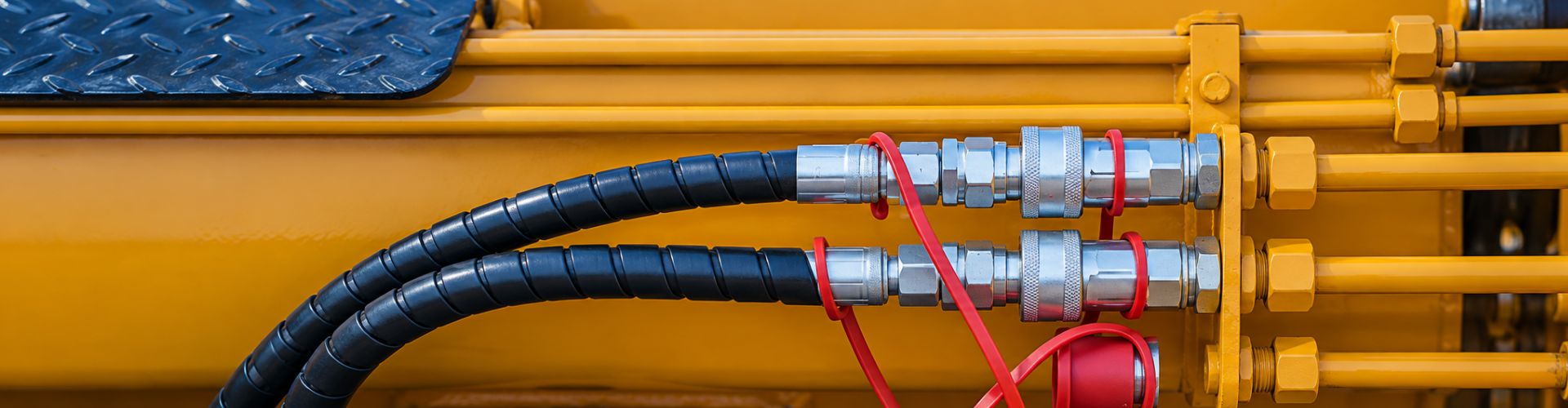
How To Connect Galvanized Pipes And Fittings banner

How To Connect Galvanized Pipes And Fittings

Properly connecting galvanized pipes is crucial for ensuring both the longevity of the system and the safety of its users. Improperly executed connections can lead to leaks, corrosion, and potentially hazardous situations. For example, loose or improperly sealed fittings can cause water damage and reduce the efficiency of the plumbing system.

Understanding Galvanized Pipes and Fittings

What Are Galvanized Pipes?

Galvanized pipes are steel pipes coated with a layer of zinc to protect against rust and corrosion. The galvanization process involves dipping the steel pipes into molten zinc, which forms a strong, protective coating. This coating not only enhances the pipe’s resistance to environmental factors but also extends its lifespan, making it a reliable choice for various applications.

Manufacturing Process:

Cleaning: The steel pipes are thoroughly cleaned to remove any contaminants or impurities.

Pickling: The pipes are dipped in a hydrochloric acid solution to remove any rust or scale.

Fluxing: The cleaned pipes are then dipped in a flux solution, which prepares the surface for zinc coating.

Galvanizing: The pipes are immersed in molten zinc, where the zinc bonds with the steel to form a protective layer.

Cooling and Inspection: After coating, the pipes are cooled and inspected for quality and uniformity.

Advantages of Using Galvanized Pipes:

Corrosion Resistance: The zinc coating provides a barrier that protects the steel from moisture and chemicals, reducing the risk of rust and corrosion.

Durability: Galvanized pipes are robust and can withstand harsh environmental conditions, making them suitable for outdoor and industrial applications.

Longevity: The protective coating extends the lifespan of the pipes, making them a cost-effective choice over time.

Connect Galvanized Pipes And Fittings

Types of Galvanized Fittings

Galvanized fittings are components used to connect, divert, or terminate pipes. They come in various shapes and sizes to accommodate different needs in plumbing and construction.

Overview of Common Fittings:

Elbows: Used to change the direction of the pipe, typically available in 45-degree and 90-degree angles.

Tees: Used to create a branching point in the pipe system, allowing connections in three directions.

Couplings: Used to join two sections of pipe together, available in standard and compression types.

Reducers: Used to connect pipes of different diameters, helping to transition between sizes.

Caps and Plugs: Used to seal the ends of pipes or fittings, preventing flow through the terminal end.

Differences Between Threaded and Unthreaded Fittings:

Threaded Fittings: These fittings have internal or external threads that allow them to be screwed onto pipes or other fittings. They provide a secure connection but may require sealants or tape to prevent leaks.

Unthreaded Fittings: These fittings use other methods of connection, such as compression or push-fit, to join pipes. They can be easier to install and may not require additional sealing materials.

Importance of Matching Fittings with Pipe Size and Material:

Size Compatibility: It is crucial to select fittings that match the diameter and type of the pipes to ensure a proper fit and effective sealing.

Material Compatibility: The material of the fittings should be compatible with the galvanized pipes to prevent issues such as corrosion or chemical reactions. For instance, using plastic fittings with metal pipes can sometimes lead to degradation or failure at the connection point.

Preparation Before Connecting

Choosing the Right Tools and Materials

Essential Tools:

Pipe Wrench: A pipe wrench is crucial for gripping and turning pipes and fittings. Choose a wrench that fits the diameter of the pipes you’re working with.

Teflon Tape: Also known as PTFE tape, Teflon tape is used to seal threaded connections and prevent leaks. Wrap the tape around the threads of the pipe before attaching fittings.

Pipe Cutter: For cutting pipes to the desired length, a pipe cutter ensures a clean, straight cut. It’s essential for achieving a proper fit and secure connections.

Pipe Reamer: Used to remove burrs from the pipe’s cut edge, which can help prevent leaks and ensure a smooth connection.

Adjustable Wrench: Useful for tightening or loosening fittings that don’t require a pipe wrench.

Importance of Selecting Compatible Fittings and Pipes:

Material Compatibility: Ensure that the fittings and pipes are made from compatible materials to avoid issues like corrosion or chemical reactions. For galvanized pipes, use fittings designed to work with steel.

Size Compatibility: Verify that the fittings match the pipe diameter and type. Incorrect sizing can lead to leaks and system inefficiencies.

Safety Precautions

Personal Protective Equipment (PPE):

Safety Glasses: Protect your eyes from debris and accidental splashes while cutting or handling pipes.

Gloves: Wear gloves to protect your hands from sharp edges and to handle heavy or awkward pipes safely.

Work Boots: Steel-toe boots can help prevent injuries from dropped tools or pipes.

Handling and Cutting Galvanized Pipes Safely:

Proper Handling: Always use proper lifting techniques to avoid injury when handling heavy pipes. Use a pipe stand or supports to keep pipes stable while working.

Cutting Safety: When using a pipe cutter or saw, ensure the pipe is securely clamped or held in place. Follow the manufacturer’s instructions for the tool to avoid accidents.

Ventilation: Work in a well-ventilated area to minimize exposure to any fumes or dust created during cutting.

Inspecting Pipes and Fittings

Checking for Damage or Corrosion:

Visual Inspection: Examine the pipes and fittings for signs of damage such as cracks, dents, or rust. Corrosion can compromise the integrity of the pipes and lead to leaks.

Surface Condition: Ensure the surfaces of threaded fittings and pipes are clean and free of debris or old sealant. Any damage or contamination can affect the quality of the connection.

Measuring and Cutting Pipes to the Correct Length:

Accurate Measurement: Use a measuring tape to determine the exact length of the pipe needed. Mark the pipe clearly where it will be cut.

Cutting: Use a pipe cutter for a clean, straight cut. For longer pipes, ensure the pipe is well-supported during cutting to prevent bending or warping.

Deburring: After cutting, use a pipe reamer to remove any burrs or rough edges from the cut surface. This step is essential for ensuring a tight and leak-free connection.

Methods for Connecting Galvanized Pipes

Connecting galvanized pipes involves various methods, each suited to specific applications and requirements. Whether you choose threaded connections, couplings, flanges, or non-threaded methods, understanding the proper techniques ensures a secure and durable installation. This section provides a detailed guide to each method.

Threaded Connections

Step-by-Step Guide to Threading Galvanized Pipes:

Cut the Pipe to Length: Measure the length of pipe needed and use a pipe cutter to cut the pipe. Ensure the cut is clean and straight.

Ream the Pipe: After cutting, use a pipe reamer to remove any burrs or rough edges from the inside of the pipe.

Thread the Pipe: Secure the pipe in a vise or pipe clamp. Attach a pipe threading die to the end of the pipe. Rotate the die clockwise to cut threads into the pipe. Apply consistent pressure and ensure the die is aligned correctly to create even threads.

Clean the Threads: Once threading is complete, clean the threads using a wire brush to remove any metal shavings or debris.

How to Apply Teflon Tape or Pipe Dope to Threads:

Teflon Tape:

Start at the end of the pipe and wrap the Teflon tape clockwise around the threads. Overlap each layer slightly, covering the threads completely. Typically, 2-3 wraps are sufficient.

Press the tape into the threads to ensure a tight fit.

Pipe Dope:

Alternatively, apply a small amount of pipe dope (thread sealant) evenly onto the threads using a brush or applicator.

Spread the dope thinly to avoid excess, which could squeeze out during tightening.

Tightening the Connection Without Over-Torquing:

Align the Fitting: Hand-tighten the fitting onto the pipe threads, ensuring it is aligned correctly.

Use a Wrench: After hand-tightening, use a pipe wrench to tighten the fitting further. Turn the wrench until the connection feels snug and secure, typically about one to two additional turns.

Avoid Over-Tightening: Over-tightening can damage the threads or crack the fitting. If resistance becomes significant, stop tightening to prevent damage.

How To Connect Galvanized Pipes And Fittings banner

Using Couplings

Overview of Different Types of Couplings:

Compression Couplings: These couplings use a compression nut and ring to create a tight seal around the pipe. They are ideal for repairs and joining pipes of the same or different sizes.

Union Couplings: Union couplings allow for easy disconnection and reconnection of pipes. They consist of two threaded halves joined by a central nut.

Slip Couplings: These are used for temporary or permanent repairs. They slide over the pipe and are secured with clamps or adhesives.

Step-by-Step Guide to Using Couplings for Pipe Connections:

Prepare the Pipes: Cut the pipes to the desired length and clean the ends. If using compression or union couplings, ensure the pipe ends are free of burrs.

Insert the Pipes into the Coupling:

Compression Couplings: Slide the compression nut and ring onto the pipe. Insert the pipe into the coupling body and tighten the nut to compress the ring around the pipe.

Union Couplings: Thread the two halves of the union coupling onto the pipe ends. Tighten the central nut to join the two halves.

Slip Couplings: Position the slip coupling over the gap between the pipes. Secure it in place using the provided clamps or adhesive.

Tighten and Secure: Use the appropriate tool (e.g., wrench) to tighten the connections. Ensure a snug fit without over-tightening.

Pros and Cons of Coupling Connections:

Pros:

Ease of Installation: Couplings are generally easy to install and require minimal tools.

Flexibility: Union couplings allow for easy disassembly and reassembly.

Repair Applications: Slip and compression couplings are excellent for making repairs without replacing entire sections of pipe.

Cons:

Potential for Leaks: Improper installation can lead to leaks, especially with compression fittings.

Limited Strength: Couplings may not be as strong as welded or threaded connections, depending on the application.

Flange Connections

Introduction to Flange Fittings and When to Use Them: Flange fittings are used to connect pipes to valves, pumps, or other equipment. They consist of a flat, round disc with holes for bolts. Flanges are commonly used in high-pressure systems or where pipes need to be disassembled frequently for maintenance.

Step-by-Step Guide to Connecting Pipes Using Flanges:

Prepare the Pipe Ends: Cut the pipes to the required length and clean the ends. The pipe end should be smooth and flat for a proper flange connection.

Attach the Flange: Slide the flange onto the pipe end. Ensure the flange is oriented correctly with the bolt holes aligned.

Align the Flanges: Bring the two flanges together, ensuring they are perfectly aligned. Insert the bolts through the bolt holes.

Install the Gasket: Place a gasket between the flanges to create a seal. The gasket should cover the entire surface area between the flanges.

Tighten the Bolts: Tighten the bolts in a cross pattern to ensure even pressure on the gasket. Use a torque wrench to apply the correct amount of torque as specified by the manufacturer.

Ensuring a Leak-Free Seal with Gaskets:

Gasket Selection: Choose a gasket material compatible with the fluid being transported and the pressure and temperature conditions.

Even Tightening: Tighten the bolts in stages, following a cross pattern to ensure the gasket is evenly compressed and forms a tight seal.

Re-Tightening: After the system has been pressurized, re-tighten the bolts to compensate for any settling of the gasket material.

Connecting Pipes Without Threads

Using Push-Fit Fittings and Compression Fittings:

Push-Fit Fittings: Push-fit fittings allow for quick and easy connections without the need for tools. Simply push the pipe into the fitting until it locks into place.

Compression Fittings: Compression fittings use a compression nut and ring to create a secure connection. These are ideal for connecting pipes in tight spaces or where disassembly may be required.

Step-by-Step Guide to Installing These Fittings:

Prepare the Pipe: Cut the pipe to the desired length and deburr the edges to ensure a clean, smooth surface.

Insert the Pipe:

Push-Fit Fittings: Push the pipe firmly into the fitting until it clicks or locks into place. No additional tools are required.

Compression Fittings: Slide the compression nut and ring onto the pipe. Insert the pipe into the fitting body and tighten the compression nut to compress the ring around the pipe.

Check the Connection: Ensure the pipe is fully inserted and the fitting is secure. Test the connection by gently pulling on the pipe.

Advantages and Limitations of Non-Threaded Connections:

Advantages:

Speed of Installation: Push-fit and compression fittings are quick to install, saving time and labor.

No Special Tools Required: These fittings can be installed without specialized tools, making them accessible for DIY projects.

Flexibility: Non-threaded fittings are ideal for repairs and temporary installations.

Limitations:

Lower Pressure Tolerance: Non-threaded connections may not be suitable for high-pressure applications.

Potential for Leaks: If not installed correctly, non-threaded fittings can leak, especially in systems with frequent pressure fluctuations.

Cost: Push-fit fittings are often more expensive than traditional threaded fittings.

Tips for Ensuring a Secure and Leak-Free Connection

Ensuring a secure and leak-free connection is crucial for the long-term performance and safety of your piping system. Proper alignment, avoiding over-tightening, and thorough testing are essential steps in achieving a reliable connection. This section provides practical tips for ensuring that your connections are both secure and leak-free.

Proper Alignment and Support

Ensuring Pipes Are Aligned Correctly Before Tightening:

Check Alignment: Before tightening any connections, ensure that the pipes and fittings are properly aligned. Misalignment can cause stress on the joints and lead to leaks or failure. Use a level or alignment tool to verify that the pipes are straight and aligned with each other.

Adjust as Needed: If the pipes are not aligned, adjust their position by gently shifting them until they are correctly aligned. For larger or heavier pipes, you may need additional support or assistance to achieve proper alignment.

Using Pipe Supports and Hangers to Reduce Stress on Connections:

Install Pipe Supports: Use pipe supports to hold the pipes in place and prevent them from sagging or shifting. Supports should be placed at regular intervals along the length of the pipe, based on the pipe size and material.

Use Hangers: Install hangers to support vertical runs of pipe. Ensure that the hangers are properly spaced and that they do not exert excessive pressure on the pipes or connections.

Minimize Stress: Proper support reduces stress on connections, preventing potential issues such as leaks or joint failure. Ensure that the pipes are supported in a way that maintains alignment and distributes weight evenly.

Avoiding Over-Tightening

The Risks of Over-Tightening and How to Avoid It:

Understand the Risks: Over-tightening can damage threads, strip fittings, or deform gaskets, leading to leaks or compromised connections. It can also cause excessive stress on the pipe and surrounding structure.

Follow Manufacturer’s Specifications: Refer to the manufacturer’s specifications for the recommended torque settings for fittings. Using a torque wrench can help achieve the correct level of tightness without exceeding limits.

Tighten Gradually: When tightening connections, do so gradually and in small increments. Tighten the connection until it is snug and secure but stop before applying excessive force.

Signs of a Properly Tightened Connection:

Visual Inspection: A properly tightened connection should be flush and aligned without visible gaps or misalignment. Threads should engage fully, and the fitting should sit securely against the pipe.

No Leakage: After tightening, there should be no signs of leakage or weeping around the connection. Ensure the connection feels firm and stable to the touch.

Testing for Leaks

Methods for Testing Connections for Leaks:

Pressure Testing: Conduct a pressure test to check for leaks in the system. This involves pressurizing the piping system to its operating pressure and observing for any drops in pressure or visible leaks. Follow safety protocols during pressure testing to prevent accidents.

Soap Solution Test: Apply a soap solution or leak detection fluid to the connections and look for bubbles. Bubbles indicate a leak at the connection point. This method is particularly useful for identifying small leaks.

What to Do if a Leak Is Detected:

Identify the Source: Determine the exact location of the leak by inspecting the connection closely. If the leak is minor, you may be able to tighten the connection slightly to stop the leak.

Re-Tighten or Repair: If re-tightening does not resolve the issue, disassemble the connection, inspect the components for damage, and replace any damaged parts. Reassemble the connection using the proper techniques and retest for leaks.

Consult a Professional: For persistent or significant leaks, consider consulting a professional plumber or pipefitter. They can provide expert advice and perform necessary repairs to ensure the system operates correctly.

Common Issues and Troubleshooting

Even with careful installation, issues can arise in galvanized pipe systems. Identifying common problems and knowing how to address them is essential for maintaining a reliable and long-lasting system.

Identifying Common Problems

Typical Issues:

Leaks: Leaks are one of the most common issues in galvanized pipe systems. They can occur due to improper connections, over-tightening, or wear and tear over time.

Corrosion: Galvanized pipes are resistant to corrosion, but over time, the zinc coating can wear away, leading to rust formation. This can weaken the pipes and cause leaks or blockages.

Loose Fittings: Fittings can become loose due to vibrations, thermal expansion, or improper installation. Loose fittings can lead to leaks or reduced system efficiency.

Causes of These Issues and How to Prevent Them:

Improper Installation: Incorrect alignment, over-tightening, or under-tightening during installation can lead to leaks and loose fittings. Following manufacturer guidelines and using the correct tools can prevent these issues.

Aging: Over time, the zinc coating on galvanized pipes can wear down, leading to corrosion. Regular inspections and maintenance can help identify aging pipes before they fail.

Environmental Factors: Exposure to harsh chemicals, extreme temperatures, or constant moisture can accelerate corrosion and damage. Using appropriate protective measures and materials can mitigate these risks.

Repairing Leaks and Damaged Pipes

Step-by-Step Guide to Fixing Leaks in Galvanized Pipes:

Identify the Leak: Locate the source of the leak by inspecting the pipe and connections. Use a soap solution or a pressure test to confirm the location if necessary.

Shut Off the Water Supply: Before making repairs, turn off the water supply to the affected section of the pipe. This prevents further water damage and makes the repair process easier.

Disassemble the Connection: If the leak is at a fitting, carefully disassemble the connection using a pipe wrench. Inspect the threads and fittings for damage.

Apply Sealant: If the threads are intact, clean them thoroughly and apply fresh Teflon tape or pipe dope to the threads. Reassemble the connection and tighten it securely.

Replace Damaged Sections: If the pipe itself is damaged, cut out the affected section using a pipe cutter. Replace it with a new section of galvanized pipe, using couplings or threaded fittings to connect it to the existing pipe.

Test for Leaks: After completing the repair, turn the water supply back on and test the system for leaks. Make sure the repaired section is secure and leak-free.

When to Replace Rather Than Repair:

Extensive Corrosion: If a significant portion of the pipe is corroded or if the pipe has multiple leaks, it may be more cost-effective to replace the entire section rather than repair individual leaks.

Repeated Issues: If a pipe or fitting has been repaired multiple times and continues to leak, replacement is often the better option to ensure long-term reliability.

Aging Systems: In older plumbing systems where the pipes have reached the end of their lifespan, consider replacing the galvanized pipes with newer materials, such as PVC or copper, to prevent future issues.

Maintaining Galvanized Pipe Systems

Regular Inspection and Maintenance Tips to Extend the Life of the System:

Routine Inspections: Conduct regular inspections of the pipe system to check for signs of wear, corrosion, or leaks. Look for rust spots, water stains, or wet areas around connections.

Clean the System: Flush the system periodically to remove any sediment or debris that could cause blockages or contribute to corrosion.

Apply Protective Coatings: Consider applying protective coatings to exposed pipes to prolong the life of the zinc coating and reduce the risk of corrosion.

Importance of Addressing Issues Promptly:

Preventing Escalation: Addressing small issues like minor leaks or loose fittings promptly can prevent them from becoming major problems that require extensive repairs or replacements.

Cost-Effective Maintenance: Regular maintenance and timely repairs are more cost-effective than dealing with emergency repairs or system failures.

System Longevity: By maintaining the system and addressing issues as they arise, you can significantly extend the life of your galvanized pipe system, ensuring it remains reliable and efficient for years to come.

Conclusion

If you encounter challenges or are unsure about any aspect of the installation process, don’t hesitate to seek professional help. Expert plumbers or pipefitters can provide valuable assistance and ensure that your system is set up correctly.


FAQ

What tools do I need to connect galvanized pipes?

Essential tools include a pipe wrench, Teflon tape or pipe dope, a pipe cutter, and a level. These tools help ensure proper installation and secure connections.

How can I prevent leaks in my galvanized pipe connections?

To prevent leaks, make sure pipes and fittings are properly aligned, avoid over-tightening, and use Teflon tape or pipe dope on threaded connections. Regularly inspect and test your connections for leaks.

What should I do if I find corrosion on my galvanized pipes?

If you find corrosion, inspect the affected area to determine the extent of the damage. Minor corrosion can be addressed with cleaning and protective coatings, but extensive corrosion may require replacing the damaged pipes.

Can I use push-fit or compression fittings with galvanized pipes?

While galvanized pipes are typically connected with threaded fittings or couplings, push-fit, and compression fittings are available for other types of pipes. Ensure that any fittings you use are compatible with galvanized pipes.

How often should I inspect my galvanized pipe system?

It’s recommended to inspect your galvanized pipe system at least once a year. Regular inspections can help you identify and address issues early, preventing more significant problems down the line.

When should I consider replacing galvanized pipes instead of repairing them?

Consider replacing galvanized pipes if they are extensively corroded, have multiple leaks, or if they are part of an old plumbing system that is nearing the end of its lifespan. Replacing pipes can be more cost-effective and reliable in the long run.

Cross Threading 101 banner

Cross Threading 101: Causes and How to Prevent It

Cross-threading is particularly problematic in hydraulic systems because if not addressed promptly, it can lead to leaks, pressure loss, and even catastrophic failures. Proper threading is crucial for maintaining the integrity and efficiency of these systems, as even minor misalignments can result in significant operational issues. Therefore, understanding and preventing cross-threading is essential for ensuring the reliability and safety of hydraulic and mechanical systems.

Understanding Cross Threading  

What is Cross-Threading?

Cross threading is a mechanical issue where the threads of a fastener or fitting do not align correctly with the threads of the component it is meant to engage. This misalignment occurs when the fastener is forced or improperly guided into the threaded component, causing the threads to become damaged. In technical terms, cross-threading disrupts the alignment and engagement of the threads, leading to a condition where the male and female threads do not mesh properly. This often results in stripped threads, which compromise the integrity of the connection.

Cross-threading commonly occurs during assembly when a fastener is inserted at an angle or when excessive force is applied. This misalignment can be due to operator error, using the wrong size or type of fastener, or poor-quality threads on the components. The result is a weakened connection that fails to seal properly or maintain the required strength.

How Cross-Threading Affects Components

Cross-threading has several detrimental effects on components and systems. Firstly, it damages the thread integrity, which weakens the connection between the fastener and the component. This can lead to incomplete or improper sealing, resulting in leaks in hydraulic systems or other pressurized applications. The damaged threads can also affect the component’s ability to hold together under stress, leading to potential mechanical failures.

The impact on component performance is significant. In hydraulic systems, for example, cross-threading can cause pressure loss, reduce operational efficiency, and increase the risk of system breakdowns. The damaged threads may not engage fully, causing instability and compromising the system’s overall reliability. Additionally, the compromised threads can lead to higher maintenance costs due to the need for repairs or replacements, and in severe cases, it might necessitate complete system overhauls.

Cross Threading

Common Examples of Cross-Threading

Real-Life Scenarios:

Hydraulic Systems: In hydraulic systems, cross-threading often occurs when assembling fittings or connections. For instance, a hydraulic hose may be improperly threaded onto a fitting, leading to leaks and pressure drops that can disrupt machinery operations.

Automotive Applications: Cross-threading is also common in automotive maintenance, where engine bolts or other threaded components are misaligned during assembly. This can lead to engine performance issues or mechanical failures.

Industrial Equipment: In industrial settings, cross-threading can occur in various machinery and equipment, causing operational inefficiencies and requiring costly repairs. An example might be a poorly threaded connection on a conveyor system, leading to misalignment and malfunctions.

Causes of Cross-Threading

Improper Tool Use

One of the primary causes of cross-threading is the improper use of tools during assembly. The use of incorrect tools or techniques can easily lead to thread misalignment and subsequent damage. For example, using a wrench that is too large or too small for the fastener can cause uneven pressure on the threads, leading to cross-threading. Similarly, using a power tool with excessive speed or torque can force the fastener into the component at an incorrect angle, damaging the threads.

Incorrect techniques also play a significant role. For instance, when starting to thread a fastener by applying power tools immediately instead of first engaging the threads by hand, it increases the risk of cross-threading. Hand-starting ensures that the threads are properly aligned before any significant force is applied. Skipping this step often results in threads being misaligned from the outset.

Examples of Improper Tool Use:

Using a power drill to drive in a bolt without first aligning the threads by hand.

Applying a wrench at an angle instead of perpendicular to the fastener, causing uneven pressure.

Using a mismatched tool size, such as a socket that doesn’t fit snugly over the fastener, leads to slippage and misalignment.

Misalignment of Threads

Misalignment is another significant cause of cross-threading. When the male and female threads are not aligned properly, the fastener is likely to cut across the existing threads rather than engage them smoothly. This misalignment can occur during the initial engagement of the threads, where even a slight angle can lead to cross-threading.

Several factors contribute to misalignment, including poor visibility during assembly, awkward positioning of components, or the use of components with slightly mismatched thread profiles. For example, if a fitting is difficult to reach, it may be challenging to maintain a straight alignment while threading, increasing the likelihood of cross-threading. Additionally, dirt, debris, or damage to the threads can also cause misalignment, as the threads may not engage correctly.

Factors Contributing to Misalignment:

Poor visibility: When the assembler cannot see the threads, it becomes challenging to ensure proper alignment.

Component positioning: Awkward angles or positions of components can make it difficult to thread properly, leading to misalignment.

Thread contamination: Dirt or debris in the threads can prevent smooth engagement, causing misalignment and cross-threading.

Cross Threading Fail

Excessive Force

Applying too much force during assembly is another common cause of cross-threading. When a fastener or fitting is forced into place without proper alignment, the threads can easily become damaged. Excessive force often results from an attempt to overcome resistance when the threads are not properly engaged. This resistance might be due to misalignment, debris in the threads, or using a fastener with the wrong thread pitch.

Over-torquing is a specific issue where excessive force is applied after the fastener has been partially threaded. This can strip the threads or deform them, making it difficult to achieve a proper seal or connection. Once the threads are damaged, the fastener may not hold properly, leading to further issues down the line, such as leaks or mechanical failures.

Signs That Indicate Over-Torquing:

Increased resistance: If you feel increased resistance early in the threading process, it’s a sign that the threads may be misaligned, and applying more force can lead to cross-threading.

Stripped threads: Visible damage or deformation of the threads after assembly is a clear indicator of over-torquing.

Difficulty in turning: If the fastener becomes increasingly difficult to turn without significant progress in threading, it’s a sign that excessive force is being applied.

Thread Quality Issues

The quality of the threads themselves is a crucial factor in preventing cross-threading. Poorly manufactured threads that are rough, uneven, or have imperfections can easily cause cross-threading. This is because low-quality threads do not engage as smoothly as high-quality ones, making them more susceptible to misalignment and damage during assembly.

Thread quality issues can arise from manufacturing defects, wear and tear, or damage from previous use. For instance, if a thread is slightly deformed from a previous assembly or has been worn down over time, it may not align properly with a new fastener, leading to cross-threading. Ensuring the use of high-quality components with precision-machined threads is essential to avoiding these problems.

Importance of Using High-Quality Components:

Precision machining: High-quality threads are typically machined to precise standards, ensuring smooth engagement and reducing the risk of cross-threading.

Durability: High-quality threads are more durable and less likely to suffer from wear or deformation, maintaining their integrity over multiple assemblies.

Consistency: Using components from reputable manufacturers ensures consistency in thread quality, which is critical for preventing cross-threading.

Consequences of Cross-Threading

Mechanical Damage

Cross-threading results in significant mechanical damage to both the threads and the components involved. When threads are misaligned and forced together, they can become stripped, deformed, or even destroyed. This damage compromises the integrity of the connection, making it difficult or impossible to achieve a proper seal. Once the threads are damaged, the fastener or fitting may no longer hold securely, leading to additional issues such as loosening under load or failure during operation.

The long-term effects of mechanical damage due to cross-threading are particularly concerning for system reliability. Damaged threads weaken the overall structure, increasing the likelihood of failure under stress. This can lead to repeated breakdowns, especially in systems that rely on high-pressure or critical connections, such as hydraulic systems. Over time, the cumulative effect of multiple cross-threaded connections can severely compromise the entire system, leading to costly repairs, replacements, and potential safety risks.

Leaking and Pressure Loss

One of the most immediate and noticeable consequences of cross-threading is the occurrence of leaks and pressure loss. In systems where a tight seal is essential—such as hydraulic systems, plumbing, or pneumatic systems—cross-threaded connections often fail to provide an adequate seal. The damaged threads do not fit together correctly, allowing fluids or gases to escape through gaps in the connection.

Leaking fluids or gases can lead to a range of safety hazards, including the risk of slips, falls, or exposure to harmful substances. In hydraulic systems, pressure loss due to leaks can lead to a significant reduction in system performance, causing machinery to operate inefficiently or fail altogether. Additionally, pressure loss can make it challenging to maintain consistent operations, leading to interruptions and potential damage to other components in the system.

Cross Threading damage

Increased Maintenance Costs

Dealing with the aftermath of cross-threading inevitably leads to increased maintenance costs. The financial implications include the cost of repairing or replacing damaged components, as well as the labor involved in disassembling and reassembling parts of the system. If cross-threading occurs frequently, these costs can accumulate quickly, straining maintenance budgets and resources.

Moreover, cross-threading can disrupt maintenance schedules and operations. Unplanned repairs may require taking systems offline, leading to delays in production or service. In industries where uptime is critical, such as manufacturing or energy, these delays can result in significant financial losses. Furthermore, recurring cross-threading issues may necessitate more frequent inspections and maintenance, further increasing costs and reducing operational efficiency.

System Downtime

System downtime is one of the most significant consequences of cross-threading, particularly in industries that rely on continuous operation. When cross-threading leads to mechanical failures, leaks, or pressure loss, systems may need to be shut down for repairs. This downtime can be particularly costly in environments where every minute of operation counts, such as in manufacturing, transportation, or energy production.

Examples of downtime caused by thread issues include the temporary shutdown of a production line due to a cross-threaded hydraulic fitting that resulted in a leak. The time required to diagnose the problem, source replacement parts, and perform the repair can lead to hours or even days of lost productivity. In some cases, the downtime may also impact other parts of the system, leading to a cascading effect that further exacerbates the situation.

The overall impact of system downtime extends beyond the immediate repair costs; it can also affect customer satisfaction, contractual obligations, and a company’s reputation for reliability. Therefore, preventing cross-threading is not only essential for maintaining system integrity but also for ensuring that operations run smoothly and efficiently, without costly interruptions.

Preventing Cross-Threading

How to Avoid Cross-Threading

Cross-threading is a frustrating and often costly mistake that can damage threads and lead to leaks, breakage, or mechanical failure. Here are some easy, proven ways to prevent it:

1. Use the “Reverse-to-Click” Trick

What it is:

Before tightening, gently turn the bolt or screw counterclockwise (left) until you hear or feel a soft “click”.

Why it helps:

That click means the threads have aligned properly. Now you can turn clockwise to tighten without forcing or misaligning them.

2. Use a Thread Gauge or Fit Check Tool

What it is:

A thread gauge or fit check plug confirms whether your male and female threads match in pitch, diameter, and angle.

Why it helps:

Using mismatched threads (e.g., mixing metric and imperial) is a leading cause of cross-threading. Gauges prevent that.

3. Apply Thread Lubricant or Anti-Seize Compound

What it is:

Use grease, oil, or anti-seize paste on threads before assembly.

Why it helps:

Lubrication reduces friction, prevents thread galling (metal-on-metal sticking), and allows smoother alignment.

4. Choose Coarse Threads for Soft or Low-Tolerance Materials

What it is:

Use coarse-thread fasteners where possible, especially in soft metals or plastics.

Why it helps:

Coarse threads are more forgiving and less likely to cross-thread than fine threads due to their wider spacing and stronger engagement.

5. Visually Inspect and Clean Threads

What it is:

Before assembly, check for dirt, rust, metal shavings, or damage on both male and female threads.

Why it helps:

Contaminants can misalign threads, causing forced entry and cross-threading.

Tip: Use a brush or compressed air to clean; avoid forcing a screw into a damaged or dirty hole.

6. Start Every Thread by Hand

What it is:

Always begin threading manually without using a wrench, ratchet, or drill.

Tip: Hand-tighten the first 2–3 full turns before switching to tools for final tightening.

Choosing the Right Tools

The selection of the right tools is crucial in preventing cross-threading. The use of incorrect or low-quality tools can lead to misalignment, over-torquing, and damaged threads.

Importance of Selecting the Appropriate Tools for Threading:

Tool Fit: Ensure that the tool fits the fastener or fitting snugly. A poorly fitting tool can slip, causing the fastener to misalign or the threads to strip.

Torque Control: Use torque wrenches or other torque-limiting tools to apply the correct amount of force. This is particularly important in applications where precise torque specifications are critical, such as in hydraulic systems.

Recommendations for High-Quality Tools:

Torque Wrenches: Invest in a high-quality torque wrench that allows you to set and control the amount of force applied during assembly.

Thread Taps and Dies: Use quality thread taps and dies to repair or clean threads before assembly. This ensures that threads are in optimal condition and reduces the risk of cross-threading.

Socket Sets: Choose socket sets that are designed to fit the fasteners you are working with. Opt for sets with a variety of sizes to ensure a precise fit.

Quality Control and Inspection

Implementing rigorous quality control and inspection procedures is essential for preventing cross-threading. Regular inspections help identify potential issues before they lead to costly damage or system failures.

Methods for Inspecting Threads and Components Before Assembly:

Visual Inspection: Before assembly, visually inspect the threads of both the fastener and the component for any signs of wear, damage, or contamination. Look for burrs, nicks, or other imperfections that could cause misalignment.

Thread Gauges: Use thread gauges to check the size and pitch of the threads. This ensures that the fastener and component are compatible and that the threads are in good condition.

Inspection Tools: In addition to thread gauges, use calipers, micrometers, and other precision tools to measure thread dimensions and ensure they meet specifications.

Using Thread Gauges and Other Inspection Tools:

Thread Plug Gauges: Use thread plug gauges to check the internal threads of a component. These gauges ensure that the threads are correctly sized and shaped for proper engagement.

Ring Gauges: Use ring gauges to inspect external threads on fasteners. This helps verify that the threads will properly engage with the corresponding internal threads.

Go/No-Go Gauges: Go/No-Go gauges provide a quick and effective way to check thread fit. If the thread passes the “Go” side and fails the “No-Go” side, it meets the required tolerances.

Thread Lubrication

Thread lubrication plays a vital role in preventing cross-threading by reducing friction and ensuring smooth engagement of the threads.

Benefits of Using Lubricants to Prevent Cross-Threading:

Reduced Friction: Lubricants reduce the friction between the threads, making it easier to align and engage them correctly. This is particularly important in high-torque applications where the risk of cross-threading is higher.

Ease of Assembly: Lubricated threads are easier to turn, reducing the amount of force required during assembly. This helps prevent over-torquing and the associated risk of thread damage.

Corrosion Protection: Many lubricants also provide corrosion protection, which helps maintain the integrity of the threads over time and reduces the risk of cross-threading due to rust or oxidation.

Types of Lubricants Suitable for Different Applications:

Anti-Seize Compounds: Anti-seize lubricants are ideal for applications where components are exposed to high temperatures or harsh environments. They provide long-lasting lubrication and help prevent galling and seizing of the threads.

Thread Sealants: Thread sealants not only lubricate the threads but also help create a leak-proof seal in fluid and gas systems. These are commonly used in hydraulic and pneumatic applications to ensure both smooth assembly and reliable sealing.

Dry Lubricants: Dry lubricants, such as PTFE (Teflon), are suitable for applications where traditional wet lubricants may attract dirt or contaminants. These lubricants provide a slick surface that reduces friction without leaving a residue.

Fixing Cross-Threading Issues

Identifying Cross-Threading Problems

Properly diagnosing cross-threading issues is the first step in fixing them. Early identification can prevent further damage and reduce the need for costly repairs or replacements.

Techniques for Diagnosing Cross-Threading Issues:

Visual Inspection: Start by visually inspecting the threads for signs of cross-threading. Look for misaligned threads, uneven spacing, or threads that appear flattened or stripped. Use a magnifying glass if necessary to get a closer look at the fine details of the threads.

Hand-Testing: Attempt to thread the fastener or fitting by hand. If you feel unusual resistance or the fastener does not thread smoothly after the initial engagement, it is likely cross-threaded. Proper threading should feel smooth and consistent.

Torque Testing: Use a torque wrench to check if the fastener tightens to the correct torque specification. If the torque increases rapidly without much thread engagement or if the fastener suddenly stops tightening, cross-threading may be the cause.

Thread Alignment Tools: Employ thread alignment tools or gauges to check if the threads are properly aligned. These tools can help identify slight misalignments that are not easily visible but could lead to cross-threading.

Visual and Functional Indicators:

Stripped or Damaged Threads: Threads that appear worn, flattened, or stripped are common indicators of cross-threading.

Uneven Thread Engagement: If the fastener or fitting engages only partially or at an angle, this is a clear sign of cross-threading.

Unusual Resistance: If the fastener requires excessive force to turn or seems to bind partway through the threading process, cross-threading is likely the culprit.

How to Fix Cross-Threaded Threads

Cross-threaded parts can often be repaired — but the right solution depends on how badly the threads are damaged. Here are four common and effective methods to fix cross-threading issues:

1. Use a Thread Tap (Re-Tapping)

What it is:

A tap is a precision tool that cuts or cleans the internal threads inside a hole.

How it works:

Insert the matching tap into the damaged hole and carefully rotate it to realign or reshape the threads.

When to use it:

✔ For mild to moderate cross-threading

✔ When the threads are only slightly deformed, not completely stripped

Tip: Use cutting oil to reduce friction, and turn slowly to avoid cutting too much metal.

2. Install a Helicoil or Thread Insert

What it is:

A Helicoil (or similar thread insert) is a metal coil that restores stripped threads to their original size.

How it works:

Drill out the damaged threads

Tap new threads for the insert

Screw in the Helicoil

Install your bolt or screw into the new insert

When to use it:

✔ For heavily stripped or irreparable threads

✔ Commonly used in automotive, aerospace, or aluminum parts

Tip: Helicoils are stronger than original threads in many cases — a good long-term fix.

3. Replace the Damaged Component

What it is:

If the damaged thread is on a removable part (like a bolt, bike pedal, or fitting), replacement may be the fastest fix.

When to use it:

✔ When tapping or inserting won’t restore full strength

✔ When time and cost of repair are higher than replacement

Tip: Always inspect the mating part — both sides of a cross-threaded pair may be damaged.

4. Use Threadlocker or Epoxy (For Minor Damage Only)

What it is:

Threadlocker (like Loctite) or metal-filled epoxy glue can help hold a screw in place when threads are loose or lightly damaged.

How it works:

Clean the area thoroughly

Apply a small amount of adhesive

Insert and hold the fastener until cured

When to use it:

✔ For light-duty, non-critical applications

✔ When the fastener does not require frequent removal

Caution: This is a temporary or low-strength fix. Not suitable for high-load or safety-critical components.

Conclusion

Addressing cross-threading is crucial for maintaining system integrity and ensuring reliable performance. Effective prevention and prompt resolution of cross-threading problems not only enhance the longevity of components but also contribute to overall system safety and efficiency. Implementing best practices and staying vigilant during assembly and maintenance can significantly reduce the risk of cross-threading.


FAQ

What is cross-threading?

Cross-threading occurs when the threads of a fastener or fitting are not aligned correctly with the threads of the component it is being screwed into, leading to thread damage and improper connections.

What causes cross-threading?

Common causes of cross-threading include improper tool use, misalignment of threads, applying excessive force during assembly, and using low-quality or damaged components.

How can I prevent cross-threading?

To prevent cross-threading, always start threading by hand, ensure proper alignment, use the correct tools, apply the appropriate amount of force, and regularly inspect threads for damage or debris.

What are the signs of cross-threading?

Signs of cross-threading include increased resistance when tightening, threads that appear stripped or damaged, and fittings or fasteners that do not fully engage or align properly.

Can cross-threaded components be repaired?

Yes, cross-threaded components can often be repaired using thread repair kits, re-tapping, or thread chasers. However, if the damage is severe, it may be necessary to replace the component.

What should I do if I suspect cross-threading has occurred?

If you suspect cross-threading, stop the assembly process immediately, inspect the threads, and attempt to realign or repair them. If the damage is significant, consider replacing the affected parts to ensure a secure connection.

Hydraulic Fluid Leaks banner

Hydraulic Fluid Leaks: Causes, Consequences, and Solutions

Leaks not only impact the performance and efficiency of the system but also pose significant safety risks, environmental hazards, and financial costs. Uncontrolled leaks can lead to decreased hydraulic pressure, causing machinery to operate inefficiently or even fail. Additionally, they can result in safety incidents, such as slip hazards and fire risks, and contribute to environmental contamination.

Understanding Hydraulic Fluid Leaks

Fluid leaks refer to the unintentional escape of hydraulic fluid from a hydraulic system. These leaks occur when hydraulic fluid, which is essential for transferring force within the system, escapes through damaged or improperly sealed components. Leaks can range from small, barely noticeable drips to significant spills that compromise the system’s operation and safety. The causes of leaks can be varied, including physical damage, degradation of system components, and improper installation.

Topa Fluid Leaks

Overview of Hydraulic Fluid Systems and Their Components

Hydraulic fluid systems are designed to transmit energy through fluid under pressure. The primary components of these systems include:

Hydraulic Fluid: The medium through which force is transmitted. It must be clean, properly maintained, and free of contaminants to ensure efficient operation.

Pumps: These components pressurize the hydraulic fluid, converting mechanical energy into hydraulic energy.

Actuators (Cylinders and Motors): These components use the pressurized fluid to perform work, such as moving or controlling machinery parts.

Hoses and Tubing: Flexible or rigid conduits that transport hydraulic fluid throughout the system.

Valves: Devices that control the flow and direction of hydraulic fluid, regulating system pressure and movement.

Fittings and Connectors: Components that join hoses and tubing to various parts of the system, ensuring a secure and leak-free connection.

Filters: These remove contaminants from the hydraulic fluid, protecting the system from damage and maintaining performance.

Typical Locations Where Leaks Occur

Leaks can happen at various points in a hydraulic system. Common locations include:

Fittings and Connectors: These are prone to leaks due to improper tightening, wear, or damage. Seals within fittings can degrade over time, leading to fluid escape.

Hoses and Tubing: Flexible hoses and rigid tubes can develop leaks due to abrasion, chemical exposure, or pressure fluctuations. Cracks and tears in hoses are common sources of leaks.

Seals and Gaskets: Seals and gaskets are crucial for preventing fluid leakage at junctions and interfaces. They can fail due to age, contamination, or incorrect installation, allowing fluid to leak.

Pumps and Actuators: Leaks can occur around seals and joints in pumps and actuators, often resulting from wear and tear or maintenance issues.

Valves: Leakage can happen around the valve stems or in the valve body due to damaged seals or internal wear.

Causes of Fluid Leaks

a. Component Wear and Tear

Description of Common Components Prone to Wear

Hydraulic systems rely on various components that are susceptible to wear over time. Key components include:

Seals: Seals are used to prevent fluid from escaping at joints and interfaces. They can wear out due to pressure cycling, temperature extremes, or chemical interactions.

Hoses: Hydraulic hoses transport fluid under pressure and can degrade due to internal and external stresses. They are prone to damage from abrasion, bending, and high pressure.

Fittings: Fittings connect hoses and other components. They can wear out due to repeated connections and disconnections, leading to leaks at the connection points.

Factors Contributing to Wear

Several factors contribute to the wear and eventual failure of hydraulic components:

Pressure: High operating pressures exert significant stress on seals and hoses, accelerating wear. Frequent pressure surges or spikes can exacerbate this issue.

Temperature: Extreme temperatures can affect the material properties of seals and hoses. High temperatures can cause seals to harden and crack, while low temperatures can make them brittle and prone to failure.

Vibration: Constant vibration from machinery or pumps can lead to mechanical fatigue in hoses and fittings, causing premature wear and potential leaks.

Hose Fail environment

b. Improper Installation

Consequences of Incorrect Installation Techniques

Improper installation of hydraulic components can lead to a range of issues, including leaks. Consequences include:

Leakage: Incorrect installation techniques can result in inadequate sealing, leading to leaks. This can affect system performance and safety.

Reduced System Efficiency: Poorly installed components can disrupt fluid flow, leading to decreased efficiency and increased energy consumption.

Increased Maintenance Costs: Frequent repairs and replacements due to installation errors can increase maintenance costs and downtime.

Examples of Installation Errors

Common installation errors that can lead to leaks include:

Over-tightening: Excessive tightening of fittings can damage seals and threads, leading to leaks. Over-tightening can also cause stress fractures in hoses and connectors.

Misalignment: Misalignment of hoses and fittings can create stress points and lead to leaks. Proper alignment ensures that connections are secure and leak-free.

c. Damage and External Factors

Causes Such as Physical Damage

External factors can significantly impact the integrity of hydraulic components:

Physical Damage: Components can be damaged by impacts, abrasion, or collisions. For example, hoses can be cut or scratched by sharp objects, leading to leaks.

Chemical Exposure: Exposure to harsh chemicals or fluids can degrade materials used in hydraulic systems. For instance, certain chemicals can cause hoses to swell or soften, leading to leaks.

Environmental Conditions: Extreme weather conditions, such as high humidity, UV radiation, or temperature fluctuations, can affect hydraulic components. For example, UV exposure can deteriorate rubber hoses, while high humidity can lead to rust and corrosion in metal components.

Impact of External Factors on Hydraulic Components

External factors can lead to:

Material Degradation: Chemical exposure and environmental conditions can weaken materials, making them more susceptible to wear and failure.

Compromised Seals: Physical damage or environmental conditions can impair the effectiveness of seals, leading to leaks.

d. System Contamination

How Contaminants Affect Hydraulic Systems

Contaminants can have a detrimental effect on hydraulic systems. They can cause:

Abrasive Wear: Contaminants like dirt and debris can cause abrasive wear on internal components, leading to leaks and reduced efficiency.

Chemical Reactions: Contaminants can react with hydraulic fluid or component materials, leading to degradation and failure.

Types of Contaminants

Common types of contaminants include:

Dirt and Debris: Particulate matter can enter the system through unfiltered air or damaged components, causing abrasive wear and blockages.

Water: Water contamination can cause rust and corrosion in metal components and affect the fluid’s lubricating properties.

Chemicals: Chemical contaminants can interact with hydraulic fluid or component materials, leading to material degradation or chemical reactions.

Consequences of Hydraulic Fluid Leak

a. Decreased System Efficiency

Impact on Hydraulic Pressure and Overall Performance

Fluid leaks can significantly impair system efficiency by disrupting the intended pressure and flow within the hydraulic circuit. When fluid escapes from a leak, the system must work harder to maintain the required pressure, leading to:

Reduced Pressure: Loss of hydraulic fluid can cause a drop in system pressure, which impacts the ability of hydraulic components to perform effectively. This reduction can lead to sluggish operation or complete failure of hydraulic functions.

Erratic Performance: Leaks can cause fluctuations in pressure, leading to erratic performance of hydraulic machinery. This inconsistency affects precision and reliability in operations.

Examples of Reduced Efficiency in Various Applications

Manufacturing: In industrial machinery, such as presses or injection molding machines, reduced hydraulic pressure due to leaks can lead to inconsistent product quality and increased cycle times.

Construction: In construction equipment like excavators or loaders, leaks can reduce lifting capabilities and operational efficiency, causing delays and increasing project costs.

Hydraulic Fitting Fluid Leaks

b. Safety Hazards

Potential Safety Risks Associated with Hydraulic Fluid Leak

Fluid leaks pose several safety risks, including:

Fire Hazards: Many hydraulic fluids are flammable. Leaks can create a fire risk, especially in environments with high temperatures or sources of ignition.

Slip Hazards: Leaking hydraulic fluid can create slippery surfaces, increasing the risk of slips and falls. This is particularly dangerous in workplaces with high foot traffic.

Case Studies or Examples of Accidents Due to Leaks

Industrial Accident: In a manufacturing facility, a hydraulic leak caused a fire that resulted in significant damage to equipment and posed a serious safety risk to workers.

Construction Site Incident: At a construction site, a fluid leak led to a slip and fall accident, causing injuries to an employee and leading to costly medical expenses and downtime.

c. Increased Operational Costs

Cost Implications of Leaks

Hydraulic fluid leaks can lead to various financial impacts, including:

Repair Costs: Leaks require immediate repair to restore system functionality. The costs associated with diagnosing and fixing leaks can be significant, especially if they involve replacing components or extensive downtime.

Downtime: Leaks can cause machinery to be taken out of service, leading to operational delays and reduced productivity. The resulting downtime affects overall production schedules and can have a cascading effect on project timelines.

Long-Term Financial Impact on Operations

Increased Maintenance Costs: Frequent leaks and the associated repairs can lead to higher maintenance costs over time. Regular repairs and replacements can strain budgets and affect profitability.

Operational Inefficiencies: Persistent leaks lead to decreased system efficiency and higher energy consumption. The long-term impact on operational efficiency can result in increased costs and reduced competitiveness.

d. Environmental Impact

Environmental Risks and Pollution Concerns

Fluid leaks can have serious environmental consequences, including:

Soil and Water Contamination: Leaking hydraulic fluids can contaminate soil and water sources, leading to potential long-term environmental damage. Contaminated soil and water can affect plant and animal life and pose risks to human health.

Pollution: Spills and leaks contribute to pollution, which can lead to regulatory fines and damage to the company’s reputation. Environmental pollution can also have broader impacts on local ecosystems and communities.

Regulations and Standards Related to Hydraulic Fluid Management

Environmental Regulations: Various regulations govern the management and disposal of hydraulic fluids. Compliance with these regulations is crucial to avoid legal penalties and environmental damage. Examples include the Resource Conservation and Recovery Act (RCRA) in the U.S. and similar regulations in other countries.

Industry Standards: Adherence to industry standards for hydraulic fluid management helps mitigate environmental risks. Standards such as ISO 14001 for environmental management systems provide guidelines for reducing environmental impacts and improving sustainability.

Detecting Hydraulic Fluid Leak

a. Visual Inspections

Techniques for Spotting Leaks During Routine Checks

Visual inspections are a fundamental method for detecting fluid leaks. Effective techniques include:

Regular Walkthroughs: Conduct regular visual inspections of hydraulic systems during routine maintenance or operational checks. Look for signs of fluid accumulation, staining, or wetness around components.

System Monitoring: Inspect areas around hoses, fittings, seals, and connections for any visible signs of leakage. Pay close attention to potential problem areas, such as joints and bends.

Stains and Residues: Look for fluid stains or residues on machinery, floors, or nearby surfaces. These can indicate where the fluid is leaking and help trace the source of the leak.

Tools and Equipment Used for Visual Inspections

Inspection Mirrors: Small, handheld mirrors can help view difficult-to-access areas behind or under equipment.

Flashlights: Bright, focused lighting can illuminate dark areas and make it easier to spot leaks or fluid stains.

Leak Detection Dyes: Special dyes added to hydraulic fluids can make leaks more visible under UV light, aiding in detection.

b. Pressure Testing

Methods for Pressure Testing Hydraulic Systems

Pressure testing involves applying pressure to the hydraulic system to identify leaks. Common methods include:

Hydraulic Pressure Test: Increase the pressure in the system using a hydraulic pump while monitoring for pressure drops. A pressure drop indicates a potential leak.

Isolation Testing: Isolate sections of the hydraulic system and test each section separately. This method helps pinpoint the location of leaks by narrowing down the area under test.

System Bleed-Off Test: Allow the system to pressurize, then monitor the system as it depressurizes. A rapid or abnormal drop in pressure suggests a leak.

How Pressure Testing Helps Identify Leaks

Pressure testing helps detect leaks by:

Highlighting Weak Points: Applying pressure can cause leaks to become more apparent, especially if the leak is small or intermittent.

Locating Leaks: By isolating different parts of the system, pressure testing can help pinpoint the exact location of leaks, making it easier to address them.

c. Leak Detection Technologies

Overview of Advanced Leak Detection Technologies

Advanced leak detection technologies provide more precise and efficient methods for identifying fluid leaks. Key technologies include:

Ultrasonic Sensors: Ultrasonic sensors detect the sound of escaping fluids by converting high-frequency sound waves into audible signals. They can locate leaks by analyzing the frequency and intensity of the sound waves.

Advantages: Highly sensitive, can detect small leaks, and are effective in noisy environments.

Limitations: Requires calibration and may not be as effective in extremely noisy environments or where the leak is very small.

Dye Testing: Involves adding fluorescent dye to the hydraulic fluid, which becomes visible under UV light. This method helps to visually trace the path of the leak.

Advantages: Easy to use, provides a clear visual indication of leak paths, and is effective for pinpointing leaks in complex systems.

Limitations: May not be suitable for all types of hydraulic fluids and can be messy or require additional cleanup.

Infrared Thermography: Uses infrared cameras to detect temperature differences caused by fluid leaks. Leaking fluid can create temperature variations that are visible through thermal imaging.

Advantages: Non-contact method, can scan large areas, and identifies leaks based on temperature changes.

Limitations: Requires expertise to interpret thermal images and may be less effective in environments with uniform temperature distribution.

Acoustic Leak Detection: Uses microphones or acoustic sensors to detect the sound of fluid escaping. This method is similar to ultrasonic detection but focuses on lower-frequency sounds.

Advantages: Effective for detecting leaks in noisy environments and can be used in combination with other methods for enhanced accuracy.

Limitations: May require specialized equipment and training to use effectively.

Solutions and Preventive Measures

a. Repairing Hydraulic Fluid Leak

Step-by-Step Guide to Common Repair Techniques

Identify the Leak Source:

Use visual inspection, pressure testing, or advanced leak detection technologies to pinpoint the exact location of the leak.

Isolate the System:

Shut down the hydraulic system and relieve any residual pressure. This step ensures safety and prevents further leakage during repair.

Drain the Hydraulic Fluid:

Remove the hydraulic fluid from the affected area if necessary. This step might involve draining the entire system or just the section under repair.

Remove and Inspect Affected Components:

Disassemble the components where the leak is identified. Check for damage, wear, or contamination. Replace or repair damaged parts as needed.

Repair or Replace Components:

If the leak is due to a damaged seal, hose, or fitting, replace it with a new, compatible part. Ensure all replacement parts meet the specifications of the original components.

Reassemble and Test:

Reassemble the system, ensuring all connections are secure and components are properly aligned. Conduct a pressure test to confirm that the leak has been effectively repaired.

Refill and Inspect:

Refill the system with hydraulic fluid and check for any signs of leakage. Monitor the system closely during initial operation to ensure the repair is successful.

Tips for Selecting the Right Replacement Parts

Compatibility: Ensure that replacement parts are compatible with the existing hydraulic system in terms of size, pressure rating, and material.

Quality: Choose high-quality parts from reputable manufacturers to ensure reliability and longevity. Avoid using generic or low-quality components.

Specifications: Verify that replacement parts meet the original equipment specifications to maintain system performance and safety.

b. Preventive Maintenance Practices

Recommended Maintenance Routines to Prevent Leaks

Regular Inspections: Conduct routine inspections of hydraulic systems to identify early signs of wear or potential leaks. Check hoses, fittings, seals, and connections.

Fluid Analysis: Perform regular fluid analysis to monitor the condition of the hydraulic fluid and detect contaminants that could cause wear or leaks.

System Cleaning: Keep hydraulic systems clean and free of debris. Regularly clean components and areas around connections to prevent contamination and reduce the risk of leaks.

Importance of Regular System Inspections and Component Replacements

Early Detection: Regular inspections help detect issues before they become major problems, allowing for timely repairs and preventing leaks.

Component Longevity: Replacing worn or damaged components before they fail can extend the lifespan of the hydraulic system and reduce the likelihood of leaks.

System Efficiency: Regular maintenance ensures that the hydraulic system operates efficiently, reducing the risk of leaks and enhancing overall performance.

c. Upgrading and Improving Systems

Benefits of Upgrading Components to Reduce Leak Risks

Enhanced Durability: Upgrading to high-quality, modern components can improve durability and resistance to wear and leaks.

Improved Performance: Newer components often offer better performance and efficiency, reducing the risk of leaks and system failures.

Advanced Materials: Modern materials and technologies can offer better resistance to environmental conditions, chemical exposure, and pressure fluctuations.

Considerations for Improving System Design and Installation

Design Optimization: Review and optimize system design to minimize complex connections and potential leak points. Simplifying the system can reduce the likelihood of leaks.

Proper Installation: Ensure that all components are installed according to manufacturer guidelines and industry best practices. Proper installation can prevent common issues such as misalignment and over-tightening.

Conclusion

Managing hydraulic fluid leaks is crucial for maintaining system integrity, ensuring safety, controlling costs, and protecting the environment. Implementing regular maintenance routines, investing in high-quality components, and improving system design are key strategies to prevent and address leaks effectively. By following best practices and staying vigilant, you can enhance the reliability and performance of your hydraulic systems while minimizing the negative impacts of leaks.


FAQ

What are common signs of fluid leaks?

Common signs include visible fluid stains, wet spots around components, reduced system performance, and unusual noises.

How can I detect a hydraulic fluid leak?

Leaks can be detected through visual inspections, pressure testing, and advanced technologies like ultrasonic sensors or dye testing.

What causes fluid leaks?

Common causes include component wear and tear, improper installation, physical damage, and system contamination.

How can I prevent fluid leaks?

Prevent leaks by performing regular maintenance, using high-quality components, and ensuring proper system installation and cleaning.

What should I do if I find a hydraulic fluid leak?

Identify the leak source, isolate the system, repair or replace damaged components, and then test the system to ensure the leak is fixed.

Are fluid leaks dangerous?

Yes, they can pose safety risks, such as fire hazards and slip hazards, and can lead to increased operational costs and environmental damage.

Hydraulic Fluid Filtration banner

Hydraulic Fluid Filtration: Key Concepts Explained

Hydraulic fluids are susceptible to contamination from particles, debris, and other contaminants that can impair system performance and cause premature wear or failure of components. Filtration plays a pivotal role in safeguarding hydraulic systems by removing these contaminants. By ensuring that hydraulic fluid remains clean and free from harmful particles, filtration helps to enhance system reliability, reduce maintenance costs, and prolong the lifespan of hydraulic components.

Understanding Hydraulic Fluid Filtration

Definition and Purpose

Hydraulic fitting fluid filtration refers to the process of removing contaminants from hydraulic fluids to ensure the proper functioning of hydraulic systems. Hydraulic systems use fluids under pressure to transmit power and control machinery, making the quality of the hydraulic fluid crucial for system performance. Filtration involves using specialized filters to capture and remove particles, debris, and other impurities that could damage the system or affect its efficiency.

The primary purpose of fluid filtration is to protect hydraulic components, such as pumps, valves, and actuators, from wear and damage caused by contaminants. By maintaining clean hydraulic fluid, filtration helps to prevent issues such as blockages, reduced efficiency, and increased maintenance needs. It also plays a significant role in extending the lifespan of hydraulic components and ensuring the reliability of the system.

How Filtration Contributes to System Performance and Longevity

Effective filtration contributes to hydraulic system performance and longevity in several ways:

Prevents Component Wear and Damage: Contaminants such as metal particles, dirt, and debris can cause abrasion and wear on hydraulic components. By removing these impurities, filters help to minimize wear and prevent damage, ensuring that components operate smoothly and efficiently.

Reduces Maintenance and Downtime: Contaminated hydraulic fluid can lead to frequent maintenance and unexpected downtime due to component failures. Proper filtration reduces the risk of such issues by keeping the fluid clean, which in turn reduces the need for costly repairs and maintenance.

Maintains System Efficiency: Dirty or contaminated hydraulic fluid can hinder the flow of fluid through the system, leading to reduced efficiency and performance. By removing contaminants, filtration ensures that the hydraulic fluid flows smoothly and efficiently, optimizing the overall performance of the system.

Extends Component Lifespan: Regularly filtered hydraulic fluid helps to extend the lifespan of hydraulic components by reducing the amount of wear and tear they experience. This contributes to lower replacement costs and a more reliable hydraulic system over time.

Hydraulic Fluid Filtration

Overview of Common Contaminants in Hydraulic Fluids

Hydraulic fluids can become contaminated by a variety of substances, which can negatively impact system performance. Common contaminants include:

Particulate Contaminants: These are solid particles such as dirt, metal shavings, and dust that can enter the hydraulic fluid through various sources, including wear and tear of components, external environment, and poor maintenance practices. Particulate contaminants can cause abrasion and blockages, leading to reduced system efficiency and increased wear on components.

Water: Water can enter hydraulic fluids through condensation, leaks, or improper storage. The presence of water can lead to rust and corrosion of metal components, reduced lubrication properties, and the formation of sludge, which can hinder system performance.

Air: Air can become trapped in hydraulic fluids due to cavitation or leaks. Air bubbles can reduce the fluid’s effectiveness and cause erratic system behavior, including spongy or unresponsive controls.

Chemical Contaminants: These include substances such as acids or solvents that may enter the hydraulic fluid due to chemical reactions, improper fluid handling, or contamination from other sources. Chemical contaminants can degrade the fluid’s properties and damage hydraulic components.

Microbial Contaminants: Bacteria and fungi can grow in hydraulic fluids, particularly if water is present. Microbial growth can lead to the formation of sludge and other deposits that can clog filters and reduce system efficiency.

Types of Hydraulic Filters

Hydraulic filters are essential components in hydraulic systems, each designed to address specific filtration needs. Understanding the different types of filters and their applications can help in selecting the most appropriate filter for your system. Below, we explore the four main types of hydraulic filters: suction filters, pressure filters, return line filters, and offline/bypass filters.

Suction Filters

Suction filters are installed in the hydraulic system’s suction line, which is the line that draws fluid from the reservoir into the pump. The primary function of suction filters is to remove large contaminants before the hydraulic fluid reaches the pump. They are designed to protect the pump from damage caused by debris and other particles that could lead to wear or failure.

Advantages:

Prevents Pump Damage: By filtering out larger particles before the fluid reaches the pump, suction filters help to protect the pump from abrasion and wear.

Cost-Effective: Suction filters are generally less expensive than other types of filters due to their simpler design and lower filtration requirements.

Easy Maintenance: Suction filters are relatively easy to access and clean or replace, making maintenance straightforward.

Limitations:

Limited Filtration Capability: Suction filters typically have a larger micron rating, meaning they may not capture smaller particles that could still cause issues further down the hydraulic system.

Not Suitable for High-Pressure Systems: Suction filters are not designed to handle high-pressure environments, which may lead to filter failure or reduced performance in such applications.

Pressure Filters

Pressure filters are installed in the hydraulic system’s pressure line, which is the line that delivers fluid from the pump to various hydraulic components. These filters are designed to protect sensitive components such as valves and actuators from contaminants that could affect their performance. Pressure filters are crucial for maintaining the cleanliness of the fluid under high-pressure conditions.

Advantages:

High Filtration Efficiency: Pressure filters have finer filtration capabilities, often with lower micron ratings, which helps to remove smaller contaminants that could damage hydraulic components.

Protects Critical Components: By filtering the fluid under pressure, these filters safeguard sensitive components and help maintain overall system performance and reliability.

Limitations:

Higher Cost: Pressure filters are generally more expensive than suction filters due to their complex design and higher filtration capabilities.

Maintenance Requirements: Pressure filters may require more frequent maintenance and replacement due to the higher load and pressure conditions they operate under.

Return Line Filters

Return line filters are positioned in the return line, where the hydraulic fluid returns to the reservoir after circulating through the system. Their main function is to filter out contaminants from the fluid before it re-enters the reservoir. This helps to ensure that any particles that have accumulated during the fluid’s journey through the system are removed.

Advantages:

Improves Fluid Quality: Return line filters help to maintain the overall quality of the hydraulic fluid by removing contaminants before the fluid is recirculated.

Enhances System Longevity: By filtering the return fluid, these filters help to reduce wear and tear on components and extend the service life of the hydraulic system.

Limitations:

Limited Protection for Pump: Return line filters do not protect the pump directly, as they filter fluid only after it has passed through the pump and other components.

Potential for Clogging: Over time, return line filters can become clogged with debris, which may require regular maintenance to ensure continued effective filtration.

Offline/Bypass Filters

Offline or bypass filters are not integrated directly into the main hydraulic circuit. Instead, they operate independently, filtering fluid that is diverted from the main system. These filters are often used to provide additional filtration beyond what is offered by the primary filters or to maintain optimal fluid cleanliness in systems with high contamination levels.

Advantages:

High Filtration Efficiency: Offline filters can provide very fine filtration, often with lower micron ratings than primary filters, making them highly effective at removing even the smallest contaminants.

Reduced Load on Main Filters: By filtering fluid independently, offline filters can reduce the load and maintenance requirements for primary filters in the main system.

Limitations:

Complexity and Cost: Offline filters can be more complex and expensive due to their separate filtration system and additional components.

Space Requirements: These filters require additional space and installation considerations, which may not be feasible for all hydraulic systems.

Key Filter Specifications

Understanding key filter specifications is essential for selecting the right hydraulic filter and ensuring optimal system performance. Here, we explore four crucial filter specifications: filtration rating, flow rate, dirt holding capacity, and pressure drop.

Filtration Rating

Explanation of Micron Ratings and Beta Ratios

The filtration rating of a filter is a measure of its ability to remove particles from hydraulic fluid. It is commonly expressed in two ways: micron ratings and beta ratios.

Micron Ratings: This rating indicates the size of particles a filter can remove, typically measured in micrometers (microns). For example, a filter with a 10-micron rating can remove particles larger than 10 microns. Micron ratings help to determine the level of filtration provided by the filter. Lower micron ratings indicate finer filtration, meaning the filter can remove smaller particles.

Beta Ratios: Beta ratios provide a more comprehensive understanding of a filter’s performance. The beta ratio (β) is calculated based on the ratio of the number of particles upstream of the filter to the number of particles downstream. For example, a β10 of 75 means that for every 100 particles larger than 10 microns entering the filter, only 4 will exit, indicating a high level of filtration efficiency. Beta ratios are useful for understanding how effectively a filter removes particles of various sizes.

Importance: The filtration rating is crucial for ensuring that the filter meets the specific needs of the hydraulic system. Selecting a filter with the appropriate micron rating and beta ratio helps to protect system components from contamination and maintain optimal performance.

Flow Rate

Importance and Impact on System Efficiency

The Flow rate refers to the volume of hydraulic fluid that passes through the filter in a given period, usually measured in liters per minute (L/min) or gallons per minute (GPM). It is a critical specification because it affects the filter’s ability to handle the system’s fluid flow without compromising performance.

Importance: The flow rate must match the hydraulic system’s requirements to ensure that the filter does not restrict fluid flow, which could lead to reduced system efficiency or pressure drops. An undersized filter can cause excessive pressure drop, while an oversized filter might be unnecessarily costly and complex.

Impact on System Efficiency: A filter with an inadequate flow rate can lead to higher pressure drops and reduced system performance. Conversely, a filter with a flow rate that exceeds system requirements can increase operational costs and potentially affect the filter’s ability to effectively remove contaminants. Ensuring that the filter’s flow rate aligns with the system’s needs is essential for maintaining efficiency and performance.

Dirt Holding Capacity

Definition and Relevance to Filter Life

Dirt holding capacity refers to the amount of contaminant a filter can retain before it needs to be replaced. It is a measure of how much dirt and debris a filter can capture and hold without becoming clogged or losing its effectiveness.

Definition: The dirt holding capacity is typically expressed in grams or pounds. It indicates the filter’s ability to accumulate contaminants while still performing its filtration function effectively.

Relevance to Filter Life: A higher dirt holding capacity means that the filter can operate for a longer period before requiring maintenance or replacement. Filters with a greater dirt holding capacity are particularly important in systems with high levels of contamination, as they can handle more debris before becoming saturated. Selecting a filter with an appropriate dirt holding capacity helps to reduce maintenance frequency and ensure continuous system operation.

Pressure Drop

How Pressure Drop Affects System Performance

Pressure drop is the reduction in hydraulic pressure that occurs as the fluid flows through the filter. It is a critical specification because it impacts the overall efficiency of the hydraulic system.

Definition: Pressure drop is usually measured in psi (pounds per square inch) or bar and represents the difference in pressure between the inlet and outlet of the filter. A higher pressure drop indicates greater resistance to fluid flow.

Impact on System Performance: A high pressure drop can lead to several issues, including reduced system efficiency, increased energy consumption, and potential damage to hydraulic components. Excessive pressure drop can also cause overheating and reduced fluid flow, which may affect the performance of the entire hydraulic system. Ensuring that the filter has an acceptable pressure drop relative to the system’s operating pressure is essential for maintaining optimal performance and preventing undue strain on the hydraulic components.

Choosing the Right Filter

Selecting the appropriate hydraulic filter involves evaluating several factors to ensure that the filter meets the system’s specific needs and operational conditions. Here’s how to approach the selection process:

Factors to Consider When Selecting a Hydraulic Filter

System Requirements: Consider the hydraulic system’s specifications, including flow rate, operating pressure, and fluid type. The filter must be capable of handling the system’s flow and pressure without causing significant pressure drops or restricting fluid flow.

Contaminant Type and Size: Identify the types of contaminants present in the hydraulic fluid, such as particulate matter, water, or chemicals. The filter’s micron rating and beta ratio should be chosen based on the size and nature of these contaminants to ensure effective filtration.

Operating Conditions: Assess the environmental conditions where the filter will be used. Factors such as temperature, vibration, and exposure to external elements can impact filter performance and durability. Ensure that the filter materials and design are suitable for the operating environment.

Maintenance and Replacement Needs: Evaluate the ease of access for maintenance and filter replacement. Filters with higher dirt holding capacity or those designed for longer service intervals can reduce maintenance frequency and system downtime.

How to Match Filter Type and Specifications with System Requirements

Filter Type: Choose the filter type based on where it will be installed in the hydraulic system:

Suction Filters for protecting the pump by removing large contaminants before fluid enters the pump.

Pressure Filters for safeguarding critical components by filtering fluid under high pressure.

Return Line Filters for maintaining fluid cleanliness before it re-enters the reservoir.

Offline/Bypass Filters for providing additional filtration and handling high contamination levels.

Micron Rating and Beta Ratio: Match the filter’s micron rating and beta ratio to the size of contaminants and the required level of filtration. Lower micron ratings and higher beta ratios are needed for systems with smaller contaminants or higher filtration requirements.

Flow Rate and Pressure Drop: Ensure that the filter’s flow rate capacity aligns with the hydraulic system’s needs and that the pressure drop is within acceptable limits. An improperly matched filter can lead to reduced system efficiency or increased operational costs.

Dirt Holding Capacity: Select a filter with a dirt holding capacity that suits the expected contamination levels and maintenance schedule. A higher dirt holding capacity is advantageous for systems with high contamination or longer service intervals.

Recommendations for Different Applications

High-Pressure Systems: For systems operating under high pressures, such as in aerospace or heavy machinery, use pressure filters with high dirt holding capacity and low pressure drop. Ensure that the filter can handle the high pressure without compromising performance.

Industrial Machinery: In industrial environments with moderate contamination levels, return line filters with appropriate micron ratings can effectively maintain fluid cleanliness and system performance. Consider filters with ease of maintenance and high dirt-holding capacity.

Mobile Equipment: For mobile equipment exposed to varying environmental conditions, suction filters with robust construction and adequate dirt holding capacity are recommended to protect pumps from damage and ensure reliable operation.

Severe Contamination Environments: In applications with severe contamination, such as mining or construction, offline/bypass filters can provide additional filtration beyond primary filters. This helps to manage high levels of contaminants and prolong the life of primary filters.

Conclusion

Choosing the appropriate filter ensures effective contamination control, protects critical components, and optimizes system efficiency. Regular maintenance and timely replacement of filters further contribute to the overall health of the hydraulic system, preventing potential issues and extending component life. By optimizing your fluid filtration, you can enhance system performance, reduce downtime, and ensure reliable operation.


FAQ

What is hydraulic fluid filtration?

Hydraulic fluids filtration is the process of removing contaminants from hydraulic fluid to ensure the proper functioning and longevity of hydraulic systems. Filters are used to capture particles, dirt, and debris that could damage system components or affect performance.

Why is fluid filtration important?

Proper filtration is essential to protect hydraulic components from wear and damage, maintain system efficiency, and prevent system failures. Clean hydraulic fluid helps ensure smooth operation and prolongs the lifespan of the equipment.

What are the different types of hydraulic filters?

The main types of hydraulic filters are suction filters, pressure filters, return line filters, and offline/bypass filters. Each type serves a specific purpose and is used in different parts of the hydraulic system.

How do I choose the right hydraulic filter?

Select a hydraulic filter based on your system’s requirements, including flow rate, pressure, contaminant types, and operating conditions. Consider factors like micron rating, dirt holding capacity, and pressure drop to ensure the filter matches your system’s needs.

How often should hydraulic filters be replaced?

The replacement frequency of hydraulic filters depends on factors such as contamination levels, filter type, and system usage. Regular monitoring and maintenance schedules should be followed to ensure filters are replaced before they become clogged or ineffective.

What are the common issues with hydraulic filters?

Common issues include clogging, high pressure drop, and inadequate filtration. These problems can lead to reduced system performance, increased maintenance needs, and potential damage to hydraulic components.

Hydraulic Fluid Contamination banner

Hydraulic Fluid Contamination: Key Prevention Tips

Hydraulic fluid contamination occurs when unwanted substances, such as particles, water, or microorganisms, enter the hydraulic fluid, impairing its performance. Particles can cause abrasive damage, water can degrade lubrication and cause rust, and microorganisms can lead to sludge buildup. Preventing contamination is crucial as it affects system performance, leading to inefficiencies and increased wear. Additionally, contamination results in higher maintenance and repair costs, reduced equipment lifespan, and potential operational downtime, impacting overall productivity and financial outlay.

Types of Hydraulic Fluid Contamination

Hydraulic fitting fluid contamination is a critical issue that can significantly impact the performance and longevity of hydraulic systems. Understanding the different types of contamination, their sources and their effects is essential for maintaining hydraulic system integrity. Here’s a detailed look at the primary types of hydraulic fluids contamination:

Particulate Contamination

Sources:

Wear Particles: These particles originate from the friction between moving parts within hydraulic components. For example, metal particles can be generated from the internal surfaces of pumps, motors, and valves as they operate.

Dirt and Dust: Environmental factors, such as dust storms or industrial environments, can introduce dirt particles into the hydraulic system. Poor sealing or maintenance practices can also allow these contaminants to enter.

Effects:

Abrasion: Abrasive wear caused by particulate contamination can significantly shorten the life of hydraulic components. For instance, if wear particles are present in the hydraulic fluid, they can erode the internal surfaces of pumps, causing performance degradation and potential failure.

Clogging: Over time, particulates can accumulate and block filters, hoses, and valves. This blockage can lead to increased pressure drops, reduced flow rates, and potential overheating of the hydraulic fluid. If filters become too clogged, they can bypass contaminants directly into the system, exacerbating the problem.

Mitigation Strategies:

Filtration: Use high-quality filters and regularly inspect and replace them to prevent particle contamination.

System Maintenance: Implement routine maintenance checks to identify and address sources of wear and potential entry points for external contaminants.

Hydraulic Fluid Contamination

Water Contamination

Sources:

Condensation: In systems where temperature fluctuations are common, water vapor in the air can condense into the hydraulic fluid, especially if the fluid reservoir is not properly sealed.

Leaks: Leaks from seals, gaskets, or joints can allow water from the environment or from other sources to mix with the hydraulic fluid.

Improper Handling: During fluid changes or maintenance, water can be inadvertently introduced if containers or tools are not clean and dry.

Effects:

Corrosion: The presence of water accelerates the corrosion of metal components within the hydraulic system. Rust formation can damage parts like cylinders and pumps, reducing their effectiveness and causing potential failures.

Reduced Lubrication: Water compromises the lubricating properties of hydraulic fluids, leading to increased friction and heat generation. This can result in reduced system efficiency and increased wear on components.

Mitigation Strategies:

Seal Integrity: Regularly check and replace seals and gaskets to prevent leaks.

Water Separation: Use water-absorbing filters or separators designed to remove water from hydraulic fluid.

Chemical Contamination

Sources:

Incompatible Fluids: Mixing hydraulic fluids that have different chemical properties can lead to undesirable reactions. For example, mixing different brands or types of fluids can result in chemical incompatibility.

Additives: Adding incorrect or excessive additives to the hydraulic fluid can alter its chemical balance. This can include adding anti-foaming agents, rust inhibitors, or other chemicals that might not be suitable for the system.

Effects:

Chemical Reactions: These reactions can degrade the hydraulic fluid and damage system components. For instance, some chemical reactions can cause seal materials to swell or deteriorate, leading to leaks.

Degradation: The hydraulic fluid may lose its necessary properties, such as viscosity or lubrication capabilities, due to chemical degradation. This degradation can impact overall system performance and reliability.

Mitigation Strategies:

Fluid Compatibility: Always ensure that hydraulic fluids and additives are compatible with the system’s specifications and with each other.

Monitoring: Regularly test the hydraulic fluid for chemical properties to ensure it remains within the recommended ranges.

Biological Contamination

Sources:

Microorganisms: Bacteria and fungi can thrive in hydraulic fluids, particularly those with high water content or organic compounds. They can enter the system through vents, filters, or during fluid changes.

Algae: Algae can grow in hydraulic fluids, especially if they are exposed to light or stored in warm environments.

Effects:

Growth in Fluids: Biological growth can lead to the formation of sludge and biofilms, which can impair fluid flow and lead to system blockages.

System Fouling: Microbial growth can result in fouling of internal components, such as pumps and valves, reducing their efficiency and potentially leading to failures.

Mitigation Strategies:

Fluid Selection: Use hydraulic fluids with biocides or additives that inhibit microbial growth.

Storage and Handling: Store hydraulic fluids in clean, sealed containers and ensure that the system is properly sealed to prevent microbial contamination.

Understanding and addressing these types of contamination can help maintain the hydraulic system’s efficiency, prevent premature failures, and extend the life of the equipment. Regular monitoring, proper maintenance, and appropriate handling practices are essential to mitigating contamination risks.

Prevention Strategies

Preventing fluid contamination is crucial for maintaining the efficiency and longevity of hydraulic systems. Implementing effective prevention strategies involves regular monitoring, proper filtration, thoughtful system design, diligent fluid handling practices, and thorough maintenance procedures. Here’s an expanded look at each of these prevention strategies:

Regular Monitoring and Testing

Importance of Fluid Analysis:

Early Detection: Regular fluid analysis is essential for identifying contamination and fluid degradation early. By monitoring indicators such as particle count, moisture levels, and chemical composition, potential issues can be addressed before they cause significant damage. Early detection helps in avoiding costly repairs and downtime.

Performance Monitoring: Analyzing hydraulic fluid provides valuable insights into its performance attributes, including lubrication effectiveness, heat transfer capabilities, and corrosion resistance. This information is critical for ensuring that the fluid continues to meet operational requirements and maintain system efficiency.

Decision Making: Fluid analysis data supports informed decision-making regarding fluid changes and system maintenance. It helps determine the optimal timing for fluid replacement, identify the need for additional filtration, and guide adjustments in system operation to maintain peak performance.

Recommended Testing Intervals and Methods:

Testing Intervals: The frequency of fluid testing depends on factors such as the criticality of the system, operating conditions, and the type of fluid used. For high-risk or mission-critical systems, testing should be conducted monthly or quarterly. For less critical applications, testing may be done semi-annually or annually.

Testing Methods:

Visual Inspection: Regularly inspect the hydraulic fluid’s color, clarity, and the presence of particulates. Changes in appearance can indicate contamination or degradation.

Spectrometric Analysis: Use spectrometric methods to measure metal particles in the fluid. This analysis helps assess wear levels and identify the presence of contaminants.

Water Content Analysis: Employ techniques like Karl Fischer titration to accurately measure water content in the hydraulic fluid. High water levels can lead to corrosion and reduced lubrication.

Particle Counting: Utilize laser particle counters to determine the number and size of particles in the fluid. This method helps assess the effectiveness of filtration and identify contamination levels.

Proper Filtration

Types of Filters:

Mechanical Filters: Mechanical filters, including pleated paper filters, mesh screens, and cartridge filters, capture particulate contaminants from the fluid. They are essential for preventing debris from entering sensitive components.

Magnetic Filters: Magnetic filters use magnetic fields to attract and remove ferrous particles from the fluid. These filters are effective in reducing wear and protecting components from damage caused by metal debris.

Electronic Filters: Electronic filters incorporate sensors and control systems to dynamically monitor and adjust filtration processes. They provide real-time feedback on fluid cleanliness and automatically adjust filtering based on contamination levels.

Filter Maintenance and Replacement:

Regular Inspection: Conduct routine inspections of filters to check for clogging, damage, or leaks. Effective filtration is crucial for maintaining fluid purity and system performance.

Replacement Schedule: Follow the manufacturer’s guidelines for filter replacement intervals. Timely replacement prevents bypassing of contaminants and ensures consistent filtration efficiency.

Cleaning Procedures: For reusable filters, implement a cleaning procedure to remove contaminants and restore filter effectiveness. Regular cleaning helps extend the life of the filter and maintains optimal system performance.

Hydraulic Fluid Contamination leak

System Design Considerations

Sealing and Enclosure Designs to Prevent Ingress:

Seals and Gaskets: Use high-quality seals and gaskets that are designed to withstand the operating conditions of the hydraulic system. Regularly inspect and replace seals that show signs of wear or damage to prevent leaks and contamination.

Enclosures: Design enclosures to shield the hydraulic system from environmental contaminants such as dust, dirt, and moisture. Ensure that enclosures are properly sealed and maintained to prevent the ingress of contaminants.

Proper Component Materials and Finishes:

Material Selection: Choose materials for hydraulic components that are resistant to corrosion, wear, and chemical reactions. This reduces the likelihood of contamination and extends the life of the components.

Finishes: Apply protective coatings and finishes to hydraulic components to enhance their resistance to wear and environmental factors. Regularly inspect and maintain these finishes to prevent deterioration and protect the underlying materials.

Fluid Handling Practices

Clean Handling and Storage Procedures:

Handling: Utilize clean equipment and containers for transferring hydraulic fluid. Prevent contamination by ensuring that all handling practices minimize exposure to dirt, dust, and other potential contaminants.

Storage: Store hydraulic fluids in clean, sealed containers to prevent contamination from external sources. Maintain storage areas free from dust, moisture, and other contaminants that could compromise the fluid quality.

Avoiding Cross-Contamination with Other Fluids:

Separate Storage: Store different types of hydraulic fluids separately to avoid accidental mixing. Clearly label containers to indicate the type of fluid they contain and prevent cross-contamination.

Dedicated Equipment: Use dedicated equipment for handling and transferring hydraulic fluids to avoid cross-contamination. Thoroughly clean equipment between uses to ensure that contaminants from previous fluids do not affect new fluids.

Maintenance Procedures

Regular System Inspections and Maintenance Routines:

Inspection Schedule: Implement a regular inspection schedule to assess the hydraulic system for signs of contamination, wear, and other issues. Include checks for fluid condition, filter status, and the integrity of components.

Maintenance Tasks: Perform routine maintenance tasks such as changing filters, cleaning components, and replacing worn parts according to a preventive maintenance plan. Address issues proactively to prevent system failures and ensure continued reliability.

Procedures for Handling Leaks and Spills:

Leak Detection: Install systems for early leak detection, such as pressure sensors or visual inspection protocols. Promptly address leaks to prevent contamination and damage to the hydraulic system.

Spill Response: Develop and implement procedures for effectively cleaning up spills. Use appropriate absorbent materials and follow proper disposal methods for contaminated fluids. Ensure that spill response equipment is readily available and that staff are trained to handle spills efficiently.

Best Practices for Fluid Management

Training and Awareness

Educating Staff on Contamination Risks and Prevention:

Contamination Awareness: Train employees on the types of contamination, their sources, and the potential effects on hydraulic systems. Understanding these aspects helps in recognizing and mitigating risks.

Prevention Techniques: Provide training on proper fluid handling, filtration, and maintenance procedures to minimize contamination. Ensure staff are familiar with best practices for maintaining system cleanliness.

Safety Protocols: Educate staff on safety protocols related to fluid handling, including the use of personal protective equipment (PPE) and safe work practices to prevent accidental exposure or spills.

Documentation and Records

Keeping Detailed Records of Fluid Condition and Maintenance:

Fluid Analysis Records: Maintain comprehensive records of fluid analysis results, including test dates, findings, and any corrective actions taken. This helps in tracking trends and making informed decisions about fluid management.

Maintenance Logs: Document all maintenance activities, including filter changes, seal replacements, and system inspections. Include details on the frequency of maintenance and any issues encountered.

Incident Reports: Keep records of any contamination incidents, including the causes, responses, and outcomes. Analyzing these reports can help in improving prevention strategies and response procedures.

Emergency Response

Procedures for Dealing with Contamination Incidents:

Immediate Actions: Develop and implement procedures for immediate response to contamination incidents, such as isolating the affected area, stopping fluid flow, and containing spills. Quick action helps minimize damage and prevent further contamination.

Containment and Cleanup: Use appropriate containment materials and techniques to control and clean up spills. Follow established protocols for disposing of contaminated fluids and materials by environmental regulations.

Root Cause Analysis: After addressing the immediate incident, conduct a root cause analysis to determine how the contamination occurred. Identify any system or procedural weaknesses that contributed to the incident and implement corrective measures to prevent recurrence.

Communication: Ensure clear communication with all relevant stakeholders during and after an incident. Provide updates on the situation, actions taken, and any changes to procedures or policies as needed.

Conclusion

Actively applying these prevention strategies will significantly reduce the risk of fluid contamination and enhance system reliability. Regularly review and update your contamination control measures to adapt to evolving operational conditions and technological advancements. By prioritizing these practices, you ensure the longevity and optimal performance of your hydraulic systems.


FAQ

What is hydraulic fluids contamination?

Hydraulic fluids contamination occurs when unwanted substances, such as particles, water, chemicals, or microorganisms, enter the hydraulic fluid, affecting system performance and longevity.

How can I prevent particulate contamination in hydraulic systems?

Prevent particulate contamination by using high-quality filters, regularly inspecting and maintaining them, and ensuring clean handling and storage of hydraulic fluids.

What are the common sources of water contamination in hydraulic fluids?

Common sources include condensation due to temperature fluctuations, leaks from seals and gaskets, and improper handling during fluid changes.

What are the effects of chemical contamination on hydraulic systems?

Chemical contamination can lead to adverse reactions between fluids or additives, causing fluid degradation and potential damage to system components.

How can I identify biological contamination in hydraulic fluids?

Signs of biological contamination include unusual odors, visible sludge or biomass, and reduced fluid performance. Regular fluid analysis can help detect microbial growth.

What should I do if a contamination incident occurs?

Immediately contain and clean up the spill, stop the fluid flow if possible, and follow established procedures for disposal. Perform a root cause analysis to prevent future occurrences.

Hydraulic Fluid Characteristics banner

Hydraulic Fluid Characteristics: What You Need to Know

Hydraulic fluids are crucial in hydraulic systems, enabling machinery and equipment to operate efficiently by transmitting force through pressure and flow. Understanding these fluids is essential because it affects system performance, component longevity, safety, and cost efficiency. Key characteristics to be explored include the types of fluids, their properties, performance factors, and best practices for selection and maintenance. This knowledge ensures effective management and optimal operation of hydraulic systems.

Types of Hydraulic Fluids

Mineral Oils

Mineral oils are the most prevalent type of hydraulic fluid, primarily due to their cost-effectiveness and established performance characteristics. These fitting fluids are derived from the refining of crude oil and have been used in hydraulic systems for decades. Their composition generally includes a base oil with various additives to enhance performance.

Advantages:

Good Lubrication Properties: Mineral oils provide effective lubrication, which reduces friction and wear on hydraulic components.

Broad Applicability: They are versatile and can be used in a wide range of hydraulic systems and applications.

Cost-Effectiveness: Mineral oils are generally less expensive than specialized hydraulic fluids, making them a popular choice for many applications.

Disadvantages:

Limited Fire Resistance: Mineral oils are flammable and can pose a fire hazard in high-temperature environments or in applications where sparks or open flames are present.

Potential Environmental Hazards: When spilled or improperly disposed of, mineral oils can cause environmental contamination. Their disposal often requires special handling procedures to minimize ecological impact.

hydraulic fluid Topa

Water-Based Fluids

Water-based fluids are designed to offer improved fire resistance compared to mineral oils, making them suitable for applications where fire risk is a concern. These fluids come in several types, including water-glycol solutions and water-oil emulsions.

Water-Glycol Solutions: Water-glycol solutions consist of a mixture of water and glycol. They offer significant fire resistance due to the high water content. However, they have some limitations in performance.

Benefits:

Enhanced Fire Safety: The high water content provides excellent fire resistance, reducing the risk of fire in high-temperature environments.

Reduced Flammability: The presence of water makes these fluids less flammable compared to pure mineral oils.

Limitations:

Lower Lubrication Properties: Water-glycol solutions generally have poorer lubrication properties compared to mineral oils, which can affect the efficiency and lifespan of hydraulic components.

Corrosion Risk: The water content can lead to corrosion of metal components if not properly managed, necessitating the use of corrosion inhibitors.

Water-Oil Emulsions: Water-oil emulsions are mixtures of water and oil, with the water content varying depending on the required fire resistance level.

Benefits:

Fire Resistance: Like water-glycol solutions, these emulsions offer improved fire resistance compared to mineral oils.

Customizable: The ratio of water to oil can be adjusted to balance fire resistance with lubrication properties.

Limitations:

Corrosion Issues: Similar to water-glycol solutions, water-oil emulsions can lead to corrosion if proper maintenance and corrosion inhibitors are not used.

Reduced Lubrication: The lubrication properties of water-oil emulsions can be inferior to those of pure mineral oils.

Fire-Resistant Fluids

Fire-resistant fluids are essential in industries where there is a high risk of fire, such as steel mills, aerospace, and other high-temperature environments. These fluids are designed to resist ignition and burning, providing enhanced safety in critical applications.

Phosphate Esters: Phosphate esters are a type of fire-resistant fluid known for their excellent fire resistance properties.

Benefits:

Superior Fire Resistance: Phosphate esters are highly resistant to ignition and burning, making them suitable for extremely hazardous environments.

High Thermal Stability: They maintain performance at high temperatures, which is critical in industries like steel manufacturing.

Disadvantages:

Cost: Phosphate esters can be more expensive than mineral oils and other hydraulic fluids.

Handling Requirements: They require special handling and storage procedures to ensure safety and prevent degradation.

Organic Esters: Organic esters are another category of fire-resistant fluids, known for their lower flammability and environmental benefits.

Benefits:

Reduced Flammability: Organic esters have a lower risk of catching fire compared to mineral oils, making them suitable for various high-risk environments.

Environmental Benefits: They are often biodegradable and have a lower environmental impact compared to traditional mineral oils.

Disadvantages:

Higher Cost: Organic esters can be more costly than other types of hydraulic fluids.

Compatibility Issues: They may not be compatible with all materials used in hydraulic systems, necessitating careful selection of system components.

Key Properties of Hydraulic Fluids

Viscosity

Viscosity is a measure of a fluid’s resistance to flow, which plays a crucial role in hydraulic systems. It determines how easily the fluid can move through the system’s components.

Definition and Significance: Viscosity is defined as the internal friction within a fluid that resists flow. It is a key parameter in ensuring the hydraulic fluid performs optimally.

Impact on System Performance: Proper viscosity ensures that the fluid flows smoothly through the system, maintaining a consistent flow rate and pressure. Fluids with appropriate viscosity contribute to efficient energy use and system stability. If the viscosity is too high, it can lead to increased energy consumption and reduced efficiency. Conversely, too low viscosity may result in inadequate lubrication and potential system wear.

Compressibility

Compressibility refers to the extent to which a fluid’s volume decreases under pressure. It is essential for the proper operation of hydraulic systems, particularly in applications requiring precise control.

Importance in Hydraulic System Operation: Compressibility affects how the fluid responds to pressure changes. Fluids with low compressibility maintain more stable volume and pressure under varying conditions, which is critical for accurate control and system response.

Effects on System Response and Stability: A fluid with low compressibility ensures minimal changes in volume, providing stable and predictable performance. High compressibility can lead to system instability and delayed responses, impacting the overall effectiveness of hydraulic operations.

Hydraulic Fluid Characteristics

Lubricating Properties

Hydraulic fluids must possess adequate lubricating properties to ensure the longevity and efficient operation of system components.

Role in Reducing Wear and Tear: Proper lubrication minimizes friction between moving parts, reducing wear and extending the lifespan of components. Effective lubrication is essential for preventing premature component failure and maintaining system performance.

Impact on Component Lifespan: Well-lubricated components experience less friction and heat generation, which translates to longer service life and reduced maintenance requirements. This contributes to overall system reliability and cost-effectiveness.

Thermal Stability

Thermal stability is the ability of a hydraulic fluid to resist degradation and maintain performance at elevated temperatures.

Ability to Withstand Temperature Variations: Fluids with high thermal stability can endure high operating temperatures without breaking down or losing their effectiveness. This is crucial for systems exposed to fluctuating or extreme temperatures.

Effects on Fluid Degradation and System Reliability: High thermal stability prevents fluid breakdown and degradation, ensuring consistent performance and protecting the hydraulic system from potential failures caused by overheating or thermal stress.

Chemical Stability

Chemical stability involves a fluid’s resistance to chemical changes such as oxidation and contamination, which can impact its performance and longevity.

Resistance to Oxidation and Contamination: A chemically stable fluid resists oxidation and other chemical reactions that can lead to the formation of harmful by-products. This stability helps maintain fluid integrity and system health.

Impact on Fluid Life and System Health: Chemically stable fluids have a longer service life and reduce the risk of clogging, corrosion, and other issues that can compromise system performance. Proper chemical stability is essential for maintaining overall fluid quality and system reliability.

Performance Characteristics

Pumpability

Pumpability measures how effectively a hydraulic fluid can be moved through the system by the pump. This characteristic is crucial for ensuring smooth operation and optimal energy consumption.

Definition and Importance: Pumpability refers to the ease with which a fluid is transported through the hydraulic system. It affects the efficiency of the pump and overall system performance.

Impact on System Operation: Fluids with poor pumpability can lead to increased friction and strain on the pump, causing potential wear and operational issues. Ensuring high pumpability helps maintain consistent flow, reduce energy consumption, and prevent damage to system components.

Anti-Wear Properties

Anti-wear properties are essential for protecting hydraulic system components from damage caused by friction and mechanical wear.

Mechanisms to Protect System Components: Hydraulic fluids often contain additives specifically designed to enhance anti-wear properties. These additives form a protective film on metal surfaces, reducing friction and wear.

Ensuring Longevity and Reliability: Effective anti-wear properties extend the lifespan of hydraulic components by minimizing damage and reducing the frequency of maintenance. This contributes to the overall reliability and efficiency of the hydraulic system.

Corrosion Resistance

Corrosion resistance is the ability of hydraulic fluid to protect metal surfaces from corrosive damage caused by chemical reactions.

Role in Protecting Metal Surfaces: Hydraulic fluids with good corrosion resistance prevent the formation of rust and other corrosive compounds that can damage metal components. This protection is crucial for maintaining system integrity and preventing leaks or component failures.

Extending Component Life: By protecting against corrosion, a fluid helps extend the lifespan of metal parts and ensures consistent performance over time. This reduces the need for frequent replacements and repairs, enhancing the overall cost-effectiveness of the system.

Topa Hydraulic Fluid Characteristics

Foaming and Air Release

Foaming and air release characteristics impact the efficiency and safety of hydraulic systems.

Effects on System Efficiency: Foaming can lead to cavitation, where air bubbles collapse violently, causing damage to components and reducing performance. Effective hydraulic fluids should minimize foaming and facilitate rapid air release to maintain system efficiency.

Impact on Safety and Performance: Properly formulated fluids reduce the likelihood of cavitation and ensure that trapped air is quickly released, which helps maintain stable operation and prevents potential hazards associated with air bubbles in the system.

Selecting the Right Hydraulic Fluid

Application Considerations

Choosing the appropriate hydraulic fluid requires aligning its properties with the specific needs of the hydraulic system.

Operating Temperature: Select a fluid that remains stable and maintains performance across the expected temperature range of the system. Fluids with high thermal stability are essential for systems that operate under varying or extreme temperatures.

Pressure Requirements: Ensure the fluid can handle the maximum operating pressure of the system without degrading or causing issues. Fluids with suitable compressibility characteristics are crucial for maintaining system stability and performance under high pressure.

Fire or Environmental Hazards: For applications with high fire risks, such as in steel mills or aerospace, select fluids with high fire resistance. Consider environmental factors if the system operates in sensitive areas, opting for fluids that minimize ecological impact or contamination.

Environmental and Safety Factors

Selecting hydraulic fluids based on their environmental impact and safety features is crucial for responsible operation and compliance with regulations.

Biodegradability: Opt for biodegradable fluids if there is a risk of spillage or leakage into the environment. Biodegradable fluids break down more quickly and reduce long-term environmental damage.

Toxicity: Consider the toxicity of the hydraulic fluid, especially if the system is used in environments where human exposure is possible. Non-toxic fluids are safer and more environmentally friendly, reducing health risks.

Flammability: Choose fluids with appropriate flammability characteristics based on the system’s operating environment. For high-risk areas, select fluids with lower flammability to enhance safety and reduce fire hazards.

Manufacturer Recommendations

Following manufacturer recommendations is essential for ensuring the hydraulic system operates efficiently and reliably.

Adherence to Recommended Fluids: Manufacturers often provide specific fluid recommendations based on system design and component materials. Using the recommended fluid helps maintain optimal performance and avoid issues related to incompatibility or degradation.

Maintenance Practices: Along with selecting the right fluid, adhering to recommended maintenance practices is crucial. This includes regular monitoring of fluid condition, timely replacement, and proper handling procedures. Following these guidelines helps extend the system’s lifespan and ensures ongoing reliability and efficiency.

Maintenance and Management

Monitoring Fluid Quality

Regular monitoring of hydraulic fluid quality is essential for maintaining optimal system performance and preventing issues.

Methods for Assessing Fluid Condition: Regular assessments include visual inspections, where operators check for changes in color, clarity, or the presence of contaminants. Analytical tests, such as viscosity measurements, particle counts, and chemical analyses, provide detailed insights into fluid conditions.

Benefits of Monitoring: Early detection of issues like degradation, contamination, or reduced performance allows for timely interventions. Consistent monitoring helps maintain system efficiency, extend component lifespan, and prevent costly breakdowns.

Fluid Replacement and Disposal

Proper fluid replacement and disposal practices are critical for system maintenance and environmental protection.

Fluid Replacement Guidelines: Replace hydraulic fluids based on manufacturer recommendations or when analysis indicates significant degradation. Follow recommended intervals or triggers such as changes in fluid properties or system performance issues.

Best Practices for Disposal: Ensure proper disposal of used hydraulic fluids according to local regulations and environmental guidelines. Many regions have specific requirements for the handling and disposal of hazardous materials to minimize environmental impact. Employ recycling or waste management services that comply with these regulations.

Handling Contamination

Contamination can severely impact hydraulic system performance and longevity, so effective management strategies are crucial.

Prevention Through Filtration: Implement proper filtration systems to remove contaminants such as particles, water, and debris from the hydraulic fluid. Regularly replace filters and ensure they are appropriately sized for the system.

Handling Contamination Incidents: Develop and follow protocols for responding to contamination events. This includes immediate isolation of affected areas, system cleaning, and fluid replacement. Addressing contamination quickly helps prevent damage and ensures continued system reliability.

Regular System Checks: Conduct routine inspections and maintenance to identify potential sources of contamination. Regular checks help maintain fluid quality and system performance, reducing the risk of operational issues.

Conclusion

Performance characteristics such as pumpability, anti-wear properties, corrosion resistance, and foaming and air release further influence system effectiveness and longevity. Making informed decisions based on these factors, as well as adhering to best practices for fluid maintenance and management, ensures that your hydraulic systems operate reliably and efficiently. Regular monitoring, proper fluid replacement, and effective contamination handling are essential to maintain fluid quality and system performance.


FAQ

What are the main types of hydraulic fluids?

The main types of hydraulic fluids include mineral oils, water-based fluids (such as water-glycol solutions and water-oil emulsions), and fire-resistant fluids (like phosphate esters and organic esters). Each type has specific applications and properties suited to different operational needs.

How does viscosity affect hydraulic fluid performance?

Viscosity measures a fluid’s resistance to flow. It affects how easily the fluid moves through the system and maintains pressure. Proper viscosity ensures smooth operation, energy efficiency, and stable system performance.

Why is thermal stability important for hydraulic fluids?

Thermal stability indicates a fluid’s ability to withstand high temperatures without degrading. It is crucial for maintaining consistent performance and preventing fluid breakdown, which can lead to system failure and reduced reliability.

How can I monitor the quality of hydraulic fluid?

You can monitor hydraulic fluid quality through visual inspections for changes in color or clarity and analytical tests that measure properties like viscosity and contamination levels. Regular checks help detect issues early and maintain system performance.

What should I consider when selecting hydraulic fluid for my system?

Consider factors such as the operating temperature and pressure of your system, fire or environmental hazards, and the fluid’s compatibility with system components. It’s also important to follow manufacturer recommendations for optimal performance.

How should I handle the disposal of used hydraulic fluids?

Dispose of used hydraulic fluids according to local regulations and environmental guidelines. Many areas have specific rules for the disposal of hazardous materials.

fitting Crimping Mistakes banner

Fittings Crimping Mistakes: 7 Common Errors and Fixes

Common hydraulic hose fittings crimping mistakes can lead to serious issues such as leaks, reduced efficiency, and even system failures. These errors not only compromise the functionality of the hydraulic system but also pose safety risks and increase maintenance costs. Understanding and addressing these mistakes is crucial for anyone involved in hydraulic system maintenance or assembly.

Incorrect Crimping Tool Use

Description of the Error

Using the wrong crimping tool or incorrect settings is a common mistake that can undermine the integrity of hydraulic connections. Each hydraulic application requires specific crimping tools and settings to ensure a proper fit between the hose and fitting. For instance, using a tool designed for smaller diameters on a larger hose can result in incomplete or improper crimps. Similarly, incorrect settings on a crimping machine, such as pressure or crimp diameter adjustments, can lead to over- or under-crimping, both of which compromise the connection.

Impact on Hydraulic Systems

The impact of using incorrect crimping tools or settings can be severe. If the crimping tool is not suited to the hose and fitting specifications, it can cause damage such as:

Leaks: An improper crimp creates gaps or weak spots where hydraulic fluid can escape, leading to leaks.

Reduced Performance: Insecure connections can lead to inefficient fluid transfer, reducing the overall performance of the hydraulic system.

System Failures: Over time, improperly crimped connections can fail under pressure, leading to system downtime and potential safety hazards.

How to Fix It

To correct issues caused by incorrect tool use or settings, follow these steps:

Identify the Correct Tool: Ensure that the crimping tool matches the specifications of the hose and fitting. Use manufacturer recommendations to select the right tool.

Adjust Settings Accurately: Set the crimping tool according to the specifications for crimp diameter and pressure. Refer to the hose and fitting manufacturer’s guidelines for the correct settings.

Verify Calibration: Regularly calibrate your crimping tool to ensure accuracy. This may involve checking and adjusting pressure gauges and settings to align with the manufacturer’s specifications.

Tips for Prevention

Regular Tool Maintenance: Perform routine maintenance on crimping tools to ensure they are in good working condition. This includes cleaning, inspecting for wear, and replacing parts as needed.

Proper Training: Train personnel on the proper use of crimping tools and the importance of using the correct settings. Ensure they understand how to read and apply manufacturer guidelines.

Keep Documentation Handy: Maintain up-to-date documentation of tool specifications, calibration procedures, and manufacturer guidelines for quick reference during crimping tasks.

Regular Calibration Checks: Schedule regular calibration checks for crimping tools to ensure they maintain accurate settings over time.

Inconsistent Crimping Pressure

Description of the Error

Inconsistent crimping pressure is a significant error that can adversely affect the quality of hydraulic connections. Crimping tools are designed to apply a specific amount of pressure to compress the fitting around the hose, ensuring a secure and leak-proof connection. Variations in pressure during the crimping process—whether due to equipment malfunction, incorrect settings, or human error—can lead to improperly crimped connections. This inconsistency can manifest as either over-crimping, where excessive pressure deforms the hose or fitting, or under-crimping, where insufficient pressure fails to achieve a secure fit.

Impact on Hydraulic Systems

The impact of inconsistent crimping pressure can be quite detrimental to hydraulic systems:

Leaks: Under-crimped connections may not form a tight seal, leading to leaks of hydraulic fluid. This not only reduces the efficiency of the system but also poses safety risks.

Reduced Effectiveness: Insecure or improperly crimped connections can result in reduced fluid transfer efficiency, impacting the overall performance and functionality of the hydraulic system.

Potential Failures: Over time, the stress on improperly crimped connections can lead to hose or fitting failure, which can cause system downtime, damage to other components, and potential safety hazards.

How to Fix It

To address issues arising from inconsistent crimping pressure, follow these steps:

Use Calibrated Pressure Gauges: Ensure that your crimping equipment is equipped with calibrated pressure gauges to monitor and adjust the pressure accurately during the crimping process. Regularly check and calibrate these gauges to maintain accuracy.

Follow Manufacturer’s Specifications: Adhere strictly to the manufacturer’s guidelines for crimping pressure settings. Each hose and fitting combination has specific pressure requirements, and deviations from these can result in improper crimps.

Monitor Pressure Consistency: During the crimping process, continuously monitor the pressure to ensure it remains within the recommended range. Make adjustments as necessary to maintain consistent pressure.

Tips for Prevention

Regular Calibration: Implement a regular calibration schedule for crimping tools and pressure gauges to ensure that they are operating accurately. Calibration should be performed by trained personnel and verified against known standards.

Routine Pressure Checks: Regularly inspect and test the crimping equipment to verify that pressure settings are correct and that the equipment is functioning properly. Replace or repair any components that show signs of wear or malfunction.

Training and Procedures: Train operators on the importance of consistent crimping pressure and proper use of crimping tools. Develop and follow standard operating procedures to ensure that pressure settings are applied correctly each time.

Equipment Maintenance: Perform routine maintenance on crimping tools to keep them in optimal condition. This includes cleaning, lubricating moving parts, and inspecting for wear and tear that could affect pressure consistency.

Poor Hose Preparation

Description of the Error

Poor hose preparation is a common error in hydraulic systems that can lead to compromised connections and system failures. This mistake typically involves inadequate cutting or cleaning of hoses before crimping. Hoses must be cut to the correct length and cleaned thoroughly to ensure a proper fit between the hose and fitting. Inadequate preparation can result in issues such as uneven cutting, contamination of the hose interior, or improper alignment during crimping.

Inadequate Cutting: Using incorrect cutting techniques or tools can lead to uneven or frayed hose ends. This can prevent a proper seal and cause difficulties during the crimping process.

Insufficient Cleaning: Contaminants like dirt, oil, or debris left inside or on the hose can interfere with the crimping process and lead to poor connections.

Impact on Hydraulic Systems

The impact of poor hose preparation on hydraulic systems can be significant:

Compromised Seal: Inaccurate cutting or contamination can prevent the hose from seating properly in the fitting, leading to an incomplete seal. This can result in leaks and loss of hydraulic fluid.

Potential Failures: Contaminants or improperly cut hoses can cause weak or uneven crimping, leading to hose failures under pressure. This can cause system downtime and pose safety risks.

Reduced Performance: Poorly prepared hoses can result in inefficient fluid transfer and reduced overall system performance.

How to Fix It

To correct issues related to poor hose preparation, follow these steps:

Proper Hose Cutting Techniques: Use a hose cutter specifically designed for hydraulic hoses to ensure clean and precise cuts. Avoid using makeshift tools like utility knives, which can cause uneven or frayed ends.

Ensure Cleanliness: Thoroughly clean the interior and exterior of the hose before crimping to remove any contaminants. Use compressed air or a suitable cleaning solution as needed.

Check Hose Alignment: Ensure that the hose is correctly aligned with the fitting before crimping. Verify that the hose end is fully seated in the fitting to achieve a proper seal.

Hydraulic hose Cutting Topa

Tips for Prevention

Training on Hose Preparation: Provide training for personnel on the correct techniques for cutting and cleaning hoses. Emphasize the importance of proper preparation for ensuring reliable hydraulic connections.

Use of Appropriate Tools: Invest in high-quality hose cutting tools and cleaning equipment designed for hydraulic applications. Regularly inspect and maintain these tools to ensure their effectiveness.

Implement Standard Procedures: Develop and implement standard operating procedures (SOPs) for hose preparation. This should include guidelines for cutting, cleaning, and inspecting hoses before crimping.

Incorrect Ferrule Placement

Description of the Error

Incorrect ferrule placement is a common issue in hydraulic systems that can lead to weak connections and potential leaks. Ferrules are essential components used to reinforce the hose and fitting connection, ensuring a secure and reliable crimp. Misalignment or incorrect placement of ferrules can occur due to several reasons:

Misalignment: The ferrule may not be properly aligned with the hose and fitting, causing uneven crimping or insufficient compression.

Incorrect Placement: Ferrules may be placed too far from or too close to the hose end, affecting the integrity of the crimped connection.

Impact on Hydraulic Systems

The impact of incorrect ferrule placement on hydraulic systems can be significant:

Weak Connections: Misaligned or incorrectly placed ferrules can lead to weak connections that are prone to failure under pressure. This can result in leaks and reduced system performance.

Potential Leaks: An improperly placed ferrule may not provide a tight seal, leading to hydraulic fluid leaks. This can cause fluid loss, decreased system efficiency, and safety hazards.

System Failures: Over time, weak or compromised connections can lead to catastrophic failures, causing downtime, damage to other components, and potential safety risks.

How to Fix It

To address issues related to incorrect ferrule placement, follow these steps:

Ensure Correct Alignment: Before crimping, verify that the ferrule is correctly aligned with the hose and fitting. The ferrule should be centered and properly seated in the hose to ensure even compression.

Check Placement: Ensure that the ferrule is positioned according to manufacturer specifications. It should be placed at the correct distance from the hose end to achieve a proper seal and secure connection.

Verify Fit: After placement, double-check the fit of the ferrule against the hose and fitting. Make any necessary adjustments to ensure a proper alignment before proceeding with the crimping process.

Tips for Prevention

Double-Check Ferrule Positioning: Always verify ferrule positioning before crimping. Use visual inspections and measurements to ensure the ferrule is correctly placed and aligned.

Use Ferrule Guides: Utilize ferrule guides or alignment tools designed to assist with correct placement. These tools can help ensure that ferrules are positioned accurately and consistently.

Training and Procedures: Train personnel on the importance of correct ferrule placement and alignment. Develop standard operating procedures (SOPs) to ensure consistency and accuracy in the placement process.

Using the Wrong Crimping Die

Description of the Error

Using the wrong crimping die is a critical error in the crimping process that can lead to improper crimps and compromised hydraulic connections. Crimping dies are designed to compress the fitting around the hose to create a secure seal. Each die is specifically engineered to match certain hose and fitting sizes and types. When a die that does not match the hose or fitting specifications is used, it can cause various issues:

Incorrect Size: The die may not fit the hose or fitting properly, leading to uneven or incomplete crimps.

Wrong Type: Using a die designed for a different type of fitting or hose can result in poor compression and a weak connection.

inproper installation fitting

Impact on Hydraulic Systems

The impact of using the wrong crimping die can be significant:

Leaks: Improperly crimped connections can lead to leaks, as the seal may not be tight enough to contain the hydraulic fluid. This can cause fluid loss and reduced system efficiency.

Connection Failures: Incorrectly crimped hoses may fail under pressure, leading to potential system breakdowns, increased downtime, and safety hazards.

Reduced Performance: An inadequate crimp can lead to inefficient fluid transfer and overall reduced performance of the hydraulic system.

How to Fix It

To address issues related to using the wrong crimping die, follow these steps:

Select the Appropriate Die: Ensure that the crimping die you use is specifically designed for the hose and fitting you are working with. Check the manufacturer’s specifications for both the die and the hose/fitting to confirm compatibility.

Verify Die Size and Type: Before crimping, verify that the die size and type match the requirements of the hose and fitting. Consult the manufacturer’s guidelines and specifications for the correct die.

Inspect Dies Regularly: Regularly inspect crimping dies for wear and damage. Replace any dies that are worn out or damaged to ensure proper crimping performance.

Tips for Prevention

Reference Manufacturer Guidelines: Always refer to the manufacturer’s guidelines for selecting the correct crimping die. These guidelines will provide specific information on the required die sizes and types for different hoses and fittings.

Verify Die Compatibility: Before starting the crimping process, double-check that the die you are using is compatible with the hose and fitting specifications. This may involve cross-referencing product catalogs or using die compatibility charts.

Maintain a Die Inventory: Keep an organized inventory of crimping dies and their specifications. This will help you quickly identify and select the correct die for each crimping job.

Over-Crimping or Under-Crimping

Description of the Error

Over-crimping and under-crimping are common errors in the crimping process that can lead to compromised hydraulic connections. Both errors occur due to improper application of crimping pressure:

Over-Crimping: Applying excessive pressure during the crimping process can deform the hose or fitting, potentially causing damage to the hose structure or fitting threads. This can lead to a compromised connection that is prone to leaks and failures.

Under-Crimping: Applying insufficient pressure results in a weak connection where the hose and fitting do not bond securely. This can prevent the formation of a proper seal, leading to leaks and reduced performance.

Impact on Hydraulic Systems

The impact of over-crimping or under-crimping on hydraulic systems can be severe:

Compromised Hose Integrity: Over-crimping can damage the hose, reducing its ability to withstand pressure and affecting its overall integrity. Under-crimping can result in insufficient compression, leading to a loose connection.

Connection Strength: Both over-crimping and under-crimping can weaken the connection, making it more susceptible to leaks, failures, and reduced efficiency.

System Failures: Improperly crimped connections can lead to hydraulic fluid leaks, system malfunctions, and potential safety hazards.

Crimping Mistakes

How to Fix It:

To address issues of over-crimping or under-crimping, follow these steps:

Adjust Crimping Pressure: Set the crimping tool to the recommended pressure settings specified by the hose and fitting manufacturer. Ensure that the pressure applied is within the specified range to achieve a proper crimp.

Use Pressure Gauges: Equip your crimping tool with a calibrated pressure gauge to monitor and control the crimping force accurately. This helps ensure that the pressure applied is consistent with the manufacturer’s specifications.

Check Crimp Specifications: Verify that the crimping tool settings and pressure align with the specific requirements for the hose and fitting. Consult manufacturer guidelines and specifications for accurate pressure settings.

Tips for Prevention

Monitor Crimping Force: Use pressure gauges and monitoring devices to keep track of crimping force throughout the process. Regularly calibrate these devices to ensure accurate readings and prevent deviations from the required pressure.

Regular Tool Maintenance: Perform regular maintenance on crimping tools to ensure they are functioning correctly. Inspect tools for wear and tear and make necessary adjustments to maintain consistent crimping pressure.

Inspect Crimped Connections: After crimping, inspect connections to verify that they meet quality standards. Look for signs of over-crimping or under-crimping, such as deformations or loose fittings, and address any issues promptly.

Ignoring Manufacturer’s Specifications

Description of the Error

Ignoring the manufacturer’s specifications is a critical error that can lead to significant issues in hydraulic systems. Each hydraulic component, including hoses, fittings, and crimping tools, comes with specific guidelines and recommendations provided by the manufacturer. Deviating from these specifications can result in various problems:

Deviating Specifications: This may include using incorrect crimping pressures, inappropriate dies, or unsuitable hoses and fittings.

Non-Compliance: Failing to adhere to the recommended procedures and parameters can cause improper installation or operation.

Impact on Hydraulic Systems

The impact of ignoring the manufacturer’s specifications can be severe:

Increased Risk of Failure: Components that are not installed or used according to the manufacturer’s specifications are more likely to fail under pressure. This can result in leaks, breakdowns, and potential safety hazards.

Decreased Efficiency: Deviating from specifications can lead to suboptimal performance of the hydraulic system. Components may not function as intended, leading to reduced efficiency and increased operational costs.

Increased Maintenance Costs: Components that fail prematurely or require frequent adjustments can lead to higher maintenance costs and system downtime.

How to Fix It

To address the issue of ignoring the manufacturer’s specifications, follow these steps:

Follow Manufacturer’s Guidelines: Adhere strictly to the manufacturer’s specifications for installation, operation, and maintenance of hydraulic components. This includes following recommended crimping pressures, using the correct tools, and selecting appropriate components.

Refer to Technical Documentation: Regularly consult the technical documentation provided by the manufacturer for detailed instructions and specifications. Ensure that all personnel involved in the installation and maintenance process are familiar with these documents.

Verify Compliance: Before finalizing any installation or maintenance work, double-check that all procedures and component choices comply with the manufacturer’s guidelines.

Conclusion

Emphasizing proper crimping practices is essential for ensuring the reliability and safety of hydraulic systems. Implementing best practices, such as using the correct tools and dies, maintaining consistent pressure, and following manufacturer guidelines, will lead to better system performance and reduced risk of failures. For optimal results, seek professional training and regularly review technical documentation to stay updated on best practices and ensure high-quality installations.


FAQ

What is crimping in hydraulic systems?

Crimping involves compressing a fitting around a hose to create a secure and leak-proof connection. It’s crucial for ensuring the reliability and safety of hydraulic systems.

What tools are needed for crimping?

Essential tools include a crimping machine or hand tool, crimping dies, and pressure gauges. Using the correct tools and dies for your specific hose and fitting is vital for proper crimping.

How can I avoid over-crimping or under-crimping?

To avoid these issues, use a calibrated pressure gauge to ensure the crimping force matches manufacturer specifications. Regularly maintain and inspect crimping tools to ensure accurate pressure application.

Why is hose preparation important before crimping?

Proper hose preparation, including accurate cutting and cleaning, ensures a strong seal and prevents leaks.

What should I do if I notice a crimping mistake?

If a crimping mistake is detected, remove the improperly crimped connection and re-crimp using the correct settings and tools. Ensure all procedures adhere to manufacturer specifications to prevent recurring issues.

How can I ensure compliance with the manufacturer’s specifications?

Always refer to the manufacturer’s technical documentation for detailed guidelines on installation and crimping.

Dual Ferrule Instrumentation Fittings banner

Dual Ferrule Instrumentation Fittings: Essential Insights

In high-pressure and high-temperature environments, the reliability of instrumentation fittings can significantly impact the performance and safety of an entire system. Dual ferrule instrumentation fittings are designed to provide superior sealing and durability, making them a crucial component in industries where precision and safety are paramount.

Understanding Ferrule Instrumentation Fittings

Instrumentation fittings are specialized components designed to provide secure, reliable connections in high-pressure and high-temperature systems. These fittings are integral in various industries where precision and safety are paramount. They are constructed with two distinct ferrules that work together to ensure a leak-proof and stable connection.

Dual Ferrule Instrumentation Fittings Topa

Front Ferrule

Function: The front ferrule is the primary component that directly grips the tubing. It is designed with a tapered surface that compresses around the tube when the fitting is tightened. This compression creates a tight seal that prevents any movement of the tubing within the fitting.

Design: Typically, the front ferrule features a precise taper and surface finish that ensure a uniform and effective grip. The design is critical for maintaining a consistent and reliable connection, particularly under high-pressure conditions.

Back Ferrule

Function: Positioned behind the front ferrule, the back ferrule provides additional support to the tubing. It helps distribute the clamping force applied by the front ferrule, enhancing the overall stability of the connection.

Design: The back ferrule is generally designed to fit snugly against the front ferrule and the body of the fitting. Its role is to stabilize the connection and prevent any potential deformation of the front ferrule, which could compromise the seal.

The combination of these two ferrules creates a robust, leak-proof connection. When properly installed, dual ferrule fittings can withstand extreme conditions such as high pressure, temperature fluctuations, and mechanical vibrations. The two-ferrule design ensures that the tubing is held firmly in place, reducing the risk of leaks or disconnections that could lead to system failures or safety hazards.

Materials and Construction

To ensure durability and performance, dual ferrule fittings are typically manufactured from high-quality materials. The choice of material affects not only the fitting’s strength but also its resistance to environmental factors such as corrosion and wear.

Stainless Steel:

Characteristics: Stainless steel is known for its exceptional corrosion resistance and strength. It is a popular choice for fittings used in harsh environments, including those exposed to chemicals, high temperatures, or salty conditions.

Types: Various grades of stainless steel, such as 304 and 316, are used in the manufacturing of dual ferrule fittings. Grade 316 stainless steel, for instance, offers superior corrosion resistance and is often used in marine and chemical processing applications.

Benefits: The primary benefits of stainless steel fittings include their ability to maintain their structural integrity and performance over time, even in challenging environments.

Dual Ferrule Instrumentation Fittings Types

Brass:

Characteristics: Brass is chosen for its machinability and cost-effectiveness. It is often used in applications where extreme corrosion resistance is less critical, but where good performance and durability are still required.

Types: Commonly used brass alloys include dezincification-resistant brass, which offers improved resistance to corrosion in certain environments.

Benefits: Brass fittings are easy to machine and can be produced with a high degree of precision. They are suitable for less corrosive applications and offer good performance in many industrial settings.

Manufacturing Process and Quality Control

The manufacturing process for dual ferrule fittings involves precise machining and assembly to ensure that each fitting meets stringent specifications. Key steps in the process include:

Machining: The fittings are machined to exact dimensions, ensuring that the ferrules and body of the fitting align perfectly. This precision is crucial for creating a reliable seal and maintaining the fitting’s performance.

Quality Control: Rigorous quality control measures are implemented throughout the manufacturing process. This includes inspecting raw materials, testing the finished fittings for leaks and pressure resistance, and ensuring that all components meet industry standards.

Testing: Before being released for use, dual ferrule fittings undergo various tests to verify their performance. These tests may include pressure testing, leak testing, and inspections for dimensional accuracy.

Key Benefits  

Leak-Proof Performance

One of the foremost advantages of double ferrule instrumentation fittings is their exceptional leak-proof performance. The design incorporates two ferrules—a front and a back ferrule—that work in tandem to create a secure metal-to-metal seal. This configuration effectively prevents leaks even in high-pressure environments.

How the Dual Ferrule Design Works: When the fitting is tightened, the front ferrule compresses around the tubing, creating a tight seal. The back ferrule supports this compression and reinforces the connection, ensuring that the seal remains intact under pressure. This robust sealing mechanism is particularly effective in preventing leaks, even in challenging conditions.

Comparison with Single Ferrule Fittings: Single ferrule fittings use a single compression ring to achieve the seal. While effective, this design may not offer the same level of security as dual ferrule fittings, particularly under extreme pressure or temperature conditions. Single ferrule fittings can sometimes be prone to leakage if not properly installed or if subjected to significant stress.

Vibration Resistance

Dual ferrule fittings are designed to excel in environments where vibration is a significant concern. Their construction allows them to absorb and manage vibrations, thereby reducing the risk of loosening or damage over time.

Importance of Vibration Resistance: In industries such as aerospace, automotive, and heavy machinery, equipment is often subject to constant and intense vibrations. In such settings, the ability of dual ferrule fittings to maintain their integrity and continue providing a secure connection is crucial. Failure to manage vibration effectively can lead to connection failure, system malfunctions, or safety hazards.

Design Features: The dual ferrule design contributes to vibration resistance by providing a more stable and resilient connection. The back ferrule’s support helps distribute the clamping force, while the front ferrule’s compression grips the tubing securely. This setup minimizes the potential for vibration-induced loosening or movement.

Durability and Longevity

The durability and long lifespan of dual ferrule fittings are key benefits, attributed to their robust design and the high-quality materials used in their construction. These fittings are engineered to withstand harsh conditions over extended periods, making them a reliable choice for various applications.

Robust Design: The combination of high-strength materials and precise engineering ensures that dual ferrule fittings can handle demanding environments without compromising their performance. Their design helps resist wear and tear, corrosion, and other forms of degradation.

Maintenance Requirements: While dual ferrule fittings are designed to be low maintenance, regular inspection is advised to ensure continued optimal performance. Routine checks for signs of wear, damage, or loosening can help address potential issues before they affect the system’s integrity. Ensuring that fittings are properly maintained helps to prolong their lifespan and maintain their reliability.

Applications

Petrochemical Industry

Applications: In the petrochemical industry, dual ferrule fittings are used in oil and gas processing, refining, and transportation. These environments often involve high pressures, corrosive substances, and extreme temperatures. Dual ferrule fittings provide the necessary durability and resistance to ensure that connections remain secure and leak-proof, even in harsh conditions.

Benefits: The fittings’ resistance to vibration and their ability to handle high-pressure fluids make them suitable for use in pipelines, reactors, and other equipment where reliability is crucial.

Pharmaceutical Industry

Applications: The pharmaceutical industry requires precise, sterile conditions for manufacturing and processing. Dual ferrule fittings are used in various applications, including drug production, chemical synthesis, and bioprocessing. These fittings help maintain the integrity of the system by ensuring a leak-proof and contamination-free environment.

Benefits: The fittings’ ability to provide a secure connection while maintaining cleanliness is essential for compliance with stringent industry standards. Their resistance to corrosion and ease of maintenance further support their use in sensitive and high-purity applications.

Other Key Industries

Aerospace: In aerospace applications, dual ferrule fittings are used in hydraulic systems and fuel lines where high pressure and vibration are prevalent. Their performance ensures safety and reliability in critical flight systems.

Automotive: Automotive applications often involve hydraulic systems and high-pressure fuel lines. Dual ferrule fittings offer durability and resistance to vibration, making them suitable for these demanding environments.

Chemical Processing: In chemical processing, where aggressive fluids and high temperatures are common, dual ferrule fittings provide the necessary resistance to corrosion and pressure, ensuring the safe and efficient operation of chemical reactors and pipelines.

Installation and Maintenance

Installation Guidelines

Proper installation is essential for ensuring the reliable performance and longevity of dual ferrule fittings. Adhering to correct procedures will help avoid potential issues and optimize the fitting’s effectiveness.

install ferrule fitting

1. Preparation:

Clean Tubing: Before installation, make sure that the tubing is thoroughly cleaned to remove any dirt, debris, or burrs that could interfere with the fitting’s seal. Use a suitable cleaning method to ensure the tubing is free from contaminants that might affect the connection.

Inspect Tubing Ends: Ensure the ends of the tubing are cut squarely and are free from any deformation or damage that could compromise the fitting’s performance.

2. Insertion:

Align the Tubing: Carefully slide the tubing into the fitting. Proper alignment is crucial to ensure that the tubing is fully inserted into the fitting and that the ferrules can grip securely.

Check Depth: Confirm that the tubing is inserted to the correct depth. The tubing should reach the fitting’s backstop or be fully engaged with the fitting’s internal components.

3. Tightening:

Use Appropriate Tools: Employ the correct tools, such as a torque wrench or appropriate spanners, to tighten the ferrules. Follow the manufacturer’s torque specifications precisely to achieve the optimal seal without over-tightening.

Tighten in Stages: If applicable, tighten the ferrules gradually and evenly to avoid uneven pressure or potential damage to the tubing and fittings.

4. Common Pitfalls:

Avoid Over-Tightening: Over-tightening can lead to deformation of the ferrules or tubing, which may cause leaks or damage. Adhere to the specified torque settings and avoid excessive force.

Ensure Full Insertion: Verify that the tubing is fully inserted into the fitting. Incomplete insertion can result in inadequate sealing and potential leaks.

Maintenance Tips

To ensure the continued reliability and performance of dual ferrule fittings, regular maintenance and inspections are necessary.

1. Inspection:

Routine Checks: Periodically inspect fittings for signs of wear, corrosion, or damage. Pay attention to the condition of both the ferrules and the tubing. Look for any indications of leakage or other issues.

Visual Examination: Conduct visual inspections for any irregularities, such as deformation, cracks, or discoloration, which may indicate problems that need addressing.

2. Troubleshooting:

Address Leaks Promptly: If leaks are detected, identify the source of the problem. Leaks may be due to improper installation, damage, or wear. Take corrective action to resolve the issue, which may involve re-tightening or replacing components.

Secure Loose Connections: Loose connections can lead to performance issues or safety hazards. Tighten fittings as needed, following proper torque specifications. Ensure that all connections are secure and properly aligned.

3. Maintenance Practices:

Regular Reassessment: Implement a regular maintenance schedule to review and address the condition of fittings. This proactive approach helps prevent potential issues and maintains system reliability.

Document Findings: Keep records of inspections, maintenance activities, and any issues encountered. Documentation helps track the condition of the fittings and informs future maintenance efforts.

Comparing Dual Ferrule Fittings to Other Types

Single Ferrule Fittings

Key Differences:

Design: Single ferrule fittings incorporate only one compression ring that compresses around the tubing to create a seal. This design is simpler than dual ferrule fittings.

Sealing and Vibration Resistance: Single ferrule fittings may not provide the same level of sealing and vibration resistance as dual ferrule fittings. They can be prone to leakage under high-pressure conditions and may struggle with vibration-induced loosening.

Advantages and Disadvantages:

Advantages: Single ferrule fittings are generally easier and quicker to install due to their simpler design. They often have fewer components, which can simplify the installation process and reduce potential points of failure.

Disadvantages: These fittings may not be suitable for high-pressure or high-vibration applications. The single compression ring might not offer sufficient grip or sealing strength compared to dual ferrule fittings, potentially leading to leaks or compromised connections in demanding environments.

Single ferrule hose fitting

Flare Fittings

Comparison:

Design: Flare fittings use a conical surface to create a seal. The male and female components have matching flare surfaces that compress together to form a seal.

Sealing Performance: While flare fittings can provide a reliable seal, they may not achieve the same level of leak-proof performance as dual ferrule fittings. The conical surface can wear over time, which might impact the seal’s integrity.

Applications:

Pressure Levels: Flare fittings are often used in lower-pressure systems where high-pressure performance is not a critical factor. They are suitable for applications where connections need to be easily assembled and disassembled.

Ease of Disassembly: Flare fittings are beneficial in situations where frequent disassembly is required. Their design allows for easier maintenance and reassembly without the need for special tools or procedures.

Dual Ferrule Fittings offer superior leak-proof performance and vibration resistance, making them ideal for high-pressure and demanding applications. Their design ensures a robust connection that can withstand harsh conditions.

Conclusion

Utilizing the insights in this article, you can make informed decisions when selecting and applying double ferrule fittings in your system. Ensure that the benefits are fully utilized to improve the reliability and efficiency of your operations. For more information or to discuss your specific needs, contact our experts or visit our website. We’ll be happy to help you select the right fitting for your application and ensure optimal performance.


FAQ

What are double ferrule instrumentation fittings?

Double ferrule instrumentation fittings are specialized connectors used in high-pressure and high-temperature systems. They consist of two ferrules—a front ferrule and a back ferrule—that work together to provide a secure, leak-proof connection around the tubing.

How do dual ferrule fittings prevent leaks?

Dual ferrule fittings prevent leaks by creating a metal-to-metal seal. The front ferrule grips the tubing tightly, while the back ferrule provides additional support. This design ensures a robust seal that can withstand high-pressure conditions and prevent leaks.

What are the advantages of using dual ferrule fittings over single ferrule fittings?

Dual ferrule fittings offer superior sealing and vibration resistance compared to single ferrule fittings. They are better suited for high-pressure and high-vibration applications due to their more robust design. Single ferrule fittings, while easier to install, may not provide the same level of performance.

What industries commonly use dual ferrule fittings?

Dual ferrule fittings are widely used in industries such as petrochemical, pharmaceutical, aerospace, and automotive. They are essential in any application where high pressure, high temperature, or vibration is a factor.

How should I install dual ferrule fittings?

To install dual ferrule fittings, first clean the tubing and ensure it is free from burrs. Slide the tubing into the fitting, align it properly, and tighten the ferrules according to the manufacturer’s torque specifications. Avoid over-tightening to prevent damage.

How often should dual ferrule fittings be inspected?

Dual ferrule fittings should be inspected regularly as part of a maintenance schedule. Look for signs of wear, damage, or leaks. Regular inspection helps ensure continued performance and addresses any issues before they affect system reliability.

Hydraulic System Basics Key Components You Must Know banner

What Components Keep Hydraulic Systems Reliable Under Load?

High-performance pumps, precision-engineered valves, and durable connection fittings are the primary components that keep your hydraulic system reliable under heavy loads. You often face the frustration of sudden machinery failure when production demands are at their peak. These interruptions lead to expensive downtime, missed deadlines, and potential safety hazards for your operators. By selecting high-quality components designed for extreme pressure, you can ensure consistent performance and extend the service life of your equipment.

What Role Does the Pump Play in a Hydraulic System?

The pump acts as the heart of the setup, converting mechanical energy from a motor into the hydraulic flow required to move heavy loads. A reliable hydraulic system depends on a pump that can maintain consistent flow and pressure without overheating. You must match the pump’s displacement and pressure rating to the specific work requirements of your machinery.

Hydraulic Fluid System

Understanding Primary Pump Types

There are several variations of pumps used in industrial and mobile applications. Each type offers different advantages for flow rate and pressure capability:

How to Match Flow and Pressure?

Matching the pump to your system requires a deep understanding of your duty cycle. If the pump is undersized, the system will operate sluggishly under load. Conversely, an oversized pump creates excess heat and wastes energy, leading to premature wear.

Selecting the right pump ensures that every other component receives the energy needed to function. By prioritizing efficiency and pressure compatibility, you reduce the risk of catastrophic failure during heavy-duty operations.

How Do Actuators Ensure Motion in a Hydraulic System?

Actuators, such as cylinders and motors, convert the pressurized fluid into the linear or rotational force needed to perform physical tasks. Maintaining a high-performance  hydraulic system  requires choosing actuators that can withstand intense operating pressures without fatigue or internal leakage. You must ensure that the actuator material and seal design are compatible with your specific environment.

Hydraulic Cylinder Types Features

Selecting Linear Hydraulic Cylinders

Linear cylinders are the most common actuators used for lifting and pushing heavy loads. They must be constructed with high-strength rods and barrels to prevent bending under stress.

When to Use Rotational Hydraulic Motors?

Rotational motors are essential when your application requires continuous turning force rather than linear movement. These are vital for conveyor drives, winches, and vehicle propulsion. The motor must handle the starting torque required to move a load from a standstill.

Choosing the correct actuator prevents mechanical failures and ensures that your machinery can handle its maximum rated capacity. Reliable actuators translate fluid energy into productive work with minimal loss.

Why Are Control Valves Vital for a Hydraulic System?

Control valves are the brain of the assembly, regulating the direction, pressure, and flow of fluid to ensure precise machine movements. In any complex hydraulic system, these components prevent surges that could lead to catastrophic component failure or erratic behavior. You rely on these valves to maintain safety and accuracy during delicate maneuvers.

Ball Valve usage

Managing Directional Fluid Control

Directional control valves determine where the fluid goes, allowing you to extend or retract cylinders at will. They can be operated manually, electrically, or pneumatically depending on your automation needs.

Can Pressure Relief Valves Prevent Failure?

Pressure relief valves act as a safety net by diverting fluid when the pressure exceeds a pre-set limit. Without these, a blockage in the system could cause hoses to burst or pumps to crack. They are essential for protecting your investment and your personnel.

Proper valve selection ensures that your machinery responds predictably to operator inputs. High-quality valves minimize internal pressure drops, which keeps your system running cooler and more efficiently.

How Does Fluid Conveyance Impact a Hydraulic System?

Fluid conveyance components like hoses and pipes provide the pressurized pathways that transport energy throughout your machinery. Ensuring your  hydraulic system  is leak-free starts with selecting hoses that meet your specific chemical and pressure requirements. You must also consider the routing of these lines to prevent damage from external factors.

Choosing the Right Hose Diameter

The internal diameter of a hose determines the velocity of the fluid moving through it. If the hose is too small, the fluid moves too fast, causing friction and excessive heat.

Protecting Hoses from External Abrasion

Hoses are often the most vulnerable part of a system because they are exposed to the environment. Abrasion from moving parts or contact with sharp edges can lead to pinhole leaks or total failure.

Using the correct conveyance materials ensures that power is delivered efficiently from the pump to the actuators. Quality hoses reduce the frequency of maintenance and the risk of environmental contamination from leaks.

Are Precise Fittings Crucial for a Hydraulic System?

Precise fittings are essential for maintaining airtight seals and preventing pressure drops across the entire fluid network. A robust hydraulic system depends on these connectors to bridge the gap between heavy components without leaking. You must choose fittings that match the thread standards of your existing equipment to ensure a secure fit.

hydraulic tee adapter types

Understanding Different Thread Standards

Fittings come in various thread patterns depending on the region and the manufacturer of the equipment. Using the wrong thread can lead to stripped ports and dangerous high-pressure leaks.

Why Material Selection Matters?

The material of the fitting must be strong enough to hold the system pressure and resist corrosion. While carbon steel is common, certain environments require more specialized materials. Stainless steel is preferred for marine or chemical applications, while brass may be used for low-pressure auxiliary lines.

Accurate fitting selection eliminates the primary cause of hydraulic leaks, which are often found at connection points. High-quality fittings provide a “set and forget” solution for your plumbing needs.

What Seals and Gaskets Secure a Hydraulic System?

Seals and gaskets prevent fluid from escaping and contaminants from entering the pressurized environment. To keep your  hydraulic system  operating at peak efficiency, you must select seal materials that are compatible with your specific fluid types. You should never reuse old seals during a repair, as they lose their elasticity and sealing capability over time.

Matching Seal Material to Temperature

The operating temperature of your machinery greatly influences which seal material you should use. Standard seals may become brittle in extreme cold or melt in extreme heat.

Hydraulic hose Fittings seal

Warning Signs of Potential Seal Failure

Small leaks are often the first sign that a seal is beginning to fail. If you ignore these “weeps,” they can quickly turn into major blowouts that stop production and create a mess.

Choosing the right seals ensures that your pressure remains where it belongs—inside the system. High-quality sealing solutions prevent environmental fines and reduce the cost of lost hydraulic fluid.

Why Is Thermal Management Essential for a Hydraulic System?

Thermal management through coolers prevents fluid degradation and protects the internal components of the machinery. Monitoring the temperature within your  hydraulic system  ensures that viscosity remains stable for consistent power delivery. You must prevent the oil from getting too hot, as high temperatures thin the fluid and reduce its ability to lubricate moving parts.

Air vs. Water Cooling Systems

Depending on your environment and available resources, you may choose between air-cooled or water-cooled heat exchangers. Each has its own set of requirements and benefits for industrial use.

Dangerous Effects of System Overheating

When hydraulic oil exceeds its recommended temperature, it begins to oxidize and form sludge. This sludge clogs filters and causes valves to stick, leading to unpredictable and dangerous machine behavior.

Maintaining reliability in your industrial operations requires a commitment to quality and precision in every component you select. We understand that your business depends on machinery that doesn’t quit when the load gets heavy, and we are here to provide the high-pressure solutions you need. Our vision is to empower your growth by supplying durable, world-class hydraulic parts that eliminate the fear of downtime. For expert guidance on your next project or to find the perfect fitting for your machinery,  contact us today  and let our team help you secure your operations.

FAQ

Can I mix different brands of hydraulic fittings in one system?

Yes, as long as the thread standards and pressure ratings are identical. You must verify that the fitting type, such as JIC or NPT, matches the port precisely to prevent leaks or thread damage.

How do I know if my hydraulic hose needs replacement?

You should replace the hose if you see any external wire reinforcement, find pinhole leaks, or notice significant blistering on the outer cover. Stiff or cracked hoses are also signs that the material has reached the end of its safe service life.

What’s the best way to prevent air from entering my system?

Ensure that all suction line fittings are tight and that the fluid level in the reservoir remains above the intake pipe. You should also check that pump shaft seals are in good condition, as these are common entry points for air.

Is it necessary to use a specific type of hydraulic fluid?

Yes, you must use a fluid that meets the viscosity and additive requirements specified by your pump manufacturer. Using the wrong fluid can lead to poor lubrication, seal swelling, or internal component corrosion.

How often should I check the pressure in my accumulator?

You should check the pre-charge pressure at least once every six months or whenever you notice a decrease in system responsiveness. Correct pre-charge is vital for the accumulator to provide the intended shock absorption or energy storage.

Forged vs Brazed Fittings banner

Forged vs Brazed Fittings: Which Product is Better?

With various types available, the choice between forged and brazed fittings is often a key consideration. Forged fittings are known for their strength and resilience, making them suitable for high-pressure applications, while brazed fittings are favored for their cost-effectiveness and flexibility, especially in low-pressure systems.

What Are Forged Fittings?

Forged fittings are essential components in hydraulic and industrial systems, created through a manufacturing process that uses heat and compressive force to shape metal into the desired form. Unlike other methods such as casting or machining, forging involves applying immense pressure to heated metal, which is then molded into shape using dies or hammers. This intense mechanical force results in a fitting with superior strength, durability, and structural integrity. The forging process refines the metal’s grain structure, eliminating any weaknesses and creating a component capable of withstanding extreme conditions.

Forged fittings are typically made from materials such as carbon steel, stainless steel, or alloys. The choice of material depends on the specific requirements of the application, with each type of metal offering different levels of strength, corrosion resistance, and temperature tolerance. For example, stainless steel forged fittings are highly resistant to corrosion, making them suitable for applications in harsh environments, such as marine or chemical industries, where exposure to corrosive substances is common.

Forged Fittings Topa

The Forging Process

The forging process begins by heating the metal to a specific temperature, typically between 900°C to 1,200°C (1,650°F to 2,200°F), depending on the type of material. This heat makes the metal malleable, allowing it to be shaped without breaking. Once the metal reaches the appropriate temperature, it is placed between two dies, which have been pre-formed to the desired shape of the fitting. Using powerful hydraulic presses or hammers, the dies apply compressive force to the heated metal, molding it into shape.

During this process, the metal’s grain structure is compressed and aligned, resulting in a more uniform and dense material. This grain flow improves the metal’s mechanical properties, such as strength and impact resistance, making forged fittings exceptionally tough and durable. The forging process also eliminates any internal voids or inclusions that could weaken the metal, reducing the risk of failure under stress. Furthermore, the precision of the dies ensures that the fittings have accurate dimensions and consistent quality, making them suitable for critical applications.

Once forged, the fittings undergo additional processes such as heat treatment to further enhance their mechanical properties. Heat treatment can include annealing, quenching, and tempering, all of which contribute to improving the toughness, hardness, and wear resistance of the fittings. After heat treatment, the fittings are typically machined to achieve the final dimensions and surface finish required for installation.

Impact on Strength

Forged fittings are renowned for their exceptional strength, which is a direct result of the forging process. By compressing the metal’s grain structure, forging eliminates imperfections such as air pockets or voids that can form during other manufacturing methods like casting. The aligned grain flow within the forged metal also enhances its ability to withstand high-pressure environments, making forged fittings significantly stronger than their cast or brazed counterparts.

The absence of welds or seams in forged fittings further contributes to their strength. Welded or brazed joints can be points of weakness where failures may occur, particularly under high pressure or cyclic loading conditions. In contrast, forged fittings are made from a single, continuous piece of metal, which reduces the risk of leaks and ensures a more reliable connection. This makes forged fittings an ideal choice for systems that operate under extreme pressures or in environments where safety and performance are paramount.

Forged fittings are also highly resistant to impact and fatigue. Their dense and uniform structure allows them to absorb shocks and vibrations without cracking or deforming, making them suitable for use in dynamic systems where components are subjected to constant movement or fluctuating pressures. This resilience is especially valuable in industries such as aerospace, where fittings must maintain their integrity even under the most demanding conditions.

Typical Applications of Forged Fittings

Due to their superior strength and durability, forged fittings are widely used in industries that require reliable performance in high-pressure and high-stress environments. One of the most common applications is in the oil and gas industry, where hydraulic systems must operate under extreme pressures and temperatures. Forged fittings are used in pipelines, drilling rigs, and refineries to ensure leak-proof connections and to withstand the harsh conditions of offshore and onshore drilling operations.

Heavy machinery, such as construction equipment and industrial machinery, also relies on forged fittings to maintain the performance of hydraulic systems. These machines often operate in rugged environments, where components are exposed to dust, dirt, and debris, as well as significant mechanical stress. Forged fittings’ ability to resist wear and tear makes them a preferred choice for maintaining the longevity and reliability of these systems.

Additionally, forged fittings are utilized in chemical processing plants, power generation facilities, and marine applications, where corrosive environments and extreme conditions are common. In these industries, forged fittings made from corrosion-resistant materials, such as stainless steel, are essential for ensuring safe and efficient operations.

What Are Brazed Fittings?

Brazed fittings are components that are joined together through a process called brazing, which involves bonding two or more metal parts by melting a filler material that has a lower melting point than the base metals. This filler material flows between the closely-fitted surfaces of the metals through capillary action, creating a strong joint when it cools and solidifies. Brazed fittings are used to create leak-proof connections in hydraulic systems and are favored for their ability to join dissimilar metals, as well as for their cost-effectiveness and flexibility in assembly.

Brazing is distinct from welding because the base metals are not melted; instead, only the filler material melts, forming a joint. This allows for more precise control over the joint and minimizes the distortion of the base metals, which is especially important in systems that require tight tolerances.

The Brazing Process

The brazing process starts by thoroughly cleaning the metal surfaces that will be joined. Cleaning is critical, as any contamination, such as oil, oxides, or dirt, can prevent the filler material from adhering properly, leading to a weak joint. After cleaning, the metals are positioned so that the gap between them is just right for capillary action to occur—typically between 0.001 to 0.005 inches (0.025 to 0.127 mm).

Once the parts are positioned, a flux is often applied to prevent oxidation and facilitate the flow of the filler material. The parts are then heated to a temperature above the melting point of the filler material but below the melting point of the base metals. This heat can be applied through various methods, including torches, furnaces, or induction heating, depending on the size and complexity of the assembly.

As the filler material melts, it flows into the gap between the parts by capillary action. When the heat is removed, the filler material cools and solidifies, bonding the metals together. The result is a strong, leak-resistant joint that can handle a range of pressure levels, depending on the application. After brazing, any remaining flux is cleaned off, as it can cause corrosion if left on the metal surfaces.

How Brazing Differs from Forging

The primary difference between brazing and forging lies in the methods used to create the joints or shapes. Brazing is a process of joining two or more metal components together using a filler material. It involves heating the base metals but does not melt them; only the filler material melts, creating a bond when it cools. This allows for joining different types of metals or thin-walled components, which would not withstand the high heat or pressure of forging.

In contrast, forging involves shaping a single piece of heated metal under high pressure, compacting its grain structure to increase strength and eliminate internal weaknesses. Forged fittings are made from solid metal and are generally stronger and more resistant to extreme pressures than brazed fittings. While forged fittings are used in heavy-duty, high-pressure systems, brazed fittings are preferred in lower-pressure systems where the flexibility of assembly and cost efficiency are more important than extreme strength.

Typical Applications of Brazed Fittings

HVAC Systems: Brazed fittings are frequently used in heating, ventilation, and air conditioning (HVAC) systems, where the pressures are moderate, and the ability to create reliable, leak-proof joints with copper tubing is essential. Brazing is ideal for joining dissimilar metals, such as copper and steel, often used in HVAC installations.

Plumbing: In plumbing systems, brazed fittings are widely used to connect pipes and tubing, particularly in residential and commercial applications where the pressure and temperature demands are lower compared to industrial hydraulic systems. The ease of installation and relatively low cost of brazed fittings make them an attractive option for plumbing applications.

Automotive Applications: Brazed fittings are also used in automotive hydraulic and fuel systems. In these systems, brazing allows for precise connections in confined spaces where welding or forging would be impractical. The ability to join thin-walled components and dissimilar metals makes brazing a valuable technique in vehicle manufacturing.

Low-Pressure Hydraulic Systems: Brazed fittings are used in hydraulic systems that operate under lower pressures, where the need for extremely high strength and durability is less critical. These systems benefit from the flexibility and cost savings that brazed fittings offer.

Factors to Consider When Selecting Fittings for Your Hydraulic System

Pressure Requirements

Forged Fittings for High-Pressure Applications:

Forged fittings are specifically designed for high-pressure environments. The forging process creates a dense, solid structure, resulting in fittings that are capable of withstanding extreme pressure without deforming, cracking, or leaking. These fittings are typically rated for much higher pressure levels than brazed fittings, making them the preferred choice for heavy-duty industrial applications, such as oil and gas exploration, heavy machinery, and aerospace systems. In these high-pressure systems, the strength of forged fittings helps ensure system reliability, minimizing the risk of catastrophic failure that could result from a fitting’s inability to handle the pressure.

Brazed Fittings for Lower-Pressure Systems:

Brazed fittings, on the other hand, are more suitable for lower-pressure hydraulic systems. While brazed joints can handle moderate pressure levels, they are generally not as strong as forged fittings. The brazing process relies on the strength of the filler material rather than the base metals themselves, which makes these fittings less robust under high stress. Brazed fittings are more commonly used in systems such as HVAC, refrigeration, and plumbing, where the pressure demands are significantly lower. These systems do not require the same level of structural integrity as high-pressure industrial systems, making brazed fittings a more cost-effective and flexible option in these contexts.

Pressure Considerations in Mixed Systems:

In systems that experience varying pressure levels or where specific sections operate under different pressures, a combination of forged and brazed fittings may be used. For example, a hydraulic system that includes both high-pressure and low-pressure circuits might use forged fittings in the high-pressure sections and brazed fittings in the low-pressure sections to optimize both performance and cost.

Topa Brazed Fittings

Temperature Extremes

Temperature is a key consideration when selecting fittings for hydraulic systems. Forged fittings are generally more resistant to extreme temperatures, both hot and cold, due to their solid construction and the integrity of the metal used in their manufacture. They maintain their structural integrity even when subjected to high thermal stresses, making them ideal for systems that operate in extreme heat, such as in aerospace or heavy industrial machinery.

Brazed fittings, while capable of handling moderate temperatures, are more sensitive to thermal expansion and contraction because the filler material used in the brazing process can weaken or degrade over time when exposed to extreme temperatures. In applications where temperature fluctuations are common, such as refrigeration or HVAC systems, brazed fittings can perform adequately, but they may not be suitable for high-temperature applications without special considerations, such as using higher-grade filler materials designed to withstand heat.

Corrosive Environments

Exposure to corrosive substances is another crucial factor in fitting selection. Hydraulic systems operating in chemical plants, marine environments, or other industries where corrosive materials are present require fittings that can resist corrosion over time. Forged fittings, especially those made from stainless steel or other corrosion-resistant alloys, are well-suited for such environments due to their solid and homogenous structure, which provides a high level of protection against corrosion.

Brazed fittings can also be used in corrosive environments, but their performance depends heavily on the materials used in both the base metals and the filler material. If the filler material is not resistant to corrosion, the joint can become vulnerable, leading to potential leaks or system failures. However, with the right choice of materials, brazed fittings can provide reliable connections in less corrosive environments, such as HVAC or water treatment systems.

Moisture and Humidity

In environments where moisture and humidity are prevalent, such as outdoor installations or marine settings, forged fittings again tend to perform better due to their dense and sealed construction, which prevents moisture from penetrating and causing rust or corrosion. Brazed fittings, with their joints created by a filler material, may be more susceptible to moisture intrusion, especially if the brazing process is not performed with precision. In such cases, proper sealing and the use of corrosion-resistant filler materials can mitigate some of these risks, but brazed fittings are generally more vulnerable in high-humidity environments compared to forged fittings.

Conclusion

When deciding between forged and brazed fittings for your hydraulic system, the choice ultimately depends on your specific system requirements and industry needs. For high-pressure, high-temperature, or corrosive environments where strength and long-term reliability are paramount, forged fittings are the superior option. However, for low-pressure systems where cost and ease of assembly are more important, brazed fittings offer a practical and efficient solution.


FAQ

What are forged fittings?

Forged fittings are metal components created by heating and compressing metal to form strong, durable fittings, ideal for high-pressure applications.

What are brazed fittings?

Brazed fittings are created by joining metal parts with a filler material that melts at a lower temperature than the base metals, forming a bond ideal for low-pressure applications.

When should I choose forged fittings?

Forged fittings are best for high-pressure, high-temperature, or corrosive environments where strength and durability are critical.

When should I choose brazed fittings?

Brazed fittings are suitable for low to moderate-pressure systems, such as HVAC or plumbing, where cost and ease of installation are more important than extreme strength.

Are brazed fittings leak-proof?

Yes, when properly installed, brazed fittings create leak-proof connections, though they may be more vulnerable to failure in high-stress environments.

Can brazed fittings be used in corrosive environments?

Brazed fittings can be used in corrosive environments if the correct filler material is chosen, though forged fittings generally offer better resistance to corrosion.

Contact Topa

Save 30% on maintenance costs with our easy-install hydraulic fittings. Contact Now!