Types of Hydraulic Fittings with O ring

Types of Hydraulic Fittings with O Ring: A Detail Guide

Types of Hydraulic Fittings with O Ring: A Detail Guide

Table of Contents

Introduction

O-ring fittings are designed to create a secure seal at the connection points in hydraulic systems. They are essential for preventing fluid leaks and ensuring the system operates efficiently. This guide provides an in-depth look at the different types of hydraulic fittings with O-rings, their construction, international standards, and tips for selection, installation, and maintenance.

Understanding O-Ring Hydraulic Fittings

O-ring hydraulic fittings are specially designed components that play a crucial role in maintaining the integrity and efficiency of hydraulic systems. These fittings are engineered to create a secure and tight seal between the fitting and the port or hose, preventing any fluid leaks that could compromise system performance. The sealing mechanism primarily relies on an O-ring, which is a small, flexible elastomeric ring. When the fitting is assembled, the O-ring is compressed into a groove, forming a leak-proof barrier capable of withstanding high pressures and significant temperature variations.

Key Points

Purpose

The primary purpose of O-ring hydraulic fittings is to prevent fluid leaks within hydraulic systems. Leaks can lead to a range of issues, including reduced system efficiency, potential equipment damage, environmental hazards, and increased operational costs. By ensuring a secure seal, O-ring fittings help maintain the integrity of the hydraulic system, thereby enhancing its overall performance and reliability.

Function

The O-ring functions by compressing to fill the gap between the fitting and the port or hose, creating a robust seal. When the fitting is tightened, the O-ring deforms slightly, expanding to conform to the shape of the groove and the mating surfaces. This deformation creates a continuous barrier that prevents hydraulic fluid from escaping, even under high pressure. The elasticity of the O-ring allows it to accommodate minor surface imperfections and thermal expansions, ensuring a consistent seal throughout the system’s operational range.

O-ring hydraulic adapter supplier

Importance

Ensuring system efficiency and preventing fluid loss are critical aspects of hydraulic system performance. O-ring hydraulic fittings are essential for several reasons:

Leak Prevention: By providing a reliable seal, these fittings prevent hydraulic fluid from leaking out of the system. Fluid leaks not only reduce the efficiency of the hydraulic system but can also lead to significant downtime and maintenance costs.

System Efficiency: A leak-free hydraulic system operates more efficiently, as the fluid pressure is maintained within the desired range.

Durability and Longevity: O-ring fittings contribute to the durability and longevity of hydraulic systems by minimizing wear and tear caused by fluid leaks.

Safety and Environmental Protection: Preventing hydraulic fluid leaks is crucial for safety and environmental protection. Leaked hydraulic fluid can create slippery surfaces, posing safety hazards, and can contaminate the environment.

Adaptability: The versatility of O-ring hydraulic fittings makes them suitable for a wide range of applications across various industries, including manufacturing, construction, automotive, and aerospace.

Hydraulic Fitting Types with O-Rings

Hydraulic fittings with O-rings are designed to ensure a secure and leak-proof connection within hydraulic systems. Various types of these fittings are tailored to specific applications and standards, each offering unique features to suit different needs. Below are the main types of hydraulic fittings with O-rings:

O-ring Boss (ORB) Fittings

Design Features and Construction

O-ring Boss (ORB) fittings are widely used in hydraulic systems due to their robust design and reliable sealing capabilities. These fittings are characterized by their straight-threaded connection, which differs from tapered thread designs. The key feature of ORB fittings is the O-ring, which is positioned in a groove at the base of the threads.

When the fitting is assembled, the straight threads align the fitting and the port, ensuring precise engagement. As the fitting is tightened, the O-ring is compressed against the flat face of the port or the mating surface. This compression forces the O-ring to expand and conform to the groove and mating surfaces, effectively creating a tight, leak-proof seal.

International Standards

ORB fittings conform to several international standards, which ensures their compatibility and reliability in various hydraulic applications. The primary standards include:

SAE J1926: This standard specifies the dimensions and performance requirements for O-ring boss fittings. It ensures that ORB fittings meet the necessary criteria for pressure, temperature, and compatibility with hydraulic fluids.

ISO 11926: This international standard provides specifications for straight-thread O-ring fittings used in hydraulic systems. It covers dimensions, materials, and performance requirements, ensuring that ORB fittings can be used globally with confidence in their quality and performance.

By adhering to these standards, ORB fittings provide a consistent and reliable solution for hydraulic systems. The standardized dimensions and performance criteria ensure that fittings from different manufacturers are interchangeable, offering flexibility and convenience in system design and maintenance.

O-ring Face Seal (ORFS) Fittings

Construction

O-ring Face Seal (ORFS) fittings are specifically designed to provide a high-integrity seal in hydraulic systems, especially in applications where leak prevention is critical. The construction of ORFS fittings involves several key elements that contribute to their effectiveness:

Flat Face: ORFS fittings feature a flat face design on the end of the fitting. This flat face is crucial as it provides a solid, even surface against which the O-ring can seal.

O-ring Groove: An O-ring is seated in a groove on the flat face of the fitting. This groove is precisely machined to hold the O-ring in place and ensure that it remains correctly positioned during the assembly process.

Sealing Mechanism: When the fitting is tightened, the O-ring is compressed between the flat face of the fitting and the corresponding flat face of the mating component (such as a port or another fitting). This compression causes the O-ring to deform slightly, filling any micro-gaps between the mating surfaces and creating a secure, leak-proof seal.

International Standard

ORFS fittings are manufactured in compliance with stringent international standards to ensure their reliability and compatibility in various hydraulic applications. The primary standards governing ORFS fittings include:

SAE J1453: This standard specifies the dimensions, performance requirements, and testing procedures for O-ring face seal fittings. It ensures that ORFS fittings meet the necessary criteria for high-pressure hydraulic systems, providing assurance of their quality and performance.

ISO 8434-3: This international standard provides detailed specifications for O-ring face seal fittings used in hydraulic fluid power applications. It covers aspects such as dimensions, materials, and performance tests, ensuring that ORFS fittings are suitable for global use and can be reliably used across different hydraulic systems.

SAE Straight Thread O-ring (STOR) Fittings

Construction

SAE Straight Thread O-ring (STOR) fittings are a type of hydraulic fitting that combines the sealing reliability of an O-ring with the strength and precision of straight threading. These fittings are similar to O-ring Boss (ORB) fittings but are distinguished by their specific threading designed to meet SAE standards.

Threading: STOR fittings feature straight threads, which differ from tapered threads in that they do not taper but maintain a consistent diameter along their length. This threading provides a precise and robust connection that can withstand high pressures without deforming.

O-ring Groove: The O-ring in STOR fittings is seated in a groove located at the base of the threads. This groove is carefully machined to ensure that the O-ring stays in place and is compressed evenly when the fitting is tightened.

Sealing Mechanism: When the fitting is tightened, the straight threads align the fitting accurately, and the O-ring is compressed against the flat face of the mating component. This compression forms a secure seal that prevents hydraulic fluid from leaking, even under high pressure.

International Standard

STOR fittings are manufactured to comply with international standards, ensuring their reliability and compatibility in various hydraulic applications. The primary standards for STOR fittings include:

SAE J514: This standard specifies the dimensions, performance requirements, and testing procedures for SAE straight-thread fittings. It ensures that STOR fittings meet the necessary criteria for high-pressure hydraulic systems, providing assurance of their quality and performance.

ISO 11926: This international standard provides specifications for straight-thread O-ring fittings used in hydraulic systems. It covers dimensions, materials, and performance requirements, ensuring that STOR fittings can be used globally with confidence in their compatibility and reliability.

JIC 37° Flare Fittings with O-Rings

Construction

JIC 37° flare fittings are widely recognized for their robust and reliable sealing capabilities in hydraulic systems. These fittings combine the strength of a metal-to-metal seal with the enhanced sealing properties of an O-ring.

37-Degree Flared Seating Surface: The primary sealing mechanism of JIC fittings is the 37-degree flare on the fitting’s end. This flare creates a metal-to-metal seal when the fitting is tightened against the mating surface, providing a strong, durable connection.

O-ring for Enhanced Sealing: In addition to the metal-to-metal seal, JIC 37° flare fittings incorporate an O-ring. The O-ring is positioned at the base of the flare and provides an additional layer of sealing. This dual-seal design ensures that even if the metal-to-metal seal is not perfectly tight, the O-ring will prevent any hydraulic fluid from leaking.

Sealing Mechanism: When the fitting is assembled, the 37-degree flared end of the fitting mates with the corresponding flare on the tube or hose. As the fitting is tightened, the O-ring is compressed, filling any micro-gaps between the flared surfaces and creating a secondary seal. This dual-seal approach significantly reduces the likelihood of leaks, even under high pressure and vibration conditions.

International Standard

JIC 37° flare fittings are manufactured to comply with international standards, ensuring their reliability and compatibility in various hydraulic applications. The primary standards governing these fittings include:

SAE J514: This standard specifies the dimensions, performance requirements, and testing procedures for JIC 37° flare fittings. It ensures that these fittings meet the necessary criteria for high-pressure hydraulic systems, assuring their quality and performance.

ISO 8434-2: This international standard provides detailed specifications for 37-degree flare fittings used in hydraulic fluid power applications. It covers aspects such as dimensions, materials, and performance tests, ensuring that JIC 37° flare fittings are suitable for global use and can be reliably used across different hydraulic systems.

By conforming to these standards, JIC 37° flare fittings provide a consistent and reliable solution for hydraulic systems. The standardized dimensions and performance criteria ensure that fittings from different manufacturers are interchangeable, offering flexibility and convenience in system design and maintenance.

Metric O-Ring Fittings

Construction

Metric O-ring fittings are specifically designed to fit hydraulic systems that utilize metric threads. The construction of metric O-ring fittings includes several key elements:

Metric Threads: These fittings feature metric threads, which differ from standard SAE threads. Metric threads have specific pitch and diameter measurements that comply with international metric standards. This ensures compatibility with metric-threaded parts and components.

O-ring Groove: An O-ring is seated in a groove located at the base of the threads. The groove is precisely machined to hold the O-ring securely in place, allowing it to form an effective seal when the fitting is tightened.

Sealing Mechanism: When the fitting is assembled, the O-ring is compressed between the fitting and the mating surface. This compression causes the O-ring to deform slightly, filling any gaps and creating a leak-proof seal. The O-ring’s elasticity accommodates minor imperfections in the mating surfaces, ensuring a reliable seal even under high pressure and varying temperatures.

1CO9 Topa Metric O-ring Fittings

International Standard

Metric O-ring fittings are manufactured to comply with international standards, ensuring their reliability and compatibility in various hydraulic applications. The primary standards governing metric O-ring fittings include:

ISO 6149: This international standard specifies the dimensions, performance requirements, and testing procedures for metric threaded ports and fittings with O-ring seals. It ensures that metric O-ring fittings meet the necessary criteria for hydraulic systems, providing assurance of their quality and performance.

DIN 3852-2: This standard provides detailed specifications for fittings with metric threads and O-ring seals. It covers aspects such as dimensions, materials, and performance tests, ensuring that metric O-ring fittings are suitable for use in hydraulic systems worldwide.

By adhering to these standards, metric O-ring fittings provide a consistent and reliable solution for hydraulic systems. The standardized dimensions and performance criteria ensure that fittings from different manufacturers are interchangeable, offering flexibility and convenience in system design and maintenance.

O-Ring Materials and Types

The material composition of O-rings is critical in determining their suitability for different hydraulic applications. The most commonly used materials include:

Nitrile (Buna-N)

Properties: Nitrile O-rings offer excellent resistance to petroleum-based oils and fuels, making them ideal for hydraulic systems. They also have good abrasion resistance and tensile strength.

Temperature Range: Typically, -40°C to +120°C (-40°F to +248°F).

Applications: Commonly used in automotive, aerospace, and oil and gas industries due to their durability and resistance to oil and fuel.

Viton (FKM)

Properties: Viton O-rings are known for their exceptional resistance to high temperatures, chemicals, and solvents. They are also resistant to ozone and weathering.

Temperature Range: Typically, -20°C to +200°C (-4°F to +392°F), and in some formulations, up to +250°C (+482°F).

Applications: Suitable for high-temperature and chemically aggressive environments, such as chemical processing, automotive, and aerospace industries.

EPDM (Ethylene Propylene Diene Monomer)

Properties: EPDM O-rings offer excellent resistance to weathering, ozone, water, and steam. They are also resistant to many chemicals, acids, and alkalis.

Temperature Range: Typically, -50°C to +150°C (-58°F to +302°F).

Applications:  Water systems, automotive cooling systems, and food processing industries due to their resistance to water and steam.

Silicone

Properties: Silicone O-rings have excellent temperature resistance and flexibility at low temperatures. They also offer good resistance to ozone and weathering.

Temperature Range: Typically, -60°C to +200°C (-76°F to +392°F).

Applications: Due to their wide temperature range and non-reactivity, food and beverage, medical devices, and low-temperature applications.

Types

Different types of O-rings are designed to meet specific sealing requirements and conditions:

Standard O-rings:

Description: Standard O-rings are the most commonly used type and are circular in cross-section. They provide a reliable seal in static and dynamic applications.

Applications: Including hydraulic systems, pumps, valves, and cylinders.

Backup Rings:

Description: Backup rings are not seals themselves but are used in conjunction with O-rings. They are typically made from harder materials and are placed on the low-pressure side of the O-ring to prevent extrusion under high pressure.

Applications: Used in high-pressure hydraulic systems to extend the life of the O-ring by preventing extrusion and maintaining the seal.

Quad Rings (X-rings):

Description: Quad rings, also known as X-rings, have a four-lobed design that provides twice the sealing surface compared to standard O-rings. This design helps reduce friction and wear, making them suitable for dynamic applications.

Applications: Used in applications where reduced friction and improved sealing are required, such as in rotary and reciprocating motion systems.

Conclusion

The importance of hydraulic fittings with o-rings cannot be overemphasized. These components are critical to achieving a leak-free, efficient and long-lasting hydraulic system. By following the best practices outlined in this guide, you can ensure that your hydraulic system performs at its best, delivering reliable, consistent results in a variety of industrial applications.

FAQ

There are several types of hydraulic fittings with O-rings, including:

O-ring Boss (ORB) fittings

O-ring Face Seal (ORFS) fittings

SAE Straight Thread O-ring (STOR) fittings

JIC 37° Flare fittings with O-rings

Metric O-ring fittings


The primary function of an O-ring in hydraulic fittings is to create a secure and leak-proof seal between the fitting and the mating surface. This seal prevents hydraulic fluid from escaping, ensuring the efficiency and reliability of the hydraulic system.

Selecting the correct type of hydraulic fitting with an O-ring is crucial for ensuring system compatibility, preventing leaks, and maintaining the overall efficiency and reliability of the hydraulic system. The right fitting type and O-ring material ensure the fittings can withstand specific operating conditions, such as pressure, temperature, and fluid type, reducing the risk of system failures.

ORB fittings feature straight-threaded connections with an O-ring in a groove at the base of the threads, ensuring a reliable seal. STOR fittings are similar but have specific threading designed to match SAE standards. Both types provide robust sealing but are tailored to different standard specifications.

JIC 37° Flare fittings with O-rings offer enhanced sealing by combining a metal-to-metal seal created by the 37-degree flare with the additional sealing capability of an O-ring. This dual-seal design provides superior leak prevention, making these fittings ideal for high-pressure hydraulic systems.

Common materials used for O-rings in hydraulic fittings include:

Nitrile (Buna-N)

Viton (FKM)

EPDM (Ethylene Propylene Diene Monomer)

Silicone

Types of Hydraulic Fittings Topa

Hydraulic Fittings Types: The Ultimate Guide

Hydraulic Fittings Types: The Ultimate Guide

Table of Contents

Introduction

The core advantage of hydraulic systems lies in their ability to provide high power density and variable force and motion control. Hydraulic fittings are critical components within hydraulic systems, serving as connectors between hoses, tubes, and other components. Understanding the different types of hydraulic fittings is crucial for ensuring system integrity, performance, and safety. Incorrect fitting selection or installation can lead to leaks, system failures, and potential safety hazards. Therefore, a comprehensive knowledge of hydraulic fittings helps in maintaining the efficiency, reliability, and longevity of hydraulic systems.

What are Common Hydraulic Fittings Types?

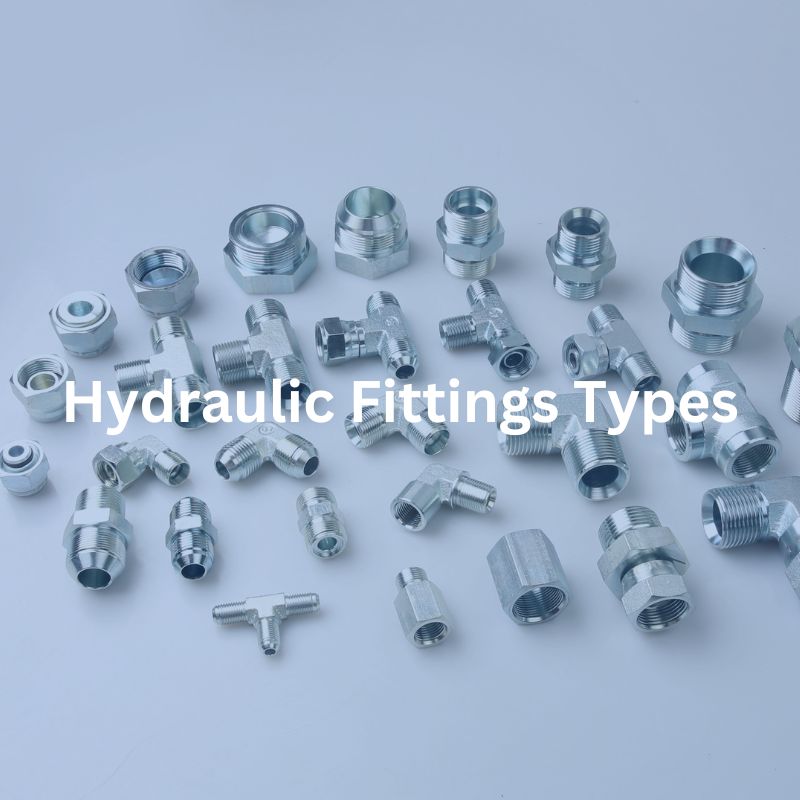
Common hydraulic fittings types include threaded fittings (NPT, BSP, JIC, SAE), flare fittings (37-degree and 45-degree), O-Ring Face Seal (ORFS) fittings, quick connect fittings, compression fittings, and crimp fittings. Each type serves specific purposes, such as ensuring secure connections, preventing leaks, and facilitating easy assembly and disassembly. Understanding these types is crucial for selecting the right fitting for your hydraulic system, ensuring optimal performance and safety.

Main Types of Hydraulic Fittings

Threaded Fittings and Hose Fittings

Threaded Fittings:

Threaded fittings are characterized by their external and internal threads, which allow them to be screwed together with corresponding threaded components. These fittings are commonly made from materials such as steel, stainless steel, and brass, and are often used in stationary hydraulic systems for their strong and secure connections. They are typically utilized in applications where the components need to be disassembled and reassembled for maintenance or repairs.

Hose Fittings:

Hose fittings connect flexible hydraulic hoses to various system components. These fittings usually have a barb or a ferrule that grips the hose securely. They are designed to absorb movement and vibration, making them ideal for mobile applications where flexibility is crucial. Hose fittings are often made from materials like brass, stainless steel, and other durable metals, ensuring they can withstand high-pressure environments and frequent movement.

Flare Fittings

Features and Use

Flare fittings are designed with a flared end that connects to a corresponding fitting, creating a tight, leak-proof seal. The flared end typically forms a conical shape, allowing the tubing to sit securely against the fitting. This design is particularly effective in high-pressure applications, where maintaining a robust seal is critical.

Types

37-degree Flare: The flared end forms a 37-degree angle.

Uses: Ideal for high-pressure hydraulic systems and compatible with JIC (Joint Industry Council) standards. Commonly used in industrial and military applications for their durability and reliability.

45-degree Flare: The flared end forms a 45-degree angle.

Uses: Frequently found in automotive and refrigeration applications. These fittings are suited for systems where the pressures are generally lower compared to those requiring 37-degree flare fittings. They are widely used in automotive fuel lines and refrigeration systems.

Tee and Cross Fittings

Tee Fittings:

Tee fittings have a T-shaped design with three openings: one inlet and two outlets. This configuration allows them to split a single flow into two separate flows or combine two flows into one. They are commonly used in hydraulic systems to branch off lines to different components or systems.

Cross Fittings:

Cross fittings feature a cross-shaped design with four openings: one inlet and three outlets. They are used in more complex hydraulic systems where multiple branching or merging of fluid lines is required. These fittings are essential for distributing fluid in multiple directions from a single source.

Flange Fittings

Flanged Hose Fittings:

Flanged hose fittings typically have a hose end on one end to securely attach to a hose and a flat end on the other end to install an O-ring. Flanges provide a stable connection and are ideal for high-pressure applications that require a firm and reliable seal.

Flange Connectors:

Flange connectors utilize a similar flat circular design with bolt holes, but are used to connect pipes or other components in hydraulic systems. They provide a strong, stable connection that ensures system integrity at high pressures.

Pressure range:

  • 3000psi/Code 61: For medium pressure applications, providing a safe and reliable connection.
  • 6000psi/Code 62: Designed for high pressure systems to ensure durability and leak-proof performance.
  • 9000psi: For use in ultra-high pressure environments, providing superior strength and reliability for critical applications.

Compression Fittings

Components of the Compression Fitting

Compression fittings are composed of three primary parts: the body, the nut, and the ferrule(s).

  • The Body: The body is the main structure of the fitting, featuring an inlet for the pipe or tube. It provides the foundation for the connection and typically includes internal threading to accommodate the nut.
  • The Nut: The nut fits over the pipe and threads onto the body. As it tightens, it forces the ferrule(s) into the body, compressing them around the pipe. This action ensures a tight, leak-proof connection. The nut is usually hexagonal, allowing for easy tightening with a standard wrench.
  • The Ferrule(s): Ferrules are ring-like components placed between the body and the nut. Depending on the type of fitting, there may be one (single ferrule) or two (double ferrule). When the nut is tightened, the ferrule(s) are compressed between the nut and the body, creating a seal by gripping the pipe. Ferrules are typically made from metal, such as brass or stainless steel, for durability and effective sealing.
Single ferrule vs double ferrule

Characteristics

Compression fittings are valued for their ability to create a reliable, leak-proof seal without the need for soldering or welding. They are used in various applications, including hydraulic, pneumatic, and plumbing systems, where ease of installation and maintenance is critical. Their design allows for the connection and disconnection of pipes and tubes without damaging the components, making them reusable and versatile.

Types

Single Ferrule:

  • Characteristics: Single ferrule fittings have a simple design and are easy to install. They consist of one ferrule that compresses around the pipe as the nut is tightened.
  • Uses: These fittings are suitable for low to medium-pressure applications where ease of installation is prioritized. Commonly used in household plumbing, low-pressure hydraulic systems, and basic pneumatic applications.

Double Ferrule:

  • Characteristics: Double ferrule fittings provide a better seal with two ferrules, one in front and one in back. This design offers more secure connections by distributing the compressive force more evenly around the pipe.
  • Uses: These fittings are more suitable for high-pressure applications, providing enhanced reliability and leak prevention. They are commonly found in high-pressure hydraulic systems, critical pneumatic systems, and in industries where safety and precision are crucial, such as chemical processing and oil and gas.

To install a compression fitting

Insert the Pipe: Insert the pipe into the fitting body until it reaches the internal stop.

Add the Ferrule(s): Place the ferrule(s) onto the pipe.

Tighten the Nut: Thread the nut onto the body and begin tightening. As the nut is tightened, the ferrule(s) are compressed between the nut and the fitting body, creating a tight, leak-proof seal.

Ensure Proper Compression: For double ferrule fittings, the rear ferrule helps the front ferrule to form a tighter seal by gripping the pipe and preventing movement.

Proper installation is critical to ensuring the integrity and efficiency of the connection. Over-tightening can damage the ferrules or pipe, while under-tightening can result in leaks. Always follow manufacturer guidelines for the best results.

Crimp Fittings

Crimp fittings are designed with a fitting body and a cylindrical metal sleeve that fits over the end of a hose. The sleeve, when crimped, ensures a permanent and secure connection. The fittings are typically made from durable metals like steel or brass, providing robustness and reliability for high-pressure applications.

Crimping Process

  • Insert the Hose: Insert the end of the hose into the fitting body until it reaches the internal stop.
  • Position the Sleeve: Slide the metal sleeve over the end of the hose.
  • Crimp the Sleeve: Use a hydraulic crimping machine to compress the sleeve uniformly around the hose.

Reusable Hydraulic Hose Fitting

Components

Reusable fittings are designed to increase the flexibility and cost-effectiveness of hydraulic systems. These fittings consist of three main components:

Fitting Body: This section has a threaded end on one section and a hose end on the other, which is also threaded and can be fitted with a sleeve. It is usually made of durable metal to ensure longevity and resistance to high pressure.

Sleeve: The sleeve contains the threads and can be installed with the fitting body.

Typical Applications:

  • Maintenance and Repair: In industries where hoses are frequently replaced or adjusted, such as maintenance workshops and service centers, reusable fittings offer a practical solution.
  • Agriculture: Agricultural equipment, such as tractors and irrigation systems, often require hose adjustments. Reusable fittings allow for quick and easy replacements, ensuring minimal downtime.
  • Construction: Construction machinery that operates in harsh environments can benefit from the versatility of reusable fittings, making it easier to manage hose replacements on-site.

Specialized Hydraulic Fittings

Swivel Fittings

Appearance:

Swivel fittings are characterized by their ability to rotate along one or more axes. They typically consist of two main parts: a rotating joint and a fixed part that connects to the hose or system. The rotating joint allows for 360-degree movement, making it easier to manage hose orientation and alignment.

Usage:

Swivel fittings are used in applications where hoses need to rotate or move frequently without causing kinks or stress on the connection points. They are commonly found in machinery and equipment that require dynamic movements, such as robotics, automotive applications, and heavy machinery.

Advantages:

  • Enhanced Flexibility: Allows for greater movement and adjustment of hoses.
  • Reduced Wear and Tear: Minimizes the risk of hose damage due to twisting or bending.
  • Improved Hose Life: Extends the lifespan of hoses by preventing kinks and stress at connection points.

Quick Connections

Quick connections are designed for fast and easy connection and disconnection of hydraulic lines. They typically consist of a male and a female part that snap together securely without the need for tools.

Function:

Quick connections are used to simplify the process of connecting and disconnecting hydraulic hoses, especially in applications where frequent changes are necessary. They are ideal for use in mobile equipment, agricultural machinery, and industrial settings.

Different Types of Hydraulic Quick Couplers

Push-to-Connect Couplers

These couplers allow for a quick and straightforward connection by simply pushing the two halves together. They typically have an automatic locking mechanism that ensures a secure connection.

Threaded Couplers

These couplers use threads to connect and secure the two halves. They provide a robust and leak-proof connection, suitable for high-pressure applications.

Flat Face Couplers

Designed with a flat face to minimize fluid loss during disconnection and to prevent the introduction of air and contaminants into the hydraulic system.

Ball Valve Couplers

Utilize a ball valve mechanism for quick and easy connection and disconnection. They are designed to withstand high pressures and provide a secure seal.

Bayonet Couplers

These couplers use a bayonet locking mechanism, similar to those found in electrical connectors, which requires a push-and-twist motion to lock.

Wing Nut Couplers

Feature wing nut-style handles that allow for easy manual tightening and loosening. They provide a secure connection without the need for additional tools.

Dry Break Couplers

Designed to prevent any fluid loss during disconnection. They feature a sealing mechanism that closes off the flow of fluid before the coupler is fully disconnected.

High-Flow Couplers

Engineered to handle high flow rates with minimal pressure drop. They often have larger internal diameters to accommodate the increased flow.

Dust Cap and Plug Couplers

Include dust caps and plugs to protect the coupler ends when not in use, preventing dirt and debris from contaminating the hydraulic system.

Bulkhead Fittings

Bulkhead fittings are specialized components designed to create a secure passage for hoses or pipes through walls, panels, or bulkheads. They typically feature a threaded body that allows for easy and secure installation.

Key Characteristics:

  • Threaded Body: The threaded design enables easy mounting and secure fastening through walls or panels.
  • Dual-Sided Connection: Provides connection points on both sides of the wall or panel, facilitating fluid transfer through enclosed systems.
  • Durable Materials: Usually made from robust metals like brass, stainless steel, or plastic, ensuring long-lasting performance and resistance to corrosion.

Banjo Fitting

Banjo fittings are distinguished by their unique round, banjo-like shape. They consist of two main components:

Hollow Bolt: This component allows fluid to pass through its center.

Spherical Union: Attached to the hollow bolt, this part enables rotation and connection to the hose or other components, facilitating fluid flow even in tight or confined spaces.

Functions

Banjo fittings are primarily used to connect hoses to system components in areas where space is limited and conventional fittings are impractical. Their design allows for rotation and flexibility, making them ideal for complex hydraulic and fuel systems.

Common Applications:

  • Fuel Systems: Used to ensure secure and leak-proof connections in fuel lines.
  • Braking Systems: Essential in automotive and motorcycle braking systems for their ability to fit into tight spaces and provide reliable fluid transfer.
  • Hydraulic Lines: Utilized in various hydraulic systems to connect hoses in confined areas while maintaining fluid integrity and pressure.

Types

Single Banjo: Features one fluid passage.

  •  Use Case: Typically used in systems where a single line needs to be connected, such as in standard fuel or brake line applications.

Double Banjo: Features two fluid passages.

  •  Use Case: Ideal for applications where multiple lines need to be connected simultaneously, such as complex hydraulic systems or dual fuel setups.

Grease Fitting

Grease fittings, also known as Zerk fittings, are small, standardized components used to facilitate the injection of lubricants into mechanical systems. They typically feature a ball check valve that allows grease to enter but prevents contaminants from escaping.

Key Characteristics:

  • Ball Check Valve: Prevents backflow and contamination, ensuring that only clean grease enters the system.
  • Standardized Size: Typically follow industry standards for thread size and shape, making them compatible with most grease guns.
  • Material: Commonly made from durable metals such as steel or brass to withstand high pressures and resist corrosion.

Function

Grease fittings serve the critical function of maintaining the lubrication of moving parts within machinery and mechanical systems. Proper lubrication reduces friction, minimizes wear, and prolongs the lifespan of components.

  • Lubrication Point: Provides an access point for grease guns to inject lubricant directly into bearings, joints, and other moving parts.
  • Contamination Prevention: The ball check valve design ensures that dirt and debris do not enter the lubrication system, maintaining the integrity of the lubricant and the components it protects.
  • Ease of Maintenance: Facilitates regular maintenance and lubrication, making it easier to keep machinery operating smoothly and efficiently.

Classification

  • Straight Grease Fittings: Feature a straight design for direct access.
  • Angled Grease Fittings: Come in various angles, such as 45 degrees or 90 degrees.
  • Flush Grease Fittings: Sit flush with the surface, providing a low-profile connection.
  • Button Head Grease Fittings: Have a larger head designed for high-volume grease delivery.
  • Drive-Type Grease Fittings: Driven into place rather than threaded, providing a secure fit without the need for threading.

Test Fitting

Test fittings are specialized components designed to facilitate the monitoring and testing of hydraulic systems. They typically feature ports or valves that allow for the connection of diagnostic equipment, such as pressure gauges or sensors, without disrupting the system’s operation.

Key Characteristics:

  • Pressure Port: Provides an access point for measuring system pressure.
  • Sealing Mechanism: Ensures a leak-proof connection when diagnostic tools are attached.
  • Durability: Constructed from high-quality materials like stainless steel or brass to withstand high pressures and harsh environments.
  • Compatibility: Designed to work with a range of diagnostic tools and sensors, adhering to industry standards for thread sizes and connection types.

Function

The primary function of test fittings is to accurately measure and monitor hydraulic system parameters, such as pressure and flow, without disassembling or disrupting the system.

  • Pressure Monitoring: Allows for real-time measurement of system pressure, aiding in diagnostics and troubleshooting.
  • System Testing: Facilitates the testing of hydraulic circuits and components to ensure they are operating within specified parameters.
  • Maintenance: Provides an easy access point for routine system checks, helping to prevent failures and extend the lifespan of the system.

Choosing the Right Hydraulic Fitting

Factors to Consider

When selecting hydraulic fittings, several crucial factors must be taken into account to ensure optimal performance and longevity of the hydraulic system. These factors include pressure ratings, temperature compatibility, fluid compatibility, and application requirements.

Pressure Ratings:

  • Consideration: Ensure the fitting can withstand the maximum operating pressure of the hydraulic system. Different fittings are rated for different pressure ranges.
  • Importance: Using a fitting with an insufficient pressure rating can lead to failures, leaks, and potential system damage.

Temperature Compatibility:

  • Consideration: Choose fittings that can operate effectively within the temperature range of the system’s environment and the fluid being used.
  • Importance: Fittings that cannot handle extreme temperatures (either high or low) may degrade, causing leaks or failures.

Fluid Compatibility:

  • Consideration: Ensure that the fitting material is compatible with the hydraulic fluid to prevent corrosion, swelling, or deterioration.
  • Importance: Incompatible materials can lead to chemical reactions that weaken the fitting, resulting in leaks or system contamination.

Application Requirements:

  • Consideration: Assess the specific needs of the application, including space constraints, movement, and environmental conditions (such as exposure to chemicals or harsh environments).
  • Importance: Selecting fittings that match the application’s demands ensures the reliability and efficiency of the hydraulic system.

Compatibility with Hydraulic Hoses

different types of hydraulic hoses Topa

Ensuring compatibility between hydraulic fittings and hoses is vital for maintaining system integrity and performance.

Matching Fittings with Hoses:

  • Consideration: Use fittings that are designed to work with the specific type and size of hose in your system. Check manufacturer specifications for compatibility.
  • Importance: Properly matched fittings and hoses prevent leaks, maintain pressure, and ensure a secure connection.

Importance of Correct Sizing:

  • Consideration: Accurate sizing of fittings and hoses is essential to avoid issues such as leaks or reduced flow rates. Measure both the internal and external dimensions as specified by the manufacturer.
  • Importance: Incorrect sizing can lead to fitting failures, inefficient system performance, and potential safety hazards.

Common Mistakes to Avoid

Avoiding common mistakes in the selection and installation of hydraulic fittings can save time, and money, and prevent system failures.

Misidentification of Threads:

  • Mistake: Using the wrong thread type (e.g., NPT, BSP, JIC) can cause improper connections.
  • Solution: Verify thread type using thread gauges and refer to manufacturer specifications to ensure correct identification.

Over-tightening or Under-tightening:

  • Mistake: Over-tightening can damage threads and fittings, while under-tightening can result in leaks.
  • Solution: Follow manufacturer torque specifications to achieve the correct tightness, using appropriate tools to avoid over or under-tightening.

Ignoring Material Compatibility:

  • Mistake: Using fittings made from incompatible materials can lead to corrosion or degradation when exposed to certain fluids or environmental conditions.
  • Solution: Check the chemical compatibility of fitting materials with the hydraulic fluid and environmental factors. Consult material compatibility charts and manufacturer recommendations.

Conclusion

In this guide, we covered the various types of hydraulic fittings. Each type has unique features, applications, and advantages, essential for maintaining system integrity and performance. By understanding the characteristics and uses of each fitting type, you can make informed decisions and enhance the reliability of your hydraulic systems. Apply this knowledge to optimize your hydraulic systems and ensure their safe and efficient operation.

FAQ

What are the most common types of hydraulic fittings?

The most common types of hydraulic fittings include crimp fittings, reusable fittings, quick-connect couplers, swivel fittings, banjo fittings, and bulkhead fittings.

What is the difference between crimp fittings and reusable fittings?

Crimp fittings provide a permanent connection using a crimping tool to secure the hose, while reusable fittings can be detached and reattached to new hoses, making them ideal for frequent hose changes.

What are quick-connect couplers used for?

Quick-connect couplers are designed for fast and easy connection and disconnection of hydraulic lines, commonly used in applications where frequent hose changes are required, such as in agricultural machinery and mobile equipment.

How do swivel fittings benefit hydraulic systems?

Swivel fittings allow for 360-degree rotation, reducing hose stress and preventing kinks, which enhances the flexibility and longevity of hydraulic hoses in systems with dynamic movements.

What is the purpose of a banjo fitting in hydraulic systems?

Banjo fittings are used to connect hoses to components in tight spaces, allowing fluid to pass through the fitting while enabling rotation, commonly found in fuel systems and braking systems.

Why are bulkhead fittings important in hydraulic applications?

Bulkhead fittings provide a secure connection point through walls or panels, ensuring a stable and leak-proof connection for hoses or pipes in tanks, reservoirs, and other enclosed systems.

What Are the Common Signs of Hydraulic Fitting Wear and Tear

What Are the Common Signs of Hydraulic Fitting Wear and Tear

What Are the Common Signs of Hydraulic Fitting Wear and Tear?

Table of Contents

Introduction

Over time, hydraulic fittings deteriorate due to continued exposure to high pressures, temperature fluctuations and environmental factors. Worn or damaged fittings can lead to leaks, system failures and even hazardous situations, posing risks to equipment and personnel. The purpose of this article is to introduce readers to the common signs of worn hydraulic pipe fittings. By understanding these signs, operators and maintenance personnel can recognize problems early, take corrective action, and maintain optimum performance of the hydraulic system.

Causes of Hydraulic Pipe Fitting Wear and Tear

Hydraulic adapters are subjected to various stressors that can lead to wear and tear over time. Understanding these factors is crucial for effective maintenance and prevention of system failures. Here are the primary causes of hydraulic adapter wear and tear:

High Pressure and Temperature Fluctuations

Hydraulic systems often operate under extremely high pressures, which can strain fittings and cause them to degrade over time. Additionally, the temperature within hydraulic systems can fluctuate significantly, particularly in environments with varying operational conditions. These pressure and temperature changes can lead to the expansion and contraction of fitting materials, resulting in fatigue and eventual failure. Continuous cycling between high and low pressures can exacerbate this wear, making regular monitoring essential.

Chemical Exposure and Corrosion

Hydraulic hose fittings are frequently exposed to various chemicals, including hydraulic fluids, lubricants, and other environmental contaminants. Over time, these chemicals can react with the materials of the fittings, leading to corrosion and weakening of the metal. Corrosion not only affects the structural integrity of the fittings but can also lead to leaks and contamination of the hydraulic fluid, further compromising system performance. Using corrosion-resistant materials and ensuring proper sealing can mitigate these effects.

Mechanical Stress and Vibration

Mechanical stress and vibration are common in hydraulic systems, especially those involved in heavy-duty applications such as construction and manufacturing. Continuous mechanical stress can cause fittings to loosen or crack, while vibration can accelerate the wear process by creating micro-movements that weaken the fitting connections. Ensuring that fittings are properly secured and using vibration-resistant designs can help reduce the impact of mechanical stress and vibration on hydraulic pipe fittings.

Hydraulic fitting rust Topa

Improper Installation or Maintenance

The longevity and reliability of hydraulic hose fittings heavily depend on correct installation and regular maintenance. Improper installation, such as over-tightening or under-tightening of fittings, can create undue stress and lead to premature wear. Similarly, neglecting routine maintenance can allow minor issues to escalate into significant problems. Regular inspections, proper installation techniques, and adherence to maintenance schedules are essential practices to prevent wear and tear caused by human error.

By understanding these factors and their impacts, operators and maintenance personnel can take proactive steps to mitigate wear and tear on hydraulic adapters, ensuring the reliability and efficiency of their hydraulic systems.

Visual Signs of Hydraulic Hose Fitting Wear

Detecting wear and tear in hydraulic pipe fittings early can prevent system failures and costly repairs. Here are the key visual signs to look for:

Hydraulic fitting leaking Topa

Leaking Fittings

Signs of Fluid Leakage Around the Fitting:

Leaking fittings are a clear indicator of wear and tear. Signs include visible hydraulic fluid around the fitting connections, wet or stained areas on hoses and equipment, and fluid dripping from the fittings. In some cases, you might notice a decrease in system performance due to loss of hydraulic pressure.

Possible Causes and Implications of Leaks:

Leaks can be caused by several factors, such as worn-out seals, loose fittings, or cracks in the fitting material. Implications of leaks include reduced system efficiency, increased risk of contamination in the hydraulic fluid, and potential safety hazards due to slippery surfaces. Leaks can also lead to environmental damage if hydraulic fluid spills into the surrounding area.

Visible Cracks and Fractures

Identifying Cracks in Metal and Plastic Fittings:

Cracks can appear as fine lines or more pronounced breaks in the fitting material. For metal fittings, these cracks may be harder to spot and might require a close inspection or even magnification. Plastic fittings, on the other hand, may show more apparent fractures.

Common Causes of Cracks and Fractures:

Cracks can result from excessive pressure, improper installation, or repeated stress and vibration. Metal fatigue, caused by the constant pressure cycles, is a common cause in metal fittings. For plastic fittings, exposure to harsh chemicals and UV light can weaken the material, making it more susceptible to cracking.

Corrosion and Rust

Signs of Corrosion on Metal Fittings:

Corrosion appears as rust or a powdery white residue on metal fittings. It can start as small spots and spread over time, leading to the weakening of the fitting material. Corroded fittings may also have a rough texture and a dull appearance.

Effects of Corrosion on Fitting Integrity and Performance:

Corrosion weakens the structural integrity of the fittings, making them more prone to leaks and breakage. It can also cause fittings to seize, making maintenance and disassembly difficult. In severe cases, corrosion can lead to complete fitting failure, resulting in significant downtime and repair costs.

Deformation and Warping

Signs of Bent or Deformed Fittings:

Deformation can be detected by visual inspection. Bent or warped fittings may not align correctly with hoses or pipes, and the fitting’s shape may appear distorted. Deformed fittings can also show signs of stress marks or discoloration at the points of bending.

Causes of Deformation and Its Impact on the System:

Deformation is often caused by excessive mechanical stress, improper installation, or impacts during operation. Bent or warped fittings can cause misalignment in the hydraulic system, leading to leaks and inefficient fluid flow. This misalignment can also place additional stress on other components, accelerating their wear and leading to more frequent maintenance requirements.

Worn or Damaged Threads

Signs of Thread Wear:

Inspect the threads of your hydraulic pipe fittings closely. Worn or damaged threads might appear stripped, flattened, or uneven. This can make it difficult to achieve a proper seal when connecting fittings.

Common Causes of Thread Wear:

Thread wear can result from over-tightening, cross-threading, or repeated disassembly and reassembly of the fittings. It can also be caused by contamination or corrosion affecting the threads.

Broken hydraulic fitting Topa

Discoloration and Fading

Signs of Discoloration:

Discoloration of hydraulic connectors can indicate exposure to extreme temperatures or chemical reactions. This might include changes in color such as darkening, whitening, or unusual hues appearing on the fitting surfaces.

Effects of Discoloration:

Discoloration can signal material degradation, which may affect the fitting’s strength and reliability. It’s essential to investigate the cause of discoloration to prevent potential failures.

Loose or Misaligned Fittings

Signs of Loose or Misaligned Fittings:

Loose fittings can be identified by checking if they move or wobble when touched. Misalignment might be visible if the fitting does not align properly with the connected hose or pipe.

Causes of Loose or Misaligned Fittings:

These issues can arise from improper installation, vibration, or impacts. Loose or misaligned fittings can lead to leaks and reduce the efficiency of the hydraulic system.

Wear Marks and Abrasion

Signs of Wear Marks and Abrasion:

Look for visible wear marks or abrasion on the fittings, which can appear as scratches, grooves, or worn surfaces.

Common Causes of Wear Marks and Abrasion:

These signs often result from friction between moving parts, improper handling, or abrasive contaminants in the hydraulic fluid. Continuous wear can compromise the fitting’s integrity and lead to leaks.

Performance Indicators of Hydraulic Fitting Wear

Identifying performance issues in hydraulic systems can often point to underlying wear and tear in hydraulic connectors. Here are the key performance indicators to watch for:

Decreased System Efficiency

Signs of Reduced Hydraulic Pressure and Flow:

One of the most noticeable performance indicators of hydraulic adapter wear is a drop in system efficiency. This can manifest as reduced hydraulic pressure, leading to slower or weaker operation of hydraulic components. You might observe that actuators are moving more slowly than usual, or that the system is struggling to lift or push loads that it previously handled with ease.

Diagnosing Efficiency Loss Related to Fitting Wear:

To diagnose efficiency loss, start by checking for visible leaks around fittings, which can cause pressure drops. Use pressure gauges to monitor hydraulic pressure at various points in the system. If a significant pressure drop is detected between two points, inspect the fittings in that section for signs of wear. Additionally, a flow meter can help identify reduced flow rates, which may indicate restrictions or blockages caused by worn fittings.

Unusual Noises

Identifying Hissing, Squealing, or Grinding Sounds:

Unusual noises in a hydraulic system can be a clear indicator of fitting wear. Hissing sounds often suggest air or fluid leaks, which can occur when fittings are loose or damaged. Squealing or screeching noises might indicate high-pressure fluid escaping through small cracks or gaps. Grinding sounds can result from metal-on-metal contact, which may occur if fittings are not properly aligned or if there is significant internal wear.

Correlation Between Noises and Fitting Issues:

To correlate these noises with fitting issues, conduct a thorough auditory inspection while the system is running. Trace the source of the noise to specific fittings and check for visible signs of wear such as cracks, corrosion, or looseness. Tightening loose fittings or replacing damaged ones can often eliminate these noises. If the noise persists, further investigation of the internal components may be necessary.

Increased Operating Temperature

Monitoring Temperature Changes in the Hydraulic System:

Hydraulic systems typically operate within a specific temperature range. An increase in operating temperature can indicate inefficiencies and potential problems within the system. Monitoring the system’s temperature using built-in sensors or infrared thermometers can help detect abnormal heat levels.

How Worn Fittings Can Lead to Overheating:

Worn fittings can contribute to increased operating temperatures in several ways. Leaks caused by worn seals or cracks can reduce the hydraulic fluid’s ability to lubricate and cool the system effectively, leading to friction and heat buildup. Additionally, reduced flow rates caused by blockages or restrictions in worn fittings can cause the fluid to heat up as it struggles to pass through the system. Overheating can further accelerate the wear and tear on other components, creating a cycle of degradation that compromises the entire hydraulic system.

Decreased Response Time

Identifying Delays in System Operation:

A decrease in response time, where hydraulic components take longer to activate or react, can signal fitting wear. This lag can be due to reduced pressure and flow efficiency, which directly impacts the performance of actuators and other hydraulic devices.

Diagnosing Delayed Response Related to Fitting Wear:

To diagnose delays, monitor the time it takes for hydraulic components to respond to control inputs. If delays are noted, inspect the system for leaks, pressure drops, or blockages around the fittings. Using diagnostic tools like pressure transducers and flow meters can pinpoint areas where fitting wear is impacting system responsiveness.

Fluctuating Pressure Readings

Monitoring for Inconsistent Pressure:

Inconsistent or fluctuating pressure readings can indicate fitting issues. These fluctuations can cause the system to behave erratically, leading to unpredictable operation of hydraulic machinery.

Diagnosing Pressure Fluctuations Related to Fitting Wear:

Check for pressure stability using pressure gauges at various points in the system. Inconsistent readings can point to leaks, blockages, or fitting damage. Ensuring all fittings are properly tightened and replacing any damaged ones can help stabilize pressure readings.

Preventative Measures and Maintenance Tips

Preventative measures and regular maintenance are crucial for ensuring the longevity and efficiency of hydraulic hose fittings. Here are some essential tips to keep your hydraulic systems running smoothly:

Importance of Adhering to Maintenance Schedules

Regular maintenance is vital for the early detection and prevention of wear and tear in hydraulic pipe fittings. Adhering to a consistent maintenance schedule helps identify potential issues before they lead to system failures, thereby reducing downtime and costly repairs. It also ensures that the hydraulic system operates at peak efficiency, prolonging the lifespan of both the fittings and the overall system.

Recommended Intervals for Inspection and Replacement:

Daily Inspections: Check for visible leaks, unusual noises, and temperature changes.

Weekly Inspections: Perform a more detailed visual inspection, checking for signs of corrosion, cracks, and loose fittings.

Monthly Inspections: Use diagnostic tools to measure pressure and flow rates, ensuring they are within the system’s specifications.

Quarterly Inspections: Conduct thorough inspections, including pressure testing and fluid analysis.

Annual Maintenance: Replace any worn or damaged fittings, seals, and hoses. Perform a comprehensive system overhaul if necessary.

Proper Installation Practices

Best Practices for Installing Hydraulic Hose Fittings:

Proper installation of hydraulic adapters is crucial to prevent leaks and ensure optimal performance. Here are some best practices:

Cleanliness: Ensure all components are clean before installation to prevent contamination.

Correct Tools: Use the appropriate tools for tightening and securing fittings. Avoid using adjustable wrenches that can slip and damage fittings.

Torque Specifications: Follow the manufacturer’s torque specifications to avoid over-tightening or under-tightening fittings.

Thread Sealant: Use the correct type of thread sealant or tape for the specific fitting material. Avoid using too much sealant, which can lead to blockages.

Alignment: Ensure that hoses and pipes are properly aligned to avoid undue stress on the fittings.

Common Installation Mistakes to Avoid:

Over-Tightening: This can cause threads to strip and fittings to crack.

Under-Tightening: This can lead to leaks and reduced system pressure.

Cross-Threading: Misalignment during threading can damage the threads, leading to leaks and weak connections.

Contamination: Failing to clean components before installation can introduce contaminants that affect system performance.

Conclusion

Monitoring hydraulic hose fitting wear and tear is essential for maintaining system efficiency, safety, and longevity. Regular inspections and maintenance, proper installation practices, and investing in high-quality components are key to preventing issues and ensuring optimal performance. By adopting consistent inspection and maintenance routines, you can catch potential problems early, reduce downtime, and extend the lifespan of your hydraulic systems. Stay proactive in maintaining your hydraulic pipe fittings, and your equipment will continue to operate smoothly and reliably.

FAQ

What are the common signs of wear and tear in hydraulic fittings?

Common signs include fluid leaks, visible cracks or fractures, corrosion and rust, deformation or warping, worn or damaged threads, and unusual noises such as hissing, squealing, or grinding.

How can I prevent hydraulic fitting wear and tear?

Preventative measures include adhering to regular maintenance schedules, following proper installation practices, using high-quality fittings and materials, and regularly inspecting the system for signs of wear and tear.

What causes hydraulic fittings to wear out?

Hydraulic fittings can wear out due to high pressure and temperature fluctuations, chemical exposure and corrosion, mechanical stress and vibration, and improper installation or maintenance.

How often should I inspect my hydraulic fittings?

Daily visual inspections are recommended, with more detailed weekly, monthly, and quarterly inspections using diagnostic tools. Annual maintenance should include replacing worn or damaged fittings.

What should I do if I notice a leak in a hydraulic fitting?

If you notice a leak, immediately inspect the fitting to identify the cause, such as loose connections or damaged seals. Tighten the fitting if necessary or replace any damaged components to prevent further leakage and potential system failure.

Why is using high-quality hydraulic fittings important?

High-quality hydraulic fittings are more durable, reliable, and safe. They are better able to withstand high pressures, resist corrosion, and endure mechanical stress, leading to a longer service life and fewer maintenance issues.

Quickly Identify Hydraulic Fittings

Quickly Identify Hydraulic Fittings

Quickly Identify Hydraulic Fittings: What Should You Do?

Table of Contents

Introduction

Misidentification can result in the installation of incompatible or inadequate fittings, leading to leaks, system inefficiencies, or worse, catastrophic failures. Thus, technicians and engineers must be adept at quickly and accurately identifying various types of fittings to ensure they match the specifications and demands of their systems. This article aims to arm professionals with practical tips and essential tools for the swift identification of hydraulic fittings in various field settings.

Types of Hydraulic Fittings

Hydraulic fittings play a pivotal role in connecting components within hydraulic systems, ensuring fluid flows efficiently and without leaks under high pressure. Understanding the types, their applications, and identification tips is crucial for professionals who handle hydraulic machinery.

Hydraulic Hose Fittings

Description and Visual Identification Tips:

Hydraulic hose fittings are designed to connect hoses to components like hydraulic cylinders, valves, and pumps. They typically feature a barbed end to grip the inside of a hose and may have a threaded or flanged end to connect to the system. These fittings are often made from strong metals like steel or brass to withstand high pressures. Visually, hose fittings are recognized by their robust construction and multiple ridges or barbs.

Common Applications and Examples:

These fittings are used extensively in mobile hydraulics, construction equipment, and industrial machinery. For example, an excavator uses hydraulic hose fittings to connect its hydraulic hoses to the hydraulic pump and cylinders, facilitating the smooth operation of its moving parts.

Hydraulic Adapters

Functionality and Distinguishing Features:

Hydraulic adapters are used to connect different types of fittings and are essential for transitioning between various thread types or sizes. They often come in shapes such as straight, elbow, or tee, with male and female ends of differing types. Adapters can be identified by their geometric shapes and the presence of different threading on each end.

Material Types and Their Implications:

Materials commonly used for adapters include stainless steel, carbon steel, and brass. The choice of material affects the fitting’s corrosion resistance and suitability for different fluids and environmental conditions. Stainless steel adapters are preferred in corrosive environments, while brass is typically used for lower pressure settings.

Quick Couplings

How They Work and Common Uses:

Quick couplings, or quick-connect fittings, allow for fast connection and disconnection of hydraulic lines without the need for tools. These fittings generally have a male part (the plug) and a female part (the socket) that snaps together with a simple push-pull action. They are equipped with seals to prevent leaks during disconnection and connection.

Quick Identification Guide for Rapid Deployment:

Quick couplings are identifiable by their push-pull locking mechanism and the presence of a release sleeve on the socket. They are widely used in applications requiring frequent disassembly or where flexibility is needed, such as in agricultural implements or industrial machinery maintenance.

Banjo Fittings

Characteristics and Unique Identification Markers:

Banjo fittings are named for their distinctive shape that resembles a banjo. These fittings have a hollow bolt passing through a perforated circular plate, allowing fluid to flow through the bolt. They are easily identified by this unique structure.

Usage Scenarios and Compatibility:

Banjo fittings are commonly found in automotive fuel, oil, and hydraulic brake systems where space is limited and bending of hoses is required. Their design allows for a compact connection without excessive bending of the hydraulic hose.

Ferrule Fittings

Detailed Description and How They Differ from Other Fittings:

Ferrule fittings consist of a circular clamp (ferrule) that tightens around the hose to secure it to the fitting body. These are typically used with softer hoses to provide a tight seal by compressing the hose between the ferrule and the fitting body.

Importance in Hydraulic Systems:

The ferrule creates a seal that can withstand high pressures, making these fittings essential for high-pressure applications like chemical processing or oil and gas delivery. They differ from other fittings in that they provide a permanent, leak-proof seal that is crucial for maintaining system integrity.

Identification Marks on Fittings

Accurate identification of hydraulic fittings in the field can significantly streamline maintenance and setup processes. Manufacturers often utilize specific marking systems on fittings to aid in this identification. Two common methods include hexagonal markings and cap identifications.

Hexagonal Markings

Nut identify

Explanation of Markings Found on Hexagonal Fittings:

Hexagonal fittings often feature small notches or markings on their hexagonal surfaces. These markings are not merely decorative; they provide essential information about the fitting’s standard and specifications. Typically, these are machined into the fitting during manufacturing and are designed to be easily visible to aid quick identification.

Decoding the Meaning of Single vs. Double Notches:

Single Notch: Generally indicates that the fitting adheres to British standards (BSPP, BSPT). These fittings are commonly used in applications requiring a reliable seal in the presence of high fluid pressure.

Double Notch: Indicates that the fitting conforms to American standards (NPT, JIC). This differentiation is crucial as mixing components from different threading standards can lead to leaks or thread damage.

Understanding these markings can prevent costly errors in system assembly, ensuring compatibility and functionality.

Cap Identification

cap identification

How to Use Markings on Fitting Caps for Identification:

Manufacturers may also place identification marks on the caps of fittings. These caps protect the fitting during shipping and handling but can also serve as a quick reference point for technicians. Markings on caps can include the type of thread, size, and sometimes the material of the fitting. For example, a cap might be marked with “M16x1.5” indicating a metric thread with a diameter of 16 mm and a pitch of 1.5 mm.

Visual Examples for Clarity:

To aid in understanding, visual examples of cap markings include:

A cap marked with “SS” typically denotes stainless steel material, suggesting suitability for corrosive environments.

A cap with “3/8 NPT” indicates a 3/8 inch National Pipe Tapered thread, common in general industrial applications.

These cap identifications, combined with other markings, allow field technicians to quickly verify fitting characteristics without the need for additional tools or reference materials, streamlining maintenance and ensuring system integrity.

Thread Appearance

The thread type of a hydraulic fitting is crucial for ensuring compatibility and seal integrity within hydraulic systems. Different industries and regions might favor specific thread types based on standards and requirements. Recognizing these thread types visually can save time and prevent the common pitfalls of mismatching components.

Overview of Common Thread Types

Characteristics of Common Thread Types:

JIC (Joint Industry Council): JIC threads are characterized by their 37-degree flare seating surface and are often used in high-pressure applications. They are similar in appearance to AN (Aerospace Number) fittings used in military applications.

SAE (Society of Automotive Engineers): SAE threads are also flared (usually at 45 degrees) and are typically used in automotive and heavy equipment applications. They are robust and designed for medium to high-pressure conditions.

NPT (National Pipe Tapered): NPT threads are tapered and designed to provide a tight seal through the threading itself, making them ideal for plumbing applications. They require thread sealant or Teflon tape to ensure a leak-proof connection.

BSP (British Standard Pipe): BSP threads can be either parallel (BSPP) or tapered (BSPT). BSPP threads are commonly found in European equipment and require a bonded seal, while BSPT threads create a mechanical seal through thread engagement.

Metric: These threads are specified by the thread’s outer diameter and the pitch in millimeters, common in most non-North American equipment. Metric threads are straightforward and do not usually require flaring.

ORFS (O-Ring Face Seal): These have a flat sealing surface with an O-ring in a groove on the face of the fitting, providing an excellent seal. They are widely used in hydraulic systems where leakage is a critical concern.

Visual Comparison and Identification Tips:

Visually, JIC fittings can be distinguished by their shiny, metallic flare, while SAE fittings generally have a more pronounced thread and flared angle. NPT fittings taper towards the end, making them visually narrower at the tip than at the base. BSP threads are very uniform and symmetrical. Metric threads look very similar to BSP but are measured in metric units. ORFS fittings are recognizable by their flat face and visible O-ring.

Using Thread Charts and Gauges

How to Use Thread Charts Effectively:

Thread charts are essential tools for identifying thread types and sizes. These charts provide detailed illustrations and specifications of different threads. To use a thread chart effectively, measure the outer diameter of a male thread or the inner diameter of a female thread, then compare these measurements with the chart to determine the thread type and size.

Recommended Thread Gauges for Field Use:

Caliper-style Thread Gauge: Allows for quick and accurate measurement of the diameter and pitch of a thread.

Screw Pitch Gauges: Useful for determining the pitch of the thread by matching the teeth on the gauge with the thread.

Combination Gauges: These gauges combine features for measuring diameter, pitch, and thread type in one tool.

Carrying these gauges in the field allows technicians to quickly verify the thread type of a fitting, ensuring that replacements or repairs are done with the correct components, thus maintaining system integrity and function.

Determining Thread Angles

Thread angles are critical features in the identification and compatibility of hydraulic fittings, as they influence the type of seal formed and the fitting’s suitability for specific pressures and applications. Understanding how to measure and identify these angles can prevent equipment failures and maintain system integrity.

BSP vs NPT threads Topa

Thread Angle Identification

BSP (British Standard Pipe): BSP threads can be either parallel or tapered, but the thread angle is consistently set at 55 degrees. This angle helps in forming a tight seal when used with appropriate sealing washers or bonding compounds, particularly in high-pressure systems common in Europe.

Metric Threads: Metric threads, used predominantly outside of North America, generally feature a thread angle of 60 degrees. This angle is common across most metric fittings, making them slightly sharper compared to BSP threads. They are straightforward to identify due to their widespread use in automotive and industrial applications globally.

NPT (National Pipe Tapered): NPT threads have a unique feature of a 60-degree thread angle but are tapered, which allows the threads to form a seal as they are tightened. The tapering and angle are designed to mesh tightly as the male and female threads are screwed together, using the thread itself to form a seal, which is enhanced by thread sealants.

Practical Tips on Measuring and Identifying Thread Angles

Use a Thread Gauge: The most straightforward method to determine thread angles is to use a thread gauge, which can directly measure the angle formed at the thread’s peak. Simply place the gauge against the thread; if it fits perfectly, you have found the correct angle.

Calipers and Micrometers: For a more precise measurement, use calipers or micrometers to measure the outer and inner diameters of the threads. Once you have these measurements, refer to a thread identification chart to determine the angle based on known standards.

Visual Comparison: Often, a trained eye can distinguish between the slightly different angles of Metric (60 degrees) and BSP (55 degrees) threads through visual inspection, especially when they have samples for comparison. This method is quick and useful in field conditions where precise instruments may not be available.

Consult Technical Specifications: When possible, consult the technical specifications of the fitting. Manufacturers often provide detailed diagrams and specifications, including thread angles, which can be invaluable for verification.

When to Contact the Manufacturer

Unusual or Custom Fittings: If the fitting in question is not standard or appears to be custom-made for specific equipment, manufacturer insights can provide necessary specifications and replacement details.

Obsolete or Discontinued Parts: When dealing with older or discontinued models, the manufacturer can often suggest modern equivalents or provide sources for obtaining rare parts.

Safety-Critical Applications: For fittings used in critical safety applications, such as aerospace or chemical processing, confirming specifications with the manufacturer ensures compliance with safety standards and regulatory requirements.

Complex Assemblies: In systems with complex integration of various fitting types, manufacturers can offer assembly diagrams and compatibility guidance to avoid errors in reassembly after maintenance or repair.

Conclusion

The ability to quickly and accurately identify hydraulic fittings in the field is a critical skill for technicians and engineers working in the maintenance and assembly of hydraulic systems. Professionals should keep abreast of industry standards and new developments. The tips and strategies outlined in this guide are designed not only to improve individual skills, but also to foster a culture of precision and safety that benefits the industry as a whole. If you are still in any doubt, feel free to contact Topa!

FAQ

What are the most common types of hydraulic fittings?

The most common types include JIC (Joint Industry Council), SAE (Society of Automotive Engineers), NPT (National Pipe Tapered), BSP (British Standard Pipe), Metric, and ORFS (O-Ring Face Seal).

How can I visually distinguish between JIC and SAE fittings?

JIC fittings have a 37-degree flare, and SAE fittings typically have a 45-degree flare. The difference in the angle of the flare is visually noticeable when compared side by side.

What is the best way to determine the thread type of a hydraulic fitting?

Use a thread gauge to measure the pitch and diameter of the thread. Comparing these measurements with a thread identification chart can confirm the type.

Can NPT and BSP threads be interchanged?

No, NPT and BSP threads should not be interchanged. NPT threads have a different taper and pitch compared to BSP threads, which can lead to leaks and thread damage if forced together.

Why is it important to identify hydraulic fittings correctly?

Correct identification ensures compatibility and seal integrity, which are crucial for preventing leaks and maintaining system pressure and efficiency.

What tools are essential for identifying hydraulic fittings in the field?

Essential tools include calipers for measuring dimensions, thread gauges for identifying thread types, and possibly a reference book or mobile app with visual identifiers.

7 Common Mistakes When Measuring Hydraulic Fittings

7 Common Mistakes When Measuring Hydraulic Fittings

7 Common Mistakes When Measuring Hydraulic Fittings

Table of Contents

Introduction

Every connection in a hydraulic system is essential, as even the slightest miscalculation can lead to leaks, pressure drops, and failures that compromise the entire system’s integrity and safety. In this article, we will delve into the seven most common mistakes people make when measuring hydraulic fittings and provide practical tips on how to avoid them.

Using Inappropriate Tools

One of the most fundamental errors in measuring hydraulic fittings is the use of inappropriate tools. It’s a common scene in many workshops: a well-intended technician reaches for a standard tape measure or a ruler to size a hydraulic fitting. While these tools are handy for many tasks, they fall short of the precision required for hydraulic systems.

Commonly Misused Tools

Standard Tape Measures and Rulers: These tools are great for rough measurements but lack the precision for hydraulic fittings where even a millimeter can make a difference.

Adjustable Wrenches and Pliers: Often used to tighten or adjust fittings, these can damage the fitting if not sized correctly, affecting the integrity of the measurement and installation.

Appropriate Tools for Measuring Hydraulic Fittings

Calipers: Digital or Vernier calipers are perfect for measuring the outer diameter and thread pitch of hydraulic fittings. They provide the precision needed to ensure a perfect fit.

Thread Gauges: Essential for identifying the thread type and size, thread gauges help match the fitting precisely to its counterpart.

Micrometers: Used for highly precise measurements, especially in industrial applications where hydraulic fittings must meet stringent specifications.

hydraulic fittings measure tools Topa

Tips and Visual Comparisons

To help visualize the difference these tools can make, consider this simple guide:

Visual Tip: Always zero out your caliper before use to ensure accuracy. Check the caliper against a known measurement for calibration.

Comparison Image: Include an image showing a caliper measuring a hydraulic fitting next to a ruler holding the same fitting. This visual will highlight how the caliper provides a specific numerical measurement, whereas the ruler offers only a rough estimate.

Not Accounting for Thread Type

Hydraulic systems use a variety of thread types, each with specific characteristics and applications. Failing to identify and match these threads correctly can lead to improper fittings, leaks, and system failures. Understanding the different thread types and how to correctly identify them is crucial for anyone working with hydraulic fittings.

Overview of Different Thread Types

NPT (National Pipe Tapered): Common in North America, NPT threads are designed to create a tight seal through a taper that wedges the threads together, requiring the use of thread sealant.

BSP (British Standard Pipe): Used worldwide, BSP threads can be either parallel (BSPP) or tapered (BSPT). BSPP threads are generally used in water and gas fittings, requiring a bonded seal, while BSPT threads are often found in hydraulic systems.

Importance of Thread Types

Each thread type has a design that suits specific pressure ratings and sealing methods. Using the wrong type can prevent proper sealing and may damage components, leading to costly repairs and operational downtime.

How to Properly Identify Thread Types

Visual Inspection: Start by visually inspecting the fitting. Tapered threads narrow towards the end, while parallel threads maintain the same diameter.

Use of Thread Gauges: A thread gauge is an essential tool for identifying thread type and size. Simply match the gauge to the fitting’s threads to find the correct type.

Consult Specifications: Always refer to machinery or component specifications when available. These documents often list the required thread type.

Tips on Using Thread Gauges or Reference Charts

Regular Calibration: Ensure that your thread gauges are regularly checked for accuracy and are free from damage.

Clear Markings: Use gauges that have clear, legible markings to avoid confusion and errors in thread identification.

Ignoring Temperature and Pressure Factors

Temperature and pressure are critical factors that can significantly affect the dimensions and performance of hydraulic fittings. Ignoring these factors during measurement and installation can lead to improper fittings, resulting in leaks or mechanical failure under operational conditions.

How Temperature Affects Measurements

Expansion and Contraction: Materials expand when heated and contract when cooled. This thermal expansion can alter the effective size of hydraulic fittings. For instance, metal fittings may expand in high-temperature environments, leading to a looser fit once temperatures normalize.

Material Sensitivity: Different materials react differently to temperature changes. For example, metals typically expand more than plastics under the same temperature increase.

How Pressure Affects Measurements

Deformation: Under high pressure, materials may deform, especially if they are near their yield strength limits. This deformation can alter the sealing efficiency of hydraulic fittings.

Stress on Fittings: Continuous high-pressure loads can cause “creep,” a slow, permanent deformation of materials over time, affecting how fittings hold up.

Guidelines

Measure at Operating Temperature: Whenever possible, measure fittings at or near the operating temperature of the system to account for thermal expansion or contraction.

Use Temperature-Compensated Tools: Opt for measuring tools that are calibrated for use in varying temperatures or that can automatically compensate for temperature variations.

Allow for Pressure Variances: When designing systems that will operate under varying pressures, select fittings that can tolerate a range of deformations. For critical applications, consider using pressure-resistant fittings that are less likely to deform.

Material Selection: Choose materials based on their thermal and pressure characteristics suitable for the specific conditions they will encounter.

Overlooking Wear and Tear

Regular inspection and maintenance of hydraulic fittings are essential to ensure their functionality and safety. Over time, fittings can wear out, which not only impacts their effectiveness but also compromises the accuracy of measurements if not checked regularly. Here’s how to tackle the wear and tear of hydraulic fittings effectively.

rust Reusable Hydraulic Hose Fittings Topa

The Impact of Worn Fittings on Measurement Accuracy

Dimensional Changes: Wear and tear can lead to the erosion of material on hydraulic fittings, altering their original dimensions. This can result in improper fits, leaks, or complete system failures if the fittings are not compatible with the mating components.

Compromised Seals: As fittings wear out, the seals can become less effective, leading to leaks. Even small leaks can significantly affect the hydraulic system’s pressure and efficiency.

How to Inspect Fittings for Wear Before Measuring

Visual Inspection: Begin with a thorough visual inspection. Look for signs of erosion, rust, or any deformities on the fitting surfaces. Check for any visible cracks or scratches that could affect the fitting’s integrity.

Use Precision Measuring Tools: Utilize calipers or micrometers to measure the dimensions of the fittings. Compare these measurements against the specifications provided by the manufacturer to determine if the wear is within acceptable limits.

Check for Corrosion: Especially in systems exposed to harsh environments, check for signs of corrosion which can weaken fittings over time.

Suggest Maintenance or Replacement Intervals

Regular Scheduling: Establish a regular maintenance schedule based on the operational environment and the manufacturer’s recommendations. For example, in high-pressure systems or those in corrosive environments, more frequent checks are necessary.

Replacement Guidelines: As a rule of thumb, replace any fittings that show signs of significant wear or do not meet the dimensional specifications necessary for safe and efficient operation. Don’t wait for a failure to occur.

Record Keeping: Keep detailed records of inspections, maintenance, and replacements. This documentation can help predict wear trends and optimize maintenance schedules.

Preventive Tips

Lubrication: Regular lubrication can help reduce wear and tear by minimizing friction. Ensure that the correct type of lubricant is used for the specific material and operating conditions of the hydraulic fittings.

Upgrade Materials: Consider upgrading to more durable materials if current fittings wear out too quickly, especially in critical areas of the hydraulic system. Advanced materials like stainless steel or composites might offer better resistance to wear.

Neglecting Calibration of Measurement Tools

Accurate measurement is the cornerstone of properly fitting hydraulic systems, and the reliability of these measurements hinges on the precision of the tools used. Calibration of measurement tools ensures this precision is maintained over time. Neglecting this crucial step can lead to errors in measurement, resulting in improper fittings and potential system failures.

Importance of Regular Calibration

Accuracy Maintenance: Regular calibration helps maintain the accuracy of measurement tools. Over time, tools can drift from their original settings due to normal wear and tear.

Consistency: Calibration ensures that measurements are consistent over time and across different instruments and operators.

Compliance and Safety: Many industries have strict regulations regarding the accuracy of measurement tools, making regular calibration not just good practice but a legal requirement.

How to Calibrate Tools or Signs that Calibration is Needed

Signs Calibration is Needed:

Inconsistent Results: If measurements from the same tool vary without explanation or differ significantly from other instruments measuring the same item, it’s a strong indicator that calibration is needed.

Visible Damage or Wear: Any physical damage to measurement tools can affect their precision.

Time or Usage Milestones: Even absent visible signs, recalibrate tools at intervals recommended by the manufacturer or regulatory standards.

How to Calibrate Tools:

Use Standard Calibration Weights or Artifacts: For calipers and micrometers, use standard calibration weights or precision gauge blocks to check accuracy.

Professional Calibration Services: For complex tools or when high precision is necessary, it’s best to rely on professional calibration services that can provide certified accuracy.

Follow Manufacturer’s Instructions: Each tool may have specific calibration procedures outlined by the manufacturer, which should be followed meticulously.

Misreading Measurements

Misreading measurements can occur due to a variety of reasons, often leading to significant errors in the application of hydraulic fittings. Poor visibility or incorrect viewing angles are common culprits. Addressing these issues is critical to ensuring that measurements are accurate and reliable.

reusable hydraulic hose fittings measure length

Common Reading Errors Due to Poor Visibility or Angle

Poor Visibility: Inadequate lighting can make it difficult to see the markings on measurement tools clearly, leading to errors. Dust and dirt can also obscure scale markings on tools like calipers or rulers.

Incorrect Viewing Angle: Known as parallax error, this occurs when a measurement tool is not viewed directly from above. This skewed perspective can cause the reading to appear different from the actual measurement, leading to inaccuracies.

Techniques for Ensuring Accurate Readings

Enhance Lighting: Always work in well-lit areas to clearly see the tool markings. Use a portable lamp or flashlight if necessary to illuminate darker spaces.

Clean Tools Regularly: Keep the measurement tools clean and free of any debris that might interfere with the ability to read them accurately. A regular cleaning routine can prevent the build-up of grime that might obscure critical markings.

Direct Viewing: Make sure to view measurement scales straight on rather than at an angle. This direct approach minimizes parallax errors.

Use Digital Tools: Digital measurement tools, such as digital calipers, can significantly reduce reading errors as they display the measurement digitally, eliminating the need for interpreting fine lines.

Failing to Double-Check Measurements

In the precision-dependent world of hydraulic systems, failing to double-check measurements can lead to costly and potentially dangerous outcomes. Ensuring that every measurement is verified before proceeding with installations or adjustments is crucial for maintaining system integrity and performance.

The Consequences of Single Measurements

Increased Risk of Failure: A single unchecked measurement can be incorrect due to a variety of reasons such as tool error, human error, or environmental factors. This incorrect measurement can lead to improper fitting installations, resulting in leaks or pressure failures within hydraulic systems.

Costly Repairs and Downtime: Errors from incorrect measurements often result in system breakdowns that require costly repairs and cause significant operational downtime, affecting overall productivity and efficiency.

Safety Hazards: Inaccurate measurements can compromise the structural integrity of hydraulic systems, posing serious safety risks to operators and machinery.

Best Practices for Verification

Implement a Two-Check System: Always have measurements checked by a second person to eliminate the possibility of personal error or oversight.

Use Reliable and Calibrated Tools: Ensure that all measurement tools are regularly calibrated and maintained to provide accurate readings.

Document Measurements: Record all measurements in a logbook or digital system for accountability and future reference, which also aids in troubleshooting if discrepancies arise later.

A Checklist for Measurement Verification

To ensure thoroughness in measurement verification, follow this checklist:

Initial Measurement: Conduct the initial measurement with precision, taking care to position tools correctly and read them under proper lighting conditions.

Record Results: Write down the measurement immediately to avoid any memory errors.

Repeat Measurement: Use the same tool to measure the component again, or, better yet, a different tool calibrated to the same standard to verify consistency.

Independent Verification: Have another technician check the measurement using their tools and methods.

Compare With Specifications: Ensure that the measurement matches the specifications required for the part or system. Refer to technical drawings or manufacturer’s guidelines.

Check Environmental Factors: Consider any environmental factors that might influence the measurement, such as temperature and humidity, and adjust or compensate if necessary.

Conclusion

This guide is intended to enhance the practices of those working with hydraulic systems by providing actionable recommendations. By adhering to the best practices and validation processes outlined, technicians can ensure the reliability and safety of hydraulic installations, resulting in increased efficiency and longer system life.

FAQ

What is the most accurate tool for measuring hydraulic fittings?

Digital calipers are generally considered the most accurate tool for measuring the dimensions of hydraulic fittings, providing precise measurements critical for ensuring proper fit and function.

How often should measurement tools be calibrated?

Measurement tools should be calibrated regularly according to the manufacturer’s recommendations or at least once a year. More frequent calibration may be necessary if the tools are used heavily or in environments that could affect their accuracy.

How can I verify that my measurements are accurate?

To verify measurement accuracy, repeat the measurement with the same or a different calibrated tool, and if possible, have another technician confirm the measurements. Documenting all measurements and cross-referencing with specifications can also help ensure accuracy.

Can temperature affect the measurement of hydraulic fittings?

Yes, temperature can cause materials to expand or contract, which may affect the measurement of hydraulic fittings. It is important to measure fittings at a temperature close to their operating temperature to ensure accuracy.

What are the consequences of using worn or damaged hydraulic fittings?

Using worn or damaged hydraulic fittings can lead to leaks, pressure loss, and ultimately system failure. It is important to inspect fittings regularly for signs of wear and replace them as needed to maintain system integrity.

What is a thread gauge and why is it important?

A thread gauge is a tool used to measure the pitch or lead of screw threads. It is crucial to identify the correct thread type on hydraulic fittings to ensure compatibility and prevent leaks.

How a Hydraulic System Works Efficiency & Optimization

How a Hydraulic System Works

How a Hydraulic System Works: Efficiency & Optimization

Introduction

Hydraulic systems are an integral part of modern machinery, transmitting power through fluid pressure and flow. Central to maximizing the potential of a hydraulic system are the twin principles of efficiency and optimization. Efficiency in a hydraulic system means achieving maximum output with minimum energy loss. Optimization, on the other hand, is the fine-tuning of system components and operations to achieve optimal performance. This paper will take an in-depth look at the fundamental aspects of hydraulic systems, highlighting their role in a variety of industries and the importance of optimizing these systems for efficiency.

Understanding Hydraulic Systems

Introduction to Hydraulic Principles

Hydraulic systems operate on a simple yet powerful principle: the ability to transmit force through a fluid, typically oil, under pressure. This is based on Pascal’s Law, which states that pressure exerted anywhere in a confined incompressible fluid is transmitted equally throughout the fluid such that it acts with equal force on equal areas, in all directions. This principle is foundational in hydraulic systems, enabling the exertion of high forces or the execution of precise movements in heavy machinery.

Exploring Key Components

Hydraulic Pumps: These are the heart of the hydraulic system, responsible for moving the fluid from the reservoir through the system. Different types of pumps include gear pumps, which are known for their durability and simplicity; vane pumps, offering variable displacement options; and piston pumps, known for their high pressure and efficiency.

Valves: Valves in a hydraulic system control the flow and direction of the hydraulic fluid. Directional control valves manage the path of the fluid, whereas pressure relief valves protect the system from excessive pressure. Control valves adjust the flow rate and thereby the speed of the actuators.

Actuators: Hydraulic actuators convert the energy of the hydraulic fluid into mechanical motion. Hydraulic cylinders provide linear motion, while hydraulic motors offer rotary motion, enabling the operation of various types of machinery.

Reservoirs: The reservoir holds the hydraulic fluid. Its roles include not just storage, but also cooling and filtering the fluid. Maintaining clean and temperature-controlled fluid is essential for the system’s performance and longevity.

System Dynamics and Component Interplay

In a hydraulic system, all components must work in concert for efficient operation. The pump sends hydraulic fluid into the system under pressure. This fluid travels through valves, which direct it to various actuators based on the operation’s requirements. The actuators then convert this hydraulic energy into mechanical energy, performing the needed work, whether it’s lifting, pushing, or rotating. After transmitting its energy, the fluid returns to the reservoir, where it is prepared for another cycle.

Hydraulic Fluids

The choice of hydraulic fluid is critical as it affects the efficiency and safety of the entire system. Different types of fluids are used based on the operational environment and machinery requirements. The fluid must have suitable viscosity for the system’s temperature range, good lubricating properties, and must be resistant to forming foam and emulsions.

hydraulic fluid Topa

Control Systems and Feedback Loops

Modern hydraulic systems often integrate electronic control systems and feedback loops. These systems allow for precise control of the hydraulic actuators, leading to more efficient, responsive, and sophisticated machinery operation. They can adjust the flow and pressure of the fluid dynamically, responding to the immediate requirements of the machinery and its load, thereby optimizing the performance and energy usage of the system.


Factors Affecting Efficiency in Hydraulic Systems

Efficiency in hydraulic systems is significantly affected by several factors including the properties and selection of hydraulic fluid, system design and layout, and the quality and compatibility of components.

Hydraulic Fluid Properties and Selection

The hydraulic fluid is a key element in any hydraulic system. Its properties directly impact the system’s efficiency. Fluid viscosity is crucial; too thick, and it will resist flow and increase the energy needed to pump it, too thin, and it will fail to lubricate effectively and lead to increased wear. The fluid should also have good lubrication properties to reduce friction and wear in the system. Additionally, its chemical composition should be stable under the range of operating temperatures and pressures. Selecting the right hydraulic fluid involves considering the system’s operational environment, including temperature extremes and potential contaminants.

Role of System Design and Layout

Efficient system design optimizes the flow of hydraulic fluid and minimizes energy losses. This involves proper sizing of components, including pipes, hoses, and valves, to ensure adequate flow while avoiding excessive pressure drops. The layout of the system should also be considered to prevent heat build-up and to facilitate maintenance and inspection. Design considerations also include the placement of components to minimize the length of hydraulic lines, reducing the potential for leaks and inefficiencies.

Importance of Component Quality and Compatibility

The quality of components in a hydraulic system plays a vital role in its efficiency. Higher-quality components tend to have better tolerances, more robust materials, and better resistance to wear and tear. Compatibility of components is also crucial. Components not designed to work together can cause inefficiencies in the system due to mismatches in size, pressure ratings, or material incompatibilities. Regular inspection and maintenance are key to ensuring the components function well together over the life of the system.

Each of these factors plays a substantial role in determining the efficiency of a hydraulic system. By understanding and addressing them, one can ensure the system operates at its optimal performance, reducing energy usage and increasing the lifespan of the components.

Common Challenges in Hydraulic Systems

Hydraulic systems are prone to several challenges that can affect their performance, efficiency, and longevity.

Leaks and Contamination

One of the most common issues in hydraulic systems is leaks. These can occur due to wear and tear on seals and hoses or through faulty connections. Leaks not only lead to a loss of hydraulic fluid but can also introduce contaminants into the system. Contamination, particularly by water, air, or particulate matter, can severely affect the system’s performance. It leads to corrosion, increased wear on components, and can significantly reduce the efficiency of the system.

Pressure Fluctuations and Overheating

Another challenge is the management of pressure fluctuations. These can arise from various factors, including air entrapment in the fluid or issues with the hydraulic pump. Inconsistent pressure can result in erratic system performance and can be damaging to the machinery. Overheating is a related concern and can be caused by inadequate cooling, environmental factors, or operating the system beyond its capacity. Overheating can degrade the hydraulic fluid, leading to reduced performance and potential damage to the system.

Wear and Tear of Components

Regular use of hydraulic systems inevitably leads to wear and tear of its components. This is a natural process but can be accelerated by factors such as contamination, inadequate maintenance, or operating the system in extreme conditions. Wear and tear can decrease the efficiency of the system and, if not addressed, can lead to system failure.

Proactive maintenance and monitoring of hydraulic systems are essential in addressing these challenges. Regular checks can identify potential leaks and contamination early, pressure levels can be monitored to ensure stable operation, and components can be inspected for signs of wear and tear.

Strategies for Optimization

Enhancing the efficiency of hydraulic systems is crucial for both performance and sustainability. This involves a systematic approach that includes regular maintenance and monitoring, employing advanced technological solutions, and retrofitting or upgrading existing systems to meet current standards of efficiency and performance.

Regular Maintenance and Monitoring

Comprehensive maintenance is the cornerstone of hydraulic system optimization. This involves regular inspections, proactive replacement of worn or damaged components and ensuring the integrity of seals and hoses to prevent leaks. Regularly changing hydraulic fluids and filters is also essential to maintain the cleanliness and efficiency of the system. Monitoring entails checking system pressures, temperatures, and fluid levels to detect any signs of malfunction or inefficiency early on.

Advanced Technologies for System Monitoring and Diagnostics

The integration of advanced technologies plays a pivotal role in the optimization of hydraulic systems. The use of sensors and real-time monitoring equipment allows for the continuous tracking of system performance. These technologies can provide valuable data on the system’s operational parameters, enabling predictive maintenance and immediate corrective actions. Diagnostic software and tools facilitate the quick identification of potential issues, reducing downtime and preventing major breakdowns.

Retrofitting and Upgrading Existing Systems

Upgrading and retrofitting existing hydraulic systems with new technology and components can significantly enhance their efficiency. This could involve installing more efficient pumps and motors, upgrading control valves for better flow regulation, or integrating advanced filtration systems. Retrofitting older systems with modern electronics and control systems can also provide finer control, increased precision, and improved energy efficiency. These upgrades not only improve performance but also extend the lifespan of the hydraulic systems, making them more sustainable and cost-effective in the long run.

In conclusion, optimizing hydraulic systems through these strategies is essential for maintaining their operational efficiency, reducing environmental impact, and minimizing operational costs. By combining regular maintenance, advanced technology, and strategic upgrades, hydraulic systems can achieve optimal performance and reliability.

Conclusion

Wrapping up, the exploration of hydraulic systems has highlighted their pivotal role across various industries. We’ve navigated through the intricacies of these systems, from understanding their basic components to delving into the advancements in hydraulic fluid technology. The significance of skilled operation and the impact of emerging technologies in enhancing efficiency were underscored. As we look ahead, the trends point towards smarter, more sustainable hydraulic systems. This journey reaffirms the necessity of continual efficiency optimization in hydraulic systems, balancing operational needs with environmental stewardship.


Conclusion

Hydraulic systems typically consist of a reservoir tank, hydraulic pump, pipes and hoses, motor, valves, actuators, and filters.

Hydraulic systems operate by using a fluid (usually oil) pumped from a reservoir through pipes and valves to an actuator, where it exerts force on a piston, creating motion .

The two primary types are open-loop and closed-loop systems. Open-loop systems do not maintain pressure when idle, while closed-loop systems maintain pressure and typically utilize a feed or charge pump.

Extreme temperatures can negatively impact hydraulic systems; high temperatures can decrease the viscosity of hydraulic oil, affecting its lubrication ability, while low temperatures can increase oil viscosity and make the system less efficient​.

Regular maintenance includes checking fluid levels and quality, inspecting for leaks, and changing filters to maintain system efficiency and prevent malfunctions.

Due to the high pressure under which hydraulic systems operate, it’s crucial to handle them carefully, adhere to safety guidelines, and perform regular checks to prevent accidents.

Common troubleshooting steps include checking for leaks, ensuring proper fluid levels, and inspecting components for wear and damage.

Factors include the required oil flow rate, desired working pressure, and the hydraulic cylinder’s oil volume displacement.

Hydraulic cylinder failures can often be attributed to side loading, which misaligns the cylinder and creates uneven forces on the piston rod.

Single-acting cylinders use hydraulic fluid for motion in one direction only, while double-acting cylinders use fluid for both extending and retracting movements​.

Tips for Handling Hydraulic Leaks Safety First Guide

Tips for Handling Hydraulic Leaks

Tips for Handling Hydraulic Leaks: Safety First Guide

Introduction

Hydraulic systems are vital components in many industrial machines, providing the power needed to lift, push, or move heavy loads. However, these systems are not immune to leaks, which can cause environmental hazards, equipment damage, and safety risks. This guide aims to provide a comprehensive approach to managing hydraulic system leaks with safety as the primary focus. From understanding the root causes to applying immediate and long-term solutions, this guide will equip you with the knowledge needed to handle leaks effectively and prevent them in the future.

Understanding Hydraulic Leaks

Definition and Common Causes

Hydraulic leaking occur when pressurized hydraulic fluid finds a way out of the closed hydraulic system. This fluid loss can disrupt system pressure and functionality, causing inefficient operation and posing safety risks. There are several common reasons for hydraulic system leaks, including:

Worn Seals: Seals are essential in preventing fluid leakage around moving parts like pistons and rods. Over time, seals can wear out due to friction, high temperatures, or contamination, eventually cracking or becoming brittle. This leads to gaps that allow fluid to escape.

Damaged Hoses: Hydraulic hoses must withstand high pressures and harsh operating conditions. They can degrade due to excessive bending, abrasion, or exposure to chemicals. Small cracks or ruptures in the hoses may develop, resulting in significant fluid loss.

Improper Installation: Installing hydraulic components incorrectly, such as hydraulic fittings or couplings not being tightened to the correct torque, can leave gaps that cause leaks. Cross-threaded or overtightened fittings can also cause damage, making connections prone to leakage.

Loose Fittings: With the constant vibrations and pressure fluctuations typical of hydraulic systems, fittings can gradually loosen over time, compromising the seal and creating opportunities for fluid to escape.

Types of Hydraulic System Leaks

External Leaks: External leaks are the most recognizable because hydraulic fluid visibly escapes from the system. These leaks typically occur at the connection points between hoses, fittings, or valves. Visible signs of external leaks include puddles of hydraulic fluid, noticeable stains on equipment, or fluid dripping from hoses or other parts.

Drips and Puddles: Fluid may slowly drip or seep, creating puddles under machinery, or it may form streaks on surfaces.

Sprays: High-pressure systems can spray hydraulic fluid, posing a risk of injury from high-pressure fluid injection or burns.

Internal Leaks: Internal leaks occur within the hydraulic system and are not immediately visible because the fluid remains within the system. They typically involve components like pumps, cylinders, and control valves. Symptoms of internal leaks include reduced system efficiency, overheating, sluggish operation, and unexpected pressure drops.

Pump Leakage: Pumps may leak internally due to worn or damaged seals, reducing fluid delivery efficiency.

Cylinder Bypass: Worn piston seals in hydraulic cylinders can cause fluid bypass, reducing the force output and control precision.

Valve Leakage: Valve leakage causes improper flow control, often leading to jerky or inconsistent movements in actuators or motors.

repaired Hydraulic Hose Failure

Safety Preparation Before Leak Assessment

Personal Protective Equipment (PPE)

When inspecting for hydraulic system leaks, proper PPE is crucial to protect against potential hazards like hot fluids, high pressure, and chemical exposure. Here’s what you need:

Gloves: Choose chemical-resistant gloves to prevent contact with hydraulic fluid, which can cause skin irritation or burns. Flame-resistant gloves are recommended for high-temperature systems.

Safety Glasses or Goggles: Protect your eyes from fluid sprays or leaks by wearing safety glasses with side shields or chemical-resistant goggles. For high-pressure systems, consider face shields for added protection.

Flame-Resistant Clothing: Wear flame-resistant clothing, especially when working with systems operating at high temperatures, to minimize burn risks.

Protective Footwear: Wear closed-toe, slip-resistant shoes to prevent injury from leaks and ensure a firm footing in case of spilled hydraulic fluid.

Tips for Handling Hydraulic Leaks PPE

Safety Procedures

Before inspecting hydraulic systems for leaks, follow these safety protocols to prevent accidental injury:

Depressurize the System: Always depressurize the hydraulic system before inspection or maintenance. This step is crucial as pressurized systems can cause fluid injection injuries or fluid sprays that can lead to severe burns.

Lockout/Tagout Procedures: Ensure the system is properly locked out to prevent accidental startup or the re-pressurization of machinery while you’re working on it. Attach visible tags to control panels and main switches to warn others of ongoing maintenance.

Hazard Assessment: Identify potential hazards like high-temperature components, moving parts, and the proximity of electrical equipment. Document these hazards and develop mitigation strategies.

Environmental Considerations

Managing hydraulic system leaks properly includes minimizing environmental impact:

Spill Containment: Prepare spill containment materials like absorbent pads, drip trays, and spill berms to contain leaks and prevent fluid from spreading. Consider installing a permanent containment system for critical machinery.

Cleanup Practices: Once the leak is contained and the system is safe to work on, clean up spilled fluid promptly. Use absorbent materials or vacuum systems to remove the fluid. Avoid using water-based cleaners, as mixing them with hydraulic fluid can lead to hazardous waste.

Disposal of Contaminated Materials: Dispose of used absorbent pads, gloves, and any other contaminated materials according to local environmental regulations. Label waste containers clearly and keep records for proper waste management.

Identifying and Assessing Hydraulic Leaks

Visual Inspection Techniques

The first step in leak detection involves a thorough visual inspection of the entire hydraulic system. Here are some key tips to aid in visually identifying hydraulic system leaks:

Stains and Discoloration: Look for stains or discoloration on hydraulic hoses, fittings, or machinery surfaces. Hydraulic fluid often leaves a distinct oily residue or discoloration due to its viscosity, indicating areas where leaks may have occurred.

Puddles or Dripping Fluid: Examine the ground beneath machinery for puddles or dripping hydraulic fluid. This pooling is a clear indicator of external leaks.

Visible Wear or Damage: Check hoses, seals, and fittings for visible signs of damage like cracks, abrasions, or corrosion. Pay particular attention to joints and bends where hoses are under high stress and prone to wear.

Component Connections: Inspect connections between hydraulic hoses, fittings, and other components for signs of fluid seepage. Loose or improperly torqued fittings can cause leaks at connection points.

Broken hydraulic hoses Topa

Use of Leak Detection Tools

Visual inspection alone might not detect all leaks, particularly those that are small or internal. Specialized tools can improve detection accuracy:

Ultraviolet (UV) Light: Adding a UV dye to the hydraulic fluid and then using a UV light can reveal small or hard-to-see leaks. The dye glows under UV light, making it easier to pinpoint the exact location of leaks.

Electronic Detectors: Electronic leak detectors can identify leaks by sensing ultrasonic sound waves or changes in pressure. These devices are particularly useful for detecting high-pressure sprays or internal leaks.

Thermal Imaging Cameras: Thermal cameras detect temperature differences between leaking hydraulic fluid and the surrounding equipment, making leaks visible through temperature contrasts.

Assessing Severity

Once a leak is identified, assess its severity to determine the appropriate response:

Location of the Leak:

High-Pressure Areas: Leaks in high-pressure lines or components, such as cylinders and pumps, are generally more dangerous due to the potential for fluid injection injuries and require immediate attention.

Low-Pressure Areas: Leaks in low-pressure return lines are less hazardous but should still be addressed to prevent environmental contamination and fluid loss.

Impact on System Performance:

Loss of Pressure: Leaks causing significant pressure drops indicate a serious problem that may affect machinery operation.

Reduced Efficiency: Internal leaks leading to sluggish or inconsistent performance should also be considered severe due to their impact on productivity.

The volume of Fluid Lost:

Large Volume Loss: Sudden or high-volume fluid loss is a critical issue, posing immediate risks to the environment, equipment, and personnel safety.

Slow Drips: Slow leaks, though less urgent, can accumulate over time and become costly in terms of fluid replacement and cleanup.

Immediate Actions to Take After Detecting Leaks

Isolating the Leak

Upon detecting a hydraulic leak, the immediate priority is to isolate the affected component to prevent further fluid loss and mitigate potential hazards. Follow these steps:

Depressurize the System: Ensure the hydraulic system is completely depressurized to minimize fluid pressure and reduce the risk of fluid injection injuries. Follow the manufacturer’s guidelines for safely releasing hydraulic pressure.

Shut Off the System: Stop machinery operation to halt the flow of hydraulic fluid. If the system can be operated in segments, shut down only the affected circuit or component.

Use Isolation Valves: If the system is equipped with isolation valves, close them to prevent further fluid movement into the affected component.

Drain Excess Fluid: Carefully drain the excess fluid from the leaking component or hose to minimize fluid buildup that could cause spillage or pressure-related hazards during repairs.

Lockout/Tagout: Apply lockout/tagout procedures to prevent accidental reactivation of the system during repairs.

Temporary Fixes

While temporary fixes shouldn’t replace proper repair or replacement, they can minimize fluid loss and allow equipment to operate until permanent repairs are possible. Here are some effective temporary fixes:

Hose Clamps: In cases where leaks occur at hose fittings or joints, use hose clamps to provide a tighter seal. Ensure the clamp is properly sized and securely fastened to prevent fluid from escaping. Multiple clamps may be necessary to stop leakage effectively.

Epoxy Patches: For pinhole leaks or cracks in hoses or fittings, apply an epoxy patch. These adhesives can bond effectively to various hydraulic materials, forming a temporary seal. Ensure the surface is clean and dry before applying the epoxy for maximum adhesion.

Teflon Tape: In some cases, wrapping fittings with Teflon tape may help reduce fluid seepage. However, this solution may not work for high-pressure systems.

Sealant Paste: For leaks involving threaded connections, apply a hydraulic-grade sealant paste to the threads before re-tightening. This paste can help form a more reliable seal.

Temporary Replacement Hoses: If you have replacement hoses available, swap out damaged hoses temporarily to keep equipment running. Ensure that the replacement hose meets the system’s pressure and temperature requirements.

Permanent Solutions for Hydraulic Leak Repairs

Component Replacement

Replacing faulty components is often the only reliable way to achieve a long-term solution to hydraulic system leaks. Here’s a step-by-step guide:

Identify the Faulty Component: Pinpoint the exact location and source of the leak. Common components requiring replacement include seals, hoses, and fittings.

Depressurize the System: Safely release hydraulic pressure and ensure the system is completely depressurized before disassembly.

Drain Fluid: Drain any remaining fluid from the system to prevent spills or accidental spraying during replacement.

Remove the Damaged Component: Carefully remove the defective component. When removing fittings or hoses, be gentle to avoid damaging surrounding parts.

Inspect Adjacent Components: Check neighboring components for signs of wear, damage, or contamination. Replace these as needed to prevent further leaks.

Install New Parts

Seals: Use new seals compatible with the system’s operating temperature and fluid type.

Hoses: Choose replacement hoses rated for the system’s pressure and temperature requirements.

Fittings: Replace fittings with new ones of the same thread size and type to ensure a proper seal.

Test for Leaks: After replacing the faulty component, re-pressurize the system slowly and inspect for leaks. Tighten connections as necessary.


Proper Installation and Torque

The correct installation of components is vital to prevent future leaks. Pay close attention to torque settings and assembly instructions:

Fitting Assembly: Ensure that fittings are properly threaded and aligned before tightening. Cross-threading can damage threads and cause leakage.

Torque Settings: Use a torque wrench to tighten fittings according to manufacturer specifications. Over-tightening can deform threads or crush seals while under-tightening will lead to loose connections.

Seal Application: Apply the recommended sealant or Teflon tape to threaded fittings, but avoid over-applying to prevent debris from contaminating the system.

Component Alignment: Make sure that hoses and fittings are aligned correctly to avoid stress and wear.

Install Field attachable Hydraulic hose fittings Topa

Regular Maintenance and Inspection

Proactive maintenance and regular inspections can identify potential issues before they result in leaks. Implement these practices:

Scheduled Inspections: Perform scheduled visual inspections to identify signs of wear, corrosion, or loose connections.

Hydraulic Fluid Analysis: Periodically analyze hydraulic fluid to check for contamination and ensure it’s within specifications.

System Flushing: Flush the system regularly to remove debris and contaminants that could wear down components.

Replace Aging Components: Proactively replace seals, hoses, and other components at intervals recommended by the manufacturer, even if they appear in good condition.

Record Keeping: Maintain detailed records of maintenance activities to help identify patterns of wear or recurrent issues, which can inform preventive measures.

Conclusion

Hydraulic system leaks can pose significant safety hazards, environmental challenges, and operational inefficiencies. By prioritizing safety in handling leaks, understanding their causes, and implementing effective solutions, you can minimize these risks and keep your hydraulic systems running smoothly.

FAQ

What are the main causes of hydraulic system leaks?

Hydraulic leakage commonly occur due to worn-out seals, damaged hoses, loose fittings, or improper installation of system components. High operating temperatures, pressure surges, and chemical degradation can exacerbate these issues.

How can I detect a hydraulic leak in my system?

Visual signs like oil stains, puddles, and discolored components can indicate an external leak. Use tools such as UV light with fluorescent dye or ultrasonic leak detectors for better detection. Monitor hydraulic system performance, as internal leaks often cause pressure drops and sluggish operation.

How do internal hydraulic system leaks affect system performance?

Internal leaks, often undetectable visually, lead to reduced system efficiency and power loss. This manifests as slower machinery movement, overheating, increased energy consumption, and erratic behavior due to fluctuating pressure levels.

What immediate steps should I take if I find a hydraulic leak?

Depressurize the system and shut down machinery. Use isolation valves to contain fluid loss. Temporarily patch the leak using hose clamps or epoxy to minimize further damage until you can implement a permanent solution.

How do I prevent hydraulic leaks from occurring?

Preventive measures include routine inspections, proper component installation, and regular maintenance. Monitor system pressure, replace worn components proactively, and ensure that fittings are torqued to manufacturer specifications.

Are hydraulic system leaks dangerous?

Yes, hydraulic system leaks pose significant hazards. High-pressure fluid injection injuries can occur if the fluid sprays onto the skin. Leaks also increase the risk of slips and falls, fire hazards, and environmental contamination.

Understanding the Two Types of Tube Fittings

Understanding the Two Types of Tube Fittings

Understanding the Two Types of Tube Fittings

Introduction

In the domain of fluid power and instrumentation, the selection of tube fittings is a critical engineering decision that dictates system integrity, leak-tight performance, and safety. While numerous specialized connectors exist, the industry fundamentally relies on two primary mechanical architectures: Compression (Bite-Type) Fittings and Flare Fittings.

Compression Fittings: The Mechanics of Plastic Deformation

Compression fittings, often referred to as “bite-type” fittings, are the standard for instrumentation and high-pressure process lines. Their primary advantage is that they require no specialized tube preparation beyond a square cut and deburring.

Single-Ferrule vs. Double-Ferrule Systems

The mechanics of compression fittings rely on the axial movement of a nut to drive a ferrule (or ferrules) into a fitting body, creating a seal.

  • Single-Ferrule Mechanics: The single ferrule serves two purposes simultaneously: it bites into the tube to provide grip and compresses against the fitting body to create a seal. This design is common in hydraulic applications (DIN 2353/ISO 8434-1) but is susceptible to “torque-set,” where the vibration of the tube can eventually loosen the single point of contact.
  • Double-Ferrule Mechanics: This is the gold standard for gas-tight instrumentation. The front ferrule creates the primary seal against the fitting body and the tube’s outer diameter (OD). The back ferrule performs the “hinging-colleting” action, biting into the tube to provide mechanical grip. This separation of functions prevents the transmission of torque from the nut to the front ferrule, ensuring a vibration-resistant, non-leaking connection.
Single ferrule vs double ferrule

The Physics of the "Bite"

For a compression fitting to hold pressure, the ferrule must be harder than the tubing. As the nut is tightened, the ferrule undergoes elastic and then plastic deformation. The leading edge of the ferrule “bites” into the tube surface, displacing a small amount of material. This creates a mechanical interlock that can withstand pressures exceeding the burst pressure of the tubing itself.

Flare Fittings: The Mechanics of Surface Mating

Flare fittings rely on the deformation of the tube end itself to create a seal. Unlike compression fittings, the tube must be “flared” using a specialized tool before assembly.

JIC 37° Flare (SAE J514)

The Joint Industry Council (JIC) 37° flare is the most ubiquitous fitting in hydraulic systems. The seal is created by the metal-to-metal contact between the 37° flared end of the tube and the 37° nose of the fitting.

  • Physics: The nut and a separate “sleeve” provide the clamping force. The sleeve acts as a bearing surface for the nut, preventing the tube from being twisted during assembly.
  • Advantages: Excellent for high-vibration environments and systems requiring frequent disassembly and reassembly.

SAE 45° Flare (SAE J512)

Commonly used in automotive, refrigeration, and low-pressure brass applications. The 45° angle provides a larger sealing surface area, which is beneficial for softer materials like copper or aluminum tubing, though it cannot reach the pressure ratings of the 37° JIC stainless steel equivalent.

Technical Comparison and Selection Matrix

The following table provides a quantitative and qualitative comparison to assist in the selection process during the design phase.

FeatureDouble-Ferrule CompressionJIC 37° Flare
Primary Seal MethodPlastic deformation of ferruleMating of flared tube surface
Tube PreparationSquare cut and deburr onlySquare cut, deburr, and mechanical flare
Pressure RatingUp to 15,000 PSI (dependent on wall)Up to 7,500 PSI (size dependent)
Vibration ResistanceExcellent (Double ferrule colleting)Good (Sleeve protects flare)
Gas-Tight SealingSuperior (Standard for Helium/Hydrogen)Moderate (Better for liquids)
ReusabilityLimited (Ferrules are permanently set)High (Tube can be re-flared if needed)
Governing StandardsASME B31.3, ASTM F1387SAE J514, ISO 8434-2
Common Materials316 SS, Monel, Hastelloy, PFACarbon Steel, Brass, 316 SS

Material Science and Chemical Compatibility

The longevity of a tube fitting is dictated by the interaction between the fitting material, the fluid medium, and the external environment.

Stainless Steel 316/316L

The industry standard for process control. The “L” denotes low carbon content (<0.03%), which prevents intergranular corrosion during welding. The addition of 2-3% Molybdenum provides resistance to chlorides, making it essential for marine and offshore applications.

Alloy 400 (Monel)

Composed of roughly 67% Nickel and 23% Copper. This material is specifically utilized in systems transporting hydrofluoric acid or in seawater environments where stainless steel may suffer from Pitting and Crevice Corrosion.

straight ferrule fitting factory in China

Carbon Steel (Zinc-Nickel Plated)

Predominant in hydraulic machinery. Modern standards require Zinc-Nickel (Zn-Ni) plating over traditional Hexavalent Chromium to provide >720 hours of salt spray resistance (ASTM B117), preventing red rust.

Material-20°F to 100°F200°F400°F600°F800°F1000°F
316 Stainless1.001.000.930.820.760.69
Carbon Steel1.000.950.880.79
Brass1.000.850.50
Alloy 4001.000.870.790.790.75

Pressure Ratings and Sizing Guidelines

Engineers must ensure the tube’s wall thickness is compatible with the fitting’s “bite” capability and the system’s working pressure.

Tube OD0.028″ Wall0.035″ Wall0.049″ Wall0.065″ Wall0.083″ Wall0.095″ Wall
1/4″4,0005,1007,50010,200
3/8″2,6003,3004,8006,500
1/2″2,6003,7005,1006,700
3/4″2,4003,3004,2004,900
1″2,4003,1003,600

CRITICAL SAFETY NOTE: Never use “Thin Wall” tubing for high-pressure gas services as the ferrule may not achieve sufficient bite depth to prevent tube blowout.

Installation Protocols and Engineering Best Practices

Failure in tube fitting systems is rarely due to manufacturing defects; 90% of failures are attributed to improper installation.

Installation of Compression Fittings (TFFT Method)

For sizes 1/4″ to 1″, the standard procedure is the Turns From Finger Tight (TFFT) method:
 
  1. Preparation: Cut tube square and remove all internal/external burrs.
  1. Seating: Insert the tube into the fitting until it bottoms out against the internal shoulder.
  1. Finger Tight: Tighten the nut by hand until the tube cannot be rotated by hand.
  1. Marking: Scribe the nut at the 6 o’clock position.
  1. Final Pull-up: Rotate the nut 1-1/4 turns (to the 9 o’clock position). For small fittings (1/16″ to 3/16″), only 3/4 turn is required.

Installation of Flare Fittings

  1. Sliding: Place the nut and sleeve onto the tube before flaring.
  1. Flaring: Use a 37° eccentric flaring tool. Ensure the flare diameter (the “lip”) does not exceed the sleeve’s outer diameter.
  1. Inspection: Check for cracks on the flared surface. Even microscopic fissures will lead to high-pressure leaks.
  1. Torque: Unlike compression fittings, flare fittings are torque-dependent. Consult the SAE J514 torque tables (e.g., -4 size JIC typically requires 10-12 lb-ft).

Troubleshooting and Maintenance Protocols

Leak Detection and Remediation

  • The “Soap Test”: Using a surfactant (e.g., Snoop) is effective for gas leaks but must be thoroughly rinsed off stainless steel to prevent stress corrosion cracking (SCC) caused by trace chlorides in some soaps.
  • Over-tightening: A common mistake. If a compression fitting leaks, do not indefinitely tighten it. If the nut is tightened beyond 1-1/2 turns from the original pull-up, the ferrule may “plow” the tube, reducing the wall thickness and creating a potential burst point.

Galling Prevention

Stainless steel threads are prone to galling (cold welding).
  • Strategy: Apply a silver-based or molybdenum disulfide anti-seize lubricant to the nut threads and the back surface of the back ferrule. This reduces friction and allows for consistent torque-tension conversion.

Conclusion

The selection between compression and flare fittings hinges on a balance of pressure requirements, installation time, and the necessity for reusability. For high-integrity instrumentation where gas-tight sealing is paramount, the double-ferrule compression fitting remains the engineered choice. For rugged hydraulic systems subjected to mechanical shock and frequent maintenance, the 37° JIC flare fitting provides a reliable, metal-to-metal solution. Adherence to ASTM, SAE, and ASME standards during the installation and maintenance phases is non-negotiable for the preservation of industrial safety and operational efficiency.

FAQ

The two main types of tube fittings are compression fittings and flare fittings.

Compression tube fittings use a ferrule that compresses around the tube to create a tight seal when tightened.


Flare tube fittings are used for high-pressure applications, where the tube’s end is flared and connected to the fitting to create a secure seal.

Yes, compression fittings are generally easier and quicker to install because they do not require flaring the tube before installation.

Flare fittings are often preferred for high-pressure applications because the flared end creates a stronger, more durable seal.


Compression fittings can be reused if they are not damaged, but the ferrule should be checked for wear to ensure a proper seal.


Topa Blog

Find out more about Topa Blog and learn more about specialized hydraulic fittings.

How to Weld Hydraulic Fittings

How to Weld Hydraulic Fittings

How to Weld Hydraulic Fittings?

Introduction

Welding hydraulic fittings is a key process in ensuring the functionality and reliability of hydraulic systems. The quality of welding directly impacts the performance and safety of the system. This process requires a specific set of skills and tools, including knowledge of welding techniques and the use of precision equipment. Proper welding ensures leak-proof connections, essential in systems where high pressure and fluid dynamics are involved. As it ensures the integrity and long-term functionality of hydraulic systems used in a wide range of industries. Understanding the basics of welding hydraulic fittings is fundamental for professionals working in fields that rely on hydraulic machinery.

Pre-Welding Preparations

Tools and Equipment Selection

Selecting the right tools and equipment is the first step in preparing for welding hydraulic fittings. This involves choosing a welding machine that suits the specific type of hydraulic fittings being worked on. The selection of electrodes, clamps, and other accessories is also critical. These tools must be compatible with the material of the fittings to ensure effective and safe welding.

Safety Precautions and Gear

Ensuring safety during welding is non-negotiable. Personal protective equipment, such as heat-resistant gloves, a welding helmet with appropriate shading, and safety glasses, are mandatory. This gear protects against common hazards like sparks, metal spatter, and intense ultraviolet and infrared light produced during welding.

Workspace Preparation

The workspace should be orderly, clean, and well-ventilated to ensure a safe and efficient welding process. Removing any flammable materials and ensuring that the area is free from clutter reduces the risk of accidents. Adequate lighting is also crucial for precision in welding tasks. Preparing the workspace also involves setting up the welding machine and arranging all necessary tools within reach to create an organized and efficient welding environment.

How to Weld Hydraulic Fittings tools

Choosing the Right Welding Process

When welding hydraulic fittings, the selection of the right welding process is crucial for ensuring strong and durable connections. This choice involves an understanding of various welding methods, each offering distinct advantages and challenges, and their suitability for different types of fittings and materials.

Detailed Overview of Welding Processes

TIG (Tungsten Inert Gas) Welding: Known for its precision and control, TIG welding is ideal for welding complex shapes and thin materials. It allows for greater accuracy but is generally slower and requires higher skill levels.

MIG (Metal Inert Gas) Welding: MIG welding is faster and can be used for a variety of material thicknesses. It’s suitable for longer welds and is easier to learn, but it may not provide the same level of precision as TIG welding.

Stick Welding: This is a more traditional form of welding, known for its robustness and effectiveness in outdoor or rough environments. It can be used on most alloys and metals, but it requires significant skill to produce clean welds.

Pros and Cons for Each Method

TIG welding Topa

TIG Welding: Offers high-quality, precise welds, ideal for delicate fittings. However, it’s slower and not suitable for thick materials.

MIG Welding: Versatile and fast, great for a range of materials and thicknesses. However, it might not be as clean or precise as TIG welding, especially on very thin materials.

Stick Welding: Excellent for tough conditions and thick materials. It is less sensitive to paint and rust, but it can be less precise and harder to master.

Choosing Based on Fitting Type and Material

For stainless steel and aluminum fittings, TIG welding is often the best choice due to its precision and ability to handle thinner materials.

MIG welding is suitable for carbon steel fittings, especially when working with thicker materials or requiring faster production.

Stick welding is ideal for outdoor repairs or in environments where precision is less critical, and toughness is the priority.

In conclusion, the choice of welding process should be based on the material of the hydraulic fitting, the desired strength and appearance of the weld, and the welder’s skill level. Understanding the nuances of each method is key to ensuring optimal performance of the hydraulic system.

Selecting the Appropriate Filler Material

The selection of the appropriate filler material is a pivotal aspect of welding hydraulic fittings, playing a significant role in determining the weld’s overall quality and endurance.

Exploring Various Types of Filler Materials

Commonly used filler materials in hydraulic fitting welding include variants like mild steel, stainless steel, and aluminum. Each type brings unique properties to the table, like corrosion resistance and tensile strength, making them suitable for different welding scenarios.

Aligning Filler Material with Fitting Material

The compatibility of filler material with the fitting material is vital. For example, a stainless steel filler is optimal for stainless steel fittings. This compatibility ensures the weld’s structural integrity and prevents issues like corrosion or metal fatigue.

Strategies for Enhanced Performance and Longevity

Environmental factors, such as exposure to chemicals or extreme temperatures, should influence filler material choice. A material that resists these conditions can significantly prolong the lifespan of the weld.

Opt for filler materials that closely match the metallurgical composition of the fittings. This strategy helps in maintaining consistency in expansion and contraction rates between the welded parts.

Consider the welding technique being employed. Certain filler materials may have better flow characteristics suited for specific welding methods, such as TIG or MIG.

Setting Up the Welding Machine

A critical step in welding hydraulic fittings is the correct setup of the welding machine, which ensures the quality and strength of the weld.

Detailed Step-by-Step Guide on Setting Up

Start by checking the welding machine for any signs of wear or damage. Ensure it is in good working condition.

Connect the machine to a power source and properly ground it to prevent electrical hazards.

Based on the material and thickness of the hydraulic fittings, select the appropriate amperage and voltage settings. For instance, thicker fittings usually require higher amperage.

Install the correct type of welding wire or electrode. This should be chosen based on the compatibility with the material of the fittings.

Test the machine on a scrap piece of similar material to ensure the settings are correct.

Adjusting Settings for Different Fitting Types

Thicker and larger fittings may require more heat and a higher amperage setting to ensure proper penetration.

For thinner fittings, lower the amperage to prevent burning through the material. Precision is key here.

Weld Hydraulic Fittings

Troubleshooting Common Setup Issues

If the weld appears weak or poorly formed, recheck the amperage settings. An increase may be necessary for stronger welds.

Excessive spatter can be a problem, often rectified by adjusting the voltage or checking the polarity settings.

Regular maintenance checks like ensuring clean and secure connections at the welding tip and ground clamp can solve many common issues.

Cleaning and Preparing the Fittings for Welding

Thorough cleaning and preparation of hydraulic fittings are pivotal steps in the welding process, significantly influencing the quality of the weld.

Detailed Importance of Cleaning

Cleaning is essential to eliminate potential contaminants like oils, grease, dirt, and rust, which can negatively impact the weld quality. Clean surfaces ensure better weld adhesion and reduce the likelihood of weld defects such as porosity or inclusions.

Comprehensive Cleaning Techniques

Begin with a degreasing solvent to remove any oily residue. For tougher grime or rust, mechanical methods like using a wire brush or a grinder are effective.

Ensure both the fitting and its immediate welding area are cleaned. This step is crucial for materials like stainless steel, where even small contaminants can significantly impact weld quality.

In-Depth Fitting Preparation

Inspect the fittings post-cleaning for any surface defects, cracks, or other damage that could affect the welding process.

Securely clamp the fittings in the desired position. Proper alignment is key to achieving a strong, uniform weld.

Some materials may benefit from preheating before welding, as it can minimize thermal shock and reduce the risk of cracking, especially in thicker or more rigid materials.

A meticulously cleaned and prepared fitting is foundational for a successful welding job. This attention to detail ensures the integrity and strength of the weld, contributing to the overall reliability of the hydraulic system.

The Welding Process

The welding process for hydraulic fittings is critical for ensuring structural integrity and longevity of the connections.

Extended Step-by-Step Welding Instructions

Start by clamping the hydraulic fitting securely. A stable setup prevents movement during the welding process.

Preheat the fitting if necessary, especially for thicker materials, to ensure even heat distribution.

Begin welding at the joint, maintaining a consistent arc length. Adjust your speed and motion to ensure the weld pool is well-controlled and penetrates the materials evenly.

For TIG welding, add the filler material steadily, matching the pace of the weld pool’s movement.

Adapting Techniques for Various Fittings

For irregularly shaped fittings, adjust your welding angle frequently to ensure proper coverage.

In tight spaces, use smaller electrodes or a more agile welding torch for better maneuverability.

When dealing with larger fittings, segment the welding process to manage heat distribution and reduce warping.

Enhanced Tips for a Strong and Clean Weld

Continuously monitor the weld bead’s appearance. A uniform bead indicates a consistent weld.

Use pulse welding techniques for thin or delicate fittings to minimize heat input while maintaining weld quality.

After completing the weld, inspect the bead for any signs of defects such as cracks or porosity. A post-weld heat treatment can be beneficial for certain materials to relieve stress.

Following these detailed steps helps in achieving a weld that is not only strong but also aesthetically clean, ensuring the hydraulic fitting’s functionality and durability.

Post-Welding Procedures

Completing the welding process requires thorough post-welding procedures to ensure the weld’s integrity and functionality.

Detailed Inspection of the Weld

Start with a meticulous visual inspection of the weld. Look for any signs of imperfections such as cracks, undercuts, or uneven bead profiles.

Use tools like a magnifying glass or ultrasonic equipment for a more in-depth inspection, especially for high-pressure applications.

Thorough Cleaning and Finishing

Remove welding by-products like slag using a chipping hammer, wire brush, or appropriate cleaning solvent.

For applications requiring a smooth finish, employ finishing techniques like grinding or sanding. Be careful not to remove too much material, which could weaken the weld.

Rigorous Testing for Strength and Leak Integrity

Perform strength tests, which can include applying controlled force to check the weld’s ability to hold under stress.

Conduct leak tests, essential for hydraulic systems. Methods like hydraulic pressure testing or dye penetrant testing can be used to detect any leaks.

Document the results of these tests for quality control and future reference.

Common Welding Mistakes and How to Avoid Them

In welding hydraulic fittings, certain common mistakes can significantly affect the outcome. Understanding these errors and knowing how to avoid them is crucial for quality welding.

Expanded List and Explanation of Common Mistakes

Inadequate Heat Management: Applying too little heat leads to weak welds, while too much can distort the fittings.

Contamination: Failing to clean the fittings thoroughly results in impurities in the weld, causing weakness and potential failure.

Incorrect Electrode Handling: The wrong electrode angle or speed can lead to poor weld formation, uneven bead, and spatter.

Ignoring Material Properties: Not adjusting the welding process for different materials can result in poor welds. Each material, like stainless steel or aluminum, requires specific welding approaches.

Extended Tips and Tricks for Avoiding Pitfalls

Practice precise heat control. Use a welding machine with adjustable settings and be mindful of the material’s thickness and type.

Commit to a rigorous cleaning process. Use appropriate solvents and tools to ensure the fittings are free of oils, grease, and dirt.

Train in proper electrode handling. The right angle and speed are essential for a consistent and strong weld.

Understand the properties of the materials you are welding. Adjust your technique to suit different types of metals, considering factors like melting point and thermal conductivity.

Being aware of these common mistakes and actively working to avoid them through careful practice and technique adjustment will enhance the quality and reliability of your welding work.

Advanced Tips and Tricks

For welders tackling complex scenarios, advanced tips and expert advice can be crucial.

In-Depth Expert Advice for Complex Welding Scenarios

Utilize pulse welding in tight or difficult-to-reach areas for better control and precision.

Implement multi-pass welding techniques for thick or layered fittings to ensure thorough penetration and strength. This method layers multiple welds, building up the joint’s strength.

Strategies for Handling Challenging Fittings and Materials

Employ jigging or clamping for materials prone to warping to maintain alignment during welding.

In situations involving dissimilar materials, carefully select a filler metal that works well with both types to maintain the integrity of the weld.

Consider post-weld heat treatment for high-stress applications to alleviate internal stresses and enhance the durability of the weld.

These advanced strategies are designed to address the unique challenges that complex welding scenarios often present, ensuring a robust and lasting weld.

Conclusion

In summary, this guide has covered essential aspects of welding hydraulic fittings, from preparation and welding processes to post-welding care. We’ve emphasized the importance of selecting the right tools, materials, and techniques tailored to specific welding scenarios. Regular maintenance and a commitment to ongoing learning and practice are vital for mastering the art of welding hydraulic fittings. As you continue to refine your welding skills, remember that each step, from cleaning to testing, plays a crucial role in ensuring the strength and reliability of your work.

FAQ

Welding hydraulic fittings is not typically recommended as they are usually designed for threaded or compression connections, but it can be done in some custom applications.

TIG (Tungsten Inert Gas) welding is often the best method for welding hydraulic fittings due to its precision and clean finish.

Hydraulic fittings are usually made from steel, stainless steel, or brass, with stainless steel being the most commonly welded material.


Yes, it’s important to clean hydraulic fittings thoroughly before welding to remove any oil, dirt, or debris that can affect the weld quality.

Yes, high-pressure fittings require careful control of heat and welding techniques to prevent compromising the fitting’s strength and integrity.

Improper welding can weaken hydraulic fittings by altering the material properties or causing distortions, so it’s crucial to follow proper techniques and safety guidelines.

Topa Blog

Find out more about Topa Blog and learn more about specialized hydraulic fittings.

Hydraulic Fitting Types The Comprehensive Guide Topa

Hydraulic Fitting Types

The Comprehensive Guide to Hydraulic Fitting Types

Our Blog

Comprehensive Guide

A comprehensive guide to hydraulic fitting types can help you learn more about threads such as JIC, BSP, SAE, JIS and NPT. This guide provides clear and practical advice to help you choose the right fitting for your hydraulic system. This guide all ensures that you have the knowledge you need to make informed decisions and maintain efficient, reliable operation.

JIC fitting introduction Topa

Chapter 1

What are JIC Hydraulic Fittings?

understanding BSP hydraulic fittings

Chapter 2

Understanding BSP Hydraulic Fittings

Metric hydraulic fittings:The comprehensive guide

Chapter 3

Metric Hydraulic Fittings: The Comprehensive Guide

What is ORS Hydraulic Fitting

Chapter 4

What is ORS Hydraulic Fitting?

What is DIN Hydraulic fitting Topa

Chapter 5

What is DIN Hydraulic Fitting?

what is an orb hydraulic fitting Topa

Chapter 6

What is An ORB Hydraulic Fitting

JIC vs AN What's the difference

Chapter 7

An vs JIC Hydraulic Fittings: What's the Difference

BSP vs NPT title Topa

Chapter 8

BSP and JIC Hydraulic Fittings

What Does SAE Stand for in Hydraulic Fittings Topa

Chapter 9

What Does SAE Stand for in Hydraulic Fittings?

Pipe Thread vs Straight Thread Hydraulic Fittings

Chapter 10

Pipe Thread vs Straight Thread Hydraulic Fittings

JIC vs NPT

Chapter 11

JIC vs NPT Fittings: The Ultimate Guide

SAE vs JIC

Chapter 12

SAE vs JIC Hydraulic Fitting: What's the Difference

BSP vs NPT title Topa

Chapter 13

BSP VS NPT Threads:What are the Differences?

UNF vs UNC

Chapter 14

UNC vs UNF Fittings: What is the Difference?

Your Questions?

Confused about the content of the article? Have any suggestions? Contact us and Topa will get back to you as soon as possible!

Contact Topa

Save 30% on maintenance costs with our easy-install hydraulic fittings. Contact Now!