How to Replace Broken Hydraulic Hose Fittings?

How to Replace Broken Hydraulic Hose Fittings

How to Replace Broken Hydraulic Hose Fittings?

This article provides a comprehensive overview of how to replace hydraulic hose fittings on heavy equipment. It emphasizes the importance of safety precautions, such as identifying leaks and relieving pressure in the hydraulic system before beginning any maintenance work. The article also outlines the tools and steps required to replace hose fittings.

Table of Contents

Safety Precautions

In hydraulics, safety is critical. Whether you are a seasoned professional or a novice, understanding the safety considerations for hydraulic hose fittings maintenance is essential. The following is a detailed guide focusing on two key safety steps: recognizing leaks and relieving pressure.

Identifying Leaks

First, you need to find the leak. This isn’t just about fixing the problem; it’s about preventing a potential hazard. Leaking hydraulic fluid tends to slip, which can lead to accidents. In addition, leaks are often a symptom of a larger problem and require immediate attention.

Cardboard and Paper

These are simple and effective tools for identifying leaks. Place a piece of cardboard or paper under the suspect area and look for wet spots. The benefit is that you can easily see the color of the hydraulic fluid, helping you to more accurately identify the source of the leak.

Hydraulic Leak Detection Fluid

For a more high-tech approach, you can use a specialized hydraulic leak detection fluid. This fluid is designed to be highly visible even in low-light conditions, making it easier to detect leaks. It is a must-have in any professional’s toolkit.

Broken hydraulic fitting Topa

Pre-Removal Steps

relief pressure Topa

Relieving Pressure

Before you do anything, you need to make sure your hydraulic system is depressurized. Working on a pressurized system is not only risky, it’s dangerous.

Check for live loads: Before you start, make sure there are no live or heavy loads on the hydraulic components. Live loads can move suddenly and cause unintended movement in the hydraulic system.

Use a pressure gauge: Don’t just rely on the system indicator; use a pressure gauge to double-check that the system is fully depressurized. This is your failsafe and should never be omitted.

Manual relief valves: Some systems have manual relief valves to safely relieve pressure. Learn where these valves are located and how to use them.

Pre-Disassembly Steps

Before diving into the nitty-gritty of hydraulic fitting maintenance, preparation is key. The pre-disassembly steps are critical to completing the maintenance process smoothly and efficiently.

Labeling Components

Labeling each component to be disassembled will help you keep track of the part and its corresponding location. This will make reinstallation a breeze and reduce the risk of errors.

How to do it: Use durable, waterproof labels and a permanent marker to clearly mark each part. If possible, take a photo for reference.

Pro tip: Create a numbering system or chart to help you remember the order of parts, especially when working with complex assemblies.

Tools

Having all the necessary tools on hand minimizes downtime and ensures that you are prepared for any unexpected problems. Often, the specific tools depend on the job.

Adjustable Wrenches or Sockets

This is your go-to tool for loosening and tightening fittings. They come in a variety of sizes to fit different types of hydraulic components.

Safety goggles and gloves

Goggles protect your eyes from splashing hydraulic fluid, while gloves protect your hands from possible cuts and chemical exposure.

Hydraulic Fluid

Hydraulic fluid is required to replenish the system after maintenance. Always use the manufacturer’s recommended grade. Keep extra hydraulic fluid on hand for emergencies.

Drain pan

A drain pan collects spilled hydraulic fluid during maintenance, keeping your work area clean and safe. You can choose a drain pan with a spout for easy disposal of collected fluid.

Wipes

Wipes are essential for cleaning up spills and wiping down parts before reassembly. You can use industrial-grade wipes that can handle hydraulic fluid and other chemicals.

Optional: Thread Sealant Remover

If you are using older fittings with thread sealant, the remover will make the disassembly process smoother. Be sure to read the instructions before use to ensure the remover is compatible with your system materials.

Checklist: Create a quick checklist to review before you begin. This will ensure that you haven’t overlooked any critical steps or tools.

Replacement process

In the world of hydraulics, replacing old or damaged hose fittings is a common and critical task. A faulty fitting can jeopardize an entire hydraulic system, leading to inefficiencies and potential safety hazards. We’ll guide you through the process of removing old hydraulic hose fittings safely and efficiently.

Safety First

Before touching the wrench, make sure you have taken all necessary safety precautions. Wear safety goggles and gloves to protect yourself from splashing hydraulic fluid and sharp edges. In addition, make sure that the hydraulic system is completely depressurized to avoid any high-pressure hazards.

Loosening process

Place a wrench or socket on the fitting and turn counterclockwise. Apply steady pressure; erratic movements may damage the threads or the fitting itself. If the fitting does not move, do not force it to turn. Forcing a stuck fitting can cause damage to the threads and make removal more difficult.

For stubborn fittings, you can use penetrating oil. Apply a small amount around the joint and let it sit for a few minutes. This will help loosen any corrosion or scale buildup.

Once the penetrating oil has done its job, try loosening the joint again. You should find it easier to turn. Continue to turn it counterclockwise until it is loose enough to remove by hand. At this point, you can safely remove the fitting while making sure the area remains clean and ready for the new fitting to be installed.

Draining the hydraulic fluid

Start by placing absorbent pads or towels around the work area to catch any accidental spills. This extra layer of protection goes a long way in keeping the work area clean. Then place a drain pan directly below the hose and fitting area. Make sure it is large enough to catch all the fluid to be drained. The drain pan will catch the hydraulic fluid and prevent it from contaminating the work area.

At first you’ll want to start by slowly loosening the fitting using an adjustable wrench. Turn it counterclockwise until you see the fluid start to drain into the sump. Wait until all fluid has drained before completely removing the fitting. Rushing this step can result in spills and potential hazards.

Collect the hydraulic fluid draining from the sump and pour it into a sealable container. Dispose of it according to your local environmental regulations to ensure compliance.

drilling hydraulic fluid Topa

Inspection

You need to inspect the hose and surrounding components for signs of wear, corrosion or damage. These signs indicate the need for further replacement or repair. Use a flashlight to improve visibility, especially in tight or dark spaces. Take the time to thoroughly inspect each component and, if possible, take photographs for future reference.

Cleaning Before Installation

Clean mounting areas and threads ensure secure, leak-free connections, which are critical to system efficiency and safety.

You can use a wire brush or thread sealant remover to clean the threads of the hose and its connecting parts. This will remove any old sealant, dirt, or corrosion that may affect the new fitting.

Keep in mind to always turn the brush or apply the remover in the direction of the threads. This ensures that you don’t damage the threads, which can make installation difficult and unsafe.

Installing Fittings and Hoses

Installing new hydraulic hose fittings is a task that requires precision, attention to detail, and proper technique. This guide will walk you through the critical steps of installing a new fitting to ensure efficient and safe operation of your hydraulic system.

Preparing a New Fitting

Preparing clean fittings ensures a safe, leak-free connection and sets the stage for optimum system performance.

You will need to put on clean gloves and wipe the new fitting with a lint-free cloth to remove any manufacturing residue or contaminants. If the fitting has been stored for some time, a quick rinse with a suitable solvent is recommended.

Apply thread sealant

Thread sealant enhances the seal between threaded parts, preventing leakage and ensuring a secure connection. Thread sealant should be used if recommended by the manufacturer or if you are using a high pressure system to prevent leakage from the hydraulic system. Avoid applying too much as excess sealant can enter the hydraulic system and cause problems.

Tighten Fittings

Proper tightening ensures that fittings are secure and minimizes the risk of leaks or dislodging under pressure. Use an adjustable wrench to turn the fitting clockwise until tight, then a final quarter turn to ensure a secure fit. Never over-tighten fittings. Excessive force can damage the threads and compromise the integrity of the connection.

Post-Installation Inspection

Post-installation inspections are critical to ensure that your new fitting is secure and your hydraulic system is fully functional. The following describes how to perform the inspection.

Pressure Test

You will need to re-pressurize the hydraulic system and monitor the pressure gauge. The pressure should stabilize at the system’s normal operating level. If not, there may be a leak or other problem that needs to be addressed. The pressure test verifies that the new fitting can withstand the operating pressure of the hydraulic system without failure.

It is a good idea for the operator to stand away from the fitting at all times during the pressure test to avoid injury in the event of a failure.

Leak Check

After the pressure test, visually inspect the fitting and surrounding area for traces of hydraulic fluid. You can also check for leaks using leak detection fluid or even cardboard.

Perform a leak check immediately after installation and after the system has been in operation for some time. Some leaks only become visible when the system is in constant use.

System Checks

New fittings are only one part of a complex hydraulic system. Ensuring that the entire system is functioning properly is critical to overall performance and safety. The hydraulic fluid level should be checked and topped up if necessary. In addition, check other system components such as hoses, valves and pumps to ensure they are in good condition.

hydraulic fitting system repaired Topa

Maintenance Points

Proper maintenance of hose fittings is critical to the life and efficiency of your hydraulic system. Regular inspections and timely intervention can prevent costly breakdowns and extend the life of your equipment. Moreover, you should ideally take care to clean the hydraulic system to ensure that it operates properly.

Conclusion

The article concludes by stressing the importance of post-installation checks, including pressure testing, leak checks, and a final review of the entire hydraulic system. It also mentions that some hydraulic circuits may require bleeding to remove air before the system can be used again. Overall, the article serves as a valuable resource for anyone involved in the maintenance of hydraulic systems.

Choosing Topa for your hydraulic hose fittings and components is an excellent decision. With our focus on quality, affordability, and customer service, we aim to provide a one-stop solution for all your hydraulic needs. Our products are designed to meet the rigorous demands of various industries, ensuring durability and performance.

Feel free to reach out to us for any inquiries or assistance you may require. We’re here to help you keep your hydraulic systems running smoothly and efficiently. Thank you for choosing Topa!

FAQ

Before replacing a hydraulic hose, it’s crucial to identify any leaks using safe methods like cardboard, paper, or specialized hydraulic leak detection fluid. Additionally, make sure to relieve all pressure from the hydraulic system to avoid any high-pressure hazards.

The essential tools for hydraulic hose replacement include adjustable wrenches or sockets, safety goggles and gloves, hydraulic oil, a drain pan, and wipes. Optionally, you may also need thread sealant remover.

You can identify a leak by placing a piece of cardboard, paper, or using hydraulic leak detection fluid under the suspected area. Look for wet spots or changes in the color of the hydraulic fluid to pinpoint the source of the leak.

To relieve pressure, ensure that there are no live loads or weights on the hydraulic components. Use a pressure gauge to double-check that the system is fully depressurized. Some systems also have manual relief valves for this purpose.

After removing the old hose and fitting, it’s important to plug the fittings left on the machine to prevent debris from entering the system. Clean up any excess oil and prepare the area for the installation of the new hose.

Clean and prepare the new fitting, apply thread sealant if needed, and then use proper techniques to secure the new fitting in place. Make sure to tighten the connections snugly but avoid over-tightening.

After installation, conduct a pressure test to ensure the new fitting is secure. Perform leak checks to confirm that the fitting is properly sealed and not leaking. Finally, review the entire hydraulic system to ensure it’s operational.

The frequency of maintenance depends on the usage and the manufacturer’s guidelines. However, regular inspections are crucial to identify wear and tear, leaks, and other potential issues.

Dispose of old hoses and drained hydraulic fluid in accordance with local environmental regulations to ensure compliance.

Topa Hydraulic offers high-quality, competitively priced hydraulic components made in China. With a focus on safety, quality, and affordability, Topa provides one-stop services for all your hydraulic product and component needs.
install reusable fitting Topa

How to Install Reusable Hydraulic Fittings

How to install reusable hydraulic fittings

How to Install Reusable Hydraulic Fittings?

When it comes to hydraulic systems, the fittings you choose can make or break your operation. Reusable hydraulic hose fittings offer a host of benefits that can improve efficiency, reduce downtime, and save you money in the long run. Let’s delve into the essential tools, safety precautions, and best practices for installing and maintaining these fittings.

Table of Contents

Tools and Materials

Installing reusable hydraulic hose fittings requires not only skill but also the right tools and materials. Preparing the tools and materials in advance ensures a smooth and efficient installation.

measure tools and materials

Adjustable wrenches

First, there are adjustable wrenches. These versatile tools are essential for securely tightening fittings. It is recommended to have a set of different sized wrenches to accommodate different fitting sizes.

Hose Cutters

The next must-have tool is a hose cutter. These tools are specifically designed to make clean cuts on hydraulic hoses, which is essential for a solid installation.

Measuring Tape

You’ll want to have an accurate tape measure on hand. Accurate measurements are key to ensuring that the hose is cut to the desired length, thus ensuring the performance of your hydraulic system.

Lubricants

Finally, a quality lubricant is often overlooked but is critical to a smooth installation. Lubricating the inside of hoses and fittings makes assembly easier and also helps prevent future leaks. Make sure to use a lubricant that is compatible with your hydraulic system to avoid any adverse reactions.

Types of Reusable Hydraulic Hose Fittings

Straight Fittings: Straight fittings connect hoses in a straight line and are commonly used in most hydraulic systems.

Elbow Fittings: If your hydraulic system is subject to environmental constraints that require it to make turns, get elbow fittings. They allow hoses to be connected at an angle, usually 45 or 90 degrees.

Tee Fittings: When you need to divert or merge flow, you’ll want to have tee fittings. Tee fittings connect three hoses and are often used in more complex hydraulic systems.

Reusable hydraulic fitting Topa China
safety protection Topasafety protection Topa

Safety Equipment

Safety Goggles: Protecting your eyes should be your top priority. Safety goggles will protect your eyes from splashing hydraulic fluid.

Gloves: A good pair of gloves will protect your hands from cuts and hydraulic fluid contact. Choose gloves that are both protective and dexterous.

Ear protection: Hydraulic systems can be noisy. Ear protection helps minimize noise and protects your hearing.

Safety Precautions

Safety is not a necessity in the field of hydraulic installation. Prioritizing safety not only prevents accidents but also ensures that the installation process runs smoothly. So what are the key safety measures you should take? Let’s find out.

The Importance of Hydraulic Installation Safety

Accident Prevention: The high-pressure nature of hydraulic systems can lead to a variety of hazards, including burns and injuries. Proper safety measures can reduce these risks.

Ensure a smooth installation: A safe work environment allows you to focus on the task at hand and ensures a smooth installation process.

Safety Measures to Take Before Beginning Installation

Shut down the hydraulics: Before you start, make sure the hydraulics are shut down. This eliminates the risk of accidental start-up, which could result in serious injury.

Clear the Work Area: Remove any obstructions from the work area. A clutter-free space is not only easier to work in, it is also safer.

Pro Tips for Increased Safety

Pressure Relief: Before starting any work, relieve the hydraulic pressure in the system. This is critical to prevent accidental leakage of hot, pressurized fluids.

Check for leaks: Use a piece of board or cardboard to check hoses for pinhole leaks. Do not use your hands, as hydraulic fluid can be injected into the skin and cause serious complications.

Correct Connections: Ensure that compatible high and low-pressure components are used. Mismatched components can cause ruptures and leaks.

Preparing the Hose

Before considering fittings and connections, start with the hoses themselves. Proper preparation is the cornerstone of a successful hydraulic installation. So how do you do it? Let’s take an in-depth look.

Properly measure and cut hydraulic hoses

Use a tape measure: The first step is to measure the hose. Grab a tape measure, determine the desired length, and mark it. Remember, it’s best to measure twice and then cut.

Use a hose cutter: After measuring, it’s time to cut. Use a specialized hydraulic hose cutter to make a clean cut. This will ensure a better seal and a stronger fit.

Tips to ensure a clean cut for an optimal fit

Clean the hose: Before you start cutting, wipe down the hose to make sure it is free of dirt and debris. An unclean hose can affect the integrity of the joint.

Double-check measurements: It may sound obvious, but always double-check measurements before cutting. A small mistake here could lead to a bigger problem.

Hose preparation considerations

Consider hose expansion: Hydraulic hoses can expand or contract due to pressure and temperature. Be sure to take these changes into account when taking measurements.

Check manufacturer’s requirements: Different manufacturers have different measurement standards. Always check with the manufacturer to avoid wasting scrap.

Hydraulic Hose cutting machine

Step-by-step Guide

Assembling reusable fittings onto hydraulic hoses is a task that requires precision and attention to detail. While the steps may seem simple, each one plays a vital role in ensuring a safe and efficient hydraulic system. Let’s take a closer look at the importance of each step and some best practices.

Insertion of fittings

Slip fitting: Secure the reusable fitting and insert it into the hose. If there is resistance to insertion, use a little pre-prepared lubricant.

Check the fit: Make sure the fitting slides in smoothly while maintaining a tight fit. Looseness can lead to leaks, while tightness can make it difficult to secure properly.

install Reusable hose fitting
hand install hydraulic fittings

Tighten by hand

Start by hand: Initially tighten the fitting by hand. You want to align the threads and make sure they do not deflect. (The threads are left-handed, so remember to rotate them to the left.)

Feel the resistance: When tightening by hand, you will feel some resistance. This is a good indication that the threads are engaging properly.

Double-check: Before moving on to the next step, double-check to make sure the fitting is securely hand-tightened.

Wrench Tightening

Grab your wrench: Select an adjustable wrench that fits the size of the fitting.

Turn carefully: Start turning the wrench slowly, making sure not to over-tighten. Over-tightening can cause the hose to distort or even strip the threads, compromising the integrity of the connection.

Final Check: After tightening the fitting, do a quick check to make sure it’s secure. Look for any signs of misalignment or gaps that could indicate a problem.

How to tighten the fitting correctly

Use an adjustable wrench: Take the adjustable wrench and place it on the reusable fitting. Turn the wrench until the fitting feels tight. At this point it is tight enough to form a seal, but not so tight as to damage the hose or fitting.

Common mistakes to avoid

Overtightening: This is the most common mistake and can lead to a host of problems, including leaks and even cracked joints. Always follow the manufacturer’s torque specifications, if available.

Misalignment: Make sure hoses and fittings are perfectly aligned before tightening. Misalignment can lead to improper sealing and potential leaks.

Pro Tips for Safe Installation

Marking Technique: Use a marker to draw a line on the nut and extend it across the adapter. This helps you measure how tight the fitting is.

Check and recheck: After fixing, it’s a good idea to double-check. Make sure there are no gaps or misalignments.

Test Installation

After assembling the hydraulic coupler, you are not done yet. The next critical step is to test the installation. This will ensure that the fitting is secure, leak-free, and ready to go.

Leak and Flow Test Procedure

Turn on the hydraulic system: The first step is to start the hydraulic system. This allows you to monitor pressure levels and ensure that the system is operating properly.

Check for leaks: Once the system is turned on, carefully inspect the fittings and surrounding area. If leaks are found, they will need to be rechecked or reinstalled.

Solutions to Problems

Retighten fittings: If the problem is not serious, then you can fix minor leaks with a simple adjustment.

Replace the hose: If the leak persists, then you’ll need to find out where the leak is occurring in your hydraulic system, and then you’ll need to replace the hose or fitting with a new one.

Simple Tips

Use a calibrated gauge: Always use a gauge that has been calibrated within the last 12 months. This ensures accurate readings.

Follow an approved test program: Always perform tests under controlled conditions and record the results. This not only ensures safety but also helps with future troubleshooting.

Hydrostatic vs. barometric testing: Hydrostatic testing uses water as the test medium, while barometric testing uses air or a non-flammable gas. The choice between the two depends on your specific needs and system design.

Maintenance and Troubleshooting

With hydraulic systems, proper maintenance ensures that reusable hydraulic hose fittings last longer and perform better. Let’s take an in-depth look at some maintenance tips that can save you time and money in the long run.

Maintenance Tips

Check for wear and tear on a regular basis: Make it a habit to check your fittings for any signs of deterioration. Look for cracks, rust, or any other anomalies that could jeopardize the integrity of your system.

Clean regularly: Dirt and debris can affect the performance of your fittings. Use a mild detergent and a soft-bristled brush to clean the outside of the fittings.

Troubleshooting Common Problems

Leaks: If a leak is detected, first check the tightness of the fitting. A quick turn of the wrench will seal minor leaks.

Poor Flow: If the hydraulic fluid is not flowing properly, check for clogged or damaged hoses and fittings. Clogged hoses can be cleaned, damaged ones should be replaced with new ones.

Professional Troubleshooting Tips

Use the right tool: Always use the correct size wrench when tightening or loosening fittings. The wrong size could strip threads and cause more problems.

Check system pressure: If you are experiencing problems, it is a good idea to check the system pressure with a calibrated pressure gauge. This can help you pinpoint the problem more accurately.

Check the manual: If in doubt, consult the manufacturer’s manual. Manuals often contain valuable information on troubleshooting and maintenance for your parts.

Benefits of using Topa reusable hydraulic hose fittings

reusable fitting manufacturer process
Reusable hydraulic fitting China factory Size Inspection

In the hydraulic industry, the type of fittings used can have a significant impact on the efficiency and longevity of a system. Reusable hydraulic hose fittings offer a variety of advantages that can benefit professionals in the field.

● Cost Effectiveness

Long-Term Savings: While the initial cost of reusable fittings may be high, they save money over time. You can disassemble and reuse them in different applications, reducing the need for new purchases.

Reduced downtime: Time is money, especially when dealing with hydraulic system failures. Reusable fittings can be quickly replaced or adjusted, minimizing downtime.

Environmental Advantages

Reduce Waste: By reusing couplings, you can reduce waste, which is good for the environment.

Sustainable Practices: Companies that prioritize sustainability will find reusable fittings to be a great fit for environmental practices.

● Easy to use

Simple to install: Reusable fittings are often easier to install than crimp options. This is especially beneficial for field repairs.

No Special Tools Required: Unlike some other types of fittings, reusable fittings typically do not require specialized crimping tools, making them easier to repair quickly.

● Reliability

High-quality materials: Reusable fittings are often made from high-grade steel or other durable materials, ensuring long life and reliable performance.

Secure connection: When properly installed, reusable fittings provide a secure, leak-free connection that can withstand high pressures and harsh conditions.

Conclusion

Reusable hydraulic hose fittings provide an economical, reliable and environmentally friendly solution for your hydraulic system. They are easy to install and maintain, making them an excellent choice for professionals in the hydraulic industry. But if, after reading this article, you still have questions about installing reusable fittings, contact us!

FAQ

Reusable hydraulic fittings are fittings designed to be used multiple times, allowing the hose to be replaced without discarding the fitting.

You will need a wrench, a hose cutter, and the correct reusable fitting and hose for the application.

Cut the hose to the desired length, clean the cut end, and ensure it is free of debris and damage before fitting.

Slide the reusable fitting onto the hose, ensuring it is positioned correctly, and then tighten the fitting using the proper tool to secure it.

Yes, reusable hydraulic fittings can be used several times as long as they are not damaged or worn out.

Check the fitting for damage, ensure it is correctly tightened, and replace any worn or damaged seals if necessary.

Topa Blog

Find out more about Topa Blog and learn more about specialized hydraulic fittings.

turning and torque Topa

Hydraulic Fitting Tightening Guide

Turning vs. Torque: Hydraulic Fitting Tightening Guide

In the world of hydraulics, the method of securing a joint determines the efficiency and safety of the system. Two common methods are turning and torquing. Turning is often seen as the more convenient and straightforward method, while torquing is more focused on accuracy and control. This comprehensive guide is designed to provide an in-depth look at the advantages and disadvantages of each method, its applicability to different types of fittings, and practical tips for effective application.

List of Contents

Turning vs Torque

Turning in Hydraulic Fittings

Turning is often considered the more user-friendly and straightforward method for securing hydraulic adapters. Unlike torque, which requires precise calculations and specialized tools, turning is more intuitive and accessible. The process involves manually rotating the fitting until it makes a snug connection with the mating surface. This “hand-tight” approach is often sufficient for many low-pressure applications, making it a popular choice for quick repairs and installations.

There are two methods of turning operations for turning:

TFFT (Turns From Finger Tighten)

TFFT stands for “Turning Finger Tight” and is a method that emphasizes ease of use and quick installation. After finger tightening the connection, rotate the fitting the recommended number of full turns. This method is particularly useful for those who do not have specialist tools to hand and need to secure the fitting quickly and efficiently.TFFT is usually used for less critical systems or temporary fixings where high accuracy is not a major consideration. However, it is important to follow the manufacturer’s guidelines on the number of turns to ensure a safe and leak-free connection.

FFWR ( Flats From Wrench Resistance)

FFWR or “Flat Number of Wrench Resistance” is sometimes referred to as the “Flat Number Method”. This technique is more accurate than TFFT and is often recommended for more critical or high pressure systems. After finger-tightening, turn the coupling nut with a wrench. The number of planes on the coupling nut that should pass through a specific point is usually indicated in the manufacturer’s guide. This method makes the tightening process more controlled and precise, reducing the risk of leakage or system failure.

torque thread Topa

Torque in Hydraulic Fittings

When it comes to hydraulic fittings, torque is all about precision and control. Unlike methods that rely on a more intuitive “feel” for rotation, torque is a calculated method that requires an amount of rotational force to be applied to hold the fitting in place. This ensures optimum sealing, minimizing the risk of leakage and improving the overall efficiency and safety of the hydraulic system.

The primary tool for this method is the torque wrench, which is a specialized tool designed to apply a precise amount of force. Torque wrenches are often equipped with a pressure gauge or digital readout that allows for real-time monitoring to ensure that the amount of torque you are applying meets the manufacturer’s specifications. This accuracy is especially important in high-pressure or critical systems where even small leaks can lead to serious operational problems or safety hazards.

However, this kind of accuracy comes at a cost of time and resources. Torque wrenches are expensive and their proper use often requires training. The torque wrench is also typically a slower process than turning because it requires stopping to measure and adjust the applied force. This makes torque wrenches not ideal for quick fixes, but invaluable in long-term, high-risk applications.

Advantages and Disadvantages

Turning Method

Advantages

The turning method is the epitome of simplicity. It’s straightforward and involves simply rotating the joint until it fits snugly against the mating surface. This method is quick and usually requires only a standard wrench or even just your hand. Since no specialized equipment is required, it is cost-effective and particularly suitable for small operations or temporary repairs.

Disadvantages

However, the turning method lacks precision. It is easy to over-tighten fittings, which can lead to leaks or even component failure. In addition, it is not the best choice for high-pressure systems where a small mistake can have serious consequences.

Torque Method

Advantages

The torque method focuses on accuracy. It requires the torque wrench to apply a specific rotational force to ensure optimal sealing. This precision makes it ideal for high-pressure and critical systems where even a small leak can have disastrous consequences.

Disadvantages

The downside is the need for specialized equipment – torque wrenches. These tools can be expensive, and using them properly often requires training. In addition, installation times are usually longer than with the turning method.

So how do you choose between the two? If you’re dealing with a less critical system or need a quick fix, the turning method may be the way to go. However, for long-term installations, especially high-pressure systems, the accuracy and reliability of the torque method often outweighs its higher initial cost.

Turning Threads Types

JIC (Joint Industry Committee) Fittings

JIC fittings have a 37-degree flare on the seating surface for a tight, reliable fit when connected. This design is especially advantageous for the rotary method of securing hydraulic fittings.

One of the biggest advantages of using JIC fittings and the turning method is the speed of installation. The design of these fittings allows them to be quickly tightened by hand and then turned a few turns with a standard wrench. This eliminates the need for specialized torque wrenches or other tools. This convenience also saves money as there is no need to invest in specialized equipment.

However, while JIC fittings are often well suited to the turning method, one concern is the metal-to-metal contact that occurs when the nose of the fitting is tight against the mating surface. Over time, this repeated contact can lead to deformation of the nose of the fitting, especially if it is over-tightened. This deformation can compromise the integrity of the seal and in extreme cases can even lead to leakage or system failure.

JIC thread hydraulic Fitting Topa

Tapered Threaded Fittings

Tapered threaded fittings are a unique category in hydraulics and are particularly suited to turned installation methods. The key to its effectiveness is in the design: the threads are tapered rather than straight. This taper allows the threads to wedge into place as the fitting turns, creating a naturally tight seal.

The tapered design allows for quick, straightforward hand tightening followed by a few turns with a standard wrench. The tapered design has the ability to seal in and of itself. As the fitting rotates into place, the tapered threads gradually form a tighter seal, often eliminating the need for additional sealing components such as o-rings or washers. This not only simplifies the installation process, but also reduces potential points of failure in the system.

tapered hydraulic Fitting Topa

All Bite Type Fittings

Bite-type fittings are a unique category in the field of hydraulics, specifically designed to form a strong and reliable connection through a “bite” action. As the fitting rotates into place, the ferrule or cutting ring “bites” into the tubing to form a strong and reliable mechanical seal. This design makes bite-type fittings particularly suitable for turning installation methods.

The biting action itself provides a strong connection and often eliminates the need for additional sealing elements such as o-rings or gaskets. And it reduces the need for specialized tools or high torque.

While bite fittings are ideal for less critical systems, they may not be the best choice for high-pressure or high-risk applications. The turning method itself lacks precision and may result in inconsistent seal tightness. In addition, repeated use may wear away the “bite” surface, reducing the long-term effectiveness of the fitting.

bite types threads Topa

Important tips for using the turning method

When using the turning method to secure hydraulic fittings, there is one practical tip that can greatly improve the efficiency of the installation process and ongoing maintenance: marking the fittings and valve bodies with a permanent ink pen.

First point of resistance: As you use the wrench to turn the fitting into place, you will eventually reach the point where you feel the first resistance. This is your signal to pause.

Mark the nut: Use a permanent ink pen to make a longitudinal mark on a flat surface of the nut.

Mark body hex: Align the mark on the nut and continue to mark the body hex.

Tightening in place: Continue to tighten the fitting until it reaches the correct tightened position according to the manufacturer’s instructions or your experience.

Second mark: At this point, make a second mark on the body hex opposite the initial mark on the nut hex.

turning threads methods Topa

The function of the mark

Quality Assurance: The shift mark on the nut hex is a quick visual indicator of quality assurance. By comparing the initial and final positions of the marks, it can be quickly verified that the fitting has been tightened to the correct position.

Looseness Indicator: The second mark on the valve body serves as a reference point for future maintenance. If the fitting is loose, the mark will move, providing a visual indication that retightening is required.

Reassembly Instructions: When reassembling, tighten the fitting beyond the second mark on the valve body. This will ensure that a new seal is formed under the nose of the fitting, which will improve the reliability of the connection.

Incorporating these marking steps into your daily turning methods will not only make the initial installation more precise, but will also simplify future maintenance tasks. It’s a small effort that can yield significant long-term benefits, improving the reliability and efficiency of your hydraulic system.

Torque Threads Types

O-Ring Face Seal (ORFS) Fittings

ORFS fittings have a flat face and an o-ring that is mounted in a groove. This design is intended to create a strong seal that can withstand high pressures. The flat surface ensures that the o-ring is fully compressed, eliminating the possibility of leakage.

The torque method serves to ensure that the O-ring is fully compressed against the flat surface of the fitting. By applying a certain amount of rotational force according to the manufacturer’s guidelines, a leak-free seal can be achieved.

The combination of ORFS fittings and the torque method provides a high degree of reliability. o-rings provide an additional sealing layer that can withstand extremely high pressures when properly compressed by torque. This makes ORFS fittings a long-lasting solution that reduces the need for frequent maintenance or replacement.

ORFS hydraulic thread Topa

All Straight Thread Fittings

Straight thread fittings are a common choice in hydraulic systems, especially where precision and reliability are critical. Particularly compatible with torque method installations, these fittings offer a variety of advantages and are the preferred choice of many professionals in the hydraulic industry.

The torque method complements the mechanical stability of straight threaded fittings. By applying a certain rotational force, an optimum degree of tightness can be achieved, ensuring that the joint is neither too loose nor too tight. By adhering to the manufacturer’s guidelines and using the correct amount of torque, you can ensure a solid, long-lasting and safe hydraulic system.

Straight hydraulic Fitting Topa

How tight should hydraulic fittings be?

When securing hydraulic fittings, “How tight should I tighten it?” is a key question. The torque method is precise but leaves little room for error. Over-tightening or over-loosening can cause problems ranging from inconvenience to catastrophic system failure. Here is a guide to help you strike the right balance.

Risks of over-tightening

Over-tightening hydraulic fittings can lead to several problems. The most immediate problem is joint failure. When too much torque is applied, it puts too much stress on the joint, leading to cracks or deformation. This can compromise the integrity of the connection, leading to leaks or even complete fitting failure.

The dangers of under-tightening

On the other hand, under-tightening can present a number of challenges. Connecting loose joints can lead to leaks. Even small leaks can lead to reduced system efficiency and, over time, damage to other components due to continued exposure to hydraulic fluid.

Manufacturer's Guide

The surest way to determine fitting tightness is to refer to the manufacturer’s guidelines. These specifications are based on rigorous testing and provide torque values that ensure a safe, leak-free connection. Adherence to these guidelines is the best way to ensure the longevity and reliability of your hydraulic system.

Dash

Size
Inches

Steel

Ft.Lbs.

Newton-Meters

Min

Max

Min

Max

-4

1/4

10

11

13

15

-5

5/16

13

15

18

20

-6

3/8

17

19

23

26

-8

1/2

34

38

47

52

-10

5/8

50

56

69

76

-12

3/4

70

78

96

106

-16

1

94

104

127

141

-20

1-1/4

124

138

169

188

-24

1-1/2

156

173

212

235

-32

2

219

243

296

329

JIC torque recommendations. The table is for reference only, ask the manufacturer for details

Conclusion

Choosing between the turning and torque methods depends on a variety of factors, including the type of system, the fittings used and the level of accuracy required. For less critical systems or quick fixes, turning may be sufficient. However, for long-term, high-risk applications, the accuracy and reliability of the torque method often outweigh its higher initial cost. Whichever method is chosen, following the manufacturer’s guidelines and employing practical tips can significantly improve the efficiency, safety and service life of a hydraulic system.

FAQ

Use a calibrated torque wrench and refer to the manufacturer’s torque specifications for your fitting size and type.

Possible causes include damaged threads, improper alignment, or missing/damaged O-rings.

No, use it only on tapered threads (e.g., NPT) and never on metal-to-metal or O-ring face seal connections.

Immediately depressurize the system, inspect for thread or seat damage, and replace any compromised components.

Yes, but limit re-tightening to one attempt and monitor closely; repeated tightening can damage the seal.

Turn off the pump, activate pressure relief valves, and slowly loosen a low-point fitting with caution.

Topa Blog

Find out more about Topa Blog and learn more about specialized hydraulic fittings.

crimp hose fitting Topa

How to Crimp Hydraulic Hose Fittings

How to Crimp Hydraulic Hose Fittings - The Final Guide

To crimp hydraulic hose fittings, you must utilize a specialized crimping machine to compress a metal ferrule permanently onto a hydraulic hose end. Imagine a critical piece of machinery failing during the busiest hour of your production cycle because of a blown hose. This downtime agitates your workflow and causes immediate financial losses while creating a dangerous environment for your workers. 

Tools and Materials

You need a precision crimping machine, a specific set of dies, a high-speed hose saw, and digital calipers to achieve a professional result. Without the correct equipment, you cannot guarantee the integrity of the connection under high-pressure loads.

Investing in quality tools is the first step toward achieving a leak-free system. These devices allow for the repeatable accuracy required to meet international hydraulic standards.

Hydraulic hoses

Select hydraulic hoses that are compatible with the fluid being used. The hose should also meet the pressure requirements of the system. Keep in mind that high-quality hoses last longer and are a cost-effective choice in the long run.

Fittings

Choose fittings that are compatible with the hose. Choose fittings that are the same size and material as the hose. Mismatched fittings can lead to leaks and even system failure.

Hose Saw

A hose saw ensures precise cuts, setting the stage for a secure crimp. Don’t skimp on this; accuracy here sets the tone for the entire process.

hydraulic Fitting crimp preparation Topa

Crimping Machine

Invest in a reliable crimping machine. This is a core part of your operation, so don’t cut corners. A good machine will provide you with a consistent, high-quality crimp that will save you time and money in the long run.

Measuring Tools

You’ll need calipers or a tape measure to ensure accurate measurements. This is critical to achieving a secure fit of the hose to the fitting.

Lubricant

Lubricant helps insert the fitting into the hose. It also minimizes tool wear.

Safety Gear

Never underestimate the importance of safety gear. Gloves protect your hands and goggles keep any impurities out of your eyes.

hose crimp machine Topa

How To Crimp Hydraulic Hose Fittings?

Preparation is key before you begin crimping. Proper preparation ensures a secure, long-lasting connection that can withstand the stresses of a hydraulic system.

Choosing the right hose

Compatibility is paramount: Make sure the hose is compatible with the hydraulic fluid being used. Mismatches can lead to leaks and even system failure.

Value for money: Don’t settle for less. Consider the durability of the hose and how often it needs to be replaced. Sometimes spending a little more up front can save you money in the long run.

Choosing fittings

Material Matters: Fitting material should be compatible with hydraulic fluid. Stainless steel is usually a good choice.

Size and shape: Make sure the size and shape of the fitting matches the hose. This will ensure a tight, leak-free connection.

Value for money: As with hoses, consider the long-term value. A slightly more expensive but more durable fitting may be a wise investment.

Measure twice, cut once

Use calipers or a tape measure to accurately measure the length of the hose you need. This avoids waste and ensures a tight fit with the fitting.

measure hydraulic hoses Topa
hydraulic hoses crimp Topa

Marking depth

Before inserting the hose into the fitting, apply some lubricant to ease the process. Push the hose into the fitting as far as it will go, then mark the depth with chalk or a marker. This way, you can double-check after crimping to make sure it’s safe.

Cleaning is critical

Before proceeding, clean the hose and fittings to remove any contaminants. This reduces the risk of system failure due to dirt or debris.

Loading specifications

Before starting to crimp, ensure that the correct specification has been loaded into the crimper by selecting the correct die and ferrule for the hose diameter.

Crimping Process

Preparation

Ensure that the crimping machine is ready for use before touching the hydraulic hose.

Calibration: This is not a simple operation. Calibrate the machine for the hose and fittings being used. An improperly calibrated machine can result in a weak crimp, which can lead to failure.

Safety check: Make sure all safety features are enabled. Wear your goggles and gloves for your personal safety.

Alignment

Before you even think about crimping, it’s important to align first. Place the hose and fittings side by side to ensure they are perfectly aligned. This step is critical because even a slight misalignment can result in an uneven crimp. Uneven crimping isn’t just an aesthetic issue; it can lead to leaks and even catastrophic system failure.

Insertion

When you begin inserting the hose fitting, lubricate both ends of the hose. Not only will this ease insertion, but it will also minimize wear and tear on the hose and fitting. After inserting the hose into the fitting, pause and double check the alignment. If all is well, you can use a cork hammer to gently tap the fitting to make sure it is secured at the insertion mark you made earlier.

Machine Operation

Now that the hose and fitting are fully aligned and inserted, the next step is the big one – crimping. Place the hose and fitting into the crimping machine, making sure the fitting is positioned just above the mold. Double check any other settings on the machine before pressing the crimp button. Crimp pressure must be just right; crimping too tightly or too loosely can lead to hose failure. If you are unsure of the crimping procedure or machine parameters, consult your supplier immediately. It is better to ask than to risk a failed crimp.

Quality check

You have completed the crimping, but it is not over yet. Before removing the hose from the machine, grab a caliper and measure the crimp diameter.  Compare the measurement to the specifications provided by the supplier or manufacturer. If the numbers match, you have successfully completed a perfect crimp. If they don’t match, you’ll need to adjust the machine settings and try again. 

Post-crimp Inspection

You have calibrated the machine, aligned the hoses and fittings, and successfully completed the crimp. But the job isn’t over yet. The post-crimp inspection is the last line of defense against potential system failure. It’s the final and critical step in ensuring the safety, efficiency and longevity of your hydraulic system. Let’s take a closer look.

Visual Inspection

Inspect the crimp: Carefully inspect the crimp to make sure it is even all around. Uneven crimps are not only a cosmetic problem, they also create weak points that can fail under pressure.

Installation position: Carefully check the position of the joint. If it moves during the crimping process, the crimp is not perfect.

 Check the hose for any visible signs of wear, such as cracks or abrasions. A damaged hose is a ticking time bomb that could result in system failure or injury to personnel.

Measurement Verification

Crimp Diameter: Use calipers to measure the crimp diameter. Compare this measurement to the manufacturer’s specifications to ensure it is within acceptable limits.

Hose Length: Check the length of the hose to make sure it has not stretched or contracted during the crimping process. Any noticeable change in length may affect system performance.

Installation Depth: Refer to markings made prior to crimping. Ensure that the fitting is inserted at the correct depth as this is essential for a secure fit.

hydraulic hose measure Topa

Pressure Test

Initial Test: Start with a low-pressure test to identify any immediate problems, such as leaks or weak spots. This is the first opportunity to identify problems before they escalate.

High-Pressure Test: Gradually increase the pressure to the hose’s maximum working limit. Look out for any leaks or deformation that may occur under high pressure.

Continuous Pressurization: Maintain the maximum pressure for a set period of time (usually about 30 minutes to an hour) to ensure that the hose is able to withstand long-term operating pressure. This is the ultimate guarantee of a safe and reliable hydraulic system.

Troubleshooting Common Problems

Problem

Symptom

Solution

Incomplete Crimp

Hose slips out of the fitting or a visible gap appears in the crimp area

Recalibrate the crimping machine, check the die size, and ensure the correct crimping pressure is applied

Misalignment

Hose and fitting are not aligned, resulting in an uneven crimp

Re-align the hose and fitting to ensure they are parallel before crimping; use a soft mallet if needed to adjust position

Leaks

Fluid leaks at the connection point, reducing system efficiency or causing failure

Verify hose and fitting compatibility, confirm crimp pressure is within specification; replace components if leakage continues

Maintenance Tips

Category

Item

Description


Regular Inspections

Visual Inspection

Periodically check hoses and fittings for wear, cracks, or leaks to catch issues early


Regular Inspections

Pressure Tests

Conduct regular pressure tests to ensure the system can handle operating loads and identify weak points


Proper Storage

Climate Control

Store hoses and fittings in a controlled environment to prevent aging from temperature changes


Proper Storage

Organized Inventory

Keep inventory well-organized for quick access and reduced downtime during maintenance


Replacement Timing

Material Fatigue

Replace components showing signs of fatigue such as cracks or discoloration


Replacement Timing

Operational Failures

Replace parts if frequent issues occur, such as pressure drops or persistent leaks


Conclusion

Crimping hydraulic hoses and fittings involves multiple steps, each with its own best practices and quality checks. Follow all of our steps closely and you can complete the crimping task perfectly. Post-crimp inspections and pressure tests ensure the reliability of your system, while regular maintenance extends its service life. If you are in doubt about how to operate and use a crimping machine, contact us for help!

Why Choose Topa?

When it comes to hydraulic systems, the quality of your hoses and couplings can make or break your operation. That’s where Topa comes in. With over 15 years of experience in the hydraulics industry, Topa offers a full line of hydraulic fittings and hoses to meet the most advanced safety and quality requirements.

Topa offers a variety of thread standards such as metric, JIC, BSP and NPT. Whether you need standard or customized fittings, Topa has you covered.

Topa’s hydraulic fittings are compatible with leading brands such as Parker, Manuli, Eaton and Gates. This ensures seamless integration into existing hydraulic systems.

Topa utilizes a strict quality control system. From material testing to spot checks and full thread testing, each fitting undergoes multiple layers of quality checks.


Topa products comply with international standards such as ISO, SAE and DIN. We also have CE, TUV and BV certifications to ensure you get products that meet global quality standards.

With the experience of our excellent workers and engineers, Topa not only provides products, but also valuable knowledge and solutions for hydraulic hoses and couplings.

Topa’s sales team is available online 24/7 to help you select the right hydraulic fittings for your application.

Topa is not just a supplier, it is your partner for success. With their extensive product range, quality control and excellent customer service, they offer a one-stop solution for all your hydraulic needs. So the next time you’re in the market for hydraulic hoses and fittings, remember that Topa offers both quality products and peace of mind. For more help or advice, please feel free to contact us.

FAQ

Hydraulic hose crimping is the process of attaching a fitting to a hose by compressing it using a crimping machine.

You will need a crimping machine, crimping dies, and the appropriate fittings and hoses for the job.

Select the correct crimp size based on the hose and fitting specifications to ensure a proper and secure connection.

Crimping is a precise process that requires proper training and tools to ensure the fitting is securely attached without damaging the hose.

After crimping, check the hose for a uniform crimp and ensure that the fitting is tightly secured without any visible gaps or deformation.

No, hydraulic hose crimping requires a specialized machine to apply the necessary pressure for a safe and effective connection.

Topa Blog

Find out more about Topa Blog and learn more about specialized hydraulic fittings.

attach hydraulic fitting Topa

How to Attach Hydraulic Hose Fittings

How to Attach Hydraulic Hose Fittings?

How to Attach Hydraulic Hose Fittings: A Comprehensive Guide

Welcome to a comprehensive guide to hydraulic hose fittings, tailored specifically for professionals in the hydraulic industry. From understanding the different types of fittings to the importance of proper installation, this guide covers it all. We’ll walk you through the selection process, the tools you’ll need, and step-by-step installation procedures. This guide also includes safety precautions and cost-effective tips to ensure you get the most from your hydraulic system.

Section 1: Types of Hydraulic Hose Fittings

JIC (Joint Industry Committee) Fittings

JIC fittings are versatile and commonly used. They have a 37-degree flare at the end and are great for high-pressure applications. They’re straightforward to install and provide a reliable seal.

ORFS (O-Ring Face Seal) Fittings

ORFS fittings come with an O-ring and a flat face. They are excellent for preventing leaks, especially in high-vibration systems. These are often found in modern hydraulic systems due to their efficiency.

NPT (National Tapered Pipe) Fittings

NPT fittings have tapered threads that form a tight seal when torqued. They’re a staple in the U.S. but be cautious; they can be prone to over-tightening, leading to thread damage.

BSP (British Standard Pipe) Fittings

BSP fittings are popular internationally and come in two types: parallel (BSPP) and tapered (BSPT). They’re reliable but not as common in the U.S., so you might need an adapter to use them.

Flange Fittings

These are used for connecting larger hoses or for high-pressure applications. Flange fittings are bolted together and offer a sturdy, leak-proof connection.

The hose fittings Topa

Section 2: Selecting the Right Hydraulic Hose

Pressure Requirements

First off, you need to know the maximum operating pressure of your hydraulic system. Always choose a hose with a pressure rating higher than your system’s max to provide a safety margin. This ensures that the hose can handle occasional pressure spikes without failing.

Material Composition

Next, consider the material. Rubber hoses are versatile and durable, but they can be heavy. Thermoplastic hoses are lighter but may not be as resistant to high temperatures or certain chemicals. Your choice will depend on the specific needs of your application, including the type of hydraulic fluid you’ll be using.


different types of hydraulic hoses Topa

Hose Type

Lastly, the type of hose matters. Standard hoses are fine for most applications, but if you’re working in a high-vibration or high-impact environment, you might need something more robust. Also, consider the hose’s flexibility if it’s going to be used in tight spaces.

Section 3: Tools and Materials Required

safety protection Topasafety protection Topa

Wrenches and Spanners

First on the list are wrenches and spanners. These are your go-to tools for tightening and loosening fittings. Make sure you have a set that fits the sizes you’ll be working with. The right tool ensures a secure fit without damaging the components.

O-Rings and Seals

Next up are O-rings and seals. These small but vital components ensure a leak-free connection. Always have a variety on hand, as using the wrong size can lead to leaks or system failure.

Threadlocker

Threadlocker is another must-have. This adhesive prevents loosening due to vibration or pressure changes. A small amount applied to the threads before tightening can make a world of difference in system reliability.

Safety Equipment (Gloves, Goggles)

Last but not least, don’t forget safety equipment like gloves and goggles. Hydraulic systems operate under high pressure, and a burst hose or leaking fitting can be dangerous. Always prioritize your safety.

Section 4: Pre-Installation Inspection

check hydraulic hose sizes Topa

Checking hoses and Fittings

Begin with a thorough visual inspection of hoses and hose fittings. Look for signs of wear, such as cracks, bubbles or leaks. If you notice any of these red flags, replace the parts immediately.

When inspecting, don’t just make a cursory glance. Use a flashlight to inspect the inside of the hose and the threads of the fittings. Sometimes wear is not immediately visible to the naked eye. Tiny cracks or slight distortions can be a precursor to more serious problems.

Run your hand along the hose to see if there are any inconsistencies. A hardened or brittle hose is a sign of aging and needs to be replaced. Conversely, a hose that feels unusually soft may have internal damage.

Pay special attention to metal fittings. Corrosion weakens metal, making it prone to breaking under pressure. If you notice any rust or discoloration, it’s time to replace them.

Verify Hose and Fitting Compatibility

Next, make sure the hoses and fittings are compatible. This may sound like a no-brainer, but mismatched parts can lead to leaks and even system failure. Be sure to double-check the specifications to make sure they meet your system requirements.

You should have the specifications for all fittings before you even consider connecting a hose to a fitting. This includes diameter, pressure rating, and material compatibility. If any of these don’t match, it could lead to poor performance or even catastrophic failure.

You can refer to the manufacturer’s guides for hoses and fittings. These guides provide valuable information about which products can be used in pairs.

If possible, pressure test new hose and fitting combinations before incorporating them into your system. This will test whether they are compatible and will meet the requirements of the system.

Sometimes, you may find that hoses and fittings are almost, but not quite, compatible. This is where adapters come in handy. However, use adapters sparingly and only as a last resort, as each additional component introduces another potential point of failure.

Keep it clean

Any dirt or debris can contaminate the hydraulic fluid and affect system performance. Before installation, clean all components and surrounding areas.

Contaminated hydraulic fluid can cause a number of problems, including reduced system efficiency, increased component wear and even system failure. Over time, even small amounts of dirt can cause significant damage.

Clean components with a lint-free cloth, special cleaning solution, or compressed air. Avoid materials that leave fibers or residue that can enter the hydraulic system and cause problems.

It’s not just the components that need to be cleaned; your work environment should also be free of dust and debris. A clean workspace minimizes the risk of contaminants entering the system during installation.

Once the installation is complete, you can flush the system to remove any potential contaminants that may have gotten in during the installation.

Section 5: Step-by-Step Installation

Shut down and depressurize the hydraulic system

Always shut down and depressurize the hydraulic system before touching the wrench. This is a safety step that should not be overlooked and will protect you from high pressure hydraulic fluid.

Shutting down and depressurizing the system is not just a recommendation, it is a requirement for safe operation. Hydraulic systems operate at extremely high pressures, and failure to depressurize can result in dangerous fluid injection or component failure, putting you at risk of serious injury.

Effectively stop the system by first turning off power to the hydraulic pump. Wait for all moving parts to come to a complete stop. Then only proceed to the next step.

Locate the system’s pressure relief valve and carefully open it to relieve built-up pressure. Always wear safety equipment such as gloves and goggles during this process. Monitor the system’s pressure gauge to confirm that the pressure has dropped to a safe level.

Once you believe the system has depressurized, double check by slightly loosening one of the low-pressure fittings to verify there is no residual pressure. Retighten the fitting before continuing.

Never skip or rush through this step. Taking a few extra minutes to make sure your system is safe can prevent accidents and save lives.

Cleaning Hose Ends and Fittings

Once the system is safe to work with, begin cleaning the hose ends and fittings. Use a lint-free cloth or compressed air to remove any dirt or debris. This will ensure a clean and safe connection. Lint-free cloths are effective for cleaning surfaces, and compressed air can be used in hard-to-reach areas.

Before you start cleaning, inspect the hose ends and couplings for any visible signs of wear or damage. If any parts are damaged, replace them before continuing.

After cleaning, perform another quick inspection of the components to ensure that all contaminants have been removed.

Apply Threadlocker (if applicable)

Apply a small amount of thread locker to the threads if the fitting requires it. This adhesive prevents the fitting from loosening due to vibration or pressure changes, thus increasing the reliability of the system.

Threadlocker is an extra layer of security for hydraulic systems. It fills in the gaps between threads, creating a bond that resists loosening forces such as vibration and thermal expansion. This is especially useful in high-pressure or high-vibration environments.

Applying thread locker is very simple. Clean the threads thoroughly and apply a small amount of adhesive. Don’t overdo it, apply a small amount several times. Tighten the fitting in place and allow the thread locker to cure before pressurizing the system.

Topa Hydraulic hose assembly in china

Insert the fitting into the hose

Now, insert the fitting into the hose. Make sure it is inserted straight and secure. Any misalignment can lead to leakage, or worse, a burst hose.

Before inserting fittings, make sure that both the hose and fittings are clean and free of any debris. This will help achieve a tight fit.

When inserting the fitting, apply even pressure and make sure to insert it straight. Using a twisting motion can help to install the fitting correctly. Avoid excessive force, as this can damage the hose or fitting.

Some fittings may require specialized insertion tools. Always use the correct tool to ensure safe and proper insertion of the fitting.

After inserting the fitting, give it a gentle tug to ensure safety. Also, visually inspect the assembly to ensure that the fitting is fully seated and properly aligned.

Tighten the fittings

Grab a wrench and spanner and tighten these fittings. Tightening pipe fittings is a balancing act that requires both skill and attention to detail. Too loose and there is a risk of leakage or even disconnection under pressure. Too tight and you risk damaging the threads or even cracking the fitting. Some specialized fittings may require a torque wrench to ensure the correct force is applied.

After tightening, it is a good idea to mark the fitting and hose with a paint pen or similar tool. This will make it easier to visually inspect in the future to ensure that the fitting has not loosened over time.

Double-checking

Finally, double-check your work. Make sure there are no leaks and that all parts are aligned. If everything is in order, you can re-pressurize and test the system.

This can be done using methods such as visual inspection, applying a leak detection fluid, or even using specialized equipment for more complex systems.

Once you are confident that everything is in order, slowly repressurize the system while continuously monitoring for any signs of leakage or misalignment. After re-pressurizing, allow the system to go through a full operating cycle to ensure that everything is in order. Pay close attention to pressure gauges and flow meters to confirm that the system is operating within the specified parameters.

Taking the time to double-check your work adds an extra layer of assurance to your installation. The final step is to confirm that you have done everything correctly to ensure the reliability and safety of your hydraulic system.

Section 6: Safety Precautions

Importance of wearing safety equipment

Safety equipment is not optional, it is mandatory. Always wear gloves to protect your hands from hydraulic fluid and goggles to protect your eyes from possible spills. Some tasks even require full-face shields or protective clothing. Remember, it is better to be well-prepared than under-protected.

Steps to take in the event of a hydraulic fluid leak

If a leak is detected, shut down the system and depressurize it immediately. Use absorbent material to contain the leak and prevent it from spreading. Always dispose of contaminated material in accordance with local regulations. If skin contact with hydraulic fluid occurs, wash the area thoroughly with soap and water.

Make sure the system is depressurized before starting

Before starting the system, make sure it is completely depressurized. This is an important safety measure to prevent accidental discharge of high-pressure fluid. Always double-check the pressure gauge and relieve any residual pressure through the appropriate valve.

Section 7: Cost-effectiveness tips

Quality over quantity

It’s tempting to opt for cheaper products, but remember that you get what you pay for. Investing in high-quality accessories will ensure the longevity of your product and reduce maintenance issues.

Buy in bulk to save money

Buying in bulk can lead to significant cost savings. Many suppliers offer discounts for bulk purchases, which is a smart move if you have a busy business.

Repair is more cost-effective than replacement

Sometimes a simple repair can extend the life of a part more cost-effectively than a complete replacement. Know when to repair and when to replace to maximize your investment.

Why Topa

Topa offers a range of high quality, reliable hydraulic hoses and fittings. Designed to meet the exacting requirements of a wide range of hydraulic applications, our products ensure you get the best performance and value for money. With Topa, you have access to a wide range of hydraulic hoses and couplings in a variety of sizes and specifications. This ensures that you find the best product for your specific needs every time.

hose storage Topa

Conclusion

We’ve covered a lot of ground, from the types of hydraulic hose fittings to the tools needed for installation. We’ve also delved into safety precautions and cost-saving tips and emphasized the importance of quality and compatibility. Following these guidelines will not only ensure your safety but also the long-term reliability and efficiency of your hydraulic system. Whether you are a seasoned professional or new to the field, this guide will be an invaluable resource for all your hydraulic hose and fitting needs. You are welcome to choose Topa for your hydraulic solutions!

FAQ

You will need a wrench or torque tool, a hose cutting tool, and the appropriate fitting for your hose type.

Cut the hose to the correct length, ensuring a clean, straight cut and removing any burrs or debris.

It depends on the fitting type; most hydraulic fittings with metal threads do not require thread sealant, but check manufacturer recommendations.

Follow the manufacturer’s torque specifications to avoid over-tightening or under-tightening, which can lead to leaks.

It is generally not recommended to reuse hydraulic hose fittings if they show signs of wear or damage.

If a leak occurs, recheck the torque, inspect the fitting and hose for damage, and replace any worn components if necessary.

Topa Blog

Find out more about Topa Blog and learn more about specialized hydraulic fittings.

fix fitting leaks Topa

How do you Stop a Hydraulic Fitting from Leaking

How to repaire a leaking hydraulic fitting

How do you Stop a Hydraulic Fitting from Leaking?

Hydraulic systems are the lifeblood of many industrial operations, powering everything from construction equipment to manufacturing processes. However, they are not without their challenges, primarily in the form of leaking hydraulic fittings. Not only do these leaks cause loss of hydraulic fluid, they also lead to downtime and potential safety hazards. This comprehensive guide is designed to walk you through the entire process of identifying, repairing, and preventing hydraulic joint leaks, from the initial stages of identifying the problem to the final steps of testing and verification.

Table of Contents

Why Leaks Occur in Hydraulic Fittings?

Understanding why leaks happen is the first step in preventing them. Let’s dive into the common reasons behind hydraulic fitting leaks.

Wear and Tear

Nothing lasts forever, and hydraulic fittings are no exception. Over time, the constant pressure and flow of hydraulic fluid can wear down seals and O-rings. This natural wear and tear can lead to small gaps where leaks can occur. Regular maintenance can help catch this issue before it becomes a problem.

Improper installation

Improper installation is one of the leading causes of leaks. Whether it’s an over-tightened pipe fitting or an improperly aligned component, these mistakes can lead to hydraulic fluid leaks. Always follow the manufacturer’s guidelines and consider hiring a qualified technician to perform the installation to avoid this problem.

Wear and Tear

Nothing lasts forever, and hydraulic fittings are no exception. Over time, the constant pressure and flow of hydraulic fluid can wear down seals and O-rings. This natural wear and tear can lead to small gaps where leaks can occur. Regular maintenance can help catch this issue before it becomes a problem.

Material Incompatibility

Cracks in hydraulic fittings are often the result of over-tightening or using the wrong tools during installation. These cracks can be tiny but are enough to allow hydraulic fluid to escape. Always use the correct tools and follow torque specifications to avoid this issue.

Cracked Fittings

Another common cause is material incompatibility. Using fittings, seals, or o-rings made from materials that are not compatible with hydraulic fluid can lead to deterioration and, ultimately, leaks. Always double-check material compatibility before making any replacements.

Misalignment of Dimensions

A mismatch in the sizes of your fittings and hoses can lead to leaks. If the dimensions are not aligned correctly, it creates an imperfect seal, allowing fluid to escape. Make sure to double-check the sizes and compatibility of your components before installation.

broken fitting

Corroded Fittings

Corrosion is another silent enemy. Over time, moisture and chemicals can corrode the metal fittings, creating weak spots where leaks can form. Opt for corrosion-resistant materials and coatings to prolong the life of your fittings.

The Domino Effect

One small leak can lead to another. A leak in one part of the system can increase pressure elsewhere, causing additional leaks. It’s crucial to address even minor leaks promptly to prevent a cascade of problems.

Recognizing Leaks in Hydraulic Fittings

In the world of hydraulics, recognizing leaks is half the battle. Let’s break down how to spot them safely and effectively.

Safety precautions

First and foremost, safety comes first. Before checking your system, make sure you are wearing the correct personal protective equipment (PPE). We’re talking gloves, safety goggles, and even a face mask if it’s a high-pressure system. Next, depressurize the hydraulic system. This step is critical to avoid accidental spewing of hydraulic fluid, which can be both dangerous and messy.

Inspection

Now that you’re ready to go, it’s time for an inspection. Begin with a visual inspection. Look for obvious signs, such as wet spots on the hydraulic fluid pool or fittings. For those hard-to-find leaks, you’ll need to use a large diagnostic tool. Ultrasonic leak detectors are your best friend. These gadgets detect the high-frequency sound waves generated by leaks and help you pinpoint the location.

check fitting system Topa

Documentation

You’ve found the leak. That’s great! But don’t rush to fix it just yet. Mark the leak with a non-permanent marker. This step will make it easier for you to start the repair work. Also, take some photos. These photos can serve as a valuable record of future repairs or in case you need to explain the problem to someone else.

Catching leaks early is not just a maintenance task, it’s a safety imperative. A small leak can quickly escalate into a major problem, affecting system performance and even posing a safety risk. In addition, the sooner you catch a leak, the less hydraulic fluid you’ll waste, saving you time and money.

Tools and Materials

When it comes to repairing hydraulic fitting leaks, having the right tools and materials is crucial. Let’s break down the tools and materials needed to get the job done efficiently and safely.

Tool List

fix tools Topa
Wrenches

You will need a quality set of wrenches to loosen and tighten fittings. Make sure you have a variety of wrench sizes to fit different parts. The right wrench will ensure that you don’t strip threads, which is a common cause of leaks.

Sealing Picks

These specialized tools are essential for removing old seals and o-rings without damaging the surrounding metal. A good seal pick will allow you to complete repairs quickly.

Leak Detection Fluid

This fluid is applied to fittings to help identify leaks. It reacts with the hydraulic fluid and makes leaks visible even to the naked eye. This is a must-have for a thorough inspection.

Materials List

rubber o rings in China supplier
Replacement O-Rings

Always keep some replacement o-rings on hand. They are usually the first to wear out and are often the culprit of minor leaks.

Thread Sealant

This material is applied to the threads of a fitting to create a leak-proof seal. It is an extra layer of protection that will save you time and money in the long run.

Cleaning Solvent

The service area must be cleaned before starting repairs. Specialized cleaning solvents for hydraulic systems remove dirt and hydraulic oil, ensuring clean work surfaces.

Having the right tools and materials not only makes the repair process go smoother, it also ensures the longevity and efficiency of your hydraulic system. An investment in quality tools and materials is an investment in the reliability of the entire hydraulic system.

Repair Preparation

Proper preparation is the cornerstone of any successful repair job, especially when it comes to hydraulic systems. Let’s take an in-depth look at the key steps you need to take before applying a wrench.

System Shutdown

First, you need to safely shut down the hydraulic system. Turn off the power and stop the system from running. Then, depressurize the system by releasing the built-up pressure through the appropriate valves. This step is critical because working on a pressurized system can easily lead to disaster. It can lead to an accidental burst of fluid or even cause the machine to move unexpectedly. Always double-check to ensure that the system is fully depressurized before proceeding.

Drain Fluid

Once the system is shut down and depressurized, it’s time to drain the hydraulic fluid. Place a drain pan or container under the system to collect the fluid. Use the system’s pressure relief valve to safely release the hydraulic fluid. Make sure you wear personal protective equipment to avoid contact with the hydraulic fluid during this process. Proper fluid draining is important because it not only makes the repair process easier, but also minimizes the risk of fluid contamination. Dispose of drained fluids in accordance with local environmental regulations. Neglecting this step could result in contamination that could affect the entire repair.

hydraulic fitting repair system Topa

Cleaning the area

After draining the fluid, the next step is to clean the work area. Use a specialized cleaning solvent designed for hydraulic systems to remove any dirt, dust, or residual hydraulic fluid. A clean work area is not just for aesthetics, it is essential to prevent contamination during maintenance. Contaminants can damage new seals and joints, leading to future leaks and system inefficiencies.

You may skip some of these steps to save time, but cutting corners in the preparation phase can cost you dearly. For example, failing to shut down a system properly can create a safety hazard. Similarly, neglecting to clean your work area can introduce contaminants that can compromise the integrity of your repair. In essence, each preparation step is the cornerstone of a successful, lasting repair.

Maintenance Procedure

Once you’ve prepared your workspace and secured your system, it’s time to roll up your sleeves and start the actual repair. Here’s a comprehensive guide to the repair procedures you’ll need to follow.

Removing Fittings

Begin by identifying the leaking accessory you marked earlier. Using an appropriately sized wrench, carefully loosen and remove the fittings. Be sure to place them in a tray or container so that you do not lose any small parts. Always remember “righty-tighty, lefty-loosey”.

Replacing Seals and O-Rings

After removing the hydraulic fitting, it is time to replace the seals and o-rings. Without damaging the fitting, use a seal pick to remove the old seal. Then, lubricate the new seals with hydraulic fluid and carefully place them into position. Make sure they are flush with the fitting to create a perfect seal.

Using Thread Sealant

Apply thread sealant to the threads before reassembling the fitting. This will add an extra layer of protection against future leaks. Use a brush or applicator to spread the sealant evenly, avoiding any globs that could interfere with tightening.

fix hydraulic fitting Topa

Reassembling the fitting

Now, it’s time to put everything back together. Reassemble the fitting and tighten it securely with a wrench. Be careful not to over-tighten, however, as this can lead to cracks and, ironically, more leaks. A torque wrench is a valuable tool to make sure you use just the right amount of force.

In short, repairing hydraulic fitting leaks is a meticulous process that requires attention to detail at every step. From disassembling a leaking fitting to replacing seals and applying thread sealant, every step you take can set the stage for a successful repair or trouble down the road. By following these maintenance procedures, you’ll not only fix the leak, you’ll ensure the long-term reliability and safety of your hydraulic system.

Testing and Verification

The final step in any repair job is testing and verification. You need to carefully check the details of the hydraulic couplings to make sure everything is correct.

Pressure Testing

Once everything has been reassembled, it’s time to perform a pressure test. This will confirm that the new fittings and seals are able to withstand the operating pressure of the system. To perform this test safely, you should gradually increase the pressure in the system while monitoring for any signs of leaks or bursts. Stay away from the machine at all times during the test to avoid any safety hazards. If the system is able to maintain its pressure without any problems, you have successfully repaired the leak.

Leak Check

After the pressure test, it’s a good idea to double-check for leaks using a leak detection fluid. Apply the fluid to the repaired fitting and observe. If the fluid reacts or bubbles, there is still a leak and the repair procedure needs to be rechecked. If not, there is no problem.

Documentation

The final point is to document everything. Update the maintenance log with the details of the repair, including items replaced, types of materials used, and any observations made during the testing phase. This is not only for compliance reasons but also provides a valuable reference for future maintenance or repairs.

Testing and verification is the final and critical step in hydraulic fitting leak repair. From pressure testing to leak detection and documentation, each step ensures that your repair is not just a temporary, but a long-term solution. By following these guidelines, you will not only confirm the success of your repair, but also contribute to the continued reliability and safety of your hydraulic system.

The Importance of Repairing Hydraulic Fitting Leaks

hydraulic fitting system repaired Topa

When it comes to hydraulic systems, time is of the essence, especially when it comes to leaks. Turning a blind eye to even a minor leak can lead to a host of problems that can affect the efficiency and safety of your system. Here’s why it’s important to take immediate action.

● System Failure

First and foremost, leaks are a sign that a system is not operating at its optimal level. Over time, the loss of hydraulic fluid causes the system to work harder to maintain pressure, ultimately leading to system failure.

● Increased Operating Costs

Leaks mean money is being lost. Hydraulic fluid isn’t cheap, and neither is the energy used to keep a damaged system running. The longer you wait, the more you’ll spend on replenishing hydraulic fluid and replacing potential components.

● Safety Hazards

A leaking hydraulic system is not only inefficient, it’s also very dangerous. Hydraulic fluid is slippery and can easily cause accidents. Additionally, hydraulic system failures can lead to catastrophic events such as equipment failure, putting operators at risk.

Conclusion

In industry, time is money, and hydraulic fitting leaks can cost you both money and time. However, with the right knowledge and tools, these leaks are completely controllable. If you’re still in doubt, contact us, Topa has a professional staff that can help you!

FAQ

Leaks can occur due to damaged seals, improper installation, or worn-out threads on the fitting.

Ensure that the fittings are installed correctly, using proper torque specifications and quality sealing materials.

Tighten the fitting or replace damaged seals and O-rings to stop the leak.

Yes, using incompatible hydraulic fluid can degrade seals and cause leaks over time.

Hydraulic fittings should be inspected regularly, particularly during maintenance checks or if performance issues arise.

No, leaking fittings should be addressed immediately, as they can lead to system failures or safety hazards.

Topa Blog

Find out more about Topa Blog and learn more about specialized hydraulic fittings.

JIC fitting introduction Topa

What are JIC Hydraulic Fittings

What are JIC Hydraulic Fittings?

In the complex world of hydraulics, the choice of fittings can make or break an operation. That’s where JIC (Joint Industry Council) fittings come into play, the industry standard for hydraulic connections. Developed by the Joint Industry Council, the standard has become the first choice for professionals seeking reliability, ease of use and high performance. Understanding JIC fittings is not just a matter of technical knowledge, it’s also about making smart business decisions. These fittings offer a range of benefits from quick assembly to high-pressure capability, making them a cost-effective and versatile choice for a variety of applications. Whether you work with industrial machinery, automotive systems, aerospace or general hydraulics, JIC fittings offer unrivaled compatibility and interchangeability. 

In this comprehensive guide, we’ll take an in-depth look at the origins of the JIC standard, its key features, and discuss what makes it stand out in the hydraulics industry.

Table of Contents

What does JIC Stand for?

JIC stands for Joint Industrial Council, an organization that seeks to standardize specifications for hydraulic fittings. By creating a common standard, the JIC makes it easier for professionals to select, install, and maintain hydraulic systems, thereby reducing downtime and increasing efficiency.

JIC standards are fundamental to quality and performance in the hydraulic industry, ensuring that fittings meet stringent requirements. This standardization allows professionals to focus more on the application at hand without worrying about the compatibility of various components.

Key Features of JIC Hydraulic Fittings

When it comes to hydraulic fittings, details matter, and JIC fittings have a number of features that make them the preferred choice of industry professionals. Let’s analyze each of these key features in turn.

Standardized Dimensions

First, JIC fittings follow standardized dimensions. This standardization simplifies the selection process and ensures that you can easily find the fitting that meets your system requirements. Whether you’re dealing with a high-pressure application or a routine setup, you can rest easy knowing that the dimensions are standardized. You don’t have to sift through a myriad of options or worry about compatibility; standardized dimensions make it simple.

Material Selection

Material selection is another key factor; JIC fittings are typically made of high-quality steel, but stainless steel and brass options are also available. The material you choose will depend on your specific application. For example, if you work in a corrosive environment, stainless steel is a better choice. The point is, that JIC fittings are available in a range of materials to meet a variety of needs without sacrificing quality.

Pressure Ratings

Understanding the pressure rating of JIC fittings is critical. These fittings can withstand a wide range of pressures, making them suitable for both low and high-pressure applications. Fittings are typically labeled with the pressure rating for easy identification and to ensure that the fitting you select will meet the pressure requirements of your system.

Fitting Size

Dash Size

Thread Size

Torque ft/lbs

JIC2

-02

5/16-24

6-7

JIC3

-03

3/8-24

6-9

JIC4

-04

7/16-20

9-12

JIC5

-05

1/2-20

14-15

JIC6

-06

9/16-18

18-20

JIC8

-08

3/4-16

27-39

JIC10

-10

7/8-14

36-63

JIC12

-12

1 1/16-12

65-88

JIC14

-14

1 3/16-12

75-103

JIC16

-16

1 5/16-12

85-113

JIC20

-20

1 5/8-12

115-133

JIC24

-24

1 7/8-12

125-167

JIC32

-32

1 1/2/-12

190-258

Advantages of Using JIC Fittings

JIC fittings offer many advantages that make them the preferred choice of professionals in the hydraulic industry. Let’s take a closer look at these benefits and see why JIC fittings are often considered the gold standard.

Metal to metal

metal to metal seal Topa

The 37-degree flared seating surface of the JIC fitting creates an efficient metal-to-metal seal that is both strong and reliable. This design withstands high pressures and extreme conditions, making it ideal for a variety of industrial applications. The elimination of additional sealants means less risk of contamination of the hydraulic system, which is especially important in sensitive applications such as aerospace, medical equipment and food processing.

Easy Assembly

One of the most significant benefits of JIC fittings is their ease of assembly. Standardized sizes and thread types mean you can quickly and safely connect components without specialized tools.


Cost Effective

JIC fittings offer an excellent balance between cost and performance. Their durability means fewer replacements over time, while their ease of assembly reduces labor costs. Taking these factors into account, JIC fittings clearly offer a high return on investment.

High-Pressure Applications

JIC fittings excel in high-pressure environments. Their rugged construction and quality materials allow them to withstand extreme pressures without failure. Whether you’re in aerospace or industrial machinery, you can count on JIC fittings to perform under pressure.

Compatibility and Interchangeability

Perhaps one of the most underrated advantages of JIC fittings is their compatibility with other systems. Standard sizes and thread types make JIC fittings interchangeable with other standardized fittings, providing flexibility.

Common Applications

The versatility of JIC fittings makes them suitable for a wide range of applications. Let’s take a look at how these fittings are used in some key industries and systems.

industry application Topa

Industrial Machinery

In industrial machinery, where downtime is costly, JIC fittings provide the reliability and quick assembly needed to keep machines running smoothly. Whether in production lines, hydraulic presses or conveyor systems, these joints are essential.

automotive application Topa

Automotive

The automotive industry requires components that can withstand high pressures and harsh conditions. JIC fittings meet these requirements and are ideal for hydraulic braking systems, power steering systems and even fuel lines. they are durable and easy to assemble. They are durable and easy to assemble, especially for automotive applications where safety is paramount.

airplane Topa

Aerospace

In aerospace and defense, where failure is not an option, JIC fittings are commonly used in the hydraulic systems of aircraft and military vehicles. Their high-pressure capabilities and stringent quality standards make them the preferred choice for applications where performance and reliability are paramount.

hydraulic equipment Topa

Hydraulic Equipment

JIC fittings are frequently used in general purpose hydraulic equipment such as pumps, cylinders, and valves. Their standardized dimensions and compatibility make them a practical choice for a variety of hydraulic systems.

JIC vs AN

When it comes to hydraulic fittings, people often refer to both the JIC and the AN. While there are similarities, there are also key differences. Understanding these nuances will help you make an informed choice for your specific needs.

Similarities

Both JIC and AN fittings use a 37-degree flared seating surface to provide a secure, leak-proof connection. They are typically made of the same materials, such as steel and stainless steel, and are used in high-pressure applications. As a result, both types are suitable for a range of industries, from aerospace to automotive.

Differences

The main difference is in the threads.AN fittings use a special thread called the “J thread,” which is not commonly found in other fittings. JIC fittings, on the other hand, use a standard UNF (Unified National Fine Thread) thread, making them more versatile and easier to source.

Another difference is in certifications and standards. AN fittings generally meet military specifications and tend to be more expensive due to these stringent requirements. JIC fittings, while also meeting high quality standards, are generally more cost-effective and easier to find in the commercial market.

AN SAE JIC Topa

JIC vs SAE

In the field of hydraulic fittings, JIC and SAE are two standards that come up frequently. While they have some similarities, understanding their differences is critical to selecting the right fitting for your application.

Similarities

Both JIC and SAE fittings are commonly used in high-pressure applications and are made from high-quality materials such as steel and stainless steel. They are designed to provide a secure, leak-proof connection and are used in a variety of industries, including automotive and industrial machinery.

Differences

Sealing Mechanism

One of the most significant differences is the sealing mechanism; JIC fittings seal with a 37-degree flare, while SAE fittings typically seal with an O-ring The O-ring in SAE fittings provides an additional sealing layer, which can be advantageous in some applications The O-ring in SAE fittings provides an additional sealing layer, which can be advantageous in some applications.

Thread type

JIC fittings typically use UNF (Unified National Standard Fine Thread) threads, making them more versatile and suitable for a wider range of applications. SAE fittings, on the other hand, may use a variety of thread types, including NPTF (National Pipe Thread Fuel) and other threads, which may require an adapter for compatibility.

Standards and Certifications

JIC fittings are typically manufactured to industry standards and are therefore more universally applicable. SAE fittings are typically designed to meet specific automotive standards, which may make them more specialized but may also limit their wider applicability.

Cost

While both fittings are of high quality, SAE fittings are sometimes more expensive than JIC fittings due to their specialized standards and additional sealing mechanisms.

How to Select the Right JIC Fitting

Selecting the proper JIC fitting is critical to the success of your hydraulic system. Below are some key factors to consider in the selection process.

length measure Topa
od measure Topa

Size Considerations

The size of the hydraulic fitting is very important. Be sure to measure the inside and outside diameters of the hose or pipe to ensure a tight fit. jic fittings come in a variety of sizes, so accurate measurements will help you easily find the right fitting.

Material Selection

As mentioned earlier, JIC fittings are available in steel, stainless steel, and brass. Your choice depends on the specific application and environment. For corrosive environments, stainless steel is recommended, while for general applications, standard steel is usually sufficient.

Quality Approvals

When selecting a JIC fitting, look for certifications or quality approvals. These include ISO certifications or other industry-specific standards to ensure that the fitting meets performance and safety criteria.

Installation and Maintenance

Proper installation and maintenance of the JIC fittings is critical for optimal performance and longevity of your hydraulic system. The following guidelines are provided to assist you in this process.

Pre-Installation Inspection

Before beginning installation, inspect the fitting for visible defects such as cracks or distortion. Also, make sure the threads are clean and free of debris. A quick inspection can prevent potential problems from occurring.

Installation Steps

Thread preparation: If necessary, apply a thin layer of thread sealant, but avoid using too much to avoid hydraulic contamination.

Hand tighten: First hand tighten the fitting to the mating part to ensure proper alignment.

Torque application: Use a torque wrench to tighten the fitting to the manufacturer’s specifications. Over-tightening can cause thread damage, while under-tightening can cause leaks.

Maintenance Tips

Periodic inspection: Inspect fittings periodically for leaks, cracks, or any signs of wear.

Replace: If any problems are found during inspection, replace the defective fitting immediately to prevent system failure.

Clean: Keep the area around the fitting clean to minimize the risk of contamination.

Take the Next Step with Topa

Ready to elevate your hydraulic systems with top-quality JIC fittings? At Topa Hydraulic, we offer a wide range of JIC fittings that meet rigorous industry standards. Our one-stop services are designed to meet all your hydraulic component needs, ensuring quality, durability, and cost-effectiveness.

Don’t settle for less when you can have the best. Contact Topa today to find out how we can make your hydraulic systems more efficient and reliable.

Conclusion

JIC fittings are more than just components; they’re the backbone of efficient and reliable hydraulic systems. From their standardized dimensions to their versatile material options, JIC fittings offer unparalleled advantages for professionals in various industries. Whether you’re involved in industrial machinery, automotive systems, or aerospace, choosing JIC fittings is a decision that pays off in performance and reliability.

FAQ

 In general, reusing fittings is not recommended as it can compromise the integrity of your hydraulic system.

Life expectancy varies by application and maintenance, but with proper maintenance, quality fittings can last for years.

SAE and JIC fittings may look similar and even fit together due to their 37-degree flare, they are not always interchangeable.

JIC fittings are designed to provide a secure, leak-proof connection without the need for additional sealants, thanks to their 37-degree flare seating surface. However, proper installation and regular inspection are crucial for maintaining the integrity of the seal.

JIC fittings typically use UNF threads similar to AN and some SAE fittings, with 37 degree flare being a distinguishing feature of JIC fittings.

JIC fittings come in various sizes, ranging from 1/8 inch to several inches, to accommodate different hydraulic system requirements.

Topa Blog

Find out more about Topa Blog and learn more about specialized hydraulic fittings.

basic of hose fittings Topa

The Basics of Hydraulic Hose Fittings

The Basic of Hydraulic Hose Fittings

The Basics of Hydraulic Hose Fittings

Table of Contents

To date, hydraulic hose fittings have evolved into components that are vital to a wide range of industries. The purpose of this topic guide is to provide a comprehensive overview that will form the basis for detailed information to follow. The introduction emphasizes the importance of selecting the correct hydraulic hose fitting for a particular application, covering key factors such as material selection, thread type, and the role of a reliable supplier. The goal of this guide is to equip you with the knowledge and selection of the most appropriate hydraulic products, ultimately optimizing the performance and cost-effectiveness of your hydraulic system.

The hose fittings Topa

Section 1: Understanding Hydraulic Hose Fittings

In the world of hydraulics, hose fittings are more than just connectors; they are the backbone that holds the entire system together. It can be said that they play a pivotal role in determining system performance, service life, and safety.

● Basic Definition and Function

Hydraulic hose fittings are specialized connectors used to connect fluid ports in hydraulic systems. These fittings ensure that the fluid transfer path is safe and leak-free and therefore play a vital role in the overall functioning of the system. They come in a variety of shapes and sizes and are designed to meet the specific requirements of different hydraulic applications.

● Why Quality Matters

Quality is more than just a catchphrase, it is a key factor in the success or failure of a hydraulic system. High-quality fittings ensure optimum performance and minimize the risk of leakage or system failure. Conversely, substandard fittings can lead to operational failures, increased maintenance costs, and even catastrophic system failure. Therefore, understanding the types and materials of hydraulic hose fittings is not only desirable but critical.

Section 2: Types of Fittings

In the hydraulics industry, “one size does not fit all” is not true. From construction machinery to industrial processes, the areas of application are varied, and therefore the requirements for hydraulic hose fittings are equally varied. Each type of fitting has specific features to meet unique requirements. Let’s take a closer look at some of the most commonly used types.

● Crimp fitting

Hydraulic hose fittings are specialized connectors used to connect fluid ports in hydraulic systems. These fittings ensure that the fluid transfer path is safe and leak-free and therefore play a vital role in the overall functioning of the system. They come in a variety of shapes and sizes and are designed to meet the specific requirements of different hydraulic applications.

● Reusable fitting

Reusable fittings offer the advantage of flexibility. These fittings can be removed from the hose and reused, making them ideal for applications that require frequent replacement or adjustment, such as research labs or prototype testing. While reusable fittings offer flexibility, they may not have the same sealing integrity as crimp fittings, especially in high-pressure systems. Therefore, they are generally recommended for low to medium pressure applications.

● Push-lock fittings

Push-lock fittings are the most convenient option. Designed for quick, tool-free installation, these fittings lock into place with a simple push. They are commonly used in automotive systems, light machinery, and some household applications. Push-lock fittings offer unmatched convenience and speed but are best suited for low and medium-pressure applications. They have limitations in high-pressure and high-vibration environments, making them less suitable for use in demanding hydraulic systems.

Section 3: Different Threads of Hose Fittings

When it comes to hydraulic hose fittings, the thread type is often an overlooked yet critical factor. Different threads serve different purposes and applications, and choosing the wrong one can lead to system failures, leaks, and inefficiencies. Let’s break down some of the most common thread types you’ll encounter.

●  JIC (Joint Industry Council)

JIC

JIC threads are widely used in the United States and are known for their reliability in high-pressure applications. They feature a 37-degree flare seating surface and are commonly found in industrial and automotive applications.

♦ Key Takeaways:

Excellent for high-pressure systems

Versatile and widely adopted in the U.S.

● BSP (British Standard Pipe)

BSP

BSP threads are more common in Europe and other parts of the world. They are versatile and can be used in both hydraulic and pneumatic systems. The threads are available in two types: parallel (BSPP) and tapered (BSPT).

♦ Key Takeaways:

Versatile and globally recognized

Suitable for hydraulic and pneumatic systems

● ORFS (O-Ring Face Seal)

ORFS

ORFS threads offer the best leak protection and are often used in high-pressure hydraulic systems. The O-ring provides an extra layer of sealing, making it almost leak-proof.

♦ Key Takeaways:

Superior leak protection

Ideal for high-pressure applications

● Metric

Metric

Metric threads are standardized and are commonly used in Europe. They are straightforward to identify based on their metric dimensions and are often used in industrial machinery.

♦ Key Takeaways:

Standardized dimensions

Commonly used in industrial settings

● NPT (National Pipe Thread)

NPT

NPT threads are primarily used in North America and are versatile but not ideal for high-pressure applications. They are often used in plumbing and low-pressure hydraulic systems.

♦ Key Takeaways:

Versatile but not ideal for high-pressure systems

Common in North American plumbing

Section 4: Material Selection for Durability

Selecting the right material for your hydraulic hose fittings is not just a matter of durability; it’s a matter of system integrity, safety, and long-term cost-effectiveness. Let’s explore some of the most commonly used materials and their respective advantages and limitations.

● Carbon Steel

Carbon steel is often the first choice for hydraulic fittings due to its strength and affordability. It’s well-suited for high-pressure applications and offers excellent durability.

Strengths and Limitations:

High tensile strength suitable for high-pressure systems

Susceptible to corrosion if not properly coated or maintained

Affordability:

Generally less expensive than other materials, offering a cost-effective solution

● Aluminum

Aluminum fittings are lightweight and corrosion-resistant, making them ideal for specific applications like marine environments or chemical processing.

Lightweight and Corrosion-Resistant:

Ideal for applications where weight is a concern

Excellent resistance to corrosion

Cost vs. Benefits:

Generally more expensive than carbon steel but offers unique advantages that may justify the cost

● Stainless steel

Stainless steel offers a balance between strength and corrosion resistance. It’s often used in specialized applications where both are required.

Innovative Options for Specialized Needs:

Excellent strength and corrosion resistance

Ideal for harsh environments like saltwater or chemical exposure

Cost-Effectiveness:

More expensive upfront but can offer long-term cost savings due to its durability and low maintenance needs

Section 5: Application Guidelines

Different industries have unique requirements and understanding these requirements can greatly impact the efficiency, safety and cost effectiveness of a hydraulic system. Let’s explore some common accessory applications.

Topa hydraulic adapters China manufacturer agriculture

● Agricultural

Agricultural machinery typically operates in harsh conditions – dust, moisture, and temperature fluctuations are the norm. Therefore, fittings with high corrosion resistance and durability, such as stainless steel or coated carbon steel, are often recommended.

Topa hydraulic fittings construction

● Construction equipment

Construction sites are high-pressure, high-vibration environments. Pipe fittings need to be able to withstand these conditions and yet be cost effective. Carbon steel crimp fittings are often preferred.

field attachable hose fitting automotive

● Automotive

Automotive hydraulic systems are often required to operate at high pressures and temperatures. Under these conditions, fittings with excellent heat resistance and pressure tolerance are essential.

Section 6: How to Install Hydraulic Hose Fittings?

How to Choose Hydraulic Hoses Topa

Step 1: Safety First

Before you begin, ensure you’re wearing appropriate safety gear, including gloves and eye protection. Make sure the hydraulic system is powered off and depressurized to prevent any accidents.

Step 2: Gather Your Tools and Supplies

You’ll need the following:

Hydraulic hose

Appropriate hydraulic fittings (e.g., crimp, reusable, push-lock)

Crimping tool (if using crimp fittings)

Wrench set

Thread sealant (optional)

Measuring tape

Step 3: Measure and Cut the Hose

Measure the length of hose you’ll need for your application. Use a sharp cutting tool designed for hydraulic hoses to make a clean cut.

Step 4: Prepare the Hose

If you’re using crimp fittings, you may need to strip back the outer layer of the hose to expose the reinforcement layer. This will depend on the type of fitting and the manufacturer’s guidelines.

Step 5: Insert the Fitting

For Crimp Fittings: Insert the fitting into the hose until it reaches the base of the fitting. Make sure it’s securely in place.

For Reusable and Push-Lock Fittings: Simply push the fitting into the hose until it locks into place.

Step 6: Secure the Fitting

For Crimp Fittings: Use the crimping tool to crimp the fitting onto the hose. Ensure it’s evenly crimped all around for a secure fit.

For Reusable and Push-Lock Fittings: Tighten the fitting using a wrench, but avoid over-tightening, which can damage the threads.

Step 7: Apply Thread Sealant (Optional)

If your application requires it, apply thread sealant to the threads of the fitting before connecting it to the hydraulic system.

Step 8: Connect to the Hydraulic System

Use a wrench to connect the fitting to the corresponding port on your hydraulic system. Again, avoid over-tightening.

Step 9: Test the System

Once everything is connected, turn on the hydraulic system and check for leaks. If any are found, turn off the system, depressurize, and re-tighten the fittings.

Step 10: Final Safety Check

Perform a final safety check to ensure all fittings are secure and that there are no leaks. Once confirmed, your hydraulic system is ready for operation.

Section 7: Making the Right Choice

Choosing the right hydraulic hose fitting is only half the battle; selecting a reliable supplier and brand is just as critical. Your choice can have a significant impact on the quality, durability and overall performance of your hydraulic system. Here are some suggestions to guide you in making the right decision.

How to Evaluate Suppliers

Reputation: Look for suppliers with good reputations in the industry. Customer reviews, testimonials, and industry certifications can provide valuable insight.

Product range: A supplier with a wide range of products is usually better able to meet a variety of needs, from specialized accessories to general-purpose options.

Customer support: A supplier that provides excellent customer service, including technical support and after-sales service, is invaluable, especially if you have a problem or question.

How to evaluate brands

Quality Assurance: Brands that invest in quality assurance, such as rigorous testing and quality control measures, are usually more reliable.

Innovation: Brands that are committed to innovation often offer products with advanced features, such as improved corrosion resistance or higher pressure handling capabilities.

Price vs. performance: While cost is an important factor, it should not be the only one. Evaluate price/performance to ensure you get the most value for your investment.

Tips for achieving the best value for money

Buying in bulk: Buying in bulk can often result in cost savings, especially for standard fittings that are used frequently.

Material Selection: Choosing the right materials can reduce maintenance and extend service life, resulting in long term cost savings.

Section 8: Conclusion and Call to Action

After exploring the intricacies of hydraulic hose fittings, from understanding the basic functions and types of hydraulic hose fittings to delving into material selection and industry-specific applications, you should now be fully prepared to make informed decisions about your hydraulic system. Choosing the right fittings can dramatically impact your efficiency, safety, and cost-effectiveness.

field attachable fitting China factory process
hydraulic fittings factory Topa in China

Review how to choose the right hydraulic hose fittings

Know the basics: Understand the function and importance of hydraulic hose fittings in your system.

Determine your needs: Consider the specific requirements of your industry and application.

Materials Matter: Choose the right material based on durability, corrosion resistance, and cost.

Thread type: Select the right thread type for your application, taking into account factors such as pressure handling and global compatibility.

Suppliers and brands: Evaluate potential suppliers and brands for reputation, product range, and customer support.

Installation: Follow proper installation procedures to ensure a safe and leak-free connection.

At Topa Hydraulic, we understand that every hydraulic system is unique and so are its requirements. We have a team of highly skilled professionals who can guide you through the selection process to ensure you choose the most cost-effective and reliable hydraulic hose fitting for your specific needs.

Don’t let the performance of your hydraulic system suffer. Contact us for expert advice, quality products, and a one-stop solution for all your hydraulic component needs.

FAQ

What are hydraulic hose fittings?

Hydraulic hose fittings are components that connect hoses to equipment, providing a secure and leak-free connection.

Why are hydraulic hose fittings important?

They ensure proper fluid flow, prevent leaks, and contribute to the safety and efficiency of hydraulic systems.

What materials are commonly used for hydraulic hose fittings?

Hydraulic hose fittings are commonly made from materials like steel, stainless steel, brass, and aluminum.

How do I select the right hydraulic hose fitting?

Choose the right fitting based on hose size, type, and the pressure and temperature requirements of the system.

What are the different types of hydraulic hose fittings?

Common types include JIC, BSP, NPT, and SAE, each designed for specific connection standards.

Can hydraulic hose fittings be reused?

It is generally not recommended to reuse hydraulic hose fittings, as they may wear out and cause leaks over time.

Topa Blog

Find out more about Topa Blog and learn more about specialized hydraulic fittings.

choose hose for your application Topa

How to Choose Hydraulic Hoses

How to Choose Hydraulic Hoses

How to Choose Hydraulic Hoses for Your Application

Selecting the right hydraulic hose is not merely a matter of inventory or convenience; it’s a critical decision that affects the efficiency, safety, and operational integrity of your hydraulic system. A poor choice can lead to system failures, frequent maintenance, and even safety hazards, disrupting your workflow and incurring unnecessary costs. Therefore, the objective of this comprehensive guide is to arm you with the essential knowledge you need to make an informed decision. We will delve into various factors such as application requirements, hose size, material composition, fittings, industry standards, and more. Each of these elements plays a pivotal role in determining the suitability of a hydraulic hose for your specific application.

Table of Contents

Understanding application requirements

How to Choose Hydraulic Hoses Topa

The first step in choosing the right hydraulic hose before delving into a catalog or online store is to thoroughly understand the specific requirements of your application. This requires a multifaceted approach that takes into account factors such as pressure ratings, temperature ranges, and fluid compatibility.

Pressure rating

When it comes to pressure ratings, you need to distinguish between working pressure and burst pressure. Working pressure is the standard pressure at which a system operates, while burst pressure is the maximum pressure a hose can withstand before it fails. It’s critical to choose a hose with a working pressure rating that matches your system, but it’s also important to make sure that the hose can withstand occasional pressure surges without bursting.

Temperature

Temperature is another critical factor. Hydraulic systems typically operate in environments with varying temperature conditions. Whether your system is indoors in a controlled environment or outdoors exposed to the elements, the hose must be able to withstand the various temperatures encountered. This includes not only the ambient temperature but also the temperature of the hydraulic fluid flowing through the hose.

Fluid compatibility

Fluid compatibility is often overlooked, but it is critical to long-term performance. The inner tube of the hose must be compatible with the hydraulic fluid used in the system. Incompatibility can lead to corrosion, leaks, and premature hose failure.

Taking the time to analyze these application requirements will set the stage for the rest of the hose selection process. This initial evaluation will guide you in narrowing down your choices to ensure that the hose you select is not only right for your specific application but also performs well, optimizing performance and reducing risk.

Hose Size

After understanding your application’s specific requirements, the next crucial step is to determine the appropriate hose size. This involves considering three main dimensions: the inner diameter (ID), the outer diameter (OD), and the length of the hose.

I.D.

The inner diameter is directly related to the flow rate of the hydraulic fluid. A hose with an ID that’s too small will restrict flow, causing a pressure drop and reducing system efficiency. On the other hand, an excessively large ID may lead to sluggish system performance. Therefore, it’s essential to match the ID with the flow rate requirements of your application for optimal performance.

O.D.

The outer diameter is often dictated by the space constraints of your system. In confined spaces, a hose with a large OD may not fit or may require additional modifications to your setup, adding unnecessary complexity and cost. Always measure the available space to ensure that the hose will fit comfortably without causing any obstructions.

hose size Topa

Length

Length is another critical factor to consider. Hydraulic hoses can elongate or contract under pressure, so it’s vital to account for these changes when determining the length you need. Too short a hose can lead to tension, while too long a hose may result in slack, both of which can affect system performance and longevity.

In summary, selecting the correct hose size is not just a matter of matching numbers; it’s about understanding how these dimensions interact with your specific application. By carefully considering the inner and outer diameters and the length of the hose, you can make a selection that enhances your system’s efficiency, reliability, and overall performance.

Hose material

After determining the size specifications, the next focus should be on the material composition of the hose, including the inner tube, reinforcement, and outer layer.

Tube

First is the inner tube, whose material must be compatible with the hydraulic fluid being used. Common materials include nitrile, neoprene, and PTFE. Incompatible materials can degrade over time, leading to leaks, reduced efficiency, and ultimately system failure.

Fitting Types

Reinforcement layers provide strength and flexibility to the hose. Depending on the pressure requirements of your application, you can choose from several types of reinforcement layers such as steel wire braid, steel wire spiral braid, or textile braid. Steel wire braid is typically more flexible but less strong for low-pressure applications. Spiral steel wire hose, on the other hand, is designed for high-pressure systems and is stronger, but less flexible.

Fitting Types

The hose cover protects the hose from external factors such as abrasion, weather conditions, and chemical exposure. Commonly used cover materials include synthetic rubber, thermoplastic, or metal. Your choice should be consistent with the environmental conditions the hose will face, whether it’s exposed to sunlight, oil, or harsh chemicals.

hydraulic hose material Topa

Essentially, the material composition of a hydraulic hose is a balance between compatibility, strength and environmental resistance. From the inner tube to the cover, each component plays a vital role in the overall performance and longevity of the hose. By making smart choices in material selection, you are choosing a hose that not only meets but exceeds the requirements of your specific application.

Hose fittings

After determining the hose material and size, the next step is to consider the type of fitting that will connect the hose to the rest of the hydraulic system. Fittings must be compatible with the hose and its connected components to ensure a safe and leak-free connection.

Fitting Types

There are several types of fittings available, such as JIC (Joint Industry Committee), NPT (National Pipe Thread), and ORFS (O-Ring Face Seal). Each type has its own advantages and limitations, so it is critical to select the type that best suits the system requirements.

Fitting materials

Fittings are usually made from materials such as stainless steel, brass, or carbon steel. When selecting a material, consideration should be given to its compatibility with the hydraulic fluid and the environmental conditions in which it will be used.

Compatibility

It is vital to ensure that the fitting is compatible with the chosen hose. Incompatibility can lead to weak points in the system, causing leaks and even catastrophic failure under pressure. Always refer to the manufacturer’s guidelines or consult an expert to confirm compatibility.

Installation and Assembly

Proper installation is just as important as the selection of the fitting itself. Incorrectly installed fittings can compromise the integrity of your hydraulic system. Always follow the manufacturer’s installation guidelines and consider using professional services for critical applications.

Paying due attention to the type, material, and compatibility of hose fittings is an important step in optimizing your hydraulic system. Proper selection and installation of fittings not only secures hoses but also improves the overall efficiency and safety of your system. This will ensure that you get the most out of your investment in terms of both performance and longevity.

Industry standards

After considering application requirements, dimensions, materials and fittings, it is critical to turn your attention to industry standards and codes. These guidelines serve as benchmarks for quality, performance and safety, ensuring that hydraulic hose meets or exceeds the standards required for the application.

SAE, EN and ISO Standards

ISO
SAE

Commonly followed standards include those set by the Society of Automotive Engineers (SAE), European Standards (EN) and the International Organization for Standardization (ISO). These standards outline minimum requirements for various aspects such as pressure ratings, dimensions and material quality.

Compliance Requirements

Depending on the industry and location, hydraulic hoses may have to meet specific compliance requirements. These vary from food-grade specifications for the food and beverage industry to flame-retardant requirements for mining or oil and gas applications.

Manufacturer specifications

When choosing a hydraulic hose, always refer to the manufacturer’s guidelines. These specifications are tailored to the design and material composition of the hose and will give you a complete understanding of the hose’s performance and service life.

Certification and Documentation

Ensure that the hose has the appropriate certifications showing that it has been tested and approved to meet the relevant industry standards. Not only is this reassuring, it’s also a quality assurance.

Cost-Performance Ratio

After ticking off the technical boxes, it’s time to consider the financial aspect of your hydraulic hose selection. While it might be tempting to opt for the cheapest option, it’s crucial to weigh the initial cost against the hose’s expected longevity and performance.

Initial Cost vs. Longevity

A low-cost hose may save you money upfront but could result in frequent replacements and increased maintenance, driving up the total cost of ownership. On the other hand, a more expensive, high-quality hose is likely to last longer and perform better, offering a more cost-effective solution in the long run.

Quality as a Non-Negotiable Factor

Quality should never be compromised for short-term savings. A subpar hose can lead to system inefficiencies, downtime, and even safety hazards, which could end up costing far more than the initial savings.

Calculating the Cost-Performance Ratio

To get a true sense of the hose’s value, consider calculating its cost-performance ratio. This involves dividing the total cost of ownership by the expected lifespan of the hose, giving you a per-year or per-month cost that can be compared across different options.

By carefully evaluating the cost-performance ratio, you’re not just making a purchase; you’re making an investment in the efficiency and reliability of your hydraulic system. This approach ensures that you’re not only meeting the immediate needs of your application but also securing its long-term success.

Vendor Selection

Once you’ve identified the specifications and cost considerations, the final step is to choose a reliable vendor to supply your hydraulic hose. This decision is just as critical as the technical aspects, as the right vendor can offer not only a quality product but also valuable support and services.

Reputation

Start by researching the vendor’s reputation in the market. Look for customer reviews, testimonials, or case studies that can provide insights into the quality of their products and customer service.

Availability

Check the vendor’s stock availability and lead times. A vendor with a well-stocked inventory can provide quicker delivery, reducing downtime in case of an emergency replacement need.

Support

Consider the level of pre-sales and after-sales support offered by the vendor. Expert guidance during the selection process and robust customer service afterward can make a significant difference in your overall experience.

hose storage Topa

Certifications and Quality Assurance

Ensure that the vendor adheres to industry standards and offers products with the necessary certifications. This is a strong indicator of quality and compliance, providing an additional layer of assurance.

By taking the time to evaluate potential vendors on these criteria, you’re not just buying a product; you’re establishing a partnership. A reliable vendor can offer ongoing support, timely deliveries, and quality assurance, contributing to the long-term success of your hydraulic system.

Why choose Topa

After presenting you with a comprehensive step-by-step process for selecting the ideal hydraulic hose, we introduce you to Topa hydraulic hose – the choice that embodies quality, performance and value.

At Topa, we understand the complexities and requirements of hydraulic systems. That’s why our hoses meet the highest industry standards, from pressure ratings and material composition to compliance with SAE, EN and ISO specifications. Our hoses offer the perfect blend of durability, flexibility and abrasion resistance to ensure your hydraulic system operates at peak efficiency.

Every Topa hydraulic hose undergoes rigorous testing and quality assurance processes to ensure it meets or exceeds industry standards. When you choose Topa, you’re choosing a product that’s built to last.

Our team of highly skilled professionals is ready to help you make the right choice for your specific application. From pre-sales advice to post-sales support, we’re with you every step of the way.

We believe that quality should not come at a price. Our factory direct model allows us to offer competitive prices without sacrificing the features that are most important to you.

We invite you to experience the Topa difference. When you choose Topa hydraulic hoses, you get a solution that delivers performance and peace of mind. If you have any questions or need assistance, please feel free to contact us. With just one Topa hose, you can have the best hydraulic system possible.

Conclusion

In conclusion, choosing the right hydraulic hose is a multi-dimensional decision that requires a deep understanding of various factors. These include your application’s requirements, hose dimensions, material composition, fittings, industry standards, cost considerations, and vendor reliability. Making an informed choice is not merely a short-term solution but a long-term investment in the efficiency and reliability of your hydraulic system. By following this guide, you’re setting the stage for a system that performs optimally, minimizes risks, and offers long-lasting benefits.

FAQ

What factors should I consider when choosing a hydraulic hose?

Consider pressure rating, temperature range, hose material, and compatibility with fluids.

How do I know the right size of hydraulic hose for my system?

Choose a hose size based on the flow rate and pressure requirements of your system.

What materials are best for hydraulic hoses?

Rubber, thermoplastic, and steel-braided hoses are commonly used, depending on the application and environment.

How can I determine the right pressure rating for a hydraulic hose?

Ensure the hose’s pressure rating exceeds the maximum pressure your system will experience.

Are there hoses resistant to high temperatures?

Yes, high-temperature-resistant hoses are available, designed to handle extreme heat conditions.

What maintenance is required for hydraulic hoses?

Regularly inspect hoses for wear, leaks, or damage and replace them as necessary to prevent failure.

Topa Blog

Find out more about Topa Blog and learn more about specialized hydraulic fittings.

choose 2023 hose fitting Manufacturer Topa

How to Choose Hydraulic Fittings Manufacturer

How to Choose Hydraulic Fittings Manufacturer

How to Choose Hydraulic Fittings Manufacturer

If you’re involved in the industrial world, hydraulic fittings are likely a familiar term. But what exactly are they? Hydraulic fittings are essential connectors used in hydraulic systems to link various components like hoses, pipes, and valves. They enable precise control over the flow of hydraulic fluid, ensuring smooth operation and efficiency. These fittings come in various types and sizes, each designed to meet specific needs and standards. Whether it’s preventing leaks or maintaining pressure, hydraulic fittings play a crucial role in your machinery’s performance. Understanding their function and importance can lead to better decision-making in your business, enhancing both productivity and cost-effectiveness.

Table of Contents

Famous International Manufacturer

When it comes to hydraulic systems, identifying key suppliers is critical to ensuring quality and performance. Reputable suppliers of hydraulic components are the backbone of many industries, providing the necessary components for a variety of applications.

Among international manufacturers, companies such as Gates, Eaton, Parker Hannifin and Kawasaki Heavy Industries stand out.Gates is known for its innovative solutions and global presence. Eaton offers a wide variety of hydraulic products and is known for its reliability. Parker Hannifin is a leader in motion and control technology, while Kawasaki Heavy Industries specializes in hydraulic machinery for construction and industry. Choosing a supplier with a strong international reputation ensures that you invest in quality, reliability and cutting-edge technology, all of which are vital to the success of your hydraulic system.

eaton
Kurt
parker
gates

Analyze Hydraulic Fittings

By evaluating the key aspects of various hydraulic fittings, you can make informed decisions based on specific applications and industry requirements. Let’s take an in-depth look at the key areas you need to evaluate:

Evaluate Different Materials

  • Carbon Steel: Widely used for hydraulic fittings, carbon steel offers excellent strength and durability. It is suitable for high-pressure applications but may require a protective coating to prevent corrosion.
  • Stainless Steel: Stainless steel is known for its corrosion resistance and is ideal for applications exposed to harsh environments. It combines strength and wear resistance.
  • Brass: Brass fittings are known for their corrosion resistance and are commonly used in low and medium-pressure applications. They have good electrical conductivity and are commonly used in pneumatic systems.

Understanding Surface Treatment

  • Galvanized: Galvanizing is the process of coating steel with zinc to provide corrosion resistance. It is a popular choice for outdoor applications where the product is exposed to the natural environment.
  • Nickel zinc plated: Nickel zinc plating provides greater corrosion resistance and a shiny appearance. It is commonly used in automotive and industrial applications where aesthetics and durability are important.

Understanding Surface Treatment

  • High pressure: Materials such as carbon steel are suitable for high-pressure applications where strength and durability are critical.
  • Medium Pressure: Stainless steel and brass can be used in the medium pressure range where strength and corrosion resistance are important.
  • Low Pressure: In low-pressure applications, materials such as brass are preferred for their ease of use and cost-effectiveness.

Consider Corrosion Resistance Time

Corrosion resistance is critical to the service life of hydraulic fittings. Salt spray testing is a common method of evaluating how well a material or finish resists corrosion. Knowing the salt spray test hours will help you select a material that meets your specific needs.

Hydraulic Fittings Standard

In addition to knowing what hydraulic products are made of and what pressure ranges they are available in, it’s vital to understand standards and specifications. Whether you are a manufacturer, distributor or user of hydraulic accessories, understanding hydraulic standards will also help you identify the more correct suppliers.

Common Standards

● SAE (Society of Automotive Engineers): SAE standards are widely recognized in the automotive and aerospace industries. They define specifications for various hydraulic components, ensuring consistency and interoperability.

● ISO (International Organization for Standardization): ISO standards provide international guidelines for hydraulic systems, covering dimensions, performance, and quality. Adherence to ISO standards ensures global compatibility and acceptance.

● Other standards: Depending on the industry and region, other standards such as DIN (German Institute for Standardization) or JIS (Japanese Industrial Standards) may also apply. Familiarity with relevant standards ensures compliance with local regulations and industry best practices.

ISO
SAE
BV

Understanding National Preferences

When dealing with international markets, it is critical to understand country preferences. Different countries may have specific preferences or requirements for hydraulic fittings:

● USA: SAE and ANSI (American National Standards Institute) standards are commonly used in the US market. Understanding these guidelines will ensure compliance with domestic regulations.

● European Union: Standards such as EN (European Standard) and ISO are commonly used in the European Union. Adherence to these standards ensures compliance with European regulations and market preferences.

● Asia: Asian markets may have specific preferences, such as JIS in Japan or GB in China. Understanding these nuances ensures successful market penetration and customer satisfaction.

In the ever-evolving world of hydraulics, mastering standards and specifications is not just a compliance issue, but a strategic advantage. By familiarizing yourself with common standards such as SAE and ISO and understanding national preferences, you can meet the needs of a global marketplace.


Analyze Hydraulic Fittings Manufacturer

In the highly competitive world of hydraulics, choosing the right supplier is a critical decision that can affect the success or failure of your business. Whether you are sourcing hydraulic parts for manufacturing, distribution or end-use, it is critical to assess the capabilities of your supplier before making a formal selection.

interlock hose fitting manufacturer China Workshop
annular metal hose factory Topa in China

Factory

Having its own factory is usually a sign of a supplier’s commitment to quality and control.

Direct supervision: Suppliers with their own factories can closely monitor the production process to ensure that standards and specifications are adhered to.

Flexibility: In-house manufacturing provides production flexibility, allowing for adjustments and customization as needed.

Cost Effectiveness: Controlling the entire production process often results in cost savings.

Production Quality and Delivery Times

In the hydraulics industry, quality and timely delivery are critical. Here are some things to keep in mind:

● Quality Control Programs: Understand the supplier’s quality control measures, certifications, and adherence to industry standards. This ensures that the product meets your specific requirements.

● Lead times: Evaluate the supplier’s lead time and ability to meet deadlines. Timely delivery is critical for you to maintain your program and avoid delays.

Customized Services

Customized services are often a differentiating factor in the hydraulic parts market. You need to know:

● Custom Design: Can the supplier design and manufacture fittings to meet your specific needs? This capability can provide a customized solution to fit a unique application.

● Personalized Support: Assess the supplier’s willingness to provide personalized support and collaboration. This helps build a partnership that ensures alignment with your goals.

Inspection of Certification

● ISO Certifications: ISO certifications (e.g., ISO 9001) indicate a supplier’s adherence to international quality management standards.

● Industry-specific certifications: Depending on your industry, there may be specific certifications that apply, such as the CE marking in Europe or SAE standards for the automotive industry.

● Environmental and safety certifications: Assess the supplier’s commitment to environmental sustainability and safety, such as ISO 14001 environmental management certification.

Verifying Qualification and Compliance

Qualification and compliance are more than just certification. They are more stringent on supplier capabilities:

● Technical expertise: Evaluate the supplier’s technical expertise and experience in hydraulic fittings. Look for evidence of expertise, such as patents or proprietary technology.

● Compliance: Verify that the supplier complies with all relevant regulations, such as REACH in Europe or OSHA in the US. Compliance ensures that products meet legal requirements and minimize potential liability.

● Quality Control Program: Evaluate the supplier’s quality control program, including testing, inspection, and continuous improvement processes. This ensures that products meet your specific quality requirements.

After-sale Service

In the highly competitive world of hydraulic fittings, the relationship with the supplier does not end with the purchase. After-sales service is an important component that can have a significant impact on customer satisfaction and long-term success. You can continue to analyze suppliers through these factors:

Assessing Supplier Responsiveness

Responsiveness is a key element of after-sales service. It reflects how much the supplier values the customer:

● Communication Channels: Evaluate how well the supplier provides service through various communication channels such as phone, email or chat. Multiple channels ensure accessibility and timely support.

● Response Time: Assesses how quickly the vendor responds to inquiries, complaints or support requests. Prompt response enhances trust and fosters a positive relationship.

● Dedicated support team: Look for a vendor with a dedicated after-sales team that understands your specific needs and can provide specialized assistance.

Understanding Post-sales Support

Post-sales support includes a variety of services that can enhance your experience with a supplier:

● Warranties and Guarantees: Understand your supplier’s warranty and guarantee policies. These policies provide assurance and support in the event of a defect or problem.

● Maintenance and Repair Services: Evaluate a supplier’s ability to provide maintenance and repair services. Ongoing support ensures the longevity and optimal performance of hydraulic components.

● Training and Education: Evaluate the supplier’s ability to provide product training. This will enhance your team’s ability to effectively utilize hydraulic fittings.

Choose the Best Hydraulic Fitting Supplier

Hydraulic Fittings Supplier in China

In recent years, China’s hydraulic industry has made great development and innovation. China stands out from the rest of the world with its unique advantages.

Analyzing Cost Advantages

China’s manufacturing prowess extends to the hydraulic hose industry, providing a clear cost advantage:

♦ Economies of scale: China has a large manufacturing base that can be utilized to produce hydraulic hoses at competitive prices.

♦ Efficient production: Advanced manufacturing technology and automation can help improve production efficiency and further reduce costs.

♦ Global sourcing: China’s access to global raw material markets ensures cost-effective sourcing, resulting in cost savings for end users.

Complete Supply Chain

China’s hydraulic hose industry benefits from a strong and integrated supply chain system:

♦ End-to-end solutions: From raw material sourcing to final product delivery, China offers comprehensive end-to-end solutions to ensure quality and efficiency.

♦ Logistic Advantage: China has a well-established logistic network that ensures timely delivery and distribution to meet the needs of domestic and international markets.

♦ Quality Control: Integrated supply chain management allows for strict quality control at every stage, ensuring that hydraulic hoses meet global standards.

Explore Customization Services

Customization is a growing trend in the hydraulics industry, and China is at the forefront of providing customized solutions:

♦ Customized design: Chinese manufacturers offer customized design services to enable hydraulic hoses to meet specific application and industry requirements.

♦ Flexible Manufacturing: With flexible manufacturing capabilities, China is able to accommodate both mass production and small customized orders.

♦ Personalized Support: Many Chinese suppliers offer personalized support and cooperation, ensuring alignment with customer needs and fostering long-term relationships.

Topa: China Best Hydraulic Fitting Factory

In the rapidly evolving world of hydraulic systems, Chinese manufacturers are making significant strides. Among them, Topa Hydraulic stands out as a leading example. This case study explores the company’s profile, capabilities, customer relationships, and services offered.

Company Profile

Topa Hydraulic is a prominent B2B company in China, specializing in the manufacturing of hydraulic cylinders, hydraulic components, and cutting machines. Here’s an insight into their capabilities:

Manufacturing Excellence: With a direct factory setup, Topa offers competitive prices and high-quality products made in China. Their state-of-the-art manufacturing facilities enable the production of a wide range of hydraulic products.

Skilled Professionals: A team of 20 skilled professionals ensures that Topa maintains the highest standards of quality and innovation.

Global Reach: Catering to clients across the United States, Canada, Australia, Europe, and Asia, Topa has established itself as a global player in the hydraulic industry.

Customer Services

Topa’s success is not just about products; it’s about building lasting customer relationships and offering value-added services:

Target Audience: Topa’s main target audience consists of users of hydraulic products, hydraulic component users, and maintenance professionals. They cater to individuals, distributors, and salespeople in the hydraulic industry.

One-Stop Services: Topa offers one-stop services to help clients with all their hydraulic product and component needs. From product selection to after-sales support, they provide comprehensive solutions.
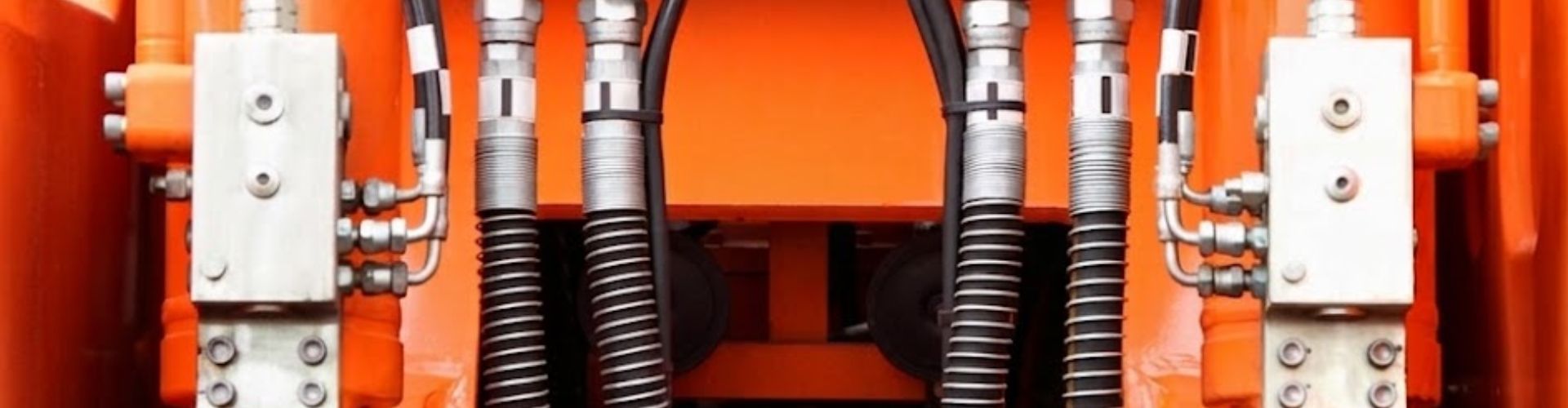
Customized Solutions: Understanding the pain points of their clients, such as affordability and quality, Topa offers customized solutions that align with specific needs and industry requirements.
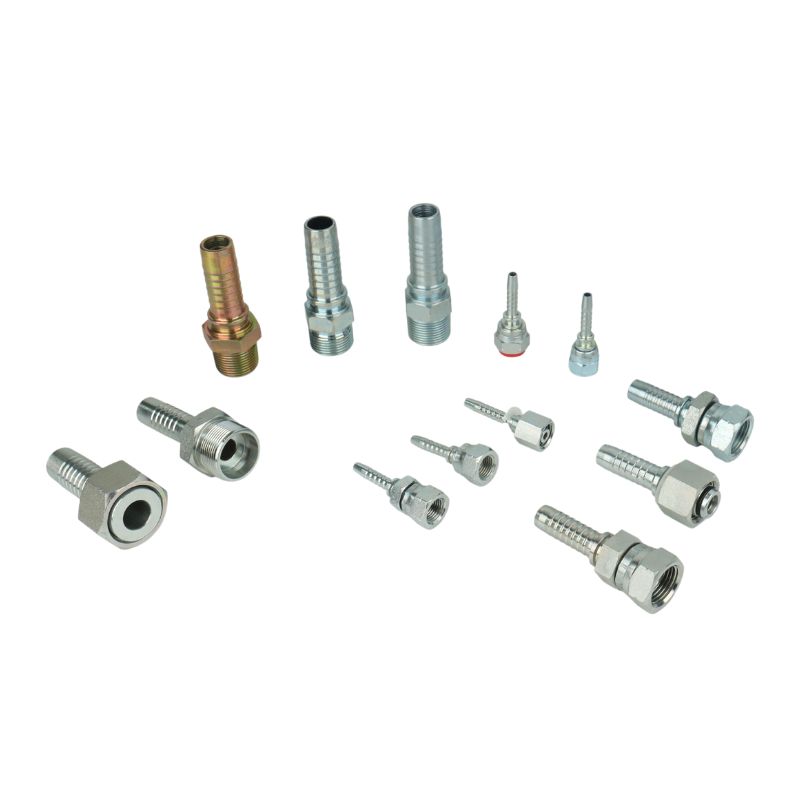
Global Marketing: Utilizing B2B platforms, Alibaba, domestic and international exhibitions, and trade shows, Topa reaches its target audience effectively, ensuring a strong market presence.


Whether you’re a manufacturer, distributor, or end-user in the hydraulic industry, understanding Topa’s approach provides inspiration and guidance for achieving success in a competitive and demanding market.

Embracing the principles that have driven Topa’s success can pave the way for strategic alignment and growth in the hydraulic industry, fostering innovation, customer satisfaction, and long-term success.

FAQ

How should you choose a hydraulic parts manufacturer?

Experience, product quality, certifications and reliable customer service.

How do you ensure the quality of your hydraulic components?

Choose a manufacturer with strict quality control and ISO certification.

What materials should be used to manufacture hydraulic fittings?

Hydraulic fittings should be made of durable materials such as stainless steel or brass, depending on the application.

Are customized hydraulic fittings available?

Many manufacturers offer fittings that are customized to specific needs and applications.

How important is lead time when choosing a manufacturer?

Timely delivery is critical to avoiding project delays, so choose a manufacturer with a reliable shipping record.

Should I consider after-sales support when choosing a manufacturer?

Yes, strong after-sales support is important for troubleshooting and ensuring product performance.

Topa Blog

Find out more about Topa Blog and learn more about specialized hydraulic fittings.

Contact Topa

Save 30% on maintenance costs with our easy-install hydraulic fittings. Contact Now!